National Parks in France and the United States: 11 vs. 63, Two Philosophies
France's 11 national parks and the NPS's 63: inhabited zones versus wilderness, free entry versus passes, and which French park speaks to Western travelers.
 Independent guides to the U.S. national parks
 An independent guide · 63 parks · 16 pages each
One country invented the idea that a landscape could belong to no one. It made sixty-three of them. We cover them one by one, from Yellowstone to the reefs of the South Pacific, with the obsession for detail that changes a trip.
Albers equal-area projection. Alaska, Hawaii and the overseas territories are shown as insets. On a large screen, the printer’s loupe follows the cursor.
On March 1, 1872, the US Congress withdrew nearly 3,500 square miles of volcanic plateau from the market. No owner, no concession, no development: land kept “for the benefit and enjoyment of the people.” Yellowstone became the world’s first national park, and the idea that a landscape could belong to no one would go on to circle the globe.
You rarely know which park you want. You almost always know which setting you’re after. Each of the 63 parks has one dominant climate.
If it’s a first trip, it will probably start with one of these. They’re also the busiest: read the “best time to visit” page before booking anything.
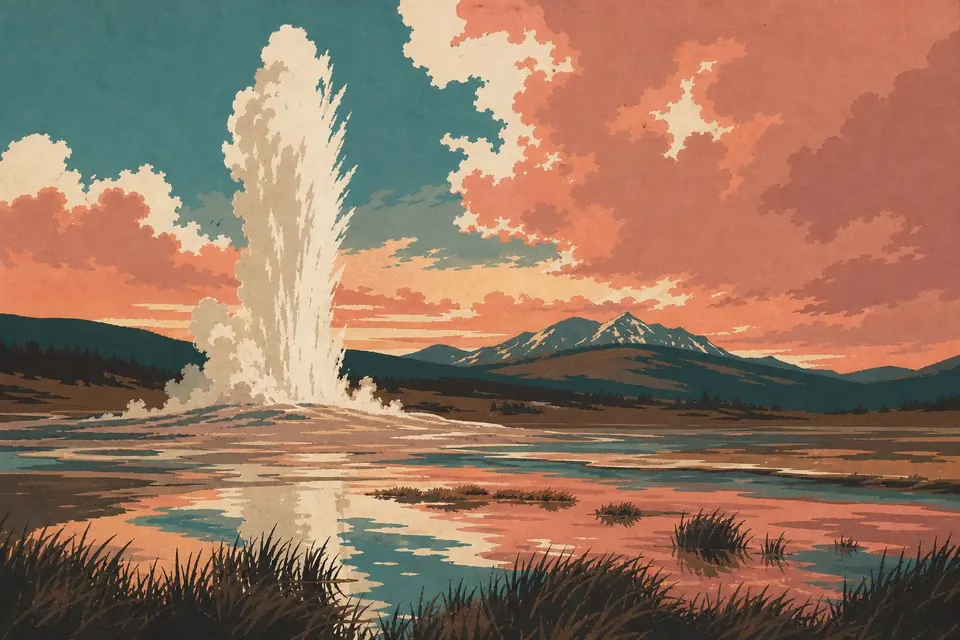 Yellowstone Idaho · Montana · Wyoming The world’s first national park, created in 1872. More than half the planet’s geysers sit within its valleys.
 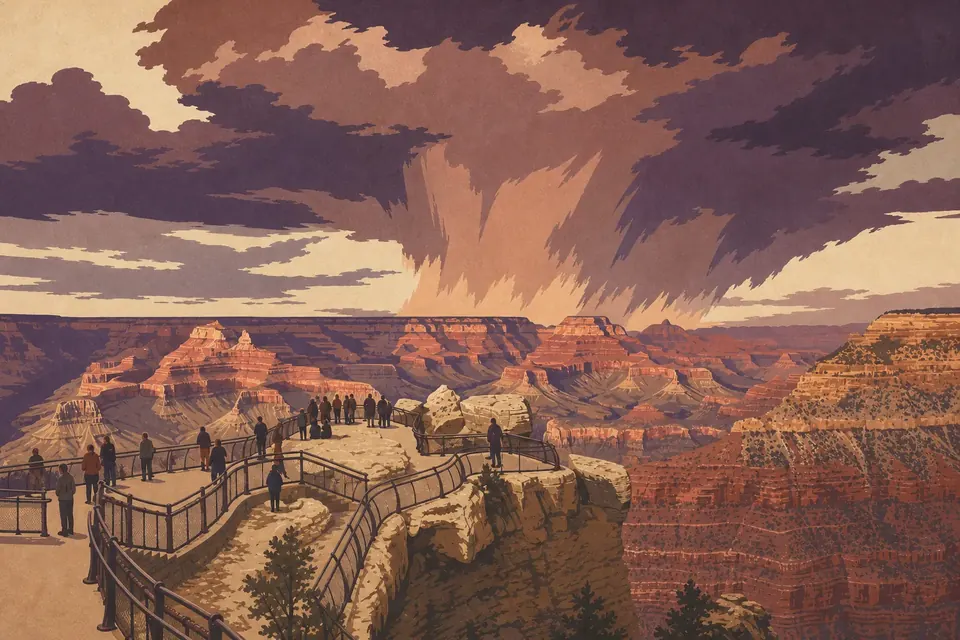 Grand Canyon Arizona 277 miles long, 6,000 feet deep. Two rims that face each other and are visited in completely different ways.
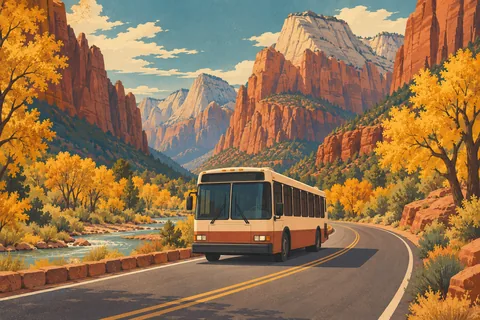
 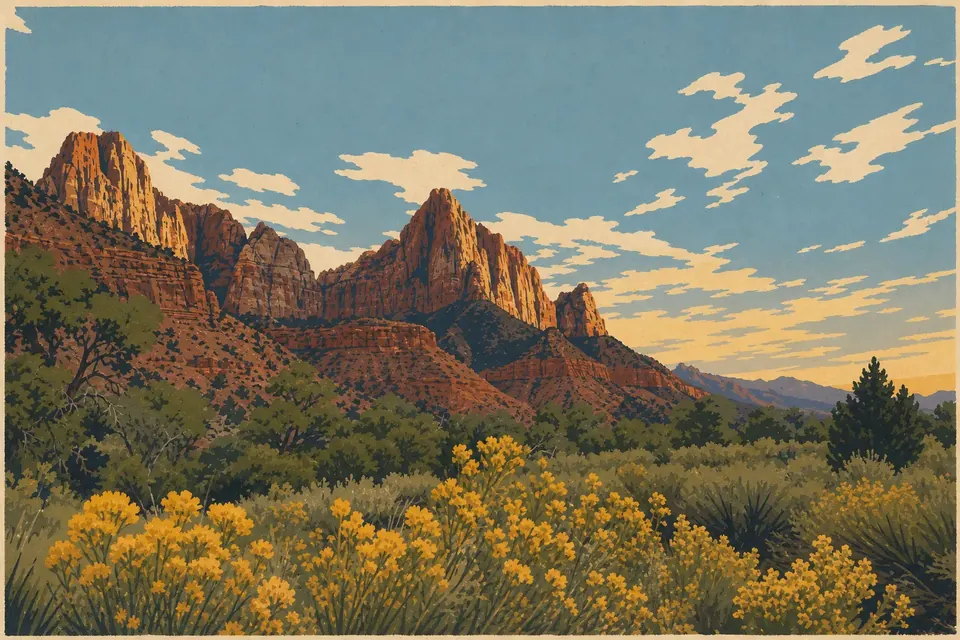 Zion Utah A canyon you hike up by wading through the river, between 2,000-foot sandstone walls. Shuttle required much of the year.
 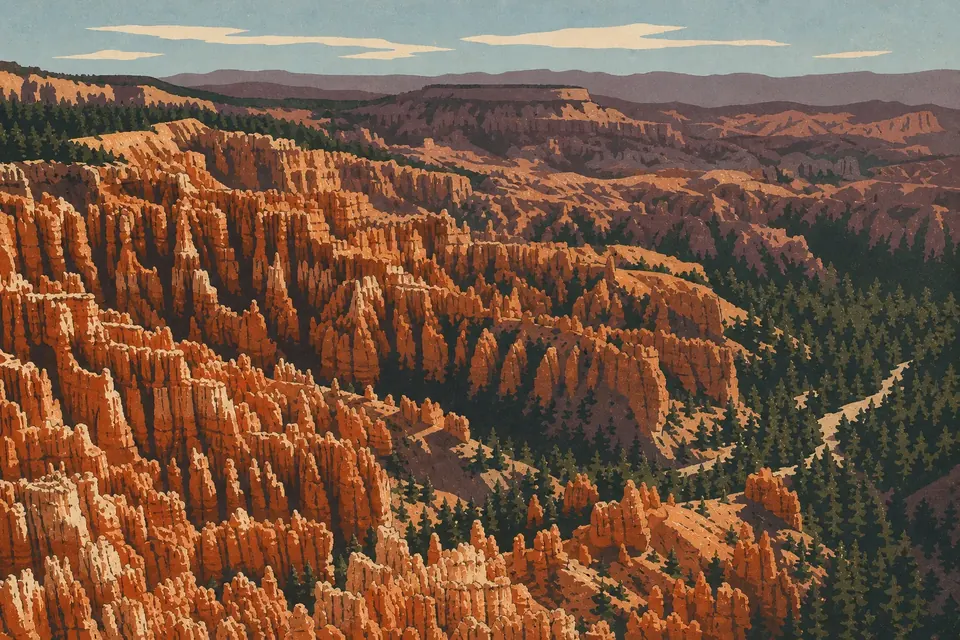 Bryce Canyon Utah A forest of orange hoodoos at 8,900 feet. Nearly 200 freeze-thaw cycles a year: it’s the frost that carves them.
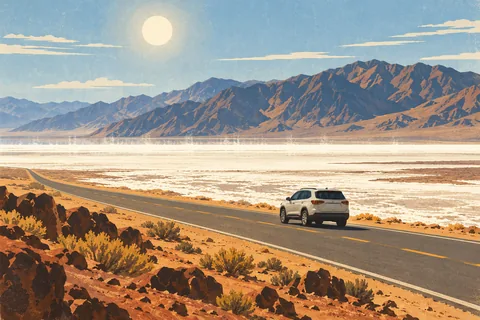
 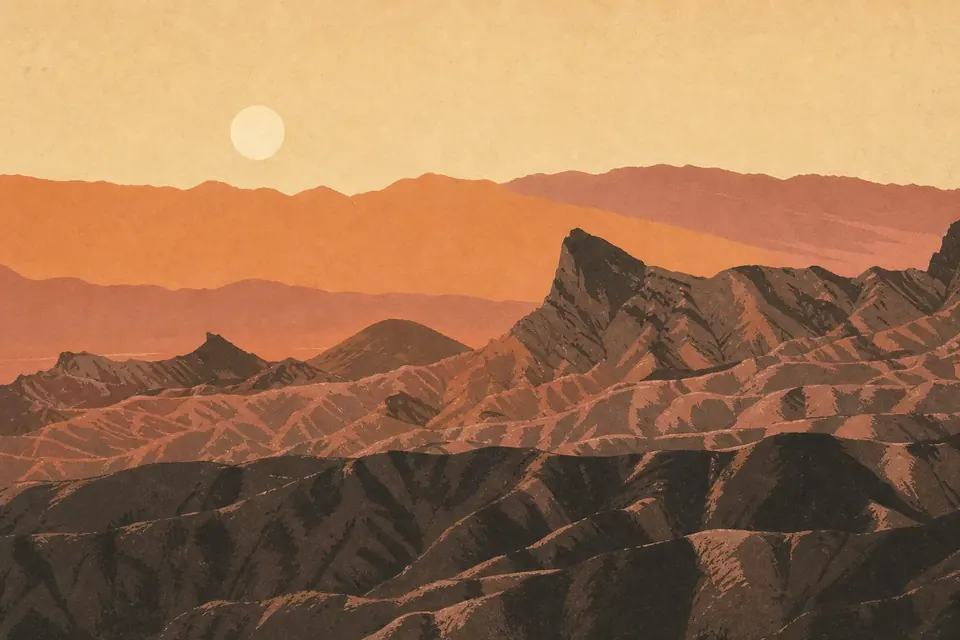 Death Valley Californie · Nevada The lowest point in North America, and the world heat record. Visit in winter, never in August.
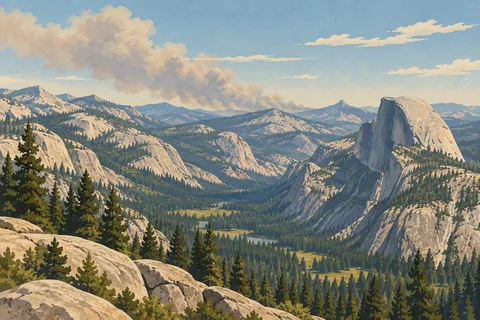
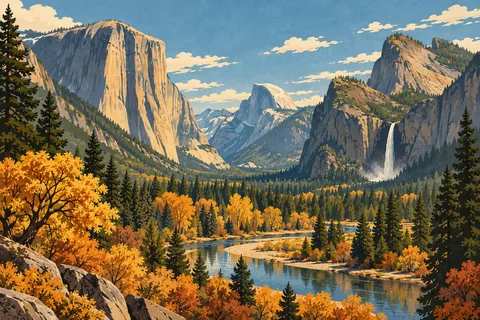
 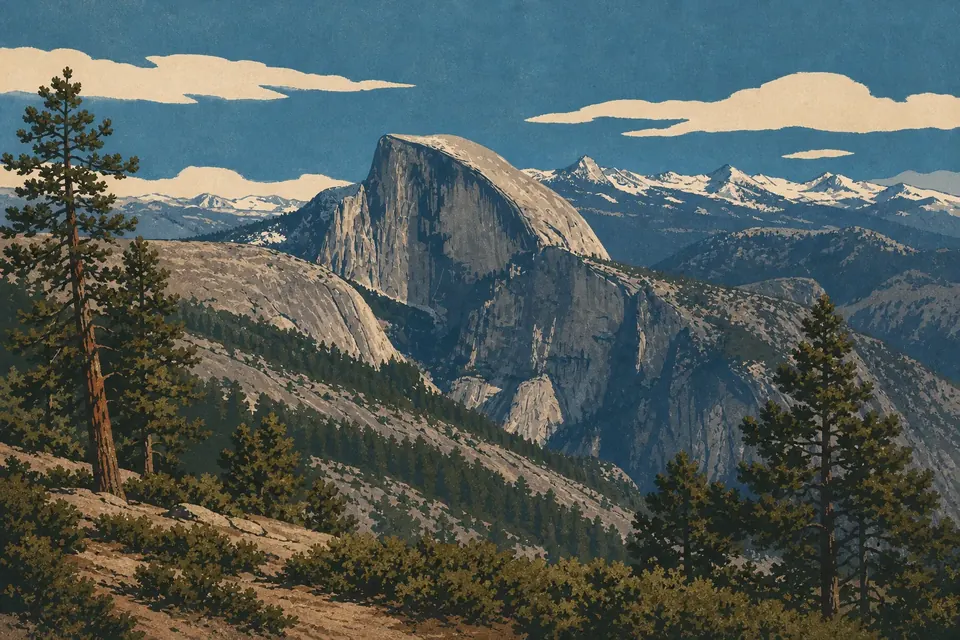 Yosemite Californie The granite walls that invented modern climbing, and waterfalls that peak in May.
 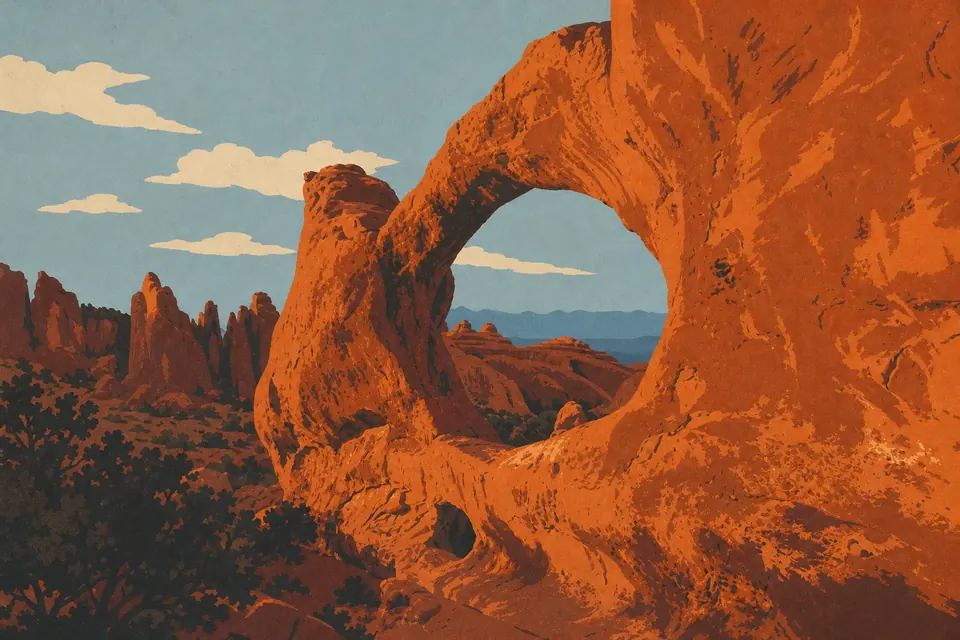 Arches Utah More than 2,000 natural arches in a single park. Timed-entry reservation required in peak season.
 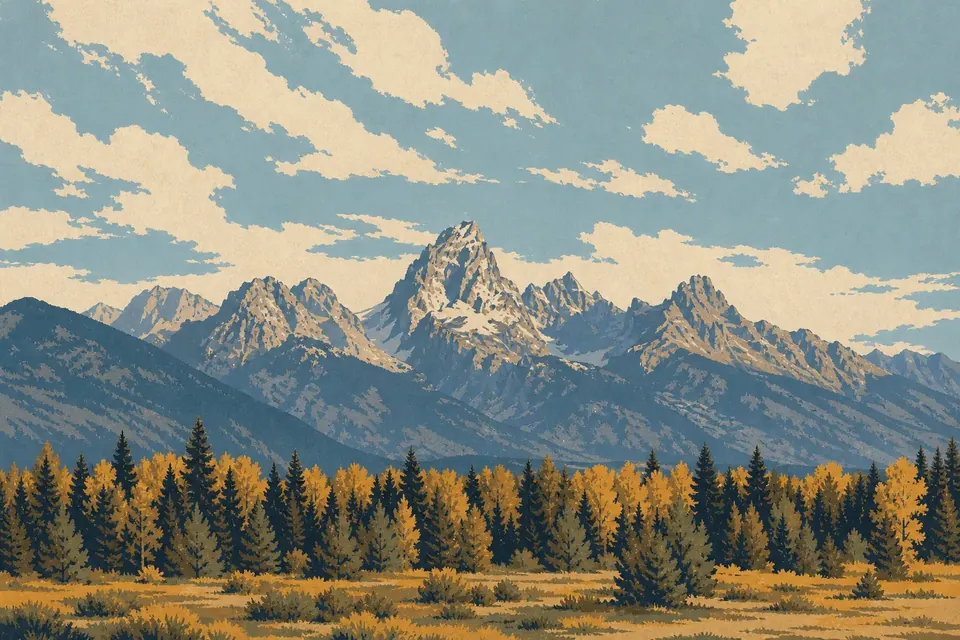 Grand Teton Wyoming A range that rises straight from the plain with no foothills, just south of Yellowstone. The two are visited on a single trip.
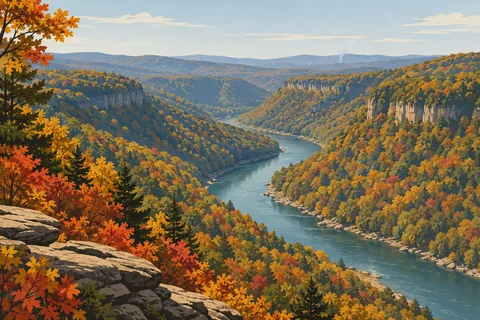
 In October. The American fall. The Eastern hardwoods catch fire and the Southwest gets back to hiking temperatures.
Closures, wildfires, reopenings and alerts that change what you need to plan for, park by park.
We’re a small team of enthusiasts. We write what we’d have wanted to read before leaving: the reservations decided six months ahead, the high roads that don’t reopen until June, the shuttle you can’t avoid. The kind of detail you only find by really digging in.
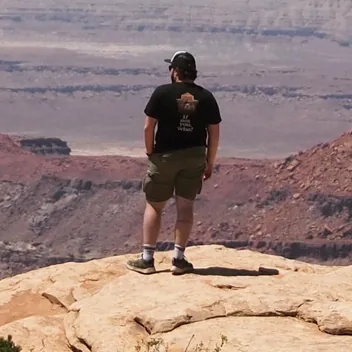 Jocelyn Pion Founder and editor-in-chief He launched American Parks after a first two-week trip: six parks, an RV, and the urge to record everything. He runs the editorial line, the maps and the West.
  Victoria Boissonade Writer, Northwest and Northern Rockies A Cascadia enthusiast, she covers the Northwest and the Northern Rockies. She also owns the site’s identity: the screen-printing-workshop look, the posters, the style guide.
 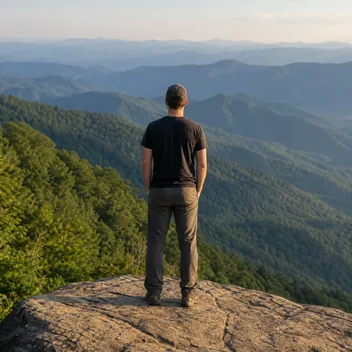 David Sanchez Writer, East, South and Midwest A US resident and Spanish speaker, he covers the half of the country least written about: the Appalachians, Florida, the Great Lakes, Texas.
 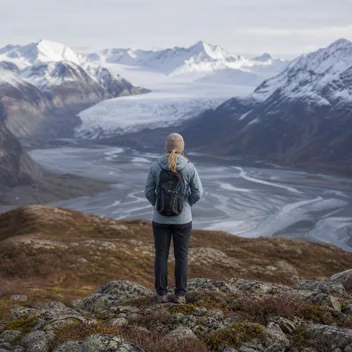 Erika Müller Writer, Alaska, Hawaii and overseas From the mountains, she handles the hardest parks to reach: roadless Alaska, Hawaii and the overseas territories. Where logistics matter more than the view.
 ESTA, flights, gateway cities, deals and stories: the blog’s in-depth articles, for everything that surrounds the parks.
France's 11 national parks and the NPS's 63: inhabited zones versus wilderness, free entry versus passes, and which French park speaks to Western travelers.
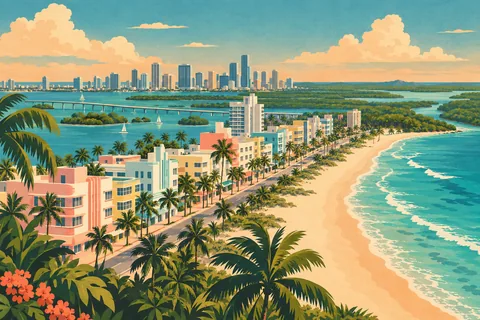
South Beach, Wynwood, Little Havana, and three national parks near Miami: our practical guide to visiting in 3, 5, or 7 days.
A U.S. hospital stay can cost $11,000 to $29,000. Learn what your credit card really covers, what limit to choose, and why national parks require extra protection.
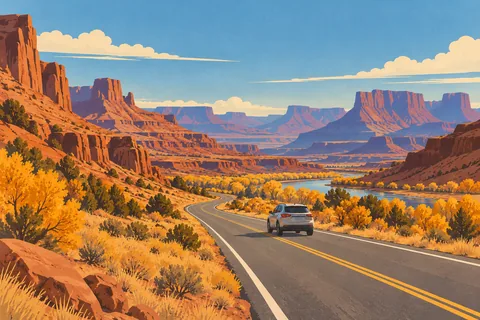
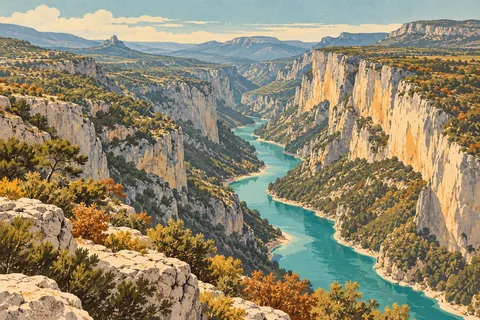
Verdon Gorge, the Provençal Colorado, and the Dune du Pilat: seven French landscapes compared with their American counterparts, with facts, access, and seasons.