
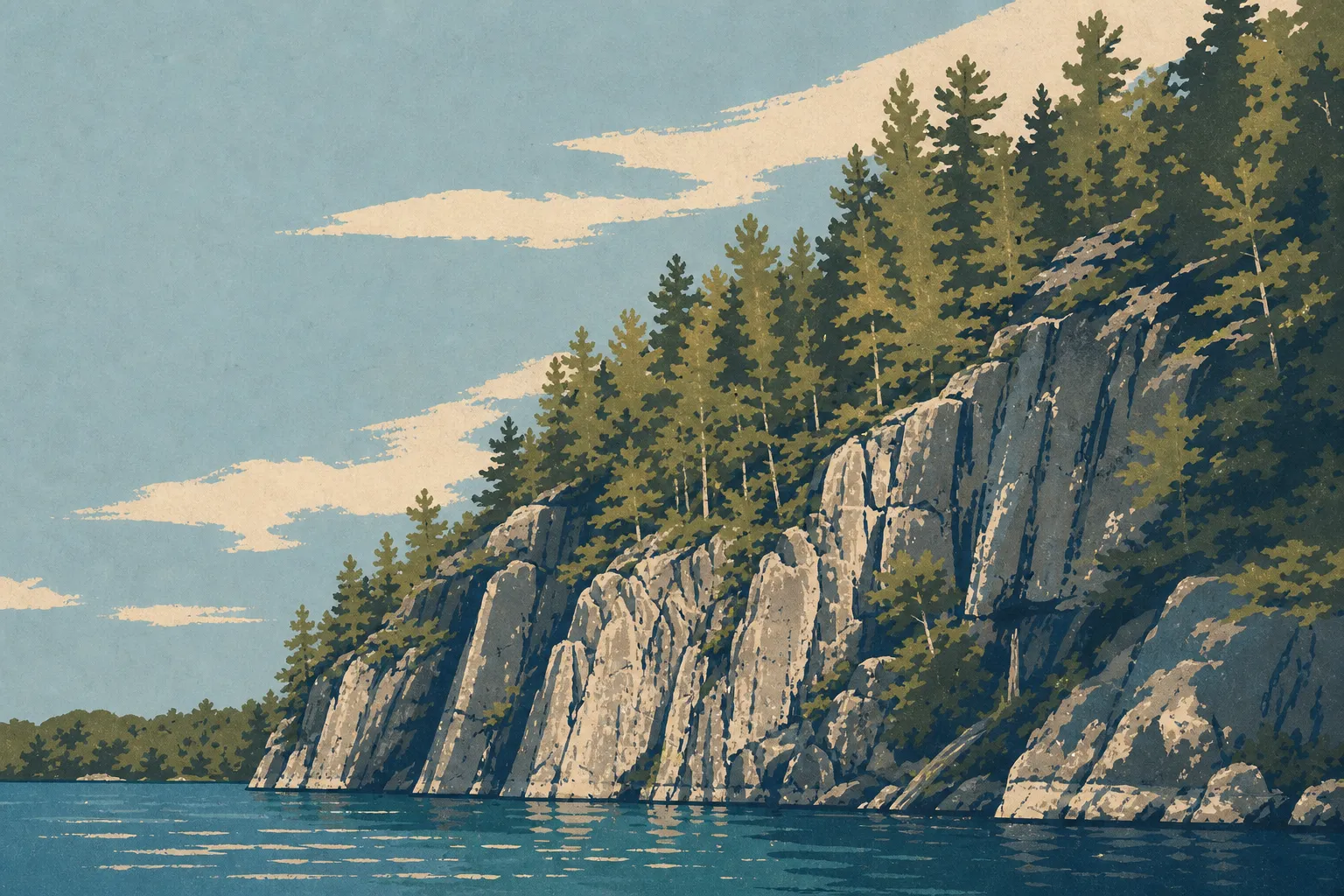
Voyageurs National Park: The Complete Visitor Guide
Voyageurs has a French name, and that's no accident. The park is named for the French-Canadian voyageurs who carried furs across these lakes in the 18th century. Start with one fact that shapes your entire stay: here, the road ends at the water. Voyageurs is an essentially aquatic park in far northern Minnesota, right against the Canadian border. You'll explore a string of large lakes by boat, canoe, or kayak, while the wild interior, the Kabetogama Peninsula, has no road access. Plan on at least two or three days to get a feel for the place. Here, every trip is measured in crossings, not miles of pavement.
It's unlike any other park in the national park system, and that changes how you need to plan. Here's our overview to help you organize your visit before you dive into the details.
Voyageurs at a Glance: Location and Access
The park is in northern Minnesota, just south of the border with Ontario, Canada. The main gateway town is International Falls, only a few minutes from the Rainy Lake area.
You don't enter Voyageurs through a single gatehouse, as you would elsewhere. Instead, several access points are spread around the lakes:
- Rainy Lake, in the northwest near International Falls, with the main visitor center.
- Kabetogama Lake, in the south, a popular family-friendly area.
- Ash River, east of Kabetogama, with a quieter feel.
- Crane Lake and the Orr / Pelican Lake area, at the southeastern end, providing access to the nearby wilderness.
From each of these points, you get on the water. Without a boat, you'll be limited to the area around the visitor centers and a few lakeshore trails. That's the first choice to make: bring your own boat, rent one, or join a guided tour departing from the visitor centers. Two resources can save you time when you're mapping it all out before your trip.
Entrance Fees, Passes, and Reservations
Good news for your budget: Voyageurs National Park doesn't charge an entrance fee. You don't need a ticket or an America the Beautiful pass to set foot on its shores.
Your budget goes elsewhere, on the water. Boat rentals, gas, guided tours in season, boat-in camping permits, and, for the more adventurous, houseboat rentals are the main expenses. Houseboats are a local signature. Reservations fill up quickly for July and August, so book several months ahead for summer. The costs for these items, along with Minnesota fishing licenses if you're after walleye, are collected on our Fees & Passes page. And if you're collecting stamps, the Passport & Stamps page tells you where to stamp your book at the visitor centers.
Reservations, Permits, and Rules to Know
Camping: Developed campgrounds with facilities and remote island campsites can be reserved through Recreation.gov. Reservations are required for some sites and strongly recommended for all sites in July and August.
Fishing: A Minnesota fishing license is required for anyone fishing in the park, including anyone age 16 or older. Minnesota regulations apply, and certain protected species are subject to specific restrictions.
Boating: Every motorboat must be registered in Minnesota, or in its home state if it will stay in Minnesota for fewer than 90 days. Children under 10 must wear a life jacket on every type of watercraft.
Wildlife: Never feed wild animals. Black bears and wolves live in the park, so store food, toiletries, and trash in airtight containers or in the secure lockers at campgrounds.
Fires: Campfires are allowed in designated fire rings. Check current seasonal restrictions before every outing, especially during summer droughts.
Drones: Drones are prohibited throughout the park without prior NPS authorization.
Our Access & Transportation page covers boating regulations, while our Hiking guide summarizes the rules that apply to land trails.
Getting Around Voyageurs
It's worth repeating because it gets to the heart of the park: you experience Voyageurs by water. No scenic road crosses the park from end to end. You can drive to the visitor centers and boat launches, then trade the steering wheel for an outboard motor or a paddle.
Three options work for different travelers:
- Motorboats, for covering the long distances between areas and reaching the islands.
- Canoes and kayaks, which are ideal for sheltered bays and routes on the peninsula's smaller interior lakes.
- Guided tours offered from the visitor centers during the warmer months, the easiest option if you're not comfortable navigating.
In winter, the logic is reversed. Frozen lakes become marked ice roads, and people get around by snowshoe, cross-country ski, or snowmobile on approved routes. Use our Getting Around page to choose the right option for your area and season.
How Much Time Do You Need to Visit Voyageurs?
Plan on two to three days for a worthwhile first visit, and more if you're taking a houseboat or a multi-day canoe trip.
The reason is logistics. Every trip on the water takes preparation, launching takes time, and travel between areas is slow. With just one day, you'll barely scratch the surface of one area from a visitor center. With two nights, you can combine a boat outing, a lakeshore hike, and an evening under the stars. To fit it all into a realistic schedule, we lay out several trip formats on our Itineraries & Trip Length page.
Plan your visit
What to See and Do in Voyageurs
The park is organized around four major lakes, Rainy, Kabetogama, Namakan, and Sand Point, and the wild peninsula they surround. Here's how we break down the park, area by area.
Road trip journal · 5 areas
Rainy Lake
This is the northern gateway and the most developed area, with the visitor center that's open for the longest part of the year. It's easy to set out for the islands, historic former gold mines, and wooded coves. It's a good starting point for your first guided outing.
Kabetogama Lake
The most family-friendly area is in the south. You'll find accessible beaches, water that's good for summer swimming, and plenty of rental outfitters. This is where we usually send families visiting for the first time.
Ash River
Quieter and more heavily forested, Ash River appeals to visitors looking for a peaceful atmosphere and access to the peninsula's smaller interior lakes via short portages.
The Kabetogama Peninsula and the Interior
This is the wild heart of the park. There are no roads, only water followed by hiking. The area contains small interior lakes, trails in the motor-free zone, and a rare sense of isolation. It's best for self-sufficient visitors who come well prepared.
Kettle Falls and Ellsworth Rock Gardens
Two out-of-the-way sights are worth the boat trip and can only be reached by water: the historic Kettle Falls Hotel, between two bodies of water, and the rock gardens built by hand by a private individual along Kabetogama Lake.
Our Things to Do page has the complete list of activities by season and more help planning detailed routes.
Explore the park
The Best Hikes in Voyageurs
Voyageurs isn't a park of long ridge hikes, and that's useful to know before you arrive. Hiking complements the water here rather than the other way around. Many of the most rewarding trails are on the peninsula and the islands, so you'll need to cross the water to reach them.
You'll find short lakeshore loops starting at the visitor centers, easy interpretive trails, and a few more demanding routes in the interior for well-equipped hikers. Our Hiking page brings together trail details, distances, elevation gains, and water access points.
The detailed guide Hiking in Voyageurs: Best Trails by Difficulty and Access The best hikes in Voyageurs National Park, organized by area, difficulty, and… Read the guide →Wildlife and Plants to Watch For
Voyageurs is northern boreal forest, a landscape where water and trees compete for every patch of ground. Wildlife can be elusive, but it's all around you.
You may see moose, black bears, beavers along the shore, and bald eagles perched on watch. With a lot of luck and a good ear at dusk, you might hear a gray wolf, several packs of which live in the park. On the water, the loon, an iconic bird of the North, gives its distinctive call early in the morning. Our Wildlife page explains where and when to improve your chances of seeing animals without disturbing them.
The detailed guide Voyageurs Wildlife: What to See and Where to Look Gray wolves, moose, black bears, beavers, and loons Read the guide →When to Visit Voyageurs
The park is open 24 hours a day, year-round, but its character changes dramatically with the seasons, and the ice calendar controls everything.
Summer, from June through August, brings mild, stable weather. It's the peak season for boating, swimming, and camping. The ice-free season lasts an average of 120 days, from June to mid-September. The lakes usually shed their ice around May 3, on average, and fall sets the forests ablaze before the first snow arrives in late October. Winter turns the park into a frozen landscape through April and sometimes into early May. Watch out during the shoulder seasons. In early spring and late fall, the ice can be treacherous and sometimes too thin to support weight. Take extra care during these periods.
This is only a summary. Our When to Visit page covers each month in detail and offers recommendations based on what you want to do. Temperature and precipitation data are on our Weather page.
The detailed guide When to Visit Voyageurs: Best Seasons and Ideal Months The best time to visit Voyageurs is July and August for boating and wildlife,… Read the guide →Where to Stay in Voyageurs
Lodging in Voyageurs follows an unusual pattern. Inside the park, accommodations are almost entirely water-based: island campsites reached by boat, overnight moorings, and especially the famous houseboats, which you rent and anchor in a cove at night. It's the park's signature experience. Traditional hotels and lodges are concentrated outside the park, in International Falls and the communities around Kabetogama and Crane Lake.
For a detailed comparison of options, prices, and reservations, use our Where to Stay guide, our Hotels & Lodges page, and our Camping page. If you're traveling by van or motorhome, the RV Camping page explains the campgrounds and services near each area.
Stay in the park
Around Voyageurs: Things to Do Nearby
Voyageurs fits naturally into a trip through northern Minnesota. To the east lies the Boundary Waters Canoe Area Wilderness, a world-class canoe-camping destination. The border city of International Falls, the Lake Country Scenic Byway, and the small fishing villages nearby can easily round out your stay. Many visitors combine the park with a larger regional road trip.
To add Voyageurs to a longer trip, use our Regional Guides for northern Minnesota and the surrounding area, along with our Road Trip Ideas, which include ready-made itineraries featuring the park.
Our Take: Is Voyageurs Worth the Trip?
Yes, as long as you're willing to play by its rules. Voyageurs isn't a park you "do" by driving between two overlooks. It's a park you settle into, on the water, at your own pace. Visitors looking for spectacular waterfalls and mountain trails will be disappointed. Those seeking a quiet immersion, a campfire on an island, a night on a houseboat, and the starry sky of the North will leave captivated.
That's the park's most unexpected strength. Far from light pollution, Voyageurs is known for its dark skies and ranks among the best places on the continent to see the northern lights. When we visited in late summer, one evening spent waiting on a dock was enough to transform the trip. Deep green light rippling above the fir trees made the hassles of launching the boat disappear. For that alone, yes, the detour is worth it.
Frequently Asked Questions
How much time do you need to visit Voyageurs?
Plan on two to three days for a proper visit to Voyageurs, and more if you're staying on a houseboat or taking a canoe expedition. Every trip happens on the water and requires preparation, which makes a one-day visit very limited.
How much does it cost to enter Voyageurs?
Voyageurs National Park doesn't charge an entrance fee, so admission is free. Your budget goes toward boat rentals, gas, guided tours, and boat-in camping permits, detailed on our Fees & Passes page.
Can you visit Voyageurs by car?
You can't really visit Voyageurs by car because no road crosses the park. You can drive to the visitor centers and boat launches, then continue by boat, canoe, or kayak, as explained on our Getting Around page.
What's the best time to visit Voyageurs?
The best time to visit Voyageurs is from June through August, when the weather is mild and stable and boating is in full swing. Winter offers a completely different experience on the ice. Our When to Visit page breaks it down month by month.
Which area is best for discovering Voyageurs?
The best area depends on what you're looking for: Rainy Lake for a well-equipped first visit, Kabetogama Lake for families, Ash River for peace and quiet, and the interior peninsula for a self-guided adventure. Our Things to Do page compares each area in detail.
Is Voyageurs worth visiting?
Voyageurs is worth visiting if you like water, quiet, and star-filled skies, but less so if you're looking for mountain hikes. It's one of the best parks on the continent for seeing the northern lights, an attraction that makes the trip worthwhile on its own.
The American Parks shop
Bring Voyageurs home
Our park-inspired creations, made to order and shipped to your door.
Latest park news
- Voyageurs: Campfires Allowed Again ParkwideAs of August 24, 2026, campfire restrictions have been lifted across Voyageurs National Park.
- Dryweed Island Area Closed at Voyageurs After Bear EncountersCamping and day use are suspended around Dryweed Island, and here's what the closure means for planning your trip to Voyageurs.