

Mazama Newt Proposed for Endangered Listing at Crater Lake National Park
According to KTVZ, the Mazama newt has been proposed for listing as an endangered species at Crater Lake National Park, but that status hasn't been finalized.
By Victoria Boissonade, · Updated
Developing story · 1 update since the first story Jump to where it started
Timeline
-
Latest update
Endangered Status Proposed for Mazama Newt at Crater Lake
According to KTVZ, the Mazama newt has been proposed for listing as an endangered species at Crater Lake National Park. The status reported by the outlet hasn't been finalized at this point. KTVZ's report therefore concerns a proposal to protect the Mazama newt, whose endangered listing remains a proposal, according to the outlet.
Official source : Crater Lake newt proposed for endangered status after survey finds none in the wild
-
Where it started
No Mazama Newts Spotted in Latest Crater Lake Survey
According to KATU, the latest Crater Lake survey found no Mazama newts, a species found only in the lake and under pressure from introduced crayfish.
If you're planning a visit to Crater Lake, this wildlife update deserves your attention. According to KATU, no Mazama newts were spotted during the latest survey, conducted by snorkelers. That finding reflects what surveyors saw during this effort. On its own, it doesn't establish that the newt has disappeared from the lake.
Earlier counts reported by KATU offer a point of comparison. Surveyors spotted 35 newts in 2023, compared with just four in 2025. The latest survey therefore marks another decline in sightings. There's an essential distinction to keep in mind when interpreting these figures. A count of animals spotted doesn't necessarily account for the entire population.
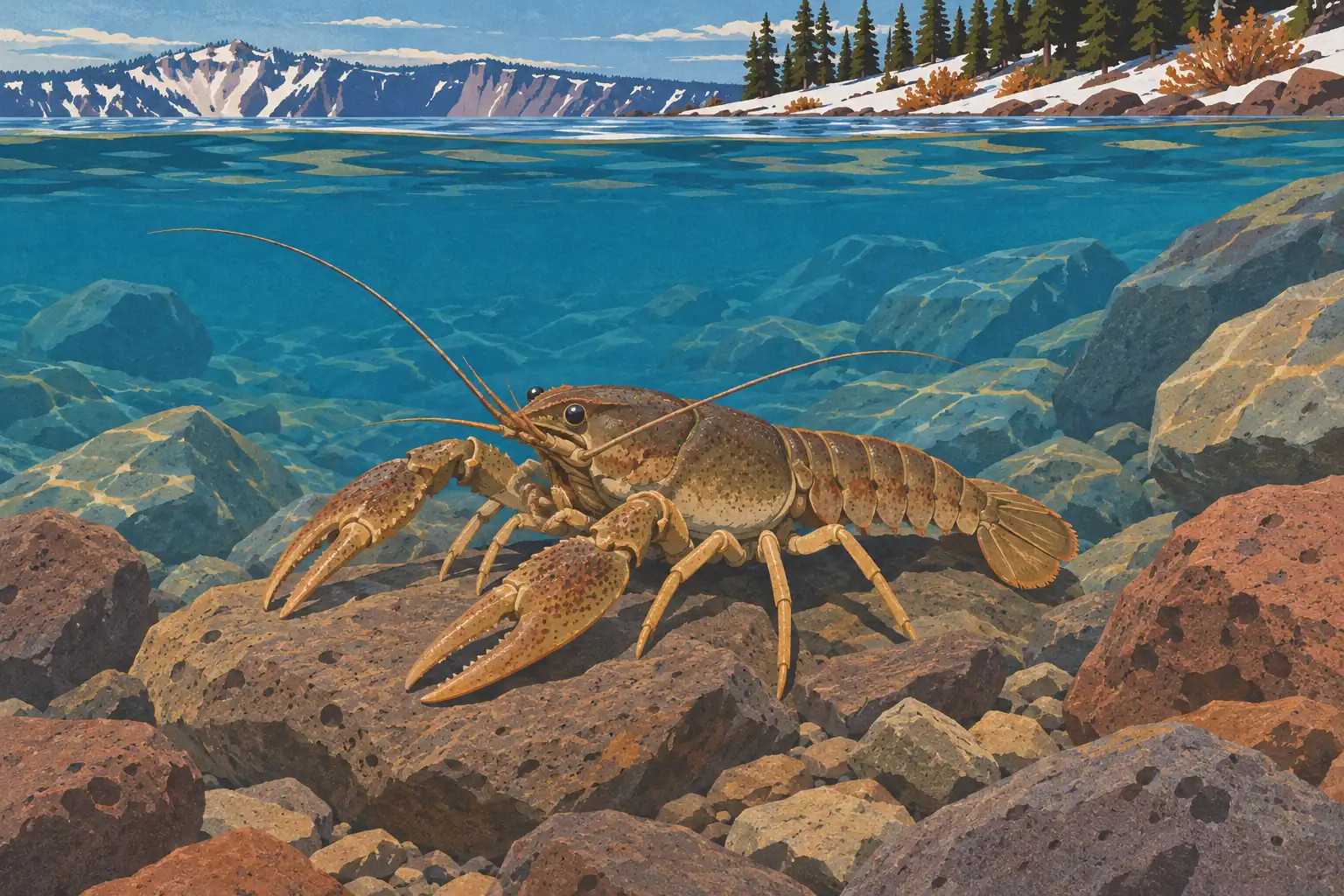
The stakes are closely tied to the place you're about to visit. According to KATU, this newt lives exclusively in Crater Lake. Its range doesn't extend to other lakes, based on the outlet's reporting. For visitors, that limited range adds another dimension to exploring the park. The lake is also this animal's only known habitat.
KATU also reports that introduced crayfish put pressure on the newts in two ways. They eat the newts and compete with them for food. Crayfish are both predators and competitors for food. These two factors help explain the newt's vulnerability, but they don't, on their own, explain the latest survey result.
As you plan your trip, take a look at our Crater Lake National Park guide. Keep these findings in mind if you're hoping to see wildlife. The sightings KATU reports have become rare, so we recommend that you don't make seeing this newt a goal for your visit.