
North Cascades National Park: The Complete Visitor Guide
North Cascades is the national park people often leave out when they talk about the American West, and that's exactly what makes it special. Jagged peaks, glaciers, and lakes in an otherworldly shade of turquoise put you in the North Cascades of Washington State, two hours from Seattle, with surprisingly few visitors for scenery like this. For a first visit, plan on two to three days. That's enough time to drive the scenic highway, hike one or two trails, and linger at Diablo Lake. Here's where it is, how to get there, what to see, and how much time to allow, with a detailed guide for each topic linked throughout.
North Cascades at a Glance: Where the Park Is and How to Get There
The park occupies the northern part of Washington State, right up against the Canadian border, in the Cascade Range. There's one main approach, State Route 20, also known as the North Cascades Highway. From Seattle and the west, take Interstate 5 to Exit 230 in Burlington, then follow SR 20 east. From the park's eastern side, the same road meets US 97 near Winthrop and the Methow Valley.
One logistical detail can change everything. The high-elevation section of the North Cascades Highway closes under snow in winter, usually from November through April and sometimes longer. You can't cross the park from west to east then. Always check road conditions before setting out outside the summer season.
The area managed by the National Park Service actually includes three connected units: the national park itself and two national recreation areas, Ross Lake and Lake Chelan. In practice, you move from one to another without noticing, along the same road.
Entrance Fees, Passes, and Reservations
North Cascades is one of the few major parks where you should check the entrance-fee situation ahead of time instead of making assumptions. Fees, passes, and any reservations can change from year to year, while some activities, such as boating, backcountry camping, and overnight permits, follow separate fee schedules.
If you're visiting several western parks in the same season, the annual America the Beautiful pass is almost always the most economical option. Our Fees & Passes page explains entrance fees and annual passes for all federal parks.
If you're collecting stamps, the Newhalem visitor center can stamp your passport. See our Passport & Stamps page to find out where and when.
Reservations, Permits, and Park Rules
Frontcountry campgrounds: Campgrounds along the road, including Goodell Creek, Newhalem Creek, and Colonial Creek, can be reserved through Recreation.gov. In July and August, sites fill several weeks ahead. Book as soon as your dates are set.
Wilderness permits: You need one for any overnight stay outside designated campgrounds. You can also get these permits through Recreation.gov, with a reservation window opening several months before the season. Some permits are released as walk-up permits the morning of your trip at the Wilderness Information Center in Marblemount. Arrive early. In peak season, walk-up permits are gone before 9 a.m.
Park rules:
- Dogs are allowed on roads and in campgrounds, but they're prohibited on trails in the national park. They're permitted in the adjacent national recreation areas.
- Campfires are subject to seasonal restrictions. Check current alerts on the NPS website before you arrive.
- Leave No Trace means packing out everything, including food scraps and cigarette butts. Portable toilets are required in some wilderness areas.
- Fishing is regulated. Anyone 15 or older needs a Washington State fishing license. Rules vary by waterway and season.
Getting Around North Cascades
Forget the Zion or Yosemite model. There's no mandatory shuttle here, and no area is closed to cars. You can drive freely, and your car is what sets the pace. The backbone of any visit is North Cascades Highway (SR 20), a scenic road that crosses the park from west to east and serves most points of interest accessible without hiking.
Three overlooks along the route are worth a stop: the Diablo Lake overlook, Washington Pass Overlook, and the developed areas along Ross Lake. You can reach each one from the road within a few minutes.
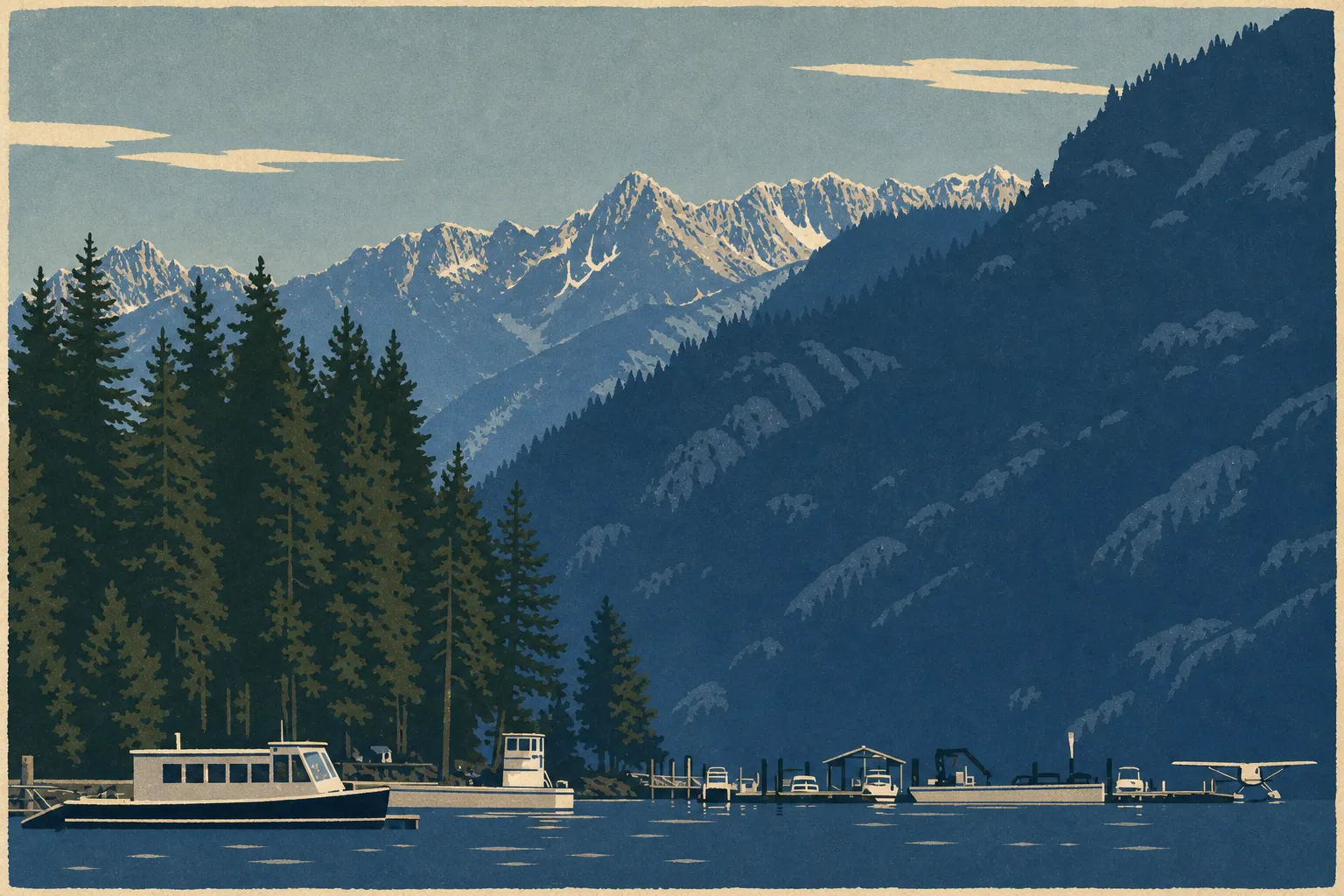
Two areas are completely beyond the reach of cars, which is part of their appeal. Stehekin, at the head of Lake Chelan, is accessible only by boat, seaplane, or on foot. There's no road in. Hozomeen, at the northern end of Ross Lake, can only be reached by a road that comes through Canada. We wouldn't recommend them for a short first visit, but they help explain why part of the park remains so wild.
How Much Time Do You Need to Visit North Cascades?
For a first visit, plan on two to three days. That gives you time to drive the North Cascades Highway without rushing, spend half a day on a trail, enjoy the overlooks in good light, and sleep nearby instead of constantly moving on. You can cross the park and stop at the main viewpoints in a single day, but you'll leave frustrated that you saw the scenery without getting out on the trails.
With four days or more, the park rewards a slower pace. You can take a challenging hike to a pass, boat to Stehekin, and spend a morning watching for wildlife. On our visit, it was the third day, once we'd settled into the mountain rhythm, when the park really began to reveal itself.
For a detailed itinerary based on the time you have, see our Itinerary & Length of Stay page.
Plan your visit
What to See and Do in North Cascades
The heart of the visit breaks down by area. Below, we've listed the main zones from west to east so you can build your own route. Each area has its own detailed guide, linked throughout.
Road trip journal · 4 areas
Newhalem and the Scenic Highway
This is your western gateway. Newhalem is home to the park's main visitor center, open seasonally. It's a good place to set expectations, get the day's updates, and scope out the first short trails. From there, the North Cascades Highway climbs toward the heart of the park, with one viewpoint after another.
Diablo Lake and Ross Lake
Diablo Lake is North Cascades' postcard view, with milky turquoise water created by the glacial flour that glaciers grind from the rock and carry in suspension. You can reach the overlook above the lake directly from the road. Farther north, Ross Lake stretches toward the Canadian border behind a dam. Visitors boat, fish, and camp along its shores.
Washington Pass and the Eastern Park
As you climb east, the road reaches its highest points and drops toward a drier, sunnier side of the range. Washington Pass Overlook offers a direct view of spectacular rock spires just steps from the parking area. It's also the gateway to the area's major high-country hikes.
Stehekin and the Lake Chelan Valley
Far from everything, Stehekin is a remote corner accessible only by boat, seaplane, or trail. The park's eastern side is warmer and drier, with an almost Mediterranean feel in summer. This is the place for a contemplative stay, not a quick visit.
Explore the park
The Best Hikes in North Cascades
You earn North Cascades on foot. From the road, you can glimpse the glaciers, but you only get close by hiking. Three classic hikes come up in every recommendation. Blue Lake is an accessible half-day hike to a mountain lake ringed by spires. Maple Pass follows a popular scenic loop with a manageable elevation gain. Cascade Pass, finally, opens onto an amphitheater of peaks and glaciers after a sustained climb.
Here's one calendar detail to keep in mind. Snow doesn't clear from most high-elevation trails until around mid-July. Before then, expect snowy sections even in the middle of summer. We cover each route, its difficulty, and its hiking season on our Hiking page.
The detailed guide Hiking in North Cascades: The Best Trails by Skill Level The best North Cascades hikes by area and difficulty, from Maple Pass Loop and… Read the guide →Wildlife and Plants to Look For
The park is genuine wilderness, and its wildlife makes that clear. You may see deer and mountain goats at higher elevations, marmots in the talus, and raptors above the valleys. North Cascades is also home to black bears and grizzly bears, so follow a few practical rules. Store food in the required containers, keep a safe distance, and never approach wildlife for a photo.
Plants change with elevation and exposure. The west has dense, wet forests; high-elevation meadows bloom in July and August; and the area east of the crest, around Lake Chelan, is drier. Our Wildlife page lists the species to watch for and the best times to see them.
The detailed guide North Cascades Wildlife: Animals to See and Where to Find Them Learn where to safely see black bears, mountain goats, bald eagles, marmots,… Read the guide →When to Visit North Cascades
The best window is short and clear, from mid-June through late September. That's when the weather is most reliable, the high road is open, and high-elevation trails begin to clear, with most of the snow gone by mid-July. In summer, daytime temperatures run around 70 to 79°F on the west side and are noticeably warmer in the east. Stehekin often rises above 90°F.
Spring and fall are worth considering for the colors and wildlife, but you'll need to accept the risk of rain, wind, and closures. Thunderstorms are still common in the mountains, so always bring enough gear for a few days of bad weather. For a month-by-month breakdown, see our When to Visit page and the conditions detailed on our Weather page.
The detailed guide When to Visit North Cascades: Best Time, Weather, and Seasons The best time to visit North Cascades is mid-June through late September Read the guide →Where to Stay in North Cascades
Lodging takes some advance planning because options inside the park are limited. You have three main choices. Campgrounds along the road and beside the lakes offer the most immersive experience. Nearby towns, especially Winthrop to the east with its Old West atmosphere, have most of the hotels and lodges. An RV is another good compromise if you want to stay mobile along SR 20.
Here's the big picture. Each option has its own detailed guide, linked throughout.
Stay in the park
Around North Cascades: Things to Do Nearby
The park fits naturally into a larger trip. To the east, Winthrop and the Methow Valley extend the journey with drier scenery and outdoor activities. To the south, Lake Chelan stretches for dozens of miles. To the west, the road takes you back down toward Seattle and Puget Sound.
Many travelers combine North Cascades with Washington's other national parks, Mount Rainier and Olympic, for a coherent loop. Our road trips build these combinations into itineraries, while our regional guides put the park in its broader geographic context.
Visiting with Kids: Is It Doable?
Yes, as long as you adjust your ambitions. Overlooks reached from the road, short trails around Newhalem, and a boat trip on a lake make the park a great fit for kids. High-elevation hikes and long distances are better suited to more experienced hikers. Our Family page sorts activities by age and ability level.
Our Take: Is North Cascades Worth the Trip?
Honestly, yes, as long as you know what you're looking for. North Cascades has neither Zion's carefully staged scenery nor Yellowstone's familiar spectacle. What it offers is wild, nearly empty high country where you may have a glacier overlook to yourself in the middle of peak season. If you enjoy hiking and can handle minimal infrastructure, it's one of the least overrun great parks in the West. If you want comfort at every stop and ready-made attractions, the pace may feel austere.
Our advice is to include it in a larger loop with Mount Rainier and Olympic, plan your visit between mid-June and late September, and give it at least two full days. Follow the detailed guides for each topic to build a trip tailored to you.
Frequently Asked Questions
How Much Time Do You Need to Visit North Cascades?
Plan on two to three days for a relaxed visit to North Cascades. That's enough time to drive the North Cascades Highway, hike one trail, and enjoy the Diablo Lake and Washington Pass overlooks. A single day lets you cross the park, but not spend time hiking.
What Is the Entrance Fee for North Cascades?
North Cascades entrance fees and any available passes can change from year to year. For current entrance fees and annual passes, see the National Parks Fees & Passes page.
Can You Visit North Cascades by Car?
Yes. You can visit North Cascades by car without a mandatory shuttle. The North Cascades Highway (SR 20) crosses the park and serves the main viewpoints. Only Stehekin and Hozomeen are beyond the road network, and you reach them by boat, seaplane, or on foot.
When Is the Best Time to Visit North Cascades?
The best time to visit North Cascades runs from mid-June through late September, when the high road is open and snow has cleared from the trails, usually by mid-July. Our When to Visit page has the month-by-month details.
Is North Cascades Worth Visiting?
North Cascades is worth visiting if you enjoy wild high country and hiking. Glaciers, turquoise lakes, and low visitor numbers make it unlike other parks. It may be a poorer fit for travelers looking for ready-made attractions and comfort at every stop.
Which Area of North Cascades Is Most Scenic?
The Diablo Lake area offers North Cascades' most iconic view, with turquoise water visible from the road. Washington Pass rivals it with its rock spires, while Stehekin appeals to anyone looking for a remote escape. Our Things to Do page compares the areas in detail.
The American Parks shop
Bring North Cascades home
Our park-inspired creations, made to order and shipped to your door.
Latest park news
- North Cascades: A Level 1 Fire Advisory Is in Effect for StehekinA wildfire is active near Stehekin. Some roads and areas are closed, but local businesses stay open outside the affected zone.
- North Cascades: The Border 2 Fire Slows as of August 20, 2026As of August 20, 2026, the Border 2 Fire is easing in North Cascades: roughly 7,296 acres burned and 43% of the fire contained.
- North Cascades: Wildfire Smoke May Affect Air QualityActive fires across the region are filling the air with smoke at North Cascades, so here's how to adjust your outings and stay safe.