National Park of American Samoa: The Complete Visitor Guide
American Samoa National Park is the only park in the U.S. national park system south of the equator, about 2,500 miles southwest of Hawaii in the middle of the South Pacific. It protects no canyon or geyser field. Instead, it preserves tropical rainforest, coral reefs, and a way of life, the faʻa Samoa, that remains very much alive in the villages bordering the park. Plan on at least three days on the main island of Tutuila, and a full week if you want to reach the outlying islands of Taʻu and Ofu. Admission is free, no reservation is required, and the real challenge isn't getting into the park. It's getting there.
Here's our big-picture take for organizing your trip, deciding where to spend your days, and finding your way to the details. Each major question has its own guide, so follow the links as you read.
American Samoa at a glance: where the park is and how to get there
The territory of American Samoa consists of several volcanic islands. The park covers three of them: Tutuila, the largest and most populated; Taʻu; and Ofu. The latter two, together with Olosega, make up the Manuʻa Islands farther east. This park is unusual because it owns no land outright. It operates through lease agreements with Samoan villages, including Vatia, Pago Pago, Fagasa, and Afono on Tutuila, Fitiuta and Faleasao on Taʻu, and one area on Ofu. You won't pass through an entrance gate. You'll be walking on community lands that are open to visitors.
The visitor center is in the village of Pago Pago, across from the Pago Way gas station. It's the logical starting point for maps, permits for certain hikes, information about temporary closures, and advice on local customs. It's open weekdays from 8 a.m. to 3 p.m. The park itself is accessible 24 hours a day, year-round.
The only gateway to the territory is Pago Pago International Airport (Tafuna) on Tutuila. Most travelers connect through Honolulu, Hawaii, then fly to Pago Pago. From there, small local planes serve the Manuʻa Islands (Taʻu and Ofu), with limited and sometimes unpredictable schedules. We'll come back to this below because the logistics shape your entire stay.
Entrance fees, passes, and reservations
The good news for your budget is that admission to American Samoa National Park is free. There is no entrance fee, and you don't need a reservation to visit. Your America the Beautiful pass won't get you through a gate here, but this park is still a rare stamp to add to your collection. Our guide to National Park Fees & Passes covers entrance fees and annual passes, while our guide to Passports & Stamps explains how to collect the stamps.
Most of your spending happens elsewhere: long, expensive flights; connections to the Manuʻa Islands; lodging; and a rental car. In other words, entering the park costs nothing, but reaching American Samoa takes a serious transportation budget.
Reservations, permits, and rules to know
Reservations
You don't need a reservation to enter the park. The visitor center welcomes walk-ins on weekdays. Lodging on Ofu and Taʻu is a different story. Options are extremely limited, so plan several months ahead.
Park and village-specific rules
The park is managed in partnership with local communities, and some village lands are included within its boundaries through land agreements. That means there are practical rules to know before you go.
Dress modestly in and around the villages, with your shoulders and knees covered. A swimsuit is fine on the beaches and on trails away from homes, but not on village streets. Sunday is a strict day of religious rest in the villages. Avoid passing through residential areas, making noise nearby, or doing noisy activities that day. This isn't just a courtesy. It's a strong cultural rule that the entire community observes.
Fishing in the park's marine areas is regulated, with restrictions that vary by sector. Check with the visitor center before fishing or collecting anything. Trails or areas may close temporarily for construction or safety reasons, so check current alerts on the official NPS website before you leave.
Getting around the park
On Tutuila, the main road follows the coast and serves Pago Pago Bay. You have two ways to get around: a rental car, which gives you the most flexibility for reaching trailheads, and the famous Samoan aiga buses. They're colorful, inexpensive, and free of fixed schedules, offering an immediate cultural experience but little reliability if your itinerary is tight. Driving is on the right, and roads are often narrow and hilly. Slow down and follow the low local speed limits through the villages.
The park's areas aren't all connected. Each island operates as a separate unit with its own air access. Getting from Tutuila to Taʻu or Ofu means taking another flight. There are no roads or bridges between the islands. Build this into your schedule from the start, because a canceled inter-island flight can throw off everything that follows.
How long do you need to visit American Samoa National Park?
It depends on what you want to do. To explore Tutuila, including the visitor center, views over the bay, the Mount ʻAlava Trail, Vatia village, and views of Pola Island, plan on three full days. That's the most common itinerary because Tutuila has the air connections and most of the services.
If you want to add the Manuʻa Islands, give yourself plenty of time: one week to ten days. Ofu Beach, often counted among the Pacific's most beautiful, and the climb up Mount Lata on Taʻu are worth the detour, but air service can be unpredictable. We always recommend building in buffer days. A delayed inter-island flight is better than a missed international connection. A schedule that's too tight costs you stress here, not memories.
Plan your visit
What to see and do in the park
The park is best understood island by island. Each area has its own character, access, and atmosphere. Here's the overview. The activity and trail details are covered in the dedicated pages.
Road trip journal · 3 areas
Tutuila, the arrival island
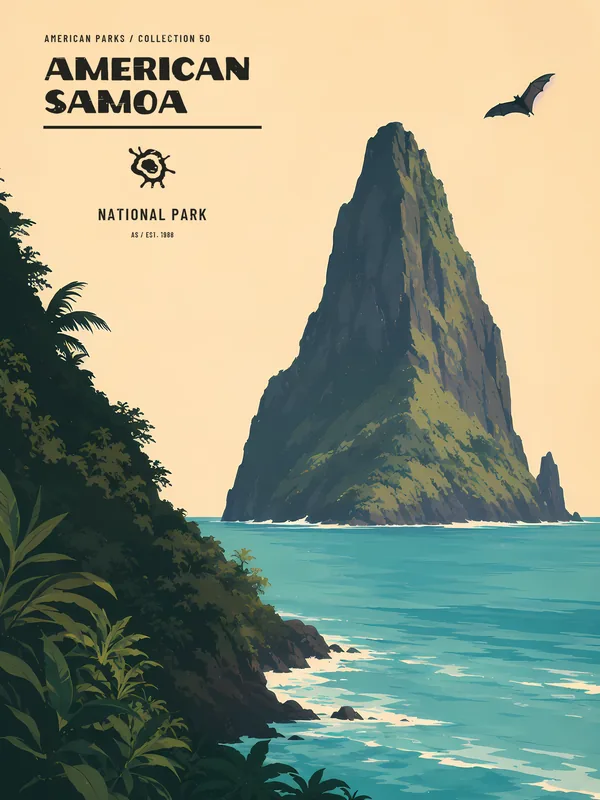
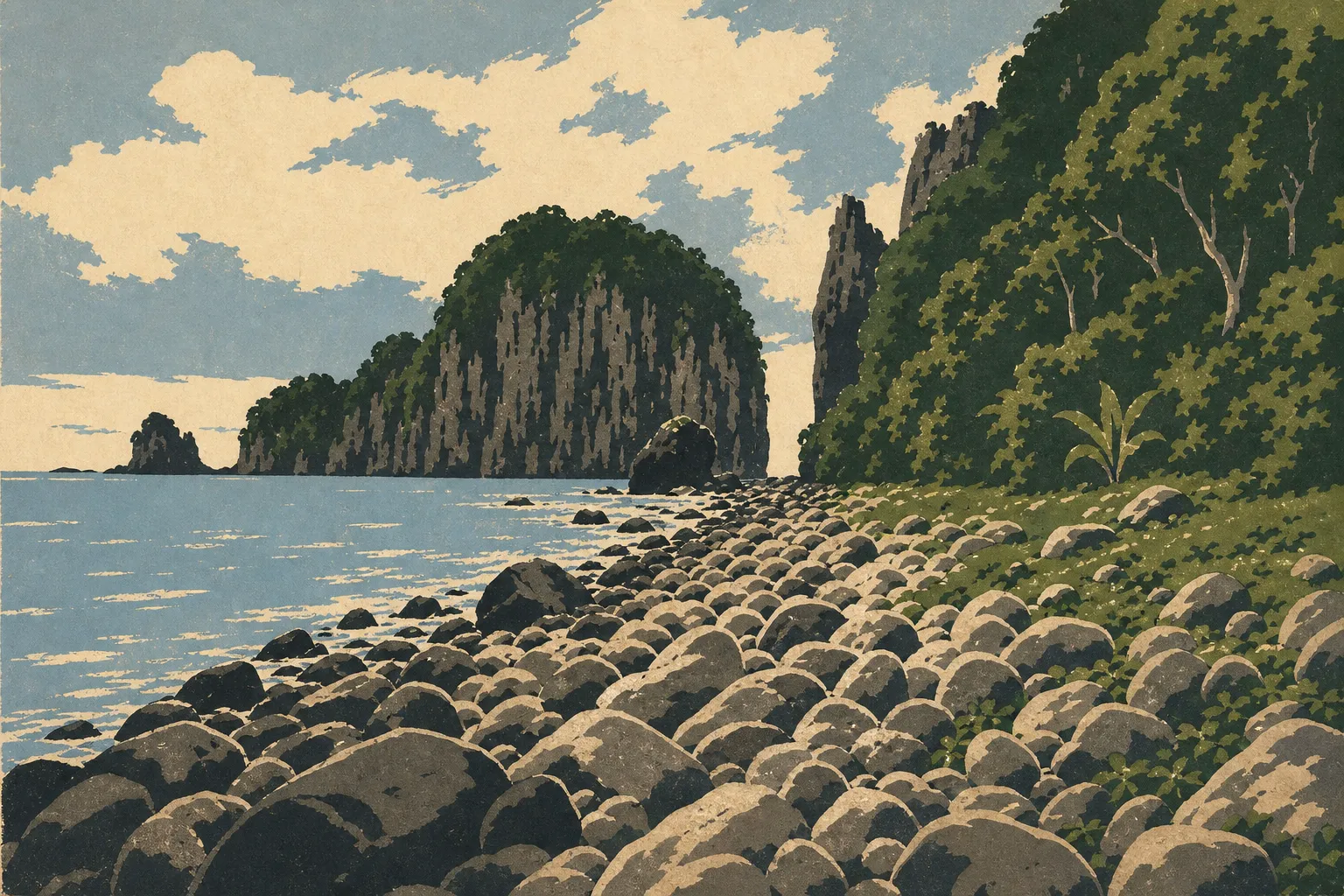
This is where most visits begin and often where they end. The Mount ʻAlava Trail climbs from Fagasa Pass to a scenic ridge above Pago Pago Bay, an ancient volcanic crater filled by the ocean. On the north coast, Vatia village opens onto one of the park's most photographed landscapes: the rocky pinnacles of Pola Island, known as the Cockscomb, and a refuge for seabirds. Between the two, tropical rainforest covers the hills and shelters flying foxes, the large fruit bats known as peʻa that you may see gliding overhead late in the day.
Taʻu, the wild island of Manuʻa
More remote, Taʻu offers raw, untouched nature. Mount Lata, the highest point in the territory at nearly 3,180 feet, rises above some of the region's tallest coastal cliffs. The Saua site holds a central place in Polynesian oral tradition. People come here for the hiking, the quiet, and a chance to get far from the few existing facilities.
Ofu and Olosega, reef within easy reach
Ofu is the place for snorkeling. Its beach, edged by a living coral reef, lets you see colorful fish and coral just a few yards from shore, with no boat required. The atmosphere is that of an almost deserted island. Access is even more difficult than Taʻu, which naturally limits the number of visitors.
Explore the park
The park's best hikes
Hiking is the best way to experience this park. On Tutuila, the Mount ʻAlava Trail and the loop descending toward Vatia are among the essential routes. The coastal variation, the Pola Trail and Alava Adventure Trail, includes sections with ladders and ropes. On Taʻu, routes toward the high country and cliffs require more commitment and good weather. Many sections cross tropical rainforest, where humidity, mud, and slippery roots are standard. Bring good shoes.
The detailed guide Hiking in American Samoa: The Best Trails for Every Skill Level Trails, difficulty levels, access, and practical tips for hiking in the… Read the guide →Wildlife and plants to look for
The park protects three environments: tropical rainforest, a paleotropical forest that is unique in the U.S. national park system; coral reefs; and coastal waters. On land, the star is the flying fox. Two species of fruit bats are active during the day and play a key role in pollinating the forest. You'll also see many seabirds, especially around Pola Island.
In the water, the reefs support a wide range of fish, coral, and sea turtles. From the end of the Southern Hemisphere's winter through fall, humpback whales visit the waters of the South Pacific and may be visible from shore. Snorkeling at Ofu remains the easiest way into this underwater world.
The detailed guide American Samoa Wildlife: Which Animals to See and Where to Find Them Flying foxes, sea turtles, humpback whales, and 950 reef fish species Read the guide →When to visit the park
The climate is tropical: hot and humid year-round, with frequent showers that may last a few minutes or all day. There are two seasons. The hot, wet season runs from October through May, with a higher risk of tropical storms. June through September is slightly cooler and drier. That's the window we prefer for hiking and snorkeling. Rainfall is extraordinary, ranging from about 126 inches a year in the driest areas to nearly 299 inches on the wettest summits.
The detailed guide When to Visit American Samoa: Best Time, Weather, and Seasons The best time to visit National Park of American Samoa is July and August… Read the guide →Where to stay in and around the park
The park has no hotels or developed campgrounds of its own. Lodging is in the villages, mainly around Pago Pago on Tutuila, where you'll find a few hotels and guesthouses. The most memorable option is a homestay with Samoan families, a direct immersion in the faʻa Samoa. On the Manuʻa Islands, options are very limited, so book well ahead.
Stay in the park
Beyond the park: things to do nearby
Tutuila is worth extending your stay beyond the park boundaries. Fagatogo Market, kava culture, Sunday services, where the day of rest is strictly observed, and encounters with village life give the trip its human depth. A visit here is as much cultural as it is natural. You don't experience American Samoa by checking off a national park in the American West.
Every section of the guide
To explore every topic in depth, here are all the sections, grouped by theme.
Planning and finding your way
- Getting There & Transportation: flights, inter-island connections, and arrival in Pago Pago.
- Getting Around: Samoan buses, rental cars, and driving.
- Map: the geography of all three islands at a glance.
- Itinerary & Timing: plans for three days or one week.
Choosing your season
- When to Visit: the best window, dry season versus wet season.
- Weather: temperatures, rain, and tropical storms month by month.
- Practical Information, Rules & Safety: village customs, permits, and precautions.
Experiencing the park
- Things to Do: the complete list of activities.
- Hiking: trails, elevation gains, and difficulty levels.
- Wildlife: flying foxes, seabirds, and reef life.
- With Kids: visiting the park with children.
Sleeping and eating
- Where to Stay, Hotels & Lodges, Camping, and RVs: every lodging option.
- Where to Eat: Samoan food, places to eat, and Sunday meals.
Our take: is American Samoa National Park worth the trip?
Yes, but let's be clear about what you're signing up for. This isn't a stopover destination or a park you tack onto a road trip through the American West. You have to work for it: long flights, a substantial transportation budget, and uncertain inter-island logistics. In return, you get something that's increasingly rare: a national park with almost no crowds, where tropical nature and Polynesian culture meet. If you're looking for standardized, spectacular thrills, this isn't the place. If you want something authentic, remote, and alive, this park delivers. When we visited, it was the quiet on Tutuila's ridges and the welcome in the villages that stayed with us, much more than any single photo spot.
Frequently asked questions
Is American Samoa worth visiting?
American Samoa is worth the trip if you're looking for a remote, authentic destination without crowds. The park offers rainforest, reefs, and an immersion in Samoan culture, in exchange for a real logistical and financial effort to reach it.
Is American Samoa a safe tourist destination?
American Samoa is known as a safe destination, with welcoming people and low crime. The main risks are natural: surf and ocean currents, slippery trails after rain, and tropical storms from October through May. Follow local guidance and respect village customs. Details are on our Practical Information, Rules & Safety page.
What is the best month to visit American Samoa?
The best time to visit American Samoa is between June and September, the coolest and driest season, with less risk of tropical storms. It's hot and humid year-round. See our When to Visit page to compare the months.
Are Samoans welcoming to tourists?
Samoans are known for being very welcoming to visitors. Hospitality is at the heart of the faʻa Samoa, their way of life. In return, you should follow a few customs: dress respectfully, observe the Sunday day of rest, and respect village lands. A homestay is the best introduction to this culture.
The American Parks shop
Bring American Samoa home
Our park-inspired creations, made to order and shipped to your door.