
Kobuk Valley Wildlife: Animals to See and Where to Find Them
Kobuk Valley has no roads and no rangers on daily patrol. What remains is raw Arctic tundra and an unusually dense wildlife population. The five signature species to know are caribou, brown bears (grizzlies), gray wolves, moose, and the Arctic fox. The main attraction is still the passage of the Western Arctic Caribou Herd, one of the largest caribou migrations in North America. Caribou are also the animals you're most likely to see in the park, especially during migration periods.
Kobuk Valley's Signature Animals
Caribou
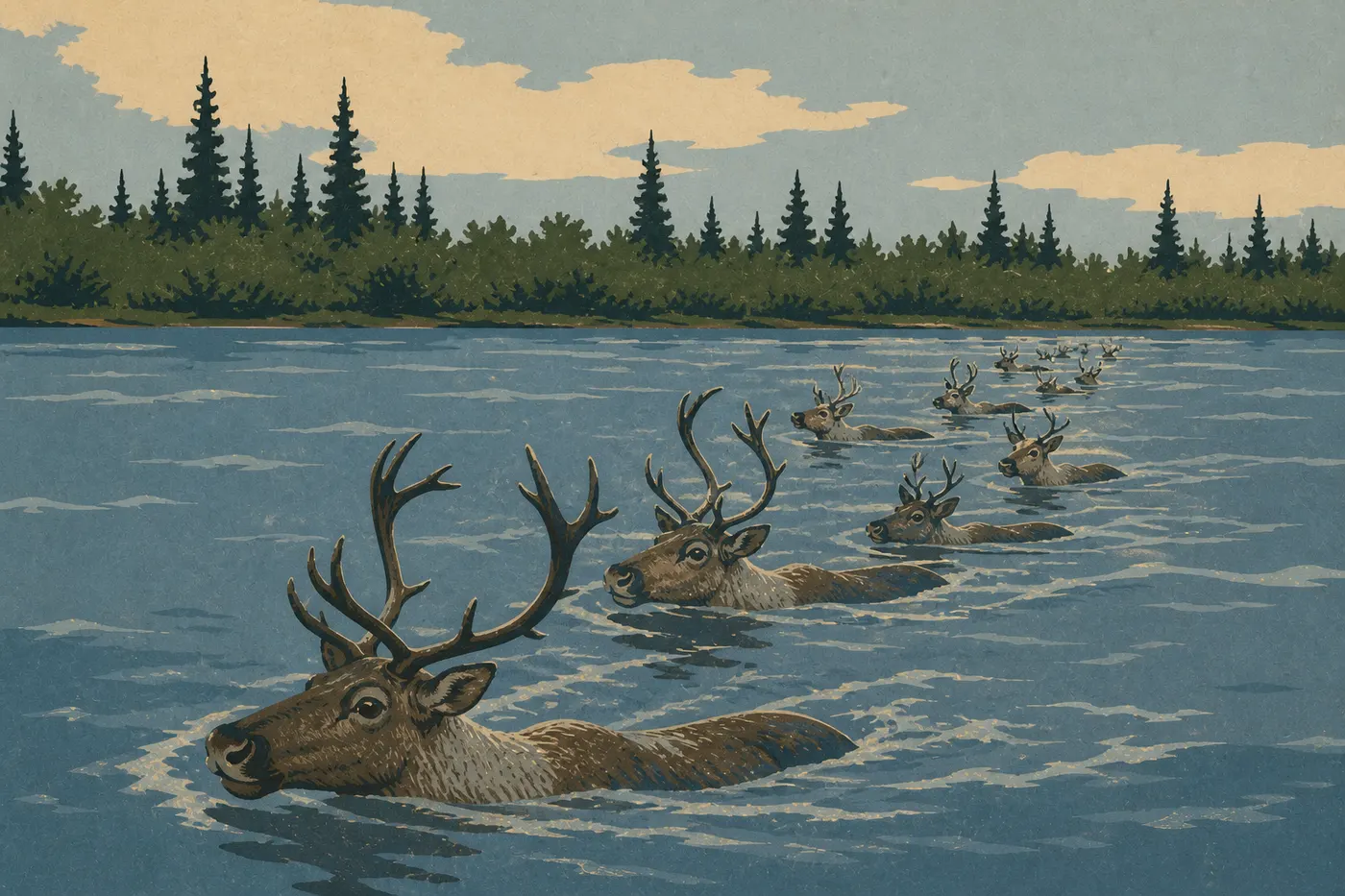
Caribou are the main reason people plan an expedition to this remote park. The Western Arctic Caribou Herd now numbers about 235,000 animals. Twice a year, in May and June, then again in August and September, they cross the valley as they migrate between summer range and winter grounds. Herds can bring several thousand animals together on the move, a rare sight anywhere in North America.
An adult male has large, branching antlers that are visible from a distance. Females also grow antlers, which sets caribou apart from most other members of the deer family. Outside migration season, you'll find solitary caribou and small groups throughout the park, especially on the tundra uplands.
Where and when. The Great Kobuk Sand Dunes and both banks of the Kobuk River are the main crossing points during the fall migration.
Brown Bear (Grizzly)
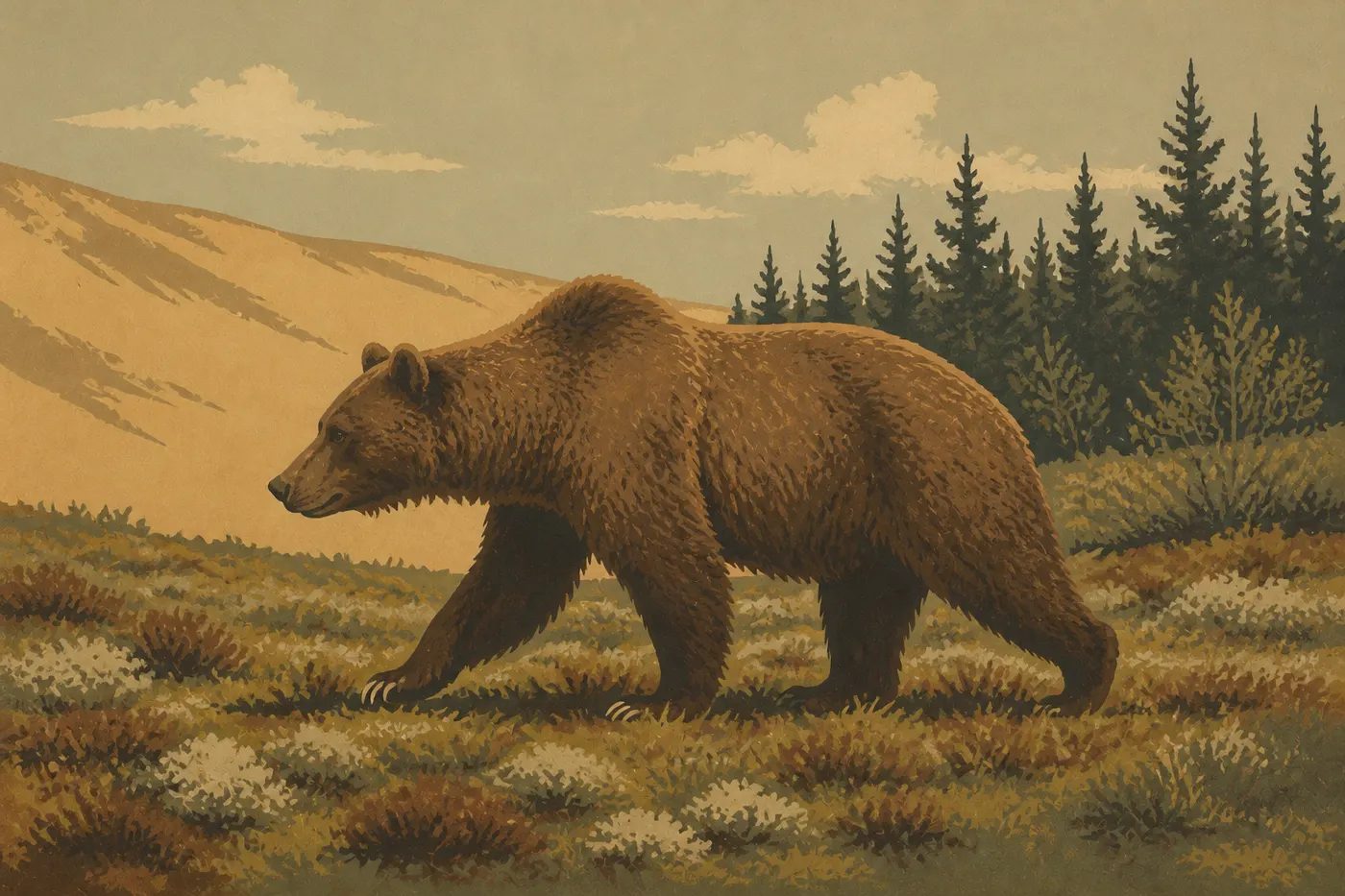
Alaska's brown bears eat whatever the season provides: plants, berries, insects, carrion, and especially fish during the August and September salmon runs. A healthy bear weighs 550 to 770 pounds and can stretch to 8.2 feet tall when standing. It's the park's dominant land predator.
Bears are active from May through October, then hibernate. In spring, you'll spot them digging into hillsides for Arctic ground squirrels or roots. Along the Kobuk River during salmon season, several bears may gather at the same spawning grounds.
Where and when. The banks of the Kobuk River and its tributaries offer the best chances of seeing them, especially from August through September.
Gray Wolf
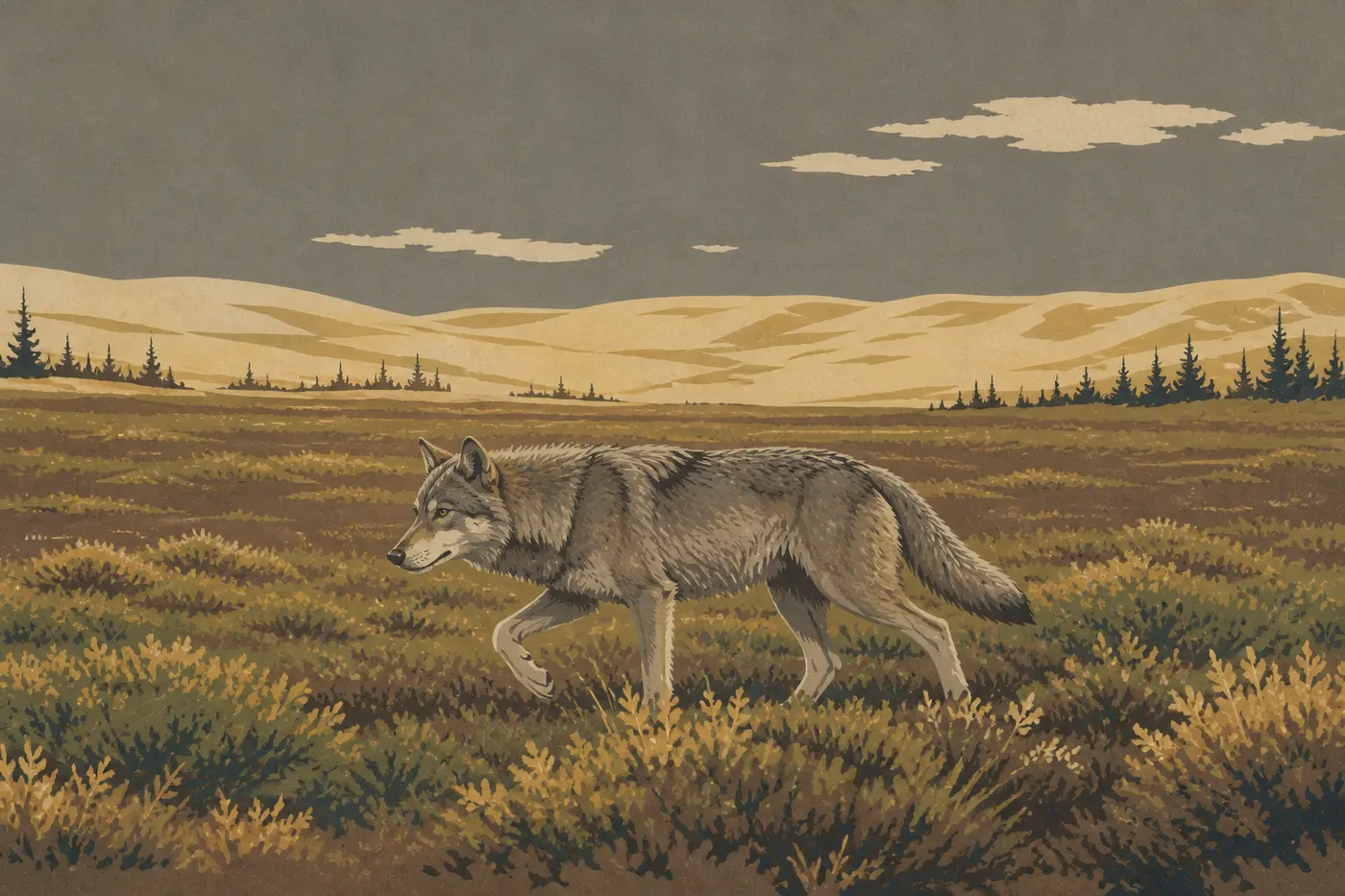
The gray wolf (Canis lupus pambasileus) lives in packs of four to twelve and ranges throughout the park. It follows caribou herds during migration and supplements its diet with moose, beavers, and small mammals. Its coat ranges from pale gray to black.
There's no guarantee you'll see one. Wolves cover huge distances and naturally keep their distance from people. Quiet mornings along the river offer better odds of spotting one hunting. During our visit in September, we heard wolves howling from camp without ever getting a look at one. That was still a memorable experience.
Moose
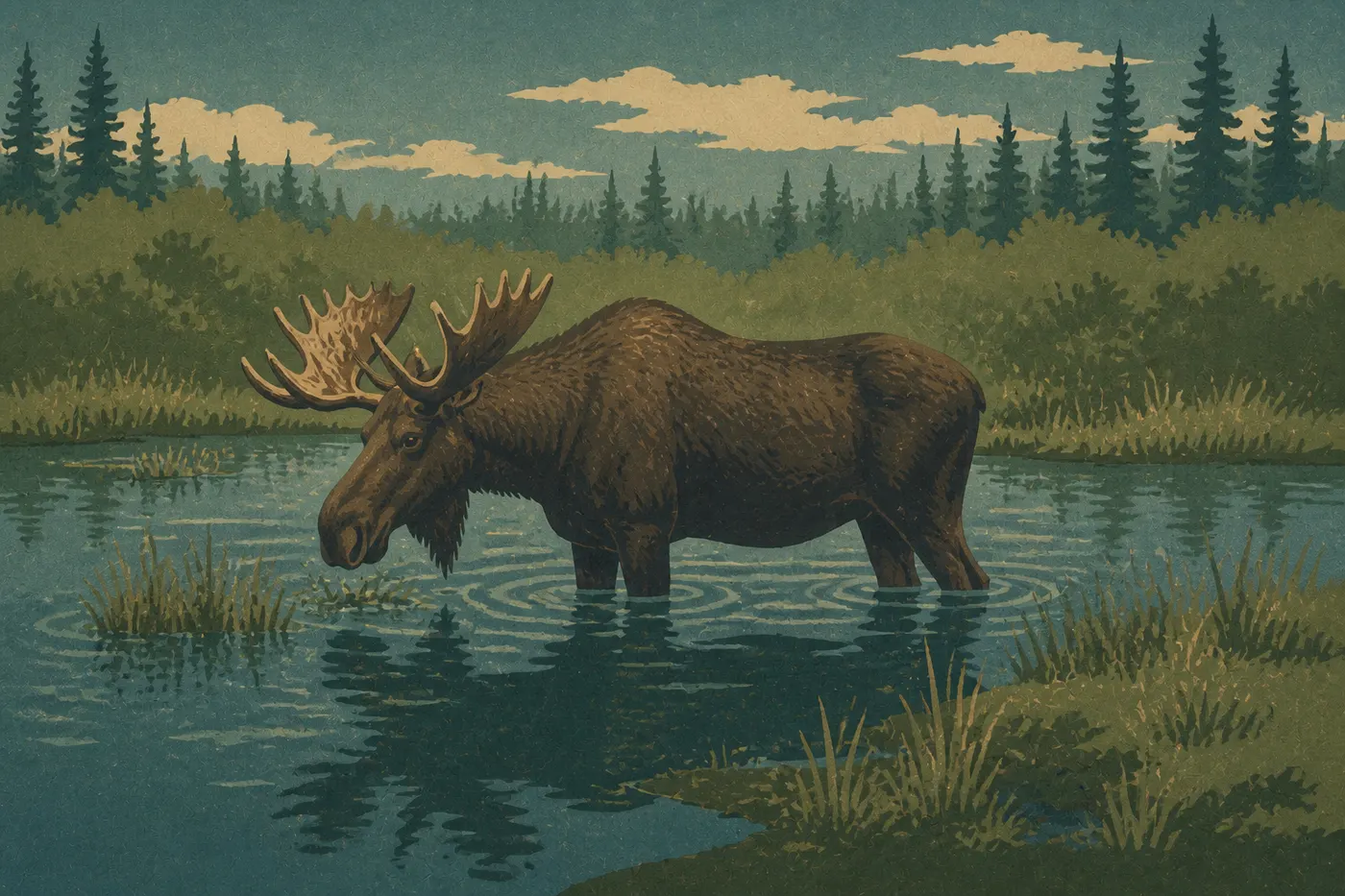
The moose (Alces alces gigas) is the world's largest member of the deer family. An adult male can easily weigh more than 1,320 pounds, and its antlers can span 5.9 feet. Kobuk Valley gives it ideal habitat: rivers, wetlands, and willow thickets, which it loves to browse.
Moose stay active year-round, including in winter, thanks to their size and their ability to paw through snow to reach vegetation. In fall, during the September and October rut, males become agitated and potentially aggressive. A charging moose is more dangerous than a bear in most backcountry situations, so keep the same safety distances.
Arctic Fox
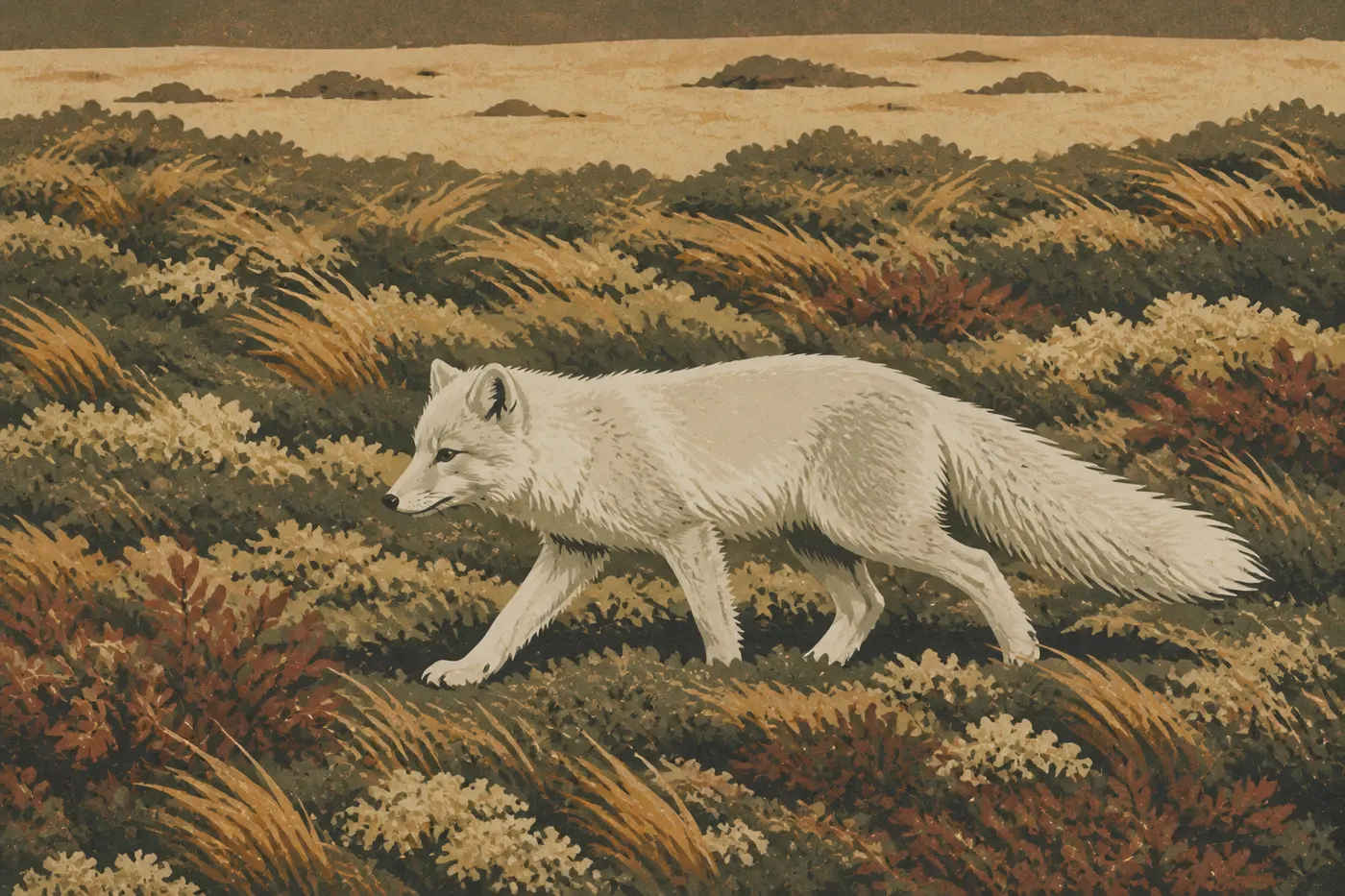
More elusive than its larger neighbors, the Arctic fox (Vulpes lagopus) lives here year-round. Its brown-gray summer coat turns bright white in winter, making it one of the best-camouflaged animals on the planet. It eats lemmings, eggs, berries, and scraps left by wolves and grizzlies.
You'll find it mostly in open tundra, sometimes near camps where it's drawn by cooking smells. Don't confuse it with the red fox, which also lives in the park and has a distinctive orange coat. Red foxes are much more common.
Telling Brown Bears and Black Bears Apart in Kobuk Valley
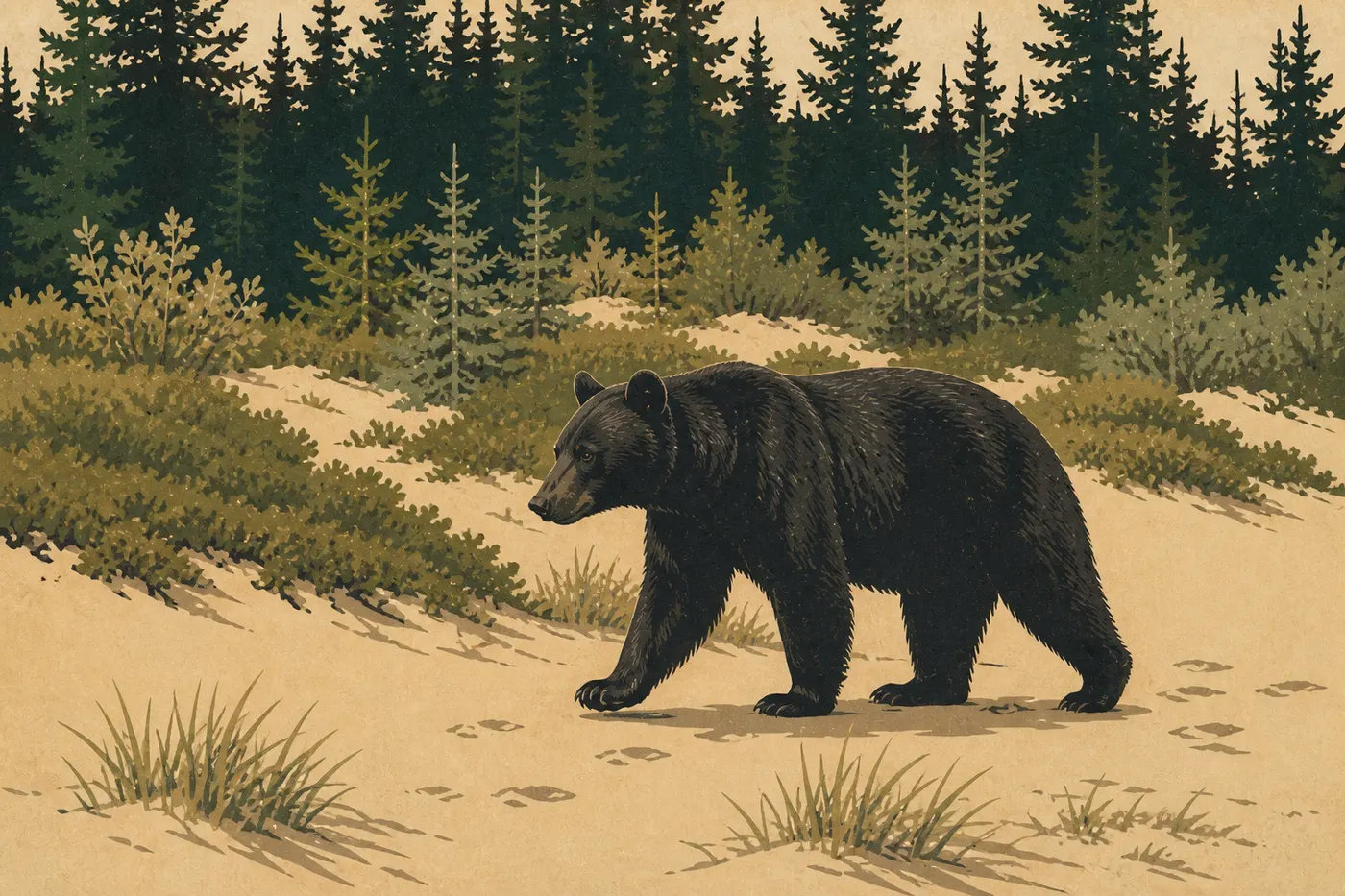
Black bears (Ursus americanus) live in several Alaska parks, but brown bears dominate in Kobuk Valley. The most reliable field mark is the muscular shoulder hump found on a grizzly. Its concave facial profile confirms the identification. A black bear has a straight profile, tall pointed ears, and no shoulder hump. If you're unsure, treat the animal as a grizzly. A little extra caution costs nothing.
Where to See Wildlife in Kobuk Valley
With no marked trails or roads, visitors arrive by air taxi from Kotzebue or Bettles, then continue on foot or by kayak and canoe along the Kobuk River. Three areas stand out for wildlife viewing:
The Kobuk River holds the greatest concentration of large animals. Moose and brown bears visit the banks to drink and fish. Kayakers traveling downriver get a quiet, discreet vantage point at water level, a window into the lives of the park's wildlife.
The Great Kobuk Sand Dunes are a crossing point for migrating caribou and the predators that follow them. The wide-open landscape makes long-distance viewing easier with binoculars or a spotting scope.
The tundra slopes along the valley are home to brown bears in spring, when they dig for ground squirrels, and to caribou during the summer. Moving slowly and quietly with the wind at your back greatly improves your chances of an encounter.
When to See Wildlife
Our guide to when to visit Kobuk Valley covers the best seasons in detail. Here are the key wildlife seasons:
Summer (June through August). Activity peaks. Migratory birds arrive in large numbers, including bald eagles, snowy owls, ptarmigan, and Arctic terns. Bears actively fatten up on the tundra.
Late summer and fall (August through September). This is the richest period for mammals. Salmon run up the Kobuk River, bears gather along the banks, caribou move south in tight columns, and moose enter the rut.
The Arctic night that isn't really night. In summer, the sun doesn't set. Animals keep shifted activity patterns and move at any hour of the “day.” Observers can spread their outings across 24 hours without missing periods of activity.
Winter. Conditions are extreme, but the park remains open. Caribou have reached their winter grounds. Wolves and Arctic foxes remain active. The northern lights accompany the long nights.
Predators and Large Animals of Kobuk Valley
Kobuk Valley is home to Alaska's two apex land predators: the grizzly and the gray wolf. A third predator completes the picture. It's less visible but just as formidable: the wolverine (Gulo gulo). This solitary mustelid, about the size of a large badger and weighing 22 to 40 pounds, can stand up to a brown bear to claim a carcass. It travels hundreds of miles and is rarely seen, but its presence in the park is confirmed.
The Canada lynx (Lynx canadensis) uses the wooded areas along the park's margins. Its diet consists mainly of snowshoe hare, whose population rises and falls on a natural cycle of about ten years.
The park's largest animal is still the moose, followed by the grizzly.
Five salmon species run up the Kobuk River every summer: king salmon (chinook), chum salmon, pink salmon, coho salmon, and sockeye salmon. These runs shape the entire local food chain, attracting grizzlies, bald eagles, river otters, and gulls.
Viewing Wildlife Safely
Kobuk Valley has no rangers on daily patrol. Your safety is entirely your responsibility.
Minimum required distance. Stay 165 feet from bears and moose, and 82 feet from all other mammals. If the animal stops feeding, stares at you, or turns toward you, you're too close. Back away without running or turning your back.
Brown bears. Carry bear spray in a canister of at least 8 ounces, and practice drawing it quickly. In a group, talk loudly as you travel to announce your presence. Never get between a mother and her cubs. If a bear charges, don't run. Make yourself look big, speak calmly, and use your bear spray when it's within 33 feet.
Moose. A charging moose can be fatal. If one charges, put a tree or rock between you and the animal. Unlike a bear, a moose will usually stop charging once you've reached cover.
Never feed an animal, regardless of the species. An animal that gets used to human food loses its natural wariness and most often ends up having to be euthanized.
Food storage. Store all food, dishes, and toiletries in an approved bear canister, or hang them at least 13 feet off the ground and 6.5 feet from the nearest tree trunk. This rule applies overnight and whenever you're away from camp.
The complete Kobuk Valley guide covers the required gear for an independent trip in the park.
In Brief: The Species You Shouldn't Miss and Where to Find Them
Caribou. Great Kobuk Sand Dunes and the banks of the Kobuk River during migration (May and June, and August and September). Grizzly. The banks of the Kobuk River, especially in August and September during salmon season. Gray wolf. Open tundra year-round, especially early in the morning. Moose. Wetlands and willow stands year-round, with the rut in September and October. Arctic fox. Tundra, visible in every season (white coat in winter, brown-gray in summer).
To plan your wildlife-viewing outings, see the Kobuk Valley hiking guide. For an overview of the park before you set out, the complete Kobuk Valley guide brings together all the essential information.
Frequently Asked Questions
What animals live in Kobuk Valley?
Animals living in Kobuk Valley include caribou (during seasonal migrations), brown bears (grizzlies), gray wolves, moose, Arctic foxes, wolverines, Canada lynx, river otters, beavers, many migratory birds, and five salmon species in the Kobuk River.
What animals live in Alaska outside Kobuk Valley?
Alaska's wildlife includes the animals found in Kobuk Valley, along with walruses, Steller sea lions, polar bears (along the Arctic coast), Dall sheep, mountain goats, and several seal species. Alaska's wildlife varies considerably by region and ecosystem.
What animals can you find in Kotzebue, Alaska?
Animals found in and around Kotzebue include Arctic foxes, red foxes, migrating caribou, brown bears, and coastal birds. Kotzebue is the main departure point for reaching Kobuk Valley by air taxi.
What is the largest animal in Kobuk Valley?
The largest animal in Kobuk Valley is the moose. An adult male can weigh more than 1,320 pounds and stand more than 6.5 feet at the shoulder, making it the world's largest member of the deer family.
What predators live in Kobuk Valley?
Kobuk Valley's predators include brown bears (grizzlies), gray wolves, wolverines, and Canada lynx. Brown bears and gray wolves are the park's two apex predators.
What animals are out at night in Kobuk Valley?
In summer, under the Arctic's characteristic midnight sun, caribou, moose, wolves, and Arctic foxes move at any hour. The day-night boundary has little practical meaning during this period. In winter, wolves and Arctic foxes remain active at night. Owls, including snowy owls, hunt mainly at dawn and dusk.