
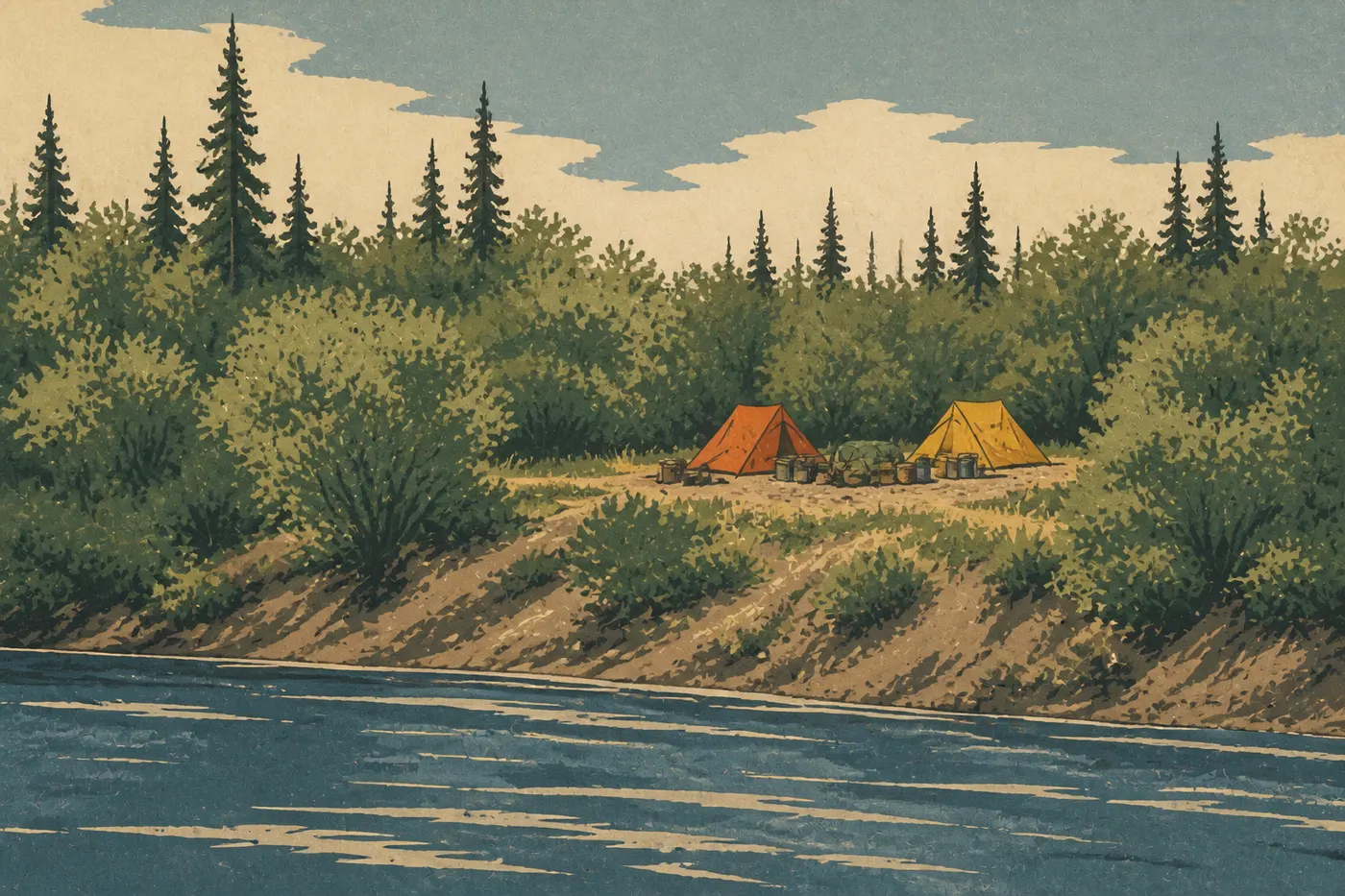
Where to Stay in Kobuk Valley: In the Park, Towns, and Camping
Kobuk Valley National Park doesn't have a single mile of road access. To enter the park, you'll take a commercial flight to Kotzebue or Bettles, then board an air taxi that drops you directly on a bank of the Kobuk River. Choosing where to stay for a visit to Kobuk Valley starts with choosing between two very different ways to travel.
The short answer: nearly every visitor sleeps in Kotzebue, the main gateway town, before and after heading into the park. Travelers on multi-day expeditions camp in the park, in tents, with no infrastructure provided. Plan on two to four nights for a worthwhile first experience, and the Kobuk Valley itineraries will help you put together a well-paced trip.
Where to stay: towns, lodges and campgrounds (4)
- Gateway town Kotzebue entrance charter flight from Kotzebue to park airstrips (Kobuk village, Walker Lake) · hotels, supermarket, gas station Directions ↗
- Gateway town Kiana entrance Kobuk River - river access, western park boundary · supermarket, gas station Directions ↗
- Gateway town Ambler entrance Ambler airstrip - eastern edge of the park · supermarket, gas station Directions ↗
- Gateway town Shungnak entrance Shungnak / Kobuk River airstrip - eastern boundary of the park · supermarket, gas station Directions ↗
 Base map © OpenStreetMap · © CARTO
 ⚠ Gateway town & Lodge data is undergoing editorial review.
Stay in the Park or Outside It?
This choice matters more here than it does in most other parks. In most national parks, the decision comes down to hotel comfort versus immersion in nature. In Kobuk Valley, you're choosing between two fundamentally different kinds of expedition.
Option 1: nights in Kotzebue or Bettles. You stay in town, book an air taxi excursion for the day, and return to a real bed at night. It's the most accessible option, especially for families and anyone experiencing the Arctic for the first time.
Option 2: wilderness camping in the park. The air taxi drops you on a riverbank and flies away. You're on your own, with no cell service, running water, or marked trail. This is a full-fledged Arctic wilderness expedition. The experience is unique, but it requires serious preparation and solid backcountry camping skills.
Our rule of thumb is simple. If you've never camped in a remote area or navigated without landmarks, start with nights in Kotzebue. Arctic weather can ground an air taxi for several days, and there's little room for error when you're wilderness camping.
Sleeping in Kobuk Valley: Wilderness Camping
Kobuk Valley has no lodge, shelter, or developed campground. The park is open 24 hours a day, year-round, and wilderness camping is free and unrestricted.
Setting Up Camp in the Park
You'll choose your campsite when you land, with the pilot's input and based on the terrain. The sandy banks of the Kobuk River and the areas around the Great Kobuk Sand Dunes are among the most common landing zones. “Busy” is a relative term here. Even in the middle of July, you may not see another person for days across hundreds of square miles.
What You Absolutely Need to Bring
The park offers no infrastructure. Three things are critical.
- Water: there are no developed drinking-water sources in the park. A high-quality water filter or purification tablets are essential. You'll filter water straight from the river.
- Food: Alaska has a high density of brown bears. A bear-resistant canister is the recommended way to store food and scented items away from camp.
- Clothing: rain, snow, and freezing temperatures can occur at any time of year at this latitude. A good waterproof jacket and thermal layers should stay in your pack, even in summer. Hypothermia can set in during wet, windy weather even when temperatures don't feel especially cold. Read the season-by-season weather guide for Kobuk Valley before you leave. The park overview explains the rules for traveling in a wilderness park.
How Many Nights to Plan for Wilderness Camping
Two nights is the absolute minimum to absorb the logistics of getting in and enjoy a few hours in the park. Most expeditions aim for four to seven nights, which gives you time to canoe or kayak part of the Kobuk River, the most common way to get around the park. The Kobuk River boating options are covered in the guide to getting around the park.
Where to Stay Near Kobuk Valley: Gateway Towns
Kotzebue (Qikiqtaġruk), the Main Gateway
Kotzebue is an Arctic coastal town a few dozen miles west of the park. Several regional airlines offer direct commercial flights from Anchorage, which take about 1.5 hours. It's the main logistics base for any visit to Kobuk Valley.
Here's what you'll find there.
- the Northwest Arctic Heritage Center, Kobuk Valley's official visitor center, where NPS rangers give briefings on park conditions, wildlife, and regulations;
- air taxi companies that provide transportation into the park;
- a few restaurants and grocery stores where you can finish stocking up before you leave.
The main lodging option is the Nullagvik Hotel, operated by the regional NANA corporation. It's a functional property with rates that reflect the cost of supplying a remote Arctic region. Homestays, sometimes listed by the visitor center, offer a slightly less expensive alternative. Kotzebue isn't a tourist town in the usual sense. It's a working community rooted in Inupiaq culture, with its own rhythms and customs. It's worth spending an evening listening to residents talk about the river, caribou migrations, and the Arctic pack ice. In itself, Kotzebue offers a window into an Alaska you won't see in the more heavily visited parks.
Who it's for: all visitors, whatever their travel style. Kotzebue is the only realistic option for most travelers coming from outside Alaska.
Bettles, the Secondary Gateway on the East Side
Bettles is a very small village reached from Fairbanks by regional flight, which takes about 1 hour. The Bettles Lodge offers rustic lodging in a base-camp atmosphere that appeals to cold-weather outdoor enthusiasts. Services are limited, distances are long, and the isolation is very real.
Who it's for: travelers arriving from Fairbanks, expeditions focused on the eastern part of the park, and people who genuinely want a remote, end-of-the-road atmosphere.
When to Book Lodging in Kobuk Valley
The peak season runs from June through August. During these months, air taxis are operating at full capacity and the few available rooms in Kotzebue book quickly. Our advice is to reserve your hotel when you book your flights from Anchorage, ideally four to six months before a summer departure.
Air taxis are generally booked a few weeks before departure, but some operators offer packages that include round-trip transportation into the park. Get in touch as soon as your date is confirmed, since seats on the small aircraft are limited.
Outside peak season, lodging is easier to find, but Arctic weather in fall and winter makes an expedition considerably more demanding. The Kobuk Valley seasons guide offers the information you need to choose the right time of year for your goals.
Lodging Budget: How Much Does It Cost to Stay in Kobuk Valley?
Getting to Kobuk Valley is among the most expensive of all U.S. national parks, not because of an entrance fee, since there isn't one, but because of the logistics of traveling in a remote region. The table below gives approximate price ranges in U.S. dollars.
| Option | Approximate range (per night) |
|---|---|
| Nullagvik Hotel, Kotzebue | $180–$280 (double room) |
| Kotzebue homestay | $100–$160 |
| Bettles Lodge | $130–$200 |
| Wilderness camping in the park | Free |
These rates don't include the commercial flight from Anchorage to Kotzebue, round-trip, or the air taxi to the park. Those are the trip's biggest expenses.
Our Recommendation Based on Your Travel Style
First visit, getting to know the park: two nights in Kotzebue, plus a day trip by air taxi for a flyover or excursion in the park. The Northwest Arctic Heritage Center is worth half a day on its own if you want to understand the park's cultural and geographic context. It's an honest introduction to the Arctic side of Alaska without the demands of a major expedition.
Wilderness expedition and total immersion: four to seven nights camping along the Kobuk River, with a canoe or kayak trip downstream. Book the air taxi for both the trip in and the pickup, bring a complete self-sufficient setup, read the Kobuk Valley hiking guide, and prepare to be completely off the grid. This is the park at its most intense.
Family trip with kids: Kotzebue is the right base. The visitor center offers educational materials about Arctic wildlife and Inupiaq culture. A scenic flight in a small plane can be a memorable experience for kids, without the physical demands of wilderness camping in a remote area. The guide to visiting Kobuk Valley with kids offers practical advice.
Travelers on a tight budget: wilderness camping in the park is free, and there's no entrance fee, but the combined cost of commercial flights and the air taxi makes the trip expensive either way. If budget is a major constraint, other U.S. national parks offer better value for a first visit to the United States.
Frequently Asked Questions
Where should I stay to visit Kobuk Valley?
Nearly all visitors stay in Kotzebue, the main gateway town served by commercial flights from Anchorage. From Kotzebue, you'll take a chartered air taxi into the park. Travelers on multi-day expeditions camp in the park, with no developed lodging.
Is it better to stay in the park or outside it?
Staying in the park means fully self-sufficient wilderness camping, with no infrastructure. This option is best for experienced travelers who are comfortable in remote settings. If you're new to Alaska or unfamiliar with wilderness camping, nights in Kotzebue combined with daytime excursions into the park are the recommended choice.
What's the closest town to Kobuk Valley?
Kotzebue (Qikiqtaġruk) is the main gateway town, served by commercial flights from Anchorage and located a few dozen miles west of the park. Bettles, on the east side, is accessible from Fairbanks.
What's the best town to stay in for visiting Kobuk Valley?
Kotzebue is the standard choice for every type of visitor. That's where you'll find the lodging, NPS visitor center, and air taxi companies serving the park. Bettles works for travelers who want to reach the eastern part of the park from Fairbanks.
How do you visit Kobuk Valley National Park?
Kobuk Valley is accessible only by air. A commercial flight takes you to Kotzebue from Anchorage or to Bettles from Fairbanks. From either point, a chartered air taxi drops you in the park on a riverbank or in a clearing. No road enters Kobuk Valley National Park.
How many nights should I plan for a visit to Kobuk Valley?
For a day trip from Kotzebue, one or two nights in town are enough. For a wilderness expedition in the park, plan on four to seven nights there. Sample itineraries are available for different trip lengths.