
What to Do in Kobuk Valley: Top Experiences and Activities
Kobuk Valley is remote Alaska, the kind of place you can reach only by plane. No roads lead here, no trails mark the way, and no souvenir shop signals the entrance. Instead, you'll find something that's hard to categorize: Arctic sand dunes rising 100 feet, a salmon-filled river crossed twice a year by migrating caribou herds, and traces of human presence dating back 12,500 years. It's one of the least-visited national parks in the United States, and there's a simple reason for that: you have to earn it.
The short answer: Kobuk Valley's three must-see experiences are the Great Kobuk Sand Dunes, kayaking down the Kobuk River, and the Onion Portage archaeological site. Together, they capture what makes the park unique.
Kobuk Valley at a Glance: Areas, Access, and Getting Around
Kobuk Valley lies in northwestern Alaska, beyond the Arctic Circle. No road or drivable track leads here from outside the park, so planes handle nearly all transportation. That logistical reality shapes every part of a visit.
The main gateway is Kotzebue, a small coastal town with regular flights from Anchorage. The Northwest Arctic Heritage Center, the park's official visitor center, is here. Rangers offer briefings on weather, wildlife, and backcountry logistics before every departure into the park. The Kobuk Valley access guide covers the air-taxi companies operating out of Kotzebue, along with typical high-season prices.
The other possible gateway is Bettles, southeast of the park and accessible from Fairbanks. Travelers use it to head toward the upper Kobuk River or combine Kobuk Valley with Gates of the Arctic. It's the starting point for the longest kayak trips.
Inside the park, you'll travel on foot cross-country, by kayak, canoe, packraft, or motorboat. There is no internal transportation infrastructure. The Kobuk Valley getting-around guide explains the practical transportation options and boat-rental providers.
The park is organized around three main areas.
- The Kobuk River Valley: the east-west axis and backbone of nearly every trip.
- The dune area: concentrated in the central part of the valley and accessible from the riverbanks.
- The Onion Portage area: in the eastern section, upriver from Bettles.
Our map of Kobuk Valley helps you locate these three areas before departure and plan your air-taxi drop-offs.
How Much Time Do You Need to Visit Kobuk Valley?
Kobuk Valley isn't a day-trip destination. The logistics alone, including a commercial flight, air-taxi transfer, and return trip, take one or two full days depending on available connections. In practice, plan on at least five to seven days to experience the park properly: two or three days kayaking down the river, a full day on the dunes, and some extra time for weather delays. Skies can ground flights in Kotzebue or Bettles for several days in a row.
Travelers who combine independent hiking, wildlife viewing, and archaeology generally stay one to two weeks. Our Kobuk Valley itinerary guide offers several plans based on the time available and your backcountry experience.
Kobuk Valley's Must-See Experiences, Area by Area
The Great Kobuk Sand Dunes
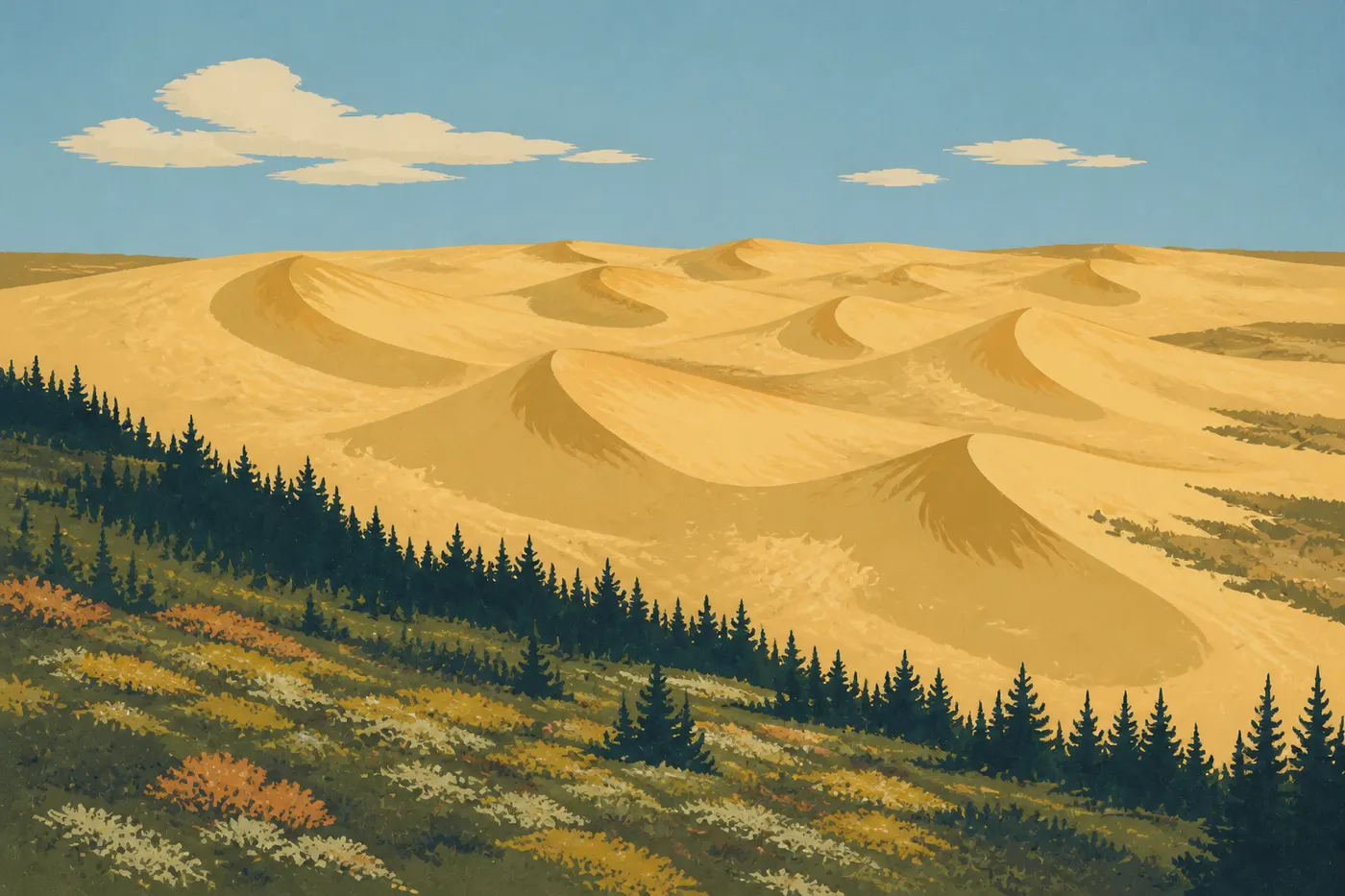
This is the sight that surprises everyone: sand dunes in the Arctic Circle. The Great Kobuk Sand Dunes form an active dune field, meaning the wind constantly reshapes them, and they rise as high as 100 feet in places. Fine glacial sediments accumulated in the valley and have been moved by prevailing northerly winds for thousands of years, creating this geological phenomenon.
The climate paradox is striking. In July, the dune surface can reach 100°F in direct sun, while rain and freezing temperatures are possible anywhere else in the park at any time of year. When we visited in the early afternoon, the heat radiating from the sand was intense and completely unexpected at this latitude.
You reach the dunes from the Kobuk River, a few minutes on foot depending on your air-taxi landing site or kayak landing point. There are no signs or facilities on the dunes. Bring your own water and food, and pack out all your waste.
Practical tip: The dunes look their best in late afternoon, when low-angle light brings out the ridges and shadows. Plan on spending at least three to four hours there.
The Kobuk River: The Park's Main Route
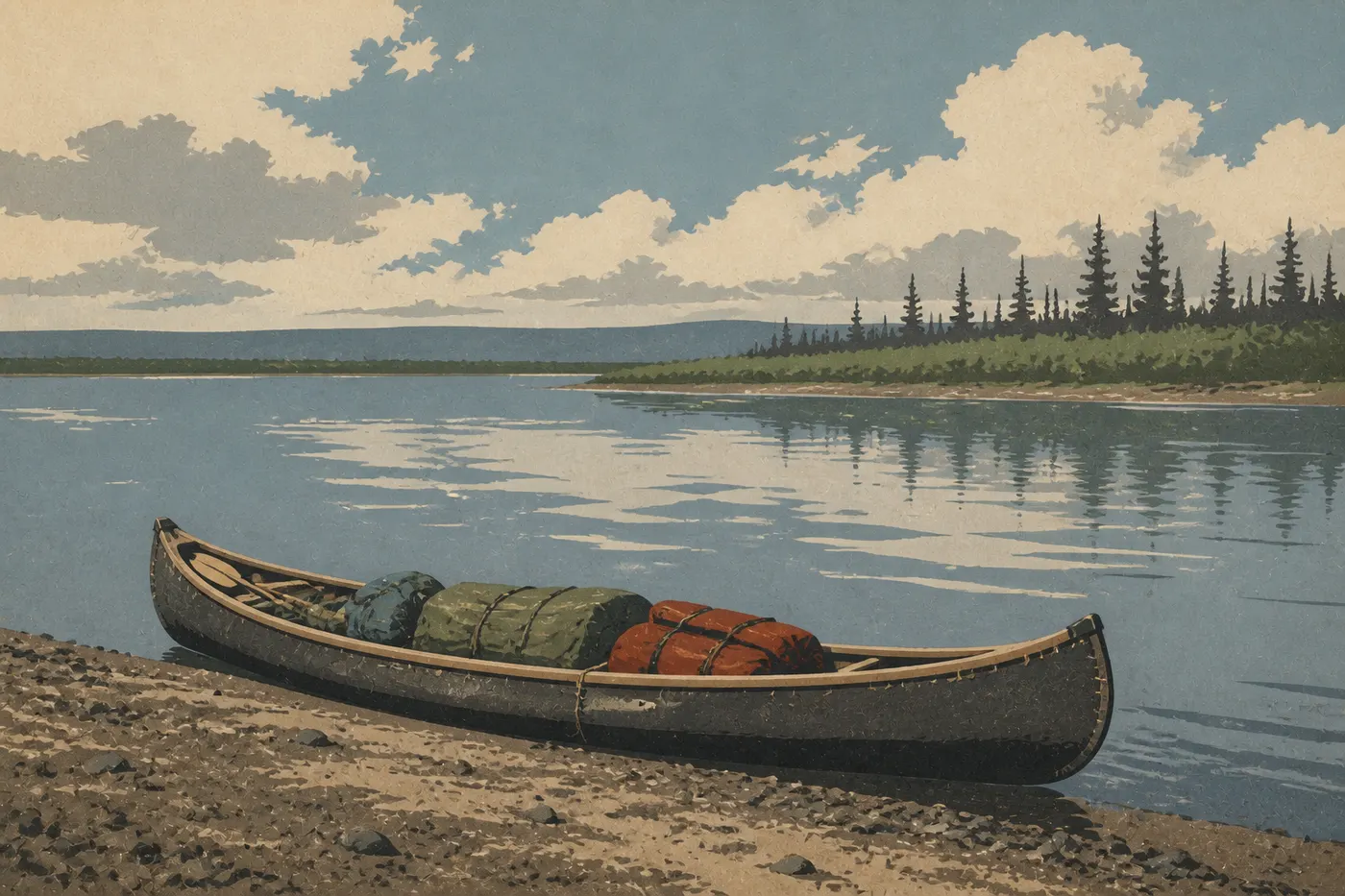
The Kobuk River runs about 62 miles east to west through the park. It's the through line for most trips, whether you're kayaking downstream or traveling upriver by motorboat with a local guide.
The current is generally calm, ranging from Class I to II depending on the section and water level, making the river accessible to intermediate paddlers with a packraft or inflatable canoe. The classic route starts at a drop-off point downstream from Bettles, continues past the dunes, and then heads toward the village of Kiana at the park boundary. The full descent takes four to six days, depending on your pace.
The river is also exceptional fishing country. Five species of Pacific salmon run upstream in summer, each at a different time. You can fish from the banks or your boat almost anywhere. An Alaska state fishing license is required. The Kobuk Valley guide summarizes the current fishing regulations.
Onion Portage: 12,500 Years of History Beneath Your Feet
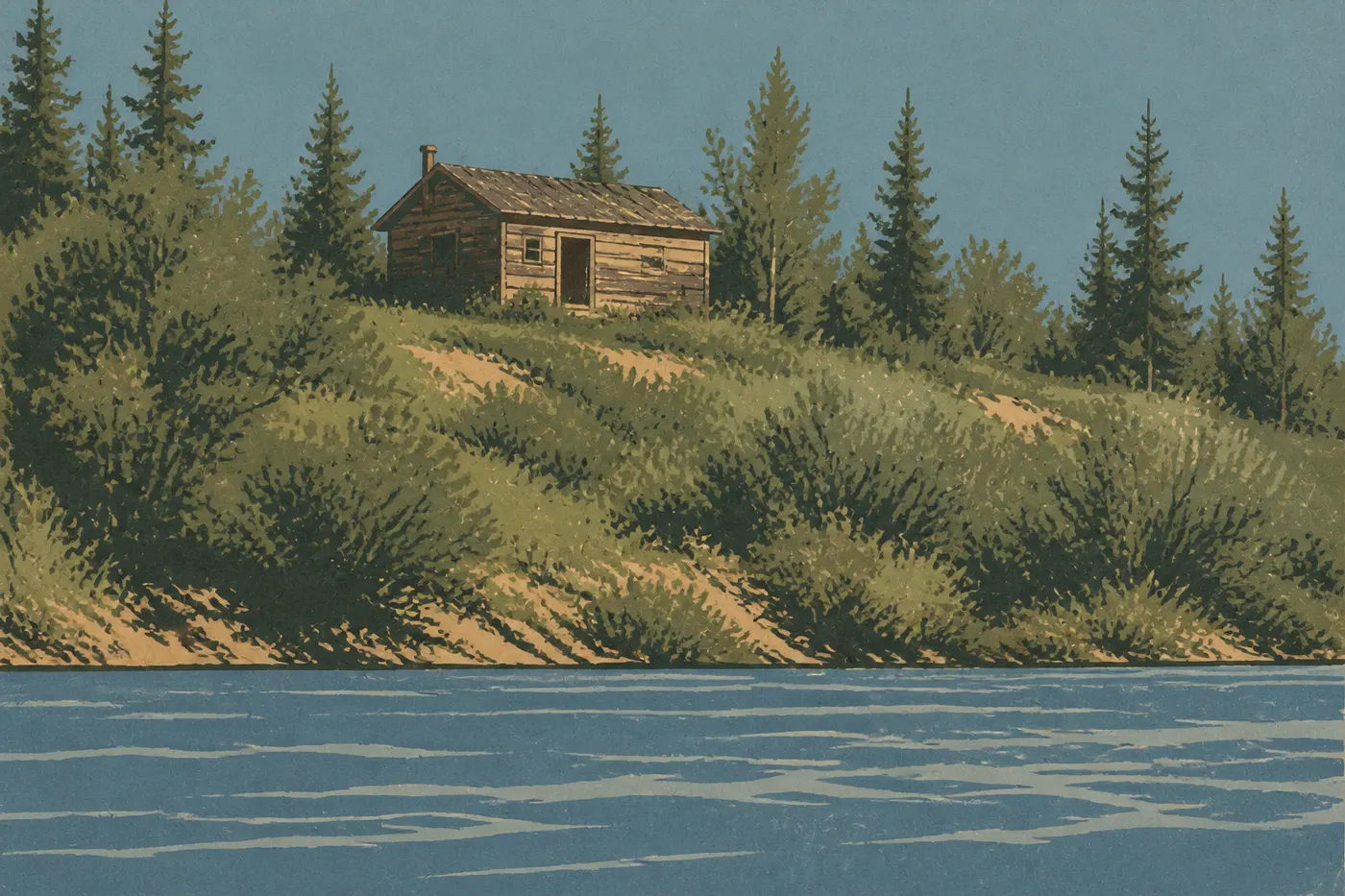
Onion Portage is a National Historic Landmark archaeological site on the north bank of the Kobuk River. Excavations begun in the 1960s by archaeologist J. Louis Giddings uncovered continuous layers of human occupation spanning more than 12,500 years. It's one of the best-documented prehistoric sites in Alaska and one of the most important in all of North America.
The site is also a strategic crossing for caribou during their migrations. Inupiat peoples used it for thousands of years for exactly this reason: the river narrows here, animals cross in large numbers, and the terrain makes hunting easier. Subsistence hunting by local communities is still permitted in the park today.
The stop itself is brief. You pull ashore by kayak, walk a few minutes from the riverbank, and find yourself facing an unremarkable tundra plateau. The context gives the visit its depth. There are no signs or exhibits, just the awareness that you're walking across thousands of years of history.
The Little Kobuk and Red Dog Sand Dunes
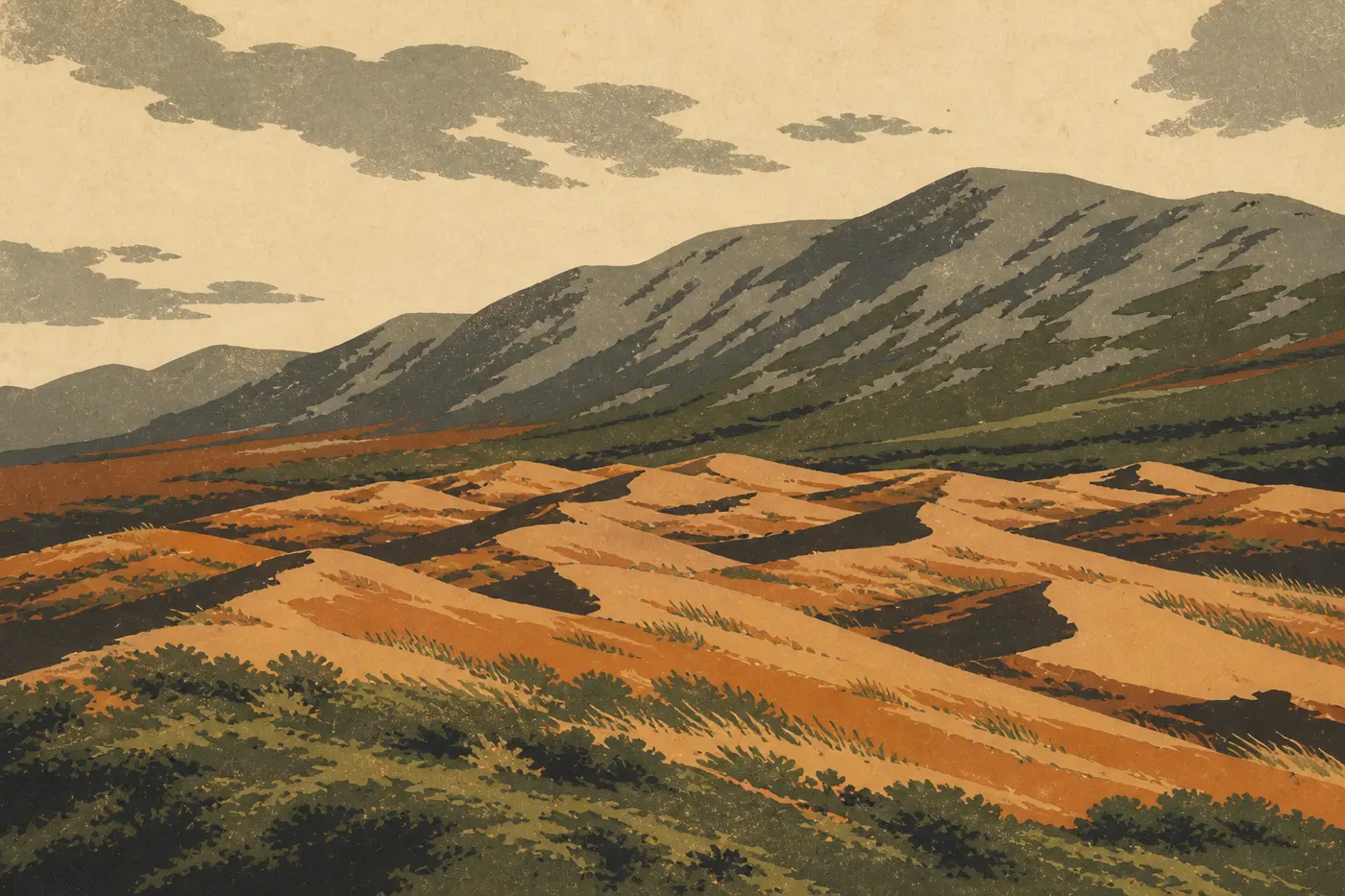
Less well known than their larger neighbor, the Little Kobuk Sand Dunes and the reddish dunes sometimes called the Red Dog Sand Dunes are worth a stop during a river descent. They're lower and generally less crowded. In summer, midnight sun, when the sun barely sets around the June solstice, turns them into a subject worthy of its own photo shoot.
The Best Hikes in Kobuk Valley
Kobuk Valley has no marked trails. That's essential information when planning a visit. Every walk is cross-country travel through tundra, over ridgelines, among stands of dwarf birch, or directly across the dunes. You'll navigate with a topographic map and GPS.
The most common routes include walking around the Great Kobuk Sand Dunes, round-trip from a riverside camp, exploring the Brooks Range foothills north of the valley, and making portage walks along the banks. These require close attention to the terrain. Permafrost, mud, dense vegetation, and small streams to cross are all part of the experience.
Our Kobuk Valley hiking guide details the most common routes, elevation changes, seasonal terrain conditions, and precautions for cross-country travel in the Arctic Alaska backcountry, including river crossings, spongy ground, and carrying a loaded pack.
Other Activities Based on Your Interests
Wildlife Viewing
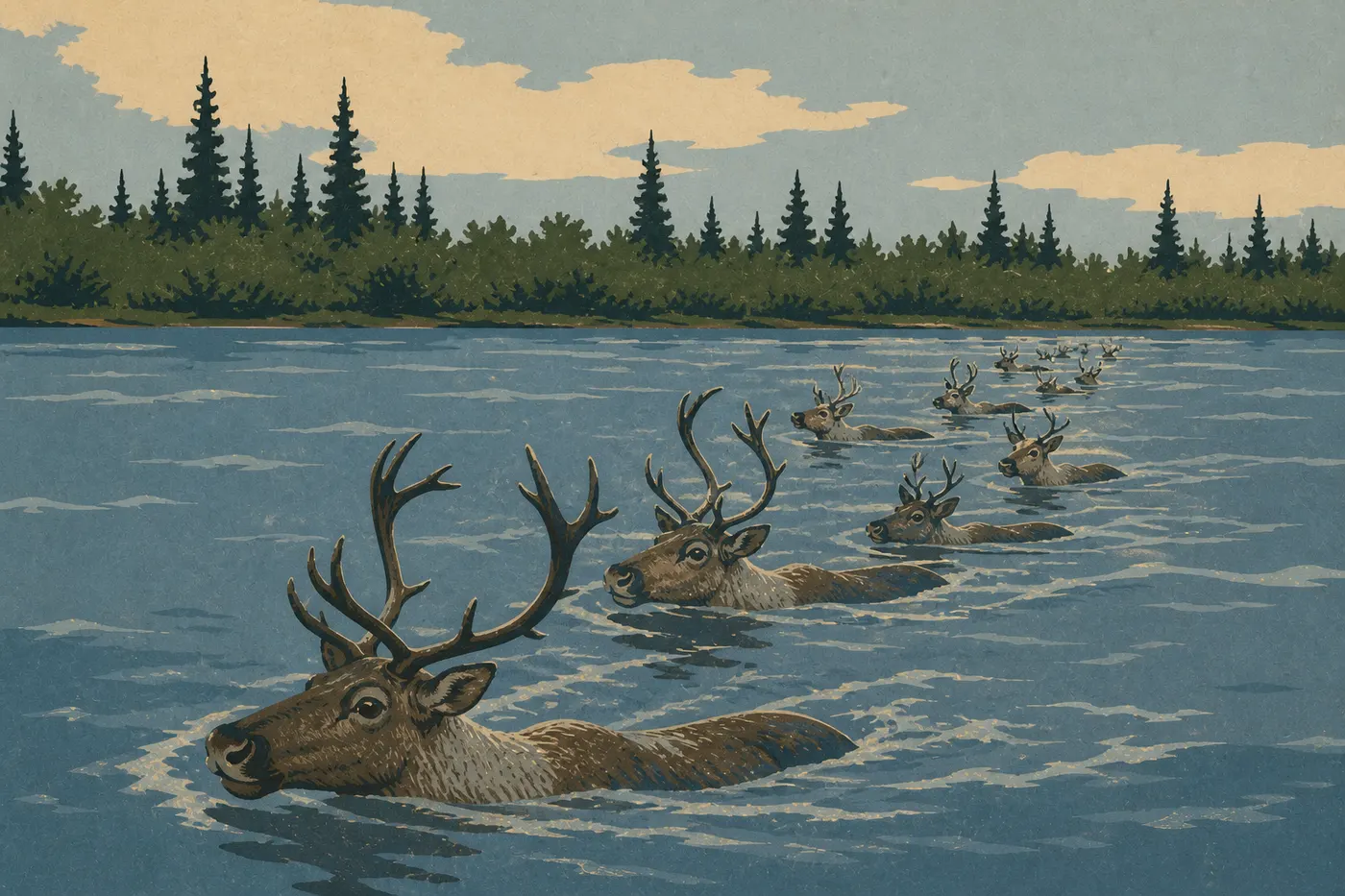
Kobuk Valley is one of the best places to watch the migration of the Western Arctic herd, one of the largest wild caribou herds on Earth. During the spring migration in May and June and the fall migration in September and October, thousands of animals pass through the valley. Herds often follow the same corridors for generations.
You may also regularly see grizzlies along the river, especially when salmon are running in summer. Wolves, lynx, and beavers are present too, but they're more elusive. The Kobuk Valley wildlife guide covers the species to know, the best viewing periods, and the safety distances to maintain. Those distances are nonnegotiable when a bear is nearby.
Kayaking, Canoeing, and Packrafting
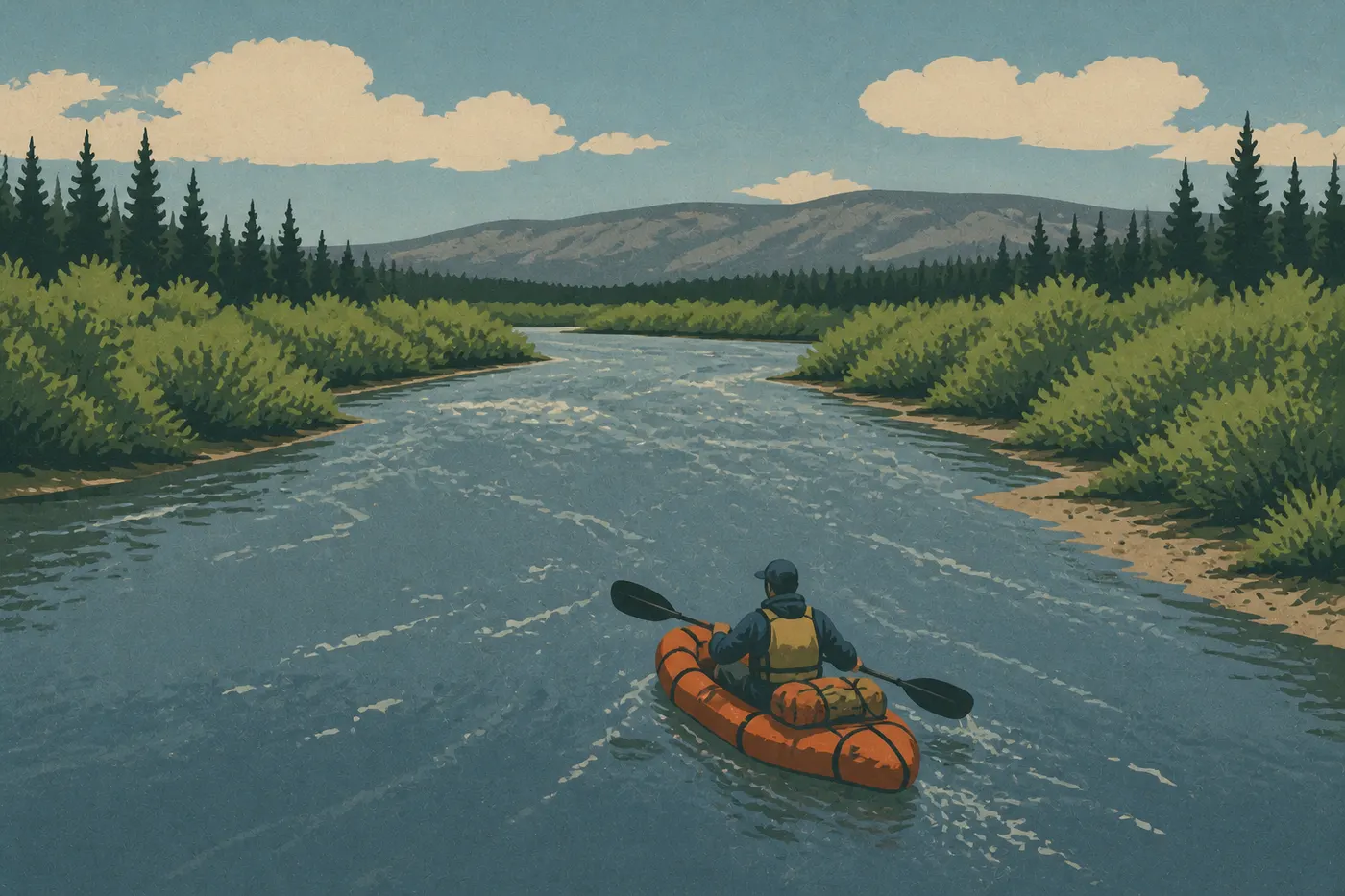
Paddling the Kobuk in a lightweight boat is the park's central experience for most visitors. Guide services offer packraft and inflatable kayak rentals in Kotzebue and Bettles. You can bring your own gear, provided you fly it in and account for its weight and volume.
The technical demands are moderate. You won't encounter serious rapids, but managing meandering currents, shifting sandbars, and wind, which can blow hard against you for hours, is very real. Training in wilderness first aid, such as Wilderness First Aid, is strongly recommended.
Sport Fishing
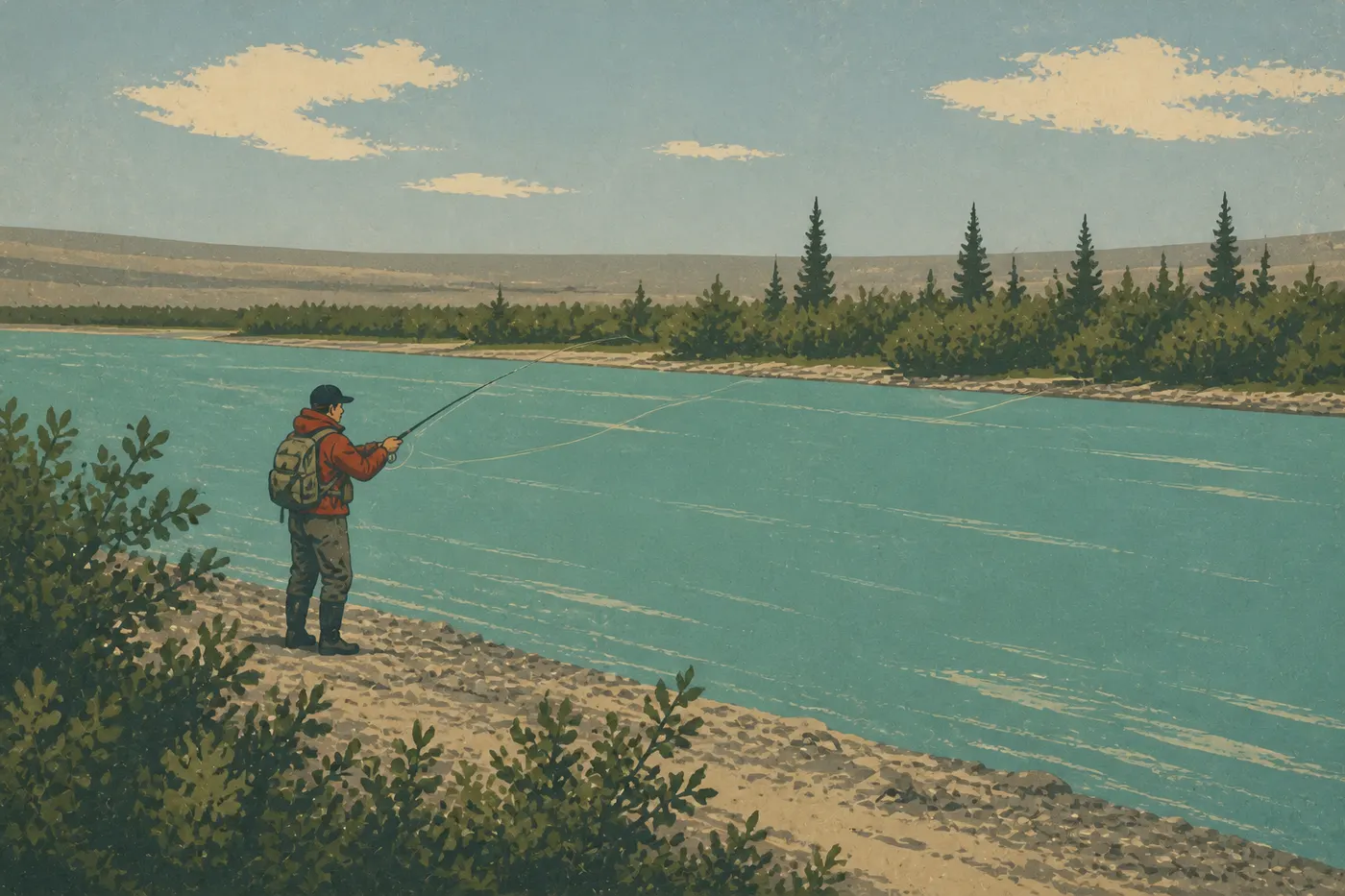
Five species of Pacific salmon run up the Kobuk in summer during distinct time windows: chinook, or king salmon, first, followed by chum and coho. Arctic char and rainbow trout are present throughout the season. The Alaska Department of Fish and Game's annual regulations set the quotas and permitted areas. Check with the Northwest Arctic Heritage Center before you leave.
Photography Under the Midnight Sun

Summer Arctic light is a resource in its own right. Around the June solstice, the sun doesn't set. The low, golden “night” light lasts for several hours and gives the dunes, river, and caribou silhouettes an unusual photographic quality. The tradeoff is that you'll need to work on an altered schedule and go without much sleep for a few nights.
Swimming in the Dune Ponds
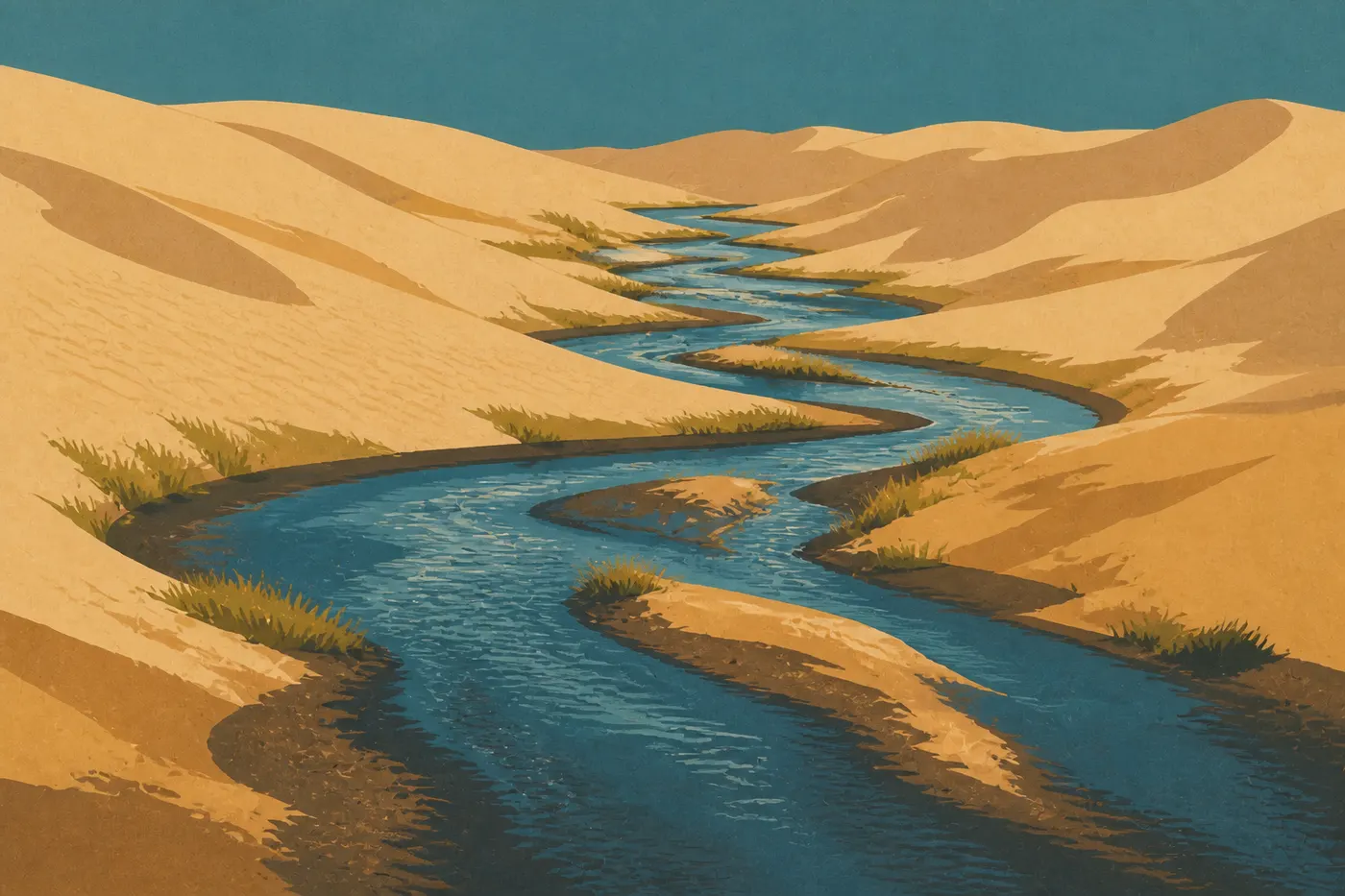
It's a surprise few visitors anticipate. In summer, ponds formed by melting snow and rain collect along the edge of the Great Kobuk Sand Dunes. You can swim in their cold but clean water beneath an Arctic sun. The experience is strange, which is exactly what makes it memorable.
Visiting with Kids
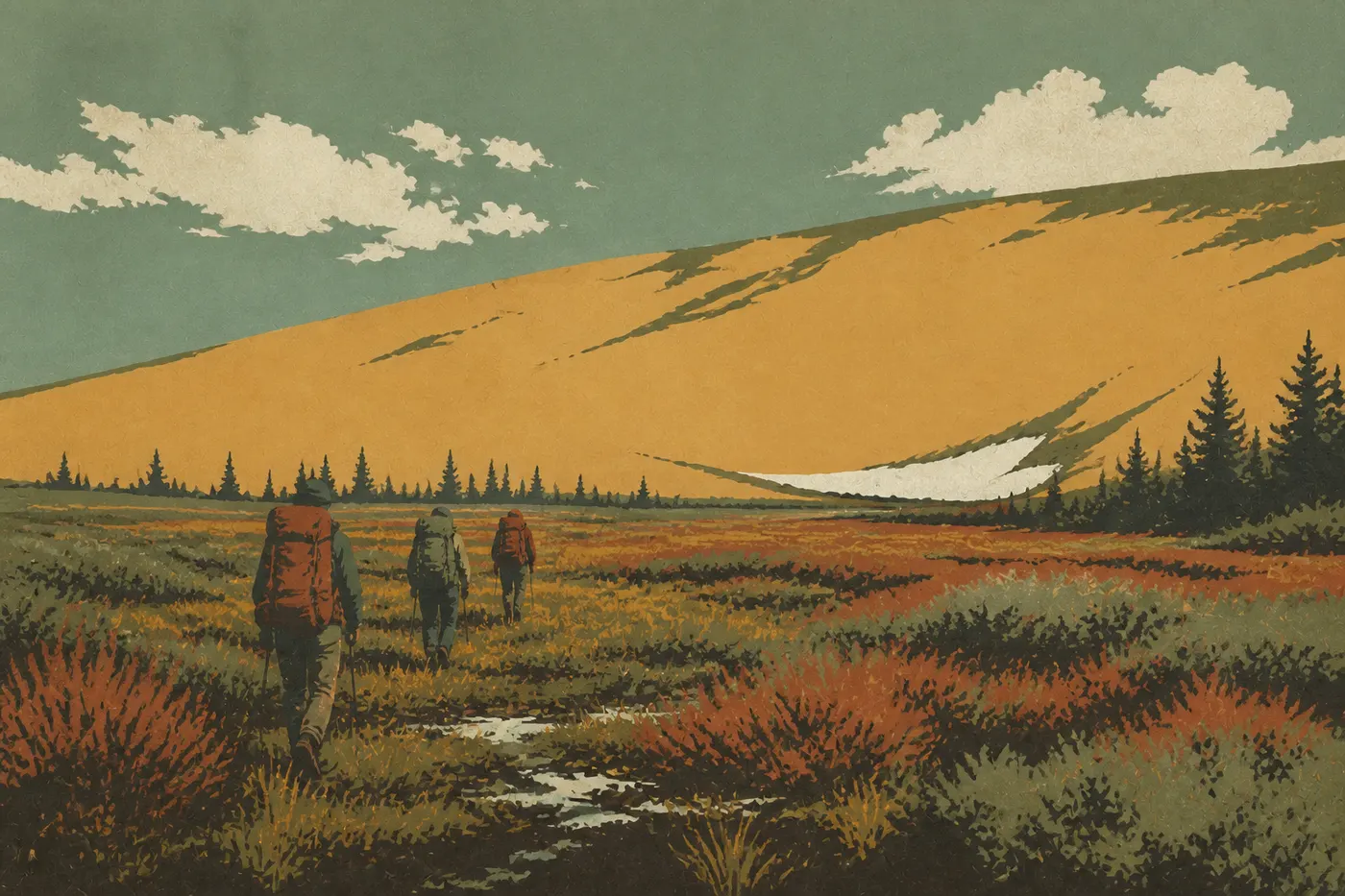
Kobuk Valley isn't suited to families with young children who lack wilderness camping experience. With no toilets, drinking-water sources, or quick evacuation routes, the park is best left to self-sufficient groups. Families with kids as young as 10 to 12 who are comfortable with backcountry travel and kayaking can find it a formative adventure. Our Visiting with Kids page explains the requirements and precautions specific to this type of trip.
What to Do Around Kobuk Valley
Northwestern Alaska is home to several remarkable protected areas, all without road access and all reachable from Kotzebue or Bettles.
Noatak National Preserve borders Kobuk Valley to the north. It's an even more isolated wild river corridor, traveled by kayak in summer and by skis or snowmachine in winter. Together, the two parks form one of the largest contiguous protected natural areas in the world. A combined visit takes two to three weeks.
Cape Krusenstern National Monument lies to the west, along the Chukchi Sea coast. Coastal archaeology enthusiasts will find Inupiat remains on gravel ridges built up over 5,000 years. You can reach it by air taxi from Kotzebue, and trips are often paired with a visit to the Northwest Arctic Heritage Center in town.
Gates of the Arctic National Park is accessible from Bettles to the east. If your itinerary uses this gateway, combining the two parks is a serious option for a two- to three-week trip.
Kotzebue itself is worth a day before or after the park. The Northwest Arctic Heritage Center offers a strong introduction to the region's Inupiat culture and history. The town, home to about 3,000 people, is one of the largest Arctic communities in the United States and the only one with practical access to Kobuk Valley.
For longer itineraries that include Kobuk Valley in an Alaska circuit, our Road Trips section offers ideas for combining these destinations.
The Bottom Line: What to See First in Kobuk Valley
If your time or air-taxi budget is limited, here are the priorities in order.
First, the Great Kobuk Sand Dunes. This is the experience that makes the trip worthwhile. Plan on at least half a day there, ideally setting out in the morning to avoid the midday heat and stay on the dunes into late afternoon.
Second, kayaking the Kobuk River. Even two days downstream from an upstream drop-off point will give you a sense of what the park offers along the water. It's the most accessible option if you don't have a full week.
Third, Onion Portage for trips of three days or more. The stop is short, but it adds depth to the visit that the dunes alone can't provide.
Kobuk Valley is worth the effort if you're looking for an Alaska without infrastructure or compromises. This isn't a park for travelers who want a comfortable circuit, and that's exactly why those who go come back changed by the experience.
Our complete Kobuk Valley guide brings together weather information, wilderness camping advice, safety tips, and trip-planning guidance.
Frequently Asked Questions
What is there to do in Kobuk Valley, Alaska?
In Kobuk Valley, Alaska, visitors come to walk across the Arctic sand dunes of the Great Kobuk Sand Dunes, kayak or packraft down the Kobuk River, watch migrating caribou and grizzlies, fish for salmon, and visit the Onion Portage archaeological site. There are no marked trails, so everything requires complete self-sufficiency, with no infrastructure or services on site.
How much does a visit to Kobuk Valley National Park cost?
Admission to Kobuk Valley National Park is free. There is no entrance fee. The real cost of a visit is transportation. Commercial flights from Anchorage or Fairbanks to Kotzebue or Bettles are the biggest expense. A private air taxi into the park then costs several hundred dollars per flight, depending on the provider and drop-off point. You'll also need to bring all your own camping and safety gear. For entrance fees and annual passes, see the National Parks Fees & Passes page.
What are the most beautiful Alaska landscapes you can see in Kobuk Valley?
The most striking landscapes in Kobuk Valley are its Arctic sand dunes, unique in Alaska; the banks of the Kobuk River, lined with boreal forest and open tundra; views of the foothills of the Brooks Range; and the spectacle of caribou migrations in May and June, then September and October. July's midnight sun adds a visual dimension that's hard to find elsewhere.
Is Kobuk Valley really worth the trip?
Kobuk Valley is worth the trip if you're looking for untouched wilderness, no crowds to manage, and no staged tourist experience. It's one of the wildest places in the United States, accessible only to those willing to accept the logistical challenge and complete self-sufficiency. Families with young children and travelers without wilderness camping experience may find other Alaska parks, such as Denali, more accommodating.