
Getting Around Kobuk Valley National Park: Flights, River Travel, and Wilderness Trekking
Kobuk Valley is one of the few American national parks with no roads leading to it. You won't drive, catch a shuttle, or look for a parking lot here. You'll arrive by plane, set foot on the tundra, and be on your own in a wilderness twice the size of Corsica. That's both the challenge and the appeal of this place.
The short answer: Kobuk Valley is accessible only by air. From Anchorage, you'll take a commercial flight to Kotzebue, then an air taxi will drop you in the park. Once you're there, you'll travel on foot or paddle the Kobuk River. There are no roads, shuttles, or parking lots in the park.
From Anchorage, plan on about 1.5 hours to reach Kotzebue by commercial flight, then an air taxi will drop you in the park. You'll find companies, schedules, and charter rates from Kotzebue and Bettles in the Kobuk Valley access guide.
The Visitor Center and Starting Points for the Park
Kobuk Valley doesn't have a visitor center within its boundaries. The Northwest Arctic Heritage Center, located in Kotzebue, serves that role for the entire region. Stop there before your flight. Rangers provide up-to-date topographic maps, current trail conditions, and safety information. The park itself is open 24 hours a day, 365 days a year, and admission is free. National Park Fees & Passes explains entrance fees and passes.
Getting Around the Park
This is the heart of the matter. How you get around depends entirely on what you're looking for.
By Air (Air Taxi)
The air taxi is your main way to get around. Planes land on gravel bars along the Kobuk River or on calm stretches of water. It's the only way to enter and leave the park, but you can also use it to relocate during your trip. Agree on pickup arrangements with your operator ahead of time and build in extra time. Alaska weather regularly delays flights by several hours, and sometimes by several days.
On Foot (Fully Self-Supported Trekking)
There are no marked trails in the park. You'll walk across the tundra, along the banks of the Kobuk River, or over the Great Kobuk Sand Dunes, the Arctic sand dunes that make up one of Alaska's most unexpected landscapes. The terrain is demanding, with loose or boggy ground depending on the season and no signs to guide you. When we visited the dunes, pushing through fine sand into a headwind turned out to be far more strenuous than expected. A 1:63,000-scale topographic map and GPS are essential.
Paddling the Kobuk River
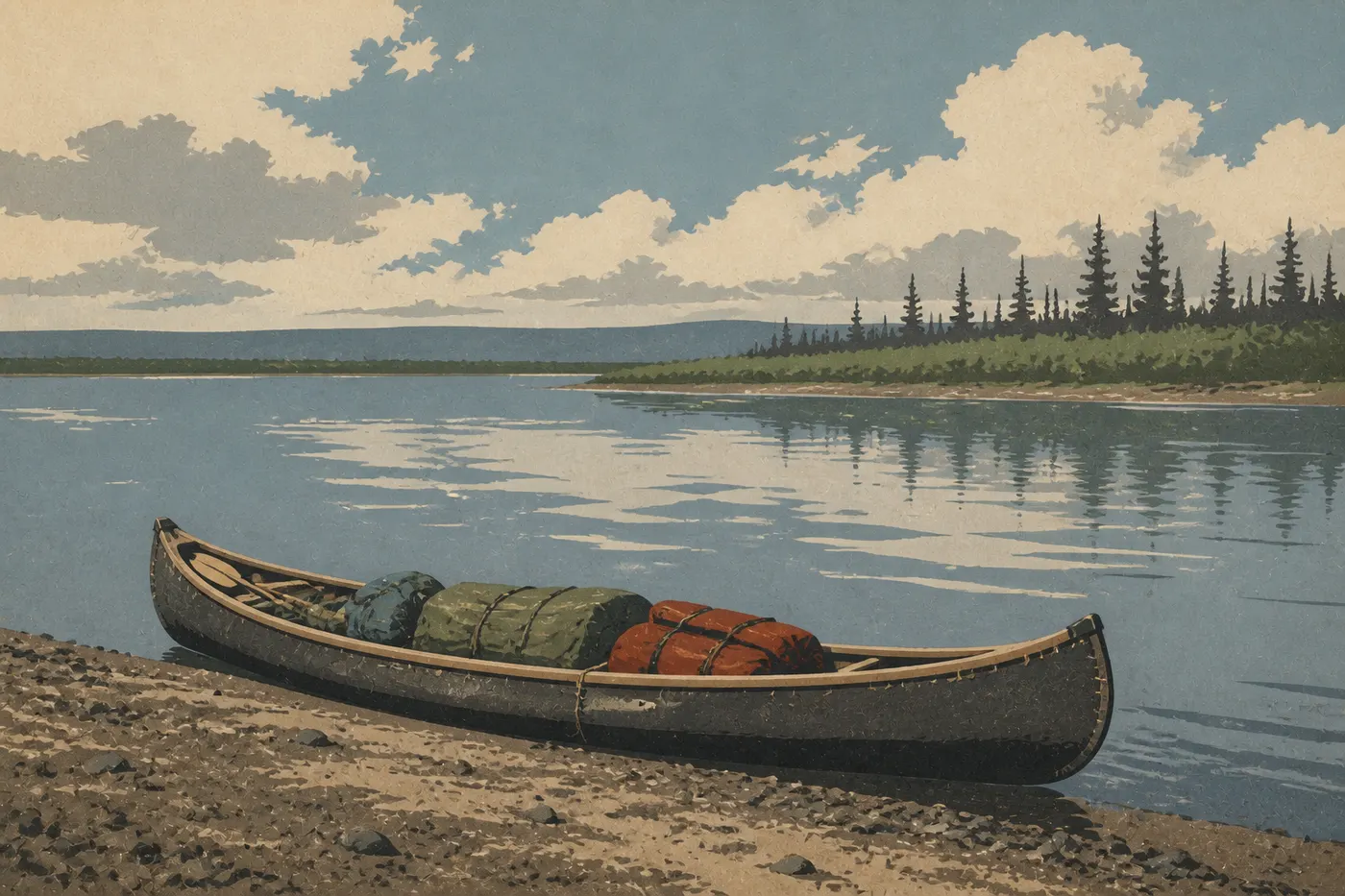
Traveling down the Kobuk River by kayak, canoe, or packraft is the park's signature experience. The river crosses the park from east to west over a long distance and has mostly Class I and II rapids. They're manageable for experienced paddlers who aren't necessarily experts. A trip through the heart of the park takes days, and sometimes weeks, depending on your itinerary. You'll reach the river by air taxi from Kotzebue or Bettles, and the operator will pick you up downstream at a point agreed upon at the start. Our Itinerary & Trip Length page offers detailed sections and trip lengths for different experience levels.
Parking Before Your Flight and Departure Logistics
There are no parking lots inside the park. If you drive to Kotzebue or Bettles before taking an air taxi, the local airports generally offer long-term parking. Check with the airport in question for availability and rates, especially in July and August.
Distances and Travel Times in the Park
Kobuk Valley covers about 2,700 square miles. The main areas reachable by air taxi from Kotzebue are 30 to 60 minutes away by air, depending on the destination. On foot, your daily progress varies widely with the terrain. Plan on 6 to 12 miles across dry tundra, and much less in boggy terrain. On the Kobuk River, your daily distance depends on the current and your paddling pace. Use these figures to plan your schedule, not to reassure yourself. Kobuk Valley requires at least several days to visit. Our Itinerary & Trip Length guide will help you build a realistic plan.
Special Considerations: Accessibility, RVs, and Pets
Accessibility. In practice, Kobuk Valley is inaccessible to people with limited mobility. The lack of roads, the need to travel across undeveloped terrain on foot, and the mandatory air-taxi transfer make a visit extremely difficult without specialized assistance. Contact the Northwest Arctic Heritage Center before planning your trip.
RVs and vans. The question doesn't arise inside the park, since no roads lead there. Kotzebue and Bettles offer basic lodging for the night before your flight. Our RV camping page covers nearby options.
Pets. Dogs are strongly discouraged in this wilderness environment. Grizzlies and other predators pose a real danger to a domestic animal unfamiliar with Alaska.
Practical Information: Cell Service, Fuel, and Weather
Cell service. There is no cell coverage in the park. Kotzebue has limited service; Bettles has even less. A satellite communicator such as a Garmin inReach is essential. It's your only link to emergency services if something goes wrong.
Fuel and equipment. Stock up on fuel for stoves and lamps in Anchorage or Kotzebue before you leave. You can't resupply in the park.
Weather and hypothermia. Snow, rain, and freezing temperatures can occur in any month of the year. Hypothermia is the main danger. Stay dry, bring waterproof clothing, and pack insulating layers even in summer. Our Weather page breaks down conditions month by month.
Extra time at the end of your trip. Always plan on one or two extra nights in Kotzebue or Bettles before your return flight. Bad weather frequently delays air taxis, and missing a commercial flight from Anchorage can lead to significant costs.
Frequently Asked Questions
Can I drive to Kobuk Valley National Park?
No. You can't drive to Kobuk Valley National Park because no roads lead there. Access is by air only, from Kotzebue via Anchorage or Bettles via Fairbanks, followed by an air taxi into the park.
Are there polar bears in Kobuk Valley National Park?
No. Polar bears are coastal animals associated with sea ice, so they don't live this far inland. Grizzlies and black bears do inhabit the park. Make noise as you walk, carry bear spray, and never leave food within reach. For wildlife viewing, see the Kobuk Valley wildlife guide.
How do I get around Kobuk Valley National Park?
In the park, you'll travel on foot across the tundra or along the riverbanks, paddle the Kobuk River by kayak, canoe, or packraft, or take an air taxi to relocate over longer distances. There are no roads, marked trails, or shuttles.
Is there cell service in Kobuk Valley National Park?
No. There is no cell coverage anywhere in the park. A satellite communicator is essential for emergency communications during your trip.
How much does it cost to enter Kobuk Valley?
Admission to Kobuk Valley National Park is free. Your main transportation expense will be air travel, including commercial flights and the air taxi. For entrance fees and annual passes, see the National Park Fees & Passes page.