
Where to Eat in Kobuk Valley: Restaurants in and Around the Park
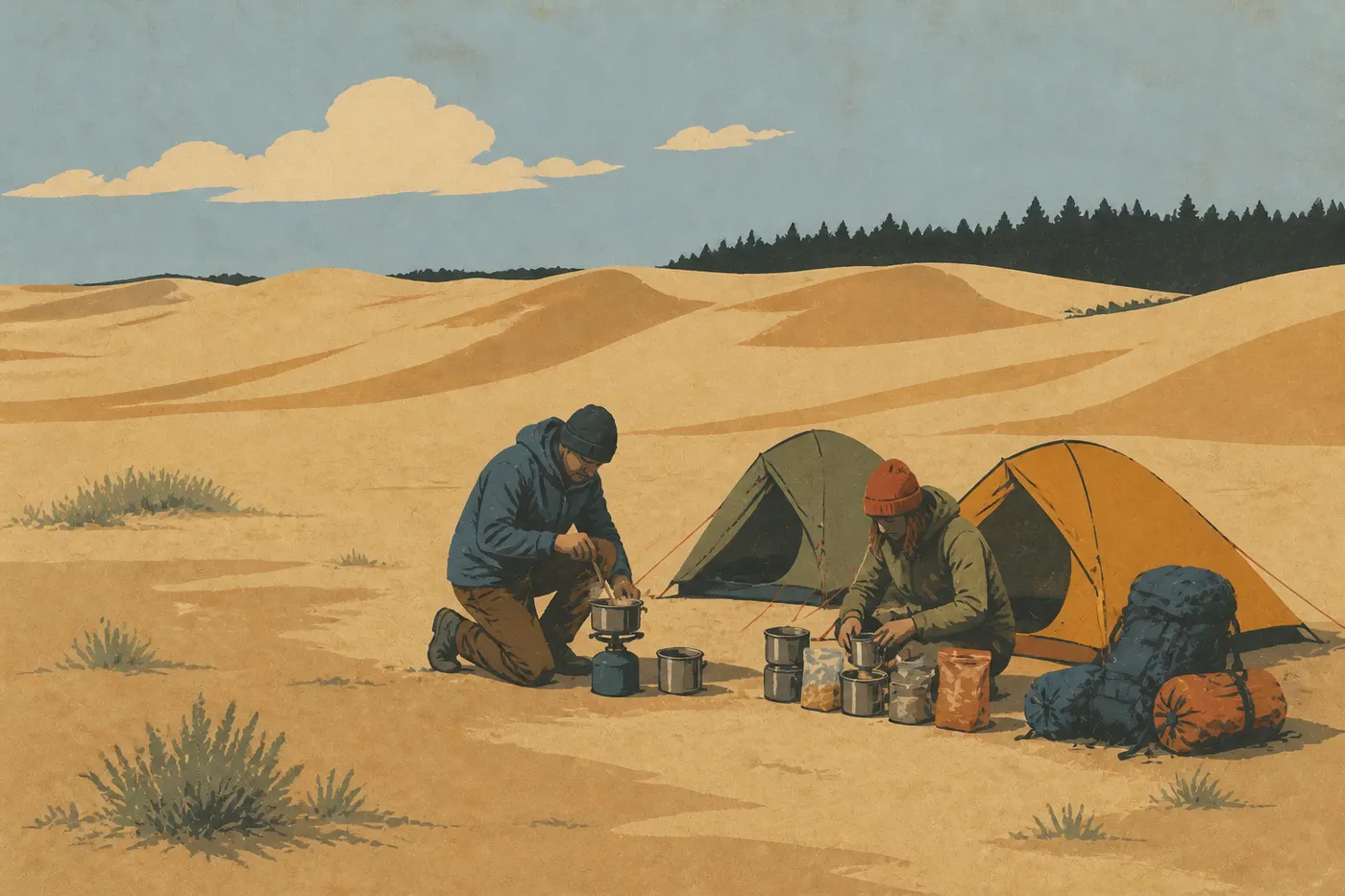
Let's be clear: Kobuk Valley has no restaurants, cafeterias, or grocery stores. No road leads into the park, and its 2,606 square miles of Arctic wilderness have no service facilities at all. You eat what you brought, and you brought what you bought before boarding your air taxi. The main gateway town, Kotzebue (in northwestern Alaska), handles most of the resupply. Bettles, the second access point from the south, offers very limited services.
Eating in the Park: Lodges, Restaurants, and Cafeterias
There aren't any. Kobuk Valley is one of the wildest national parks in the United States. With no roads, official marked trails, or permanent visitor facilities, the park follows a simple rule: you manage your own cooking. The park's visitor center, the Northwest Arctic Heritage Center, is in Kotzebue, outside the park. Once your air taxi drops you in the valley, you're on your own with the silence and the wind.
That's not a drawback. It's part of what the place promises. But it does require serious preparation.
Groceries, Resupply, and Picnics in the Park
It all starts on the ground, before your flight. In Kotzebue, the Alaska Commercial Company (AC Store) is the town's main grocery store. It covers most needs: canned goods, freeze-dried meals, camping supplies, and drinks. Prices are noticeably higher than in Anchorage because of air freight, but the selection is enough to put together a five- to seven-day expedition.
From Bettles, your options are even more limited. There is a lodge and minimal resupply service, but don't count on this entry point to fill in an inadequate food supply. Get everything ready in Fairbanks before flying on to Bettles.
For your pack, think light, high-calorie, and waterproof: freeze-dried meals, nuts, jerky, energy bars, and chocolate. Temperatures can drop below 32°F outside the summer window, and rain can settle in on any day of the year. A sturdy, airtight container protects your provisions from the black bears and grizzlies in the park and helps keep odors from spreading through this pristine environment. NPS food-storage rules apply in the park.
The rivers in Kobuk Valley are known for clean water, but always filter it with a pump or use purification tablets. Never drink untreated water.
Where to Eat Nearby: Gateway Towns
Kotzebue
Kotzebue has about 3,000 residents, most of them Inupiaq, on a peninsula in the Chukchi Sea. It's the logistics hub for your trip and the only substantial gateway town for Kobuk Valley. The restaurant scene is modest but real.
Several local restaurants serve sandwiches, seafood, burgers, and soup of the day. Arrive with extra time and some flexibility. Kotzebue isn't a tourist destination in the usual sense. Businesses open and close, hours are approximate, and menus change with incoming freight. A phone call ahead can save you a lot of disappointment.
On the morning of an early flight, local grocery stores often offer hot food to go. Take advantage of it.
Bettles
Bettles (about 100 residents) has just one place to eat: Bettles Lodge. It serves meals at set times in a rustic, welcoming setting that recalls the roadhouses of Alaska's Interior. It's the default choice if you're traveling through Fairbanks. Book ahead. Capacity is limited, and guide groups often take up the tables.
Our Picks by Occasion
A quick bite before your flight. AC Store in Kotzebue has supplies, sandwiches, and hot drinks. This is where you fill your coffee thermos and pack it in the expedition crate before boarding the air taxi.
A hot meal after your expedition. Bettles Lodge, if you're returning through the south: the soup of the day and a homemade burger have never tasted better than after three days of freeze-dried food in the Arctic wind.
A local experience in Kotzebue. Ask your guide or host whether there might be a chance to share a community meal. Kobuk Valley lies at the heart of traditional Inupiaq territory, and sharing food is part of the culture.
The Specialty to Try in Kobuk Valley
Traditional Inupiaq food is the real culinary experience of the trip, and you generally won't find it in a restaurant.
Smoked salmon is the centerpiece. Caught in the Kobuk River, which runs through the park, it's cold-smoked over alder wood using methods passed down through generations. The texture is firm, with a deep, slightly woodsy flavor. When we visited, a guide slipped us a piece wrapped in kraft paper during a portage. It was the most memorable meal of the trip.
Dried caribou is another regional specialty: lean, intensely flavorful meat preserved by wind and cold according to a tradition thousands of years old. You can sometimes find it at the local market in Kotzebue during hunting season in the fall.
Muktuk (beluga skin and fat, eaten raw or lightly fermented) is part of the region's food identity. It's a disorienting experience for a Western palate, but it's central to Inupiaq culture.
These specialties don't appear on any printed menu. Look for conversation rather than a menu.
Practical Tips: Hours, Reservations, Budget, and Season
Meal budget. Expect to pay $15 to $25 for a dish in Kotzebue, and more at Bettles Lodge. Resupplying for a five-day expedition can easily cost $150 to $300 per person, depending on how comfortable you want your meals to be. Our Fees & Passes page explains entrance fees and passes.
Season. The practical access window runs from June through early September. Outside that period, air taxi flights become less frequent, and some Kotzebue businesses cut back their hours. Check our guide to the best time to visit Kobuk Valley before finalizing your plans.
Food waste. Leave No Trace principles apply strictly in the park. Pack out every wrapper and container. There are no trash cans in the park.
Reservations. You must reserve Bettles Lodge in advance. For Kotzebue restaurants, calling ahead is recommended if you're arriving with a group.
In Short: Where to Eat Based on Your Entry Point
You're entering through Kotzebue: stock up at AC Store, have a hot meal in town before your flight, and bring all the provisions you'll need for your stay.
You're entering through Bettles: Bettles Lodge is your only on-site dining option. Book ahead and prepare your food supply in Fairbanks.
In the park: complete self-sufficiency. Once you've landed, resupply isn't possible. For the full logistics of your expedition, our Kobuk Valley guide and guide to reaching the park by air taxi are the best places to start.
Frequently Asked Questions
How do I get to Kobuk Valley?
Kobuk Valley is inaccessible by road. Our Access & Transportation page covers air taxi companies, landing sites, and typical prices.
Can you eat inside Kobuk Valley National Park?
Kobuk Valley has no restaurant, cafeteria, or grocery store inside the park. Prepare all your supplies in advance, in Kotzebue or Bettles, before your flight in.
What is the signature food of the Kobuk Valley region?
The region's specialty is traditional Inupiaq food: cold-smoked salmon caught in the Kobuk River, dried caribou, and, for the more adventurous, muktuk. These foods don't appear on restaurant menus. You'll discover them through conversations with local residents or guides.