
When to Visit Kobuk Valley: Best Time, Weather, and Seasons
Kobuk Valley has no access road, no developed campground, and no gift shop. This national park in the Arctic region of Alaska plays by its own rules, and the first is the weather. The best time to visit Kobuk Valley is mid-June through late August, when the days are almost continuous, the tundra is accessible, and the Great Kobuk Sand Dunes are easy to explore on foot. Outside that window, snow, ice, and unpredictable flying conditions make logistics much more difficult.
Understanding the park's seasons also means understanding its access constraints: a flight from Kotzebue is the only way in, and weather directly determines whether flights can operate. That reality changes the planning equation no matter when you go.
Kobuk Valley Weather Month by Month
The NPS puts it plainly: snow, rain, and below-freezing temperatures can occur in any month of the year. This is subarctic Alaska, not the Rockies in July. Our Weather page has a detailed monthly table with average temperatures and precipitation. Here's the big picture for planning.
| Month | Low (°F) | High (°F) | What to expect |
|---|---|---|---|
| January | -22 | 0 | Polar night, intense cold, limited access |
| February | -18 | 5 | Similar conditions; daylight begins to return |
| March | -8 | 19 | Cross-country skiing possible; persistent cold |
| April | 9 | 34 | A slight thaw; ice still covers the river |
| May | 28 | 50 | Thaw, wetlands, mosquitoes begin to appear |
| June | 41 | 64 | Nearly constant daylight; peak of the Arctic summer |
| July | 46 | 70 | Warmest month; dunes accessible on foot |
| August | 41 | 63 | Wild berries, caribou begin migrating |
| September | 30 | 48 | Spectacular fall colors; nighttime freezes |
| October | 14 | 30 | First lasting snow |
| November | -4 | 16 | Deep cold returns |
| December | -18 | 7 | Polar night; park inaccessible without an expedition |
These figures are averages. In practice, a July storm can send temperatures down to 41°F within a few hours. Always pack warm layers and reliable rain gear, whatever the season. Hypothermia is a real risk on a wet, windy day, even when the thermometer shows reasonable temperatures.
Kobuk Valley in January
January is the coldest month of the year. Nighttime temperatures drop to around -18°F, while daytime highs stay near 3°F. The polar night is total or nearly total, with only a few hours of dim light. This is for expedition travelers with full polar gear. Flight cancellations from Kotzebue are common, and surviving without specialized preparation isn't realistic.
Kobuk Valley in February
The cold remains intense in February, around -17°F at night and 7°F during the day, but daylight gradually returns and the northern lights are still on display. The Kobuk River is completely frozen, and the ground is hard and impermeable. For an experienced Arctic photographer, the pristine landscapes and low-angle light offer genuine opportunities. Everyone else still needs expedition-grade equipment.
Kobuk Valley in March
March opens a unique window. Daylight has returned, the ground remains frozen, and the northern lights can still be at full strength. With the river still under ice, travelers who know the terrain can get around on cross-country skis or snowshoes. Nighttime temperatures remain severe, around -8°F, with highs near 16°F. This month is for self-sufficient travelers equipped for extreme cold.
Kobuk Valley in April
April brings a relative thaw, with highs approaching 32°F and long days of returning light. The river starts to break up, creating specific hazards on the ice. For experienced travelers, this can be an interesting window with few visitors, dramatic light, and the first bird migrations, provided you're self-sufficient and leave plenty of weather margin in your flights from Kotzebue.
Kobuk Valley in May
May is breakup season. Temperatures climb to 52°F during the day, the Kobuk River sheds its ice, and the tundra begins to green up. In return, low-lying areas turn into wetlands and the first mosquitoes appear by mid-May. Charter flights from Kotzebue remain at the mercy of spring weather. Late May, after the 20th, offers a good balance of accessible conditions, active wildlife, and still-reasonable airfares.
Kobuk Valley in June
June is the first truly workable month for most visitors. The midnight sun settles in, bringing up to 22 hours of daylight around the solstice, and temperatures range from 37°F to 66°F. Air taxis from Kotzebue are available, the Kobuk River is navigable, and visitation remains lower than in July. Mosquitoes are already out, so a head net and repellent are essential as soon as you reach the valley.
Kobuk Valley in July
July is the heart of the season. Highs reach 73°F, the sky stays bright almost around the clock, and every major visitor option is open: you can hike across the Great Kobuk Sand Dunes and paddle or canoe the Kobuk River. It's also the busiest month. Book air taxis several weeks ahead because good-weather departure slots go fast. Mosquitoes and no-see-ums are at their worst, so a full head net and repellent are basic gear.
Kobuk Valley in August
August remains pleasant, from 43°F to 68°F, but it's the wettest month of the year, with about 2.2 inches of average precipitation. The fall migration of the Western Arctic Herd begins to take shape late in the month, making August especially interesting for wildlife viewing. Wild berries, including lingonberries and Arctic blueberries, cover the tundra. Mosquitoes remain active, so protection is still necessary.
Kobuk Valley in September
For many visitors, September is the best month on the calendar. Mosquitoes have almost completely disappeared, the tundra turns red and orange, caribou cross the valley south, and the low-angle light is ideal for landscape photography. Temperatures range from 30°F to 50°F, so you'll need warm layers, but conditions remain quite manageable. The window is short. Starting in mid-September, nighttime freezes set in and charter flights become less frequent.
Kobuk Valley in October
The first lasting snow arrives in October, with highs just below freezing, from 12°F to 30°F. The ground gradually freezes and access deteriorates. Charter operators cut back their schedules, and cancellation odds rise sharply. For a few specialized photographers, the transition between fall and winter produces exceptional images, but logistics must be completely under control and gear must be suited to the cold.
Kobuk Valley in November
November marks the return of deep cold, around -4°F at night and 16°F at best during the day. Days grow dramatically shorter, and Arctic conditions take over again. Flights from Kotzebue are possible but highly unpredictable. For anyone without Arctic winter expedition gear, November isn't a realistic time to go.
Kobuk Valley in December
December is the month of the polar night, with only a few hours of dim light and intense cold, around -15°F at night. The park is officially open year-round, but reaching Kobuk Valley in December is a specialized expedition. The northern lights reach their greatest intensity, which is the only compelling reason for the rare travelers able to make the trip.
Kobuk Valley Season by Season
Winter (November to March)
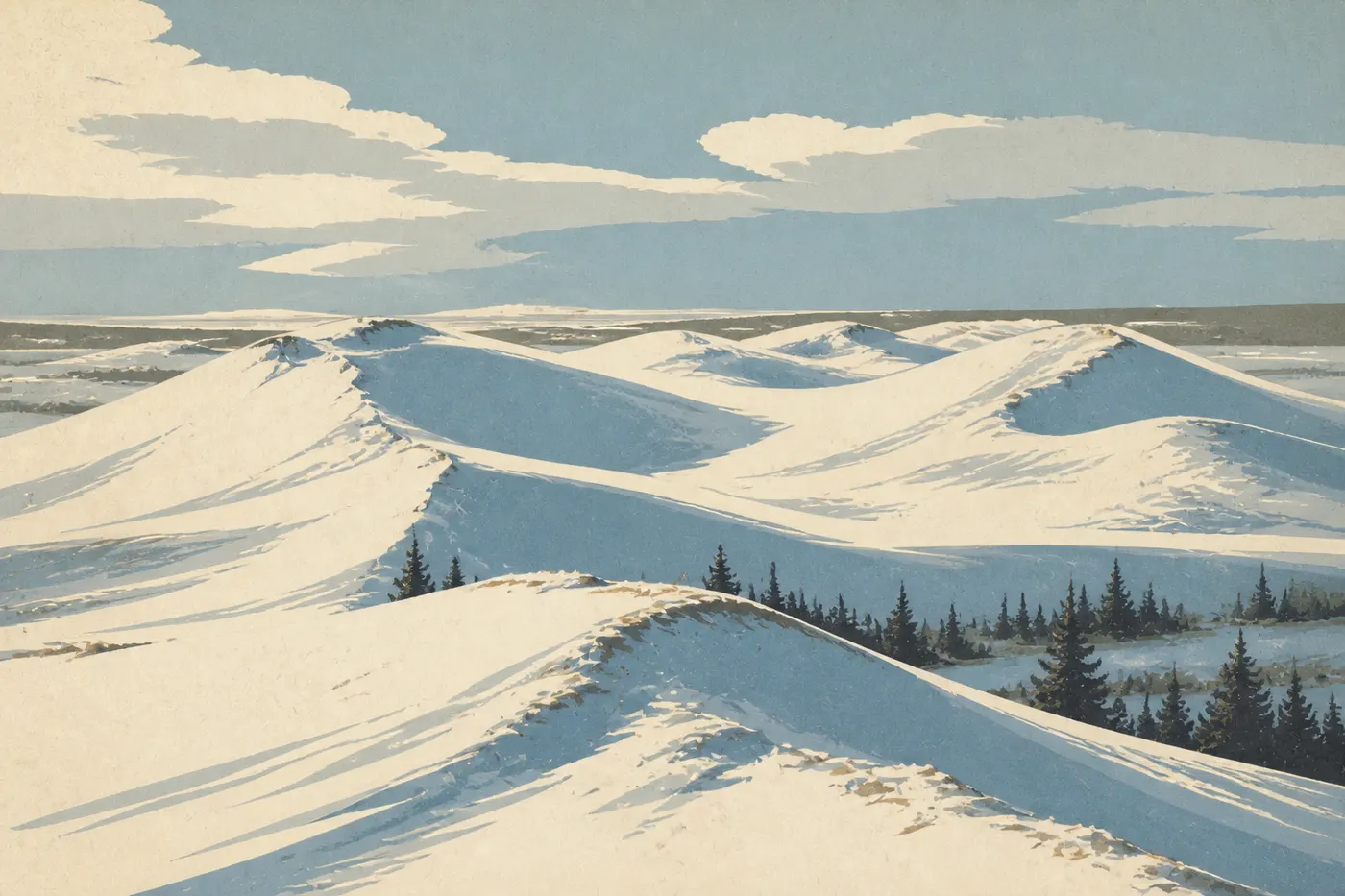
The Arctic winter turns the valley into a desert of ice and silence. Temperatures regularly fall below -13°F. The sun rises only briefly in December, if at all on some days. Air-taxi access from Kotzebue is technically possible, but weather cancellations multiply and endless nights make any exploration on foot dangerous without full expedition gear.
What you'll find: northern lights, pristine landscapes, absolute solitude. What you won't find: any kind of visitor infrastructure. Save winter for seasoned expedition travelers and photographers specializing in the aurora.
Spring (April to May)
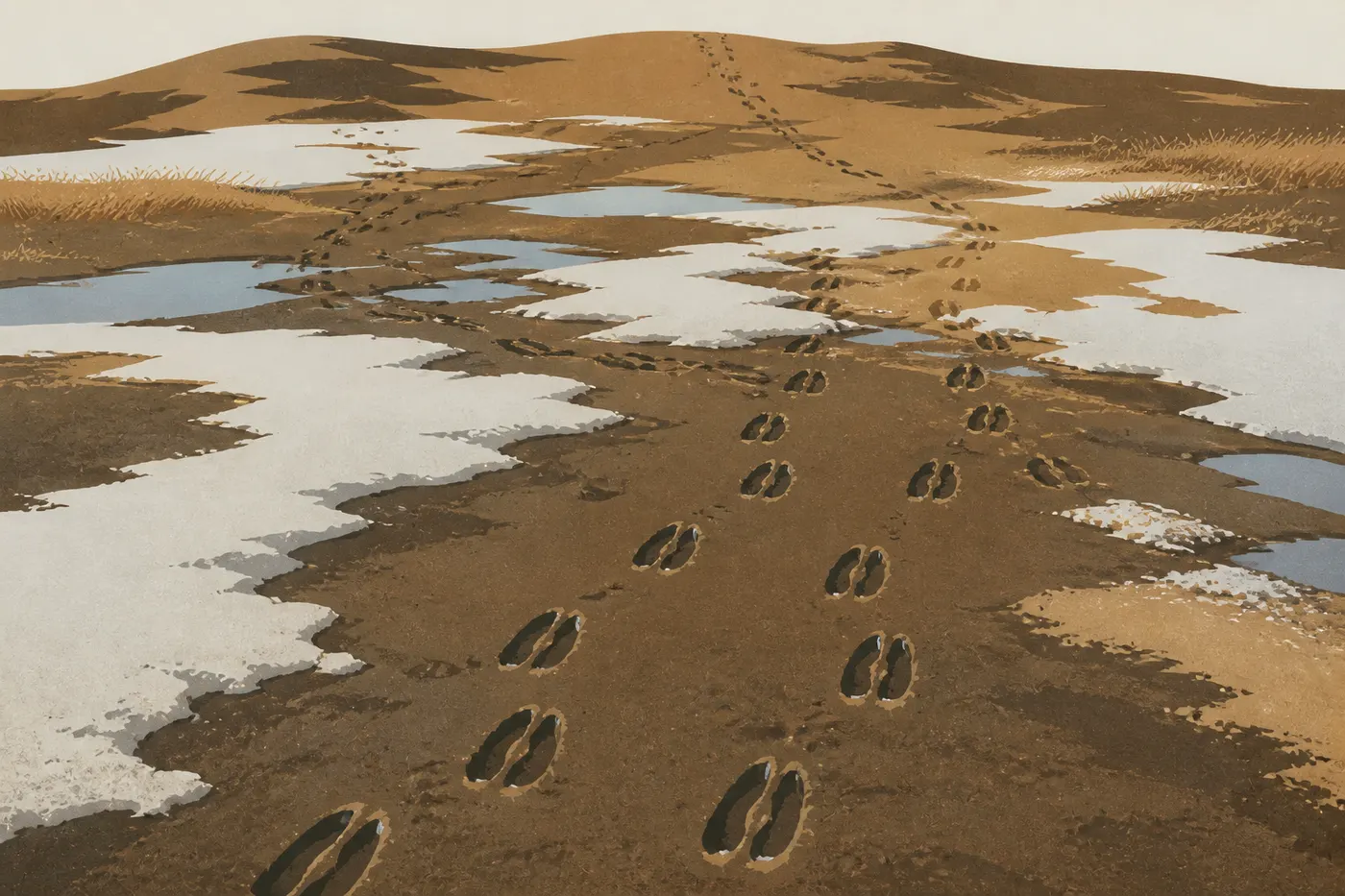
April marks the return of daylight, but the ground remains frozen and rivers rise during May breakup. It's a transitional season: caribou begin migrating north, the light stays golden for hours, and the landscapes have rare photographic appeal. The tradeoff is that wetlands form quickly and mosquitoes appear by mid-May, staying until September.
Charter flights from Kotzebue remain at the mercy of spring weather, so build extra days into your itinerary.
Summer (June to August)
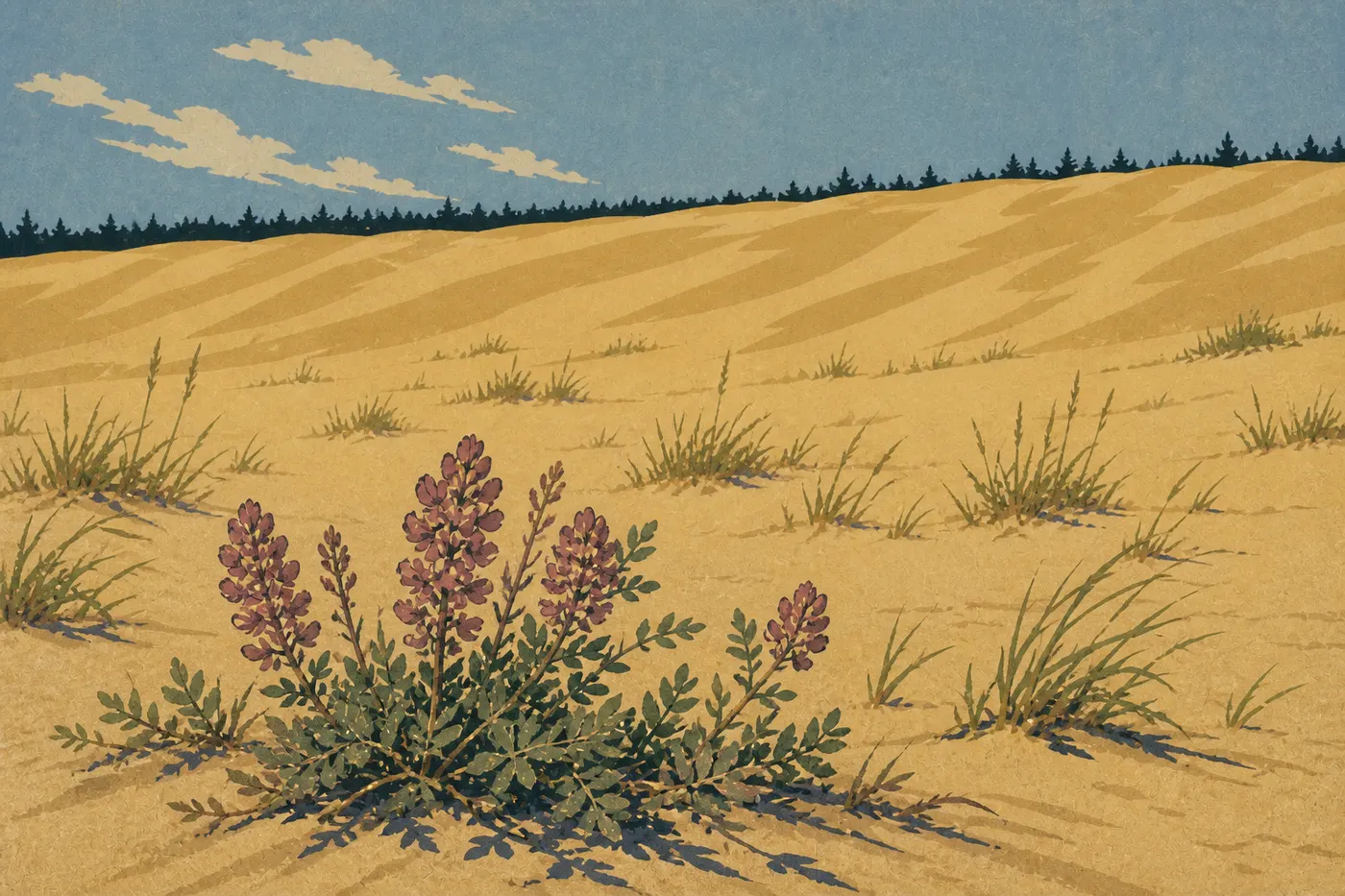
This is peak season, and for good reason. The midnight sun provides up to 22 hours of daylight around the solstice. Daytime temperatures climb into the mid- to upper 60s. The Kobuk River is navigable by canoe or kayak, the Great Kobuk Sand Dunes are accessible on foot after a river landing, and the Western Arctic Herd sometimes passes through the park in late summer.
It's also mosquito and no-see-um season. A head net that covers you completely isn't a luxury. When we visited in July, the buzzing was constant whenever we stopped walking. Bring spray repellent and a head net.
Fall (September to October)
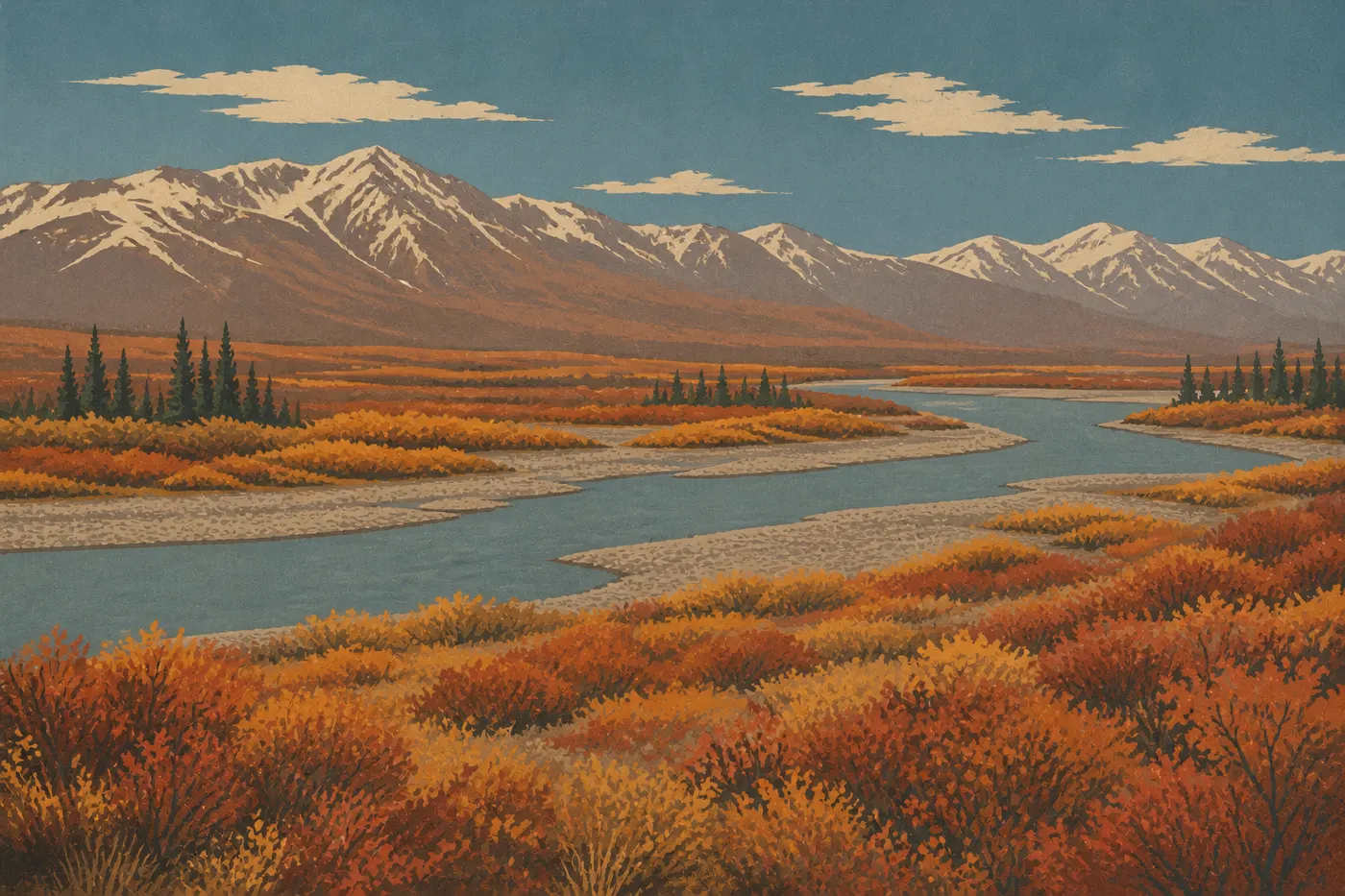
September is a pleasant surprise. The mosquitoes disappear, the tundra turns red and orange, caribou cross the valley south again, and temperatures remain manageable, from 32°F to 48°F. This is probably the park's most photogenic season, with low-angle light and intense colors.
The window is short. Starting in October, the first lasting snow gradually closes exploration options and complicates charter flights.
Crowds: When to Avoid the Rush
Kobuk Valley is one of the least visited national parks in the United States, with fewer than 20,000 visitors a year. But “lightly visited” doesn't mean “empty all the time.” Nearly all visitors arrive in July and August, and limited air access creates real bottlenecks: Kotzebue's air taxis have limited capacity, and good-weather days get booked.
If you're looking for maximum solitude, September is your month. Visitation drops sharply, the weather is still favorable, and wildlife is active for migration. In June, you'll enjoy the midnight sun with somewhat fewer people than in July.
| Period | Visitation | Advantage | Drawback |
|---|---|---|---|
| June | Moderate | Midnight sun, fewer visitors | Mosquitoes already present |
| July | High | Ideal conditions | Peak crowds, tight flight availability |
| August | Moderate to high | Caribou, wild berries | Mosquitoes still active |
| September | Low | Colors, wildlife, quiet | Nighttime freezes, short window |
Access and Logistics by Season
Kobuk Valley has no road. None. You can reach it only by air from Kotzebue, with commercial flights from Anchorage or Fairbanks followed by a charter air taxi. The Northwest Arctic Heritage Center, the park's visitor center, is physically located in Kotzebue, not in the valley itself.
Seasonality directly affects air-taxi availability and flying conditions:
- June through August: Operators have the most availability, but book charter flights several weeks ahead in July. Good-weather departure slots are in high demand.
- May and September: Flights are possible, but always build in a buffer day for weather cancellations.
- October through April: Not recommended except for specialized expeditions with full winter gear.
The park is open 24 hours a day, 365 days a year. In practice, access is what closes. All the practical details, including recommended charter operators and contact information for the Kotzebue visitor center, are in our Access and Transportation page.
There is no timed entry reservation system or entrance fee for Kobuk Valley.
Best Time to Visit on a Budget
The cost of a Kobuk Valley trip is driven by flights and local air charters, not by lodging in the park, because there isn't any. Commercial flights from Anchorage to Kotzebue reach their highest prices in July, at the height of Alaska's tourist season. In May and September, airfares are noticeably lower and charter operators are less busy.
If budget is central to your decision, late May, after the 20th, and September offer the best balance of conditions and cost. Our Kobuk Valley lodging guide covers options in Kotzebue, the only realistic logistical base.
The Best Time for Your Trip
No two travelers come to Kobuk Valley for exactly the same reasons. Here's our recommendation based on your main priority.
Wildlife viewing (caribou): Aim for late August to early September for the fall migration. The Western Arctic Herd numbers several hundred thousand animals. When the timing is right, the spectacle is staggering. Our Wildlife page goes into the migration windows in detail.
Hiking and dune exploration: July is your month. The Great Kobuk Sand Dunes rise 82 feet high and stretch for 5 miles. Exploring them during a long day, in 64°F weather, with the river nearby for cooling off, is an unlikely Alaska experience. Our Hiking page lists possible approaches from river landing sites.
Landscape photography: Choose September for fall colors and low-angle light, or June for midnight sun and reflections on the Kobuk River. The two seasons produce very different images, and both are exceptional.
Family travel: July and August offer the longest days and most stable conditions. Plan ahead for the mosquito question with kids. Head nets are essential. Our Family travel page covers the preparation this kind of remote destination requires.
Tight budget: Late May or September. Flights are cheaper, charter operators are less booked up, and you'll avoid July's peak crowds.
In Summary: The Best Time for Your Trip
| Traveler profile | Ideal time | Why |
|---|---|---|
| Wildlife/caribou | Late August, early September | Fall migration of the Western Arctic Herd |
| Hiking/dunes | July | Relative warmth, endless days, ideal conditions |
| Fall landscape photography | September | Tundra colors, low-angle light, few visitors |
| Midnight-sun photography | June | Sun at 11 p.m., Kobuk River in full light |
| Families | July-August | Most stable and accessible conditions |
| Budget | Late May or September | Cheaper flights, less-busy charters |
Kobuk Valley rewards travelers who plan early and leave room for delays. A weather-canceled charter flight happens. Always plan one extra day in Kotzebue at both the beginning and end of your trip. That buffer can make the difference between a successful journey and a frustrating trip home. Our complete Kobuk Valley guide gives you the big picture before you dive into the practical details.
The Worst Time to Visit Kobuk Valley
For most travelers, November through March is best avoided. The cold is extreme, with some nights reaching -22°F, the polar night cuts December days down to a few hours of dim light, and flying conditions make charter flights from Kotzebue highly unpredictable. Without a polar expedition setup, including extreme-cold technical clothing, independent navigation, and an Arctic bivouac, the risk to life is real. This isn't simply a difficult time for an ordinary traveler. It's practically inaccessible without specialized preparation.
Outside the depths of winter, August deserves a special mention. It's the wettest month of the year, with about 2.2 inches of precipitation, and the time when mosquitoes and no-see-ums reach their highest density. Warm weather and wildlife are still there, but clouds of insects can turn an unprotected hike into a miserable experience. That's no reason to avoid August, but it is a reason to prepare: full head net, strong repellent, and long sleeves and pants.
Frequently Asked Questions
What's the best month to visit Alaska?
The best month to visit Alaska depends on your goal: July for peak summer conditions and large wildlife, September for fall colors and the first northern lights of the season, and March for cross-country skiing and strong aurora displays.
What's the best time to visit Kobuk Valley?
The best time to visit Kobuk Valley is mid-June through late August, when temperatures stay above freezing, daylight is nearly continuous, and air taxis from Kotzebue are widely available.
Can you visit Kobuk Valley in winter?
Technically, yes. The park is open 365 days a year. In practice, the Arctic winter, from November through March, is for seasoned expedition travelers. Temperatures regularly fall below -13°F, polar night reduces some days to a few hours of dim light, and charter flights from Kotzebue face frequent cancellations. Without full polar preparation, this isn't a realistic time to go.
What is the coldest month in Alaska?
January is generally the coldest month in Alaska, with temperatures in the Kobuk Valley region regularly dropping below -13°F and sometimes falling much lower during Arctic cold snaps.
What are the seasons for visiting Alaska?
There are four distinct windows: the Arctic winter, November through March, for northern lights and cross-country skiing; spring breakup, April and May, unstable but photogenic; subarctic summer, June through August, the main season; and the short fall, September and October, for colors and wildlife. For Kobuk Valley, only the last two windows are accessible to non-specialist visitors.
Is Kobuk Valley worth the trip?
Kobuk Valley is worth the trip if you're looking for a national park far beyond the beaten path, with no tourist infrastructure and no access road. The Great Kobuk Sand Dunes in the heart of Arctic Alaska, migrating caribou, and the navigable Kobuk River form its defining trio. It's logistically demanding, but the experience has no real equal.
What's the best season to visit the American West?
The best season to visit the American West depends on the destination: spring for Southwest parks such as Zion and Arches, and summer for the parks of the Northwest and Alaska. Our Alaska regional guides explore the subject across the Far North.
How long do you need to visit Kobuk Valley?
A minimum stay of 3 nights in the valley gives you a reasonable amount of time to explore the dunes and river. Add at least one buffer night in Kotzebue on each side to absorb weather delays. Our Itinerary and Trip Length page lays out several scenarios for different time budgets.