
What to Do at Great Sand Dunes: Top Sights and Activities
Great Sand Dunes surprises you every time: you're in Colorado expecting the Rockies, and instead you're standing before dunes as tall as twenty-story buildings, set against snowcapped peaks. The three absolute highlights are climbing the dunes on foot or by sandboard, swimming in Medano Creek during the season, and taking in the exceptionally dark night sky in this remote corner of the San Luis Valley. Here's the rest of the program, broken down by area.
Great Sand Dunes at a Glance: Areas, Access, and Getting Around
The park has two complementary parts. Great Sand Dunes National Park contains the dunes, Medano Creek, and all the visitor facilities. Great Sand Dunes National Preserve stretches beyond it toward the Sangre de Cristo Mountains: a vast, lightly visited backcountry area that's ideal for wildlife and stargazing.
The main approach is CO 150, reached from the south via US 160 and then CO 150, or from the west via CO 17 and Lane 6 to CO 150. The park is open 24 hours a day, year-round. Inside, everything starts on foot from the Dunes Parking Lot, a few minutes from the Visitor Center. There is no shuttle and no drivable road through the dune field. Leave your car and walk across the sand. A suitable vehicle is essential for the Preserve's 4WD road. See below.
For entrance fees, detailed hours, and rules to know before you arrive, see the Great Sand Dunes access and visitation information.
How Much Time Do You Need to Visit Great Sand Dunes?
One well-planned day is enough for the highlights: climb the dunes in the morning, before the sand heats up, visit Medano Creek around midday if it's in season, and watch the sunset from the parking lot. Two days let you add a high-elevation hike in the Preserve and take your time exploring the quieter areas. For a complete visit that includes Medano Pass Primitive Road and the mountain trails, plan on three days. These one- to three-day Great Sand Dunes itineraries can help you organize your stay.
Great Sand Dunes Highlights by Area
The Dune Field: The Heart of the Park
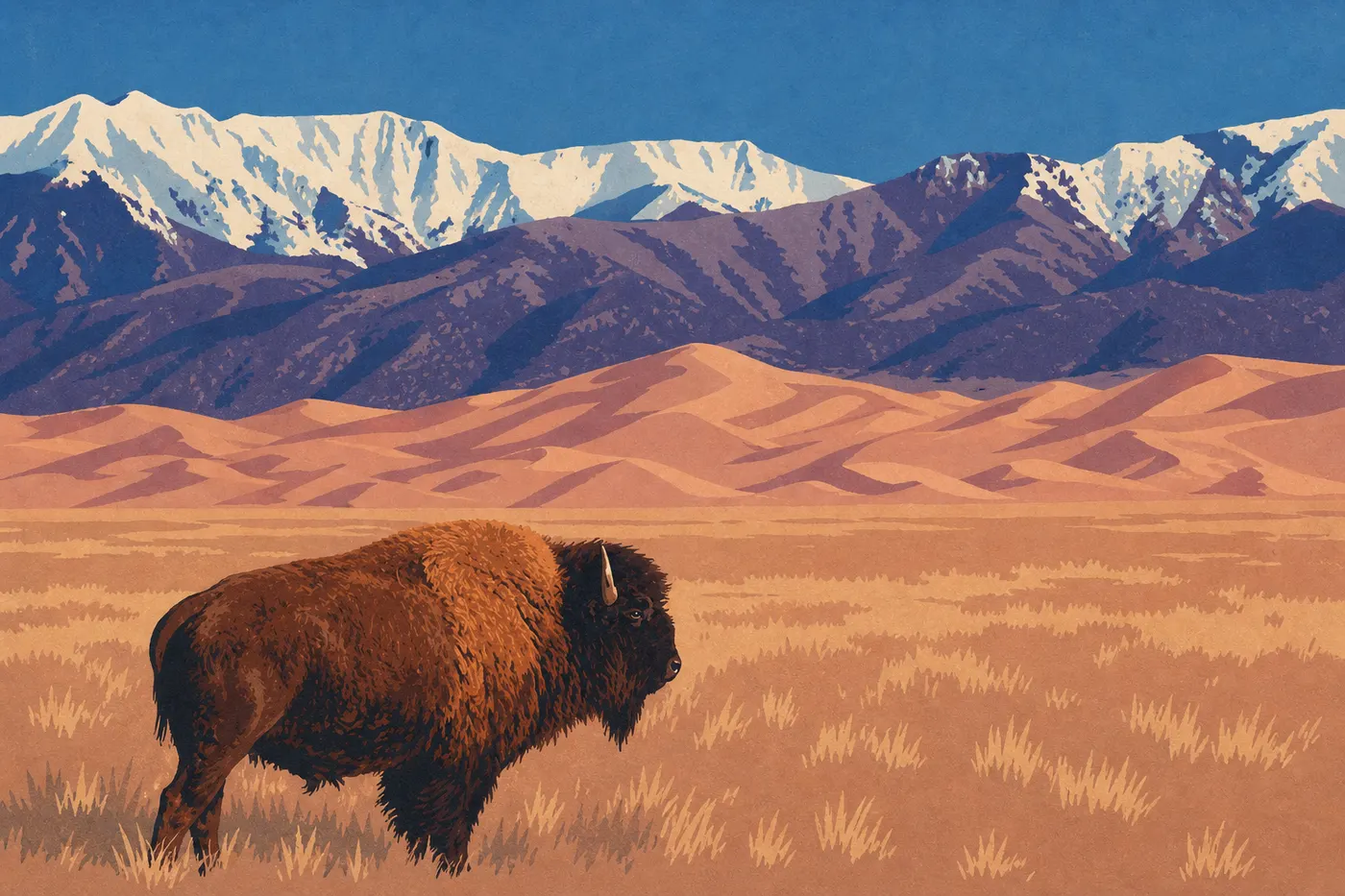
The dune field covers about 44 square miles and rises more than 755 feet at the top of Star Dune, the tallest dune on the entire North American continent. High Dune, visible from the parking lot at about 690 feet of relative elevation, is the classic goal for a two- to four-hour round-trip climb.
Take two safety concerns seriously. First, the sand's surface can reach 158°F in midsummer. It's easy to burn your feet if you walk barefoot in the middle of the day. Go early in the morning or late in the afternoon, and keep your shoes on. Second, the dunes are completely exposed to thunderstorms. In summer, cumulonimbus clouds form nearly every afternoon. If the sky darkens, head down immediately. The sandy ridges are the highest points in the landscape, and lightning can strike without warning.
There is no marked trail across the dunes. Pick your route, follow the ridges where the sand is more stable, and descend through the soft sand corridors. It's physically demanding because every step in deep sand takes two to three times the effort of walking on firm ground. The view from High Dune over the San Luis Valley, framed by the Sangre de Cristo Mountains, is well worth the effort. Bring at least 2 liters of water per person.
Medano Creek: Colorado's Unlikely Beach
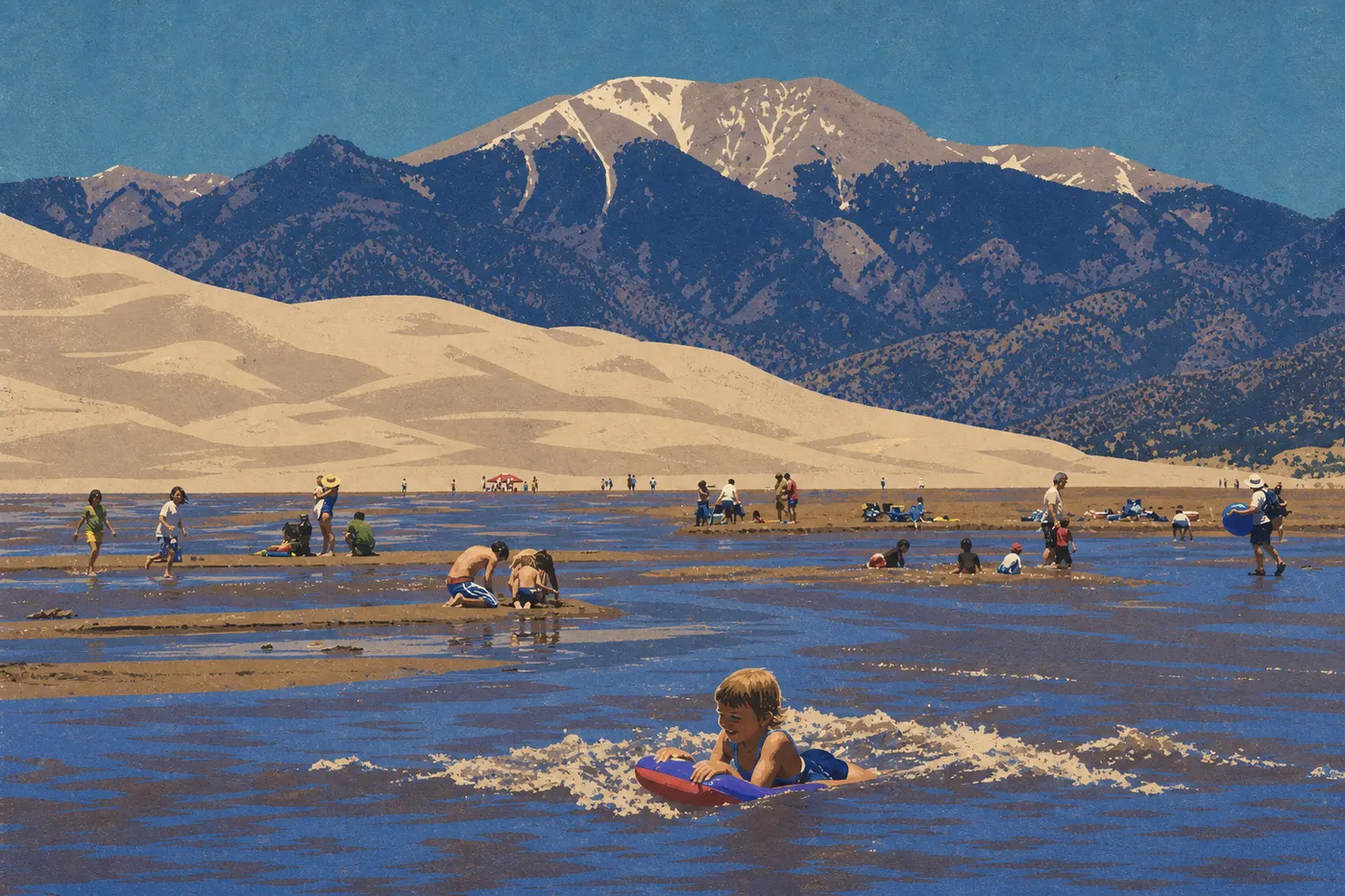
At the eastern foot of the dunes, Medano Creek flows with snowmelt from the Sangre de Cristo Mountains. The creek produces a rare phenomenon called surge flow, rhythmic waves caused by pressure building up and then releasing in pockets of water-saturated sand. You won't find this phenomenon anywhere else in the world in this geological setting.
The ideal window runs from late May to early July. Outside that period, the creek is often reduced to a trickle or completely dry. In peak season, the water rises from ankle-deep to thigh-deep depending on the section. You can sit in it, let the kids play, or simply soak your feet after climbing the dunes. Access is free from the main parking lot, a 10-minute walk away. Outside the season, check current conditions on the NPS website before planning a beach day in your itinerary.
The Visitor Center and Foothills
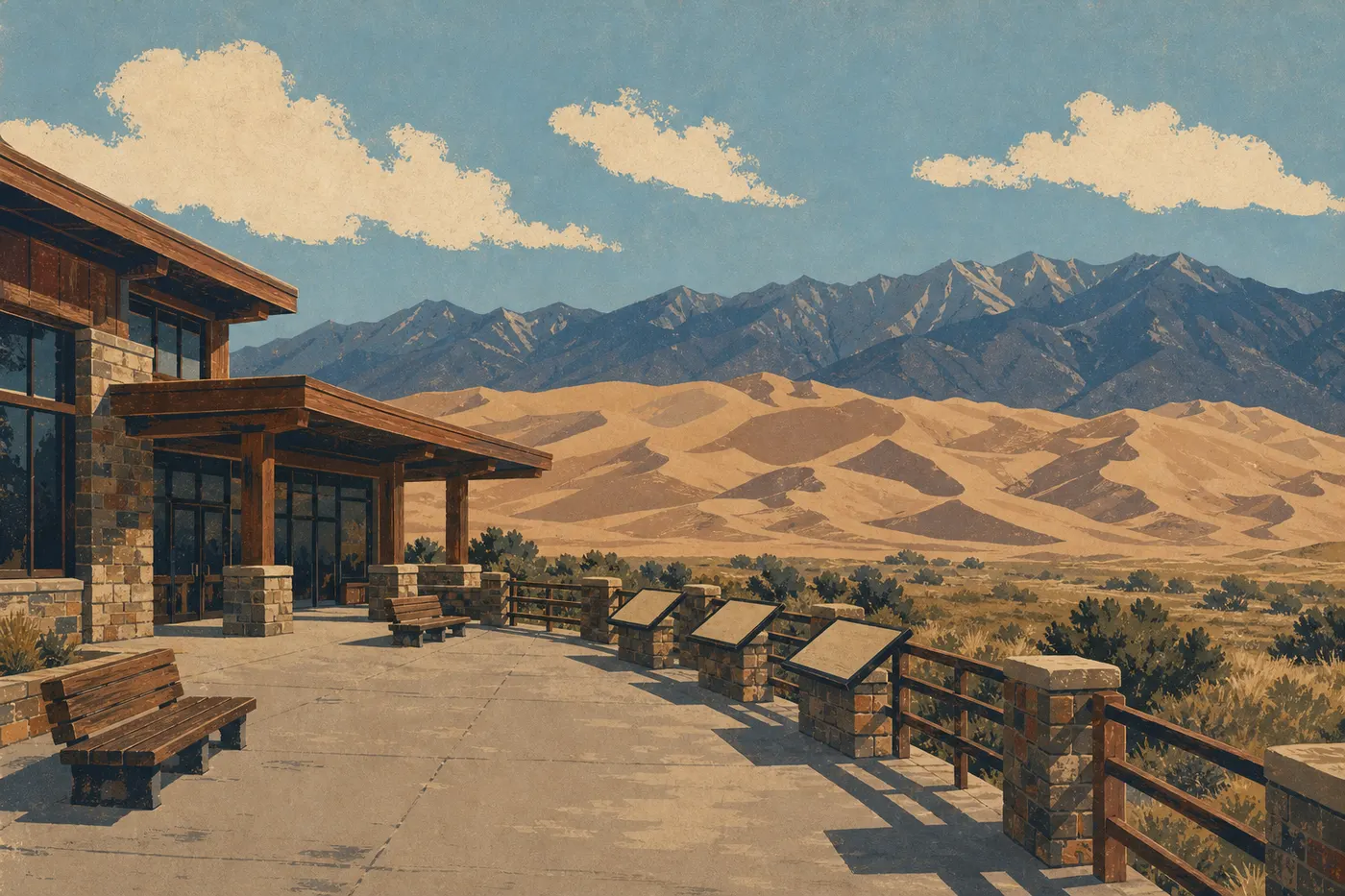
The Visitor Center is the right place to start if you want to understand the site's geology. The permanent exhibit explains how prevailing westerly winds, the creek, and the mountains have worked together for tens of thousands of years to keep these dunes in place instead of scattering them eastward. It's brief, well illustrated, and changes the way you see the landscape afterward. You can also pick up a free paper map and ask rangers about trail conditions.
The foothill area between the parking lot and the dunes is covered with grasses and cottonwoods. It's worth spending 10 quiet minutes there before tackling the sand. In the morning, you may spot mule deer or elk coming down from higher ground before visitors arrive. When the wind is calm, it's also an ideal spot for birdwatchers.
The Preserve: Backcountry and High Elevation
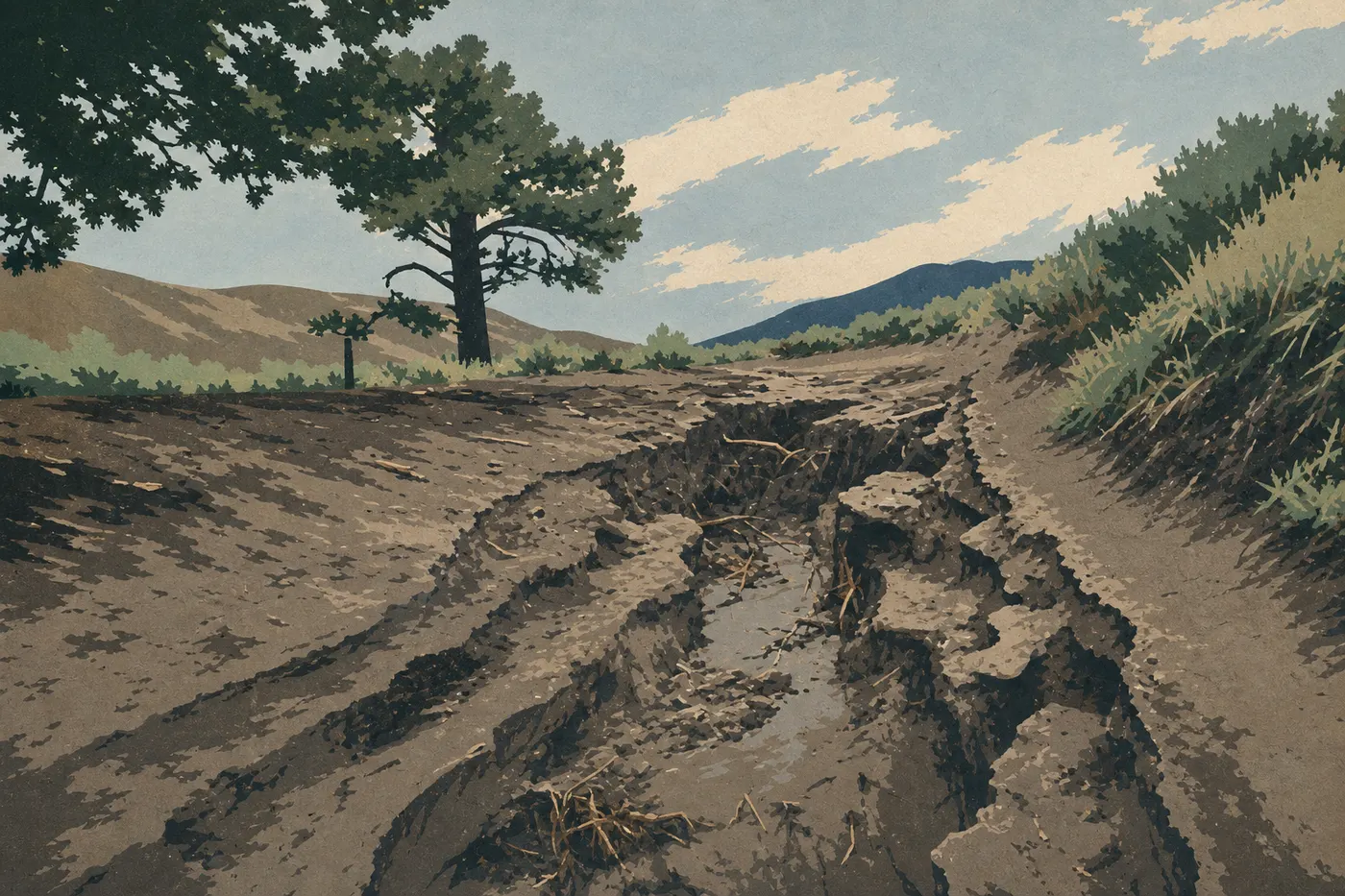
The Preserve stretches east and north of the dune field to the ridges of the Sangre de Cristo Mountains, above 13,100 feet. It is a landscape of conifer forests, alpine meadows, and little-disturbed wetlands. You can enter on foot via the Preserve's trails, or by 4WD on Medano Pass Primitive Road.
Wildlife is more abundant here than near the park entrance: elk, mule deer, pronghorn, red foxes, and soaring raptors such as red-tailed hawks and peregrine falcons. The lack of artificial light also makes this one of the best stargazing spots in southern Colorado. The Great Sand Dunes wildlife guide covers which species to look for during each season.
The Best Hikes at Great Sand Dunes
On the dunes, High Dune, a 1.9-mile round trip with 690 feet of elevation gain, is the classic goal and takes two to four hours. Star Dune, a 5-mile hike with 755 feet of elevation gain, requires a solid half-day. In the Preserve, Mosca Pass Trail, a 4.7-mile one-way hike reaching a 10,138-foot pass, is the standard mountain option, while Sand Pit Trail follows the dune field over less demanding terrain. The Great Sand Dunes hiking guide has complete trail details, including trailheads, elevation gain, and safety advice.
Other Activities for Every Kind of Traveler
Sandboarding and Sandsledding
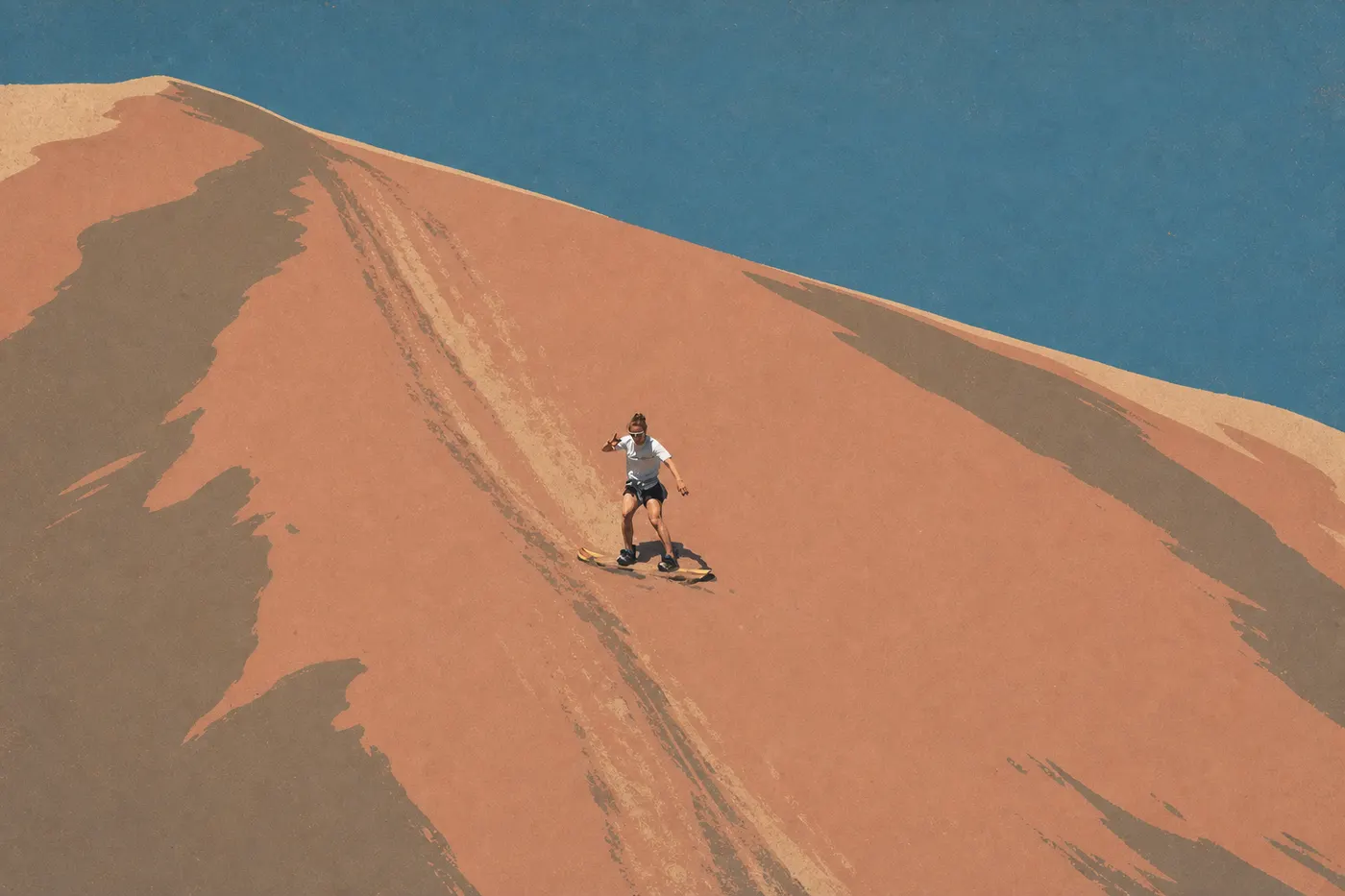
Sandboarding is probably the park's most unusual activity. Rent a board or sled at specialty shops in Alamosa or near the park entrance. There are no rentals inside the park. Then climb a ridge and slide back down. It isn't as fast as a snow slope because sand offers less glide, and the climb is genuinely strenuous. The descent is still memorable, even in slow motion. You can ride freely on the dunes as long as you don't roll or slide over foothill vegetation. Get your equipment before you enter.
Stargazing and Nighttime Activities
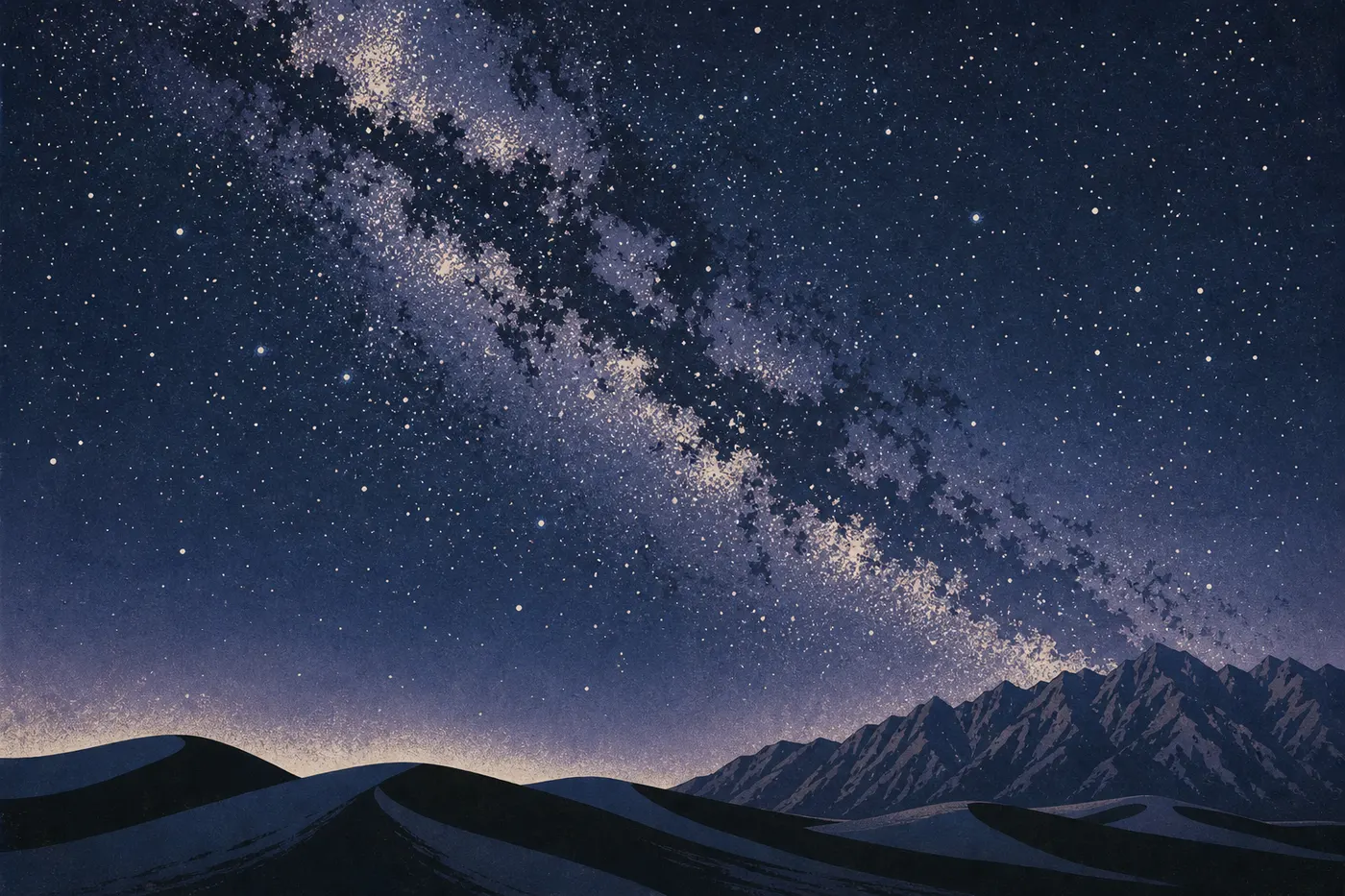
The San Luis Valley is one of the least artificially lit areas in Colorado. During a new moon, the sky is dark enough to see the Milky Way with the naked eye above the dune field. During a full moon, the white sand reflects a silvery light that makes a nighttime outing worthwhile in its own right. The Visitor Center sometimes hosts nighttime ranger programs, so ask when you arrive. The Great Sand Dunes weather forecast identifies the best lunar periods for planning this kind of outing.
Wildlife Watching
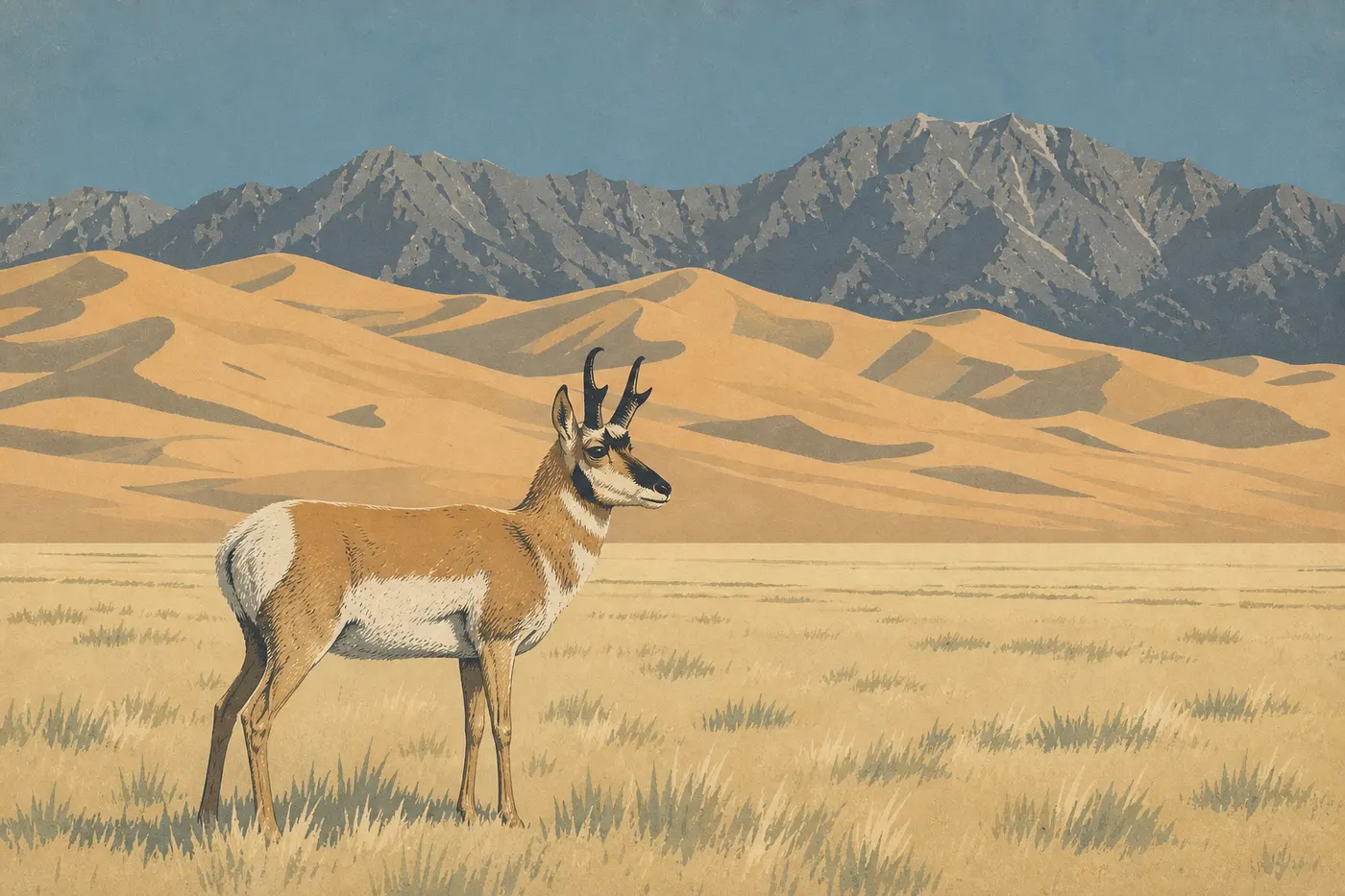
The most productive times are sunrise and the last hour before sunset, when animals approach the edges of the vegetation. Elk and mule deer often come down toward the foothills and creek in the morning. Pronghorn are easy to spot in the open meadows at the entrance to the Preserve. Raptors regularly soar over the dune field. See our Wildlife page for a detailed seasonal calendar.
4WD and Medano Pass Primitive Road
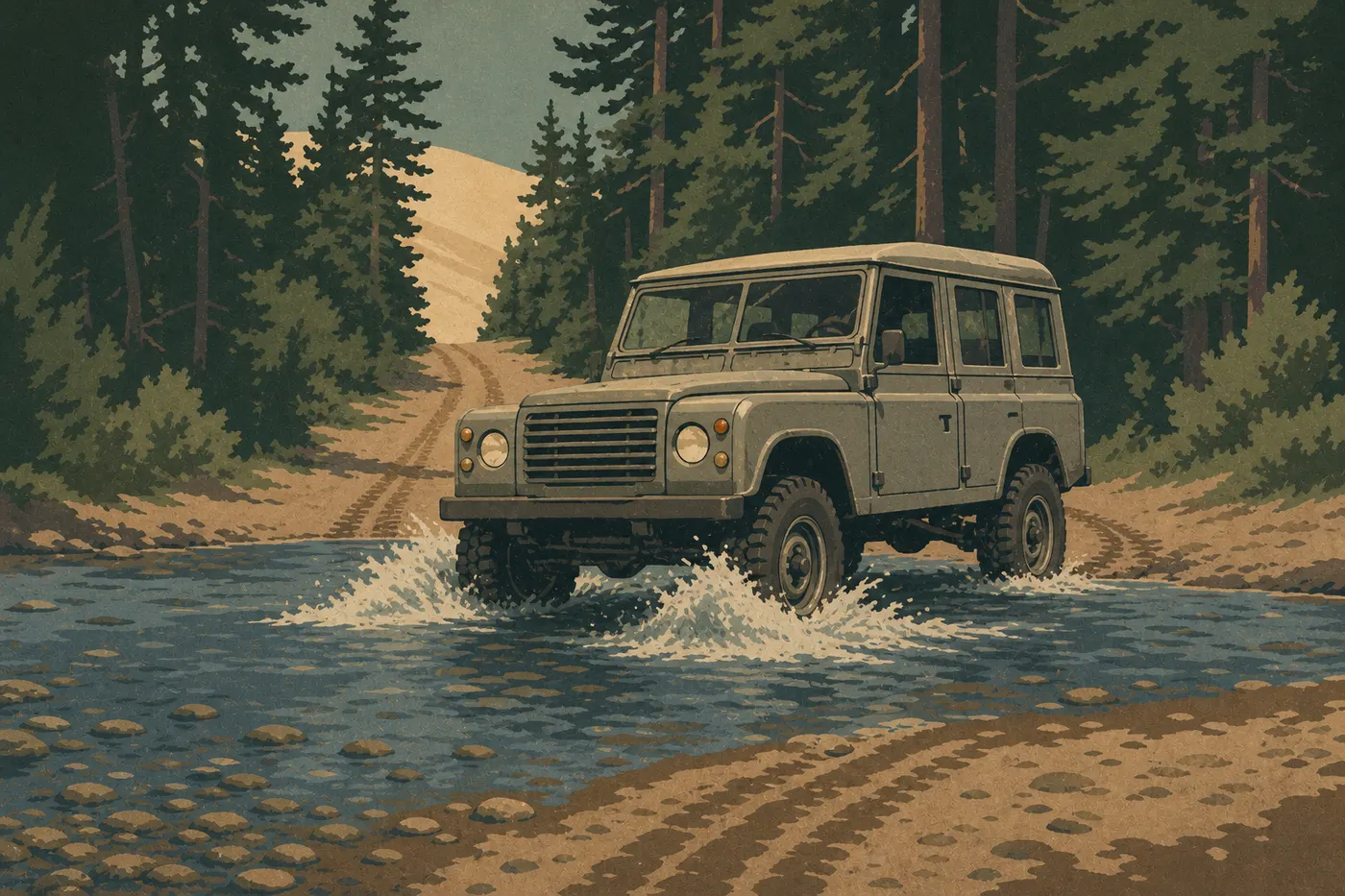
Medano Pass Primitive Road starts at Piñon Flats Campground and crosses the Preserve for about 14 miles to Medano Pass, at 10,597 feet, before descending toward the Wet Mountain Valley. The road is limited to high-clearance four-wheel-drive vehicles. You cross Medano Creek about 20 times along the way. It is generally open from May through October, depending on conditions. Check its status at the Visitor Center before setting out. This isn't a road to tackle if you're unsure.
Families with Kids
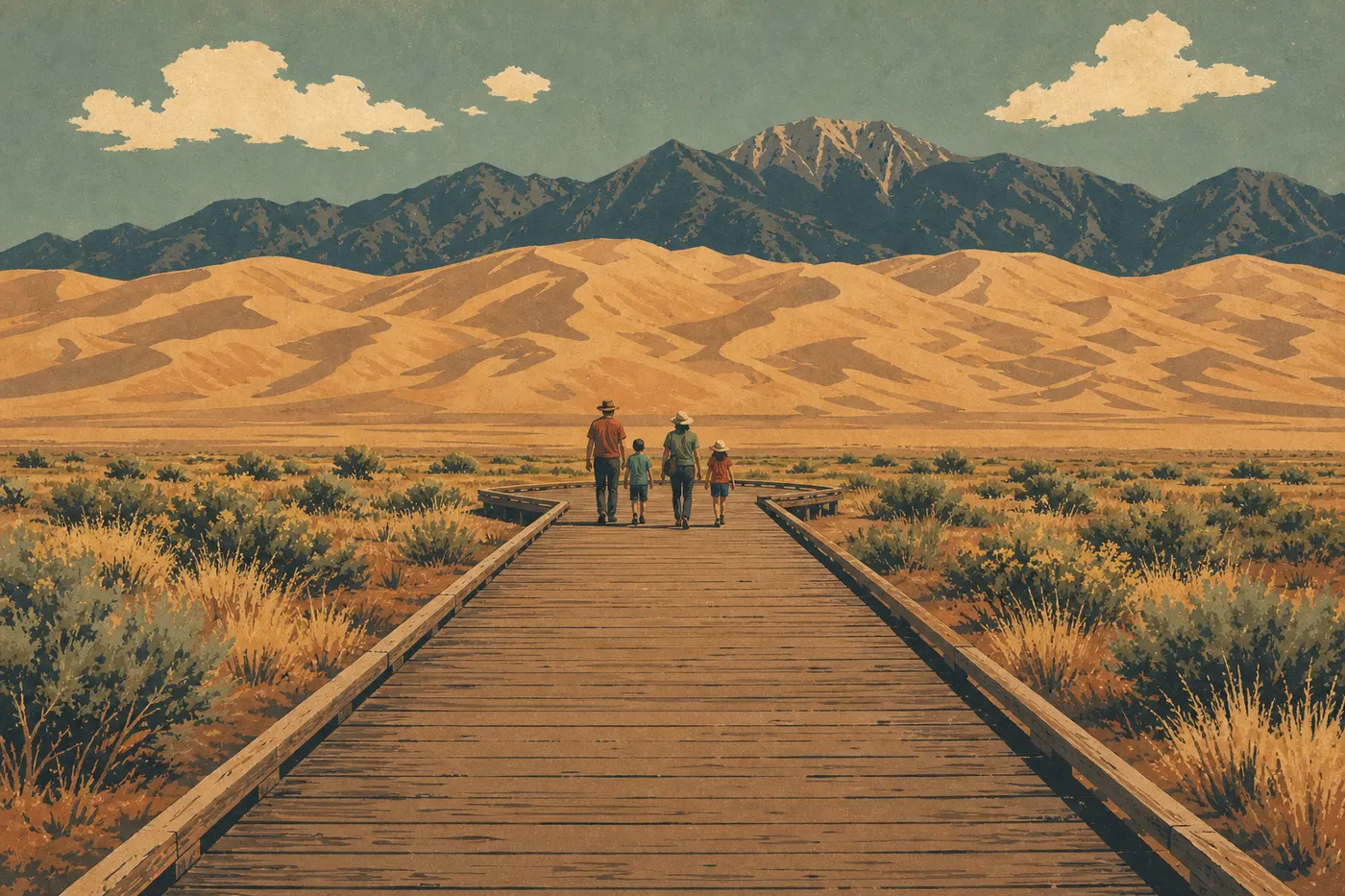
Great Sand Dunes is exceptionally well suited to families with young children. Medano Creek in season is a perfect natural playground, a 10-minute walk from the parking lot. You don't need special equipment to climb the dunes, and kids usually love sliding back down through the soft sand. The Junior Ranger program is available at the Visitor Center for ages 4 to 12. Visiting Great Sand Dunes as a family offers practical advice for planning a day with children of different ages.
Photography
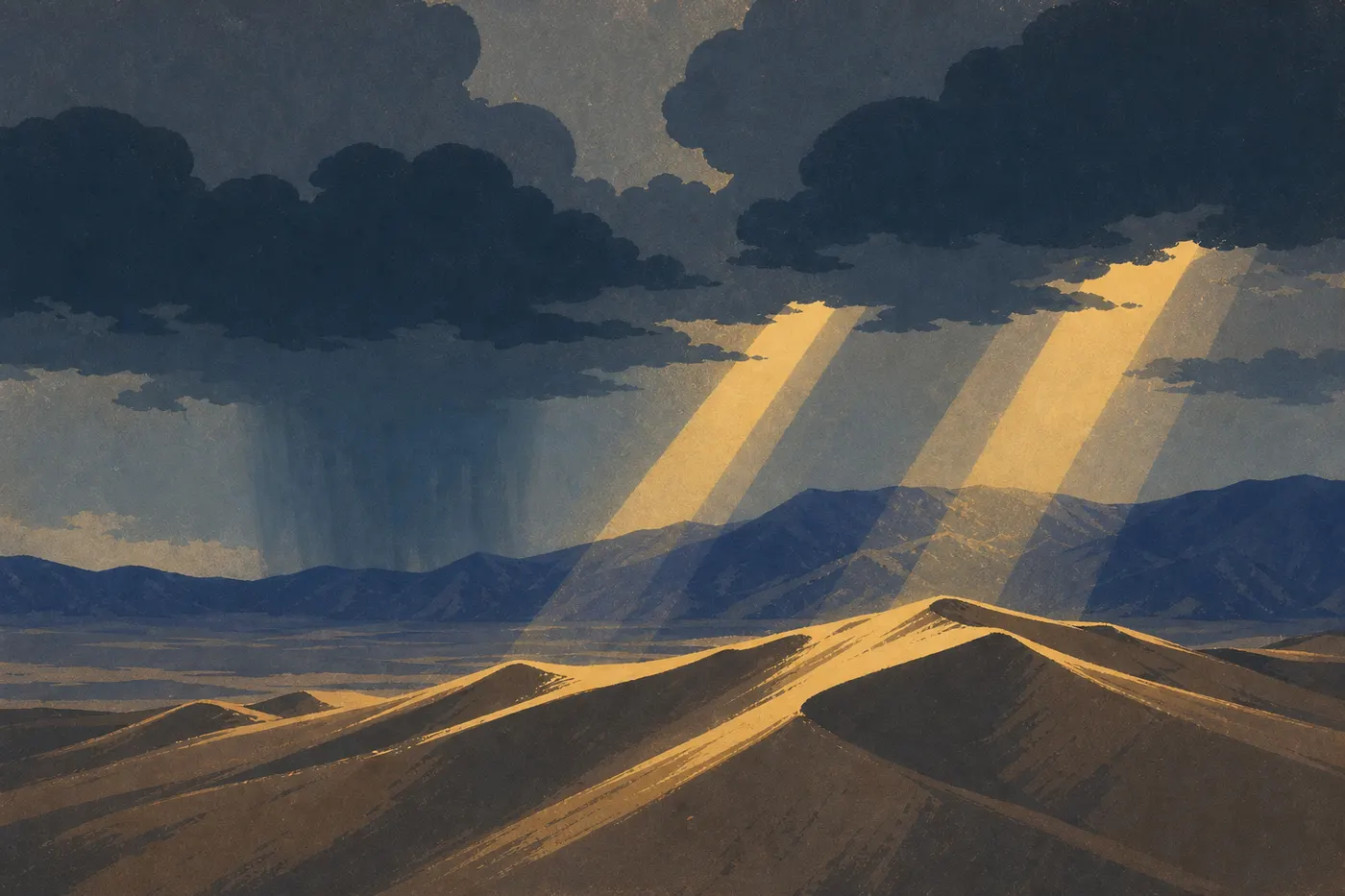
The dune field offers a remarkable range of light throughout the day. Dawn creates long shadows and sharply contrasted ridges. In the evening golden hour, the sand turns a deep ocher with the Sangre de Cristo Mountains in the background, snow-covered roughly from November through May. A moonless night is ideal for long exposures with the Milky Way. For wildlife portraits, the foothill edges at sunrise offer the best vantage point. No special restrictions apply to amateur photography in the park.
Things to Do Around Great Sand Dunes
Zapata Falls, Outside the Park, 6 Miles South
About 6 miles south of the park entrance on CO 150, a 1-mile dirt road leads to Zapata Falls, a waterfall plunging into a narrow rock fissure. You enter the gorge by wading through the creek, with your feet in cold water. The short outing takes 20 minutes round-trip from the parking lot. It's surprising and free, and the site is managed by the Bureau of Land Management. The parking lot is easy to see from the road, so don't miss it on your way back.
Alamosa and the San Luis Valley
About 22 miles west, Alamosa is the closest town for fuel, dinner, and a place to sleep if you aren't camping in the park. Alamosa National Wildlife Refuge hosts migrating sandhill cranes in spring and fall. It's worth a dedicated stop if you're passing through in March or October. Our Where to Eat page lists dining options near the park.
Great Sand Dunes on a Colorado Road Trip
The park fits naturally into a route connecting Denver, the Taos area of New Mexico to the south, or the Southwest parks loop. The Region and Road Trip sections offer ideas for adding Great Sand Dunes to a multi-day itinerary.
The Essentials: What to See First at Great Sand Dunes
Great Sand Dunes is worth the detour, and not just for the photos. The dune field is a physical experience unlike anything else in North America. Medano Creek adds an almost unreal element: a sandy beach with real rhythmic waves at 7,875 feet above sea level, beneath the Sangre de Cristo Mountains.
If time is limited, focus on the morning. Arrive when the parking lot opens, climb High Dune before the sand heats up, before 10 a.m. in summer, swim in the creek if it's in season, and have a picnic at the foot of the dunes. Stay for sunset if you can. If you're spending the night, darkness is the visit's third major highlight.
Three tips will help everything go smoothly. Wear shoes because the sand burns, bring more water than you think you'll need, allowing 2 liters per person for a climb on the dunes, and watch the sky on summer afternoons. Our complete Great Sand Dunes guide and When to Go page can help you choose the best time based on your priorities.
Frequently Asked Questions
What is there to do at Great Sand Dunes?
At Great Sand Dunes, you can climb or sandboard on dunes up to 755 feet high, swim in the natural waves of Medano Creek from late May to early July, hike in the Preserve above 10,000 feet, watch wildlife such as elk, mule deer, and pronghorn, and enjoy an exceptionally dark night sky.
How long do you need to visit Great Sand Dunes?
How long you need to visit Great Sand Dunes depends on your plans. One day covers the highlights, including the dunes, creek, and sunset. Two days let you add a mountain hike, while three days are enough for a complete visit that includes the Preserve. Our Itinerary and Length page offers detailed plans.
Is Great Sand Dunes worth visiting?
Great Sand Dunes is worth the trip for the sensory experience and the range of activities in one place: 755-foot dunes, a beach with waves at 7,875 feet, stargazing, wildlife, and alpine hikes. It surprises almost everyone, including visitors who weren't expecting much.
What are the must-do activities at Great Sand Dunes?
The four absolute highlights are climbing High Dune for the view over the San Luis Valley, swimming in Medano Creek when the season allows, from late May to early July, staying through sunset to watch the sand turn ocher, and stargazing during a new moon.
Which hike should you do at Great Sand Dunes?
The right hike at Great Sand Dunes depends on your fitness level. The High Dune climb, a 1.9-mile round trip with 690 feet of elevation gain, works for anyone in good walking shape. Mosca Pass Trail, a 4.7-mile one-way hike reaching 10,138 feet at the pass, is for experienced hikers. Our Hiking page covers every option, with difficulty levels and durations.
Can you swim at Great Sand Dunes?
You can swim in Medano Creek, which flows at the foot of the dunes from late May to early July. The water is cold from snowmelt, the depth ranges from ankle-deep to thigh-deep depending on the section, and the pulsing wave phenomenon called surge flow is unique. Outside the season, the creek is usually dry or nearly dry.
What should you wear to visit the dunes?
Wear closed-toe shoes when visiting the dunes. The sand's surface can reach 158°F in midsummer and burn bare feet within seconds. A hat, sunglasses, and high-SPF sunscreen are essential because the elevation intensifies UV exposure. In winter and spring, bring warm layers for mornings and nights. Lightweight gaiters keep sand out of your shoes during the climb.
Do you need a reservation to enter Great Sand Dunes?
The park doesn't require an entrance reservation. There was no timed entry in effect at our latest update. Admission costs $25 per private vehicle, $20 for a motorcycle, and $15 for noncommercial groups. The Annual Pass costs $45. Piñon Flats Campground does require a reservation through Recreation.gov and fills up on spring and summer weekends. For entrance fees and annual passes, see the national parks fees and passes page. See our Practical Information, Rules, and Safety page for conditions in effect during your visit.