
When to Visit Great Sand Dunes: The Best Time, Month by Month
Great Sand Dunes National Park (Colorado) is open year-round, 24 hours a day. The best times to visit Great Sand Dunes are May and September-October, when temperatures are comfortable, the scenery is at its best, and crowds are far lighter than in the heart of summer. Spring (May-June) and fall (September-October) offer the best balance of comfortable temperatures, natural scenery, and manageable crowds. In summer, the sand surface climbs above 158°F at midday, and monsoon thunderstorms roll in every afternoon. In winter, nights are bitterly cold, but snow on the dunes creates rare landscapes with almost no visitors.
Choose May if Medano Creek's peak flow is your priority. Choose September-October for fall color in the Sangre de Cristo Mountains, crisp air, and parking lots that finally have room to breathe.
Month-by-month climate
The park sits at about 8,000 feet above sea level, at the heart of the San Luis Valley. That elevation keeps temperatures relatively cool year-round, but the high-altitude sun can be deceptive. It's warm in the sun, cold in the shade, and very cold after dark. Winds can pick up suddenly, especially in spring and when storm fronts move through.
The table below provides a general overview. For detailed forecasts and real-time weather updates, check the Great Sand Dunes weather forecast.
| Month | Daytime high | Nighttime low | Typical conditions |
|---|---|---|---|
| January | 36°F | 12°F | Frequent snow, wind |
| February | 41°F | 16°F | Snow possible, dry cold |
| March | 48°F | 21°F | Strong winds, snow or rain |
| April | 57°F | 30°F | Wind, occasional showers |
| May | 66°F | 37°F | Pleasant, peak Medano Creek flow |
| June | 77°F | 46°F | Warm, afternoon thunderstorms |
| July | 81°F | 52°F | Hottest month, daily thunderstorms |
| August | 79°F | 50°F | Monsoon, afternoon thunderstorms |
| September | 72°F | 41°F | Dry, golden light |
| October | 59°F | 30°F | Cold nights, clear days |
| November | 45°F | 19°F | Snow possible |
| December | 36°F | 14°F | Frequent snow, bitter cold |
Approximate averages for the park area at about 8,000 feet.
Great Sand Dunes in January
January is the coldest month, with daytime temperatures around 36°F and nights regularly dropping to 10°F. Snow often covers the dunes, creating striking visual contrasts between blond sand and white snow. The Visitor Center may operate on reduced weekday hours, so check nps.gov/grsa before you go. It's the best time of year for stargazing under Dark Sky Gold Tier conditions, with almost no visitors and empty parking lots.
Great Sand Dunes in February
Daytime temperatures rise a few degrees, averaging 41°F, but the cold remains severe at night, when temperatures reach about 16°F, and the wind stays sharp. Visitor numbers are very low, and Piñon Flats Campground is open. Winter photography and starry nights are the month's highlights, without the crowds or heat of peak season.
Great Sand Dunes in March
March marks the end of winter, but conditions on the dunes still aren't especially comfortable. Days warm to around 48°F, but spring winds in the San Luis Valley reach their peak intensity. Sand columns sometimes rise from the dunes, making the hike uncomfortable. Bring eye protection. Crowds remain light, and the low morning light makes the trip worthwhile for photographers.
Great Sand Dunes in April
April brings milder days (57°F), and the wind starts to ease. Snowmelt in the Sangre de Cristo Mountains begins feeding Medano Creek, which may be passable at the very end of the month, depending on the snowpack. It's a good month for exploring the flats on foot and watching pronghorns and the first nesting raptors before summer's challenges arrive.
Great Sand Dunes in May
May is one of the park's two best months. Medano Creek typically reaches peak flow between mid-May and mid-June. This shallow creek, with its surge flow phenomenon, is the park's signature experience and something you won't find anywhere else. Daytime temperatures are pleasant (66°F), and nights remain manageable. Crowds build on weekends, so book Piñon Flats Campground early through Recreation.gov.
Great Sand Dunes in June
June marks the transition into peak season. Days reach 77°F, the sand heats up by midday, and the first monsoon thunderstorms settle in during the afternoon. Medano Creek may still be active early in the month. Climb the dunes in the morning, head back down before noon, and keep an eye on the sky. The Dunes Parking Lot fills up on weekends, while the nights remain ideal for astronomy.
Great Sand Dunes in July
July is the busiest and most demanding month. The sand surface climbs above 158°F at midday, afternoon thunderstorms are nearly daily, and the parking lot reaches capacity on some weekends as early as 9 a.m. Medano Creek is dry. Arrive before 8 a.m. to enjoy the dunes safely, and head down as soon as clouds build. The dunes are the highest point on the valley floor and attract lightning. Weekday visits are much more pleasant.
Great Sand Dunes in August
August extends the monsoon season, bringing intense heat (highs around 81°F), afternoon thunderstorms, and continued heavy crowds early in the month. Light after a late-afternoon storm can be spectacular for photography. Crowds begin to thin after mid-August, when American families go back to school. That's a good time to enjoy the dunes at more flexible hours.
Great Sand Dunes in September
September, along with May, is our top recommendation. Thunderstorms fade, the skies settle, and the aspens in the Sangre de Cristo Mountains begin turning orange after mid-September. Crowds drop sharply after Labor Day, the first Monday in September. Days remain mild at around 72°F, and nights turn pleasantly cool. September is also elk rut season in the Preserve, so keep at least 80 feet away.
Great Sand Dunes in October
October continues the fall pattern, with bright, clear days around 59°F and nights approaching 32°F by the end of the month. Color remains in the aspens of the Sangre de Cristo Mountains in early October. Crowds are light, parking lots are open, and the long morning and evening light is ideal for dune photography. It's one of the most peaceful months to visit the park.
Great Sand Dunes in November
Temperatures drop quickly, with daytime highs around 45°F, nighttime lows near 19°F, and snow possible as early as the beginning of the month. Crowds are very light, and the park remains open. The first snow on the dunes brings an early-winter atmosphere, and Dark Sky nights are excellent when skies are clear. Bring warm layers and plan on a sturdy shelter if you're camping.
Great Sand Dunes in December
December is bitterly cold, with days around 37°F and nights at 12°F or below. Snow frequently covers the dunes, creating otherworldly landscapes you won't see in any other season. Visitors are almost nonexistent. The Visitor Center may operate on reduced hours, so check nps.gov/grsa. If you're properly equipped, December offers the park's most peaceful and unusual experience.
Great Sand Dunes by season
Winter (December to February)
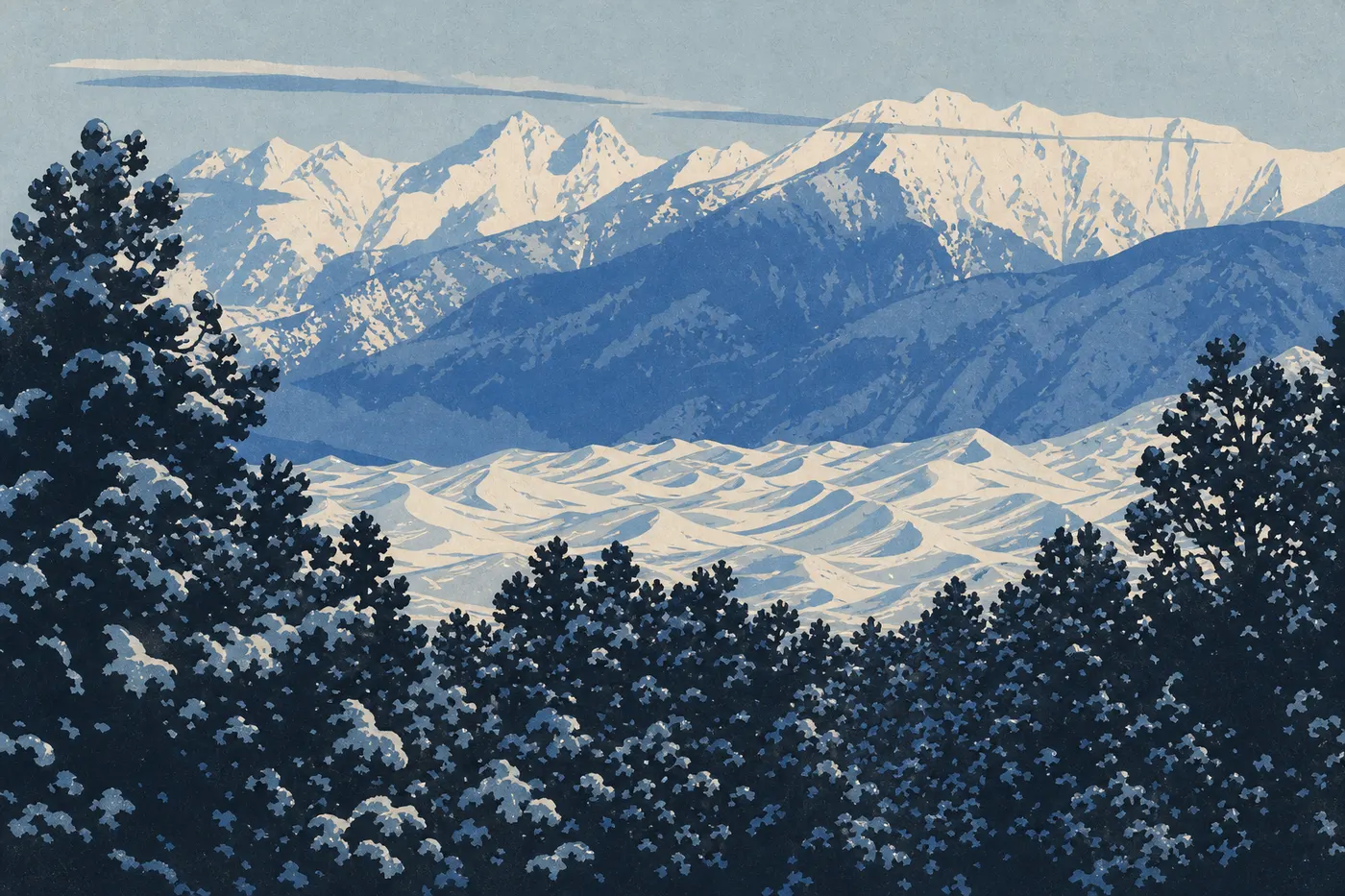
Nights regularly fall below 14°F, and snow sometimes covers the dunes. The result is visually striking: blond sand ridges stand out against the snow, and low morning light produces images you can't get in any other season.
The main access route via CO 150 stays open year-round. The Visitor Center may operate on reduced weekday hours from January through February, so check nps.gov/grsa before you hit the road. Piñon Flats Campground is open too, but a tent night in January is a serious test.
The park is designated Dark Sky Gold Tier by the International Dark-Sky Association. Moonless, cloudless winter nights are among the best for viewing the Milky Way in Colorado.
Wildlife: Deer and mule deer winter in the valley. Few large mammals venture onto the dunes themselves.
Spring (March to May)
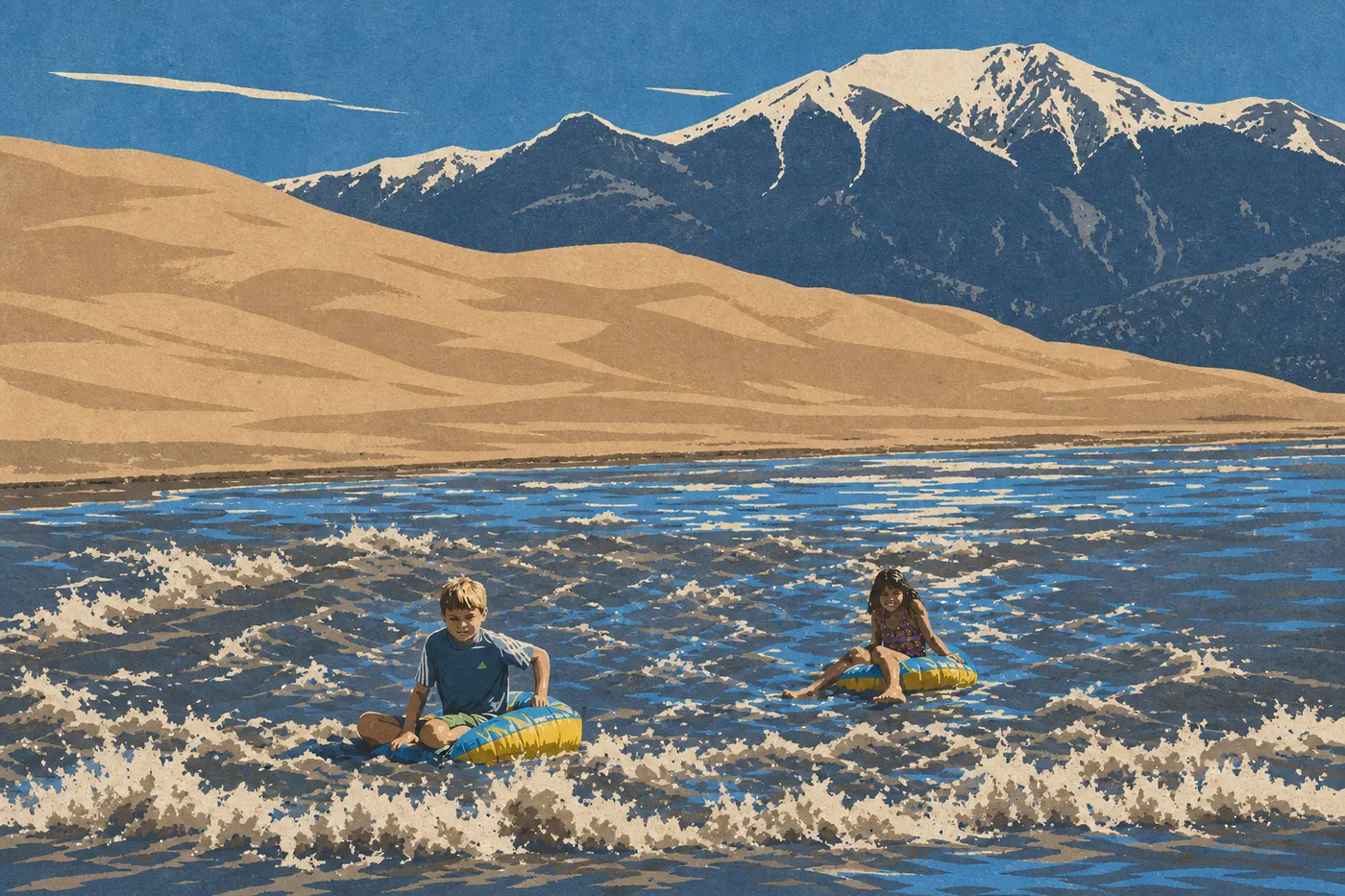
March and April remain cold and windy. Spring winds in the San Luis Valley can lift columns of sand across the dunes. Bring eye protection and keep children on the leeward side. This isn't the most comfortable time to walk on the dunes.
Everything changes in May. Medano Creek forms as snow melts in the Sangre de Cristo Mountains. It runs along the base of the dunes and creates a hydraulic phenomenon called surge flow, a rippling wave of sand you won't encounter anywhere else. Peak flow usually comes between mid-May and mid-June, depending on the winter snowpack. Walking in the shallow creek with the dunes as a backdrop is the park's signature experience.
Wildlife: Pronghorns and deer roam the flats, while the first nesting raptors appear in the Sangre de Cristo Mountains.
Summer (June to August)
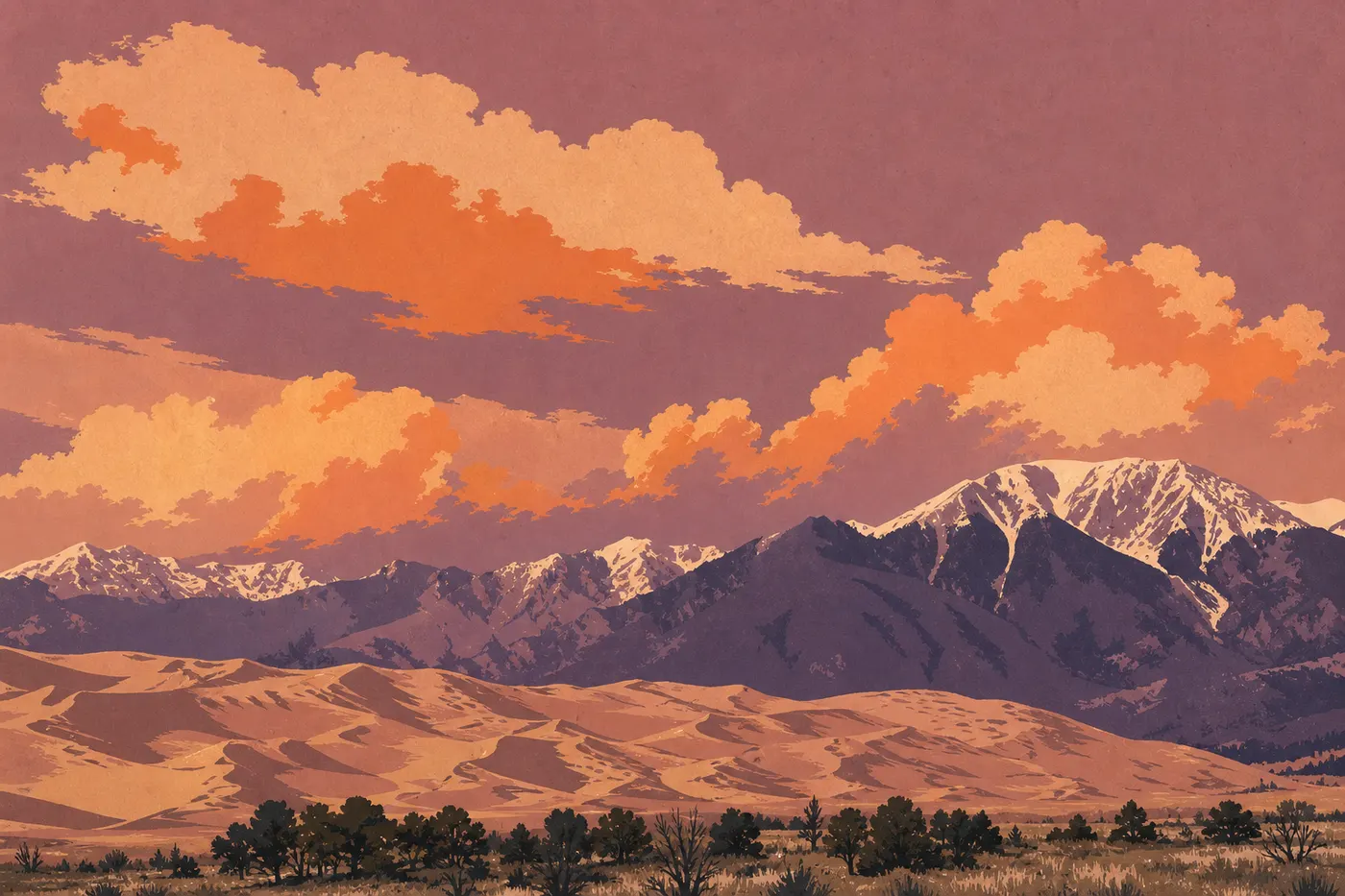
Peak season brings full sun and real challenges. The sand surface can exceed 158°F at midday, so burns to your feet are possible, even likely, if you walk barefoot or in lightweight sandals. The NPS specifically recommends exploring the dunes in the morning or evening during summer. Wear closed-toe shoes, or bring socks if you're taking children.
Afternoon thunderstorms are nearly daily in July and August. The dunes are the highest point across the surrounding valley floor, so they attract lightning. If you see a storm forming, get off the dunes immediately. Don't wait for it to reach you.
Practically speaking, the Dunes Parking Lot reaches capacity on some July weekends by 9 a.m. Arrive before 8 a.m. or plan a weekday visit. Sandboarding is possible, but the first and last hours of daylight are better.
Wildlife: Deer and coyotes are active at dawn and dusk on the flats. A few endemic dune insects can be spotted close to the ground.
Fall (September to November)
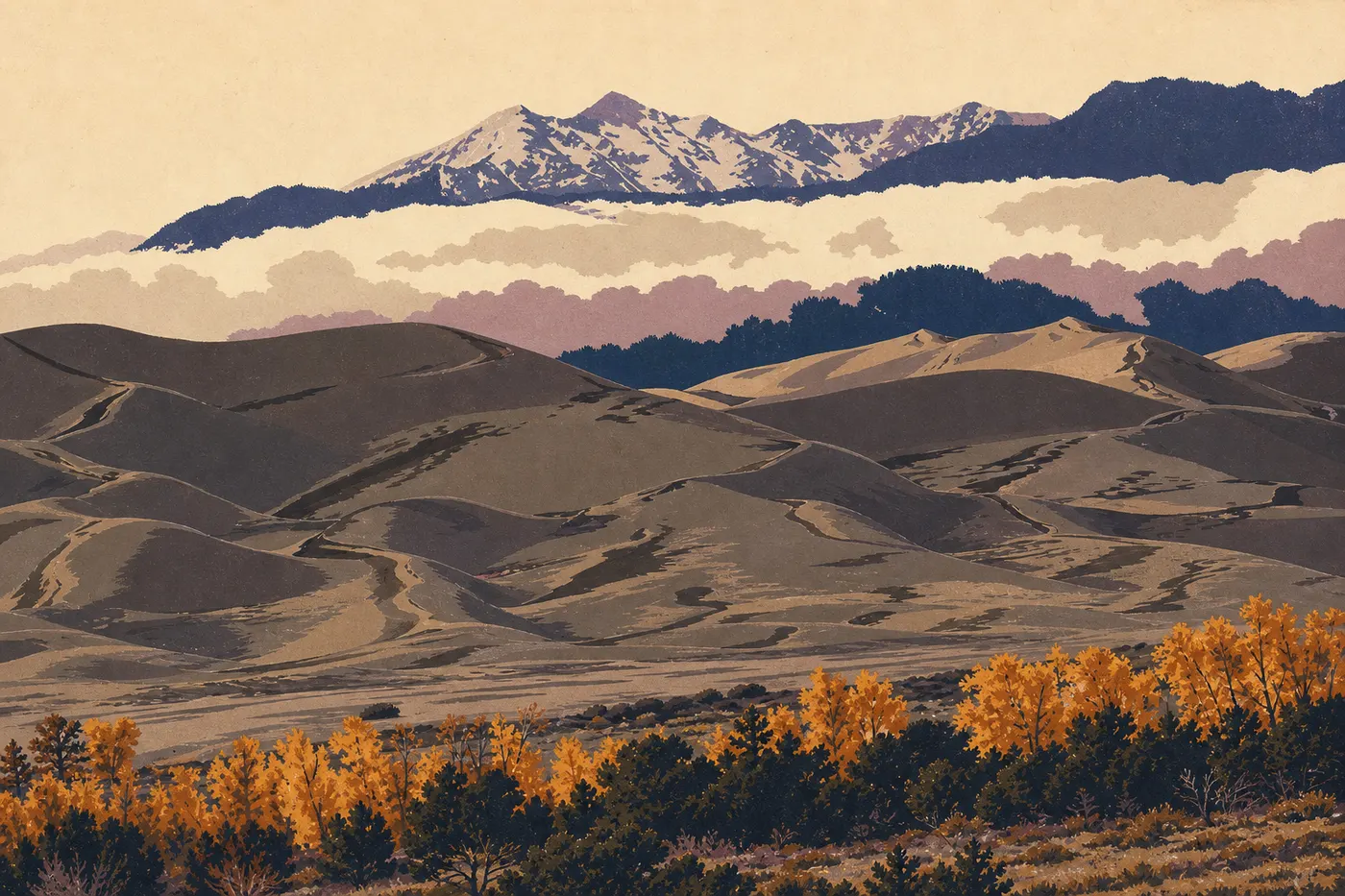
September and October, along with May, are our favorite months. Thunderstorms fade, aspens in the Sangre de Cristo Mountains turn orange and gold, and crowds drop sharply after Labor Day, the first Monday in September. Days remain comfortable at 59°F to 72°F, while nights cool off without becoming bitterly cold until late October.
Medano Creek is dry by late August. If it's your priority, plan your visit for the following summer. Fall's dawn and sunset light on the dunes is especially intense, however.
Wildlife: Elk rut takes place in September in the wooded areas of the Preserve. Keep at least 80 feet away, and never get between two bulls.
Crowds: when to avoid the busiest times
Great Sand Dunes is less crowded than Arches or Zion, but pressure increases every summer. Piñon Flats Campground requires reservations through Recreation.gov and often fills on weekends from May through August. The Dunes Parking Lot has limited capacity and reaches capacity on some July Sundays.
| Month | Estimated crowds |
|---|---|
| January-February | Very low |
| March-April | Low |
| May | Moderate (Medano Creek is popular) |
| June | High |
| July-August | Very high (peak) |
| September | Moderate, declining |
| October | Low to moderate |
| November-December | Very low |
Because the park is open 24 hours a day, you can still visit at dusk or after dark even if the daytime was crowded. Bring a headlamp and enjoy the night sky.
The best time for a budget-friendly trip
Hotels in Alamosa, the closest town, about 22 miles away, charge their highest rates in July and August, especially on weekends. Outside peak season, the same rooms often cost 30% to 40% less. Flights to Denver, the natural gateway about a four-hour drive away, follow the same upward trend during American school breaks.
Admission costs $25 per vehicle and is valid for seven days, year-round. If you visit several national parks in a year, the America the Beautiful pass ($80 per year) pays for itself starting with your second park. Our Fees & passes page runs the numbers for your itinerary.
To compare lodging by season and budget, see our guide to where to stay at Great Sand Dunes.
Which season is right for you?
Wildlife watcher: September for elk rut in the Preserve, and May-June for pronghorns and raptors on the flats. Our Great Sand Dunes wildlife guide covers the species and viewing areas.
Experienced hiker: May and September offer the best conditions: manageable temperatures, cooler sand, and clear skies. Our Great Sand Dunes hiking guide ranks trails by difficulty and season.
Photographer: Winter for snow-covered dunes and Dark Sky nights. Fall for warm light and colorful Sangre de Cristo Mountains. Spring for Medano Creek in the foreground. In summer, avoid the middle of the day. Vertical sunlight washes out the sand.
Family trip: May is still our first choice, thanks to Medano Creek and moderate temperatures. Late September is also ideal. In July and August, head to the dunes before 8 a.m. to beat the heat and thunderstorms. Our Great Sand Dunes family guide lists practical precautions by children's age.
Traveling on a tight budget: November through March, outside the holidays, offer the lowest lodging and airfare prices. The campground is open year-round and remains the most economical option.
In summary: the best time for each type of trip
| Traveler profile | Recommended timing |
|---|---|
| Complete experience (creek + comfort) | May-June |
| Fewest crowds + good weather | September-October |
| Tight budget | November-March |
| Night or winter photography | December-February |
| Families with young children | May or late September |
| Wildlife (elk rut) | September |
To plan your entire stay, our complete Great Sand Dunes guide brings together practical information, access, activities, and lodging.
The worst time to visit Great Sand Dunes
July and August combine the park's biggest drawbacks: extreme heat on the sand, with the surface exceeding 158°F at midday, dangerous afternoon thunderstorms, crowded parking lots, and full campgrounds on weekends. The dunes are the highest point on the valley floor and attract lightning, so climbing the ridges after 1 p.m. can become dangerous very quickly. Medano Creek is dry, removing the park's most distinctive experience. These months aren't impossible, but they require careful planning. Leave the dunes before noon, reserve your campsite well in advance, and favor weekday visits.
March and April are the second most challenging period. Spring winds in the San Luis Valley reach their strongest point and can make walking on the dunes tiring, or uncomfortable for children. Temperatures remain low, while Medano Creek isn't yet fed well enough to make the trip worthwhile. If your travel dates are fixed, choose May or October instead.
Frequently asked questions
When is the best time to visit Great Sand Dunes?
The best time to visit Great Sand Dunes is May-June, when Medano Creek is flowing and temperatures are pleasant, or September-October, for fall color, sharply lower crowds, and mild days.
When can you enter Great Sand Dunes National Park?
The park is open 24 hours a day, 365 days a year, with no mandatory timed-entry reservation system. Admission costs $25 per private vehicle.
Can you visit Great Sand Dunes in winter?
Yes. The park is open year-round, and the main access route via CO 150 stays clear. Snow-covered dunes offer rare landscapes you won't see in any other season, and crowds are virtually nonexistent. Come prepared for nights that can drop to 10°F, and check the Visitor Center hours at nps.gov/grsa. It may operate on a reduced schedule from January through February.
What is the least busy month at Great Sand Dunes?
January and February are the quietest months, with very few visitors, empty parking lots, and campsites available without advance reservations. December is similar. If solitude is your priority and cold doesn't bother you, these three months offer an unusual and thoroughly peaceful experience.
When is the best time to visit Colorado?
The best time to visit Colorado depends on your activity. Summer (June-August) is best for high-elevation hiking, while September-October brings aspen color and declining crowds. Our Colorado region page compares options by area.
How long do you need to visit Great Sand Dunes?
A half day is enough to reach the top of the tallest dunes and return to the parking lot. Allow a full day to add Medano Creek, a forest hike, and an evening under the stars. Our Great Sand Dunes itineraries guide offers plans for different amounts of time.
How much does a trip to Great Sand Dunes cost?
Park admission costs $25 per vehicle and is valid for seven days. The annual America the Beautiful pass is available for $80. Expect to pay $80 to $150 per night for lodging in Alamosa, or much less at Piñon Flats Campground. Our Fees & passes page explains the options for your itinerary.
Is Great Sand Dunes worth visiting?
Great Sand Dunes is worth the trip for its unique setting: 755-foot dunes at the foot of a mountain range rising to 13,100 feet, a seasonal creek at their base, and a world-class night sky. The park is accessible from Denver in a day's drive, with no special permit or entry reservation required.