
Getting Around Great Sand Dunes: Access, Entrances, Shuttles, and Parking
The short answer: Great Sand Dunes has no official shuttle or public transportation. Your own car is the only way to reach and get around the park. You don't need an entry reservation. Pay the entrance fee at the entrance station or use an America the Beautiful pass.
Getting to Great Sand Dunes
The guide to getting to Great Sand Dunes brings together roads, distances, and transportation options from Denver, Colorado Springs, and Santa Fe.
The Park Entrance and Which One to Choose
Great Sand Dunes has just one vehicle entrance, at the gate on CO 150. There isn't a strategic choice to make here. Every vehicle goes through the same entrance station. The park is open 24 hours a day, 7 days a week, year-round. The fee station isn't staffed continuously, but rangers make regular rounds.
Current fees
- Private vehicle: $25, valid for 7 days.
- Motorcycle: $20.
- Pedestrian or bicyclist: $15.
- Light commercial vehicle: $25.
The America the Beautiful Annual Pass ($80 per year) covers admission and pays for itself after two national park visits in a year. See the National Park Fees and Passes page for entrance fees and annual passes.
Getting Around the Park
By Car
The main road is paved from the entrance to the Dunes Parking Lot. You won't get lost. There's one road, just a few miles long, and then you arrive. The speed limit in the park is 15 mph. Follow it, especially when crossing Medano Creek, the seasonal stream along the dunes that vehicles cross at a ford.
There is no official shuttle in the park, no internal minibus, and no timed entry system. You can plan your visit freely.
Medano Pass Primitive Road (4WD Only)
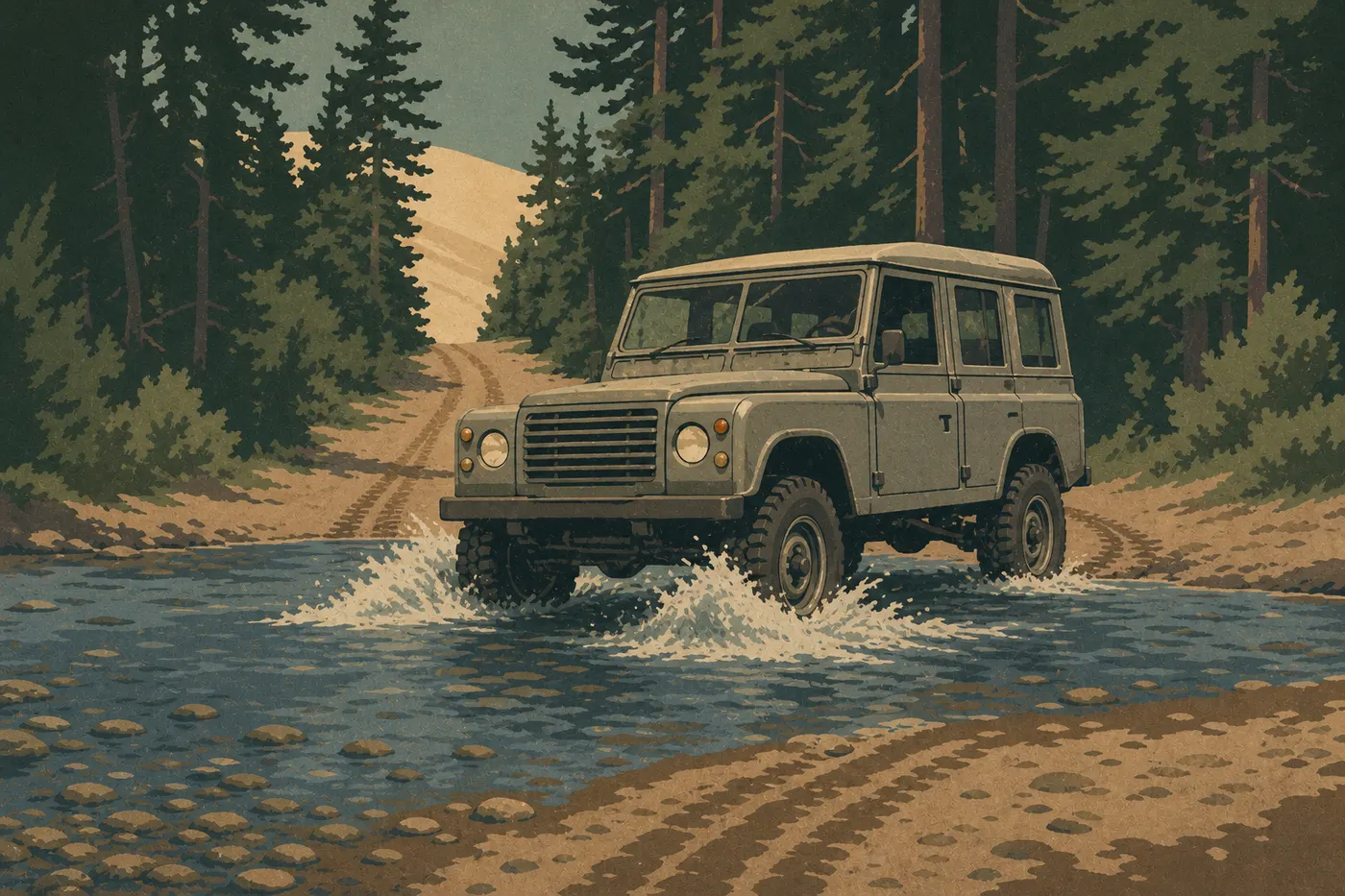
This is the park's only secondary road, and it deserves a closer look. It runs along the eastern side of the dunes toward Medano Pass in the adjacent Preserve. You'll need four-wheel drive, plenty of ground clearance, and tires deflated to about 20 psi to make progress through the deep sand. A compact SUV or sedan simply won't make it. The road closes in winter and sometimes in early spring. Check current conditions on nps.gov before planning to take it.
On Foot on the Dunes
There are no marked trails across the dune field. You can walk freely through the sand from the parking lot. The loose sand makes progress tiring, so allow about twice as much time as you would on level ground for the same distance. Be careful in summer. The sand's surface can exceed 158°F in the middle of the day, at an elevation of 8,005 feet where the sun is intense. Plan your climb for early morning or late afternoon, and carry plenty of water.
By Bicycle
Bicycles are allowed only on Medano Pass Primitive Road. Bikes are prohibited on the dunes themselves. In practice, the sandy road demands considerable effort and is for experienced cyclists, not families looking for an alternative to driving.
Where to Park: Parking Lots and Parking
The Dunes Parking Lot is the park's only paved parking lot, at the end of the main road. Capacity is limited, and it fills early during the busy season. On weekends from May through September, it is often full before 9:00 a.m. When it fills up, rangers turn vehicles away at the entrance.
Our advice: Arrive before 8:00 a.m. or come back in the late afternoon. Traffic generally starts to thin out around 4:00 p.m. The best times for each season are detailed in the guide to the best times to visit Great Sand Dunes.
Piñon Flats Campground has spaces reserved for campers who have booked a site through recreation.gov. These spaces aren't available to day visitors.
Great Sand Dunes has no parking tag system and no parking reservations. It's first come, first served.
Distances and Travel Times Between Areas
The park is compact by American standards. From the entrance station:
- Visitor Center: about 1.9 miles (4 minutes).
- Dunes Parking Lot: about 3.1 miles (6 minutes).
- Piñon Flats Campground: about 3.7 miles (8 minutes).
Everything fits within a 3.7-mile radius. Distance isn't the constraint. Parking and the midday heat of the sand are. To plan your day in the park, the Great Sand Dunes itinerary guide offers plans for 4 hours, a full day, and two days.
Special Cases: RVs, Vans, Visitors with Disabilities, and Pets
RVs and vans: You can drive into the park and stay at Piñon Flats Campground. The recommended maximum camping length is 25 feet. Check your site when booking on recreation.gov. Medano Pass Primitive Road is inaccessible to long vehicles. The Great Sand Dunes RV camping guide lists suitable sites and vehicle-size restrictions.
Visitors with disabilities: The Visitor Center and main parking lot are accessible. An interpretive trail, the Dunes Accessibility Trail, starts at the parking lot and leads toward the base of the dunes with a sand wheelchair. These are available to borrow free of charge at the Visitor Center, subject to availability. There are no accessibility facilities on the high dunes.
Pets: Dogs are allowed on the dunes, on Medano Pass Primitive Road, and in camping areas, but they must be leashed. Leashes may be no longer than 6 feet. Dogs are prohibited in the Preserve and on the hiking trails there. In summer, the sandy surface can burn paw pads at temperatures starting around 140°F. Have your pet wear booties or go out during cooler hours. The park page summarizes all current rules at Great Sand Dunes.
Practical Mobility Information: Fuel, Cell Service, and Apps
Fuel: There is no gas station in the park. The nearest one is in Alamosa, about 37 miles away. Fill up before you enter, no exceptions, especially if you're planning to take Medano Pass Primitive Road.
Cell service: Service is very weak in the park and often nonexistent on the dunes and in the Preserve. Download offline maps in Google Maps or Maps.me before you arrive. In an emergency in a remote area, the network may not be enough to call for help. Tell someone your itinerary before you leave the parking lot.
Useful apps
- NPS App (free, iOS/Android): offline maps and real-time information about road closures and Medano Creek levels.
- Recreation.gov: reservations for Piñon Flats Campground sites.
- Weather.gov: local weather forecasts. The park sits at 8,005 feet, and summer thunderstorms can develop in less than an hour.
Frequently Asked Questions
How do you get around Great Sand Dunes National Park?
Getting around Great Sand Dunes means driving to the main parking lot, then walking on the dunes. There is no official shuttle or internal transportation.
Can you visit Great Sand Dunes by car?
Yes. A car is the only practical way to reach the park. The main road, CO 150, is paved all the way to the Dunes Parking Lot. Only Medano Pass Primitive Road requires a 4WD vehicle with plenty of ground clearance.
Where can you park at Great Sand Dunes?
The Dunes Parking Lot is the park's only paved parking lot. It often fills before 9:00 a.m. during the busy season, so arrive early or plan a late-afternoon visit.
Which entrance is best for Great Sand Dunes?
There is only one vehicle entrance, on CO 150. Every visitor arriving by car goes through the same entrance station, so there is no strategic choice to make.
Is there cell service in Great Sand Dunes National Park?
Cell service is very limited in the park and nearly nonexistent on the dunes. Download your maps for offline use before you enter.