
Great Basin Wildlife: What You’ll See and Where to Look
Great Basin doesn’t have Yellowstone’s bison or the Everglades’ alligators, but this Nevada national park is home to a surprisingly diverse range of wildlife spread across more than 7,900 feet of elevation, from sagebrush plains at around 4,900 feet to the alpine talus slopes of Wheeler Peak, just shy of 13,100 feet. Five species account for most sightings: mule deer, pronghorn, American pika, mountain lion, and the Great Basin rattlesnake. Mule deer are the animals visitors see most often, from the lowlands to the edges of the pine forests. Pikas represent the alpine zone and often give themselves away with their sharp call long before you spot them.
Great Basin’s Signature Wildlife
Mule Deer (Odocoileus hemionus)
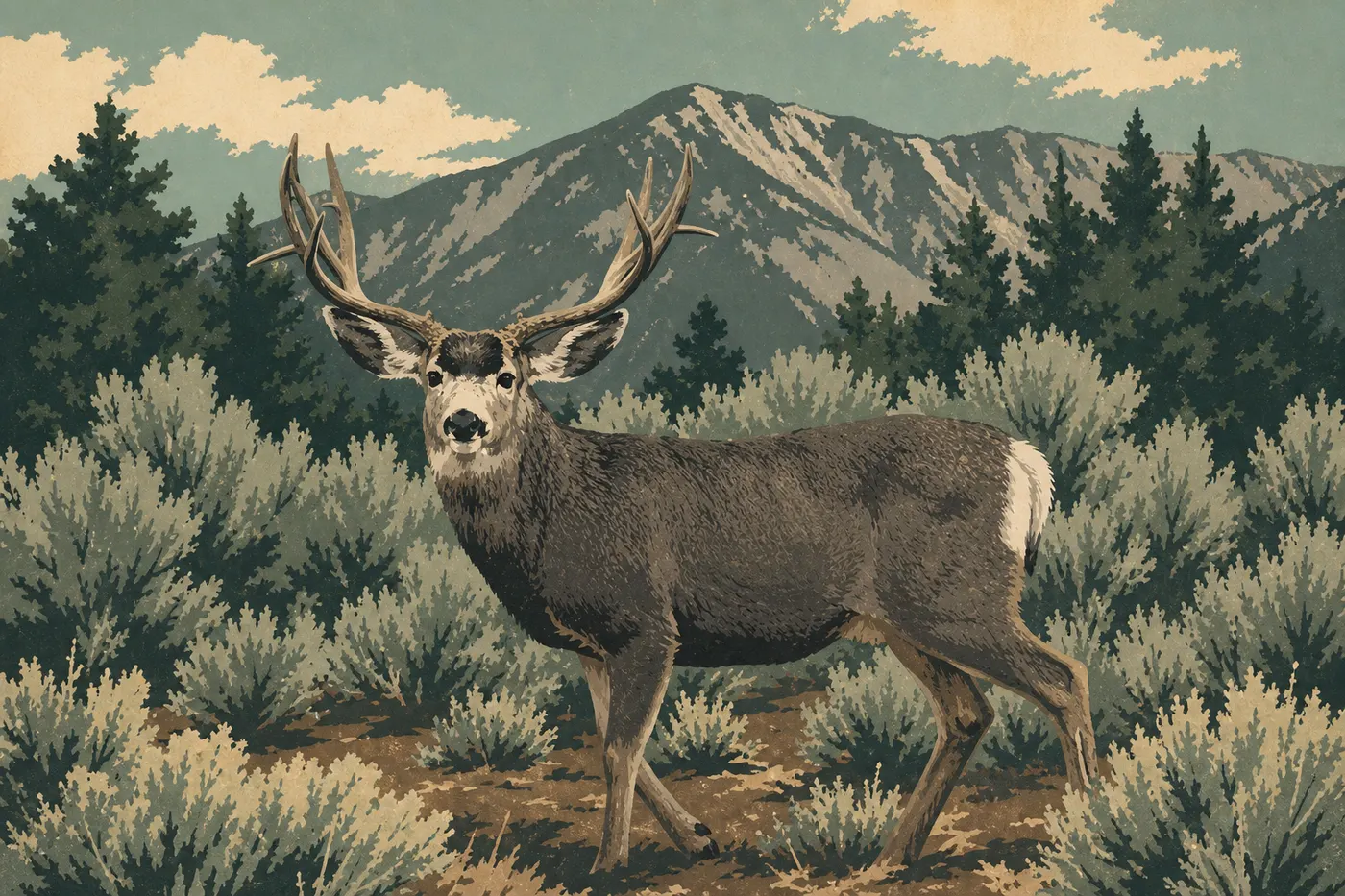
Mule deer get their name from their large, mule-like ears. Their coat is reddish brown in summer and grayish brown in winter, with a prominent white rump when they run. Males grow branched antlers from June through December, then shed them in the heart of winter, so finding a single antler on a trail is perfectly normal. They’re the most commonly seen animals in the park, at every elevation.
Where and when to look. Wheeler Peak Scenic Drive is your best bet, especially around dawn and late afternoon. Deer stay along the edges of juniper and single-leaf pinyon pine stands. In the evening, they sometimes wander into campgrounds, so store your food in the provided food lockers.
Pronghorn (Antilocapra americana)
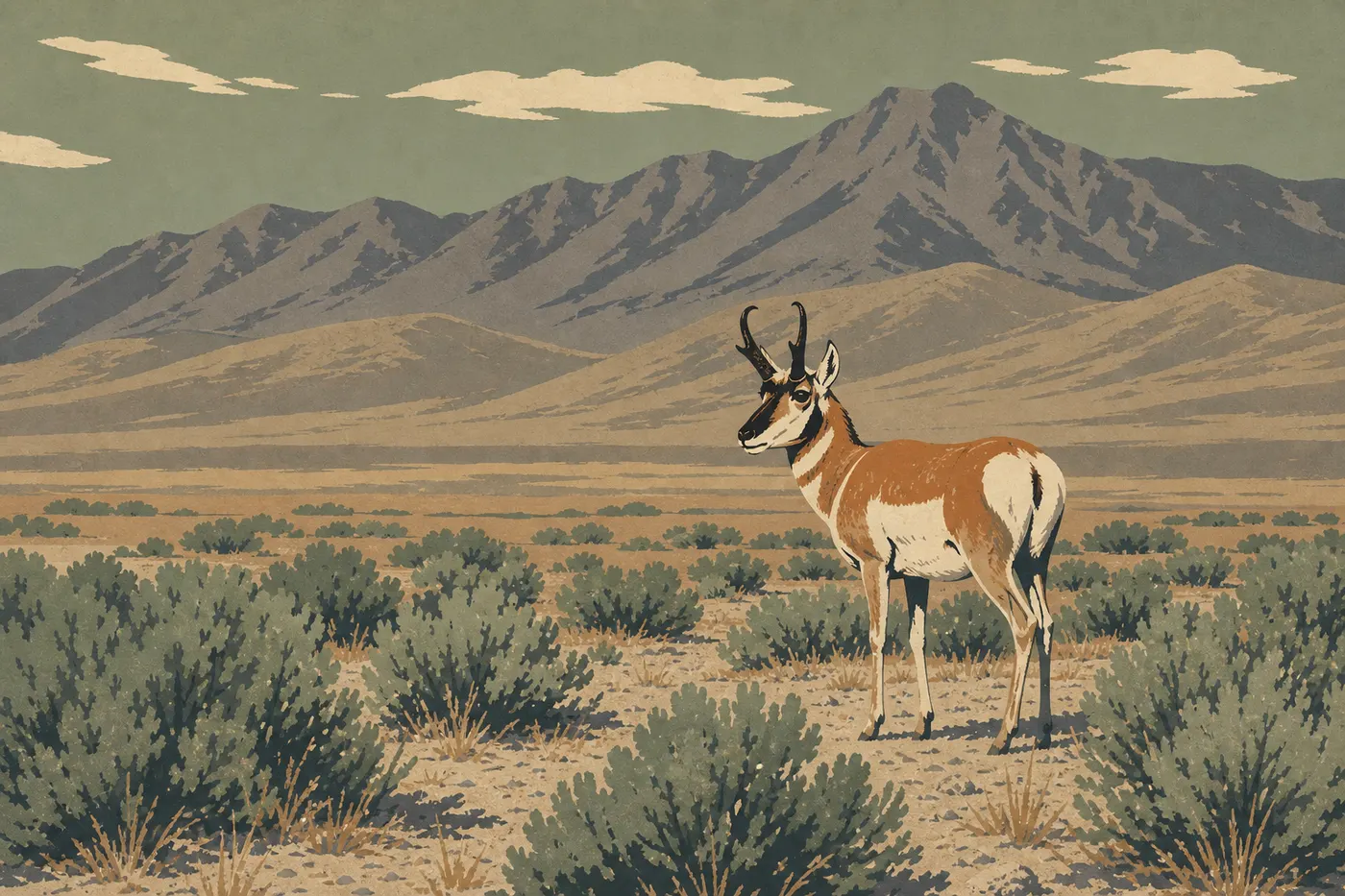
Pronghorn are unique in the world. They’re neither deer nor true antelope, but the only living members of their own family. Look for their short, hooked horns, found in both sexes, their tawny-and-white flanks, and their broad white rump. They can maintain speeds of 37 mph over long distances, making them one of North America’s fastest land mammals.
Where and when to look. Pronghorn frequent the wide-open plains around the park, especially along Nevada State Route 487 toward Baker. They live in small groups and are active during the day. Spring and fall are the best seasons. Binoculars are recommended from the roadside.
American Pika (Ochotona princeps)
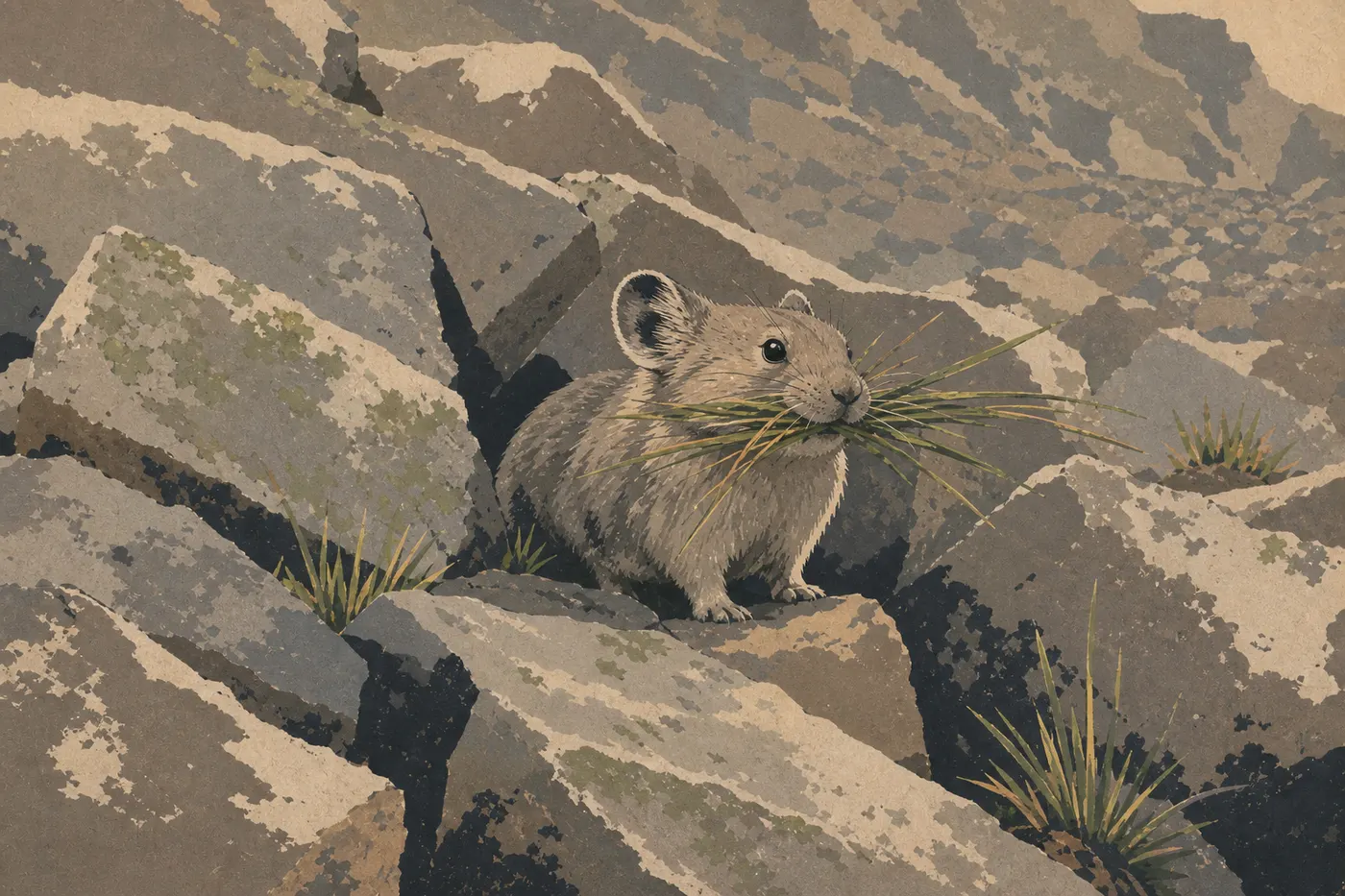
Pikas look like round-eared hamsters, but they’re actually close relatives of rabbits. Their sharp, almost squeaky “eek!” calls reveal their presence long before you catch sight of them. Active during the day, they cut grasses in summer and dry them in small hay piles beneath rocks for their winter stores. Pikas don’t hibernate. They stay active year-round, even under the snow.
Where and when to look. They live only in rocky talus above 8,900 feet, especially along the trail to Wheeler Peak. Sightings are nearly guaranteed in July and August. Pikas are highly sensitive to heat and serve as an early indicator of the effects of climate change at high elevations.
Mountain Lion (Puma concolor)
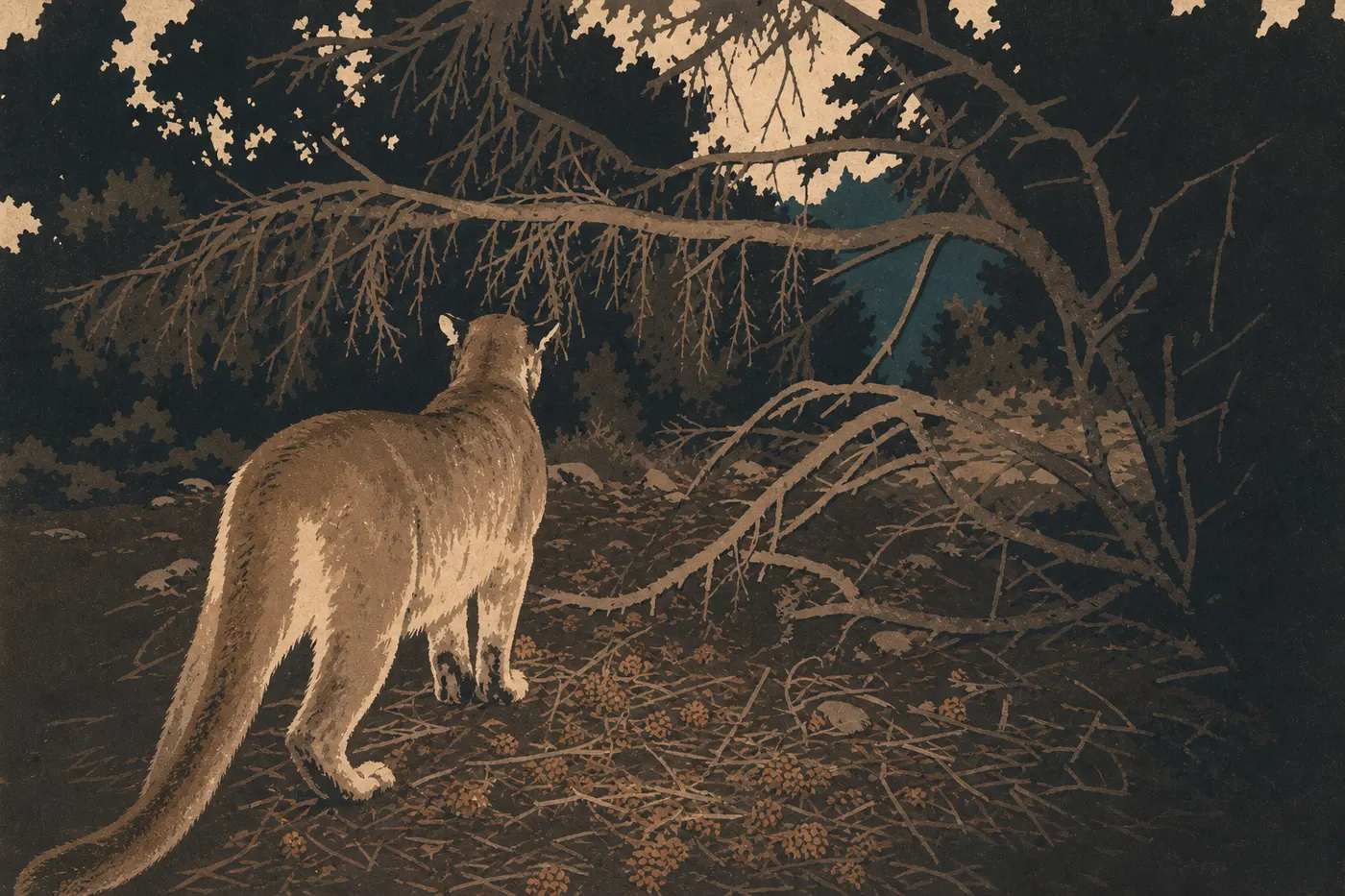
The mountain lion, also called a cougar, is the great cat of the American West. Adults have an unspotted tawny coat and weigh between 66 and 198 pounds, depending on sex. Direct encounters are extremely rare. Solitary and most active at dawn, dusk, and night, mountain lions actively avoid people. Tracks in mud or fresh snow, with round 3- to 3.5-inch prints and no visible claws, are far more common than the animal itself.
Where and when to look. Mountain lions range throughout the park. Your chances of seeing one are tiny but real, especially around sunrise and sunset on high-elevation trails. If you’re hiking alone, tell someone your route and check current alerts on the NPS website.
Great Basin Rattlesnake (Crotalus oreganus lutosus)
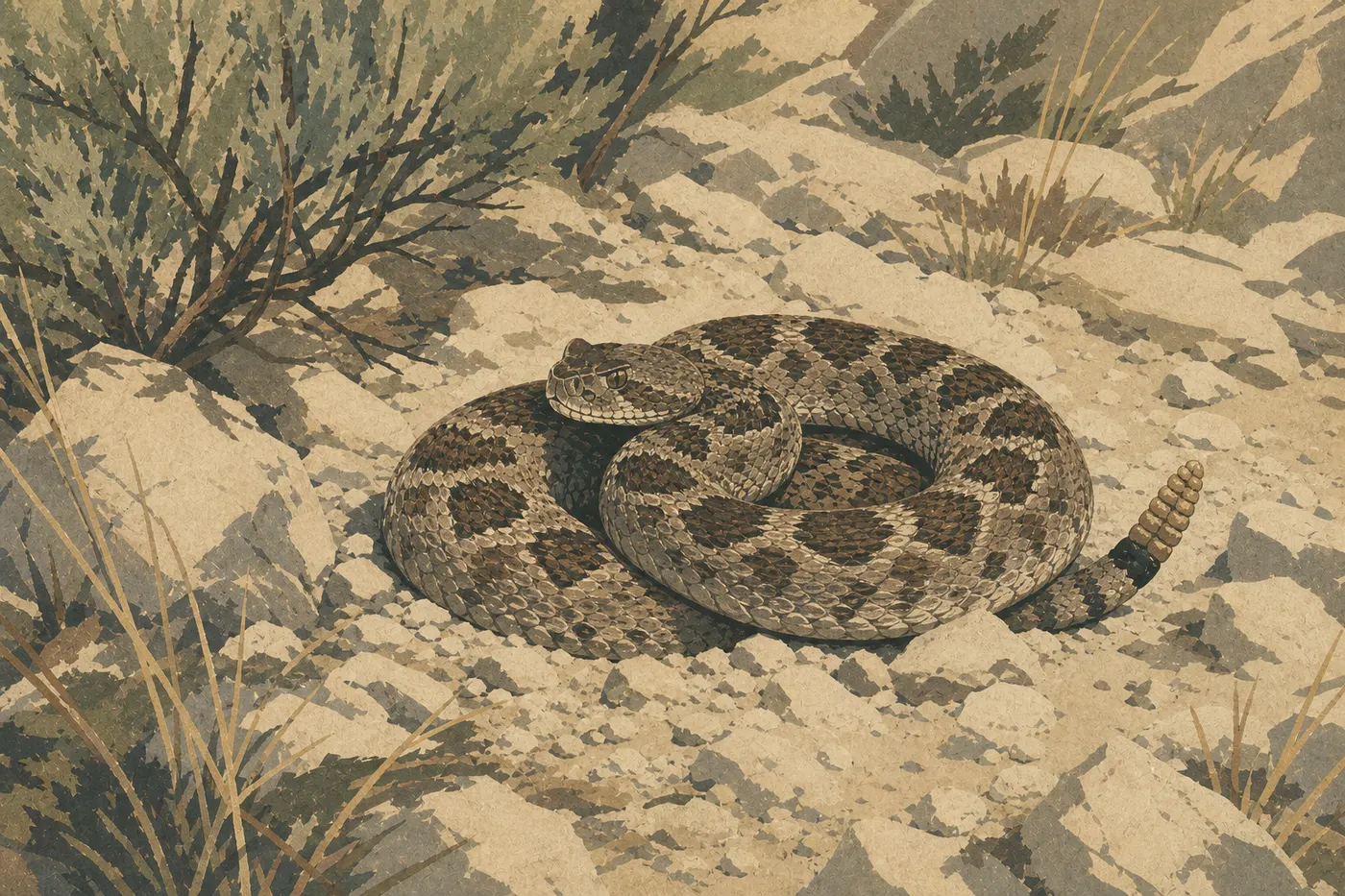
This is the park’s only venomous snake. Its ocher to grayish-brown coloring makes it hard to distinguish against rocks or leaf litter. Two features identify it: a triangular head and a rattle at the tip of its tail. It’s active in mild temperatures, from 59 to 86°F, and shelters beneath rocks during extreme heat or cold nights.
Where and when to look. Check rocky areas and low brush at low and middle elevations, especially in spring and fall. Never put your hands beneath a rock or into a crack without looking first. If you encounter one on the trail, calmly back away and go around it. A rattlesnake isn’t looking for contact.
Coyote, Fox, or Wolf? How to Tell Them Apart at a Glance
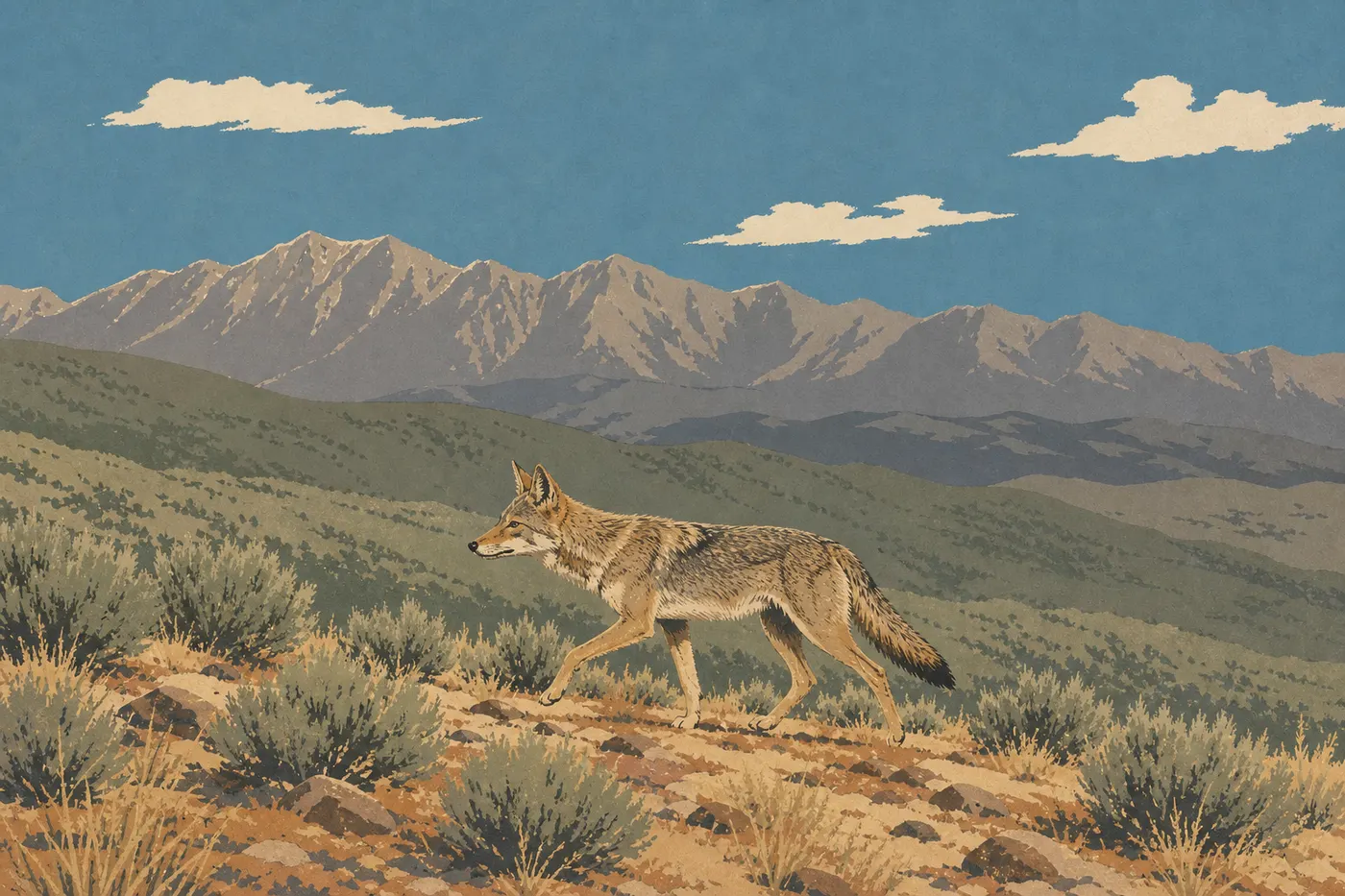
The coyote (Canis latrans) is the park’s most visible canine. Smaller than a wolf, weighing 33 to 44 pounds, it has a pointed muzzle, upright ears, and an alert gait. You’ll often see one near campgrounds at dawn. The gray fox (Urocyon cinereoargenteus) is smaller and even more elusive, and sticks to wooded areas. The gray wolf (Canis lupus) is absent from Great Basin. If you think you’ve seen a very large canine, it’s almost certainly a robust coyote.
Where to See Wildlife in Great Basin
The park is compact, and wildlife areas are clearly distributed by elevation.
Wheeler Peak Scenic Drive runs 12.4 miles, reaching 9,800 feet, through the park’s richest habitats. Look for mule deer along the forest edge, Townsend’s ground squirrels on the talus slopes, and Steller’s jays in the pines. Arrive before 9 a.m. or stay until sunset.
The talus slopes along Wheeler Peak Trail, starting at about 9,500 feet, are pika country. Settle in for a few minutes near a boulder field and wait. You’ll hear their distinctive call long before you see one darting between the rocks.
Nevada State Route 487 toward Baker and the surrounding plains are the best places to look for pronghorn, which you can spot from the roadside in broad daylight.
Around Lehman Caves at dusk, bats emerge in large numbers. Great Basin is home to more than a dozen bat species and is an International Dark Sky Park. Moonless nights are ideal for watching them hunt above the meadows.
The Baker Creek and Bristlecone trails are good places to look for raptors, including American kestrels, Cooper’s hawks, and, in open areas, golden eagles. The Great Basin hiking guide covers access and difficulty levels.
When to Watch Wildlife in Great Basin
The richest window runs from mid-June through mid-September. Pikas and other high-elevation species are active, high-elevation roads are clear, and long days create more opportunities. Spring, from April through May, and fall, from September through October, are good for reptiles taking advantage of mild temperatures and for predators on the move. Wheeler Peak Scenic Drive closes after the first major snowfalls.
For all mammals, dawn and dusk are the golden hours. Plan to be in position 30 minutes before sunrise. Bats and mountain lions become active after sunset. For month-by-month conditions, check the Great Basin trip calendar.
Predators and Large Animals of Great Basin
The mountain lion is the park’s top land predator. It regulates mule deer and pronghorn populations and is the only animal here that could cause a serious incident if you fail to keep a safe distance.
The black bear (Ursus americanus) lives in the park’s high-elevation forests. Encounters are uncommon, but storing food is required by regulation in every campground. Despite the common misconception, black bears aren’t always black. Their coats range from cinnamon blond to dark brown, depending on the individual.
The golden eagle (Aquila chrysaetos) rules the skies above the ridges and hunts rodents and hares in open country. The great horned owl (Bubo virginianus) takes over at night. The coyote helps keep rodents, hares, and small reptiles in check throughout the park.
How to Watch Wildlife Safely
Keep your distance. Stay at least 100 feet from all wild mammals and 300 feet from bears and mountain lions. If an animal changes its behavior when you approach, such as lifting its head, stopping its grazing, or moving away, you’re too close. Back away without running.
Never feed wildlife, even ground squirrels or squirrels that look harmless. An animal that gets used to human food loses its natural wariness, and rangers are then forced to euthanize it.
Snakes. Stay on designated trails and look before placing your hands on rocks warmed by the sun. If a rattlesnake bites you, immobilize the affected limb, stay calm, and get help immediately. Don’t cut the wound, suck out the venom, or apply a tourniquet.
Food storage. In campgrounds, use the provided metal lockers or an approved bear canister. This applies to toothpaste and sunscreen as well as food. NPS regulations require it, and violations can result in a fine.
Dogs. Dogs are allowed in the park but must be leashed, with a leash no longer than 6 feet, and aren’t allowed on designated hiking trails.
For complete procedures if you encounter a bear or mountain lion, read the Great Basin guide.
In Short: Wildlife You Shouldn’t Miss and Where to Find It
You can find mule deer easily along Wheeler Peak Scenic Drive, starting at dawn. Look for pronghorn from Nevada State Route 487 during the day, on the plains around Baker. Pikas require elevation, at least 8,900 feet, but reward the effort. Search for them in rocky talus in July and August. Bats emerge around Lehman Caves at dusk. If you hear a rattle on a rocky trail, calmly back away. It’s the Great Basin rattlesnake telling you to give it some space.
Frequently Asked Questions
Are there animals in Great Basin National Park?
Yes. The park supports diverse wildlife across several elevation zones, including mammals such as mule deer, pronghorn, mountain lions, black bears, and coyotes; reptiles such as Great Basin rattlesnakes; birds such as golden eagles and great horned owls; and a bat community with more than a dozen recorded species.
What’s the most common animal in Great Basin National Park?
Mule deer are the animals visitors see most often. They range from the valley floor to the forest edge above 9,800 feet.
What’s the largest animal in Great Basin?
Among predators, the mountain lion is the largest, with some individuals reaching 198 pounds. Among herbivores, adult mule deer can weigh between 132 and 331 pounds, depending on sex and season.
What predators live in Great Basin?
The main predators are mountain lions, solitary and mostly nocturnal; coyotes, which are common opportunists; black bears, found at high elevations; and golden eagles and great horned owls.
What animals are out at night in Great Basin?
Mountain lions hunt mainly at night. Bats, with more than a dozen species, become active just after sunset. Coyotes are active both day and night. Great Basin rattlesnakes may move around in the evening when daytime temperatures are too high. Great Basin is an International Dark Sky Park, so moonless nights are especially good for watching bats hunt.