
When to Visit Great Basin: Best Times, Weather, and Seasons
The best time to visit Great Basin is September and October, when mild temperatures, golden aspens, and an almost empty park await. July works if you're aiming for the summit of Wheeler Peak, as long as you start before the afternoon thunderstorms.
The short answer: Fall (September and October) is our top recommendation, with mild temperatures, spectacular aspen color, and almost no crowds. Late spring (May and June) works for patient hikers. Summer opens access to the summit of Wheeler Peak, as long as you keep an eye on afternoon thunderstorms. Winter rewards stargazers and cave explorers with a nearly empty park.
Great Basin is one of the least-visited national parks in the United States. That relative isolation is its main appeal, but it also calls for serious logistics. The park climbs to 13,064 feet at the summit of Wheeler Peak, or 7,874 feet above the valley floor, and weather conditions vary dramatically with elevation. What you get in Baker has little to do with what's happening up there.
Climate Month by Month
The temperatures below are for the Baker area, at the park entrance, about 5,249 feet above sea level. At higher elevations, expect temperatures to drop 11 to 13°F for every additional 3,281 feet.
| Month | Low | High | Precipitation |
|---|---|---|---|
| January | 19°F | 37°F | low |
| February | 21°F | 41°F | low |
| March | 27°F | 48°F | low |
| April | 36°F | 57°F | moderate |
| May | 43°F | 68°F | moderate |
| June | 52°F | 81°F | low to moderate |
| July | 57°F | 91°F | moderate (frequent thunderstorms) |
| August | 55°F | 88°F | moderate (frequent thunderstorms) |
| September | 46°F | 77°F | low |
| October | 36°F | 61°F | low |
| November | 25°F | 46°F | low |
| December | 19°F | 36°F | low |
For real-time forecasts and details by elevation zone, check the Great Basin weather forecast.
Great Basin in January
January is the coldest month in the park. Nights drop to around 14°F in Baker, and daytime temperatures rarely rise above 34 or 36°F. Wheeler Peak Scenic Drive and the high-elevation campgrounds are closed. Lehman Caves stays open year-round at a constant 50°F, making it the month's main activity. The park is nearly deserted, and the night sky is exceptional.
Great Basin in February
Conditions are much like January, with below-freezing nights and persistent daytime cold. High-elevation access remains closed. Lehman Caves and the lower-elevation trails are the only practical options, but they're enough for a full day. Visitation is at its lowest, and lodging in Ely is easy to find.
Great Basin in March
The valley starts to warm, reaching about 46°F during the day, but snow still lingers at higher elevations and Wheeler Peak Scenic Drive remains closed. Lower-elevation hikes around the visitor center and cave tours are the best options. Nights remain cold, so bring the right gear even for a low-elevation stay.
Great Basin in April
April marks the start of spring in Baker, with daytime temperatures averaging 55°F. Lower-elevation trails gradually emerge, and wildlife becomes active again. Wheeler Peak Scenic Drive may open toward the end of the month as the snow melts, but there's no guarantee. Check road conditions on the NPS website before planning high-elevation hikes. Rattlesnakes become active as soon as temperatures rise above 59°F.
Great Basin in May
May is a good transition month, with pleasant valley temperatures reaching 64°F. Wheeler Peak Scenic Drive generally opens toward the end of the month if the snow has melted sufficiently. Lehman Caves and the lower-elevation campgrounds are in full operation. Crowds remain light. It's a good window for visiting without crowds or afternoon thunderstorms disrupting your plans.
Great Basin in June
June brings the park's full opening. Wheeler Peak Scenic Drive is generally accessible, and the summit trails are usable. Baker reaches 75°F during the day, while temperatures are much cooler at higher elevations. Afternoon thunderstorms start appearing toward the end of the month, so set out early for high-elevation hikes. Weeknight campsites are still available most of the time.
Great Basin in July
July is the peak season and the hottest month, with temperatures reaching 84°F in Baker and near-daily afternoon thunderstorms. Every trail is open, including the summit of Wheeler Peak. The golden rule is to start before 9 a.m. and be back below tree line, around 10,499 feet, by 2 p.m. Campgrounds fill up on weekends, so a reservation on Recreation.gov is strongly recommended.
Great Basin in August
August is much like July: hot, reaching 81°F, with frequent afternoon thunderstorms and full access to high elevations. The same timing discipline applies to hikes. Yellow-bellied marmots and hummingbirds are active near the summit. By the end of the month, the first cool nights begin to signal fall.
Great Basin in September
September is our favorite month in Great Basin. Thunderstorms taper off, temperatures are ideal, ranging from 43 to 72°F, and the aspens start turning gold around mid-September. Wheeler Peak Scenic Drive is still open, and hiking conditions are optimal: cool in the morning and mild during the day. Longer nights create excellent opportunities for stargazing in a park that empties out quickly after summer.
Great Basin in October
In early October, aspen color reaches its peak on the slopes of Wheeler Peak. Temperatures drop, with nights around 32°F and daytime highs near 57°F, and the thunderstorms are gone. Starting in mid-October, the first snowfalls may close Wheeler Peak Scenic Drive without warning, so check road conditions before heading up. The caves remain accessible all season. The park is very quiet.
Great Basin in November
November brings the cold back, with nights around 21°F and daytime highs near 43°F. Wheeler Peak Scenic Drive closes after the first significant snowfall. Some campgrounds close, and services become more limited. Lehman Caves stays open and becomes the main activity. It's an ideal time for stargazers who are willing to deal with winter conditions.
Great Basin in December
December is January's twin, with temperatures near 14°F at night and often-clear skies. The park is at its quietest. Lehman Caves is the main winter attraction. Baker offers very few services in December, so fill up on gas and supplies in Ely, about 68 miles west, before you arrive.
Great Basin Season by Season
Spring (March-May): A Patient Awakening
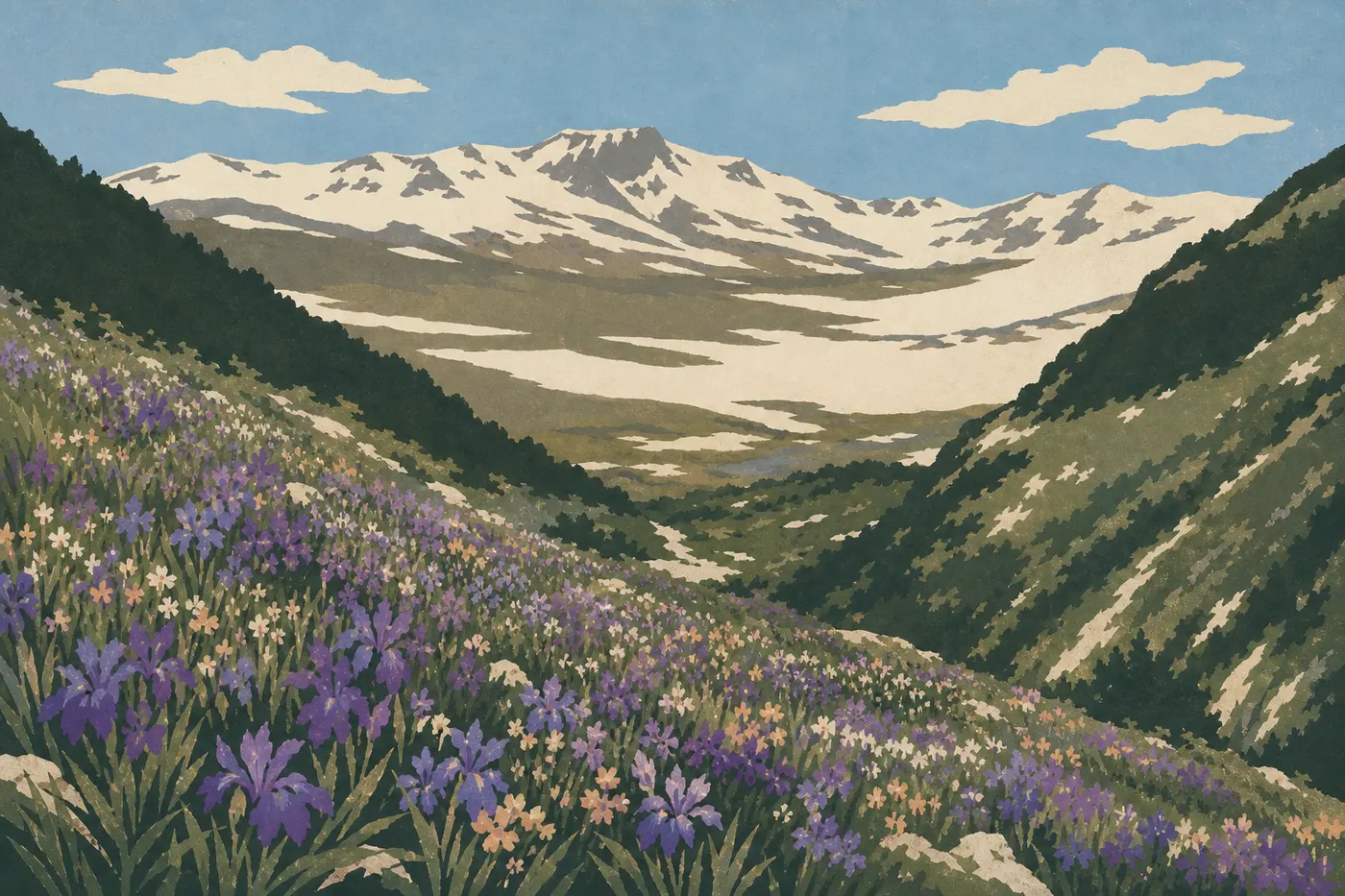
The valley gradually warms starting in March, but the mountains hold on to winter. In April and May, Wheeler Peak Scenic Drive, the access road to the summit trails, remains closed or opens only toward the very end of the month, depending on how quickly the snow melts. This is the season for Lehman Caves, which is accessible year-round, lower-elevation hikes, and watching migratory birds pass through the park.
Wildlife: Mule deer move higher as the snow retreats. Great Basin rattlesnakes emerge when temperatures rise above 59°F. Stay on marked trails, watch where you put your feet and hands before climbing onto rocks, and take your time.
Practical note: Some campgrounds don't open until May or June. Check road conditions and campground opening dates on the NPS website before making the trip.
Summer (June-August): Full Access, Thunderstorms Included
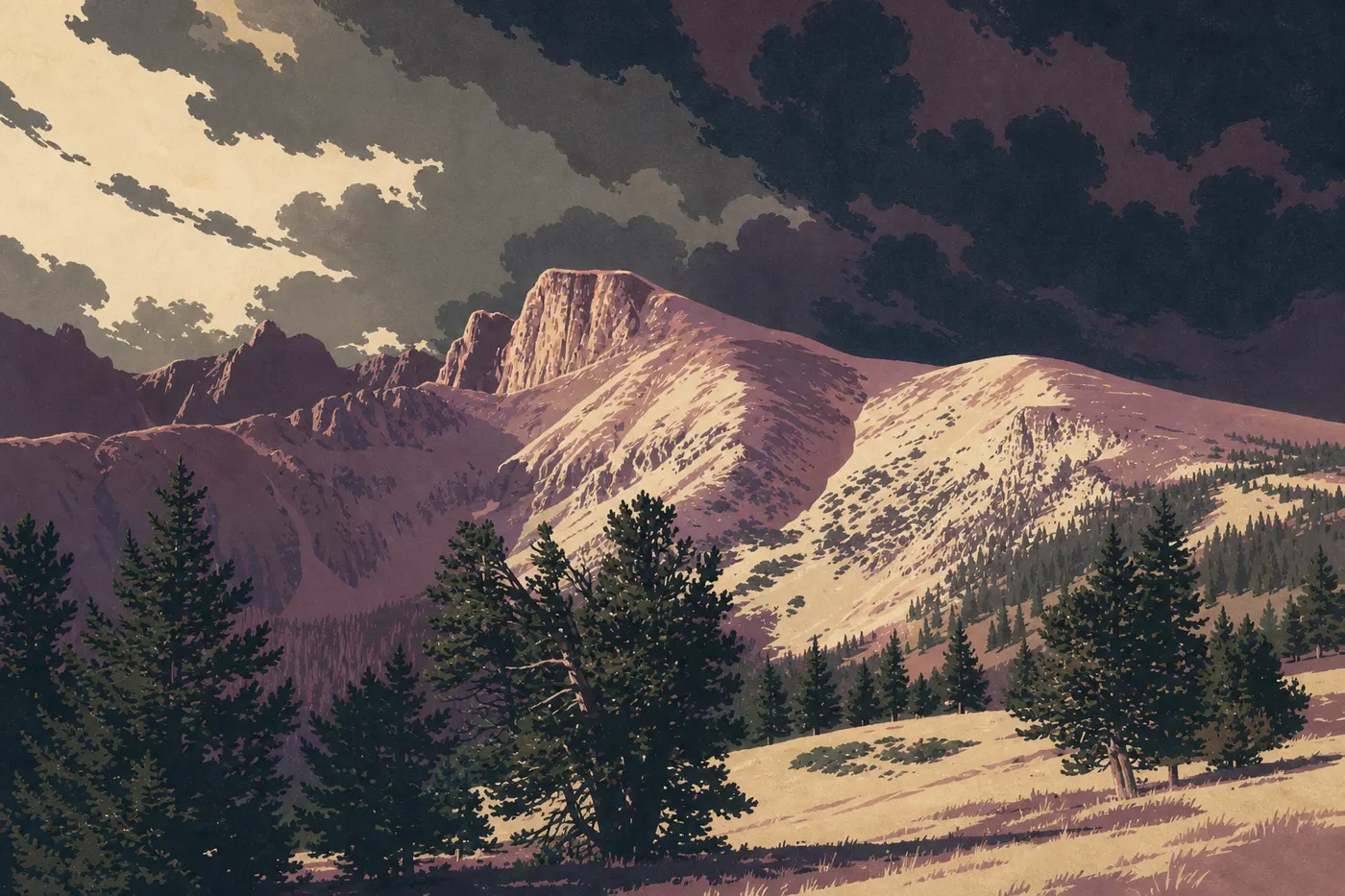
This is the season when everything is open. Wheeler Peak Scenic Drive generally opens in June, although dates vary with the year's snowfall. The road climbs to 9,843 feet, where trails head into bristlecone pine forests and toward the 13,064-foot summit.
The Great Basin is a desert, with very low baseline humidity and a day-to-night temperature swing of 18 to 27°F. Summer monsoons, however, bring short but powerful afternoon thunderstorms, especially in July and August. Our rule on the ground is to start hiking before 9 a.m. and be back below tree line, around 10,499 feet, by 2 p.m. If clouds start building, avoid ridges and exposed areas.
Wildlife: Yellow-bellied marmots become active near the summit, hummingbirds stop in the flower-filled areas, and mule deer graze in the alpine meadows.
Crowds remain relatively light compared with the major parks of the West. Campgrounds fill on weekends, especially Lehman Creek Campground. Booking ahead on Recreation.gov is usually all it takes. The Great Basin camping guide lists availability and options.
Fall (September-October): Our Favorite Season
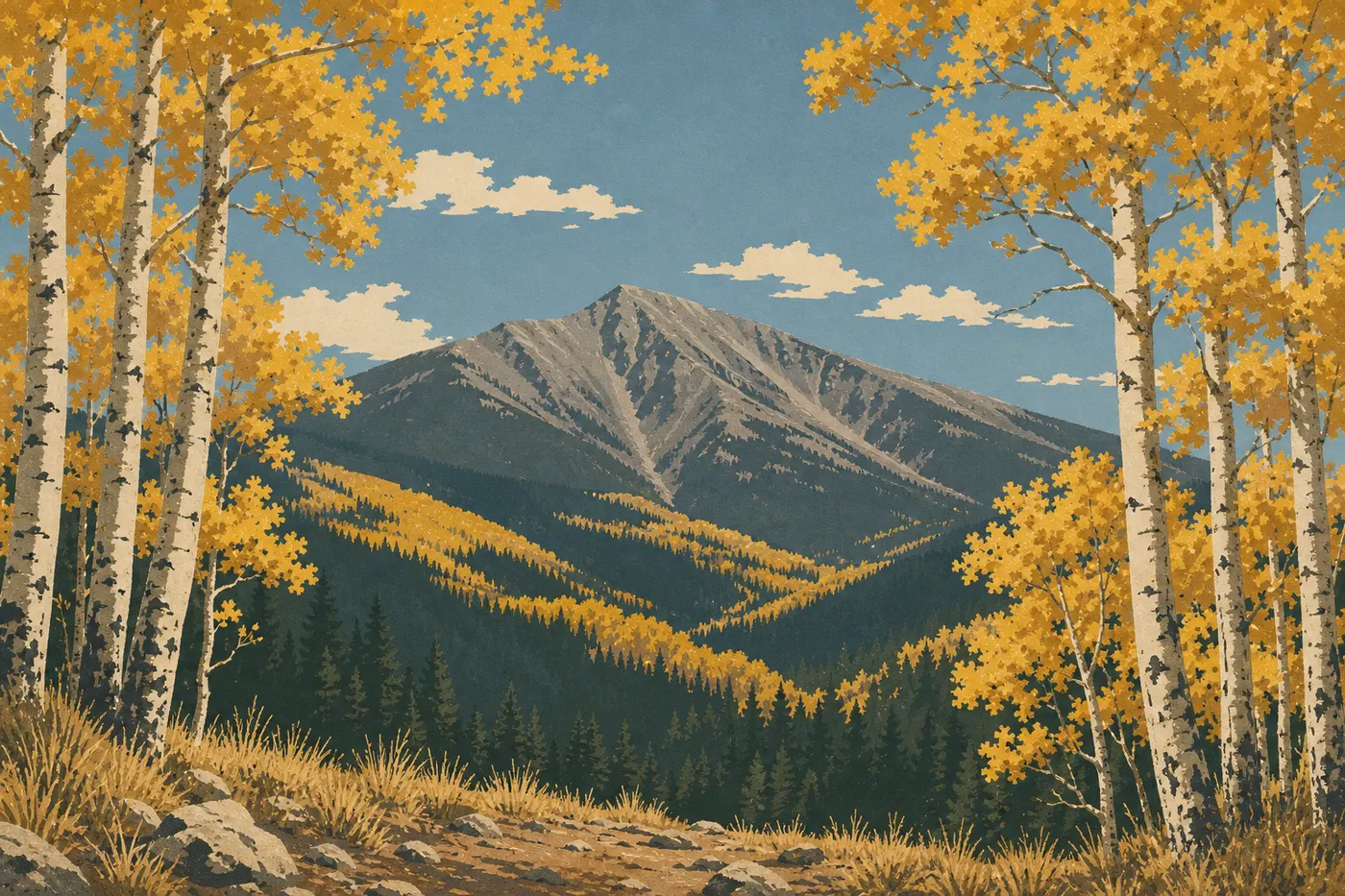
This is our favorite window by far. The summer crowds are gone, the thunderstorms taper off, and the aspens turn gold and copper starting in mid-September. They're especially striking on the slopes of Wheeler Peak and around the high-elevation campgrounds.
Wheeler Peak Scenic Drive remains open in September and early October. Hiking conditions are ideal: cool mornings, mild days, and no afternoon thunderstorms to work around. Longer nights are perfect for stargazing.
Great Basin is an International Dark Sky Park. Far from any city, it has some of the darkest night skies in the United States. Fall offers the best combination for stargazing, with longer nights and temperatures that are still manageable.
In October, the first snow reaches higher elevations around mid-month. Check the status of Wheeler Peak Scenic Drive before heading up. The road may close without warning after a snowfall.
Winter (November-March): Solitude and Stars
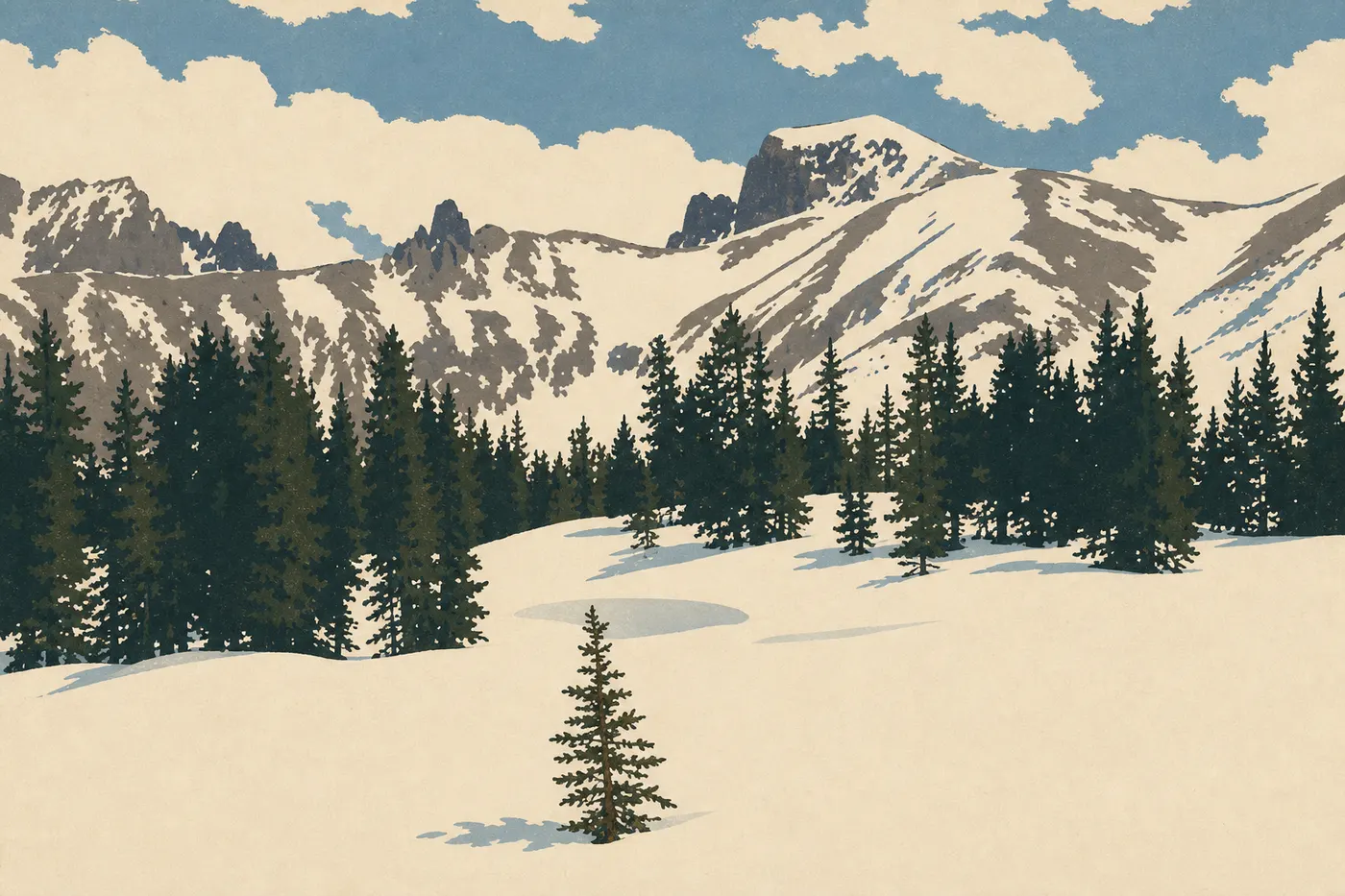
Wheeler Peak Scenic Drive closes after the first significant snowfall, usually in November, and stays closed until spring. The summit trails are inaccessible without backcountry skis or snowshoes.
What remains accessible includes Lehman Caves, which stays at a steady 50°F year-round and makes an ideal refuge in cold weather, lower-elevation hikes, and the visitor center. The park is practically empty in winter. You may spend a night here without seeing another visitor.
One logistical point not to overlook: Baker, the village at the park entrance, with about 30 residents, cuts back its services in winter. Ely, about 68 miles west, is the nearest resupply town. Stock up on gas, food, and blankets before you arrive.
Crowds: When to Avoid Them
Great Basin is one of the least-visited national parks in the United States. Comparing it with Arches, Zion, or the Grand Canyon doesn't make much sense here. You won't find entrance lines or traffic jams.
| Period | Crowds | Campground situation |
|---|---|---|
| July-August | Moderate (relative peak) | Fill up on weekends |
| June, September | Low | Available most of the time |
| October-May | Very low to none | Few services open in the off-season |
Great Basin's "peak" is nothing like what you'll find at the major parks. If you're still targeting a July or August weekend, a Recreation.gov reservation is the minimum precaution.
Best Time to Visit on a Budget
Great Basin National Park doesn't charge an entrance fee, which is unusual for a U.S. national park. You don't need an America the Beautiful pass here, although it remains useful if your road trip includes other parks with entrance fees.
The main expense is lodging. Baker offers only a handful of options, including the Stargazer Inn. Demand sometimes exceeds supply during peak season. Ely, about 68 miles away, offers more choices at reasonable rates year-round.
The most affordable windows are spring, from April to May, and fall, from September to October. Lodging is under less pressure and prices are lower. The Great Basin lodging guide compares options by budget and distance from the park.
Which Season Fits Your Trip?
| Traveler | Recommended window | Why |
|---|---|---|
| Hikers / summit seekers | July-early September | Wheeler Peak Scenic Drive open, trails clear |
| Wildlife watchers | April-May and September-October | Migration and peak activity |
| Photographers | Mid-September to early October | Golden aspens, low late-day light |
| Families | June or September | Mild temperatures, caves accessible |
| Stargazers | Year-round (fall is best) | Some of the darkest skies in the United States |
| Budget travelers | Outside July-August | Less pressure on lodging, no entrance fee |
| Cave explorers | Year-round | Lehman Caves open 365 days a year |
The Great Basin hiking guide, park wildlife guide, and activities guide each cover the best seasonal conditions. For trip planning, the Great Basin guide brings all the pieces together.
In Summary: The Best Time for Your Trip
Fall for photography, color, and peace and quiet. Summer for summit hikes. Winter for solitude and stars. Spring for caves and birds, if you're willing to accept that Wheeler Peak may still be out of reach.
Great Basin rewards travelers who make the detour. It's one of the West's most understated and surprising parks.
The Worst Time to Visit Great Basin
July and August bring the biggest challenges: intense valley heat, with temperatures between 81 and 91°F in Baker, severe thunderstorms that require very early starts, and the year's busiest campgrounds. That doesn't make summer a dealbreaker, but it does require careful planning, especially for high-elevation hikes.
The other period to weigh carefully is December through February. Wheeler Peak Scenic Drive and the high-elevation trails are closed, Baker slows to a crawl, and nighttime temperatures hover around 14°F. If you visit in winter, come for the caves, lower-elevation trails, and night sky. It's an authentic experience, but it requires serious logistical preparation before you even arrive. Gas, food, and warm gear are essential.
Frequently Asked Questions
What's the best time to visit Great Basin National Park?
The best time to visit Great Basin National Park is fall, from mid-September to early October, when you'll find mild temperatures, aspen color, and almost no crowds. Summer, from July through August, works for hikers aiming for the summit of Wheeler Peak.
How many days do you need to visit Great Basin?
How many days you should plan in Great Basin depends on your activities. Two days are enough for Lehman Caves, a high-elevation hike, and a night of stargazing. Three to four days let you explore the park without rushing. The Great Basin itinerary offers several options based on how many days you have.
What's the climate like at Great Basin National Park?
Great Basin National Park has a semi-arid climate, with a wide day-to-night temperature swing and low annual precipitation. Elevation is the key factor. The valley, around 5,249 feet, can reach 91°F in July, while the summit of Wheeler Peak, at 13,064 feet, stays snow-covered for much of the year.
Is Great Basin National Park worth the trip?
Great Basin is absolutely worth the trip if you know what you're looking for. This isn't a park of instant vistas like Zion or the Grand Canyon. It's a park of elevation, darkness, and time. Lehman Caves, bristlecone pines, some of the world's oldest living trees, and an exceptional night sky make it an unforgettable stop on any road trip through the region.
Can you visit Great Basin in winter?
Yes, the park is open year-round. In winter, Wheeler Peak Scenic Drive and the high-elevation trails are closed because of snow, but Lehman Caves remains accessible at a constant 50°F and lower-elevation hikes are possible. Plan your logistics before arriving. Baker offers few services between November and March, and Ely, 68 miles west, is your best resupply base.
What month is least crowded at Great Basin?
January and February are the quietest months, and the park is nearly deserted. November, December, and March are also very lightly visited. If you want the park to yourself, winter is unbeatable, as long as you accept limited high-elevation access and plan your supplies ahead of time.
When is peak season at Great Basin?
Peak season runs from July through August, but it's still very modest compared with the major parks of the American West. Campgrounds fill on weekends, especially Lehman Creek Campground. A Recreation.gov reservation a few days ahead is generally enough to secure a site.
What's the best time to visit the American West?
The best time to visit the American West depends on which parks and regions you're targeting. Spring, from April to May, and fall, from September to October, offer the most comfortable temperatures at most sites. The Great Basin region provides the seasonal context you need to coordinate your stops.