
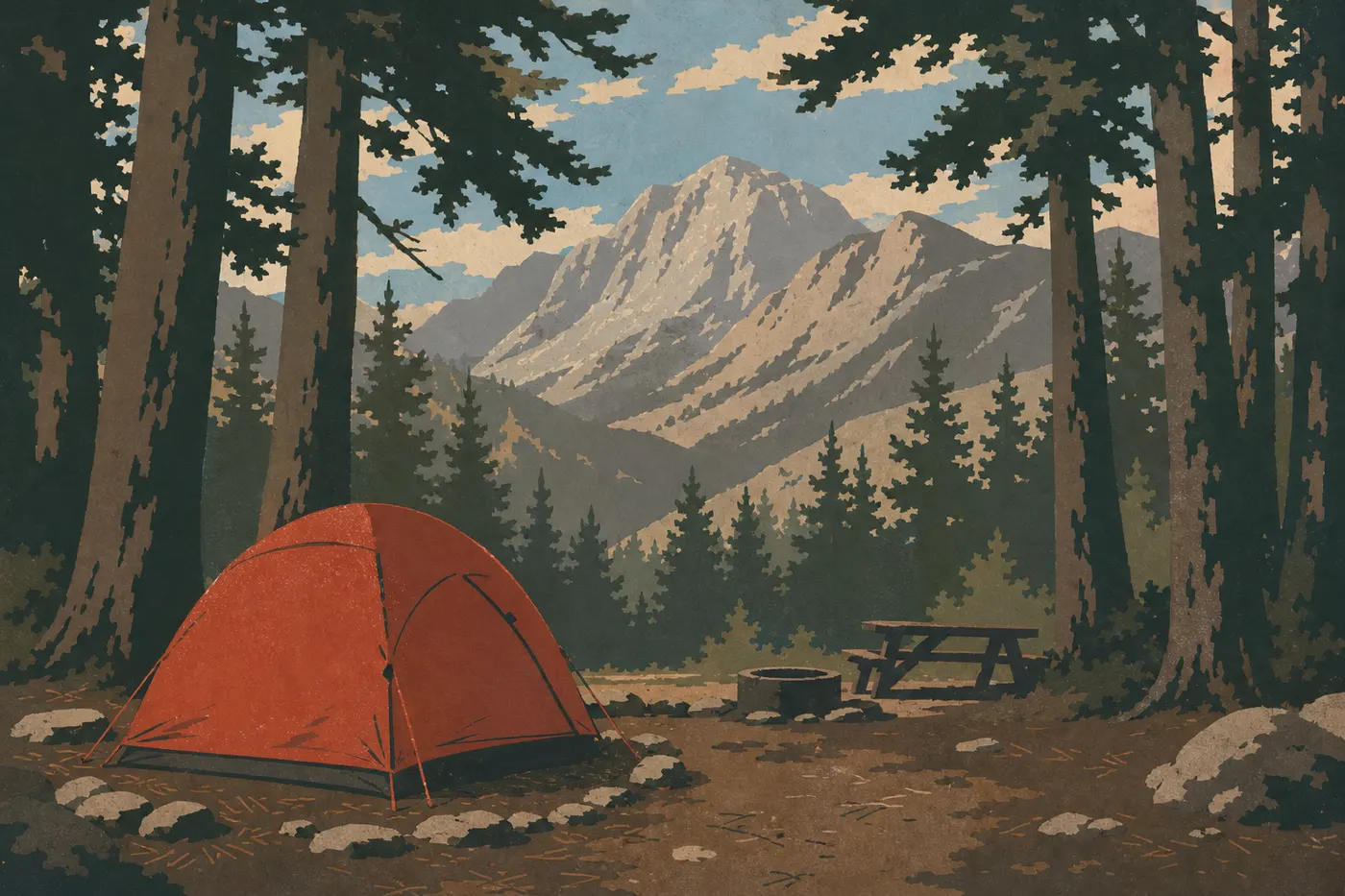
Camping in Great Basin: 7 Campgrounds, Rates, and Reservations
Great Basin has 7 NPS-managed campgrounds with 145 sites in all, spread along the park's eastern slope from the valley to the flanks of Wheeler Peak. Six of these campgrounds require reservations through recreation.gov, leaving just one area available first come, first served. Backcountry camping is allowed with a free permit. There's no entrance fee to the park.
Campgrounds in the park (7)
- Campground Lower Lehman Creek Campground see NPS · 20 sites Directions ↗
- Campground Upper Lehman Creek Campground see NPS · 23 sites Directions ↗
- Campground Wheeler Peak Campground see NPS · 37 sites Directions ↗
- Campground Baker Creek Campground see NPS · 37 sites Directions ↗
- Campground Grey Cliffs Campground see NPS · 16 sites Directions ↗
- Campground Snake Creek Primitive Campgrounds first come, first served · 12 sites Directions ↗
- Campground Dump Station see NPS · 0 sites Directions ↗
 Base map © OpenStreetMap · © CARTO
 Great Basin campgrounds by the numbers
7 official campgrounds inside the park, 145 campsites in total, 129 of them reservable.
| Campground | Sites | Booking | Fee / night | Open | Amenities |
|---|---|---|---|---|---|
| Baker Creek Campground | 37 (4 tent only, 1 RV only) | Reservation | from $20 | Closed Nov 10 to May 21 | toilets* |
| Wheeler Peak Campground | 37 | Reservation | from $20 | Closed Sep 30 to May 31 | toilets* |
| Upper Lehman Creek Campground | 23 (1 RV only) | Reservation | from $20 | Closed Dec 3 to Apr 9 | toilets* |
| Lower Lehman Creek Campground | 20 | Reservation | from $20 | Year round | toilets, cell service |
| Grey Cliffs Campground | 16 (4 group) | Reservation | from $20 | Closed Oct 22 to Oct 28 · Closed Nov 6 to May 15 | toilets* |
| Snake Creek Primitive Campgrounds | 12 (12 tent only, 7 group) | First come, first served | Free | Closed Nov 5 to May 1 | toilets* |
| Dump Station | from $10 | Closed Oct 18 to May 28 | toilets*, potable water* |
Source: National Park Service (NPS API), retrieved October 6, 2026. Fees and dates change: check the campground page before you go.
Can you camp inside Great Basin?
Yes, camping is allowed in Great Basin National Park. Seven official campgrounds stretch along the eastern slope, from the valley to nearly 9,800 feet in elevation. Most sites can be reserved online through recreation.gov, and booking ahead is important, especially in July and August. Camping outside a designated site isn't allowed in frontcountry areas. In the backcountry, you'll need a free permit, available at the Lehman Caves Visitor Center or the park entrance.
Campgrounds inside the park
The table above lists the seven campgrounds and their detailed features. The key points when choosing are these: Baker Creek and Wheeler Peak are the two largest campgrounds, with 37 sites each; Lower Lehman Creek is the only one open year-round; and Snake Creek is the only free campground available first come, first served.
Wheeler Peak Campground
Wheeler Peak Campground, with 37 sites, is the park's highest campground, at the foot of its namesake peak and just steps from signature trails leading to the Wheeler Peak rock glacier and bristlecone pine forest. Wheeler Peak Scenic Drive is limited to vehicles under 24 feet long, making this the most restrictive campground for RVs. Reservations are required and open only one day ahead. The campground closes after the first significant snowfall, usually around late September, and stays closed until late May. That's the shortest operating season of the seven campgrounds.
Upper Lehman Creek Campground
Upper Lehman Creek Campground, with 23 sites including 1 reserved for RVs, sits beside Lehman Creek, just a few minutes from Lehman Caves. It accepts vehicles up to 40 feet long. Reservations are required. Open from June through October, it closes with the first snow of the fall, usually in early December.
Lower Lehman Creek Campground
Lower Lehman Creek Campground, with 20 sites, is the only campground in the park that's open year-round. It also offers additional services beyond the rest of the campgrounds, which have only restrooms. Vehicles up to 40 feet long are allowed. Reservations are required. It's the most flexible choice for an off-season stay or a trip in a standard-size RV, and the only guaranteed option if you arrive outside the May-to-October season.
Baker Creek Campground
Baker Creek Campground, with 37 sites including 4 tent-only sites and 1 RV-only site, sits in a quiet valley reached by a partly unpaved road. It's the most accommodating campground for large vehicles, with a 50-foot limit, the highest in the park. Reservations are required. Depending on weather conditions, it's open from late May, around Memorial Day, through early September, around Labor Day, then switches to winter hours from November through mid-May.
Snake Creek Campground (primitive)
Snake Creek Primitive Campgrounds has 12 sites, all tent-only, including 7 group sites. It's the park's only first-come, first-served campground and the only free one. There are no running water or hookups, so you'll need to be completely self-sufficient. Restrooms are available on site. Depending on conditions, it's open from May through October and closed from early November through early May. This is the choice for campers seeking solitude and hoping to avoid reservation fees.
Grey Cliffs Campground, with 16 sites including 4 group sites, rounds out the park's camping options. It's reservable through recreation.gov at $20 per night. Open from spring through fall, it's the only campground with reservable group sites, making it worth considering for extended families or organized outings.
RV or tent: which site should you choose?
Access limits vary widely by campground. Wheeler Peak is the most restrictive, at 24 feet, while Baker Creek is the most accommodating, at 50 feet. Lower Lehman Creek and Upper Lehman Creek accept vehicles up to 40 feet long. For large RVs, Baker Creek is the only choice inside the park, although it closes in September.
The park has a seasonal dump station that costs $10 per use, with winter hours from October through late May. Check its status before arriving at the end of the season.
For driving rules and RV-friendly sites, the Great Basin RV camping guide covers the practical details.
Camping near the park: campgrounds outside the park
The town of Baker, Nevada, about 5 miles from the park entrance, has a few private campgrounds and nightly options for travelers who can't find a site inside the park. If you'd like to combine camping with lodging, the overview of places to stay around Great Basin covers alternatives to the park's campgrounds.
Backcountry camping and wilderness camping
Backcountry camping is allowed in designated areas of the park with a free permit, available at the Lehman Caves Visitor Center or the park entrance. Follow these rules: no fires in the backcountry, pack out all waste, and camp more than 200 feet from any water source. To reach the camping areas, the Great Basin hiking guide details the authorized access routes.
How and when should you reserve a campsite in Great Basin?
Six of the seven campgrounds require reservations through recreation.gov. Only Snake Creek Primitive Campgrounds remains first come, first served. This is a major change from the park's previous system. In most areas, you can no longer simply show up and look for an open site.
Wheeler Peak accepts reservations only one day ahead, making it an unusual case. You can't plan this campground far in advance. For the other campgrounds, reservations open several weeks or months before the desired date. Weekends fill up quickly in July and August.
Lower Lehman Creek, which is open year-round, is the most flexible option in the off-season. Wheeler Peak closes after the first snow, usually in late September, and doesn't reopen until late May. If you're visiting in May or September, check its status before you leave. High-elevation weather also affects the other opening dates, so check the Great Basin weather forecast to anticipate mountain road conditions.
Rates: how much does a night of camping cost in Great Basin?
Six of the seven campgrounds charge the same rate: $20 per night. Snake Creek Primitive Campgrounds is free. The park doesn't charge a vehicle entrance fee, and there's no entrance fee to Great Basin. For annual passes to America's national parks, the National Parks Fees & Passes page provides a guide to entrance fees and passes.
Camping safety and best practices
Black bears. Black bears have been spotted in the park. Store your food in a locked bear box or in the metal lockers available at every site. Never keep food in your tent, even overnight.
Temperature drops. Great Basin is a high-elevation desert. Summer days in the valley can exceed 95°F, but temperatures at mountain campgrounds quickly drop toward 32°F at night, even in July. A four-season sleeping bag is well worth bringing.
Afternoon thunderstorms. Severe thunderstorms frequently develop over the peaks in summer. Plan hikes for early morning and get down from exposed areas before 1 p.m.
Elevation. Wheeler Peak Campground sits at about 9,800 feet. Give your body time to acclimate. Altitude sickness, including headaches and nausea, can affect healthy adults too. For tips on acclimating children to high elevations, the Great Basin family guide has practical advice.
Drinking water. Running water availability varies by campground and season. Some water sources are turned off at the beginning and end of the season. Snake Creek has no running water. Check when you arrive and bring extra supplies, especially for primitive campgrounds and during the transition between seasons.
Which campground is right for you?
| Profile | Recommended campground |
|---|---|
| Family with a tent and hiking on the agenda | Wheeler Peak Campground |
| Large RV, up to 50 feet long | Baker Creek Campground |
| Standard RV or off-season stay | Lower Lehman Creek |
| Visiting Lehman Caves | Upper or Lower Lehman Creek |
| Group needing dedicated sites | Grey Cliffs Campground |
| Complete solitude, tent, and free camping | Snake Creek (primitive) |
For an overview of your trip, see our complete Great Basin guide.
Frequently asked questions
Can you camp in Great Basin National Park?
Yes, Great Basin National Park has 7 campgrounds with 145 sites in all. Six require reservations through recreation.gov, while Snake Creek is the only first-come, first-served option. A free permit is required for backcountry camping.
Which campground should you choose in Great Basin?
For the park's signature hikes, Wheeler Peak Campground, with 37 sites, is best located, but it closes in late September and is limited to vehicles under 24 feet. Lower Lehman Creek is the only campground open year-round and the most flexible option for standard RVs. Baker Creek accommodates the largest vehicles, up to 50 feet, in a quiet setting and is open from late May through early September.
Which campground is closest to Great Basin National Park for RVs?
Baker Creek Campground, inside the park, is the most accommodating campground for large RVs, up to 50 feet. Lower Lehman Creek allows RVs up to 40 feet and is open year-round. The town of Baker, 5 miles from the entrance, also has private options for large vehicles.
How much does a campsite in Great Basin cost?
Six of the seven campgrounds charge the same rate, $20 per night. Snake Creek Primitive Campgrounds is free. The park has no entrance fee or vehicle entrance fee. For entrance fees and annual passes, see the National Parks Fees & Passes page.
How do you camp in Great Basin?
For the six campgrounds that require reservations, create an account on recreation.gov and book ahead, especially in July and August. Wheeler Peak is different: reservations are available only one day ahead. Snake Creek is the only campground that doesn't require a reservation, so arrive in the morning to find an open site during the busy season.