
Rocky Mountain Wildlife: What Animals to See and Where to Find Them
Rocky Mountain National Park is home to more than 60 mammal species, 280 bird species, and a range of reptiles and amphibians spread across four vegetation zones, from mountain meadows to alpine areas. The five animals visitors remember most are elk, bighorn sheep, moose, black bears, and pikas. You're very likely to see elk, which are present in large numbers year-round. The other four take a little strategy, but they're still within reach if you know where to look.
Rocky Mountain's Iconic Animals
Elk
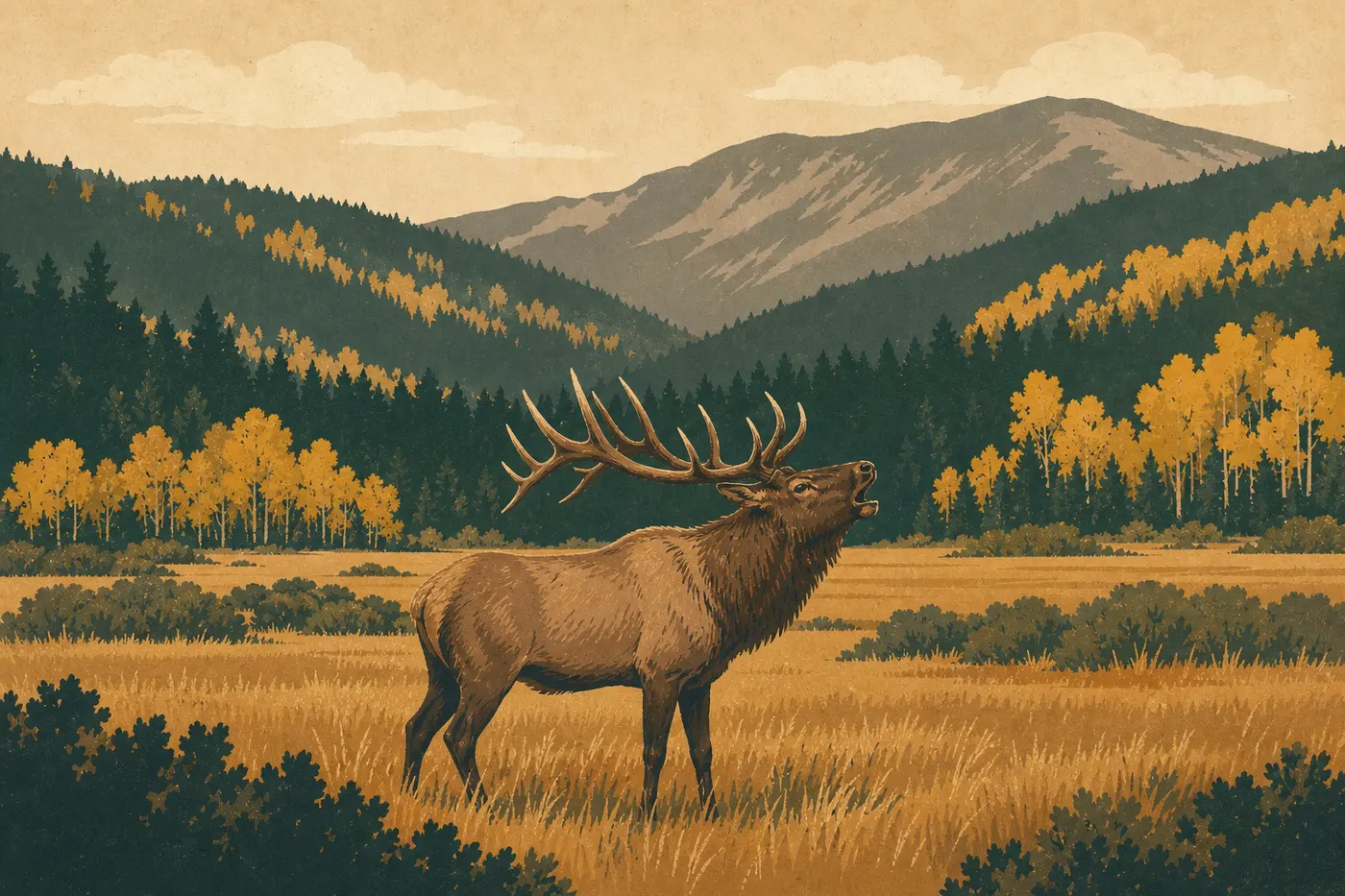
Elk are the park's signature animal. The herd numbers about 3,000, making it one of the densest elk populations in the United States. An adult bull weighs between 550 and 730 pounds and can carry antlers more than 4 feet tall.
Identification. Dark brown coat on the body and a distinctive creamy beige rump. Don't confuse elk with mule deer, which are smaller and have disproportionately large ears and a white rump.
Behavior. Elk are social animals. Outside the breeding season, females and calves form herds separate from the males. In summer, the herds move into the high country. In fall, they come back down to the lower meadows.
Where and when. Moraine Park and Horseshoe Park are the two essential spots. The rut, from late August through October, offers the most spectacular scenes. Bulls bugle at dawn and dusk, spar with one another, and gather their harems. Arrive early, before 7 a.m., or in the late afternoon for the best light.
Rocky Mountain Bighorn Sheep
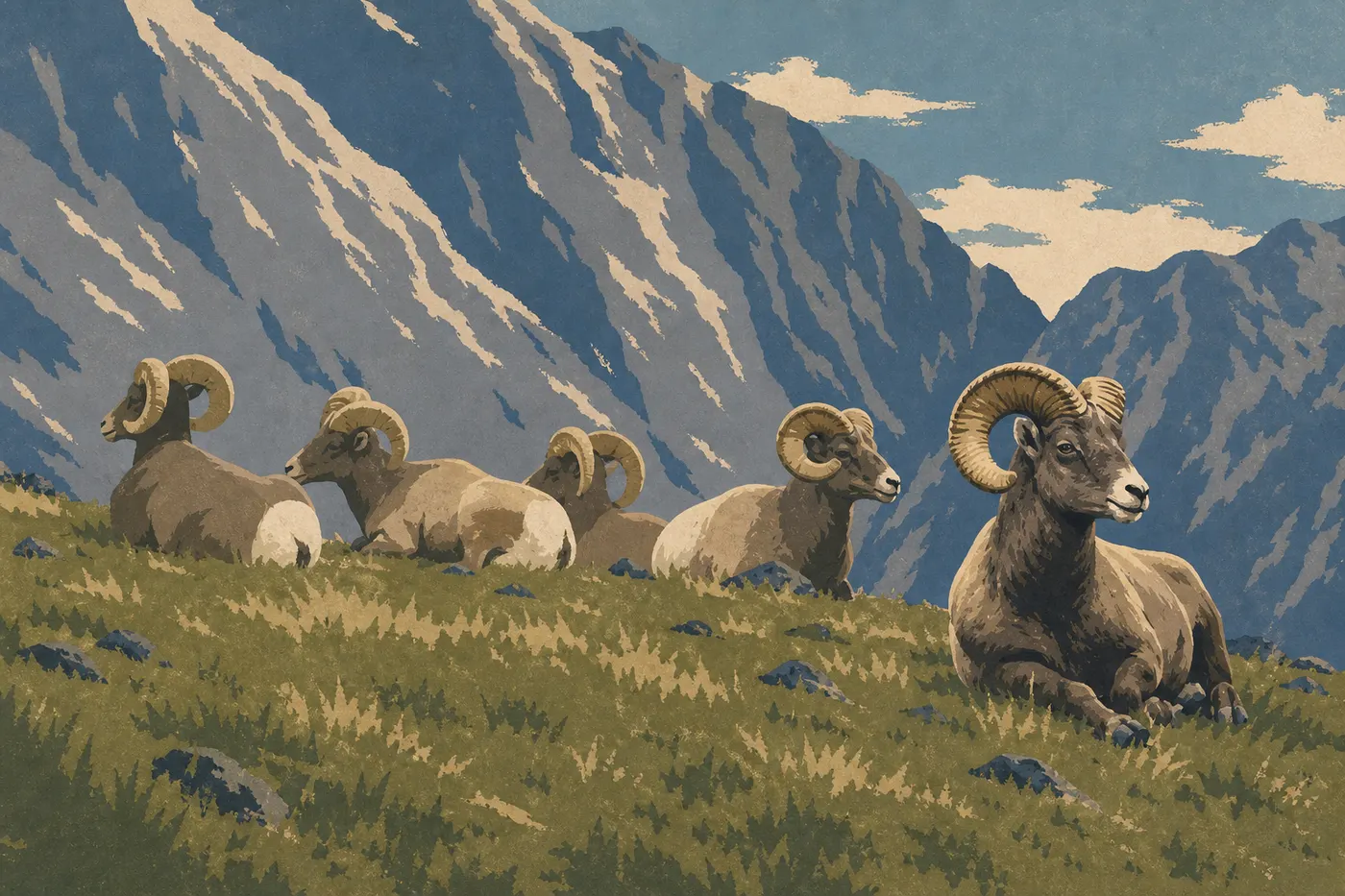
Bighorn sheep are the park's official symbol. The population ranges from 400 to 600 animals, depending on the year. A ram's spiral horns can weigh as much as 22 pounds on their own.
Identification. Gray-beige coat, white rump and hindquarters, and thick, curved horns on the male. Ewes have small, curved horns that are less distinctive.
Behavior. Bighorn sheep are perfectly adapted to rocky terrain. They use cliffs and talus slopes where their grippy hoof soles give them an advantage over predators. In summer, herds move onto alpine ridges above 11,500 feet.
Where and when. Sheep Lakes in Horseshoe Park is the classic meeting point. Bighorn sheep come there to lick natural minerals from the ground, often in the morning from May through early July. Old Fall River Road also offers good views in the warmer months.
Moose
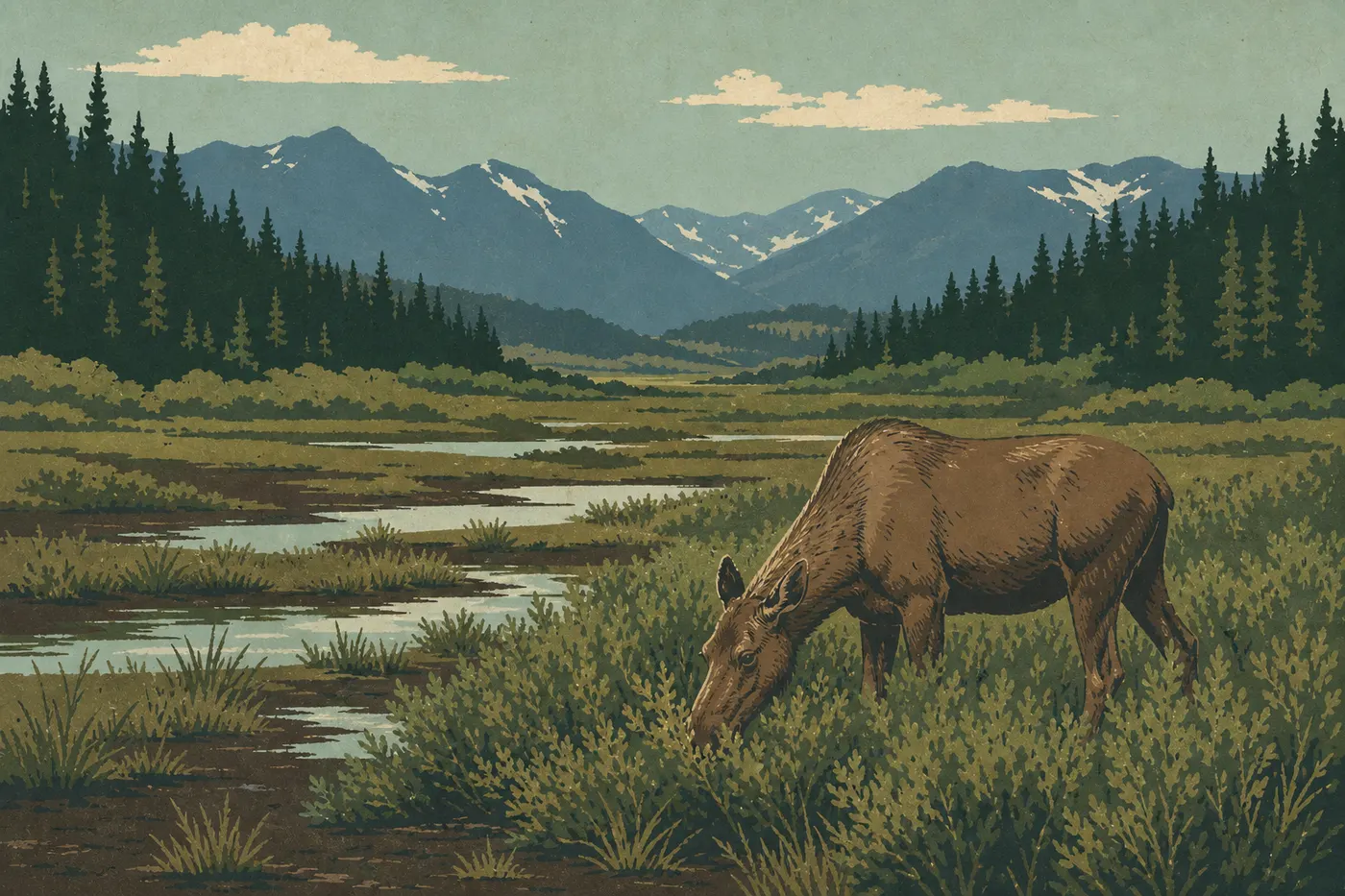
Moose are the largest members of the deer family in North America. An adult bull can weigh up to 1,200 pounds and stand nearly 6.5 feet at the shoulder. Moose arrived in the park more recently and in smaller numbers than elk, so sightings are less predictable.
Identification. Bulbous muzzle, a hanging flap of skin beneath the throat, and a very dark brown coat that can look almost black. Once you've seen a moose and an elk side by side, they're impossible to confuse.
Behavior. Moose are solitary and most active at dawn and dusk. They favor wetlands, willows, and alders along waterways.
Where and when. The park's west side, around Kawuneeche Valley and the headwaters of the Colorado River, is the best area. The prime window is early morning from May through September.
Black Bear
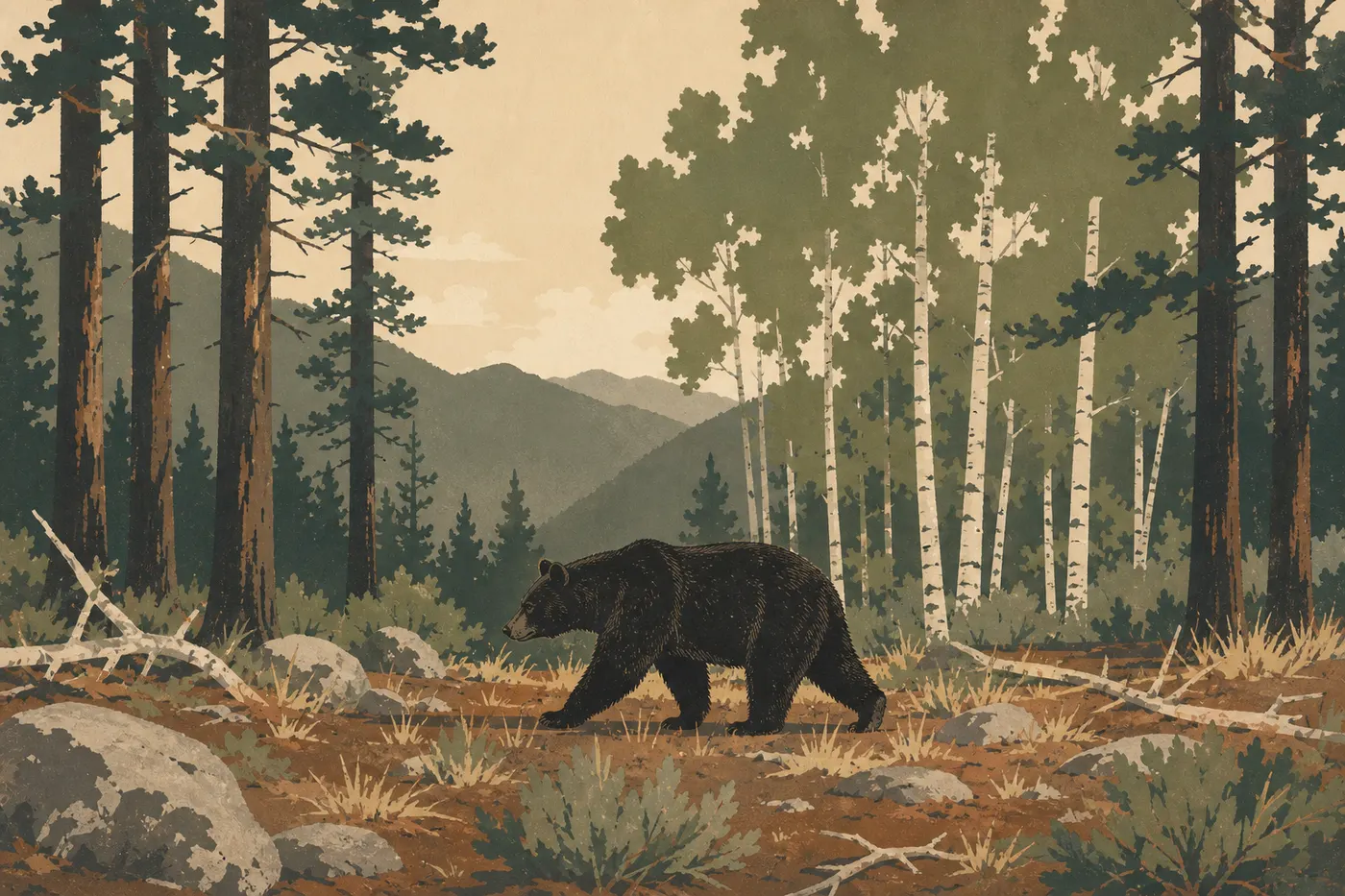
Rocky Mountain has an estimated population of several dozen black bears. Unlike its cousin the grizzly, the black bear lives in the vast majority of American national parks. Grizzlies, meanwhile, have been gone from Colorado since the early 20th century.
Identification (black bear vs. grizzly). Black bears have a straight facial profile, no pronounced hump between the shoulders, and none of the grizzly's concave facial profile. Color isn't enough to tell them apart. A black bear may be brown, cinnamon, or even blond.
Behavior. Black bears are opportunistic omnivores that eat berries, acorns, insects, and carrion. They're active from spring through fall and enter winter torpor from November through March or April. Very shy by nature, they generally avoid people if they hear them coming.
Where and when. Look along forest edges between 7,900 and 9,800 feet, especially on the park's east side. Sightings are unpredictable, but black bears are more visible in spring when they emerge from torpor hungry.
Pika
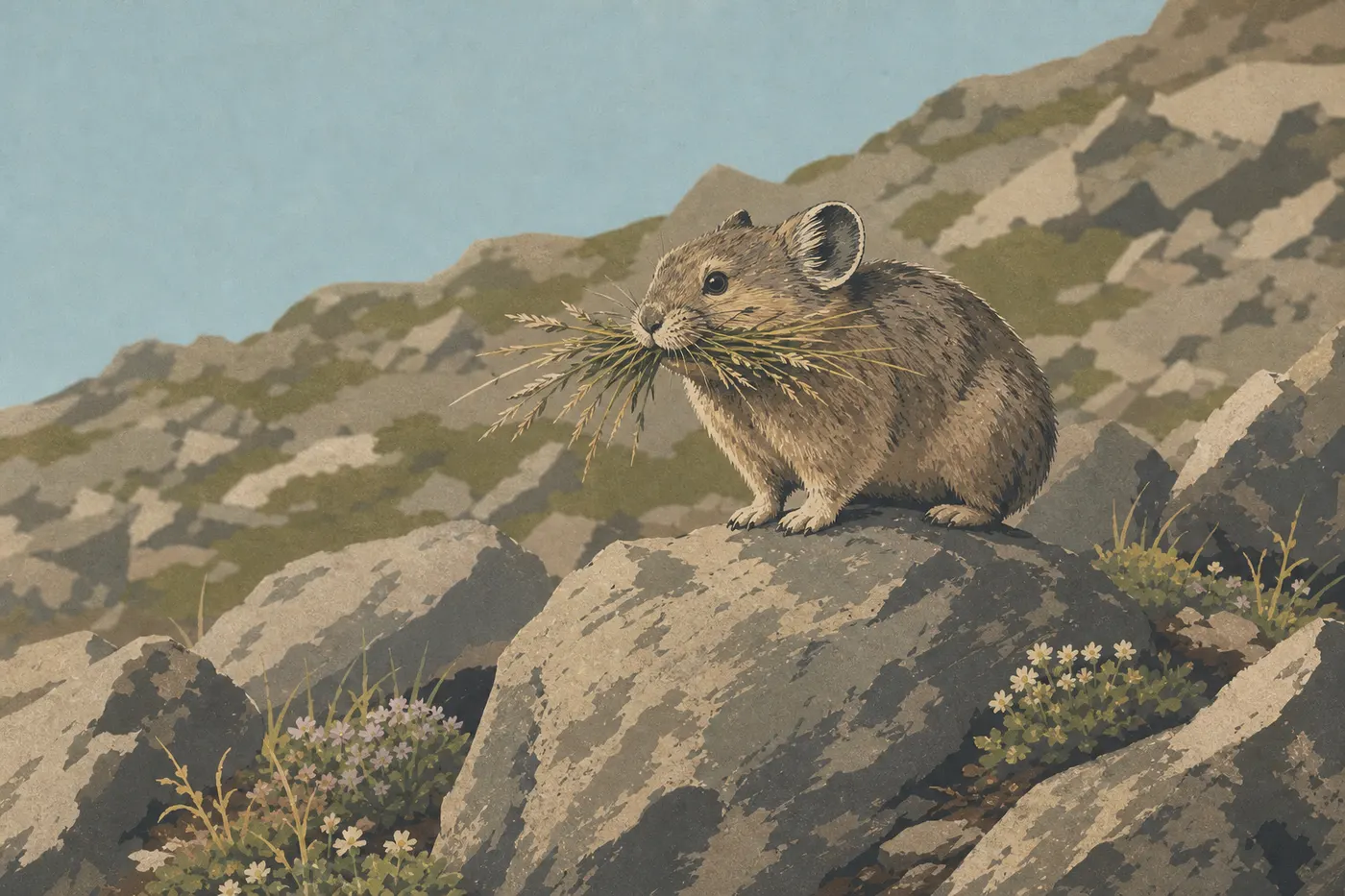
The pika is the park's smallest alpine mammal, and probably its most endearing. This rabbit relative, part of the lagomorph order, grows no longer than 8 inches, lives exclusively in talus above 9,800 feet, and gives off a short, high-pitched call that reveals its presence long before you see it.
Identification. Round ears, no visible tail, and gray-brown fur. Don't confuse it with the yellow-bellied marmot, which is much larger, can weigh up to 11 pounds, has yellowish fur, and often sits upright.
Behavior. Pikas don't hibernate. They spend the summer building stores of dried grass in rock crevices to last through the winter beneath the snow. They're especially sensitive to heat, making them an early indicator of climate change at high elevations.
Where and when. Rocky Ridge Trail, along Trail Ridge Road above 11,500 feet, and any wind-exposed alpine talus slope. Cool mornings in July and August are ideal.
Where to See Animals in the Park
The park revolves around a few wildlife-viewing areas where animals gather in high numbers.
Moraine Park. A broad open meadow on the east side, watered by the Big Thompson River. This is the go-to spot for elk year-round. In fall, the bulls' bugling during the rut is striking in the evening.
Horseshoe Park and Sheep Lakes. You get both elk in the meadow and bighorn sheep around Sheep Lakes. The area is often crowded in summer, so arrive before 8 a.m. to avoid the crowds and catch wildlife while it's still active.
Kawuneeche Valley (west side). The valley follows the Colorado River for its first few miles. It's the best area for moose, which you may see in the willow wetlands in the morning.
Trail Ridge Road. The highest paved road in the United States, reaching 12,183 feet, crosses the alpine tundra. Look for pikas in the talus, bighorn sheep on the ridges, and yellow-bellied marmots near the summit picnic areas. The season is short, from June through October depending on snowfall.
Alpine Visitor Center (Fall River Pass). An essential stop along Trail Ridge Road. Bighorn sheep regularly appear in the surrounding alpine meadows.
When to Watch Wildlife
Wildlife is present year-round, but viewing conditions vary widely by season.
Spring (April-May). Black bears emerge from torpor hungry and more visible. Elk return to the lower meadows. Snow may still keep Trail Ridge Road closed through May or June.
Summer (June-August). This is the best window for variety. Every species is active, Trail Ridge Road is open, and pikas are busy storing food. Wildlife concentrates in the early morning and evening to avoid the midday heat. Afternoon thunderstorms form quickly at high elevations, so plan alpine outings before 1 p.m.
Fall (September-October). Elk rut season is by far the most spectacular. Bulls bugle at daybreak in Moraine Park and Horseshoe Park. Golden aspen foliage adds a memorable backdrop.
Winter (November-March). Wildlife is more elusive, and Trail Ridge Road is closed. Elk gather in the lower valleys and remain visible. Bears sleep. For a detailed month-by-month conditions calendar, see the Rocky Mountain seasonal calendar.
Wildlife viewing is always more productive at dawn and dusk. Nocturnal animals such as coyotes, raccoons, and long-tailed weasels are harder to spot. An evening outing in Kawuneeche Valley with a red-beam headlamp can turn up surprises.
Predators and Large Animals in the Park
Mountain lions live throughout the park but are rarely seen. They're quiet and nocturnal, and mainly hunt mule deer. The population is estimated at around 20 animals. A direct encounter is extremely unusual. If you come face to face with one, make yourself look larger, speak firmly, and don't run.
Coyotes are much more common than mountain lions. You'll often see them along meadow edges, especially in Moraine Park, sometimes in broad daylight. They hunt rodents and rabbits, and may approach busy areas if visitors have fed them human food. Never feed a coyote.
Canada lynx are present only as tracks in the park's most remote areas. Sightings are exceptionally rare.
The park's largest animal is the moose, which can weigh more than 1,200 pounds. Don't underestimate its size or potential danger, especially when a cow has a calf.
Grizzlies are extinct in Colorado. Report any sighting rumor to the rangers, but in 99 percent of cases it's a cinnamon-colored black bear.
How to Watch Wildlife Safely
NPS rules are clear and apply to everyone, without exception.
Required minimum distances. Stay at least 100 feet from any bear, mountain lion, or moose. The minimum distance is also 100 feet for elk and bighorn sheep. If an animal changes its behavior when you approach, such as stopping its grazing, lifting its head, or moving away, you're too close. Back away immediately.
Never feed wildlife. An animal fed by people loses its natural fear and can become dangerous. The NPS may euthanize a conditioned animal if it poses a threat to visitors. That's the direct consequence of a stolen photo involving a piece of bread.
Stay on marked trails. Leaving the trails damages fragile alpine vegetation and stresses animals, especially during calving season in May and June.
If you encounter a black bear. Speak calmly, stay together, and make yourself look larger. Don't run. If the bear attacks, which is rare, fight back. Don't play dead, unlike the recommended response to a grizzly attack. Carry bear spray if you're hiking in remote areas.
Food storage. In camping areas, use the provided metal food lockers or approved bear-resistant canisters. Never leave food in a car. A bear can break a window in seconds.
The Rocky Mountain overview links to all the park's guides.
In Brief: Species Not to Miss and Where to Find Them
| Species | Best spot | Best time |
|---|---|---|
| Elk | Moraine Park, Horseshoe Park | Fall (rut), year-round |
| Rocky Mountain bighorn sheep | Sheep Lakes, Alpine Visitor Center | May-July (mineral licking), summer |
| Moose | Kawuneeche Valley | May-September, early morning |
| Black bear | East-side forest edges, 7,900-9,800 feet | Spring and fall |
| Pika | Trail Ridge Road talus slopes | July-August, cool mornings |
| Yellow-bellied marmot | Around Alpine Visitor Center | June-September |
| Coyote | Moraine Park, meadow edges | Year-round, dawn and dusk |
To plan outings around wildlife, our hiking guide lists the trails with the best chances of sightings.
Frequently Asked Questions
What animals can you find in Rocky Mountain National Park?
Rocky Mountain National Park is home to more than 60 mammal species. Elk, black bears, bighorn sheep, moose, mule deer, mountain lions, coyotes, yellow-bellied marmots, and pikas are the best-known representatives. The park also records 280 bird species, including golden eagles and Steller's jays.
Are there bears in Rocky Mountain National Park?
Yes. Rocky Mountain is home to a population of black bears. Grizzlies disappeared from Colorado in the early 20th century and are no longer found in the park. Black bears are generally shy, but the safety rules, including a minimum distance of 100 feet and proper food storage, apply without exception.
What animals can you find in Estes Park, the park's gateway town?
Wildlife from the park regularly spills into Estes Park. Elk cross the streets in fall during the rut, mule deer visit gardens, and coyotes move through the outskirts. Black bears occasionally turn up in town, too, and those sightings have been documented.
Are there wolves in Rocky Mountain National Park?
No. Gray wolves aren't established in Rocky Mountain National Park at this time. Packs have been reintroduced in Colorado since 2023, in areas farther northwest in the state, but no regular presence has been confirmed within the park. Reports from inside the park have so far turned out to be coyotes, which are smaller and often grayish.
What's the most common animal in the park?
Elk are the wild animals you're most likely to see. The herd numbers about 3,000 and spends the year in the park's open meadows on the east side.
What's the largest animal in the park?
Moose are Rocky Mountain's largest mammals, with adults weighing more than 1,100 pounds and standing nearly 6.5 feet at the shoulder. The west side, in Kawuneeche Valley, is the best place to see them.
What predators live in the park?
Mountain lions are the main large predator, present at low density and rarely seen. Coyotes are much more common. Canada lynx are only occasional. There are no grizzlies or established wolf population in the park.
What animals are out at night in Rocky Mountain?
Coyotes, raccoons, long-tailed weasels, and some rodents are active at night. Mountain lions mainly hunt at dusk and dawn. Black bears may also be active at night, especially in summer when they're building up food reserves.