
What to Do in Rocky Mountain: Top Sights and Activities
Rocky Mountain National Park packs some of Colorado's most spectacular scenery into one park: an alpine plateau rising above 12,000 feet, crossed by a road you can drive, vivid-blue glacial lakes, and thousands of elk that share the landscape with visitors without warning. Three highlights sum up the experience. Drive Trail Ridge Road to the alpine tundra. Walk the shores of Bear Lake at sunrise. Spend an evening along the edge of a meadow watching wildlife emerge from the woods.
Rocky Mountain at a Glance: Areas, Access, and Getting Around
The park covers about 415 square miles in northern Colorado, two hours from Denver. It has two sides connected by Trail Ridge Road (US-34), the only road that crosses the park from east to west, passing over the alpine tundra above 12,000 feet.
The east side (Beaver Meadows and Fall River entrances, on the Estes Park side) has most of the visitor centers, the majority of marked trails, and the bulk of the tourist traffic. Beaver Meadows Visitor Center, just past the main entrance, is the logical place to start when planning your day.
The west side (Grand Lake entrance) is wilder and quieter, with access to Kawuneeche Valley and the headwaters of the Colorado River. The atmosphere is fundamentally different: fewer people and a slower pace.
To get around inside the park, you've got two options. A car covers most points of interest, but parking lots in the Bear Lake area fill up by 8 a.m. in peak season. Free shuttles, available from spring through fall, serve Bear Lake Road and solve the problem efficiently. The free Rocky Mountain shuttles page covers all routes, schedules, and stops.
During peak season, generally from late May through mid-October, a timed entry reservation is required to access certain areas. Check conditions before you leave. Review the entry and access conditions and the park's practical information and regulations before setting out.
How Much Time Do You Need to Visit Rocky Mountain?
Two full days let you cover the highlights without rushing: one day on the east side (Bear Lake Road, Trail Ridge Road, Horseshoe Park), and one day on the west side (Kawuneeche Valley, Grand Lake). With three days, you can add a demanding hike and free time to watch wildlife at dusk.
Hikers targeting Longs Peak (14,255 feet) or several high-elevation trails can easily fill five to seven days. A single day is still possible if you choose just one area and start early. The 1-, 2-, or 3-day Rocky Mountain itineraries lay out all the options for different paces.
Top Sights by Area
The Bear Lake Road Area (East Side)
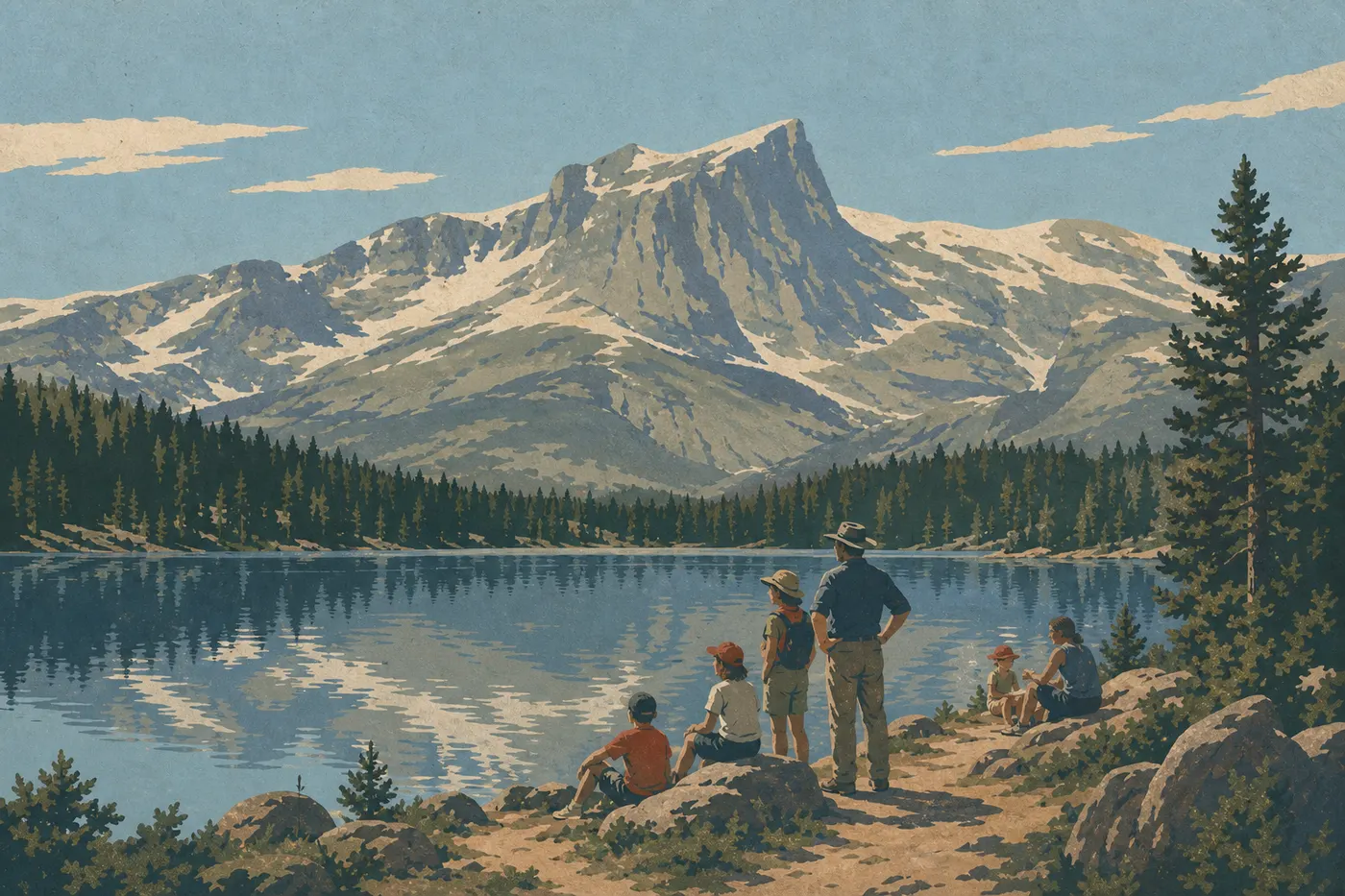
Bear Lake Road is the park's busiest corridor. It climbs from the Beaver Meadows entrance to several high-elevation glacial lakes, each accessible on foot from the shuttle stops.
Bear Lake (9,498 feet) is the iconic lake. A 0.9-mile loop around its shore is accessible to strollers and visitors with limited mobility, and mountain reflections keep photographers happy. You can walk the entire loop in under an hour.
Nymph Lake, Dream Lake, and Emerald Lake follow one another along the Emerald Lake Trail (3.5 miles round-trip, 600 feet of elevation gain). Nymph Lake is about a 20-minute walk from Bear Lake. Emerald Lake, surrounded by rocky cliffs, is worth the extra effort. It's often the first hike people do here, and often the most memorable.
Sprague Lake has a 0.8-mile loop on a flat, gravel-surfaced path with no elevation gain. It's an ideal option for families with young children. Beavers are regularly visible in the morning, and the nearby meadows draw elk late in the day.
Practical tip: arrive before 7:30 a.m. if you're driving your own car, or take the shuttle from the Estes Park Park & Ride. By 9 a.m., the lots are full and rangers turn cars away.
Trail Ridge Road and the Alpine Tundra
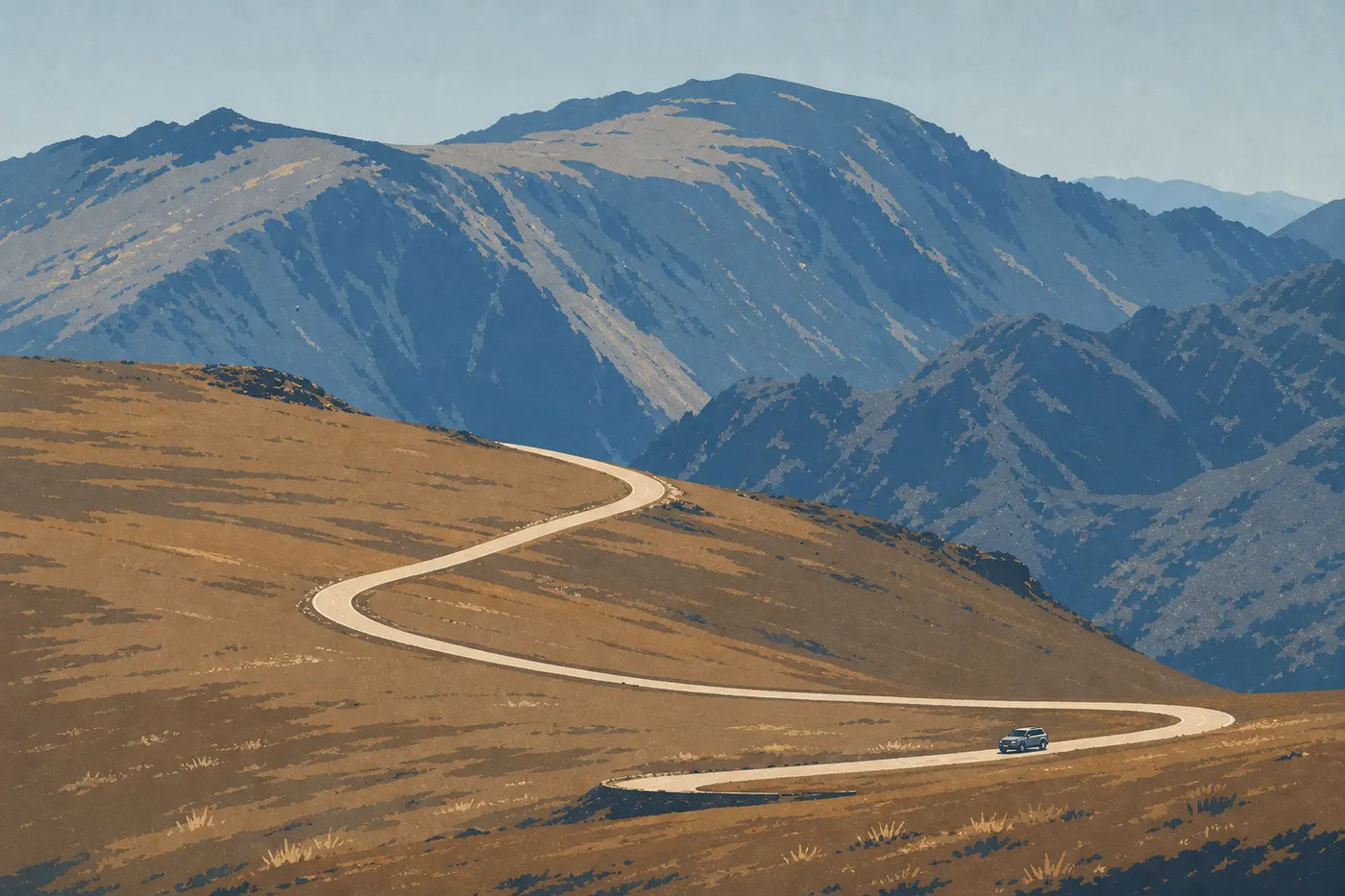
Trail Ridge Road climbs from 8,000 feet at the Beaver Meadows entrance to 12,182 feet while staying above tree line for about 25 miles. It's one of the highest paved roads in the United States, and a standard passenger car can drive it.
The Alpine Visitor Center (11,795 feet), at Fall River Pass, is the key stop along the crossing. A marked 550-yard walk starts in the parking lot and crosses the alpine tundra, explaining the fragile ecosystem at these elevations: mosses, lichens, and tiny wildflowers clinging between the rocks. I saw my first pikas from this parking lot without going far from the road. These round little mammals spend the winter above 10,000 feet and don't flee from visitors.
Take one safety point seriously: if you're coming directly from Denver (5,250 feet), the rapid climb can trigger altitude sickness. Stay hydrated, don't push yourself when you arrive, and head back down if dizziness or nausea sets in. Trail Ridge Road also closes without warning during severe thunderstorms, even in July.
The road is generally open from late May through mid-October, depending on snowfall.
Old Fall River Road (East Side, Horseshoe Park Area)
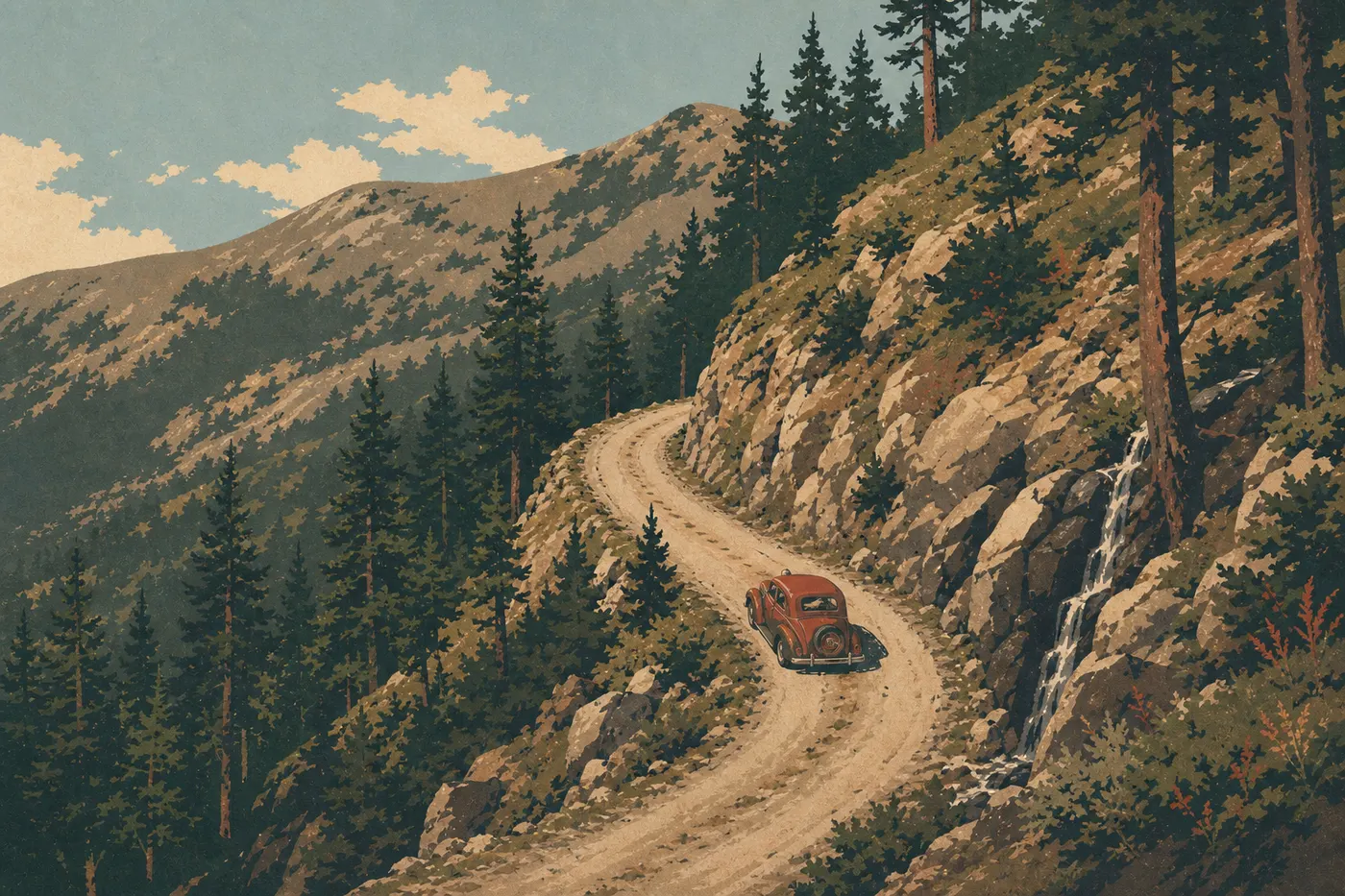
Old Fall River Road is the park's original road, opened in 1920. It's unpaved (packed gravel), one-way uphill from Horseshoe Park to Fall River Pass, and limited to vehicles shorter than 25 feet. In return, it offers an atmosphere Trail Ridge Road can't match: less traffic, stops in alpine meadows without a line of cars behind you, and open views of glacial valleys.
Horseshoe Park, at the start of Old Fall River Road, is one of the park's best wildlife-viewing spots. Elk and bighorn sheep frequent these meadows early in the morning and late in the afternoon. Sheep Lakes, in the same area, is a classic gathering place for bighorn sheep during the summer season. If you've only got an hour to look for wildlife, this is the place to go.
Kawuneeche Valley (West Side)
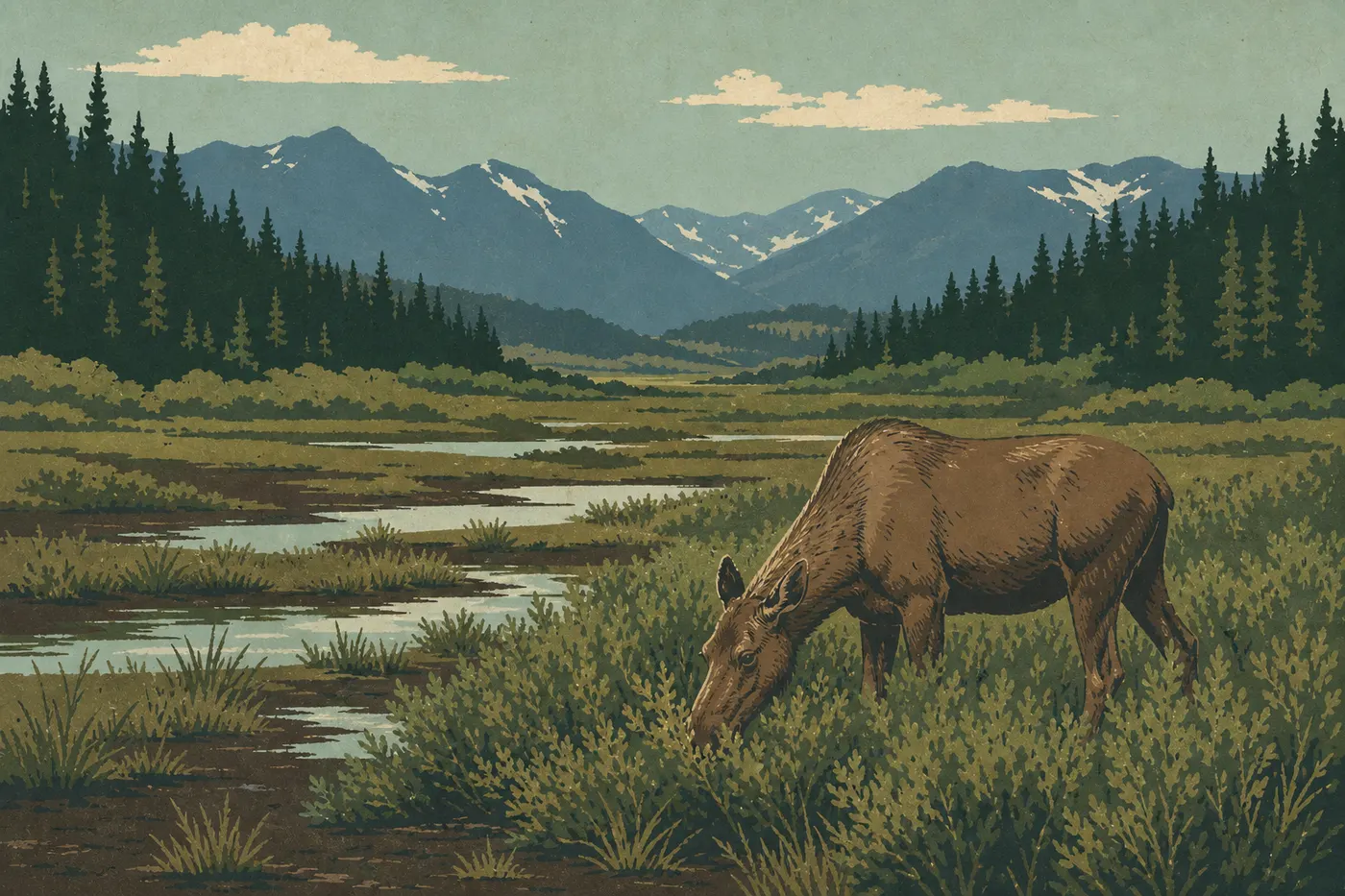
Kawuneeche Valley follows the headwaters of the Colorado River for about 12 miles, surrounded by spruce forests and wet meadows. It's prime moose habitat. The river bends, visible from the road, are a classic place to look for them.
The Colorado River Trail starts at Timber Creek Campground and follows the river along the valley floor for about 7 miles round-trip, with little significant elevation gain. Easy and family-friendly, it's ideal for a peaceful half-day on the west side. If you're camping on this side, Timber Creek Campground is the only campground inside the park near Grand Lake. The Grand Lake-area campgrounds and reservation information are covered in the dedicated section.
Longs Peak and the Southeast Area
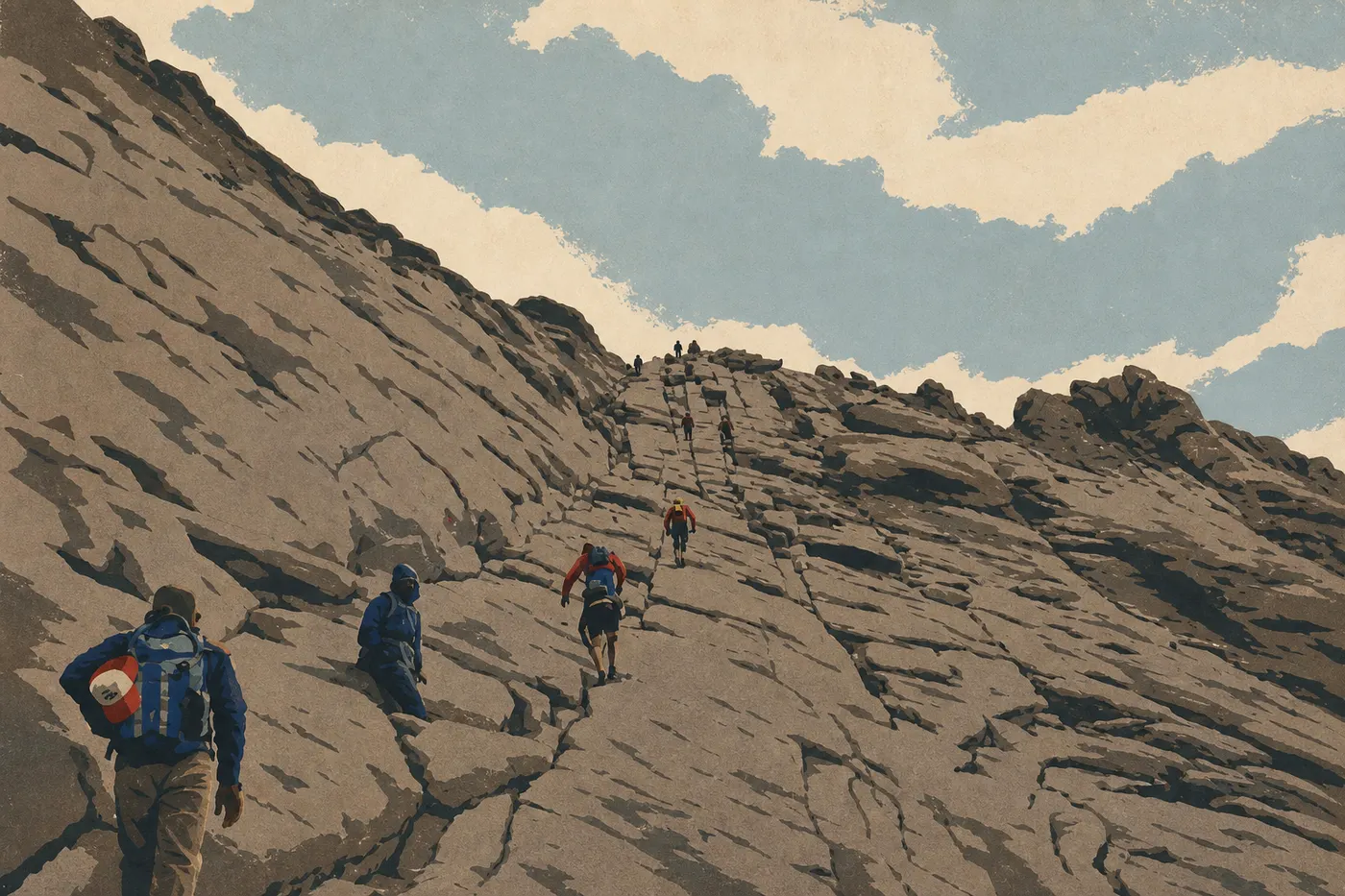
Longs Peak (14,255 feet) is the park's highest point. Its ascent via the Keyhole Route (13.7 miles round-trip, 4,920 feet of elevation gain) is the park's signature mountain experience, with a high level of difficulty: starting at 3 or 4 a.m. to avoid afternoon thunderstorms, moving across exposed terrain with scrambling over rock, and requiring the fitness of an experienced hiker. The Rocky Mountain hiking section covers the conditions and safety guidelines in detail.
If you're not aiming for the summit, the Chasm Lake Trail (about 8.7 miles round-trip, 2,360 feet of elevation gain) leads to an exceptional glacial cirque with a sweeping view of Longs Peak's east face. It's one of the park's great vistas for a moderate commitment.
Rocky Mountain's Best Hikes
The park offers more than 300 miles of marked trails across every difficulty level. Here are a few benchmarks to help you choose:
| Trail | Distance | Elevation Gain | Difficulty |
|---|---|---|---|
| Sprague Lake | 0.8-mile loop | None | Very easy |
| Emerald Lake | 3.5 miles round-trip | 600 feet | Easy |
| Colorado River Trail | About 7 miles round-trip | Low | Easy |
| Chasm Lake | About 8.7 miles round-trip | About 2,360 feet | Moderate/difficult |
| Sky Pond | About 8 miles round-trip | About 1,770 feet | Difficult |
| Flattop Mountain | About 8.7 miles round-trip | About 2,756 feet | Difficult |
| Keyhole Route (Longs Peak) | 13.7 miles round-trip | 4,920 feet | Very difficult |
Full descriptions, elevation profiles, and recommendations by fitness level are collected on our Hiking page.
Other Activities by Visitor Profile
Wildlife Viewing
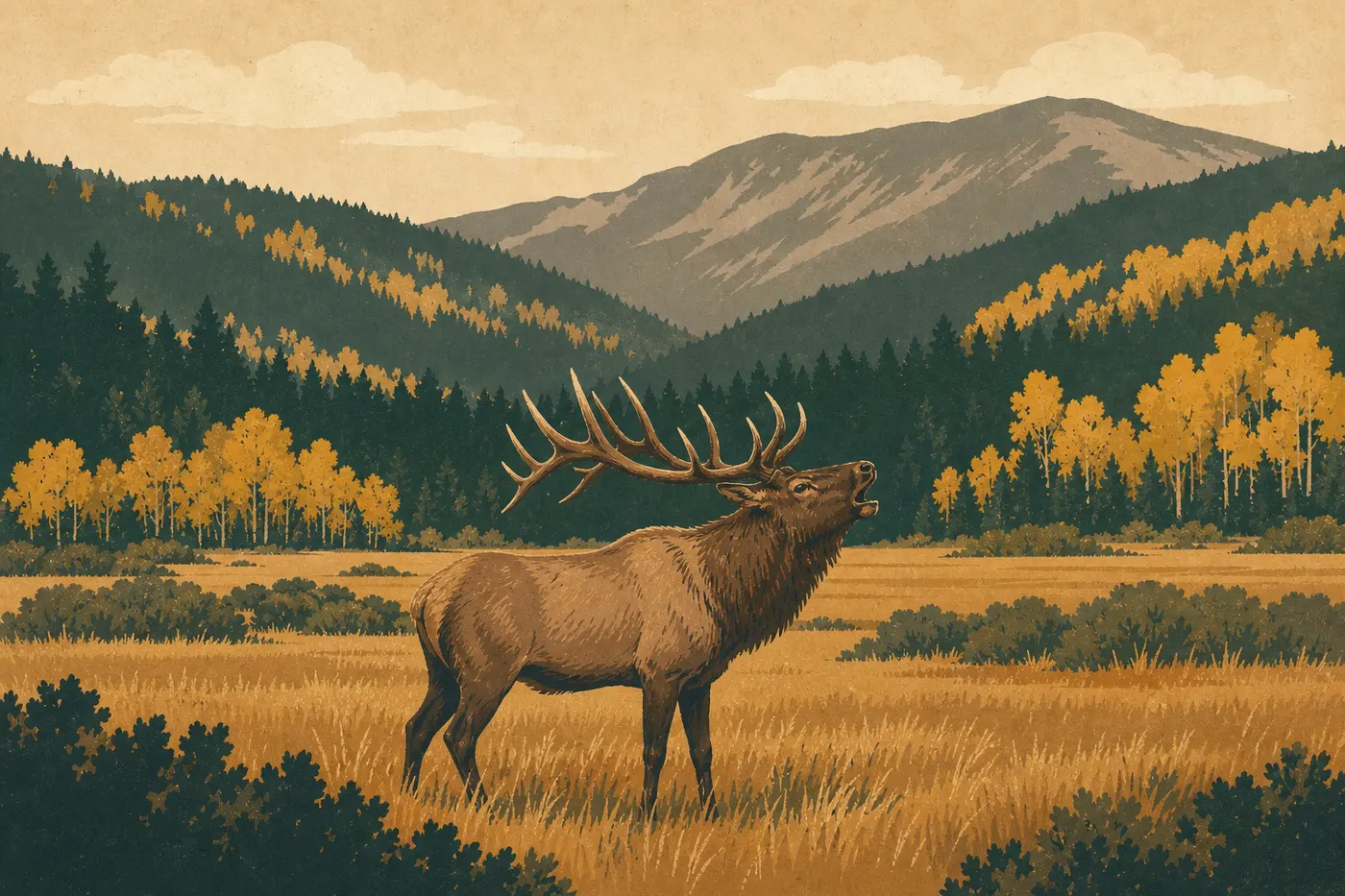
Rocky Mountain is one of the NPS parks where wildlife is easiest to see from the road or within a 30-minute walk. Here's what to look for:
Elk: present year-round in the meadows of Moraine Park, Horseshoe Park, and Kawuneeche Valley. In September and October, the rut turns the meadows into a sound show as bulls bugle at full volume and compete for females. It's unlike anything else in the national parks of the American West.
Moose: mostly on the west side, in Kawuneeche's wetlands. They're more elusive than elk, but their size, up to 6 feet at the shoulder, makes them hard to miss when one appears along the river bends.
Bighorn sheep: on the rocky slopes of Horseshoe Park, at Sheep Lakes, and along Old Fall River Road.
Mountain goats: above 11,500 feet, on the slopes of Longs Peak and along Trail Ridge Road.
Black bears: found throughout the park but elusive. Storing food in approved bear-resistant containers is required at campgrounds, and the rule applies to cars too. Don't leave food visible inside.
The required minimum distance is 100 feet from elk, deer, and bighorn sheep, and 300 feet from bears and mountain lions. Rangers issue citations. The best wildlife-viewing spots and ideal seasons for each species are detailed in the wildlife section.
Photography and Stargazing
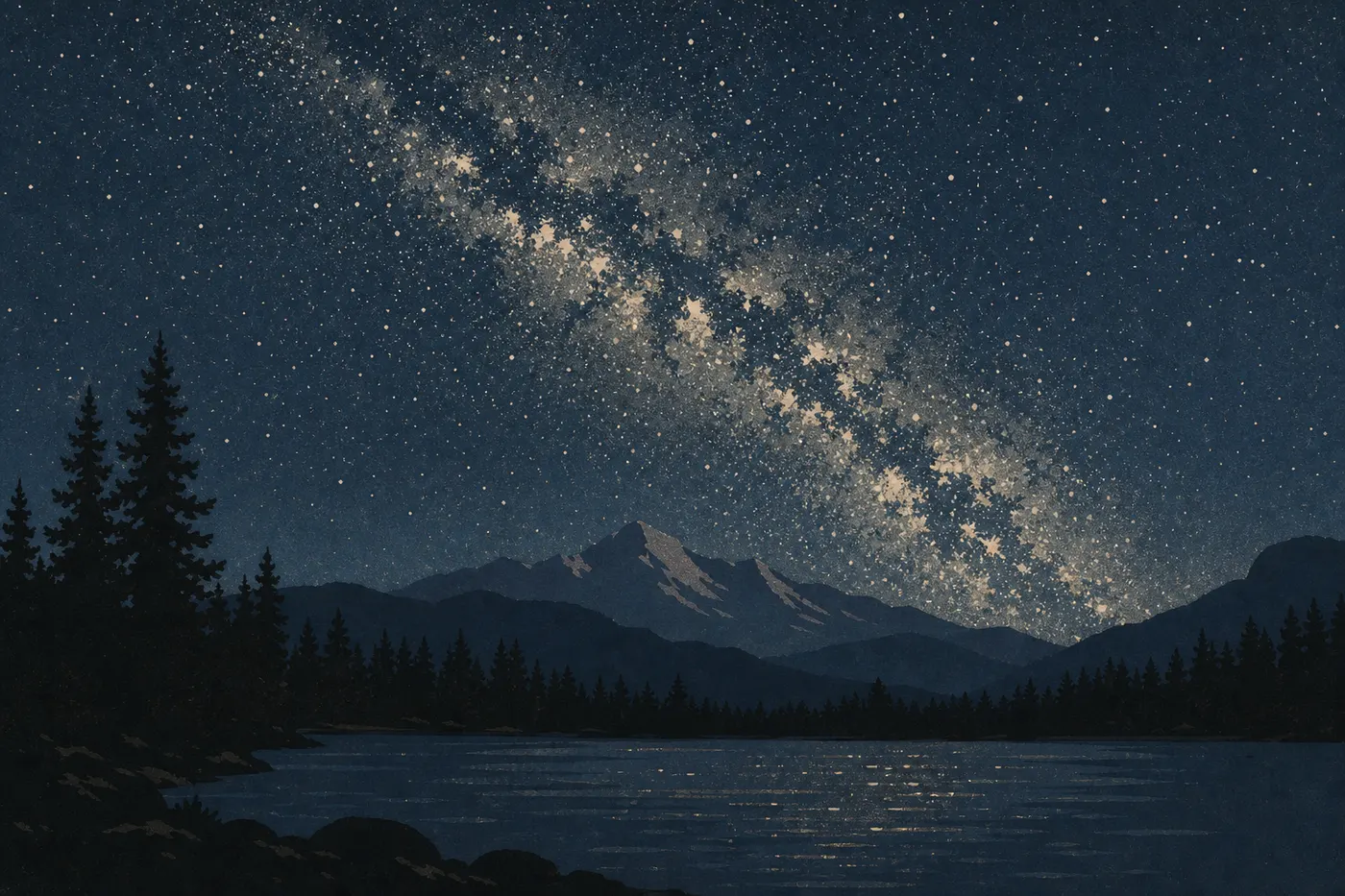
The west side, away from Estes Park's lights, offers high-quality starry nights. Rangers host summer stargazing programs at Kawuneeche Visitor Center. Check the schedule there or when you make your reservation. For landscape photography, the lakes along Bear Lake Road at sunrise, between 6 and 8 a.m. depending on the season, offer reflections and light that are hard to beat.
Winter Activities
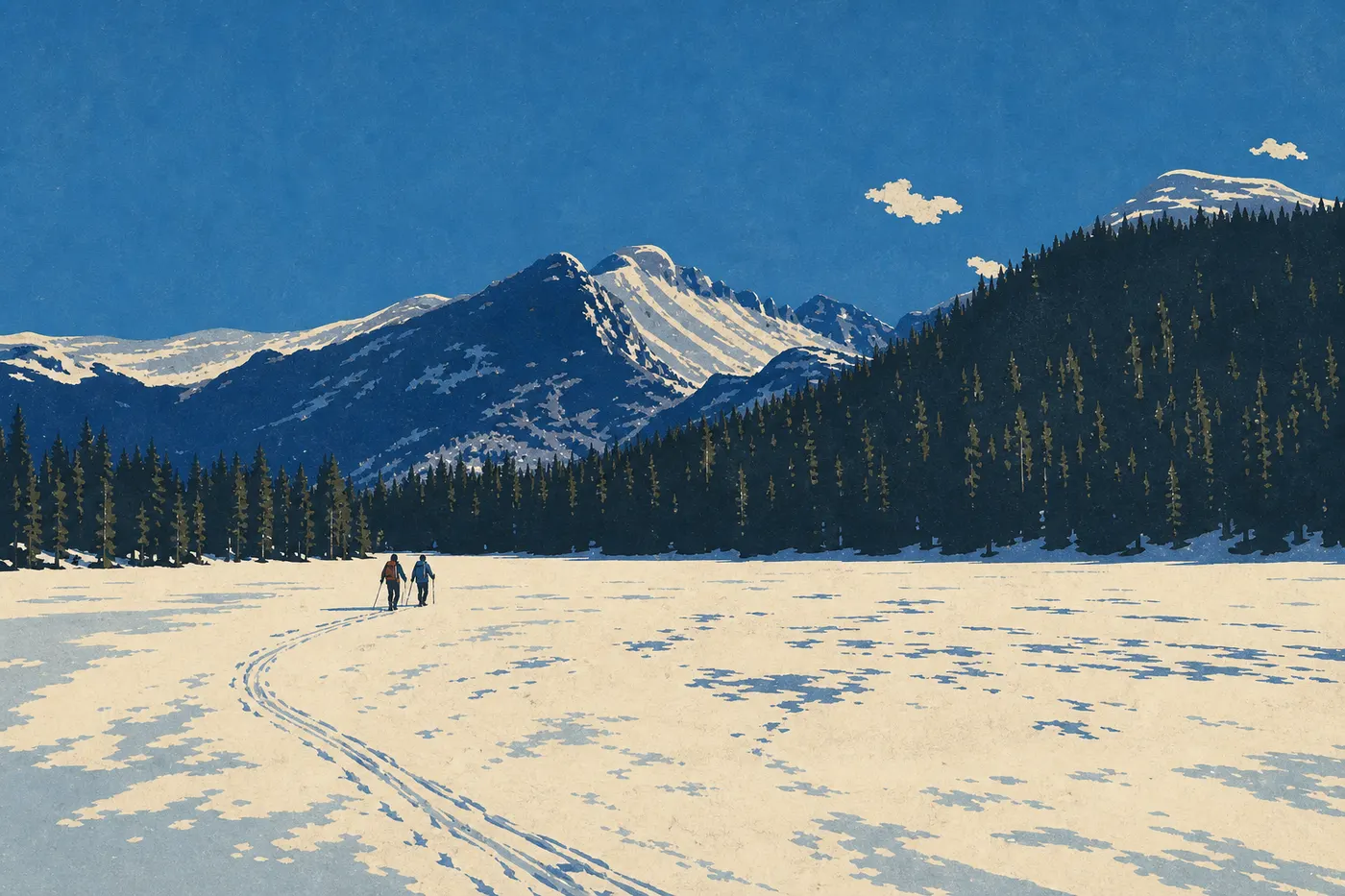
The park is open 365 days a year. Trail Ridge Road closes between October and May, with the exact date varying by snowfall, but both sides remain accessible through their respective entrances. Winter transforms the park: snowshoeing on the snowy trails along Bear Lake Road, cross-country skiing in Kawuneeche Valley, and one-fifth the usual visitation. Colorado locals know this secret well. Our When to Visit page compares all four seasons in detail.
Visiting with Kids
The NPS Junior Ranger program lets children earn an official badge by completing an observation activity booklet, available free at any visitor center. The Sprague Lake loop (0.8 miles, no elevation gain) and the meadows of Moraine Park work well for children under 8. Our Family page offers detailed recommendations by age group, with suitable trails and rainy-day alternatives.
Biking
Bikes are allowed on all roads open to traffic and prohibited on hiking trails. Trail Ridge Road attracts experienced road cyclists with its long climb, heavy summer traffic, and fierce winds at the summit. Shorter sections, such as Bear Lake Road early in the morning before the shuttles arrive, are better suited to casual riders.
What to Do Around Rocky Mountain
Estes Park (East Side)
Estes Park is the main gateway town on the east side. Restaurants, shops, guided activities such as fly-fishing, horseback riding, and via ferrata, along with lodging, are concentrated here. The Stanley Hotel, built in 1909, inspired Stephen King when he wrote The Shining. You can visit during the day and take a guided tour, with or without a paranormal angle depending on your taste. Our Where to Stay page and Hotels & Lodges page list lodging options in Estes Park and the surrounding area.
Grand Lake (West Side)
Grand Lake is a quiet lakeside town at the park's west entrance, much less busy than Estes Park. Grand Lake is Colorado's largest natural lake. Nearby Shadow Mountain Lake is easy to explore by kayak, with rentals available locally. If you can choose your home base, staying here for the west side makes logistics easier, and the atmosphere is much quieter. Our Where to Eat page lists the best restaurants on both sides of the park.
Denver and a Colorado Road Trip
Denver is two hours to the southeast. If you're stringing together several destinations in the Rockies, Rocky Mountain fits naturally into a Colorado road trip that includes Mesa Verde, Great Sand Dunes, or Black Canyon of the Gunnison. You'll find route ideas in the Road Trips and Regions sections.
The Essentials: What to See First in Rocky Mountain
Three pillars make up a successful first visit. Trail Ridge Road: drive at least as far as Alpine Visitor Center, preferably early in the morning to avoid afternoon thunderstorms and crowded high-elevation parking lots. Bear Lake Road: spend half a day at the glacial lakes and leave before 8 a.m. if you're driving. Wildlife at dusk: plan to spend an hour or two in Moraine Park or Horseshoe Park around 6 or 7 p.m. in summer.
Is Rocky Mountain worth it? For anyone who loves the mountains, yes. A road that any car can drive to 12,182 feet, abundant wildlife visible without special equipment, and more than 300 miles of trails for every ability level make it a versatile park for families and serious hikers alike. Two well-planned days are enough to leave feeling fully satisfied. For the big-picture planning overview, our complete Rocky Mountain guide is the place to start.
Frequently Asked Questions
What is there to do in Rocky Mountain National Park?
Rocky Mountain National Park offers high-elevation scenic drives, including Trail Ridge Road up to 12,182 feet; hikes for every level starting from Bear Lake; wildlife viewing accessible from the road, including elk, bighorn sheep, mountain goats, and moose; and winter activities such as snowshoeing and cross-country skiing. Plan your visit around two sides: east (Estes Park, Bear Lake) and west (Grand Lake, Kawuneeche Valley).
What shouldn't you miss in Rocky Mountain National Park?
The four highlights are Trail Ridge Road, the Bear Lake Road area with its glacial lakes, Horseshoe Park for meadow wildlife, and Old Fall River Road, a more intimate historic gravel road. For hikers, Sky Pond Trail and Chasm Lake Trail belong on the list too.
What activities can you enjoy in Rocky Mountain?
Inside the park, you can hike more than 300 miles of trails, take scenic drives, watch wildlife, photograph the landscape, bike on paved roads, and snowshoe or cross-country ski in winter. Outside the park, Estes Park offers horseback riding, fly-fishing, and visits to the Stanley Hotel, while Grand Lake offers kayaking and a natural lake.
How many days do you need to visit Rocky Mountain National Park?
Two full days are enough to cover both sides and the highlights. Plan on three to five days for serious hiking, or a week if you want to include the Longs Peak ascent. Our Itinerary & Length page offers detailed plans based on your priorities.
Is Rocky Mountain National Park worth it?
Yes. A road you can drive to 12,182 feet, abundant wildlife visible without special equipment, and more than 300 miles of trails make it one of the most complete U.S. national parks, accessible to every type of visitor.