
Getting Around Rocky Mountain National Park: Access, Entrances, Shuttles, and Parking
Rocky Mountain National Park is primarily a driving park. Paved roads serve both sides of the park, east and west. In summer, though, the busiest corridors require you to leave your car at a Park & Ride and take a shuttle, or you may spend hours circling full parking lots before 9 a.m.
If you're looking for directions to Rocky Mountain National Park and want to choose the right entrance for where you're coming from, you'll find everything in the Rocky Mountain access guide. For entrance fees and annual passes, the National Parks fees and passes page explains the basics.
Getting Around the Park
By Car
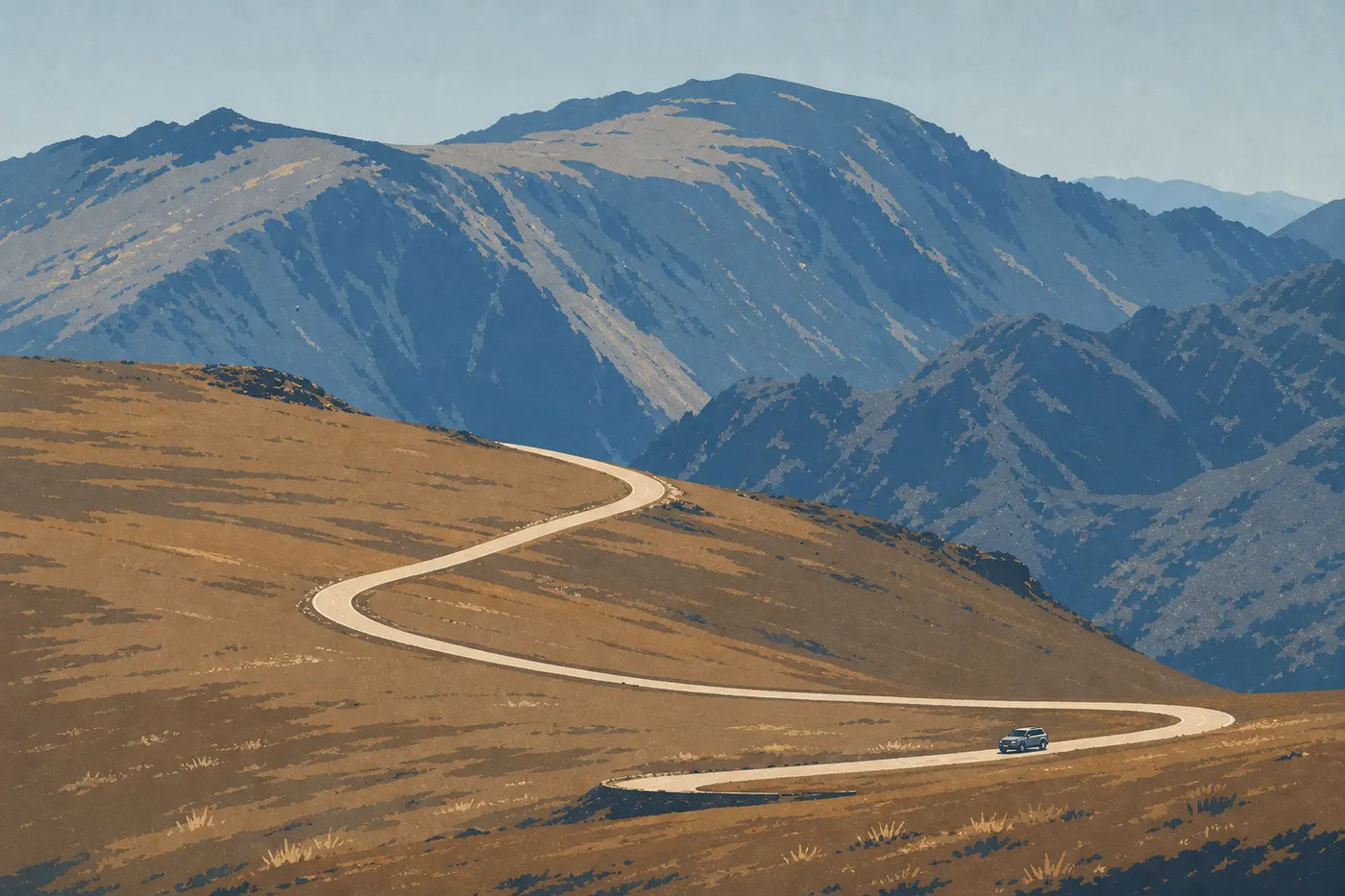
Driving is still the main way to get around Rocky Mountain National Park. The signature road is Trail Ridge Road (U.S. 34). It connects Estes Park and Grand Lake across the Continental Divide for about 48 miles, reaching more than 12,200 feet above sea level. That makes it one of the highest paved roads in the United States. The speed limit inside the park is generally 25 mph on mountain roads. Follow it. The hairpin turns are tight, and wildlife can cross without warning.
Trail Ridge Road closes every winter, generally from mid-October through late May, depending on snowfall. The rest of the main road network stays open year-round, weather permitting.
Timed entry reservations: since 2020, the park has required timed entry reservations during the peak season, from late May through mid-October, during certain hours. Conditions change every year, so check nps.gov/romo before you leave.
By Shuttle
The park runs a free summer shuttle system, which is essential in the Bear Lake Road corridor. The Glacier Basin Park & Ride is the main departure point. Leave your car there and take a shuttle to Bear Lake and the surrounding trailheads.
Shuttles generally run from 7 a.m. to 8 p.m. during peak season. In July and August, the Bear Lake parking lot fills before 9 a.m. on weekends, often by 7:30 a.m. The shuttle isn't a convenience; it's the only realistic option.
The park also operates a connection from the Estes Park Visitor Center. It's useful if you're staying in town and arriving without a car.
By Bike
Bikes are allowed on all roads open to traffic. There are no separate bike lanes. Trail Ridge Road attracts a few experienced cyclists every summer, but the elevation at the summit, more than 12,100 feet, and the grade make this a demanding ride. Mountain bikes are allowed on some off-road trails. Ask a ranger at the entrance for details.
Where to Park in Rocky Mountain National Park
Parking is included with the vehicle entrance fee. The main parking areas are spread around the park's most visited areas.
- Bear Lake: the park's most sought-after parking lot. It fills before 10 a.m. in summer, often before 9 a.m. on weekends. Recommended option: Glacier Basin Park & Ride and the free shuttle.
- Glacier Basin: the large Park & Ride for the east corridor. Leave your car here when Bear Lake is full.
- Along Trail Ridge Road: occasional pullouts let you stop at overlooks such as Rainbow Curve and Forest Canyon Overlook. Roadside parking is limited.
- West side (Grand Lake): much less crowded. Parking areas around the Kawuneeche Valley Visitor Center rarely fill up, except on July weekends.
The golden rule is to arrive before 8 a.m. in summer or take the shuttle. That's not an exaggeration.
Distances and Drive Times Between Areas
Rocky Mountain National Park is compact compared with Yellowstone, but the terrain makes drives much longer than the distances suggest.
- Estes Park to Bear Lake: about 9.3 miles, 25 minutes by car.
- Beaver Meadows to Many Parks Curve on Trail Ridge Road: about 20 minutes.
- Full east-to-west crossing, from Estes Park to Grand Lake via Trail Ridge Road: 48 miles, taking 1.5 to 2 hours depending on stops and seasonal traffic.
To plan your days and decide which areas to visit first, the Rocky Mountain itinerary guide gives you a practical route plan.
Special Cases: RVs, Vans, Accessibility, and Pets
RVs and camper vans: vehicle-size restrictions apply on some sections and in several trailhead parking lots. In practice, RVs under 25 feet can travel the main roads without difficulty. For larger vehicles, check the limits at nps.gov/romo before taking narrow secondary roads. The Rocky Mountain RV camping guide covers suitable sites and reservations.
Accessibility: reserved spaces are available in all major parking areas. Several short trails near Bear Lake and the main visitor centers are accessible. The Interagency Access Pass provides free admission to people with a disability recognized by the U.S. federal government.
Pets: dogs are allowed in the park on a leash no longer than 6 feet, but only on paved roads, in parking lots, and at campgrounds. They're not allowed on hiking trails or in wilderness areas. Never leave a pet alone in a vehicle parked in direct sun. Even at high elevation, the interior heats up quickly.
Practical Information for Getting Around: Fuel, Cell Service, and Apps
Fuel: there are no gas stations inside the park. Fill up in Estes Park before entering from the east, or in Grand Lake on the west side. Don't rely on your reserve tank.
Cell service: coverage is partial and unreliable. Areas near the entrances and Estes Park generally have service, but Trail Ridge Road and wooded areas are often out of range. Download an offline map of the park through the NPS app before you enter.
Weather on the road: at elevations ranging from 7,800 feet to more than 14,000 feet, a thunderstorm can form in less than an hour in the afternoon. Check the local forecast at weather.gov/bou/rmnp that morning before you leave. The Rocky Mountain weather guide explains the park's seasonal climate.
Frequently Asked Questions
Is there parking at Rocky Mountain National Park?
Yes. The park has several free parking areas, included with the entrance fee. The main ones are at Bear Lake, Glacier Basin, near each entrance, and along Trail Ridge Road. In summer, parking in the Bear Lake Road corridor fills before 10 a.m. Plan to take the free shuttle from Glacier Basin or arrive before 8 a.m.
Can you drive all the way around the park?
Yes. You can cross the park from east to west via Trail Ridge Road (U.S. 34), which is open from late May through mid-October depending on snowfall. This 48-mile road connects Estes Park and Grand Lake, with several high-elevation overlooks above 12,100 feet.
Where can you park near Bear Lake?
The Bear Lake parking lot fills very early in the morning in July and August. The solution is Glacier Basin Park & Ride on Bear Lake Road, where free shuttles leave for Bear Lake and the area's trailheads.
Which entrance is best for Rocky Mountain National Park?
For most visitors, Beaver Meadows Entrance (U.S. 36) is the main gateway. It's well marked and provides direct access to Bear Lake Road and Trail Ridge Road. Fall River Entrance (U.S. 34) works well if you're coming from the north. Grand Lake Entrance serves only the west side.
Is there cell service in Rocky Mountain National Park?
Cell service is patchy in Rocky Mountain National Park. Areas near the entrances and Estes Park generally have coverage, but Trail Ridge Road and wooded areas are often out of range. Download your maps and information ahead of time, and don't rely on online GPS inside the park.