
When to Visit Rocky Mountain: Best Time, Weather, and Seasons
Rocky Mountain National Park stretches across Colorado at dramatic elevations: the park floor starts at 7,900 feet and the peaks rise above 14,100 feet. That topography shapes everything. Weather can change within hours, roads open and close with the snow, and wildlife follows its own calendar. Choosing the right time means choosing which version of the park you want to experience.
The best time to visit Rocky Mountain is September, when the aspens turn gold, elk rut in the valley meadows, and the summer crowds thin out. In short, the ideal window runs from mid-June to mid-September if you want access to Trail Ridge Road and the alpine tundra. September is still our favorite month: golden leaves, elk bugling at sunrise, and summer crowds gone. The rest of the year remains accessible, but you'll need to adjust your plans. Winter brings heavy snow, while spring means partially closed roads.
Climate Month by Month
The park has two defining traits: extreme elevation and a continental climate. The result is a wide daily temperature range and afternoon thunderstorms that are almost a daily occurrence in July and August.
| Month | High (°F) | Low (°F) | Precipitation (mm) | Snow |
|---|---|---|---|---|
| January | 28 | 7 | 25 | Heavy |
| February | 30 | 9 | 22 | Heavy |
| March | 39 | 16 | 38 | Possible |
| April | 48 | 23 | 45 | Possible |
| May | 57 | 30 | 55 | Late |
| June | 66 | 39 | 52 | Rare |
| July | 73 | 46 | 48 | None |
| August | 72 | 45 | 50 | None |
| September | 64 | 37 | 38 | Rare |
| October | 52 | 27 | 32 | Possible |
| November | 37 | 16 | 28 | Regular |
| December | 30 | 9 | 24 | Heavy |
These figures apply to the east entrance area around Estes Park, at roughly 7,900 feet. At 12,100 feet on Trail Ridge Road, subtract about 18°F year-round. For real-time forecasts and detailed monthly observations, check the Rocky Mountain weather page.
Rocky Mountain in January
January is the park's most wintry month. At lower elevations, temperatures range from 7°F at night to 28°F during the day, with heavy snow and Trail Ridge Road closed until spring. Bear Lake Road gets priority for snow removal and remains passable. Elk, concentrated in the lower valleys, are easy to spot from the road at Horseshoe Park Meadow or along U.S. Highway 34 on the Estes Park side. Crowds are very light, and lodging in Estes Park is at its lowest prices of the year.
Rocky Mountain in February
February feels much like January, although frequent sunshine makes snowshoe outings enjoyable. Daytime temperatures climb slightly, averaging 30°F at lower elevations, but nights remain bitterly cold at around 9°F. Elk are still visible in the low country early in the morning. Trail Ridge Road is closed, while Bear Lake and Glacier Gorge remain the main destinations. Visitor numbers are very low.
Rocky Mountain in March
March can still bring the season's last major snowstorms, with precipitation around 1.4 inches. Daytime temperatures at lower elevations rise just above freezing, averaging 37°F, but nights remain bitterly cold at around 12°F. Trail Ridge Road is still closed. Signs of spring begin to appear in the low meadows late in the month, but cold snaps are common.
Rocky Mountain in April
April is the park's most unpredictable month. A springlike 48°F day can be followed by a snowstorm the next day. Snowmelt begins at lower elevations, but high-elevation trails are still snowy and muddy. Trail Ridge Road isn't open yet. Beavers become active again in wetland areas, and the first flowers appear in the low meadows.
Rocky Mountain in May
In May, snowmelt accelerates and streams swell with runoff. Trail Ridge Road usually opens toward the end of the month, depending on how much snow fell over the winter. Lower-elevation trails such as Lily Lake and Gem Lake are passable, while high-elevation routes often remain snowy or muddy. Memorial Day weekend marks the start of peak season and already brings heavy visitation. Timed entry takes effect around this time.
Rocky Mountain in June
June is the first truly summery month. Trail Ridge Road is open, and afternoon thunderstorms begin to build, showing up roughly two days out of three. Days are pleasant at 66°F, with cool evenings. Alpine trails gradually clear of snow. Visitation is high and climbing. Timed entry is in effect, so reserve your slot on Recreation.gov several weeks ahead.
Rocky Mountain in July
July is the park's busiest month. Bear Lake Road parking lots fill before 9 a.m., thunderstorms are nearly daily at higher elevations between 1 and 4 p.m., and timed entry is required. Plan hikes so you're back below treeline by noon. Lower elevations feel summery at 73°F, but the alpine tundra is cool, so bring a jacket even in midsummer. The shuttle from Estes Park is essential.
Rocky Mountain in August
August extends July's pattern: peak crowds, persistent afternoon thunderstorms, and an open Trail Ridge Road. Lower elevations remain moderately warm at 72°F. Book lodging and campsites several months ahead. Campgrounds inside the park fill quickly. Arriving before 8 a.m. or after 4 p.m. is still the best way to find a parking spot.
Rocky Mountain in September
September is our top recommendation. From the beginning of the month, elk begin their rut. Bulls bugle at dawn and dusk in the meadows of Horseshoe Park and Hollowell Park. Aspens start turning gold around mid-September. Visitation drops noticeably after Labor Day, and Trail Ridge Road generally stays open until mid-October. Temperatures are ideal: 63°F to 64°F during the day, with cool nights around 36°F to 37°F.
Rocky Mountain in October
October still brings beautiful clear days, around 50°F to 52°F, with fall colors lingering early in the month. The first lasting snow arrives at higher elevations, and Trail Ridge Road closes after the first significant snowfall, often between early and mid-October. Crowds are light, and lodging prices drop sharply. It's an excellent choice if you want peace and quiet and can live with uncertainty about the main road's opening.
Rocky Mountain in November
Winter settles in during November. Temperatures range from around 10°F at night to 36°F during the day, snow is regular, and Trail Ridge Road is closed. Bear Lake Road remains accessible and provides access to snowshoe trails. Crowds are very light. The park takes on a quiet character that appeals to visitors seeking solitude and winter photography.
Rocky Mountain in December
December is the quietest month of the year, with regular snow and temperatures ranging from 3°F at night to 28°F during the day. Trail Ridge Road stays closed until spring. Bear Lake and Glacier Gorge remain accessible by snowshoe or cross-country ski. Elk can be seen from the road in the valleys. The park is certified as an International Dark Sky Park, and the long winter nights offer exceptional stargazing.
Rocky Mountain Season by Season
Winter (December to March)
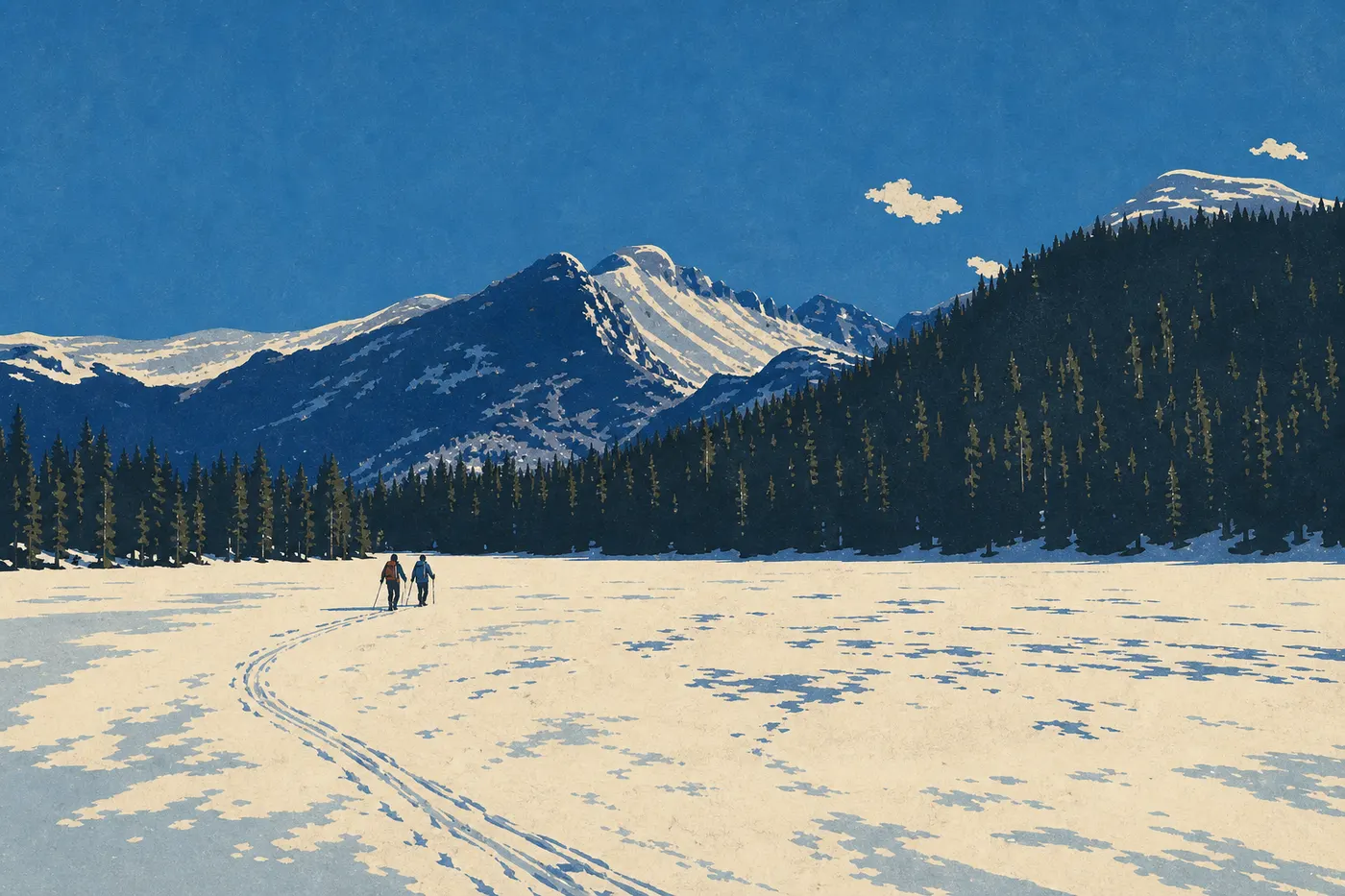
The park stays open 365 days a year, but Trail Ridge Road closes after the first major snowfalls, usually in October or November, and doesn't reopen until late May. Bear Lake Road, on the other hand, gets priority for snow removal and remains passable for almost the entire season.
Weather: Temperatures range from 7°F at night to 32°F during the day at lower elevations. Gusty winds are common above 9,800 feet. Snow can fall in any month, but the deepest accumulation usually comes between January and March.
Wildlife: Winter concentrates elk in the lower valleys, especially at Horseshoe Park Meadow and along U.S. Highway 34 on the Estes Park side. This is when they're easiest to spot from the road, provided you arrive early in the morning.
Things to do: Snowshoeing on marked trails such as Bear Lake and Glacier Gorge, cross-country skiing, and wildlife photography.
Crowds: Light. Parking lots are empty, and Estes Park lodges offer their lowest prices.
Spring (April to May)
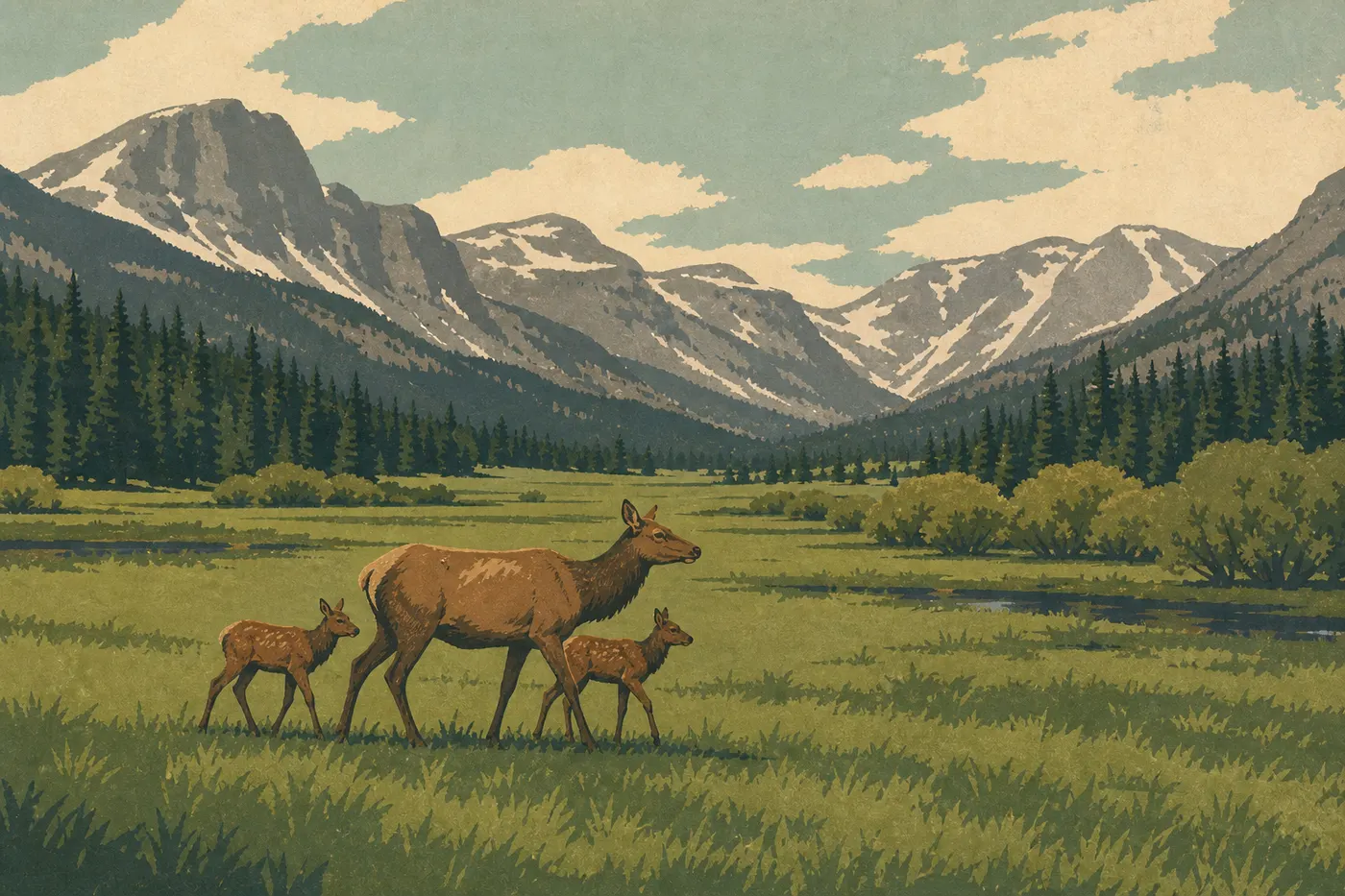
Snow melts at higher elevations, but conditions remain unpredictable. A May blizzard is nothing unusual. Trail Ridge Road usually opens toward the end of May, depending on conditions. Streams swell with snowmelt, and vegetation starts growing again at lower elevations.
Weather: Mild days, from 50°F to 57°F, but cold mornings from 23°F to 32°F. Snow showers remain possible above 9,800 feet as late as June.
Wildlife: Moose can be spotted in marshy areas in Kawuneeche Valley, on the park's west side. Elk begin moving back toward the alpine meadows.
Things to do: Lower-elevation hikes such as Gem Lake and Lily Lake, watching active beavers, and fly-fishing once the streams settle down.
Crowds: Moderate and increasing toward May. Memorial Day weekend marks the start of peak season. Crowds arrive, sometimes before Trail Ridge Road is passable.
Summer (June to August)
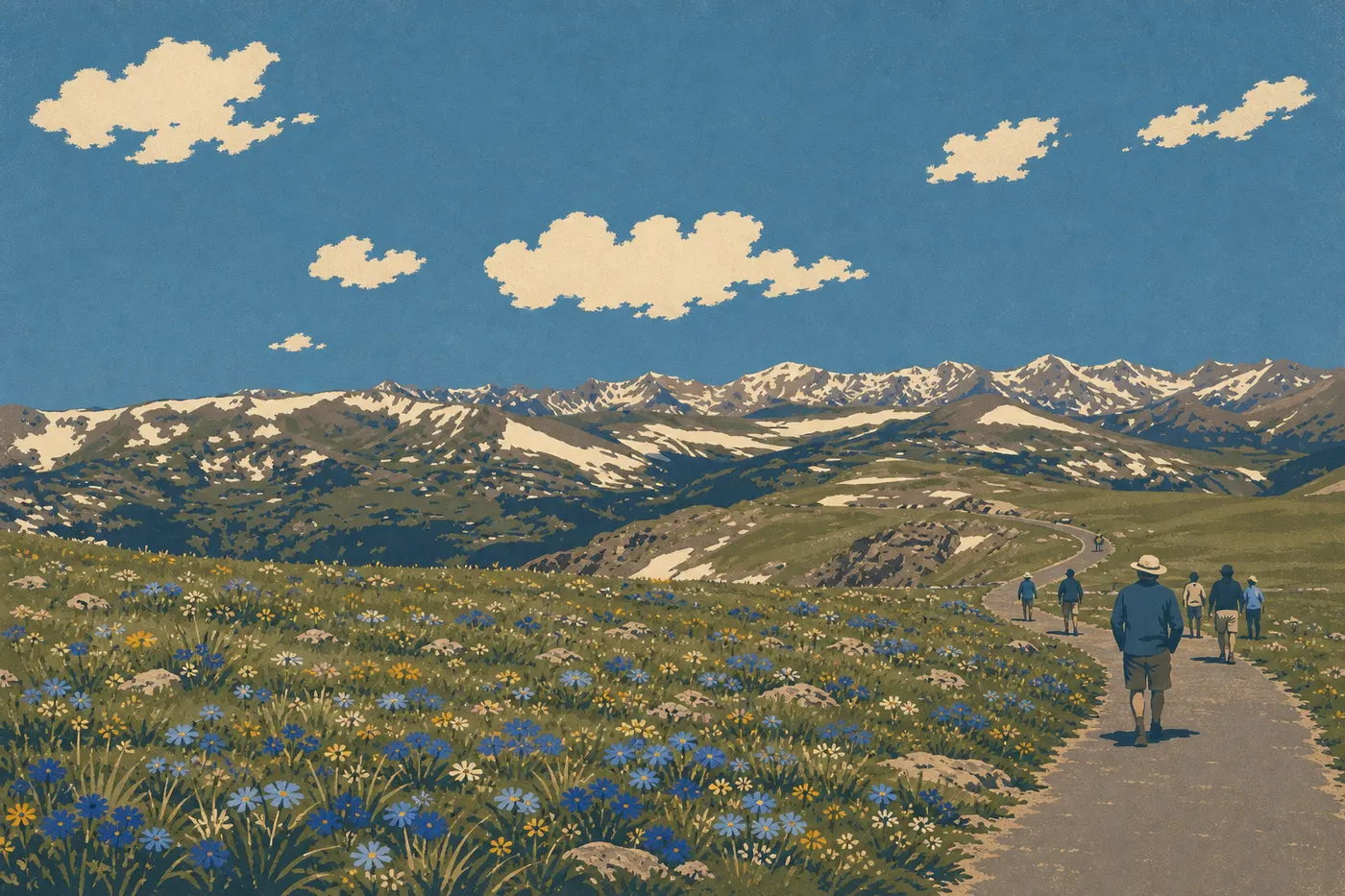
This is peak season, no question. Trail Ridge Road is open, the park's 60 trails, totaling about 310 miles, are accessible, and wildlife appears at every elevation. It's also thunderstorm season. Every afternoon in July and August, clouds build over the peaks. The golden rule is to get back below treeline by 2 p.m.
Weather: 68°F to 73°F during the day at lower elevations, with cool evenings from 45°F to 50°F. Above 11,800 feet in the alpine tundra, bring a fleece even in July. Thunderstorms develop along the ridges between 1 and 4 p.m.
Wildlife: Elk in the alpine meadows, marmots on the rocks along Trail Ridge Road, and bald eagles around Horseshoe Park. Mule deer move down into the low meadows at dawn.
Things to do: Trail Ridge Road, whose high point tops 12,100 feet; high-elevation hikes such as Flattop Mountain and Sky Pond; Bear Lake and its satellite lakes; and evening outings. The park is certified as an International Dark Sky Park.
Crowds: Very heavy. July is the busiest month. Bear Lake Road parking lots fill before 9 a.m. in midsummer, making the RMNP Hiker Shuttle from Estes Park essential.
Fall (September to October)
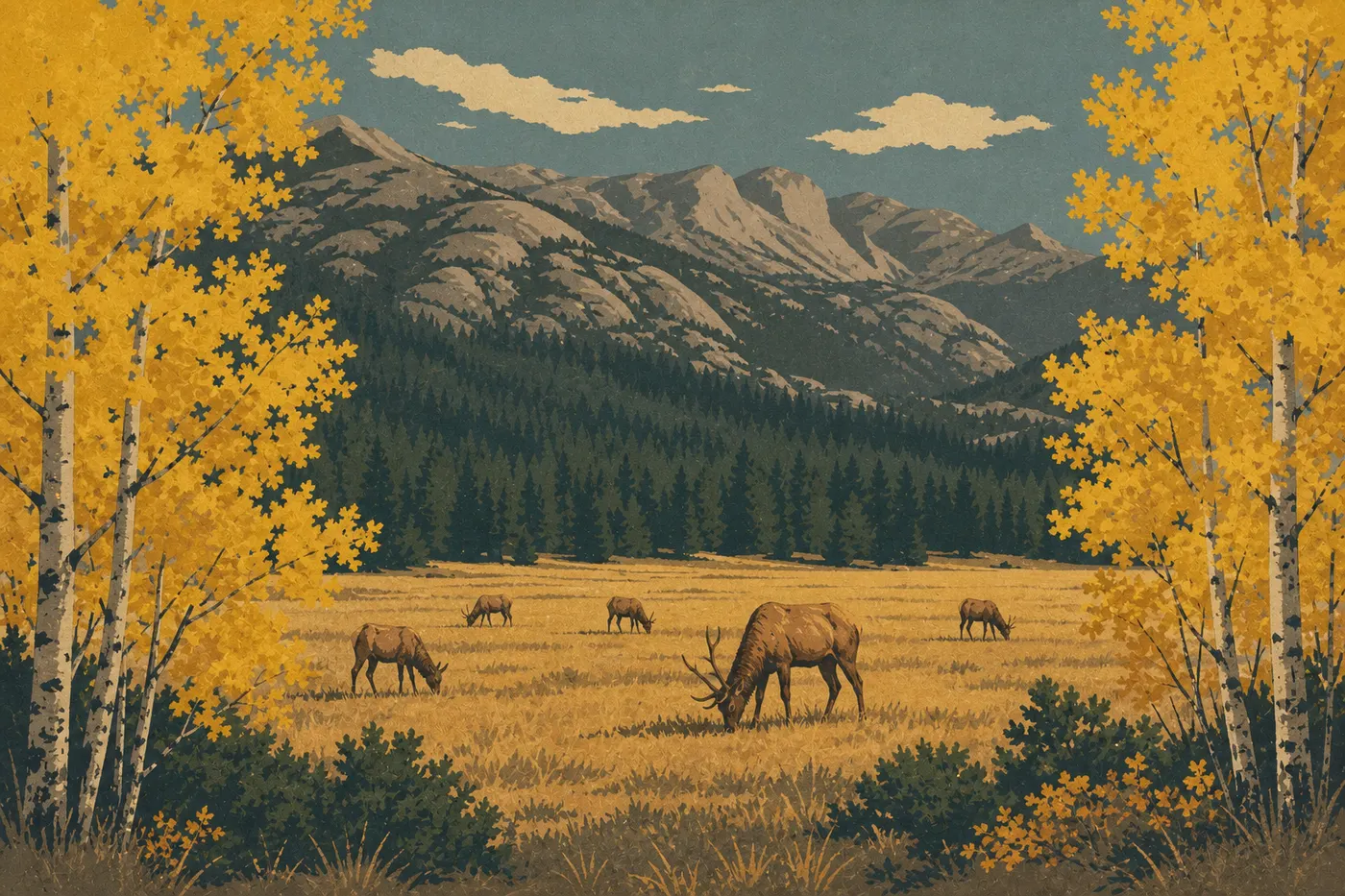
This is our favorite recommendation. Early September marks the beginning of the elk rut. Bulls bugle at dawn and dusk in the meadows of Horseshoe Park and Hollowell Park. Aspens turn gold from mid-September onward. Visitation drops noticeably after Labor Day, as do lodging rates.
Weather: Clear, cool days from 52°F to 64°F, with September nights between 32°F and 41°F and colder temperatures in October. Trail Ridge Road stays open until the first significant snow, often in early to mid-October.
Wildlife: Elk rut in September, migrating birds, and black bears active before hibernation around Kawuneeche Valley.
Things to do: Hikes through the aspens such as Cub Lake Trail and Bierstadt Lake, watching the rut at sunrise, and driving Trail Ridge Road before its winter closure.
Crowds: Moderate to light after Labor Day. September weekends remain busy, especially during the rut.
Crowds: When to Avoid the Rush
Rocky Mountain is the fourth most visited U.S. national park, with more than 4 million visits a year. Most of that visitation falls within three months.
| Period | Crowd level |
|---|---|
| July-August | Very high (parking lots full by 9 a.m.) |
| June / September | High, manageable on weekdays |
| May / October | Moderate |
| November-April | Low |
If you're visiting in July or August, several strategies can help you avoid traffic: arrive before 8 a.m. or after 4 p.m., use the free shuttles from Estes Park, and choose trailheads away from Bear Lake Road, including Wild Basin, Lumpy Ridge, and Kawuneeche Valley. Weekdays are consistently less crowded than weekends.
Reservations and Access by Season
Rocky Mountain National Park uses a timed entry system for the summer season, generally from late May through mid-October. There are two types of slots: one for entering the park before 9 a.m., and another for Bear Lake Road between 9 a.m. and 2 p.m. These slots become available on Recreation.gov several weeks ahead and go quickly.
Outside the timed entry period, roughly November through late May, you can enter at any time with a valid pass. For exact dates when slots open and reservation-free alternatives, see all the details on Rocky Mountain's Access page.
Best Time for Your Budget
Lodging prices in Estes Park, the gateway town on the east side, and Grand Lake, on the west side, closely follow visitation patterns.
Low season (November to April): Hotel rates drop 30% to 50% from their summer peak. Flights to Denver are cheaper, especially in January and February. The tradeoff is limited road access and a closed Trail Ridge Road.
Shoulder season (May and October): A good compromise if you want to control your budget without giving up access. October is especially appealing: fall colors are still around, the elk rut continues, and prices have already started to fall.
Peak season (June to August): Book lodges and campgrounds several months ahead. Campgrounds inside the park, including Moraine Park and Glacier Basin, fill as soon as online reservations open. For details about seasonal lodging availability, our Rocky Mountain lodging guide breaks down the options by time of year.
When to Go Based on Your Interests
Wildlife viewing (elk, moose): September for the elk rut, and January or February to see them grouped in the valleys. Moose are easier to spot around Kawuneeche Valley in May and winter.
High-elevation hiking: July and August offer the safest conditions for alpine routes. Outside that window, snow can close trails without advance notice.
Landscape photography: Mid-September for golden aspens paired with the first cold weather. January for snowy landscapes and low winter light.
Families: June and early September bring mild temperatures, open facilities, accessible roads, and slightly fewer visitors than July. Free shuttles make logistics easier with kids.
Tight budget: October or November, before the first closures, means cheaper lodging, an accessible park, and almost no crowds.
Access without a reservation: November through April, or very early in the day during the season, before 7 a.m. and before timed entry begins. For reservation-free options during the season, see our Access and Transportation page.
The Hiking page details which trails are accessible in each season, and the Rocky Mountain wildlife guide identifies the best viewing areas month by month.
In Summary: The Best Time for Your Interests
| Interest | Recommended months |
|---|---|
| See everything (roads, wildlife, and hiking) | July to mid-September |
| Avoid crowds and enjoy the rut | September (after Labor Day) |
| Best value | October or March |
| Winter scenery and valley wildlife | January-February |
| Families with young children | June or early September |
| Aspen photography | Mid-September |
Rocky Mountain National Park doesn't have a bad season. It has four very different ones. Winter is stark and beautiful, summer is busy and demanding logistically, and fall is generous. Choose based on what you want to experience, not just the weather.
Our complete Rocky Mountain guide gives you the big picture for building your trip around the season you choose.
The Worst Time to Visit Rocky Mountain
Late July and early August are the hardest weeks for enjoying the park at a relaxed pace. Timed entry requires a reservation several weeks ahead, Bear Lake Road parking lots fill before 9 a.m., and near-daily thunderstorms force hikers back down by midday. On popular trails such as Bear Lake, Emerald Lake, and Sky Pond, you'll share every stretch with dozens of other visitors. That's no reason to avoid these weeks. Trail Ridge Road is fully open, and the park's lesser-known trails remain accessible. You just need to plan the logistics more carefully than at any other time of year.
March and April are difficult for a different reason. Trail Ridge Road is still closed, most high-elevation trails remain snowy or muddy, and a blizzard can derail a hiking plan overnight. For a deliberately winter-focused trip, that's not a problem. For visitors hoping for broad spring access, disappointment is common.
Frequently Asked Questions
When is the best time to visit Rocky Mountain National Park?
The best time to visit Rocky Mountain National Park runs from mid-June to mid-September, when Trail Ridge Road is open and high-elevation conditions are manageable. September combines lighter crowds, the elk rut, and fall colors, making it our top recommendation.
Is the park open year-round?
Yes. Rocky Mountain National Park is open 365 days a year. Trail Ridge Road closes after the first major snowfalls each year, usually in October or November, and doesn't reopen until late May. Bear Lake Road gets priority for snow removal and remains accessible year-round under normal conditions. December is the quietest month, followed by January and February.
Can you visit Rocky Mountain in winter?
Yes. The winter experience is remarkable if you're looking for solitude and snowy landscapes. Bear Lake Road provides access to snowshoe and cross-country ski trails, and elk are easy to spot from the road in the valleys. The main limitation is access to Trail Ridge Road, which is closed from November through late May. Bring snow tires or chains and appropriate mountain gear.
When is the best time to visit the Rocky Mountains?
The best time to visit the Rocky Mountains as a whole depends on the activity. July and August are best for high-elevation hiking, September and October for fall colors and wildlife, and December through March for winter sports.
When is the best time to visit the American West?
The best time to visit the American West varies by park. Spring works well for desert parks such as Arches and Zion, while summer is best for high-mountain parks such as Rocky Mountain. Our Regions section can help you combine several parks on one road trip.
What's the climate like in Rocky Mountain National Park?
Rocky Mountain National Park has an alpine continental climate: short summers, long winters, near-daily afternoon thunderstorms in July and August, and major temperature differences between the valley at 7,900 feet and the peaks at 14,100 feet. Our Weather page provides month-by-month data.
How much time do you need to visit Rocky Mountain National Park?
You need at least two days to cover both sides of the park, east and west, and drive Trail Ridge Road in both directions. Three to four days gives you time to add hikes. Our Itinerary and Trip Length page offers plans based on how much time you have.
How much does a trip to Rocky Mountain National Park cost?
Park entry costs $30 per vehicle or $15 per person entering on foot or by bicycle. The America the Beautiful pass ($80) covers all national parks for one year and pays for itself after two park visits. Lodging in Estes Park ranges from $80 for an off-season motel to more than $250 for a lodge in July. For entry fees and annual passes, see the National Park Fees and Passes page.