
Mount Rainier Wildlife: What to See and Where
Mount Rainier is home to remarkable wildlife across ecosystems ranging from temperate rainforest to wind-swept alpine meadows. Five species draw most visitors' attention: the mountain goat, hoary marmot, black bear, Roosevelt elk, and American pika. You'll encounter them at different elevations and times of year, if you know where to look.
Mount Rainier's Signature Wildlife
Mountain Goat
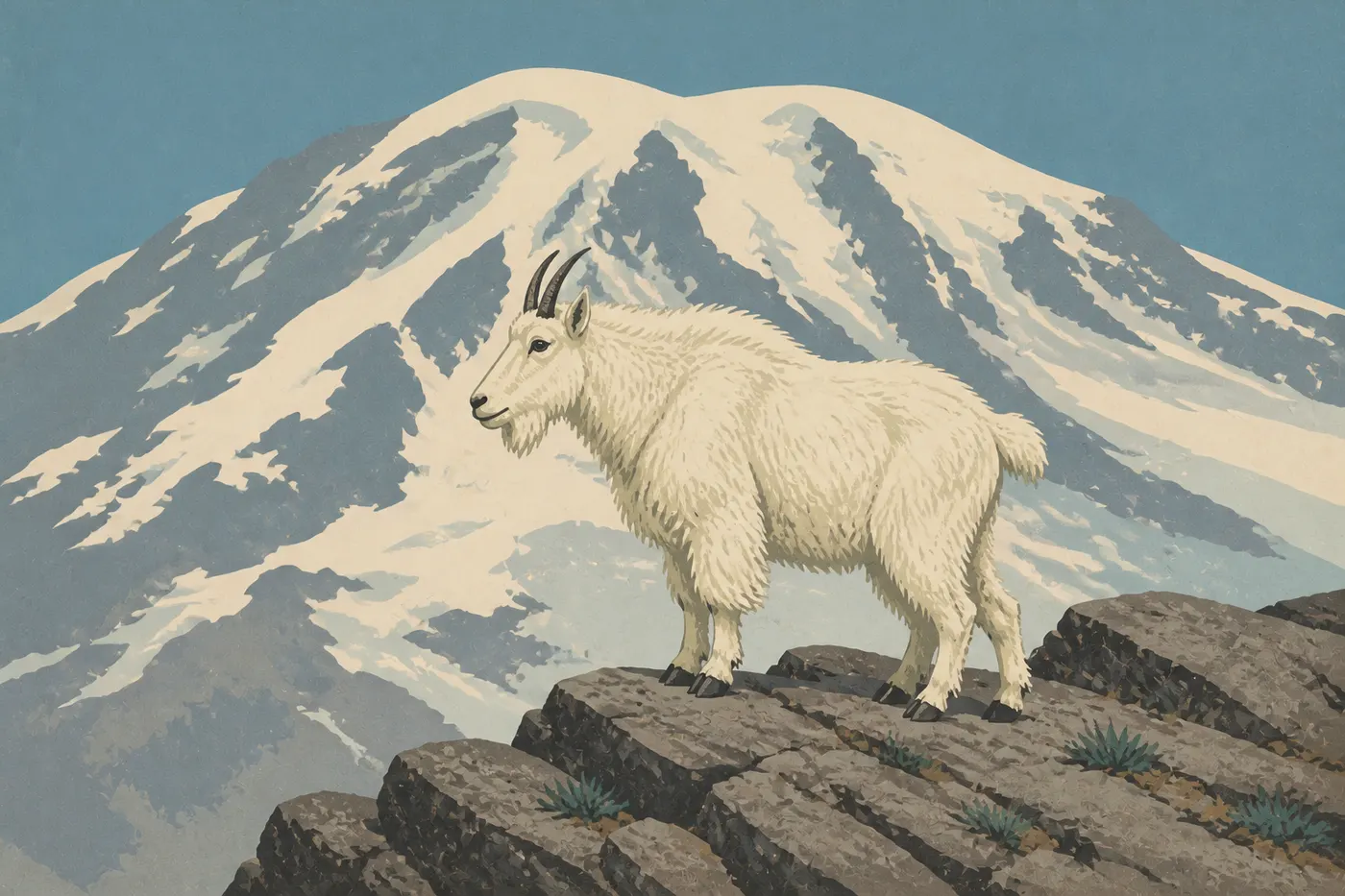
The mountain goat (Oreamnos americanus) is an icon of Mount Rainier's alpine ridges. Its immaculate white coat stands out against the gray basalt of the peaks, and its rubbery hoof pads let it climb slopes that look inaccessible.
One often-overlooked fact is that mountain goats aren't native to the park. Introduced in the 1920s for sport hunting in the North Cascades, they made their way into Mount Rainier on their own. Their hooves and search for mineral salt damage subalpine meadows. The NPS has launched a relocation program to move them to North Cascades National Park, where the species is native, and their numbers have declined, but goats can still be seen in the high country.
Identification: Completely white, with short, slightly curved black horns and a prominent beard in adults. There are no bighorn sheep at Mount Rainier. Any white hoofed animal you see here is a mountain goat.
Where and when: Rocky areas above 4,900 feet in summer, especially on the slopes visible from the Skyline Trail at Paradise and along the ridges at Sunrise. Dawn and dusk are the best times.
Hoary Marmot
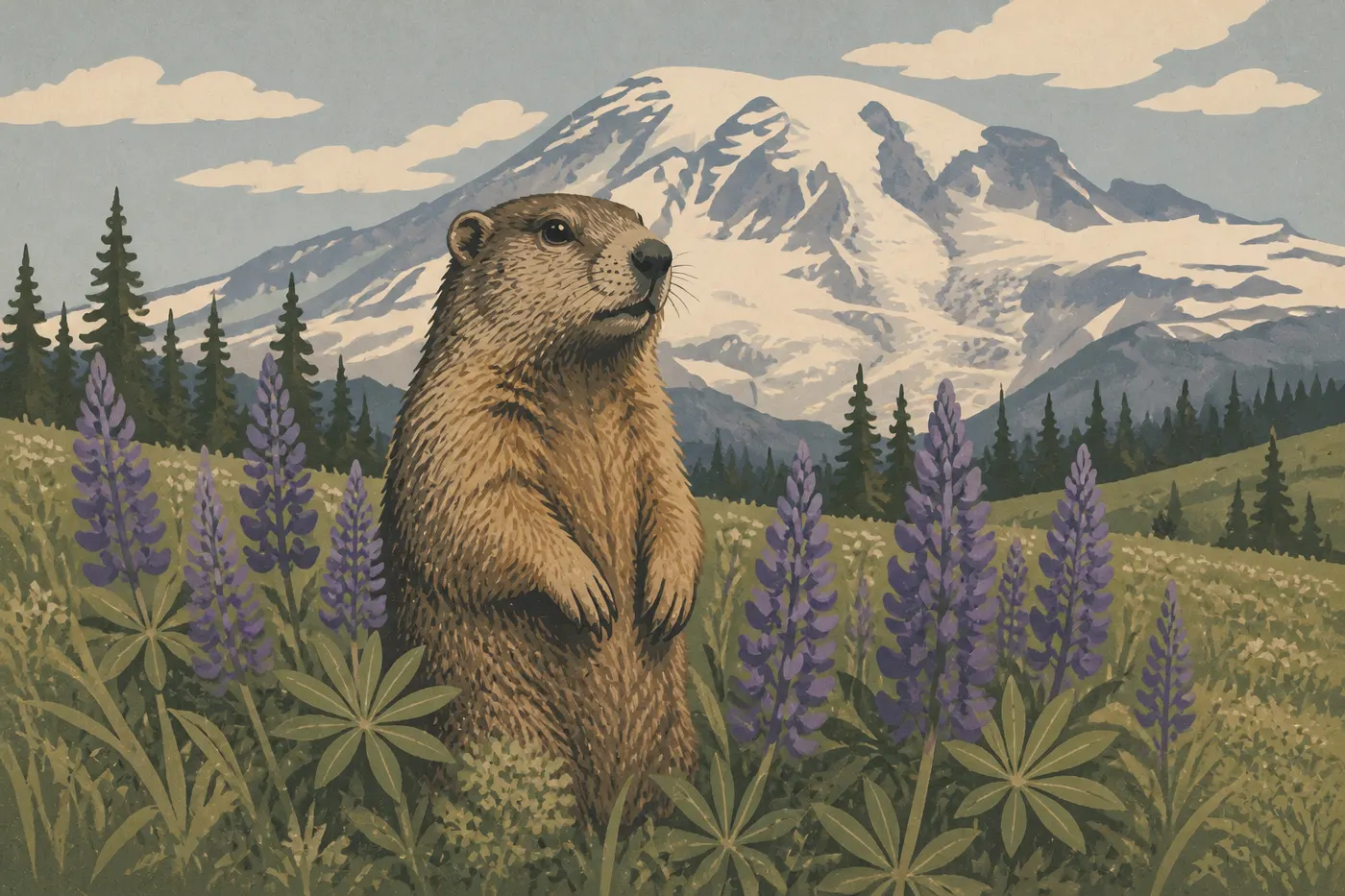
The hoary marmot (Marmota caligata) is an animal you'll hear before you see. Its piercing whistle, sent from a rock as an alarm signal, is the soundtrack of Mount Rainier's alpine meadows.
It's one of North America's largest rodents, weighing up to 15 pounds in late summer, just before hibernation. It hibernates for about seven months a year, from September through April, leaving a narrow but highly productive viewing window.
Identification: A stocky, reddish-brown body, lighter belly, whitish muzzle, and broad head. It's larger than the yellow-bellied marmot found elsewhere in the Cascades.
Where and when: Subalpine meadows at Paradise and Sunrise, from mid-June through late August. Rocky outcrops early in the morning offer the best vantage points.
Black Bear
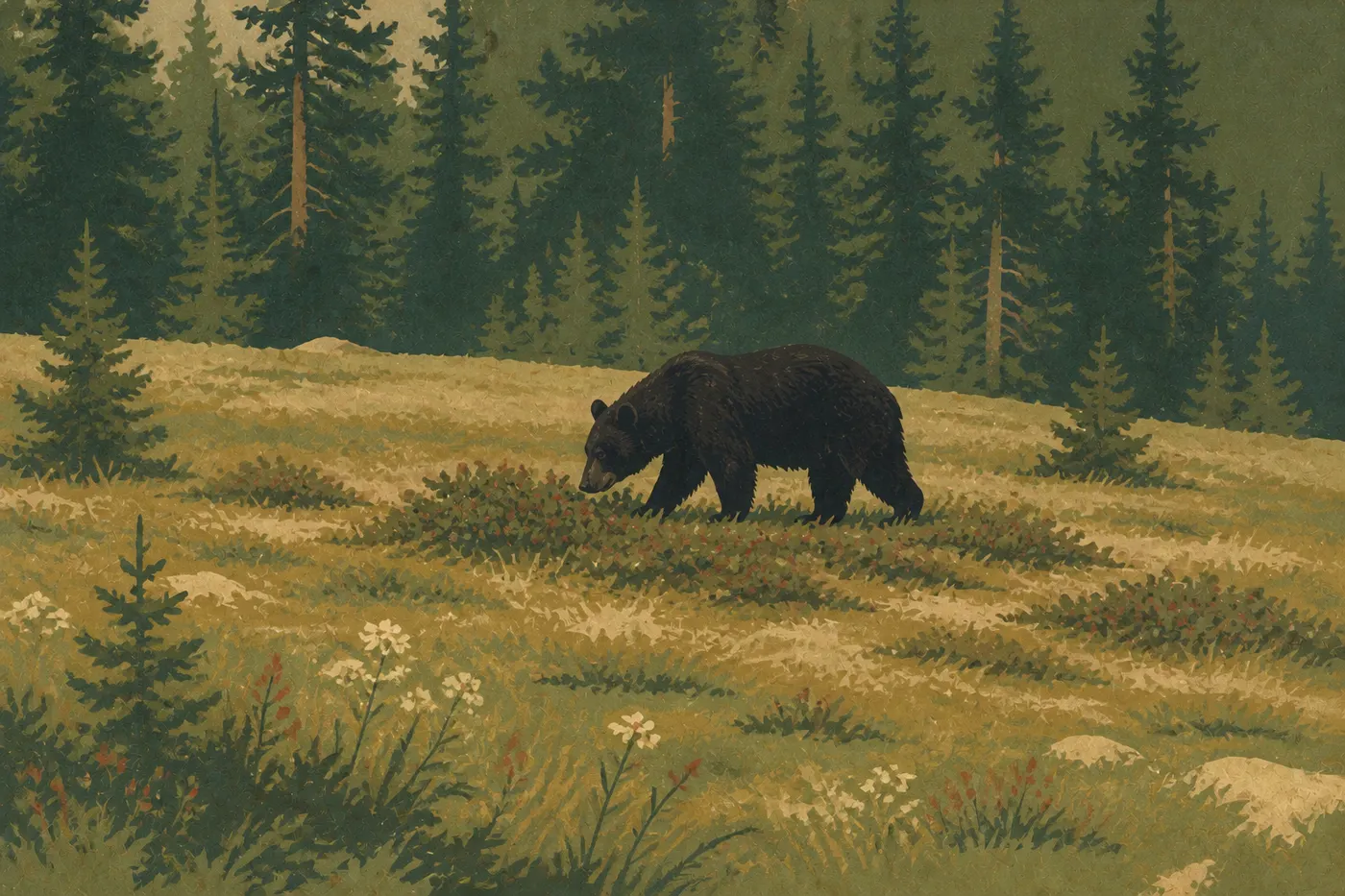
Black bears (Ursus americanus) live throughout the park, from low-elevation forest to treeline. Despite what its name suggests, a black bear's coat can range from deep black to cinnamon brown. Reddish-brown coats are common at Mount Rainier and can sometimes cause confusion.
There are no grizzly bears at Mount Rainier. If you see a bear in the park, it's a black bear. To be sure, a black bear's muzzle has a straight profile rather than a concave one, it has no muscular shoulder hump, and its ears are upright and fairly long.
Where and when: Forest edges and open slopes from June through October, especially in the Carbon River, Ohanapecosh, and lower slopes around Longmire. Wild blueberries that ripen in summer draw bears to more visible elevations.
Roosevelt Elk
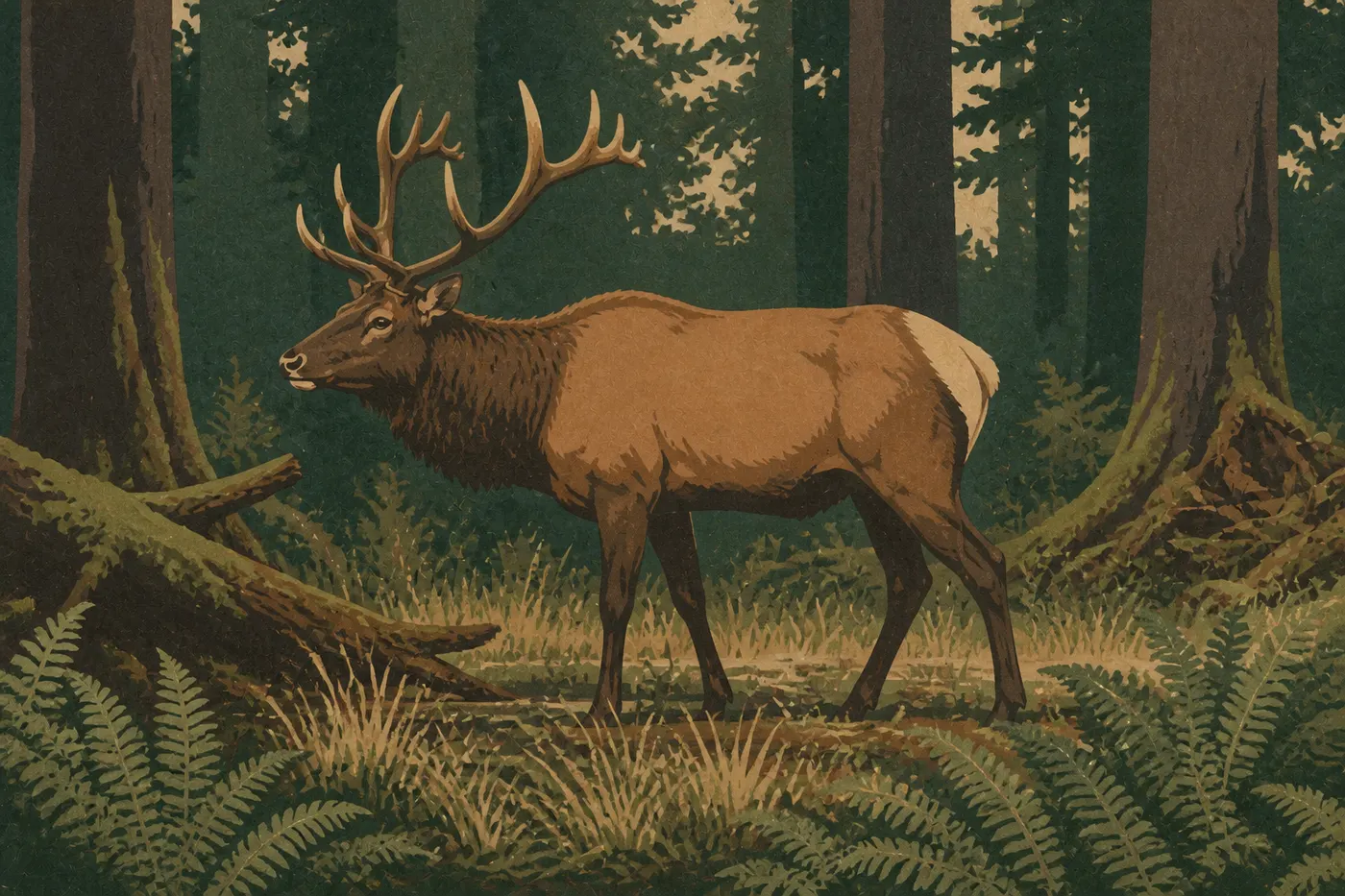
Roosevelt elk (Cervus canadensis roosevelti) are the largest elk subspecies in North America. Adult males weigh more than 660 pounds and carry impressive antlers from July through November. At Mount Rainier, they mainly occupy dense forests and low-elevation meadows.
Don't confuse them with black-tailed deer (Odocoileus hemionus columbianus), which are much smaller at 90 to 155 pounds and live in the same areas. Their size and antler spread make the two species easy to tell apart.
Where and when: The Longmire and Ohanapecosh areas, especially in fall. The rut, or males' bugling season, runs from mid-September through mid-October. The sound carries a long way through the wooded valleys.
American Pika
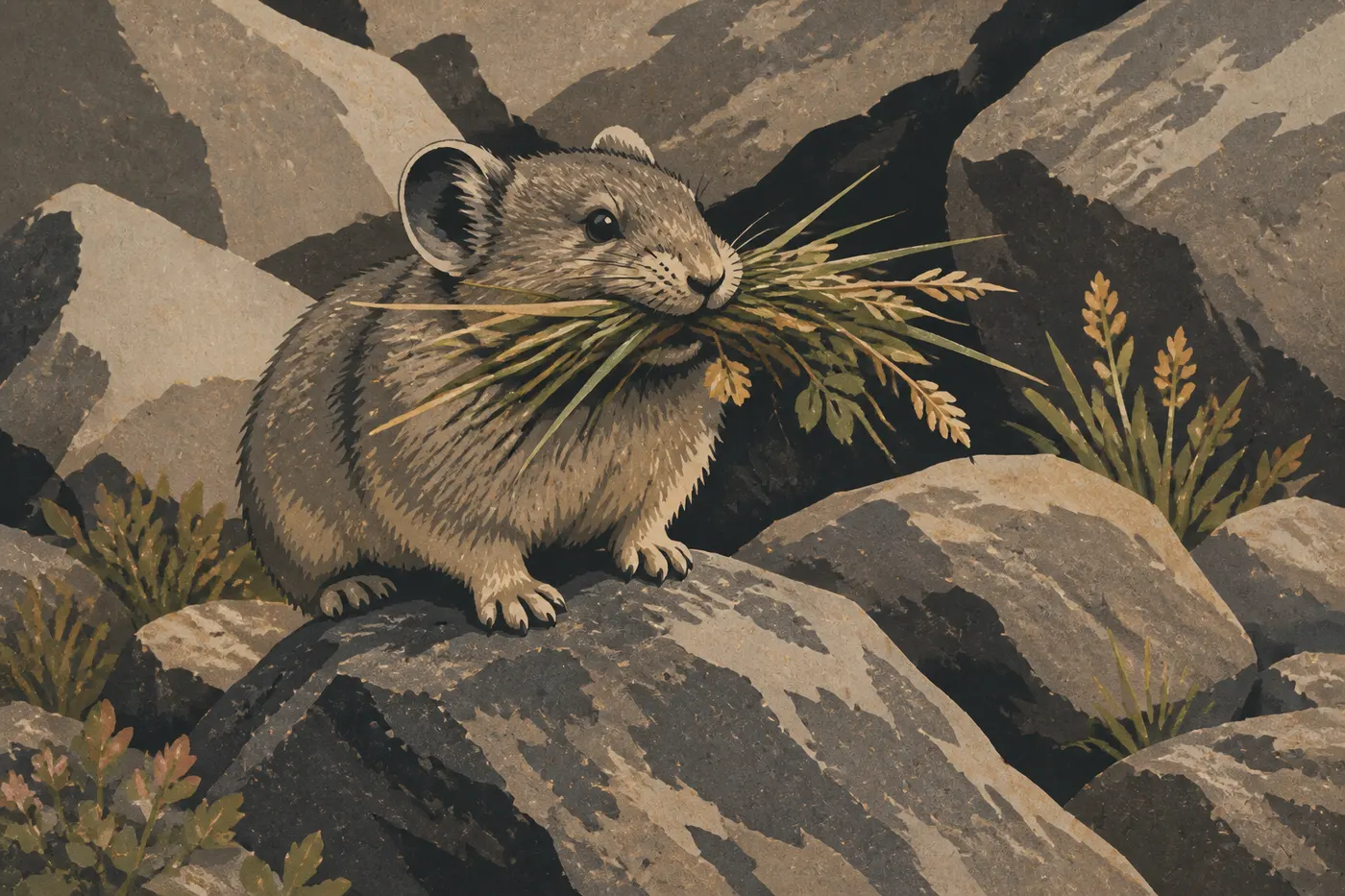
The American pika (Ochotona princeps) looks like a mouse with large, round ears, but it belongs to the order of lagomorphs, which includes rabbits. It lives exclusively in rocky talus above 4,900 feet. It has very little heat tolerance and can't handle temperatures above about 77°F, making it a sensitive indicator of climate change.
It doesn't hibernate. In winter, it stays beneath the snow and eats its supply of dried plants gathered throughout the summer.
Where and when: Rocky slopes around Sunrise and talus fields visible from the alpine trails, from July through September. Listen for its short, high-pitched call, like a sharp squeak. It often reveals the pika's presence before you see it.
Where to See Wildlife at Mount Rainier
Mount Rainier offers very different habitats at different elevations. These are the most productive areas:
Sunrise (5,400 feet): The richest area for high-elevation wildlife. Mountain goats, marmots, and pikas use the slopes and meadows around the visitor center. White-tailed ptarmigans, perfectly camouflaged snow birds, can also be found among the rocks. The Sourdough Ridge Trail, hiked at dawn, is often the most rewarding.
Paradise (5,425 feet): Mountain goats sometimes come down to the ridges visible from the parking lot. Marmots colonize the grassy slopes right beside the trails. The Mount Rainier hiking guide covers the trails that cross areas with the greatest wildlife potential, including the Skyline Trail and Dead Horse Creek Trail.
Longmire (2,750 feet): Old-growth forest near the southwest entrance. Black-tailed deer and elk frequent the edges at dusk, and black bears are regularly reported on the lower slopes. You can reach it year-round through Nisqually Entrance.
Carbon River: The park's only temperate rainforest, on the northwest side. The setting is completely different, with abundant forest birds such as woodpeckers, Swainson's thrushes, and golden-crowned kinglets, along with small forest mammals.
Ohanapecosh: A quiet, lightly visited wooded valley on the east side. It's an ideal area for elk in fall and black-tailed deer.
When to Watch Wildlife at Mount Rainier
High-elevation wildlife is accessible only from about mid-June through late September, while snow clears the roads to Sunrise and Paradise. The Mount Rainier seasonal calendar gives opening windows for the roads and the best periods for wildlife viewing.
Dawn and dusk: The most productive times for all mammals. Plan to be out in the field 30 minutes before sunrise.
Nocturnal wildlife: Cougars and coyotes hunt at night, but direct sightings remain rare. Campers often hear coyotes howling around Ohanapecosh. Raccoons approach camping areas in search of food, so secure your food before bed.
Winter: Most roads close from November through May. The Longmire forest, accessible from Nisqually Entrance year-round, offers sightings of deer and small mammals even under the snow.
Predators and Large Animals at Mount Rainier
The cougar (Puma concolor) is the park's apex predator. Extremely elusive, it moves mostly at night and is difficult to spot even for rangers. If you come across one, stay calm, make yourself look large, speak firmly, and back away slowly without ever turning your back on it.
The coyote (Canis latrans) is the predator visitors see most often. It hunts rodents in open meadows and ventures to the edges of camping areas. About the size of a slender German shepherd, with a pointed muzzle and bushy, low-carried tail, it's easy to identify.
The park's largest animal is the Roosevelt elk, whose adult males commonly weigh more than 660 pounds. They're especially impressive in fall, when males bugle through the valleys.
A word about the common raven (Corvus corax): It's a permanent presence around picnic areas, and it's intelligent and opportunistic. An unattended backpack can be opened in seconds.
How to Watch Wildlife Safely
Distance rules apply to every visitor, without exception.
Minimum distance: 100 feet from all large mammals (elk, deer, mountain goats, coyotes). For bears and cougars, the minimum distance increases to 330 feet. If an animal stops, looks at you, or changes direction, you're too close. Back away immediately.
Never feed an animal. A squirrel that gets used to receiving food becomes aggressive and must be euthanized by the park. A bear that associates people with food eventually has to be killed. The rule also applies to crumbs left on a picnic table.
Hiking in bear country: Hike in groups of three or more and talk normally. Noise alerts bears to your presence and helps prevent surprises. On isolated trails, bear spray, available for rent at some entrance stations, is strongly recommended. The Mount Rainier overview page explains what to do during a direct encounter.
Storing food while camping: Food, trash, and toiletries such as toothpaste and sunscreen must be stored in the bear-resistant boxes provided at campgrounds. None of these items should remain in a tent.
In a Nutshell: Wildlife You Shouldn't Miss and Where to Find It
| Species | Best area | Best time |
|---|---|---|
| Mountain goat | Sunrise, Paradise (ridges) | July through September |
| Hoary marmot | Paradise, Sunrise (meadows) | Mid-June through late August |
| Black bear | Longmire, Carbon River, Ohanapecosh | June through October |
| Roosevelt elk | Longmire, Ohanapecosh | September through October (rut) |
| American pika | Sunrise (talus) | July through September |
| Cougar | Throughout the park (rare) | Year-round |
The Mount Rainier guide covers all the practical aspects of the park. The Hiking page will help you choose the trails that pass through the areas richest in wildlife.
Frequently Asked Questions
Are there mountain goats in Mount Rainier National Park?
Yes. Mountain goats live in the park, mainly in the alpine areas around Sunrise and Paradise. They're introduced, nonnative animals, and the NPS has carried out relocation programs to protect subalpine meadows. The species is still present and can be seen in summer.
What are Mount Rainier's signature animals?
The five signature species are the mountain goat, hoary marmot, black bear, Roosevelt elk, and American pika. Marmots and mountain goats are the easiest to spot from the trails at Paradise and Sunrise.
What's the most common animal in Mount Rainier National Park?
The hoary marmot is probably the wild animal you're most likely to encounter in summer. It frequents the alpine meadows at Paradise and Sunrise during the day, and its whistle announces its presence before you even see it.
What's the largest animal at Mount Rainier?
The Roosevelt elk is the park's largest mammal. Adult males commonly weigh more than 660 pounds and stand about 5 feet at the shoulder.
What predators live at Mount Rainier?
The cougar is the park's apex predator, but direct sightings are exceptional. Coyotes are much more common. There are no grizzly bears at Mount Rainier.
What animals are out at night at Mount Rainier?
Cougars, coyotes, raccoons, and some rodents such as deer mice and flying squirrels are active at night. Black bears may also move around at night, especially near camping areas. Always store your food in bear-resistant boxes before bed.