
Where to Stay at Mount Rainier: In the Park, Nearby Towns, and Campgrounds
Mount Rainier is a sprawling park with scattered areas, and the drive from Seattle takes more than 1.5 hours. Where you stay matters. Our short answer: base yourself in Ashford, just outside the main southwest entrance, and add a night at Paradise Inn if you book well in advance. Plan on at least two nights to cover Paradise and Longmire, or three if you want to go as far as Sunrise. For a day-by-day plan, our Mount Rainier itinerary guide lays out the full framework.
Where to stay: towns, lodges and campgrounds (3)
- Campground Cougar Rock Campground first come, first served · 179 sites Directions ↗
- Campground Ohanapecosh Campground first come, first served · 179 sites Directions ↗
- Campground White River Campground first come, first served · 88 sites Directions ↗
 Base map © OpenStreetMap · © CARTO
 ⚠ Gateway town & Lodge data is undergoing editorial review.
Staying in the Park or Outside It?
This is the first decision to make, and it depends on your travel style.
For total immersion: stay in the park. You'll be on the trails before the parking lots fill up. In the evening, the light on the volcano after the day visitors leave is worth the extra cost by itself. The tradeoff is real. There are only two lodges, rooms are scarce, and reservations disappear months in advance.
For flexibility: stay outside the park. Gateway towns such as Ashford and Packwood are 10 to 30 minutes from the entrances and offer everything from forest cabins to standard motels. You'll have more booking flexibility and more price options, at the cost of a few extra miles on the road each morning.
For campers: the park has five campgrounds, some of which can be reserved six months ahead. It's often the best value for an immersive stay, as long as you plan ahead.
Staying in the Park: Lodges and Accommodations
Mount Rainier has only two accommodations built within its boundaries. Both are historic lodges, with honest comfort, distinctive architecture, and an incomparable setting.
National Park Inn (Longmire)
National Park Inn sits in the Longmire area at roughly 2,950 feet. It's the park's only year-round lodging, and therefore the only option for staying inside the park in fall or winter. The rooms are simple, and the restaurant serves straightforward, filling food. From the front door, Longmire's trails start on foot. Trail of the Shadows, Rampart Ridge, and routes toward Paradise all begin within a few minutes. To book, see the Mount Rainier lodge guide for each property's amenities and availability.
Paradise Inn (Paradise)
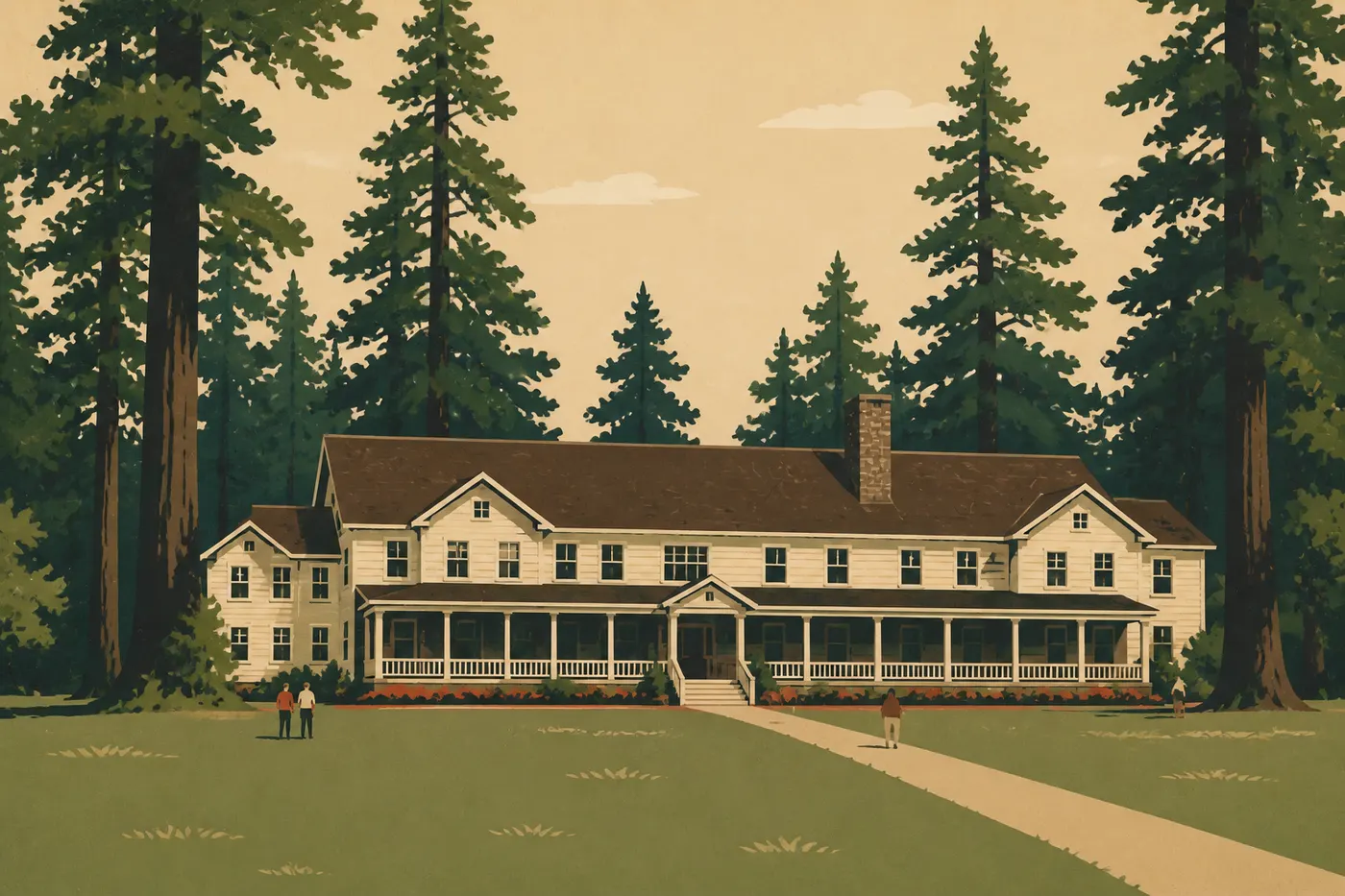
Paradise Inn is a wood building listed on the National Register of Historic Places, built in 1916. It generally opens from late May through mid-October, depending on snowfall. Its location at nearly 5,400 feet puts it in the heart of Paradise's alpine meadows, with Rainier's glaciers in the background. The property has about 100 rooms in the main building and its annex. July and August weekends book up six to twelve months ahead. I tried watching the sunrise from the porch on a weekday morning. It was empty and silent, with the volcano turning pink. The effort required to book a room is well worth it.
Camping in the Park: Mount Rainier Campgrounds
The park has five main campgrounds spread across its four corners.
Cougar Rock (south side, near Paradise Road) is the largest and best equipped, with picnic tables, fire rings, and restrooms. A 15-minute drive from Paradise, it opens in spring and can be reserved on Recreation.gov. July and August weekends disappear within minutes of the booking window opening.
Ohanapecosh (southeast side, State Route 123 entrance) is ideal for exploring the Grove of the Patriarchs Trail and Silver Falls Trail. Reservations are also available.
White River (northeast side, Sunrise Road) provides direct access to Sunrise, the highest area reachable by car. It has both reservable sites and first-come, first-served sites.
Mowich Lake (northwest side) is the park's most primitive campground. It has no running water and is reached by an unpaved road. Sites are first-come, first-served. It's for self-sufficient campers looking for peace and quiet.
Sunshine Point (Nisqually Entrance, southwest side) is the only campground open year-round. It's small and convenient for a stopover.
Rates range from $20 to $30 per night, depending on the site. Seasonal availability and reservation details are covered in the Mount Rainier camping guide. RV travelers will find what they need in the RV camping guide.
Where to Stay Around Mount Rainier: Gateway Towns
Ashford (Southwest Gateway)
Ashford is the home base for the vast majority of visitors. Located a few miles from Nisqually Entrance, the only entrance open year-round, it has most of the lodging outside the park, including log lodges, treehouses, B&Bs, and motels. The main street is short, but the options range from couples' cabins to entire homes suited to families. Ashford works for every type of traveler, no matter which area you want to explore.
Packwood (Southeast Gateway)
Packwood sits on US-12, about 19 miles from Ohanapecosh Entrance via State Route 123. It's a real small town, with a grocery store, gas station, and restaurants. It's less atmospheric than Ashford but much more practical for everyday needs. It's a good choice if you're coming from Portland or Yakima, especially for families who need services close at hand.
Enumclaw (Northern Gateway)
Enumclaw is a reasonably sized town north of the park, on the road to Carbon River and Mowich Lake. About an hour from Carbon River Entrance, it offers hotels and full services. It's mainly suited to visitors targeting the northwest area, which sees fewer visitors than Paradise or Sunrise. Functional rather than scenic.
Seattle and Tacoma as a Base, but Time-Consuming
Seattle is about 1.75 hours from the park, and Tacoma is 1.5 hours away, without counting the frequent traffic on I-5. In theory, you can leave from either city every morning, but two to three hours of driving round-trip each day will seriously cut into your time in the park. These cities work well for a combined trip, such as exploring the region with one day at Mount Rainier. They don't replace a nearby base for a multi-day visit.
When to Book Your Mount Rainier Lodging
Peak season runs from mid-July through late August. During that window, everything fills up fast.
For Paradise Inn, reservations generally open as early as January for the following summer. Six months ahead is a reasonable minimum. For July weekends, booking twelve months out isn't excessive.
For reservable NPS campgrounds such as Cougar Rock, Ohanapecosh, and White River, Recreation.gov opens booking windows six months before the arrival date, at the exact time. July and August weekends go within minutes.
For lodging outside the park in Ashford and Packwood, the timeline is less stressful. Booking two to three months ahead is still wise during peak season. The best times to visit Mount Rainier guide can help you choose your travel window and avoid the busiest periods.
Lodging Budget: What It Costs to Stay at Mount Rainier
| Option | Approximate nightly range |
|---|---|
| NPS campground (developed) | $20 to $30 |
| Mowich Lake (primitive) | Free |
| National Park Inn | About $120 to $200 |
| Paradise Inn | About $150 to $260 |
| Lodge or cabin in Ashford | $100 to $200, depending on amenities |
| Motel in Packwood | $80 to $150 |
These ranges are approximate and vary by season and availability. A lodge in the park often costs less than a city hotel of comparable quality, though it doesn't offer the same level of modern comfort. For entrance fees and annual passes, the National Parks Fees & Passes page provides an overview of entrance fees and passes.
Our Recommendation Based on Your Travel Style
First visit, with the goal of seeing everything: book a night at Paradise Inn, if available, and add one or two nights in Ashford. You'll sleep in the park for the Paradise area and have a practical base for Longmire and the rest of the park.
Families with children: Cougar Rock Campground is ideal, with decent facilities and a central location. If camping isn't a fit, renting a cabin in Ashford with a kitchen makes shared meals easy and comfortable.
Budget travelers: choose primitive, free Mowich Lake or Ohanapecosh on a weekday. Add a motel night in Packwood if you're coming from the Portland side.
Maximum immersion in nature: stay at Paradise Inn on a weekday, when it's much quieter than on weekends, followed by a night at White River for sunrise at Sunrise. This is the most logistically demanding and memorable combination.
To target activities based on your base, our Mount Rainier activities guide and hiking selection identify which areas to prioritize based on where you're staying.
Frequently Asked Questions
Where should I stay to visit Mount Rainier?
For a visit to Mount Rainier, the best bases are Ashford, a few miles from the main Nisqually Entrance on the southwest side, and, inside the park, Paradise Inn or National Park Inn depending on the season. Campers can choose Cougar Rock or Ohanapecosh.
What is the closest town to Mount Rainier?
The closest town to the main entrance, Nisqually Entrance on the southwest side, is Ashford, a village a few miles from the entrance station. For the southeast entrance, Ohanapecosh Entrance, Packwood on US-12 is the nearest community with full services.
Is it better to stay in the park or outside it?
Staying in the park at Paradise Inn or National Park Inn gives you direct access to the trails at dawn and a unique atmosphere, but rooms are scarce and book months ahead. Staying in Ashford gives you more flexibility and a wider choice of lodging, with an extra 10 to 30 minutes of driving each morning.
How many nights do I need to visit Mount Rainier?
Two nights let you cover Paradise and Longmire comfortably. Three nights give you time to add Sunrise and a less visited area such as Carbon River. The Mount Rainier Itinerary & Length guide presents options based on how much time you have.