
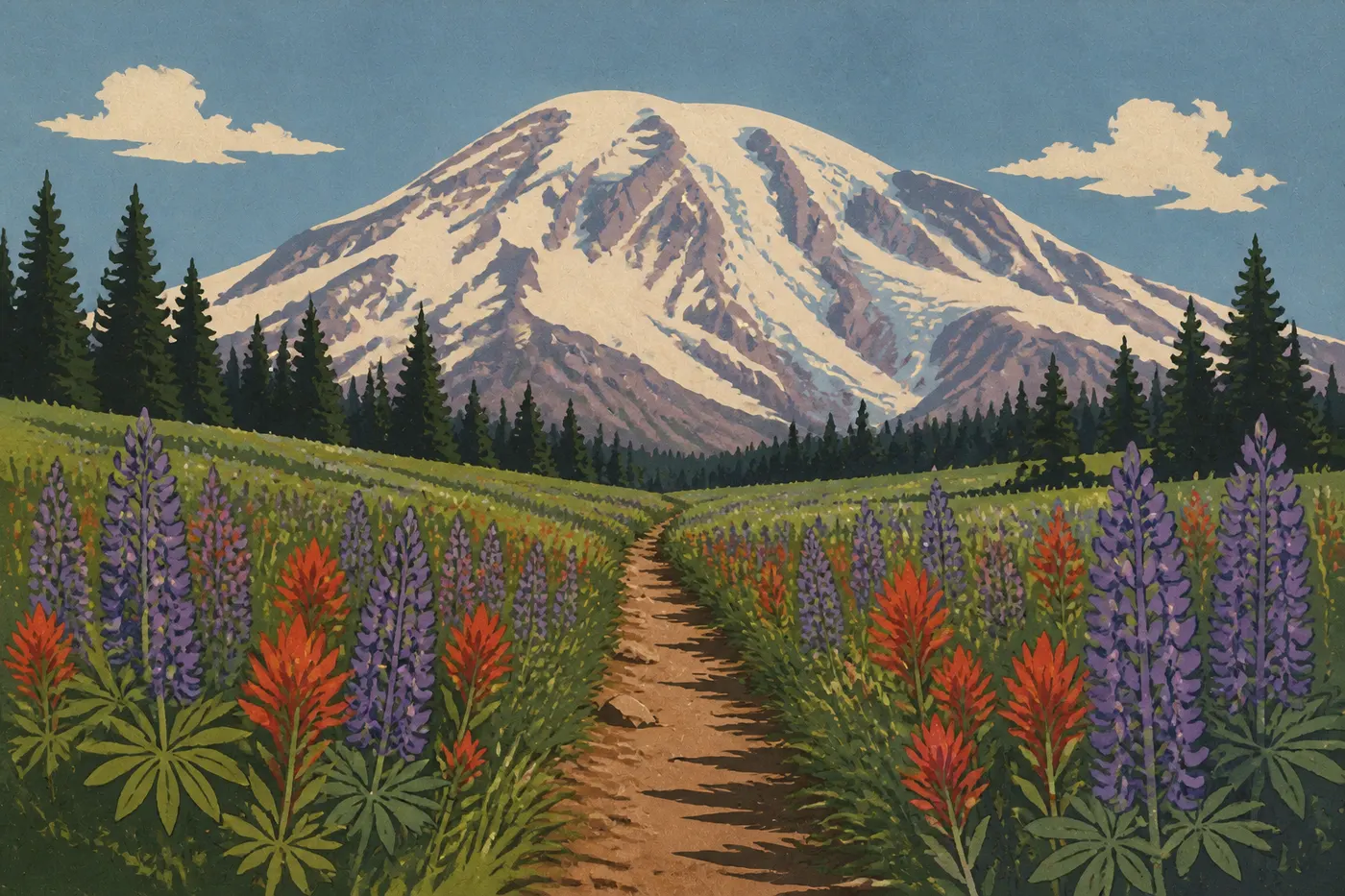
When to Visit Mount Rainier: Best Time and Weather
The best time to visit Mount Rainier is July and August, when Paradise's wildflowers are in bloom, high-elevation trails are clear, and the weather is at its most reliable. September is our pick for avoiding the crowds while keeping the same access. Outside this summer window, Mount Rainier stays open year-round through Nisqually Entrance, but high-elevation roads close and snow dictates what you can do.
The key is knowing what you're looking for before you book. Alpine flowers and blue skies: aim for mid-July. Peace and fall colors: early September. Snow and snowshoeing: December through March. Every season has something to offer, as long as you arrive knowing which areas are accessible.
Mount Rainier Climate Month by Month
Mount Rainier is one of the snowiest places in the United States, and the Pacific Ocean is largely responsible. Storms rolling in from the ocean slam into the volcano and dump their precipitation there. Paradise, at about 5,380 feet, averages more than 49 feet of snow a year. At lower elevations, winters are mild and rainy, summers are short but often glorious, and the shoulder seasons are unpredictable.
The table below shows average figures for the park's low- and mid-elevation areas, including Nisqually Entrance and Longmire. Paradise and Sunrise are consistently several degrees colder.
| Month | Low | High | At a glance |
|---|---|---|---|
| January | 23°F | 36°F | Heavy snow at higher elevations, rain in the valley |
| February | 23°F | 37°F | Peak snowpack at Paradise |
| March | 27°F | 43°F | Snowmelt underway, frequent showers |
| April | 32°F | 48°F | Waterfalls at their peak, muddy trails |
| May | 37°F | 55°F | Variable, with alternating sun and showers |
| June | 43°F | 63°F | First clear spells, flowers blooming mid-slope |
| July | 46°F | 72°F | Most reliable month, wildflowers in full bloom |
| August | 46°F | 73°F | Most sunshine, peak visitation |
| September | 41°F | 64°F | Beautiful days, cool nights |
| October | 36°F | 52°F | Fall colors, first freezes at higher elevations |
| November | 28°F | 41°F | Snow returns, high roads closed |
| December | 23°F | 36°F | Winter snowpack, limited access |
For a 14-day forecast and a detailed climate breakdown by area, see the Mount Rainier weather guide.
Mount Rainier in January
Full winter conditions prevail at every elevation. Lower-elevation temperatures stay close to 32 to 36°F during the day and drop well below that at Paradise. Nisqually Entrance remains open, but Stevens Canyon Road and Sunrise Road stay closed until spring. This is snowshoe season at Paradise. Weekdays are quiet, and visitors who come prepared can enjoy an almost empty park. Bring tire chains and check NPS conditions before every outing.
Mount Rainier in February
February often brings peak snowpack at Paradise, which can gain several additional feet in just a few days. Lower-elevation temperatures hover around 37°F during the day. Cross-country skiers and snowshoers find outstanding terrain far from the summer crowds. High-elevation roads remain closed.
Mount Rainier in March
Snowmelt begins at lower elevations, and waterfalls echo throughout the park. Temperatures rise slightly, reaching around 34 to 43°F during the day at Longmire, but showers remain frequent and snow still holds at higher elevations. Valley-bottom trails gradually reopen. If you're looking for solitude and rushing water, March is a good choice.
Mount Rainier in April
Waterfalls reach their peak, and low-elevation vegetation comes back to life. Daytime temperatures hover around 32 to 48°F, but mid-elevation trails are often still muddy or snow-covered. Nisqually Entrance is open, while the high roads remain closed. Marmots begin emerging from hibernation in late April, and the first deer move back into the understory.
Mount Rainier in May
The weather is at its most variable. One sunny day can follow two days of showers. Temperatures reach 37 to 55°F at lower elevations, and flowers start blooming on exposed slopes. Some mid-elevation trails are still snow-covered, so check NPS alerts before committing to a specific route. Lodging rates are low, and the park remains lightly visited.
Mount Rainier in June
The first wildflowers appear on the slopes, and mid-elevation trails gradually become accessible. Daytime temperatures range from about 43 to 63°F in the valley, but Paradise may still be snow-covered early in the month. Stevens Canyon Road usually reopens around mid-June, depending on the previous winter's snowfall. Visitation builds gradually without reaching summer's peak.
Mount Rainier in July
July is the benchmark month for a Mount Rainier visit. Paradise's alpine meadows burst into bloom, skies are often clear, and nearly all trails are accessible. Lower-elevation temperatures reach 46 to 72°F. Sunrise Road usually opens in early July. Weekend crowds surge, so arrive before 8:30 a.m. or visit during the week. Do both if you're targeting popular trails.
Mount Rainier in August
August is the driest month of the year, with conditions very similar to July. Wildflowers peak during the first half of the month, and skies are often blue until late afternoon. It's also the busiest time of year. Paradise and Sunrise parking lots can fill by 9 a.m. on Saturdays and Sundays. Plan ahead and arrive early.
Mount Rainier in September
Visitation drops sharply after mid-September, while conditions remain excellent. Lower-elevation temperatures, around 41 to 64°F, are still comfortable during the day, and cool nights make hiking even more enjoyable. The first golden colors appear in the conifer forests. All roads are still open at the beginning of the month.
Mount Rainier in October
October brings fall color to the Carbon River forests and lower slopes. Temperatures drop to 36 to 52°F during the day, and snow returns at higher elevations during the first weeks of the month. Sunrise Road usually closes around mid-October, followed by the other high roads in the weeks that follow. The park is lightly visited and offers great photo opportunities between showers.
Mount Rainier in November
Winter settles in gradually. Snow moves down from the heights, high roads close, and precipitation increases sharply. Daytime temperatures hover around 34 to 41°F at lower elevations. Nisqually Entrance and Paradise remain accessible in good weather, but conditions can deteriorate quickly. Check conditions before every outing and bring winter gear.
Mount Rainier in December
December marks the return of full winter conditions, with Paradise under snow and interior roads closed. It's a snowshoeing and cross-country skiing destination for residents of Seattle and Tacoma. Nisqually Entrance remains open. Plan on carrying tire chains, safety equipment, and checking NPS updates before you leave.
Mount Rainier Season by Season
Winter (December to February): A Winter Wonderland with Limited Access
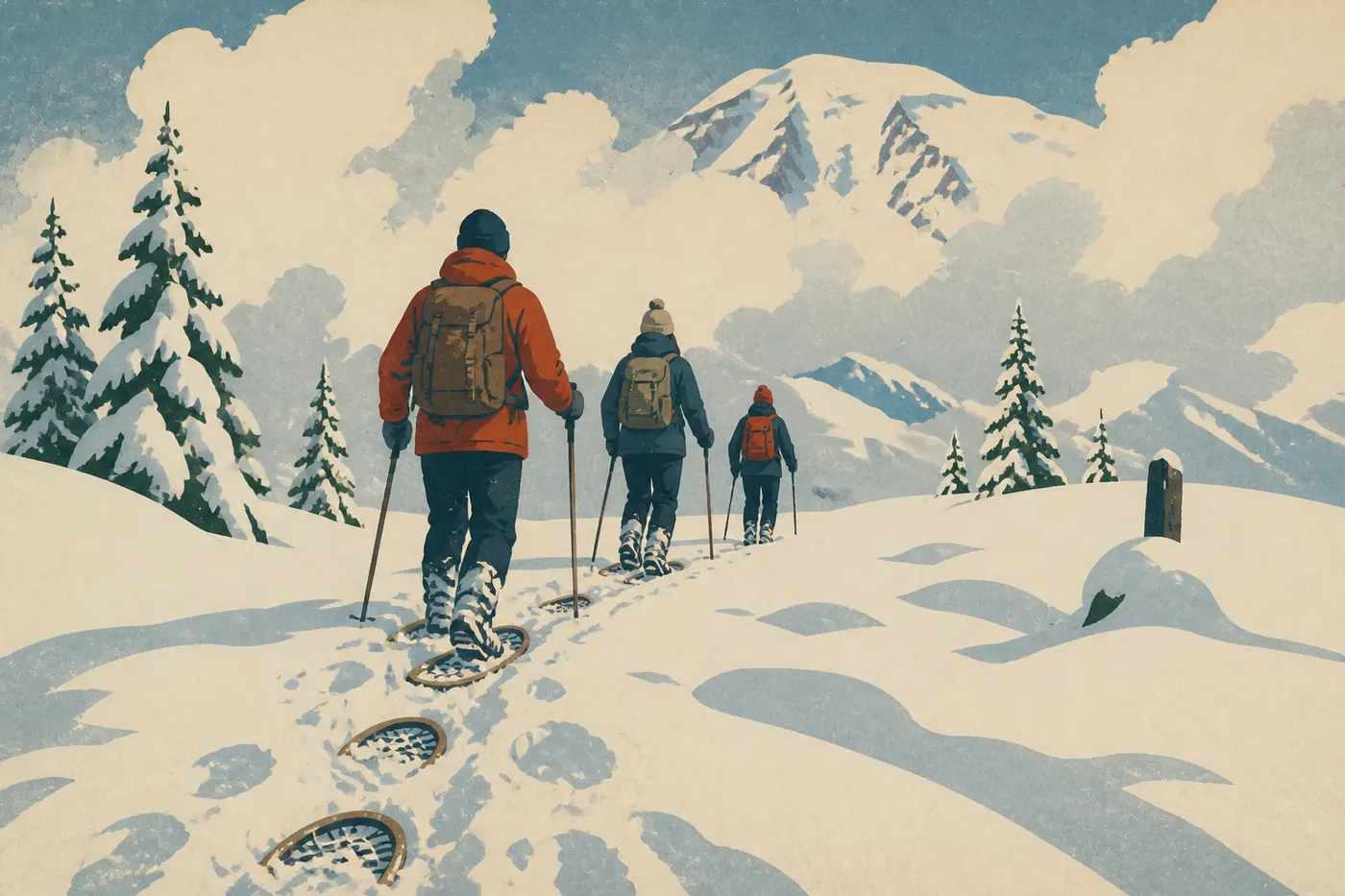
The park stays open year-round through Nisqually Entrance in the southwest, but most interior roads close. Stevens Canyon Road and Sunrise Road disappear beneath the snow until spring. Paradise, accessible from Nisqually, becomes a popular cross-country skiing and snowshoeing spot for residents of Seattle and Tacoma.
Snowfall can reach several feet in just a few days. It's a beautiful, quiet season reserved for properly equipped visitors: keep tire chains handy, wear thermal layers, and check the forecast before every outing. Wildlife becomes harder to spot. You may occasionally see elk moving to lower elevations in search of food.
Spring (March to May): Waterfalls, Mud, and a Gradual Return
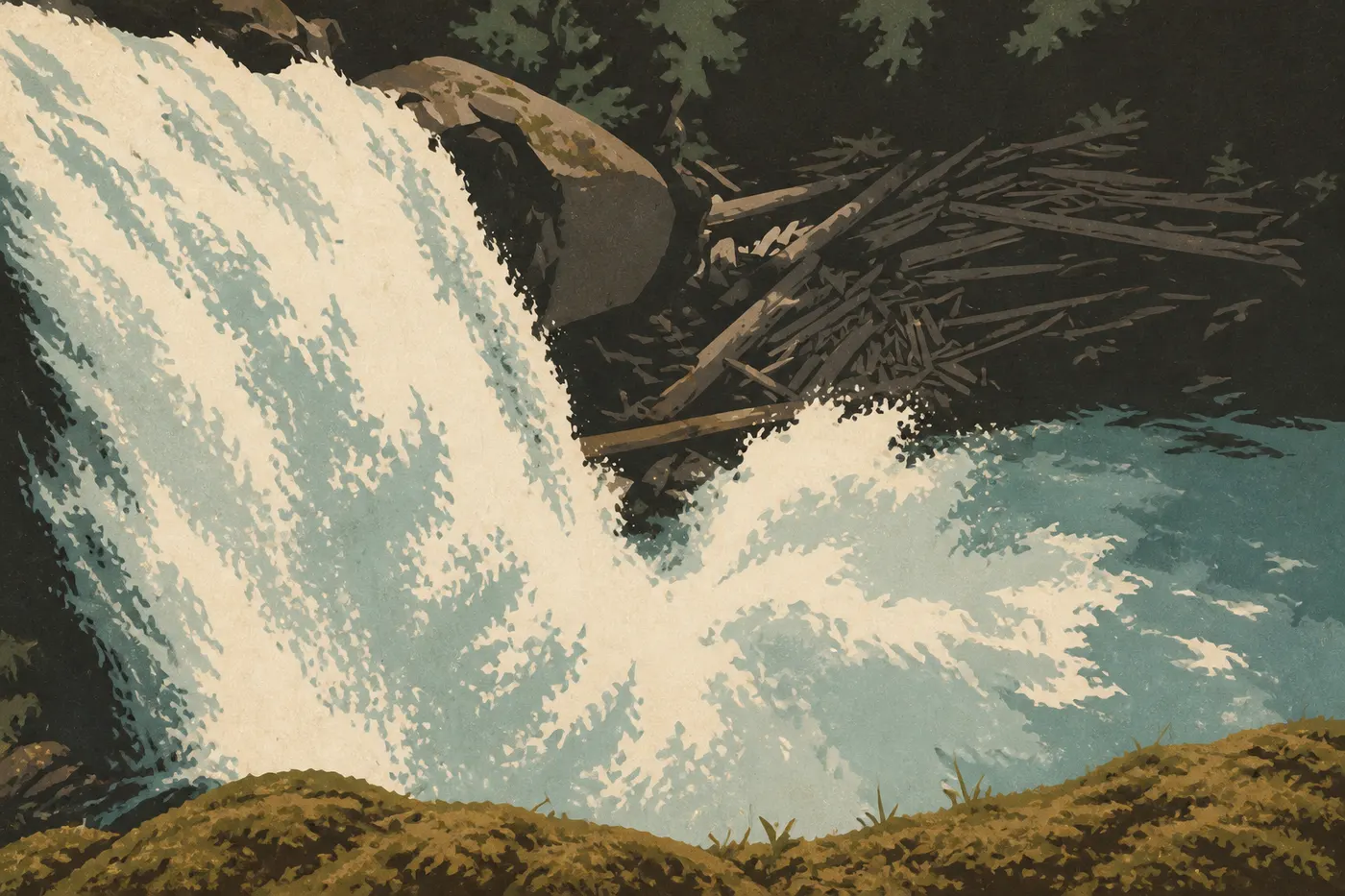
Snowmelt turns the park into a succession of impressive waterfalls, and low-elevation trails gradually reopen starting in March or April. Paradise remains buried under several feet of snow through May, and sometimes into June, depending on the previous winter's snowfall.
Secondary roads reopen in stages. Checking NPS alerts before you leave is essential because the schedule changes every year. Spring draws few visitors, lodging prices are low, and the waterfalls and other wetland scenery are spectacular. Marmots emerge from hibernation in April, and deer gradually move back into the understory.
Summer (June to August): Peak Season, with Flowers and Crowds
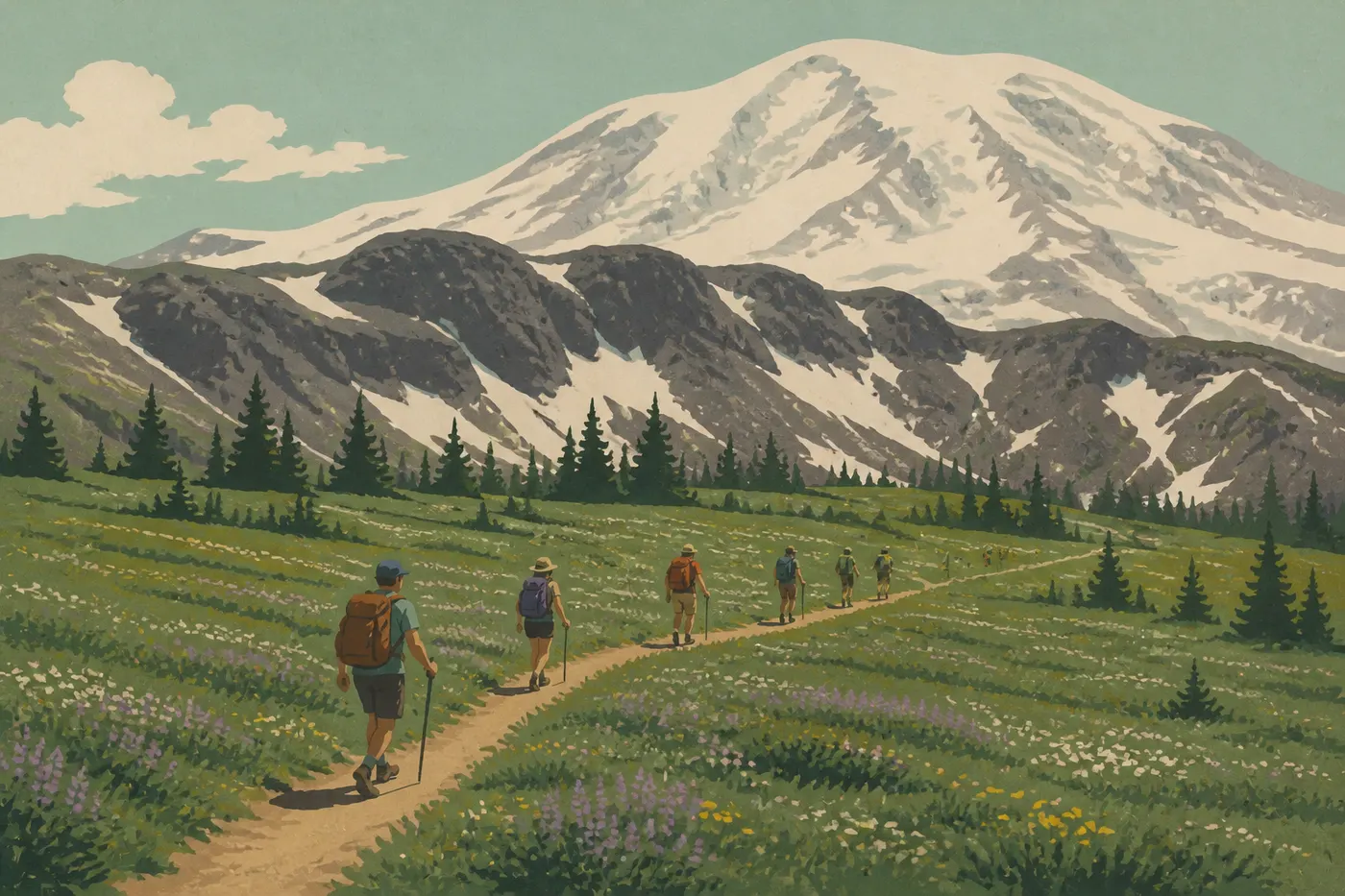
The July-August window is Mount Rainier's classic season. Paradise's alpine meadows fill with purple lupines, white anemones, and wild pansies, with the snow-covered summit rising behind them. Sunrise Road, on the east side at about 6,401 feet, usually opens in early July and offers the clearest views of the volcano.
Nearly every trail is accessible, visitor centers are running at full capacity, and ranger-led nature programs are plentiful, especially for families. Lower-elevation temperatures range from 59 to 73°F during the day. Be warned: on July and August weekends, Paradise's parking lot can be full before 10 a.m. Arriving before 8:30 a.m. or visiting during the week isn't optional. It's necessary.
Fall (September to November): Light, Quiet, and the First Snow
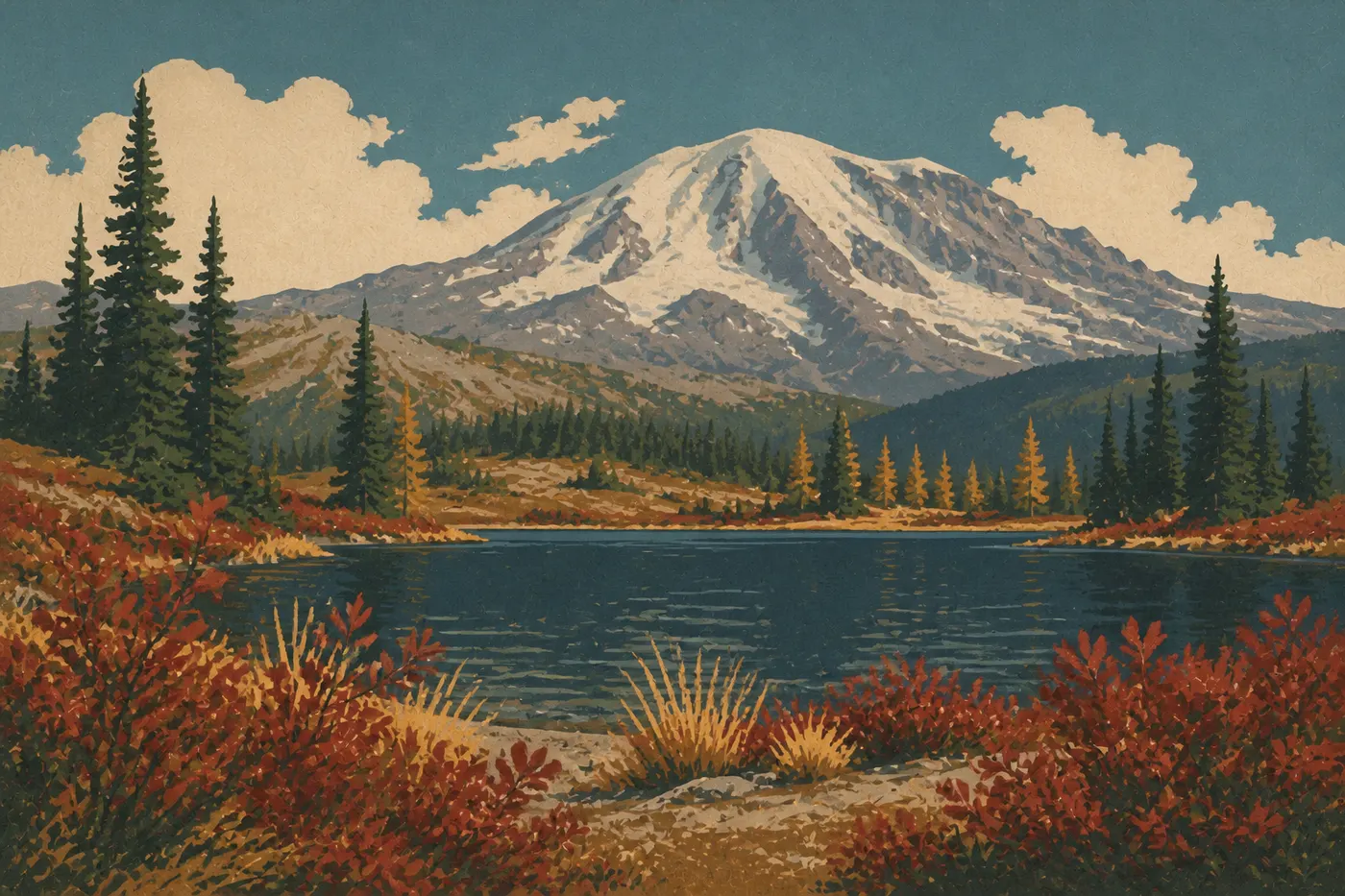
September is probably our favorite, and we don't say that lightly. Crowds thin out, trails remain accessible, cool nights make hiking even more enjoyable, and the first golden colors appear in the conifer forests. By early October, snow returns at higher elevations, creating photographs caught between two seasons. Wildlife becomes more active as winter approaches, making this a good time to watch elk along the forest edge.
Sunrise Road closes in mid-October, and the other high-elevation roads follow in the weeks after. November brings a return to winter conditions and limited access.
Crowds: When to Avoid the Crowds at Mount Rainier
Mount Rainier is about a two-hour drive from Seattle and less than three hours from Tacoma. It's one of the most accessible national parks in the Pacific Northwest, and the numbers show it. Paradise parking lots reach capacity on July and August weekends, sometimes as early as 9 a.m.
A simplified month-by-month guide:
- January through March: very few visitors, with the park nearly empty except for the snowshoeing areas at Paradise on weekends
- April through June: moderate and rising visitation depending on the weather
- July through August: absolute peak, especially on Saturdays and Sundays
- September: still busy at the beginning of the month, with a sharp drop after mid-September
- October through November: few visitors, but limited access at higher elevations
If you're visiting in midsummer, two simple rules will make things less frustrating: arrive early, before 8:30 a.m., or visit during the week instead of the weekend. For hikers targeting popular trails such as Skyline Trail, use both rules at once.
Reservations and Access by Season
Mount Rainier doesn't have a park-wide timed entry reservation system like Arches or Zion. The NPS does recommend buying your entrance pass online through Recreation.gov if you plan to arrive outside daylight hours, since the fee stations will be closed. The vehicle entrance fee is $30, and the park-specific annual pass costs $55.
Interior roads, including Stevens Canyon and Sunrise, don't open until snow has been cleared. In general, plan on mid-June for Stevens Canyon and early July for Sunrise, but dates vary each year with snowfall. If you're targeting a specific area, especially Sunrise, don't book lodging until you've checked road conditions on the NPS website. For access details by area, see the Mount Rainier access guide.
The Best Time to Visit on a Budget
Lodging near the park, in Ashford and Packwood, and flights to Seattle follow the same pattern. Rates peak from mid-July through late August and are much more reasonable the rest of the year. Two budget-friendly windows stand out:
- April-May: lodging prices are much lower than in peak season, and transatlantic flights are more affordable. The tradeoff is that some trails are still snow-covered and the weather is unpredictable. It's a good fit for flexible travelers.
- Early September: peak season is officially over, but the park is still fully accessible. This is often the best value of the year, with bright days and cool nights.
The Mount Rainier lodging guide compares options by location and value in each season.
When to Visit Based on Your Interests
Wildflower lovers. July, and more specifically the second and third weeks. Paradise's alpine meadows reach peak bloom between mid-July and early August. Arrive early in the morning to avoid full parking lots.
Hikers. July and August for access to high-elevation trails such as Skyline Trail, Burroughs Mountain, and Spray Park. September brings the same routes with half the crowds. The Mount Rainier hiking guide covers difficulty levels and the best window for each trail.
Photographers. Two ideal windows: the second half of July at dawn, for flower-filled meadows with the summit in the background, and October, for fall colors in the Carbon River forests.
Families with kids. August is the safest bet, with the most stable weather, active visitor centers, and ranger-led nature programs. Early September works very well too, with temperatures that are still comfortable. The Mount Rainier family guide brings together practical advice for each season.
Wildlife watchers. May and June for marmots and deer moving back to higher elevations; September and October for elk during the rut along the forest edge. The Mount Rainier wildlife guide goes into detail on species and viewing areas.
Budget travelers. April and May, or the first half of September.
Snowshoers and cross-country skiers. December through March at Paradise, as long as you check the forecast before every outing and carry tire chains.
For more on each angle, explore the topic pages in our complete Mount Rainier guide.
In Summary: The Best Time Based on Your Interests
| Profile | Ideal months | Key takeaway |
|---|---|---|
| Wildflowers and scenery | July, mid-month | Arrive before 8:30 a.m. |
| High-elevation hikes | July-August | Roads closed before mid-June |
| Quiet and fall colors | September | Excellent crowd-to-value ratio |
| Lower budget | April-May or September | Unpredictable spring weather |
| Winter sports | December-March | Winter gear is essential |
The Worst Time to Visit Mount Rainier
November through mid-March brings the most constraints: high-elevation roads are closed, precipitation is heavy, and services are limited. It's not a time to avoid entirely. Snowshoeing at Paradise is a worthwhile experience in its own right. But this period is only for self-sufficient visitors equipped for winter. For a first visit, choose another time.
In midsummer, the main challenge isn't the heat, which stays moderate at around 68 to 73°F during the day, but the weekend crowds. On Saturdays and Sundays in July and August, Paradise and Sunrise parking lots fill early, limiting access to the most popular trails. That's not a reason to skip July. It's a reason to come on a Tuesday or arrive before 8:30 a.m.
Frequently Asked Questions
What's the best time to visit Mount Rainier?
The best time to visit Mount Rainier is July and August, for Paradise's wildflowers, clear high-elevation trails, and the most stable weather of the year. September is an excellent alternative, with the same benefits and far fewer people.
Can you visit Mount Rainier in winter? Is the park open year-round?
Yes. The park is open year-round through Nisqually Entrance, and Paradise remains accessible in winter for snowshoeing and cross-country skiing. Most interior roads, including Stevens Canyon Road and Sunrise Road, close from fall through spring. A winter visit is entirely possible if you come prepared with tire chains, warm clothing, and a forecast check before every outing.
What is the least busy month at Mount Rainier?
January, February, and March are the least busy months, with the park nearly empty on weekdays. Crowds are also very manageable from April through June and October through November. If you want a combination of decent access and light crowds, choose mid-September or the first half of October.
What's the best season to visit the American West?
The best season depends on the destination. In the Pacific Northwest, home to Mount Rainier, July through September offers the best conditions. In the rest of the West, including Utah, Arizona, and Nevada, spring and fall are often preferable for avoiding extreme heat.
What's the best time to visit Washington State?
The best time to visit Washington State is June through September, when temperatures are mild, days are long, and mountain roads are open. For Mount Rainier specifically, mid-July through mid-September offers the best combination of weather and access.
What is the climate like at Mount Rainier?
Mount Rainier's climate is strongly influenced by the Pacific Ocean and elevation. Precipitation is heavy from October through May, falling mainly as snow at higher elevations. Paradise can receive more than 49 feet of snow a year. Summers are short and often sunny, with comfortable lower-elevation temperatures of 59 to 73°F in July and August.
How long do you need to visit Mount Rainier?
Plan on at least two days to see Mount Rainier properly: one day for Paradise and Longmire, and another for Sunrise. With three to four days, you can explore less-visited areas such as Carbon River or Ohanapecosh. Our Mount Rainier itinerary and length-of-stay guide offers several options depending on how much time you have.
How much does it cost to enter Mount Rainier?
The entrance fee at Mount Rainier is $30 per vehicle, $15 per person on foot or by bicycle, or $25 per motorcycle. The park-specific annual pass costs $55. For entrance fees and annual passes, see the national parks fees and passes page. For the overall cost of a trip, including lodging and meals, our Where to Stay page offers practical seasonal benchmarks.