
What to Do at Mount Rainier: Highlights and Activities
Mount Rainier brings together everything that makes the American Northwest unique in one park: a 14,410-foot stratovolcano covered in glaciers year-round, wildflower meadows that explode with color in July and August, and temperate rainforest in the northwest corner. The three absolute highlights for a first visit are Paradise (lupine fields and views of the summit), Sunrise (the highest viewpoint accessible by car), and Grove of the Patriarchs at Ohanapecosh (ancient cedars in an old-growth forest). It's all less than 2.5 hours from Seattle or Tacoma.
Mount Rainier at a Glance: Areas, Access, and Getting Around
Mount Rainier National Park covers about 368 square miles in west-central Washington State. The park is organized around the volcano and its glaciers, with six main areas spread across the four cardinal directions. Each has its own entrance and character.
Nisqually Entrance (southwest, State Route 706) is the only entrance open year-round. It provides access to Longmire and Paradise, the two busiest areas. The other entrances close in winter, sometimes as early as November depending on snow conditions.
A complete loop through the park covers more than 124 miles of road and can't be done in a day. Stevens Canyon Road in the south and Sunrise Road in the northeast stay closed for much of the year. You'll find all the details on entrances, road opening hours, and parking restrictions in the Mount Rainier access guide.
How Much Time Do You Need to Visit Mount Rainier?
One day lets you see one area properly, but not two. Two days cover Paradise and Sunrise, with a night in the park or nearby. Three days or more open the door to Ohanapecosh, Carbon River, and longer hikes.
If you've got one day from Seattle or Portland, focus on Paradise. It's the most concentrated, best-equipped, and most photographed area. For a structured itinerary with overnight stays and travel organized hour by hour, the Mount Rainier itinerary guide lays out sample days.
Highlights, Area by Area
Longmire (Southwest Area, Main Entrance)
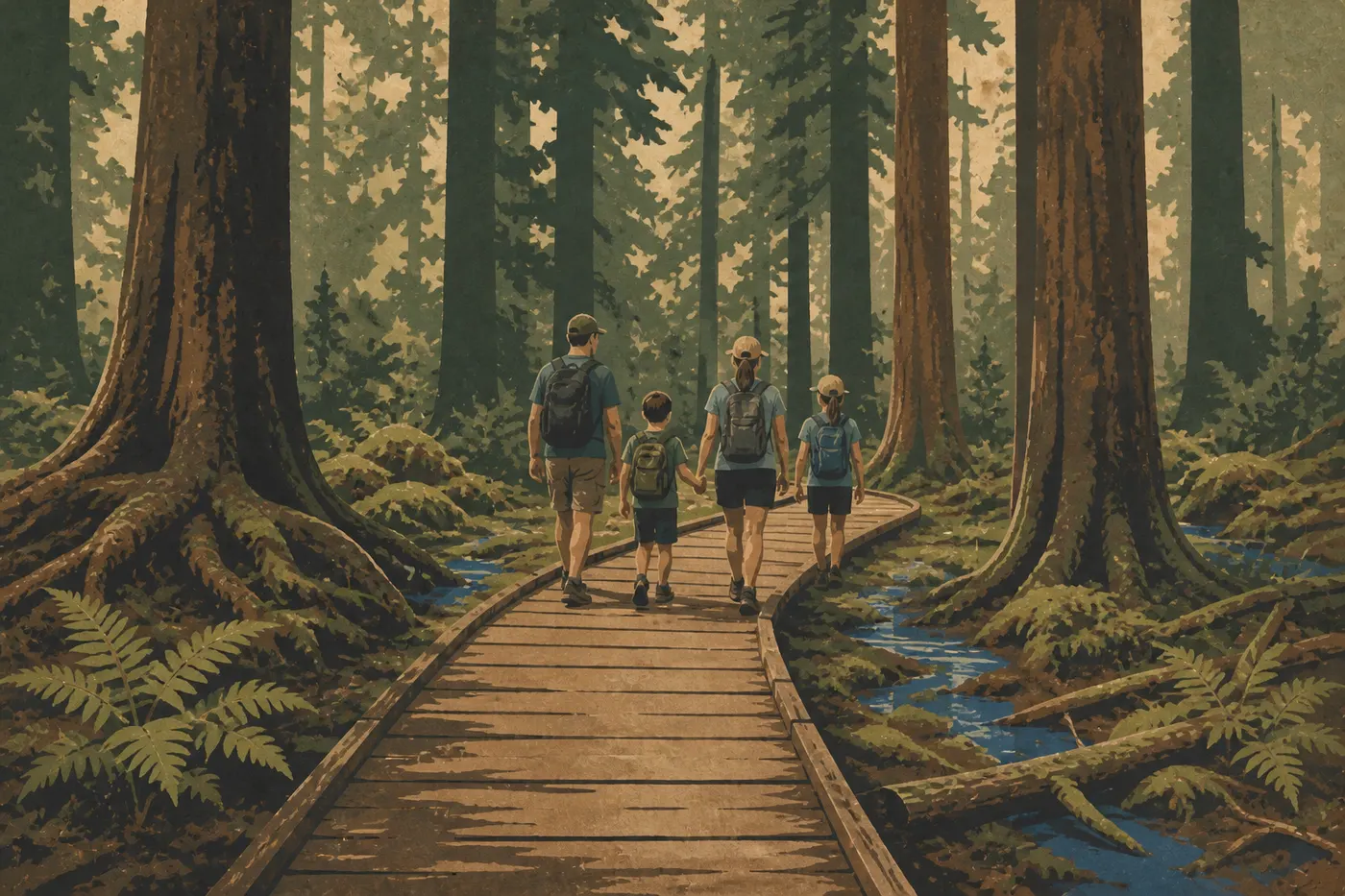
Longmire is the first stop after Nisqually Entrance, about 6 miles from the entrance. This is the park's historic area: the stone buildings date from the 1920s, National Park Inn is still operating, and the free museum traces Rainier's history from the earliest expeditions. A visitor center is open here almost year-round.
Longmire's trails stay in the valley bottom. Trail of Shadows (0.8 miles, flat) passes old mineral springs and works well for kids or late arrivals. In winter, this is sometimes the only area accessible beyond the entrance, making it a starting point for snowshoers.
Plan on 30 to 45 minutes here if you're passing through to Paradise, or one to two hours if you take time for the museum and a coffee at the lodge.
Paradise (Central Area, 5,400 Feet)
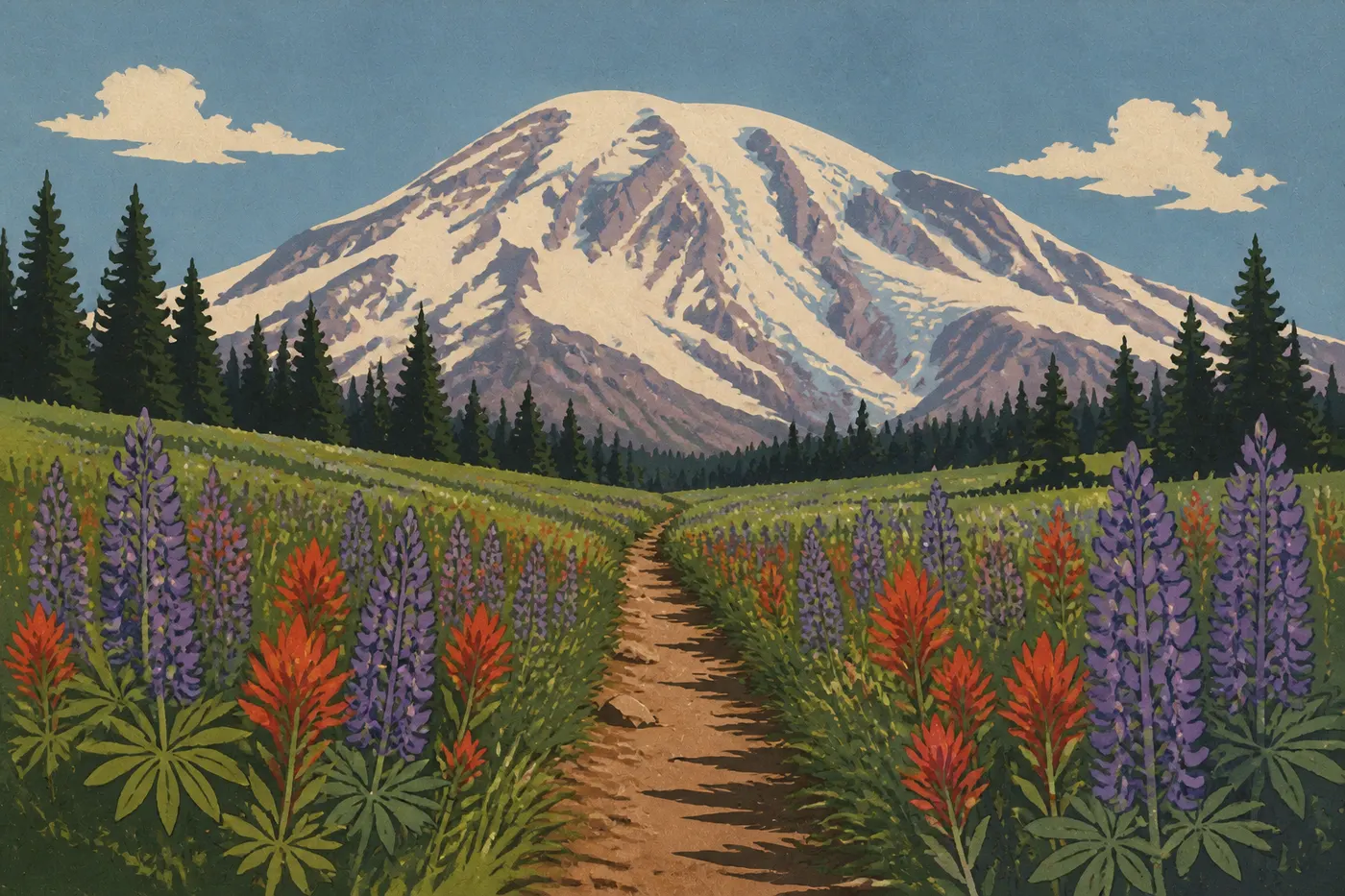
Paradise is the heart of the park and, for most visitors, the main reason to make the trip. In July and August, the meadows fill with purple lupines, white anemones, and orange hawkweeds against a glacier backdrop. I've seen cars pull over along the road halfway there, with drivers unable to resist taking photos before they even reached the parking lot.
The Henry M. Jackson Visitor Center has exhibits on Rainier's volcanology and glaciers, with rangers available to help you choose hikes based on the day's conditions. The snowflake-shaped building is a visual landmark in its own right.
From the parking lot, the Skyline Trail (about 5 miles, 1,500 feet of elevation gain) loops through the meadows with clear views of the summit around almost every turn. It's the area's signature hike. Distances, elevation gains, and the best opening windows for each trail are covered in the Mount Rainier hiking guide.
In winter, Paradise becomes a busy snowshoeing and cross-country skiing area. Snow can pile up to several feet, and the road remains open on some weekends depending on weather conditions.
Arrive before 10 a.m. during peak season in July and August. The parking lot fills quickly, and a reservation system through Recreation.gov may be in effect on certain days. Check the details on the park page before you leave.
Ohanapecosh (Southeast Area)
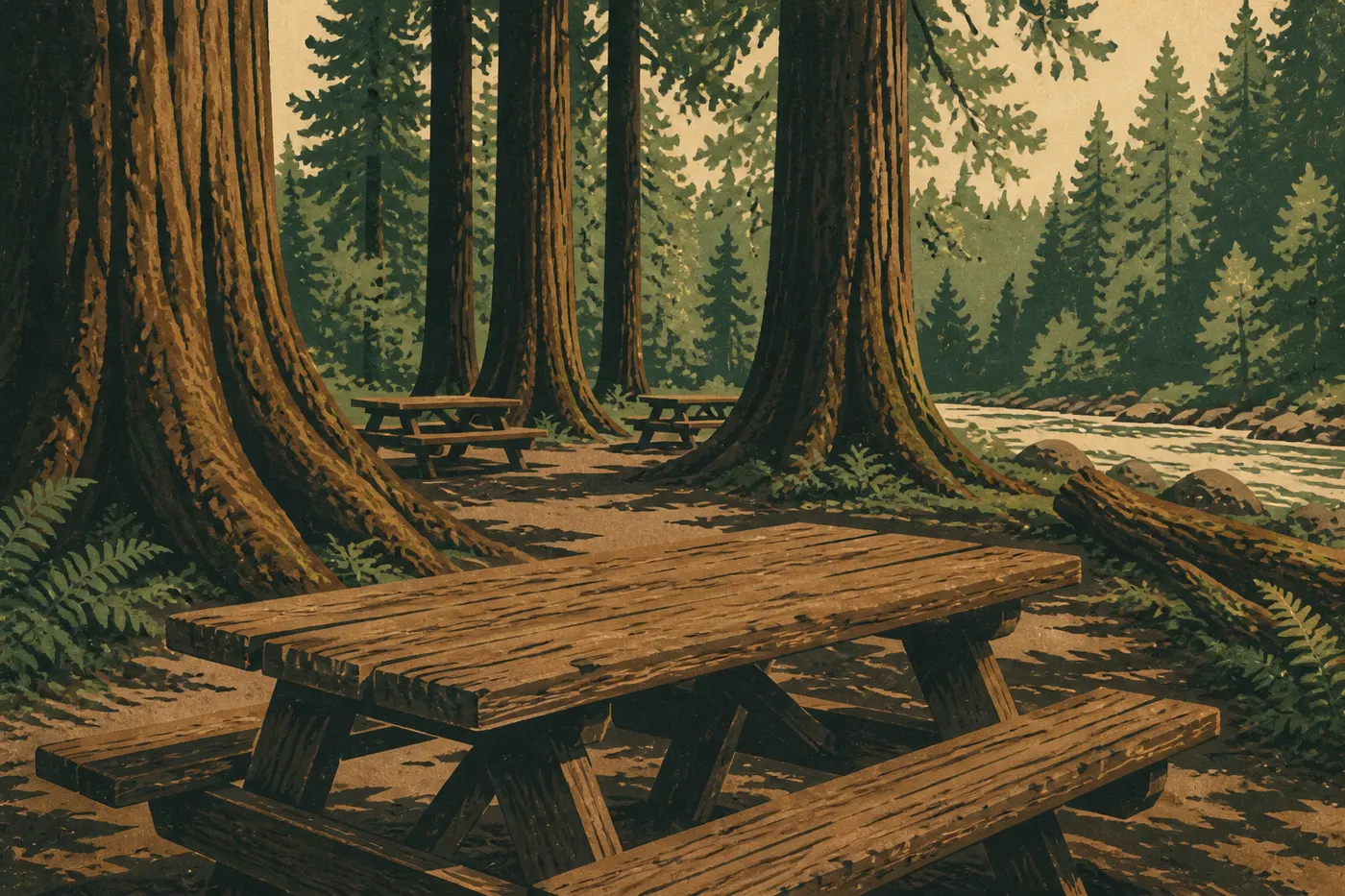
Ohanapecosh feels completely different from the alpine areas described above. There are no summit views here. Instead, you descend into a forested valley beneath spruce and cedar trees, some more than 1,000 years old. Grove of the Patriarchs Trail is the area's centerpiece: a 1.0-mile trail crosses an island in the middle of the Ohanapecosh River, among trees that rise as high as 200 feet. The footbridge over the river is one of the park's most photographed spots.
The Ohanapecosh visitor center is open in summer. The nearby campground is one of the park's most sought-after because of its forest setting. Reservation details and availability are in the Mount Rainier camping guide.
Allow one to 1.5 hours for the trail and site. Stevens Canyon Road, which connects Ohanapecosh with Paradise, passes alpine lakes and waterfalls. Don't rush through it like you're on a highway.
Sunrise (Northeast Area, 6,400 Feet)
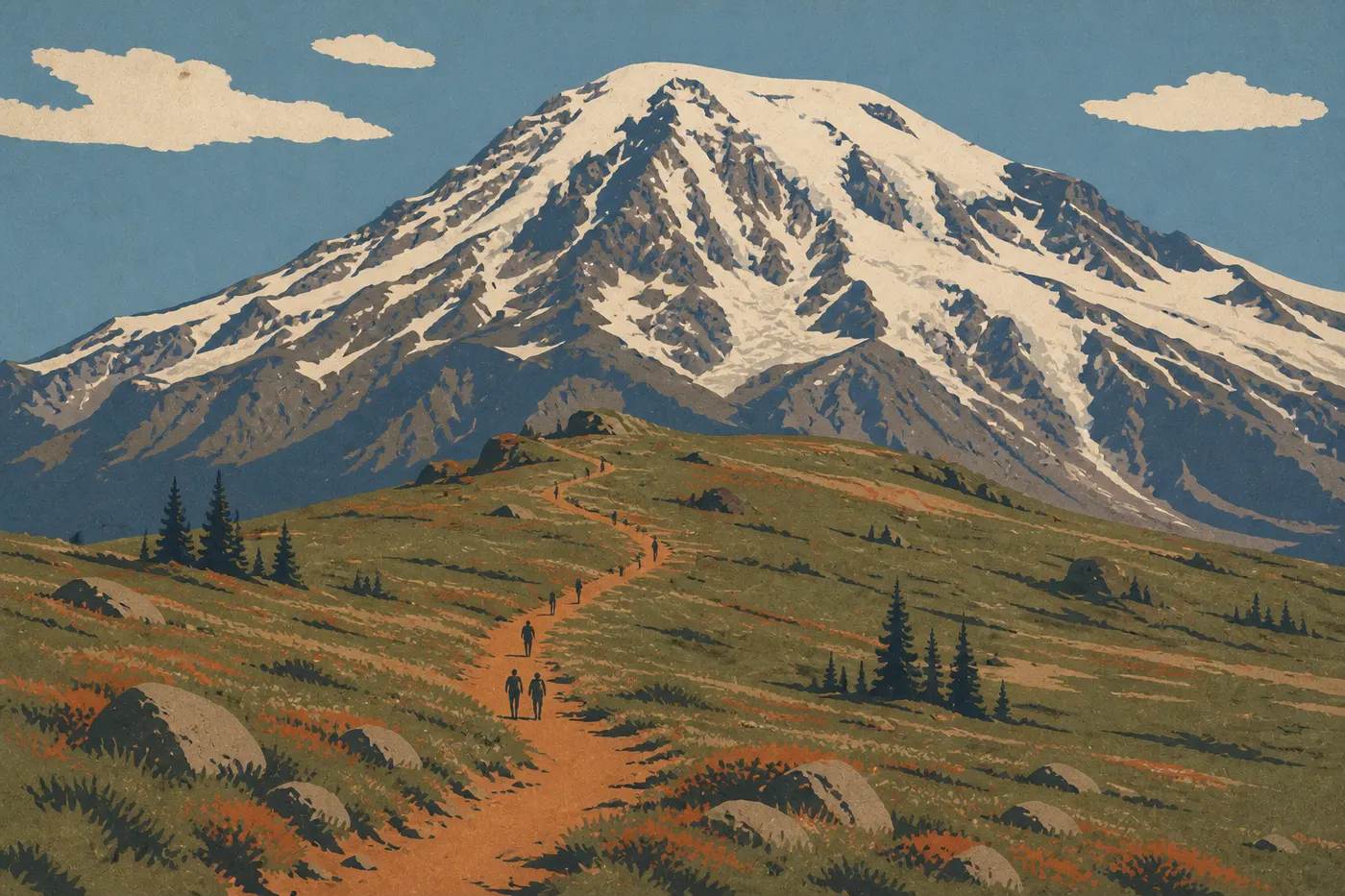
Sunrise is the highest point in the park accessible by car. The road usually opens sometime in July and closes in October. The season is short, but the scenery is worth planning around. From the parking lot, Rainier seems close enough to touch, especially from Emmons Vista, a five-minute walk away.
The area is significantly less crowded than Paradise, which makes it a favorite among regular park visitors. The subalpine vegetation is shorter, and morning light on Emmons Glacier, the largest glacier by area in the contiguous United States, is exceptional for photography. The visitor center is modest, but the rangers are very specific about current trail conditions.
Burroughs Mountain Trail starts at Sunrise and climbs a ridge with 360-degree views of the Cascades. Allow three to four hours to enjoy the area properly, including sunrise if you arrive early.
Carbon River (Northwest Area)
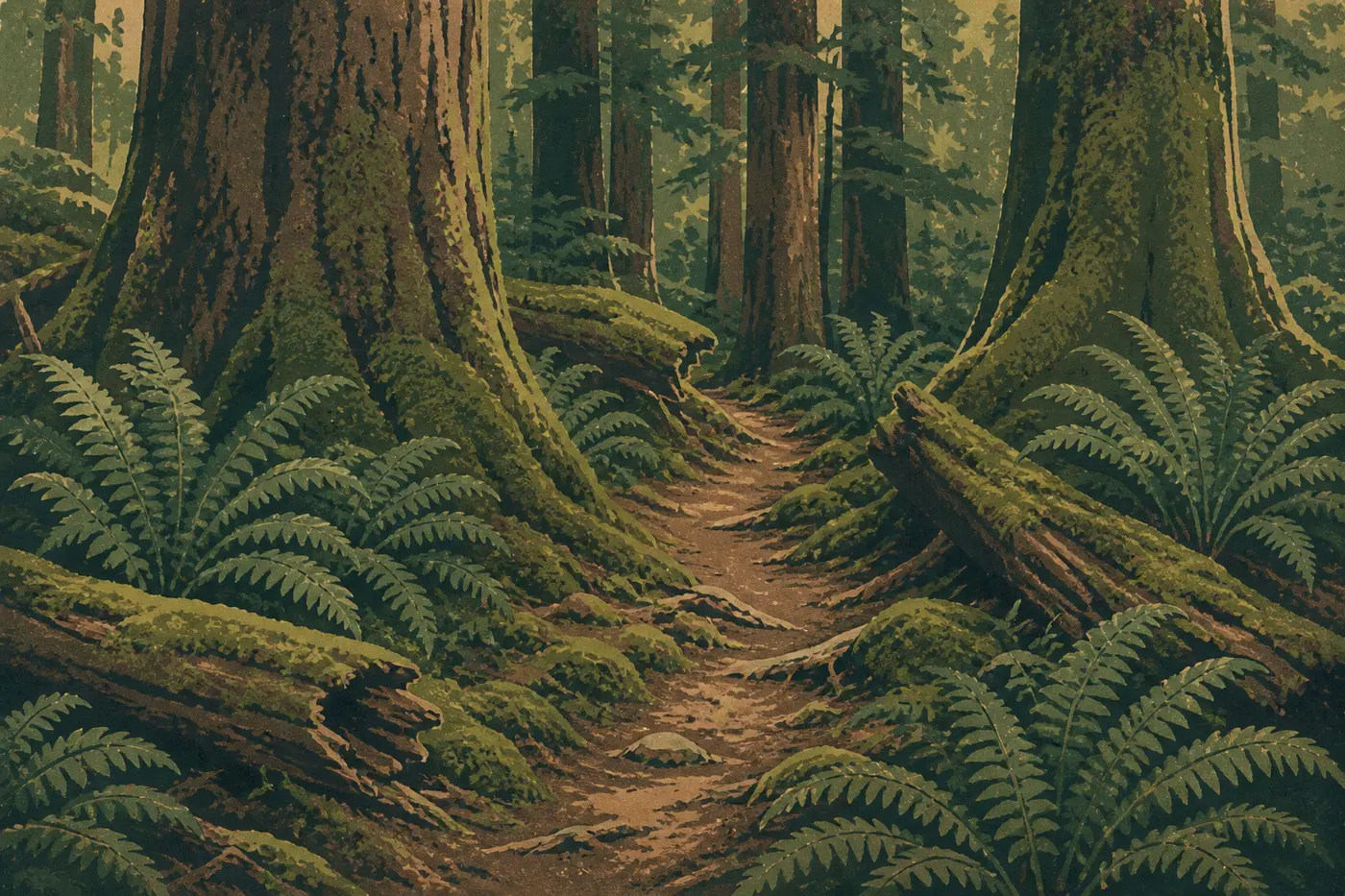
Carbon River is the park's least-visited and most unusual area. The damp northwest microclimate creates a temperate rainforest, rare in the national parks of the contiguous United States. The access road has been gravel since it closed to cars in 2006. Beyond the entrance station, you can travel only on foot or by bike.
The Carbon River Rainforest Loop (about 3 miles round-trip, flat) follows the river beneath giant ferns and moss hanging from the trees. This area is especially appealing to anyone looking for dense forest and quiet. There are no restrooms at the entrance outside the summer months.
Mowich Lake (Northwest Area)
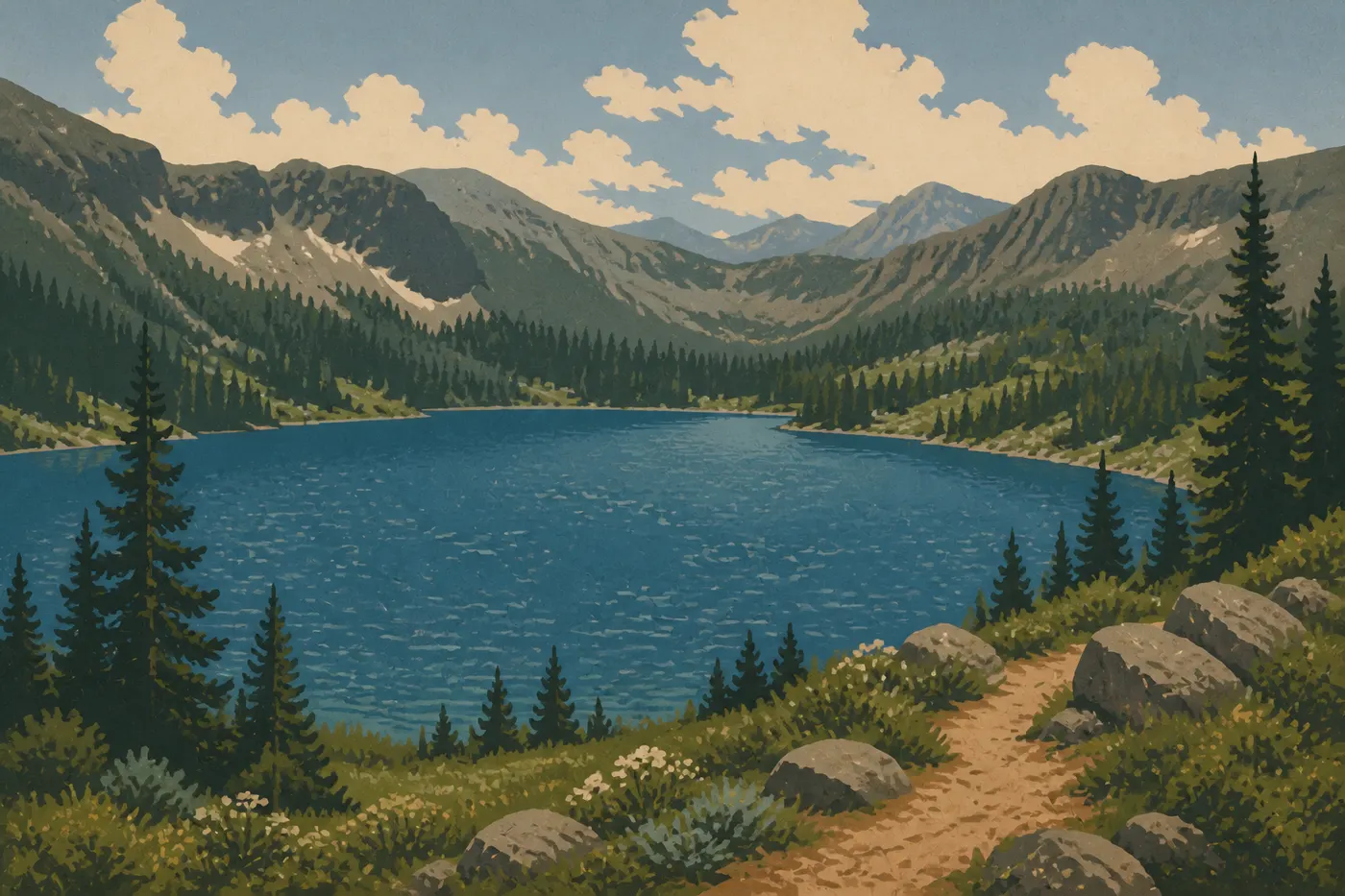
Mowich Lake is the park's largest lake. The last few miles of the access road are unpaved, parking is limited, and there is no visitor center or drinking water on site. In return, the atmosphere feels almost untouched. The primitive lakeside campground is one of the park's prettiest for anyone willing to accept minimal comfort. Spray Park Trail starts here and leads to wildflower meadows comparable to Paradise, with a fraction of the crowds.
The Best Hikes at Mount Rainier
Mount Rainier has more than 93 miles of maintained trails, from a 30-minute family walk to a multi-day alpine traverse. Most trails cluster around Paradise and Sunrise. For a first visit, the Skyline Trail at Paradise and Burroughs Mountain Trail from Sunrise are the standards. Hikers looking for solitude should consider Spray Park from Mowich Lake and Carbon River, which remain well below most visitors' radar.
The Mount Rainier hiking guide covers every trail, including distance, elevation gain, difficulty, and the best opening windows. The short version is this: bring extra layers even in summer (wind above 5,900 feet can pick up without warning), trekking poles for June snowfields, and check conditions that morning with the visitor center or on the NPS website.
Other Activities Based on Your Interests
Wildlife watching. Hoary marmots are everywhere in the Paradise and Sunrise meadows starting in July, often perched on rocks 10 feet from the trail. Columbian black-tailed deer regularly appear along the edges of the forests around Longmire. Look for mountain goats with binoculars on the ridges above Sunrise. Black bears live throughout the park. Talk loudly on forest trails, don't leave food visible in your car, and store your provisions in the bear-proof boxes at campgrounds. The Mount Rainier wildlife guide covers the best spots and seasons for viewing.
Photography. Paradise's meadows with snow-covered Rainier in the background are the park's iconic image. For volcano reflections in the water, Reflection Lakes on the road between Paradise and Stevens Canyon is a classic. For sunrise over Emmons Glacier, Sunrise requires arriving before the visitor center officially opens.
Snowshoeing and cross-country skiing. In winter, Paradise is one of Washington State's most popular snowshoeing areas. Rangers lead guided outings on some weekends; check the schedule on the NPS website. There are no ski lifts in the park.
Family activities. The Junior Ranger program is available at every visitor center. Kids get a free booklet to complete during their visit, followed by an official ranger badge. Longmire's trails and Grove of the Patriarchs Trail work well for kids ages 5 or 6 and up. The Mount Rainier family guide brings together suggestions for visiting with young children.
Stargazing. Mount Rainier has moderate light pollution. From Sunrise or isolated campgrounds, you can see the Milky Way on a clear summer night. Seattle's proximity, less than 93 miles away as the crow flies, nevertheless limits total darkness.
Things to Do Around Mount Rainier
Mount Rainier pairs naturally with Mount St. Helens two hours west, North Cascades National Park to the north, and Olympic National Park to the west for a 7- to 10-day road trip through the American Northwest. The three parks make a classic loop from Seattle or Portland, each with its own distinct character.
The Bottom Line: What to See First at Mount Rainier
Mount Rainier is worth the trip for its unique combination of an imposing volcano, high-elevation wildflower meadows, and old-growth forests. With one day, Paradise alone makes the drive from Seattle worthwhile. With two days, Sunrise on the second morning rounds out a faithful portrait of the park. In three days, Grove of the Patriarchs Trail and Carbon River add two very different forest experiences.
The main logistical issue is parking at Paradise, which fills by 10 a.m. in July and August. Plan your arrival times, reserve a lodge room or campsite well in advance if you plan to stay overnight (the Mount Rainier lodging guide covers all the options), and check road conditions before heading to Sunrise or Stevens Canyon.
Frequently Asked Questions
What is there to do at Mount Rainier?
At Mount Rainier, the main activities are hiking through the wildflower meadows at Paradise, taking in volcano views from the Sunrise overlook, visiting Grove of the Patriarchs Trail at Ohanapecosh, and walking through the rainforest at Carbon River. In winter, snowshoeing at Paradise remains accessible through Nisqually Entrance, which is open year-round.
Is one day enough to visit Mount Rainier?
One day is enough to see one area properly. For a single day, Paradise is the obvious choice: the visitor center, wildflower meadow trails, and snowy summit views make a full four- to six-hour program. Adding Sunrise requires at least two days.
How long do you need to visit Mount Rainier?
Allow two days for Paradise and Sunrise, and three days to add Ohanapecosh and Carbon River. A week allows time for longer hikes and exploring Mowich Lake. The Mount Rainier itinerary guide offers detailed plans based on how much time you have.
What are the must-do activities at Mount Rainier?
Mount Rainier's highlights are Skyline Trail at Paradise (wildflower meadows and summit views), Emmons Vista at Sunrise, Grove of the Patriarchs Trail at Ohanapecosh (ancient cedars), and the Carbon River rainforest.
Which hike should you do at Mount Rainier?
For a first visit, Skyline Trail at Paradise (about 5 miles, 1,500 feet of elevation gain) is the park's signature hike. For the best views of the Cascade Range without the crowds, choose Burroughs Mountain Trail from Sunrise. The Mount Rainier hiking guide covers all the trails, with distances, elevation gains, and current conditions.
Is Mount Rainier worth visiting?
Mount Rainier is worth the trip if you're looking for a park with a strong visual identity, an ever-present volcano, and a range of landscapes (alpine, forest, and rainforest) accessible from Seattle or Portland in less than three hours. Peak season in July and August is the most spectacular time for flowers at Paradise, but it's also the busiest.