
Gates of the Arctic Wildlife: What to See and Where to Look
Gates of the Arctic isn't a park where you "visit" wildlife from a scenic overlook. No road enters the park, and no trail is marked. You step into more than 11,600 square miles of tundra and mountain ranges above the Arctic Circle, where animals live without making any concessions to human presence. Five species capture the essence of the park: caribou, brown bears (grizzlies), Dall sheep, gray wolves, and gyrfalcons. Wolverines, Canada lynx, and golden eagles live here too. They're harder to spot, but just as real.
Gates of the Arctic's Iconic Animals
Caribou: A Spectacular Tundra Migration
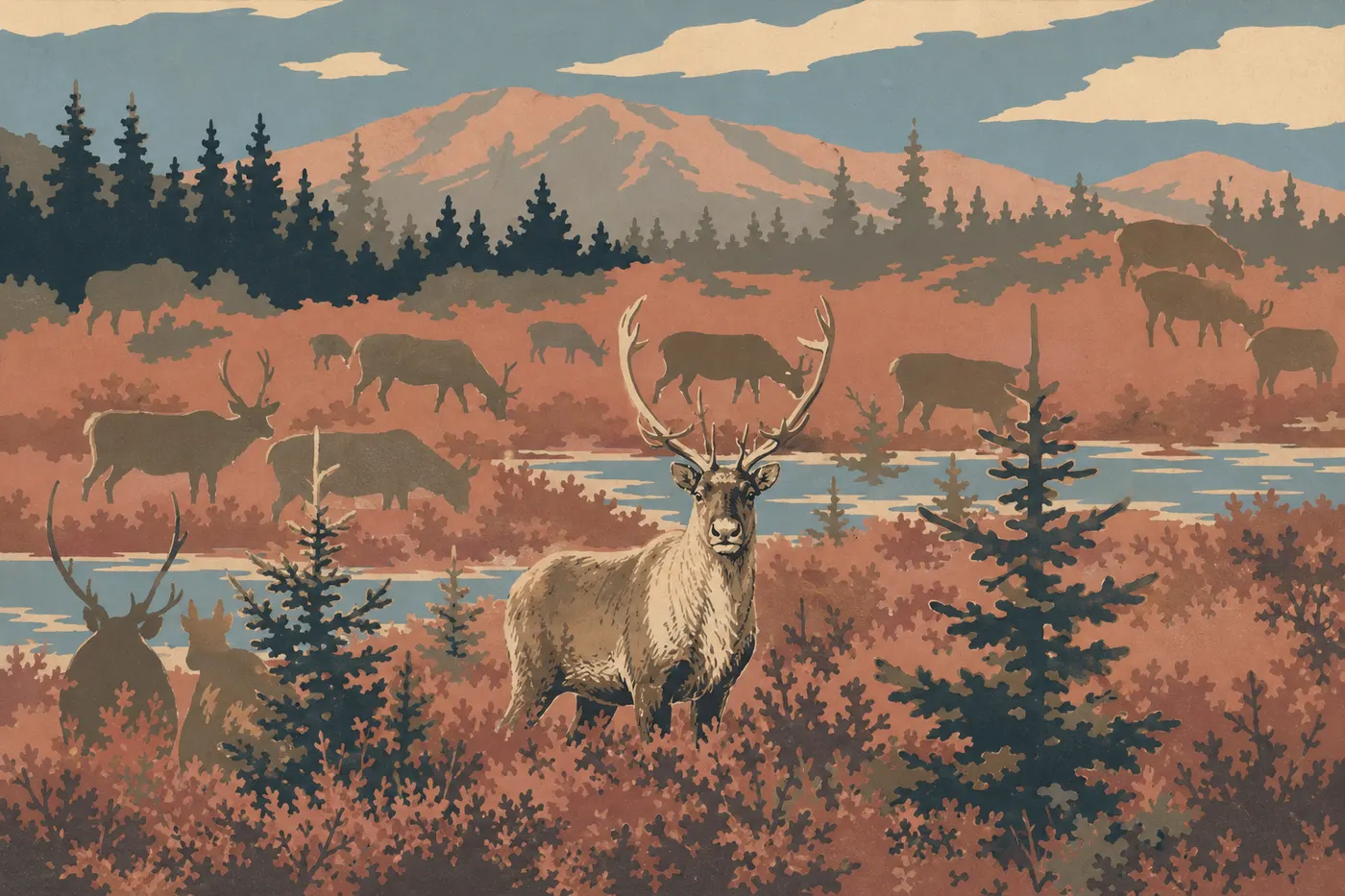
Caribou are the central wildlife story at Gates of the Arctic. The Western Arctic Herd, one of the largest caribou herds in North America, crosses the park twice a year. In spring, females head north to give birth on the coastal tundra. In fall, the herd moves back toward the boreal forests to the south. During migration, the lines of animals can stretch for miles.
Caribou are easy to recognize. They're large, with brownish-tan coats, lighter necks and chests, and antlers carried by both sexes, which is unique among deer. Adult males sport especially impressive antlers in early fall. In groups, caribou often move single file across open tundra. That hypnotic procession is one of the most powerful sights Gates of the Arctic has to offer.
Brown Bears (Grizzlies): The Omnivores That Set the Rules
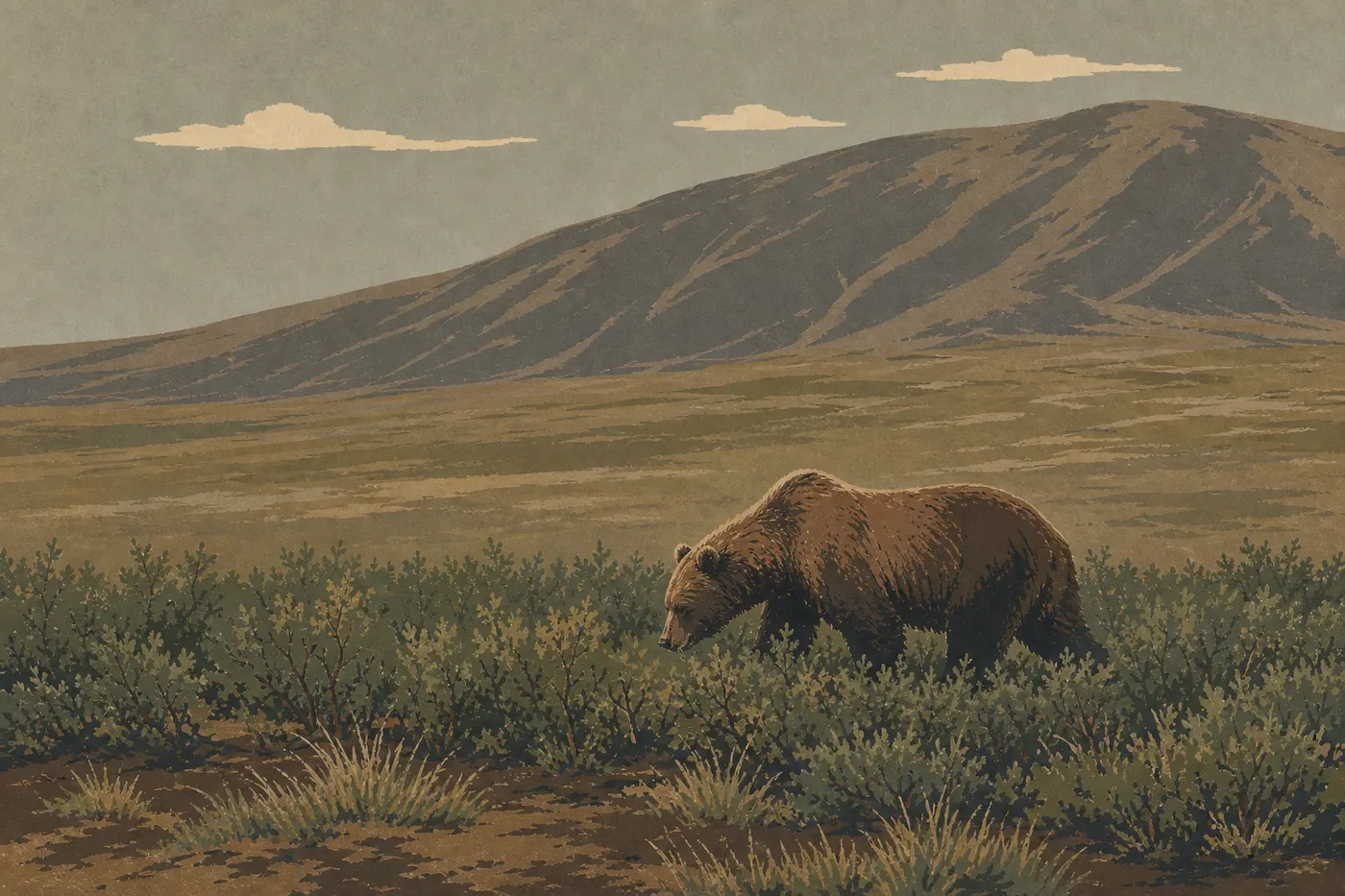
Brown bears are found throughout the park. In summer, they follow salmon up the rivers, dig through slopes for roots and Arctic ground squirrels, and gorge on berries late in the season to prepare for hibernation. Unlike in the Lower 48, where seeing one is a lucky break, brown bears are part of the everyday landscape here.
Their distinguishing features include a prominent muscle hump above the shoulders, a slightly concave facial profile, and short, rounded ears. Their coats range from nearly blond to dark brown, and some individuals are silvery gray. An adult male can weigh between 400 and 800 pounds, depending on the season.
Dall Sheep: Lords of the Brooks Range Ridges
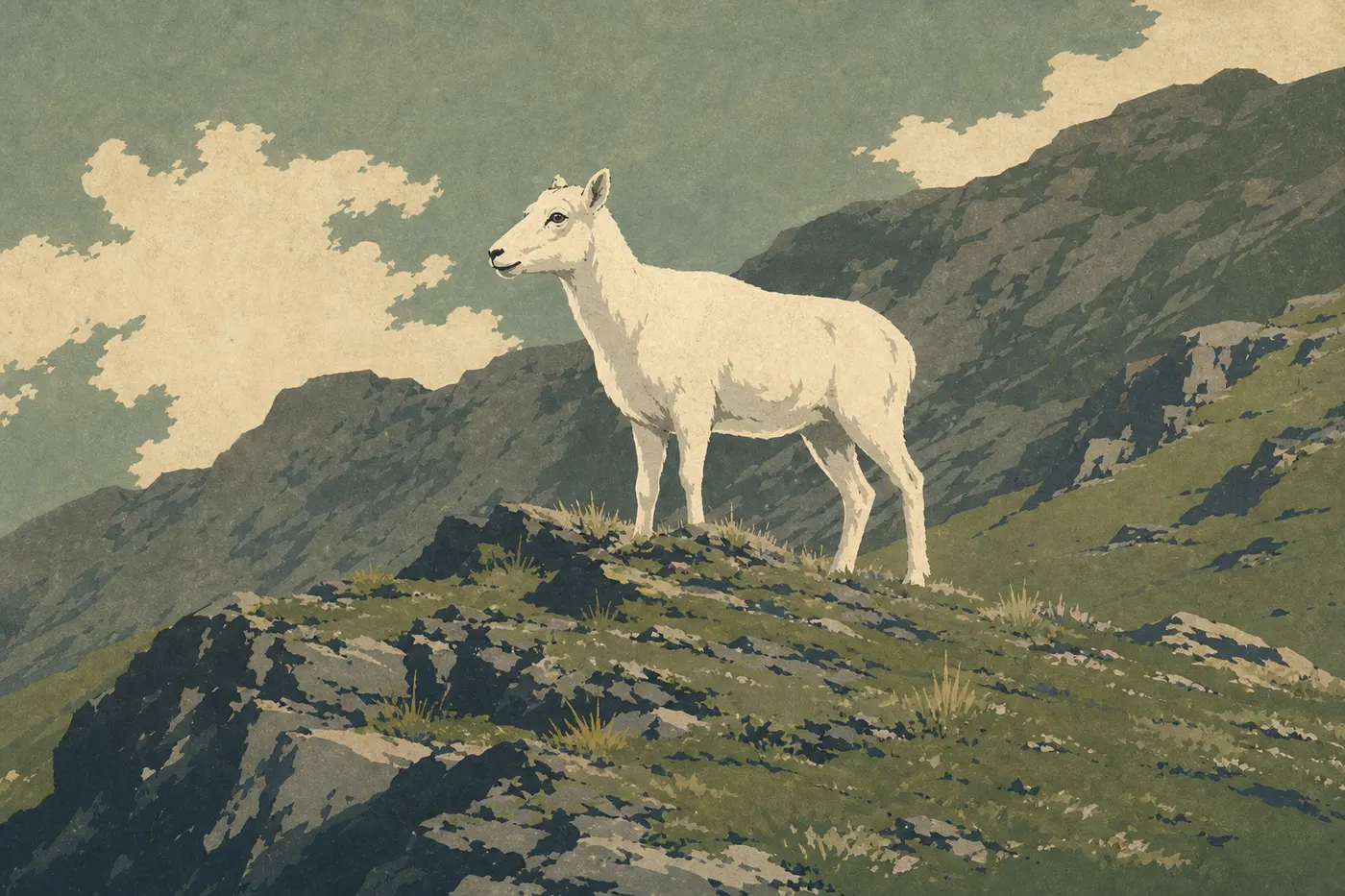
Dall sheep (Ovis dalli) are an Arctic species with completely white coats, easy to pick out from a distance against dark rock walls. Males have curled horns that grow thicker year after year. Females have shorter, slightly curved horns. They occupy the steep slopes and ridges of the Brooks Range, terrain few predators will venture into.
Spotting Dall sheep takes serious optics. Bring at least 10×42 binoculars, and a spotting scope if you want to watch them move. Look for white patches on gray rock walls. You can pick them out from far away even without optics.
Gray Wolves: Ghosts of the Tundra
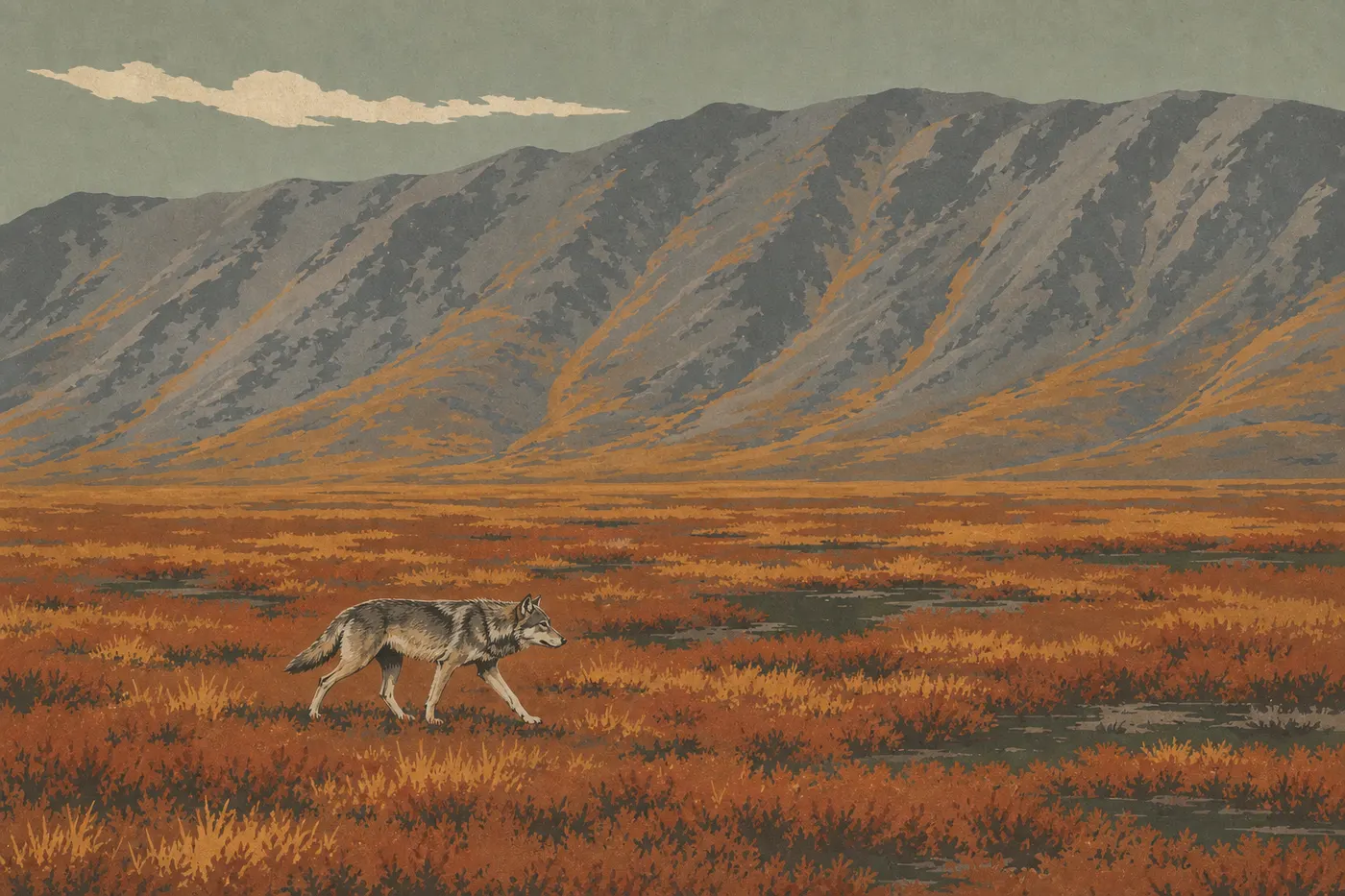
Gray wolves live throughout the park, often in packs that closely follow caribou migrations. They're here, but you probably won't see them. They're the hardest animals on this list to spot. Wolves are large, with long legs adapted to covering great distances across the tundra. Their coats range from pure white to dark gray and brown.
Your best chance of seeing a wolf comes from a chance encounter while crossing on foot, early in the morning, along caribou migration corridors. A telephoto lens is essential. At Gates of the Arctic, no one expects you to get close.
Gyrfalcons: The World's Largest Falcons Above the Arctic
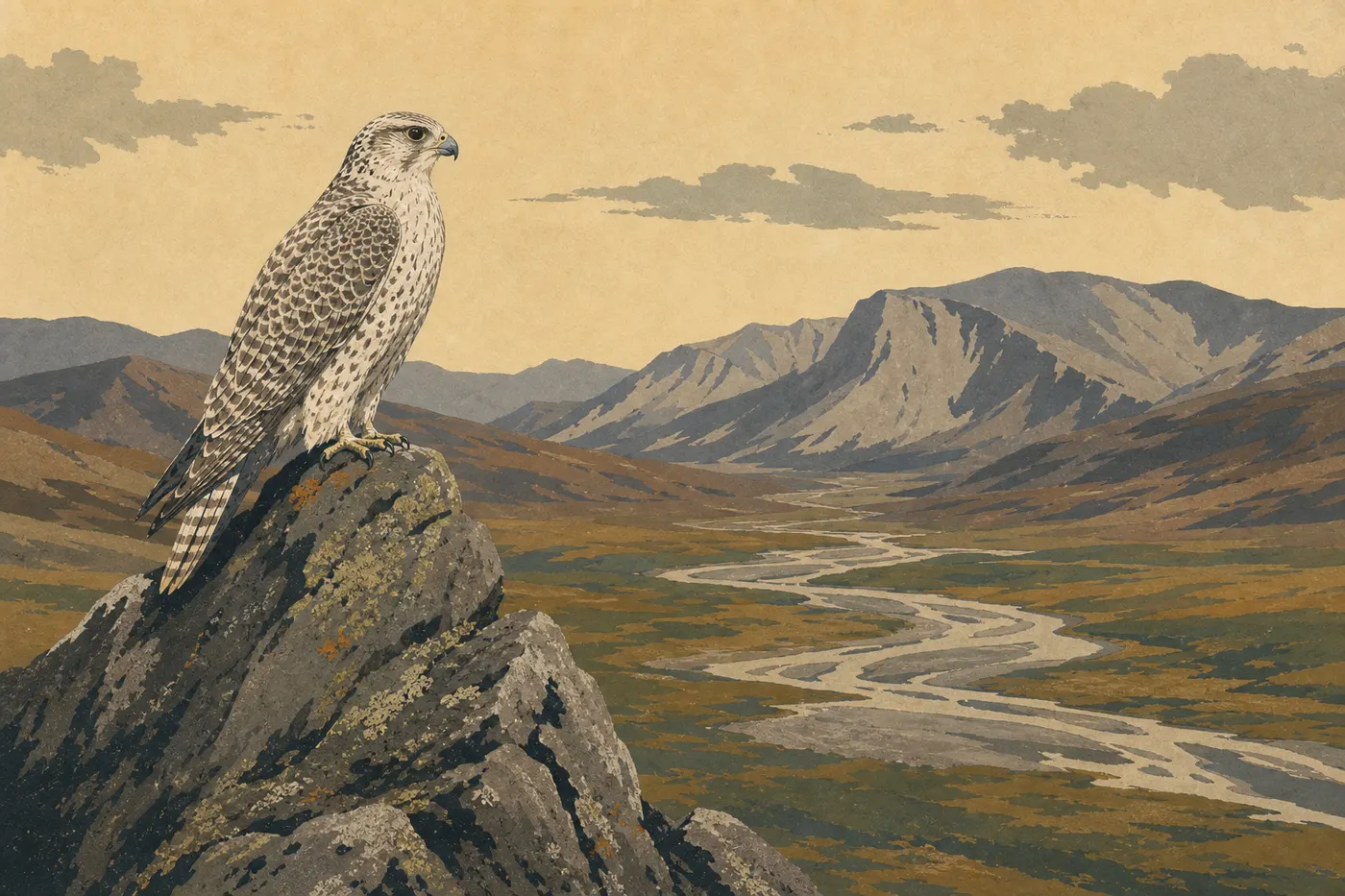
The gyrfalcon (Falco rusticolus) is the largest falcon in the world. At Gates of the Arctic, it nests on rocky cliffs and mainly hunts willow ptarmigan, catching them in high-speed flight. Its plumage ranges from white to gray, depending on the individual, making it nearly invisible against light granite outcrops.
In flight, its silhouette is powerful, with broad pointed wings, a relatively long tail, and slow, deep wingbeats between glides. If you see a large raptor moving effortlessly in the Arctic wind above a ridge, that's the one.
Telling Brown Bears and Black Bears Apart at Gates of the Arctic
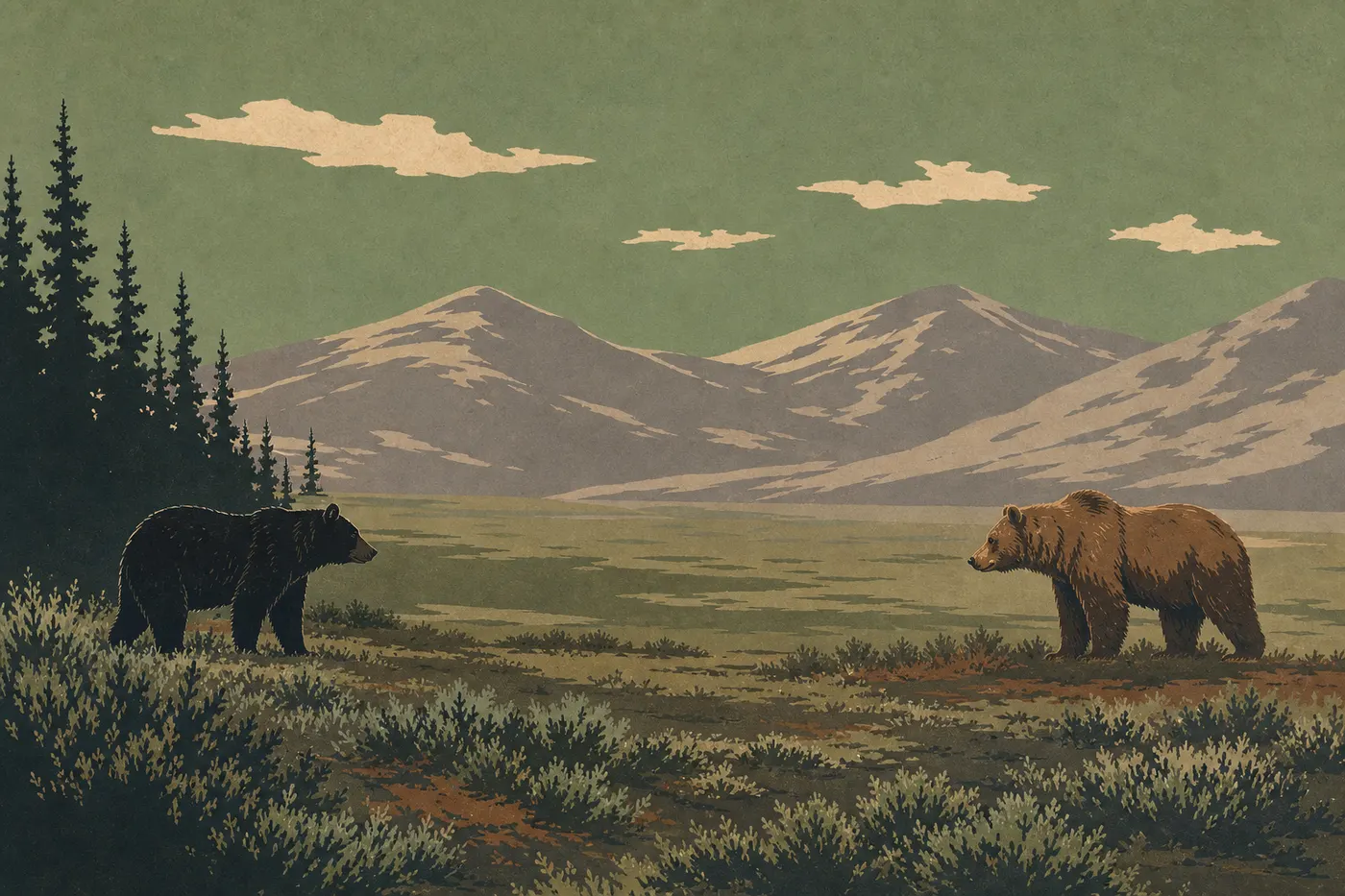
Both species live in the park, but black bears are rare at this latitude. The vast majority of bears you'll encounter are grizzlies. Here's how to tell them apart at a glance: brown bears have a clearly visible shoulder hump that black bears lack, a concave facial profile, and short, rounded ears. Black bears have a straighter facial profile, taller, more pointed ears, and a rump higher than their shoulders. Color alone can fool you. A black bear can be cinnamon brown, and a grizzly can look blond.
Where to See Wildlife in Gates of the Arctic
The complete lack of roads turns this into a logistics exercise before it becomes a wildlife-viewing exercise. You don't reach Gates of the Arctic by accident.
River valleys account for most wildlife sightings. The Alatna Valley, the North Fork Koyukuk River, and the Tinayguk River are natural corridors where caribou, bears, and wolves move. Groups traveling these rivers by packraft or inflatable kayak are the ones most likely to come home with the best photos.
For Dall sheep, scan the Brooks Range ridges as soon as you gain elevation. They occupy steep, rocky areas predators avoid, appearing as white patches against dark rock or sky.
Around Anaktuvuk Pass, a village reachable by air in the heart of the park, caribou pass through during major migrations. It's often the entry point chosen by people who want concentrated wildlife viewing without a multiday crossing.
For possible routes and air-taxi access from Bettles or Coldfoot, the Gates of the Arctic hiking guide covers the crossings that offer the best chances of seeing wildlife.
When to Watch Wildlife: Seasons and Times of Day
The park is officially open year-round, but practical access is concentrated between June and September.
The most spectacular window runs from mid-August to mid-September. The fall caribou migration is underway, bears are in a period of intense hyperphagia, eating several pounds of berries and small mammals each day to build up their reserves, and the tundra turns red and ocher, creating an exceptional photographic backdrop.
June and July are good months for caribou with calves, nesting birds such as snow geese, Arctic terns, and whimbrels, and bears emerging from winter dormancy.
One essential feature of these latitudes is that summer has no true night. The sun circles the horizon without ever dipping below it for several weeks. Animals, especially bears and wolves, still tend to be most active in the early morning and late afternoon, although that pattern is less consistent here than in parks farther south.
To choose your window based on your priorities, whether that's migrating caribou, nesting birds, or fall color, the Gates of the Arctic month-by-month calendar breaks down every season.
Predators and Large Animals of Gates of the Arctic
The dominant land predator is the brown bear, which can take weakened caribou or calves. The gray wolf is the only other pack predator capable of actively hunting a healthy adult caribou. You may also see:
- Wolverines (Gulo gulo): stocky, powerful mustelids that scavenge and hunt opportunistically, but are rarely seen.
- Canada lynx: found in the park's wooded areas, where they mainly hunt snowshoe hares.
- Golden eagles: land predators that take ptarmigan, Arctic ground squirrels, and young caribou.
- Gyrfalcons: aerial predators specialized in hunting ptarmigan at high speed.
The largest animal in the park is the moose (Alces alces). Adult males of the Alaska subspecies are the largest in the world. They commonly exceed 990 pounds, and their antlers can span more than 6 feet. They frequent wooded areas and riverbanks in the southern part of the park. Brown bears, weighing up to 800 pounds, rank second in size and are the largest predator.
Staying Safe Around Wildlife
Gates of the Arctic is true wilderness with no safety net. There are no rangers in the field, no road for a quick evacuation, and no rescue infrastructure close at hand. Wildlife safety rules aren't optional here.
Required safety distances (NPS):
- Bears and wolves: at least 300 feet (100 yards). If the animal changes its behavior when you approach, you're too close. Back away immediately.
- Caribou, moose, Dall sheep, and any other large mammal: at least 80 feet.
Bear spray. It's the most effective protection during a grizzly charge. Wear it on your belt, where you can reach it in less than three seconds. Check that the safety is unlocked before every outing. Don't bury it at the bottom of your pack.
Bear canister. The park has no food-storage structures. Store all food and scented items such as toothpaste and sunscreen in a canister at least 200 feet from camp. Hanging food in a tree is impractical on open tundra. The canister is the only reliable solution.
Make noise while you walk. Low vegetation such as alder thickets and Arctic willows can reduce visibility to just a few yards. Talk loudly, strike your trekking poles, and announce your presence continuously.
Never feed an animal, even indirectly. A poorly handled food scrap or a discarded wrapper can teach a bear to associate people with food. A bear conditioned to human food eventually has to be euthanized.
For weather, emergency gear, and evacuation, the park is several hours of flying from any hospital, so careful preparation is essential before you board your flight.
In Brief: Species Not to Miss and Where to Find Them
| Species | Where to look | Best time |
|---|---|---|
| Caribou | Open tundra, river valleys, Anaktuvuk Pass | Mid-August to mid-September (migration); June to July (calves) |
| Brown bear | Rivers, berry-covered slopes, tundra | June to October (before hibernation) |
| Dall sheep | Brooks Range ridges and rocky cliffs | All summer |
| Gray wolf | Caribou migration corridors | Mid-August to mid-September |
| Gyrfalcon | Rocky cliffs, soaring above ridges | Spring and summer (nesting) |
| Moose | Wooded areas and riverbanks in the southern park | June to September |
| Golden eagle | Open tundra, mountain thermals | May to October |
The Gates of the Arctic guide brings together everything you need to plan your expedition from Fairbanks.
Frequently Asked Questions
What are the iconic animals of Gates of the Arctic?
The iconic animals of Gates of the Arctic are caribou from the Western Arctic Herd, brown bears, Dall sheep, gray wolves, and gyrfalcons. The park is also home to wolverines, Canada lynx, golden eagles, and moose.
What is the most common animal in Gates of the Arctic?
The most common and easiest animal to see is the caribou, especially during the spring and fall migrations. Brown bears are also common, particularly along rivers in summer.
What is the largest animal in Gates of the Arctic?
The largest animal in Gates of the Arctic is the moose. Adult males of the Alaska subspecies commonly exceed 990 pounds. Brown bears, weighing up to 800 pounds, are second in size and the park's largest land predators.
What predators live in Gates of the Arctic?
Gates of the Arctic predators include brown bears, gray wolves in packs, wolverines, Canada lynx, golden eagles, and gyrfalcons. There are no mountain lions or polar bears at these elevations or in this part of interior Alaska.
What animals are out at night in Gates of the Arctic?
In summer, Gates of the Arctic has no true night. The sun doesn't set for several weeks above the Arctic Circle. Bears, wolves, and caribou move around at any hour. Lynx and wolverines have more nocturnal cycles, but the continuous daylight disrupts the usual rhythms of all wildlife.
Where can you see wildlife in Gates of the Arctic?
The best viewing areas are the Alatna Valley and the North Fork Koyukuk River for bears, wolves, and caribou; the Brooks Range ridges for Dall sheep; and the area around Anaktuvuk Pass for migrating caribou. You can reach them only by air taxi or on foot from the communities of Bettles or Coldfoot.