
When to Visit Gates of the Arctic: Best Time, Seasons, and Months
The best time to visit Gates of the Arctic is June and July, when the midnight sun, passable tundra, and regular flights from Bettles make travel easiest.
Gates of the Arctic isn't a park you can visit on a whim. With no access roads, marked trails, or visitor infrastructure, it demands serious planning, especially when it comes to choosing the right weather window.
In short: the best time to go is between June and August. The tundra is passable, bush plane flights from Bettles run most frequently, and the midnight sun keeps your hiking days bright until 2 a.m. If you're coming for the northern lights, aim for September–October (manageable conditions and returning darkness) or February–March (clear Arctic skies and intense cold). Full winter is reserved for guided expeditions.
Gates of the Arctic Climate Month by Month
The park stretches across the Brooks Range, north of the Arctic Circle (66.5° N). The NPS classifies its climate as Arctic and subarctic: exceptionally cold winters, short but relatively mild summers, very little annual precipitation, and frequent winds. A weather system can turn conditions around in a matter of hours.
The table below gives reference data for the region, based on stations in Bettles and Coldfoot, the two closest gateways. For detailed forecasts and hourly data, check the Gates of the Arctic weather forecast.
| Month | Low (°F) | High (°F) | Precip. (in.) | Daylight |
|---|---|---|---|---|
| January | -22 | 0 | 0.6 | Polar night |
| February | -18 | 5 | 0.5 | Very short days |
| March | -8 | 14 | 0.5 | Light gradually returns |
| April | 9 | 30 | 0.4 | Days lengthen quickly |
| May | 27 | 48 | 0.7 | Long, bright evenings |
| June | 37 | 63 | 1.3 | Midnight sun |
| July | 45 | 68 | 2.0 | Midnight sun |
| August | 39 | 61 | 1.9 | First real nights |
| September | 28 | 45 | 1.1 | Northern lights |
| October | 9 | 27 | 0.8 | First snow |
| November | -11 | 9 | 0.7 | Dim light |
| December | -22 | 0 | 0.6 | Polar night |
Gates of the Arctic in January
January is the coldest month of the year. Highs hover around 0°F to -8°F, while lows regularly fall to -22°F or below during Arctic cold snaps. Polar night has set in, and the sun doesn't rise. On clear nights, the northern lights are visible nearly every night, making them the only real draw for guided expeditions this month. Access to the park is limited to regular flights to the villages of Bettles and Anaktuvuk Pass, strictly subject to the day's conditions.
Gates of the Arctic in February
February remains brutally cold, with temperatures between -18°F and 5°F, but the days slowly lengthen after the solstice. The often-clear, dry Arctic sky offers exceptional conditions for photographing the northern lights. The snow is stable and firm, making it suitable for guided cross-country ski expeditions. Drop-off flights into the park remain dependent on the day's conditions, with no guaranteed schedule.
Gates of the Arctic in March
In March, daylight returns quickly and the days grow noticeably longer. Temperatures remain icy, around -8°F at night and 14°F during the day. It's one of the most rewarding months for the northern lights: nights are still long, skies are often clear, and the equinoxes boost geomagnetic activity. Guided polar expeditions by backcountry ski or dog sled find their best winter light conditions during this month.
Gates of the Arctic in April
April brings a tricky transition. Temperatures rise, from 9°F to 30°F, but river breakup and melting ice create unstable ground and unpredictable spring floods. Bush plane flights to drop-off areas in the park are possible but unreliable. This isn't a recommended time for most visitors, unless you're highly experienced and have several extra days to absorb delays.
Gates of the Arctic in May
In May, daytime temperatures reach 32°F to 48°F, and evenings stretch late into the night, with more than 16 hours of daylight by the end of the month. Migrating birds, including geese, ducks, and godwits, arrive in large numbers in the tundra wetlands, while caribou begin moving north toward their calving grounds. Rivers are still breaking up, and crossings remain tricky. This is a month for self-sufficient, experienced travelers who can navigate off-trail in changing conditions.
Gates of the Arctic in June
June opens the summer season. The midnight sun is fully established by the first week, with temperatures ranging from 37°F at night to 63°F to 70°F during the day. Bush plane flights from Bettles resume a regular schedule, and availability is slightly better than in July. It's often the best month for hiking: the ground is less soggy than in midsummer, mosquitoes haven't peaked yet, and access routes are open. Keep in mind that mosquitoes become active by mid-June, so strong insect repellent is essential.
Gates of the Arctic in July
July is the park's busiest month. Daytime temperatures reach 68°F to 73°F, nights stay bright until 2 a.m., and wildlife is at its most visible: grizzlies, caribou on their summer range, Dall sheep on the ridges, wolves, and foxes. The tradeoff is twofold: mosquitoes and biting flies are especially aggressive, and demand for bush planes and guide availability peaks. Book your flights and logistics several months ahead if you're targeting this month.
Gates of the Arctic in August
In August, temperatures remain comfortable, from 46°F to 66°F, but the first real nights return and precipitation is at its highest for the year, around 2.2 inches. Grizzlies enter an intense hyperphagia phase before hibernation, increasing the odds of sightings while requiring extra vigilance. It's a good month to combine hiking with the first northern lights of the season, right at the end of the month, when nights become dark enough to see them.
Gates of the Arctic in September
September is the best alternative to summer for anyone looking to avoid mosquitoes and July's logistical pressure. The tundra turns orange, red, and gold in the first weeks, offering a photographic palette unlike anything else in America's national parks. Temperatures range from 32°F to 46°F during the day, the northern lights return, and grizzlies are highly active before hibernation. Bush plane flights are still possible but become more sensitive to weather disruptions, so build 48 hours of flexibility into your schedule.
Gates of the Arctic in October
October marks the end of the accessible season. Temperatures drop to between 3°F and 21°F, the first lasting snow settles in, and most operators reduce or stop drop-off flights into the park depending on conditions. The northern lights are frequent and intense. This is a month for experienced travelers who accept more uncertain logistics in exchange for early winter conditions and snow-covered tundra landscapes.
Gates of the Arctic in November
November plunges the park into dim light. Temperatures fall between -22°F and -2°F, and the days are very short and getting shorter. Only regular flights to the villages of Bettles and Anaktuvuk Pass continue with some consistency. The park is practically inaccessible for a standard expedition. This month marks the transition to major winter polar expeditions, which require planning and equipment well in advance.
Gates of the Arctic in December
December brings back polar night. Lows fall to -31°F, and highs rarely rise above -11°F. The sun doesn't rise around the winter solstice. The park is accessible only to guided expeditions equipped for extreme cold and led by a guide familiar with the Arctic. On clear nights, the northern lights are visible almost every night and can reach remarkable intensity beneath skies completely free of light pollution.
Gates of the Arctic Season by Season
Winter: November to March
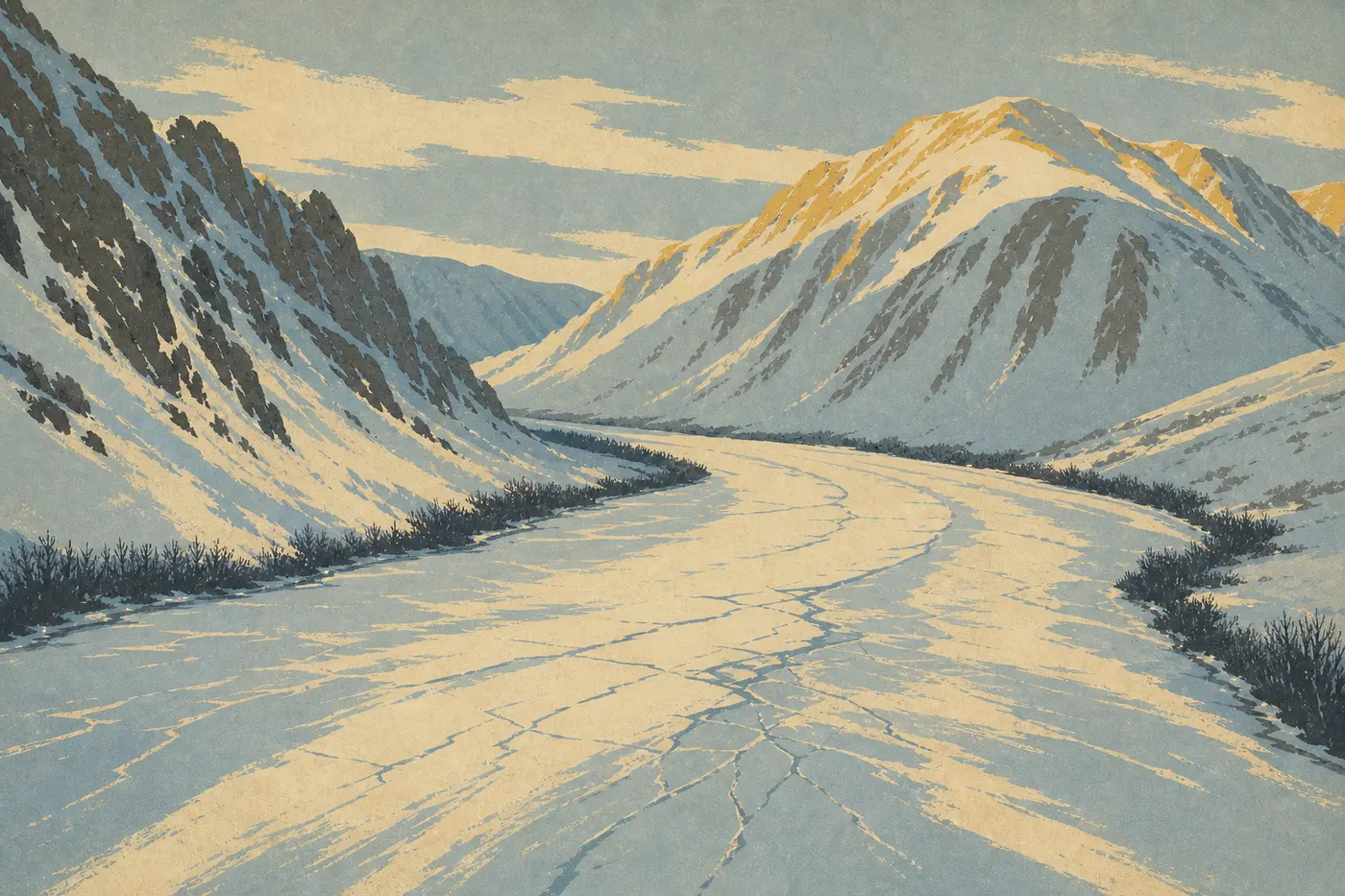
This is the season of extremes. Temperatures regularly fall below -22°F and can approach -49°F during Arctic cold snaps. Polar night settles in around the solstice. At Christmas, the sun doesn't rise. In return, the dark sky can produce northern lights of rare intensity, with some breathtaking nights.
Wildlife activity is barely visible. Bears and marmots hibernate, and caribou have moved to the lowlands. Wolves and Arctic foxes still range through the area.
This season is exclusively for guided expeditions: high-mountain cross-country skiing and dog sledding, with a certified guide and proven polar equipment. Bush planes operate according to weather conditions, with no guarantee of frequency or punctuality.
Spring: April to May
April is a deceptive transition period. Ice cracks on the rivers, thawing turns some ground unstable, and spring floods can arrive suddenly. Misjudging a river crossing during breakup is the kind of mistake that can go bad very quickly.
In May, the days lengthen rapidly, with more than 16 hours of daylight by the end of the month. Migrating birds fill the tundra wetlands: geese, ducks, and godwits in large numbers. Caribou begin moving north toward their calving grounds.
This is a quiet, technically demanding, and weather-unpredictable period. It belongs to experienced travelers who are comfortable navigating entirely on their own and adapting their plans in real time.
Summer: June to August
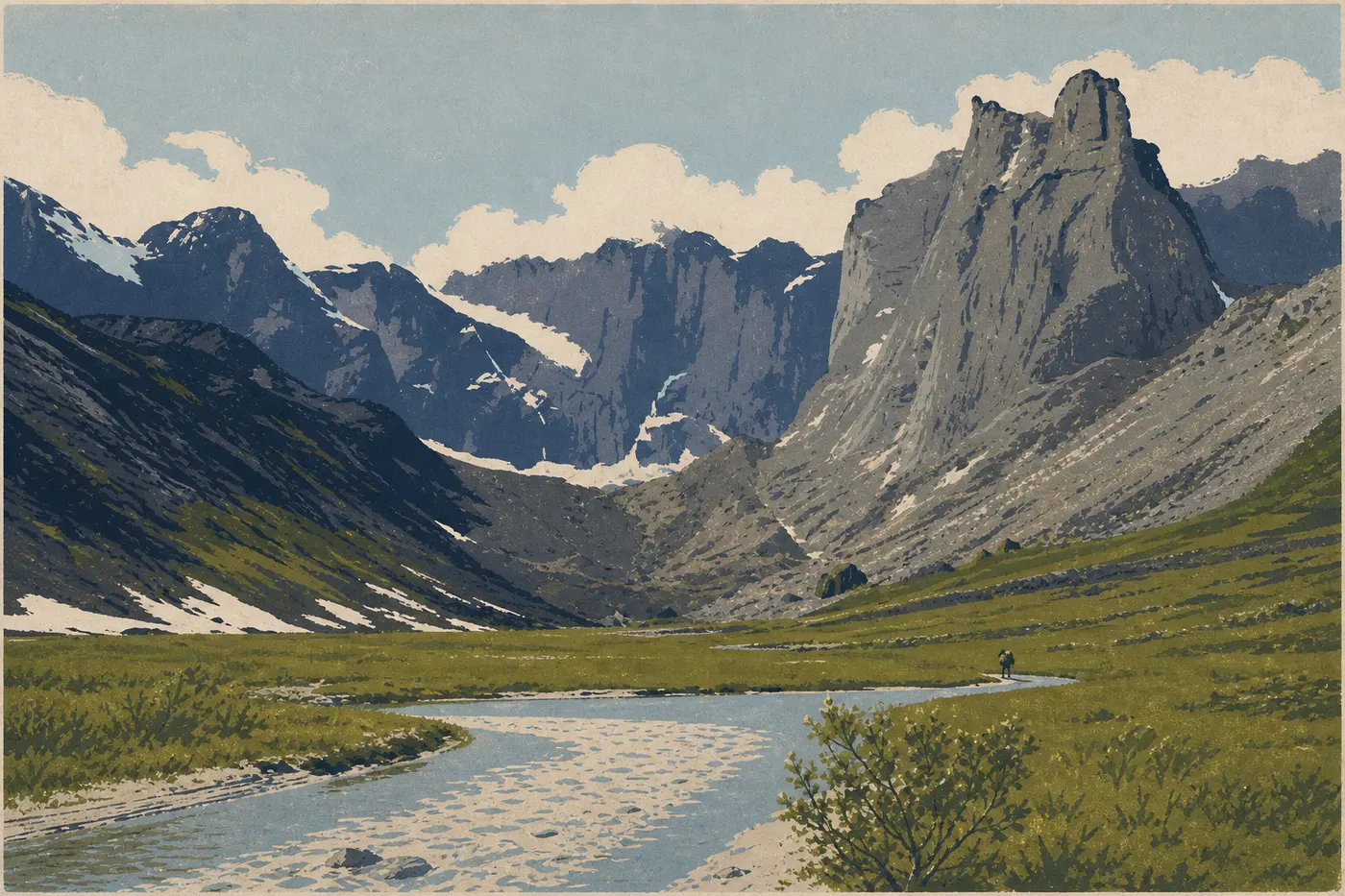
This is the only truly open window for most visitors. The midnight sun arrives by late May and doesn't disappear until early August above the Arctic Circle. The result is hiking at 2 a.m. in orange light without a headlamp, with the feeling that time has stopped.
Daytime temperatures reach 59°F to 68°F, sometimes higher. The tundra is passable, and rivers run high but can be crossed by anyone who knows how to read the current. It's peak wildlife season: grizzlies, caribou, Dall sheep on the ridges, wolves, foxes, and an impressive number of nesting birds. For the month-by-month wildlife calendar, see the Gates of the Arctic wildlife guide.
Air operators from Bettles, which you can reach from Fairbanks by road or regional flight, run on their most reliable schedule. This is also the only season when local guides offer kayaking expeditions on the park's rivers, especially the Noatak and the North Fork Koyukuk River.
One practical point that's often underestimated: mosquitoes and biting flies are especially aggressive from mid-June through mid-July. Strong insect repellent isn't optional. It's a basic comfort requirement.
Fall: September to October
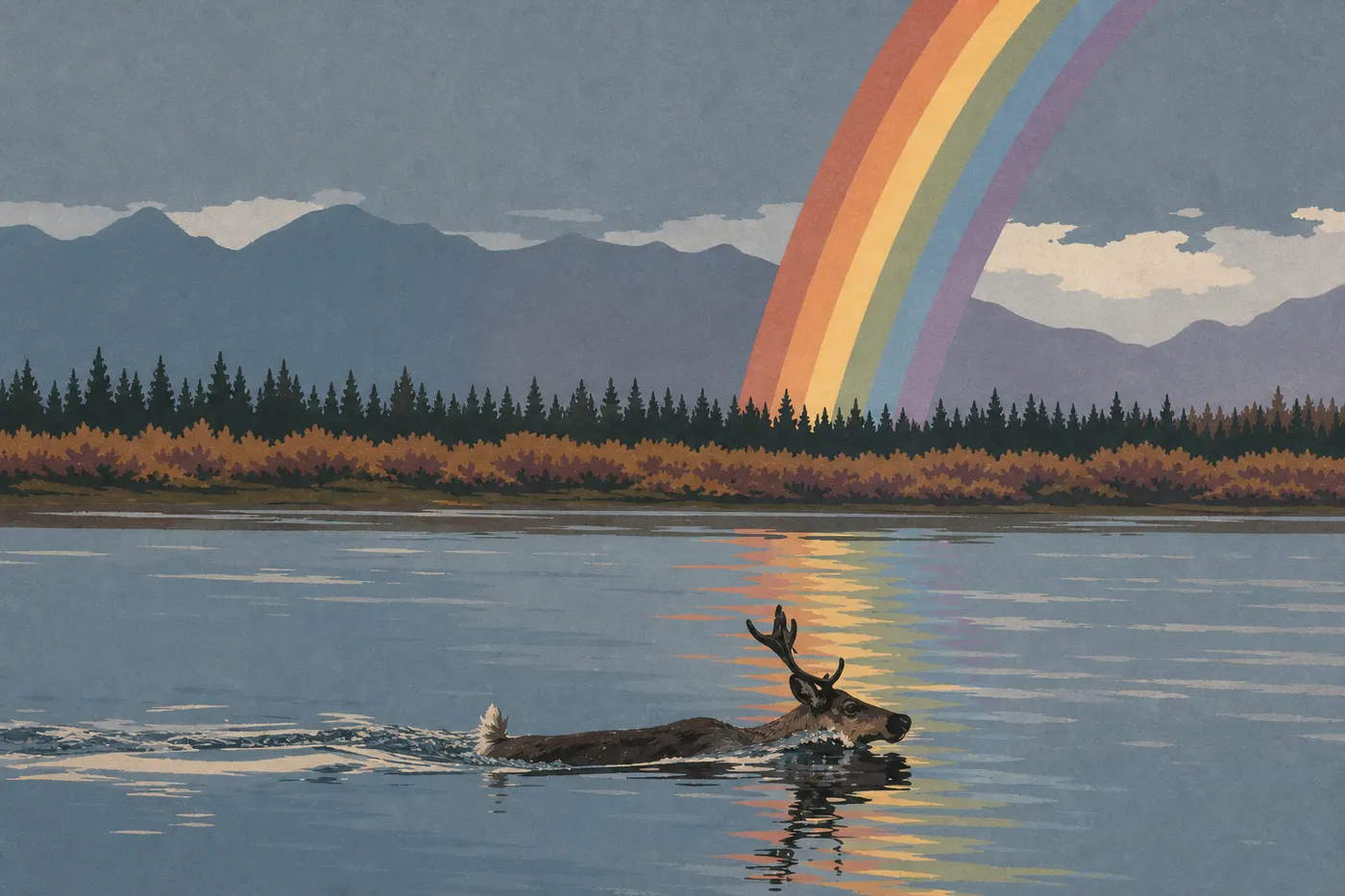
Fall is the park's secret season. The tundra turns orange, red, and gold in the first half of September, offering a photographic palette unlike anything else in America's national parks. Temperatures cool quickly, from 32°F to 45°F during the day, mosquitoes disappear, and the northern lights return with the first dark nights.
Grizzlies are in an intense hyperphagia phase before hibernation. Sightings are frequent, and vigilance needs to be just as high. Caribou begin their migration south.
The window is short. By late October, the first snow and settling cold make drop-off flights into the park more unpredictable. Plan on an extra day or two to absorb weather delays.
Crowds: When to Avoid Them
Gates of the Arctic is one of the least-visited national parks in the United States. Visitor numbers are measured in the thousands per year, compared with millions at Yellowstone or Zion. Most visitors come in July and August. Even at the height of the season, though, you won't see another person a few miles from your drop-off point: the park's vast size, 13,100 square miles, naturally spreads people out.
The idea of crowds doesn't really apply here. July does bring more logistical pressure, though, as bush plane seats and guide availability fill up. If you're aiming for summer, book your flights and guides several months ahead.
June is slightly quieter than July, with already-summery temperatures and the midnight sun in full swing. September offers the best balance: complete quiet, fall colors, and the return of the northern lights.
Access and Logistics by Season
Gates of the Arctic has no access roads and no marked trails from outside the park. Everything happens by air, or on foot from the Dalton Highway for highly experienced hikers. From Fairbanks, the Dalton Highway reaches Coldfoot. From there, several small operators offer daily flights to Bettles, the main gateway, and to other communities in the region.
In summer, bush plane flights from Bettles to drop-off areas in the park are frequent, and weather usually allows operations without major delays. This is the only season when the rivers are usable for kayaking.
In spring and fall, flights remain possible but are more vulnerable to weather disruptions. Build 48 hours of flexibility into your schedule for potential delays.
In winter, only regular flights to the villages of Bettles and Anaktuvuk Pass continue with some consistency. Drop-off flights into the park depend entirely on the day's conditions.
The park has no timed-entry system, no required permit, and no reservation window on Recreation.gov. Administrative planning is simple, but physical and gear preparation is nonnegotiable. For air operators, sample fares, and options from Fairbanks, see the Gates of the Arctic access guide.
Best Time to Visit on a Budget
Gates of the Arctic is inherently an expensive park. Bush planes, specialized guides, and Arctic gear account for most of the budget, no matter the month. There is no entrance fee.
Demand peaks in July. Drop-off flights and guide availability come at their highest prices of the year. Prices remain similar in June and August, but availability is slightly better.
September may offer slightly lower fares for regular Fairbanks–Bettles flights, but guided expeditions remain expensive because the season is short. Winter, paradoxically, isn't cheaper. Logistical demands, including specialized polar equipment, Arctic guides, and flights under strict conditions, drive up the total budget.
To compare lodging in Bettles and Coldfoot and arrange nights outside the park, the Gates of the Arctic lodging guide (campgrounds, lodges, and options in Bettles and Coldfoot) and the RV camping advice explain the seasonal options.
The Best Time for Your Travel Style
Hiking and backpacking: only from June through August, with a preference for June, when the ground is often less soggy than in July. The Gates of the Arctic hiking guide covers routes and off-trail navigation advice.
Wildlife viewing: July for grizzlies, Dall sheep, and caribou on their summer range; September for migrating caribou and hyperphagic grizzlies. With similar viewing opportunities, September generally offers more comfortable conditions: dry cold and no mosquitoes.
Photography: June and July for the midnight sun, with orange light at 11 p.m.; September–October for fall colors and the northern lights. The visual character of these two seasons differs so much that they're hard to compare.
Northern lights: September through March, once nights are dark enough. Activity peaks around the equinoxes, in March and September. September remains the window with the most manageable weather.
Families: Gates of the Arctic isn't designed for families with young children. The lack of marked trails, fully self-reliant navigation, and Arctic conditions make it suitable only for teenagers who are already independent hikers. If you're exploring Alaska with your family, the Gates of the Arctic family guide suggests accessible alternatives in the region.
In Summary: The Best Time for Your Travel Style
| Travel style | Ideal period |
|---|---|
| Hiking / backpacking | June through August |
| Wildlife viewing | July (summer) or September (migration) |
| Midnight sun photography | June to early August |
| Northern lights photography | September through March |
| Fall colors | First half of September |
| Guided polar expedition | December through March |
For an overview of the park before diving into the details, the Gates of the Arctic guide covers every aspect of a visit.
The Worst Time to Visit Gates of the Arctic
November, December, and January bring the worst conditions for an independent visit: total polar night, temperatures below -22°F, and almost no drop-off flights into the park. These three months are reserved for guided expeditions with certified polar equipment and guides familiar with the Arctic. If you haven't planned that kind of expedition months ahead, these months aren't for you.
April also deserves a warning. Breakup turns some ground unstable, river crossings become dangerous, and weather remains highly unpredictable. Unlike winter, it offers neither the beauty of the northern lights beneath a clear, stable sky nor firm, load-bearing snow for ski travel. It's the month with the most constraints and the fewest compensating advantages, so most visitors should avoid it.
Frequently Asked Questions
What's the best time to visit Gates of the Arctic?
The best time to visit Gates of the Arctic is June through August. The midnight sun provides continuous daylight, temperatures range from 50°F to 68°F, and bush plane flights from Bettles run on their most reliable schedule. September is an excellent alternative for the northern lights and fall colors, with almost no crowds.
Can you visit Gates of the Arctic in winter?
Yes, but only as part of a guided expedition with a certified guide and polar equipment suitable for temperatures below -22°F. Drop-off flights into the park depend on the day's conditions, with no guarantee. This kind of trip requires serious physical and logistical preparation planned several months ahead, along with a significantly higher budget than a summer expedition.
What's the least crowded month at Gates of the Arctic?
The park receives so few visitors year-round, only a few thousand in total, that relative crowd levels have little meaning. Outside July and August, any month guarantees complete solitude in the park. In practice, November, December, and January have the fewest drop-off flights, effectively limiting access to a handful of guided expeditions.
Is the park open in December? Is it open year-round?
Gates of the Arctic is officially open year-round. There is no seasonal closure, required permit, or reservation window on Recreation.gov. In practice, winter access depends on flight availability and the day's weather. December is technically accessible for a guided expedition, but the logistical and climatic demands are considerable.
What's the best month to visit Alaska?
The best month to visit Alaska depends on your goal. For hiking and wildlife, July is the most accessible and sunniest. For the northern lights, September or March offers a good balance between dark nights and manageable conditions. For Gates of the Arctic specifically, June is often better than July: fewer mosquitoes and slightly less air traffic.
Is Gates of the Arctic National Park worth visiting?
Gates of the Arctic is worth visiting if you're looking for total, uncompromising wilderness. You don't come here for infrastructure or convenience. You come for the silent vastness of the Arctic, 13,100 square miles without a trail or sign. It's a demanding, expensive park that requires real preparation. If you're looking for marked trails and a comfortable visitor center, this isn't the place. If you want to disappear into untouched Arctic wilderness, nothing else compares.
What's the coldest month in Alaska?
The coldest month in Alaska is January. At Gates of the Arctic, temperatures regularly fall below -22°F, with records near -49°F during extreme cold snaps. December and February are almost as severe. Frequent winds across the Brooks Range make it feel even colder.
How long does it take to visit Gates of the Arctic?
A Gates of the Arctic expedition generally lasts 7 to 14 days for serious backpacking. Add another 1 to 2 days of flexibility: weather disruptions can ground bush plane flights on both the way in and the way out. The Gates of the Arctic itineraries guide details options for different experience levels and goals.
How much does a trip to Gates of the Arctic cost?
A trip to Gates of the Arctic is expensive. Between Fairbanks–Bettles flights, drop-off flights into the park, and gear, an independent trip costs several thousand dollars. A guided expedition often runs more than $5,000 to $8,000 per person. The Gates of the Arctic access guide and lodging guide break down costs at each stage.