
What to Do in Gates of the Arctic: Top Experiences and Activities
Gates of the Arctic is the only U.S. national park without a single access road. There is no entrance sign, no line of visitors, and no snack bar. The park lies north of the Arctic Circle in the Brooks Range, and you reach it by charter plane from Fairbanks. What you do there makes the trip worthwhile: off-trail hiking across tundra and Arctic ridges, wild river trips by packraft or canoe, caribou and grizzly watching, and nights beneath the northern lights.
The top experiences fall into three categories: the North Fork Koyukuk River Valley and the two peaks that gave the park its name; the Nunamiut village of Anaktuvuk Pass, the only permanent community within the park; and a river trip on the Alatna River or the Noatak River, depending on the route you choose.
Gates of the Arctic at a Glance: Areas, Access, and Getting Around
The park covers more than 7.5 million acres of tundra, taiga, and rocky ridges. It has no roads or marked trails inside the park, so the only way in is by plane. The two main gateways are Bettles (or Evansville, just next door) and Coldfoot, both reachable by small aircraft from Fairbanks. Anaktuvuk Pass, in the center of the park, has a direct regional flight from Fairbanks. Once you've landed, you'll travel on foot across the tundra or by boat on the rivers.
The park doesn't divide its territory into official, signposted areas. Instead, people refer to access corridors, each centered on a river or geographic basin.
North Fork Koyukuk River Corridor (access from Bettles, to the southeast): the busiest area, with the valley that inspired the park's name. It's the historic and best-documented gateway.
Alatna River and Walker Lake Corridor (access from Bettles, to the west): high-altitude lakes reached by floatplane, a paddleable river, and more accessible terrain. It's ideal for a first packraft expedition.
Anaktuvuk Pass (central park, direct access from Fairbanks): the Nunamiut community and the spectacular ridges of the central Brooks Range. It offers a rare cultural dimension in a U.S. national park.
Noatak River Corridor and the Northwestern Reaches (access from Kotzebue or Ambler): the Noatak's meanders beneath Arctic escarpments, for long, self-sufficient expeditions.
All charter-flight logistics, authorized operators, and staging points for reaching Gates of the Arctic are covered in the park access guide.
How Long Do You Need to Visit Gates of the Arctic?
The shortest worthwhile visit is 5 to 7 days once you're in the park. Any less, and air-travel time (the trip to Fairbanks, the charter flight, and setting up base camp) eats too much into your time in the wilderness. Most travelers plan 7 to 10 days for a trip along one corridor, and 12 to 14 days if they want to combine two corridors or include a stop in Anaktuvuk Pass.
You should also allow one landing day in Fairbanks on the way in for a briefing at the Arctic Interagency Visitor Center and an equipment check, plus one day for the return trip. In practice, plan on at least 9 days of total travel for one week in the field.
Specific itineraries organized by corridor and trip length are covered in the Gates of the Arctic itinerary guide.
Top Experiences by Area
North Fork Koyukuk River Corridor: Where It All Began
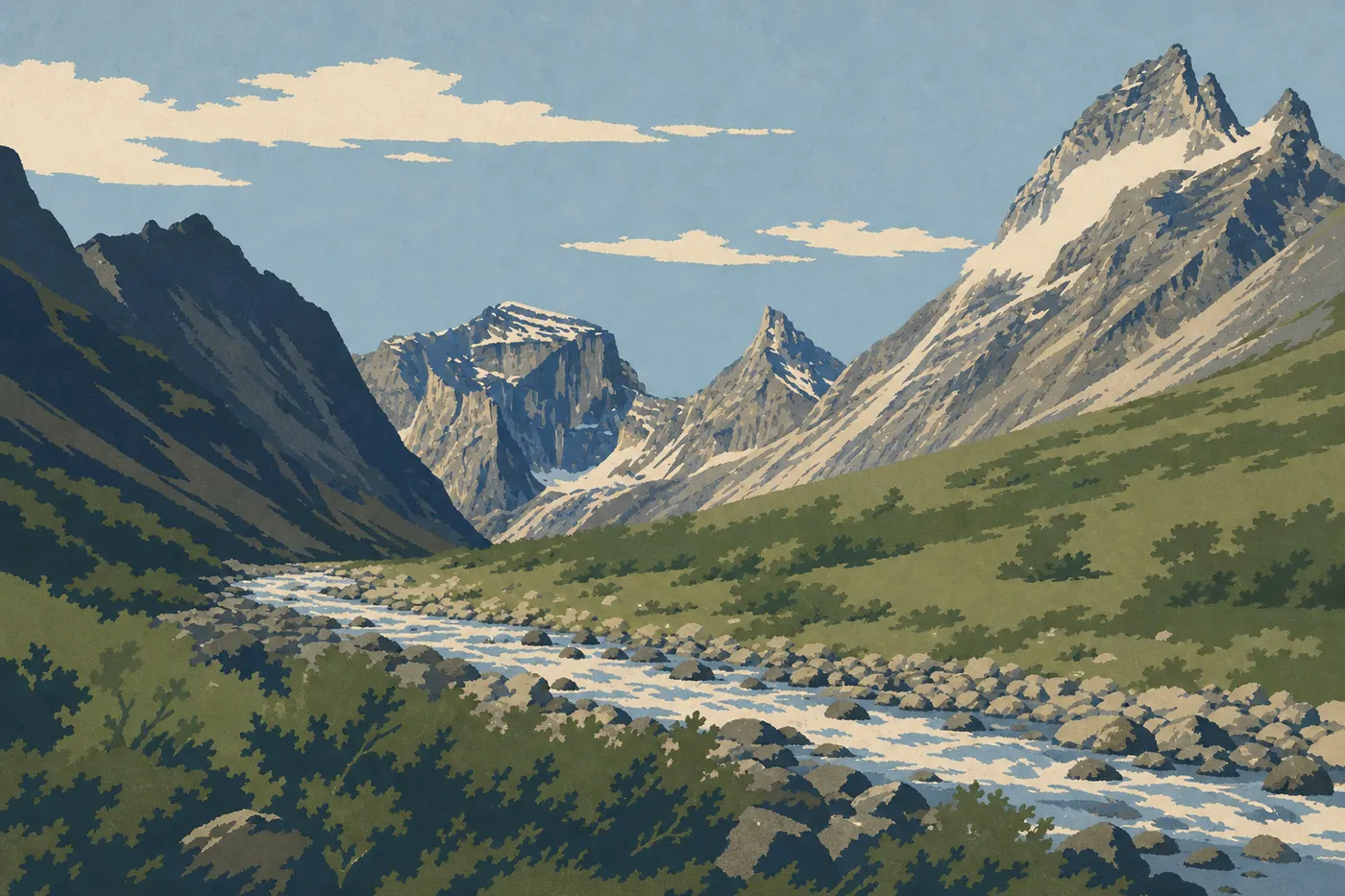
In 1929, explorer Robert Marshall was traveling up the North Fork Koyukuk River when he spotted two peaks framing the entrance to an Arctic valley. He named them the "Gates of the Arctic." Those two ridges, Frigid Crags and Boreal Mountain, remain the park's most frequently photographed landmark, and you can still see them from the river on a trip downstream.
You'll arrive by charter plane from Bettles, landing on a gravel bar or a small airstrip in the backcountry. You'll travel up or down the river by packraft for several days, camping on gravel bars. Grizzlies regularly frequent the banks, especially in July and August when salmon are running upstream. You can reach the ridges above the valley on foot by traveling off-trail, with 360-degree views across the Brooks Range.
Here's what you'll do: river trips, off-trail hiking on the high ground, wildlife watching, and camping in true wilderness.
Anaktuvuk Pass: The Village at the End of the Road
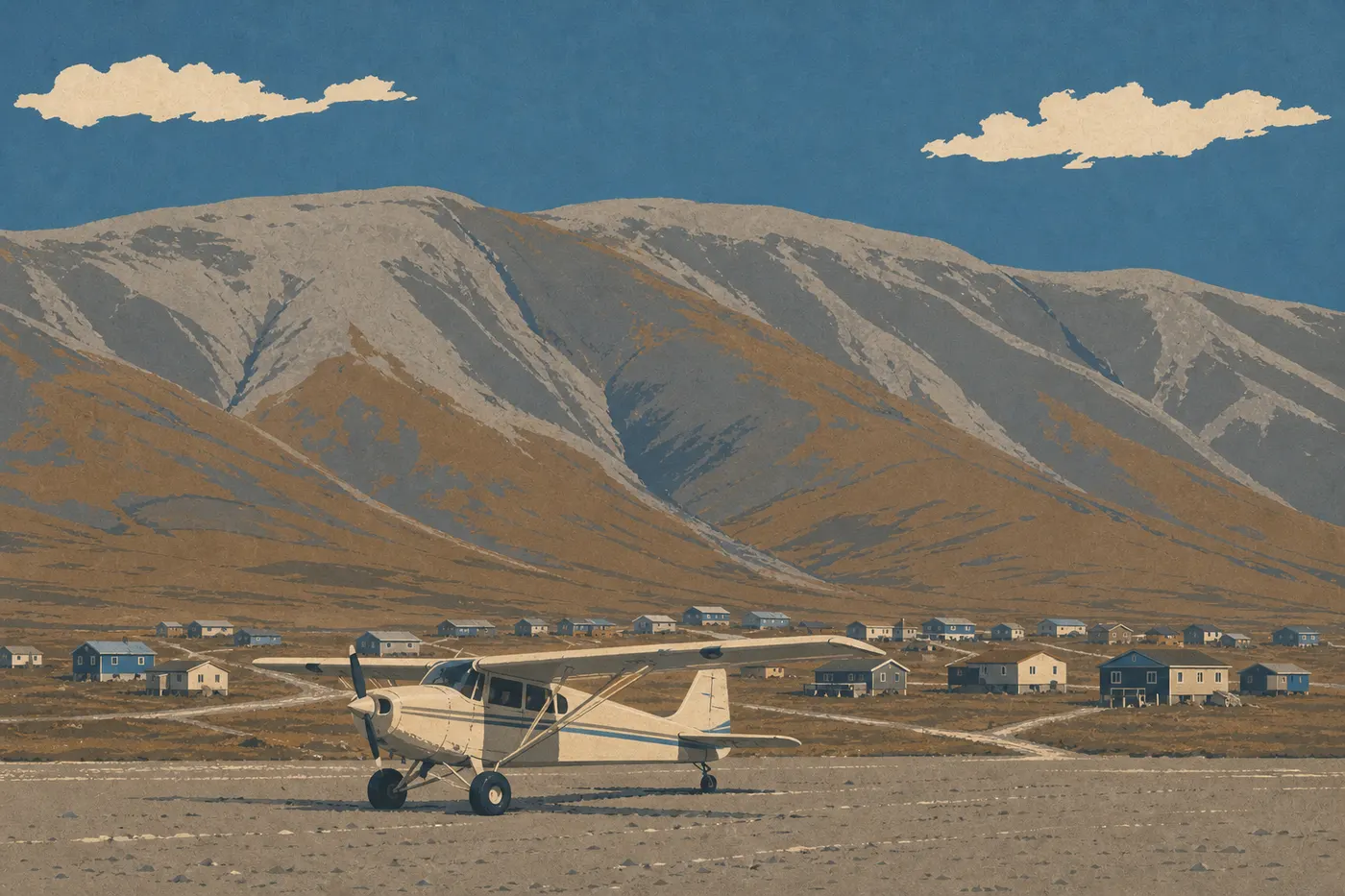
Anaktuvuk Pass is an anomaly in the U.S. national park landscape: a Nunamiut village of about 350 people, perched at roughly 2,300 feet in a narrow mountain pass at the heart of the Brooks Range. The Nunamiut are inland Iñupiat, a caribou-hunting people who remained nomadic until the 1950s. The pass is one of the caribou's main migration routes, which explains why the community settled there.
The Simon Paneak Memorial Museum tells the story of Nunamiut settlement and culture. It's a modest but genuine museum that offers insights into the Arctic landscape that no guidebook conveys quite as well.
One useful detail: the village itself is municipal land, not NPS property. The community welcomes visitors discreetly. Ask permission before photographing residents, and respect private spaces. You can walk to the museum from the airstrip.
Here's what you'll do: visit the museum, walk the surrounding ridges, watch caribou during the May-June and September migrations, and connect with the local community.
Walker Lake and the Alatna River Corridor: Paddling and Silence
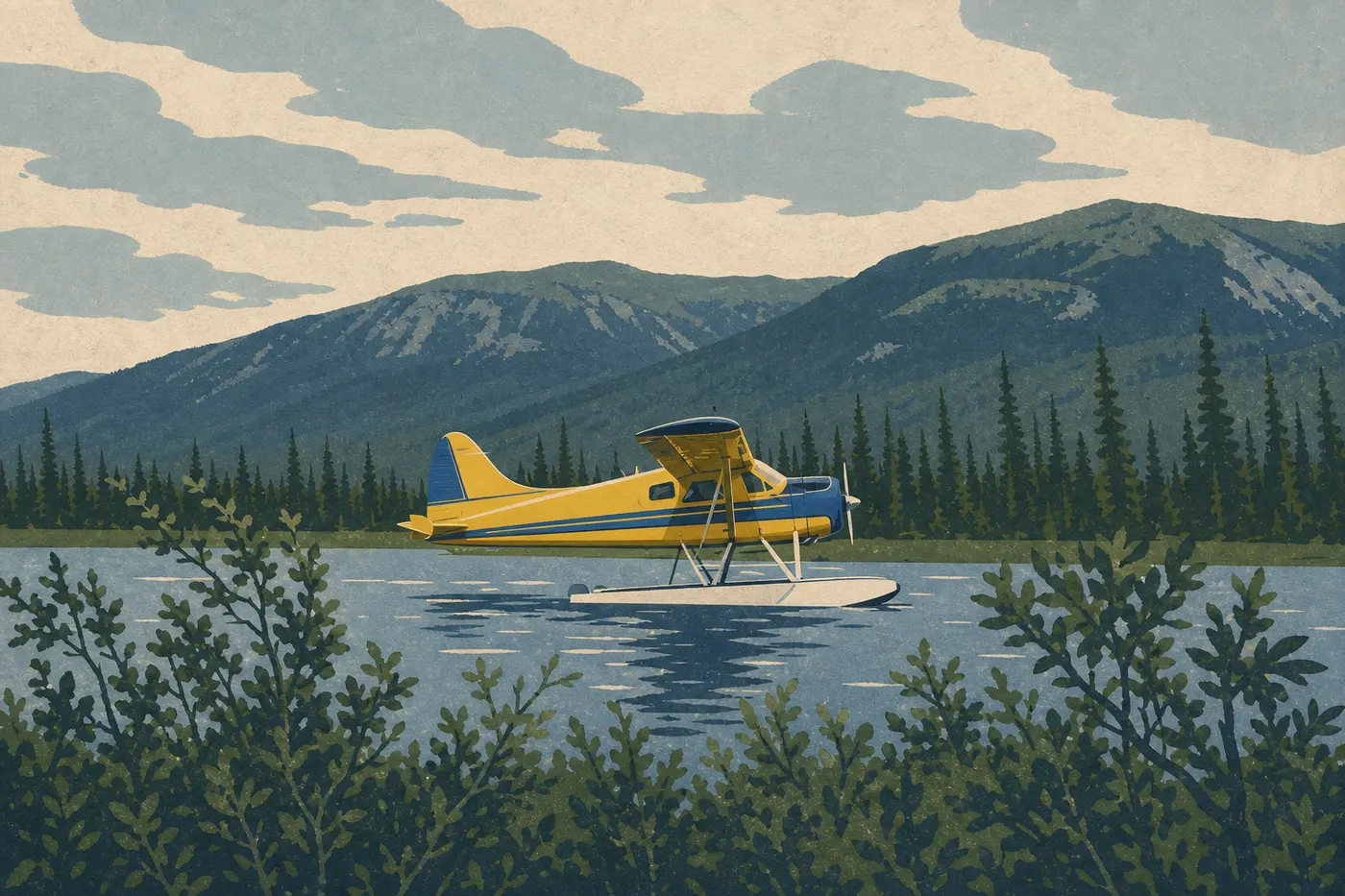
Walker Lake is one of the park's few true destinations. A floatplane lands on the lake, and you camp right on the shore. The water is remarkably clear, and the Brooks Range ridges are reflected in it at dawn. Many visitors fish for Arctic char there with an Alaska fishing license.
The Alatna River rises nearby and offers a several-day trip southwest, with moderate rapids, ample gravel bars for camping, and even greater solitude than the North Fork Koyukuk River. Many travelers combine 2 to 3 days at Walker Lake with a 4- to 6-day Alatna River trip, for a total stay of 8 to 10 days.
Nearby, the Arrigetch Peaks deserve a separate mention. They're a group of granite spires with dizzying profiles, reached after several days of hiking across moraines and talus from Takahula Lake. You get there by floatplane, then continue on foot. This route is for experienced backpackers who are fully self-sufficient and comfortable in Arctic terrain.
Noatak River Corridor: The Great Arctic Meander
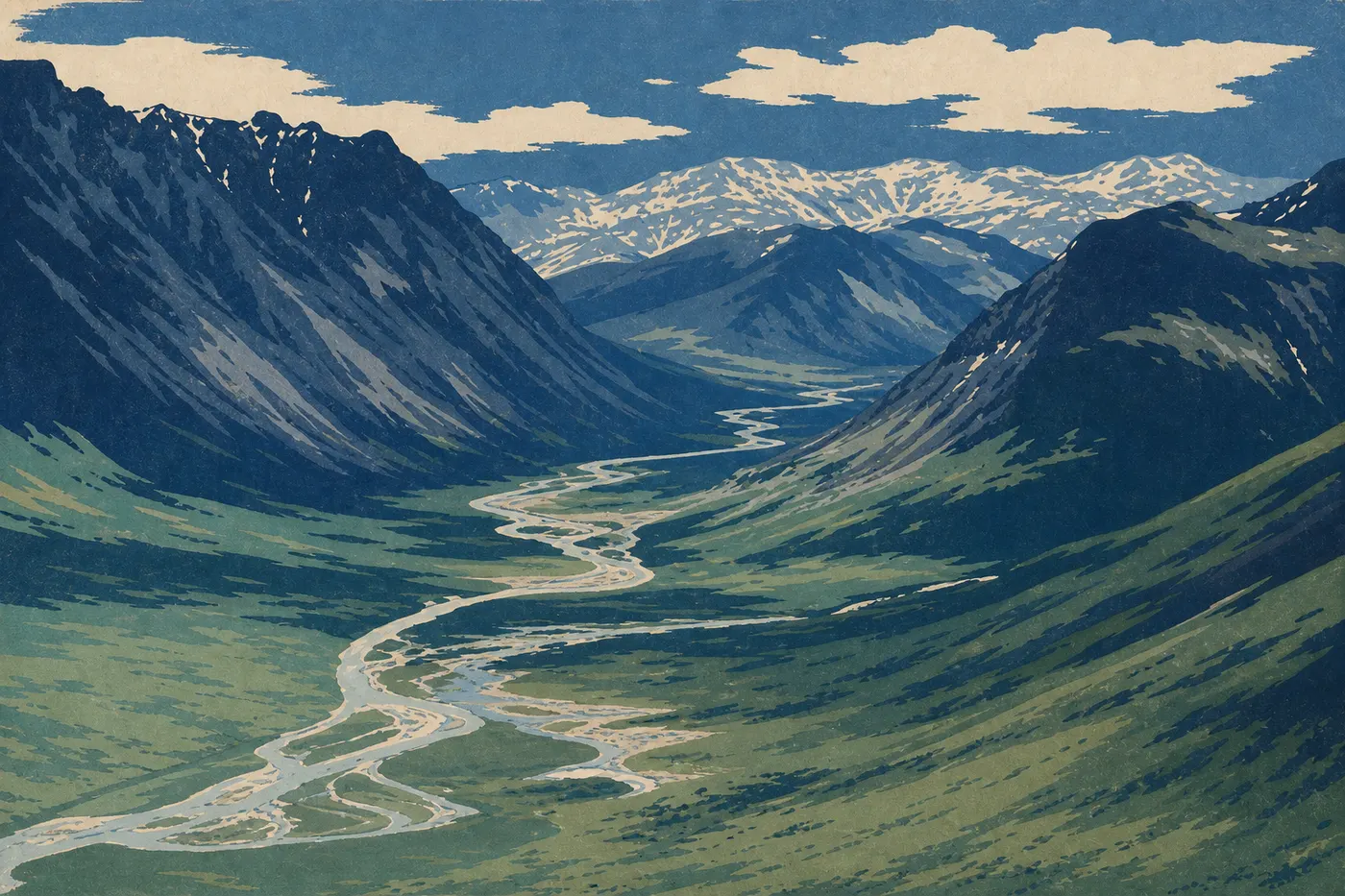
The Noatak River rises in the Brooks Range and flows west for several hundred miles before reaching Kotzebue Sound. The section within the park is wild and rarely visited. You can reach it from Kotzebue on the northwest coast or from small inland communities.
The Noatak is designated a Wild and Scenic River by the NPS, which prohibits infrastructure along its banks and preserves its undeveloped character. The terrain is more open here than in the eastern corridors, with broad U-shaped valleys carved by glaciers and healthy caribou populations. This corridor suits 2- to 3-week expeditions for travelers comfortable with self-guided navigation and unpredictable Arctic weather.
The Best Hikes in Gates of the Arctic
It's important to define what "hiking" means here. It doesn't mean following a marked trail with a post every 0.3 miles. The park has no official trails. You walk across tundra, along gravel bars, and over rocky ridges with a compass and topographic map. Every day on foot is a cross-country navigation exercise.
The most popular areas for off-trail hiking are the ridges around Anaktuvuk Pass, accessible from the village with excellent views of the migration corridors; the high ground above the North Fork Koyukuk River, with panoramas of the "gates"; and the approaches to the Arrigetch Peaks, where you'll find spectacular granite terrain in the Alatna area.
The challenge comes less from technical terrain than from the complete lack of landmarks, the distance from help, and weather that can turn within hours. A sunny day can become dense fog or freezing rain without warning.
The most manageable areas, recommended approaches, terrain difficulty ratings, and essential precautions are covered in the Gates of the Arctic off-trail hiking guide.
Other Activities for Different Travelers
River Trips: Packraft, Kayak, and Canoe
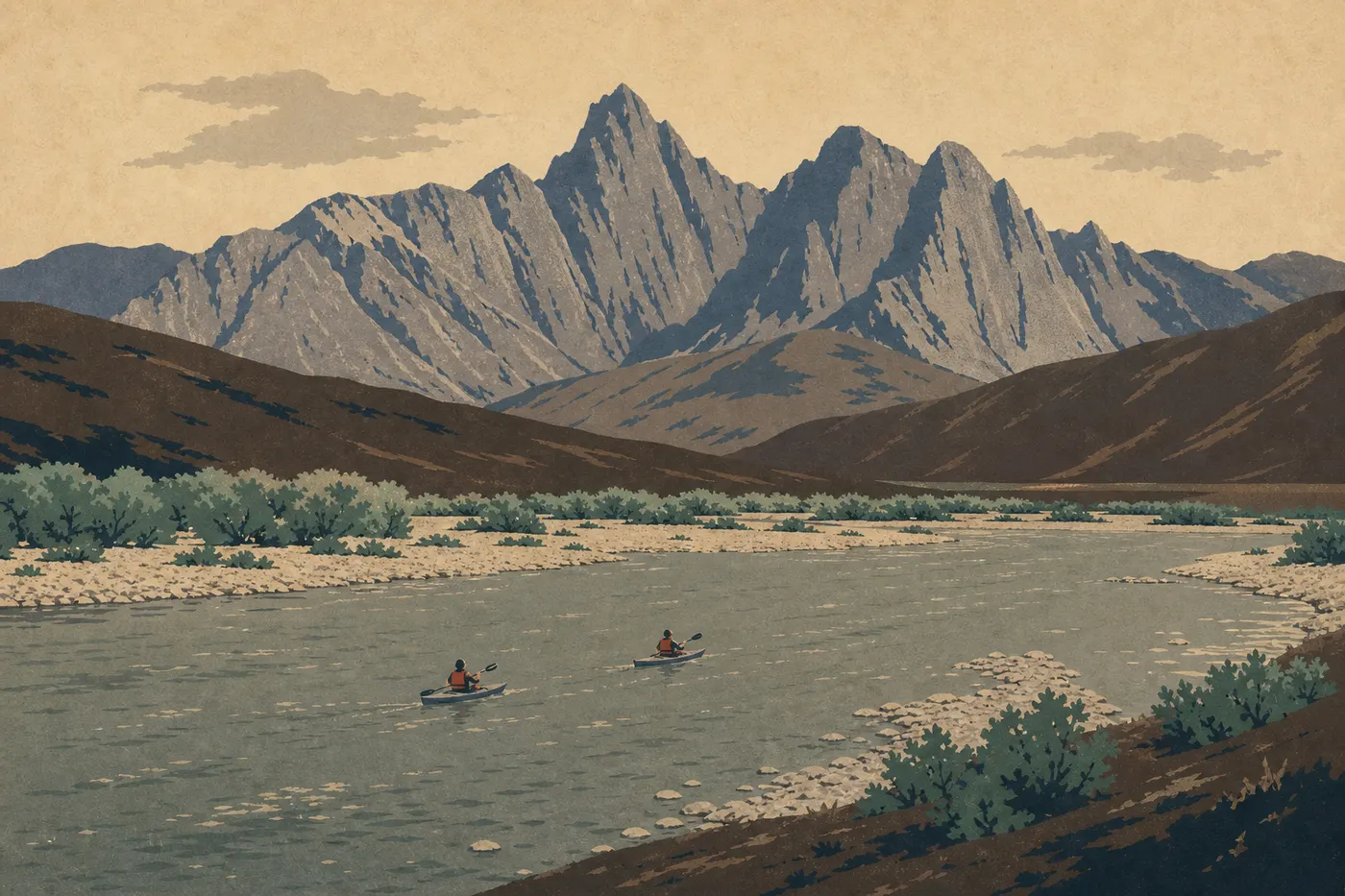
This is the park's most common activity, and for good reason. The rivers are the natural routes into a roadless landscape. The North Fork Koyukuk River, Alatna River, John River, and Noatak River offer trips lasting several days, suitable for intermediate paddlers, with technical sections on some stretches. Lightweight and easy to carry in a backpack, the packraft has become the standard for travelers who combine hiking and paddling.
Bring a dry suit and know how to self-rescue. Arctic rivers stay icy even in the middle of July.
Wildlife Watching
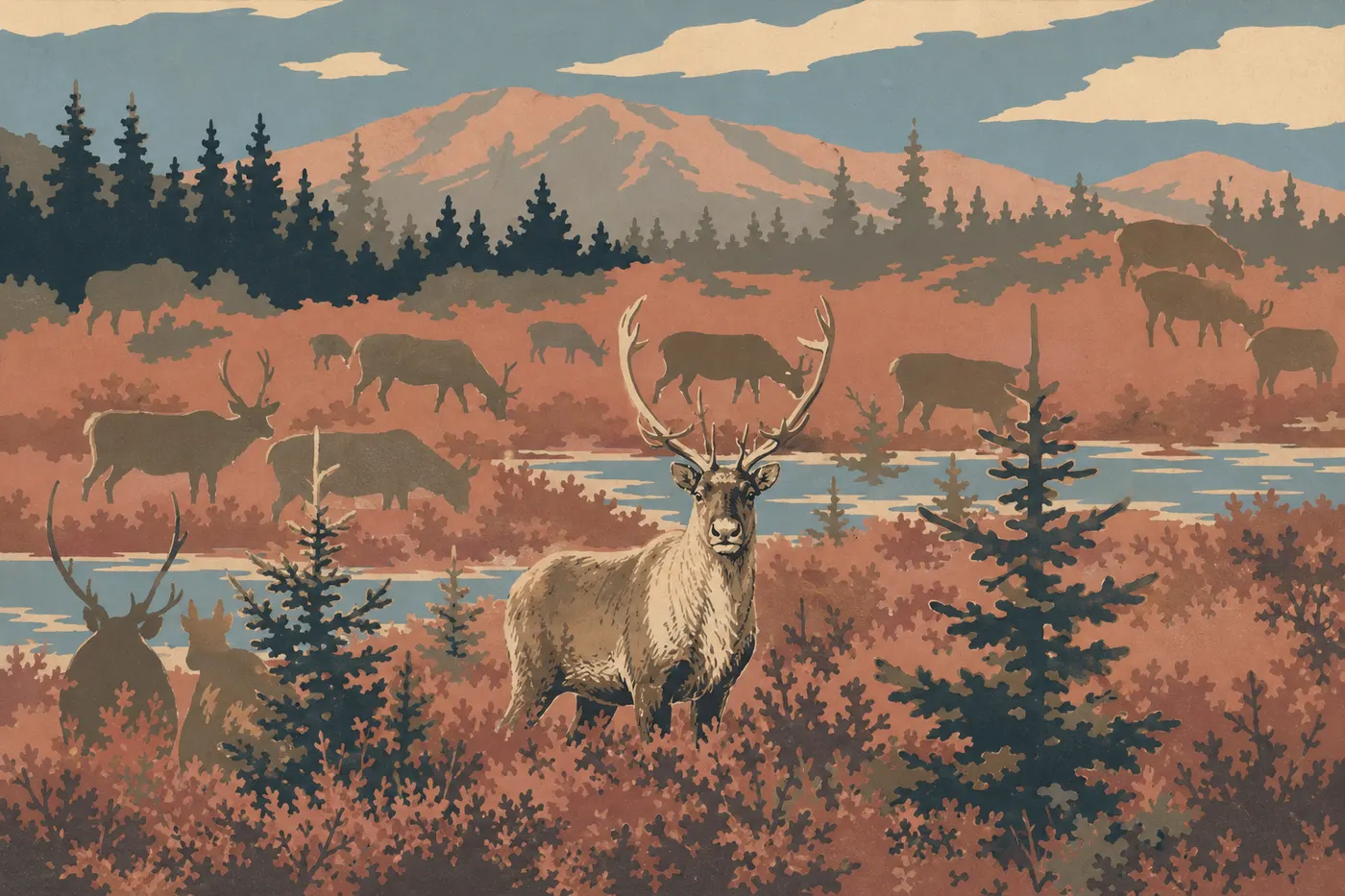
Gates of the Arctic is home to remarkable wildlife populations. Caribou from the Noatak River herds and other herds cross the park during their spring migration in May and June and their fall migration in September. Grizzlies are active along the banks in summer when salmon are running. Wolves, wolverines, and lynx are present but elusive. Dall sheep can be spotted through binoculars on the ridges. Birds of prey, led by gyrfalcons and golden eagles, nest on the rocky cliffs.
The Gates of the Arctic wildlife guide breaks down the species by season and corridor.
Sport Fishing
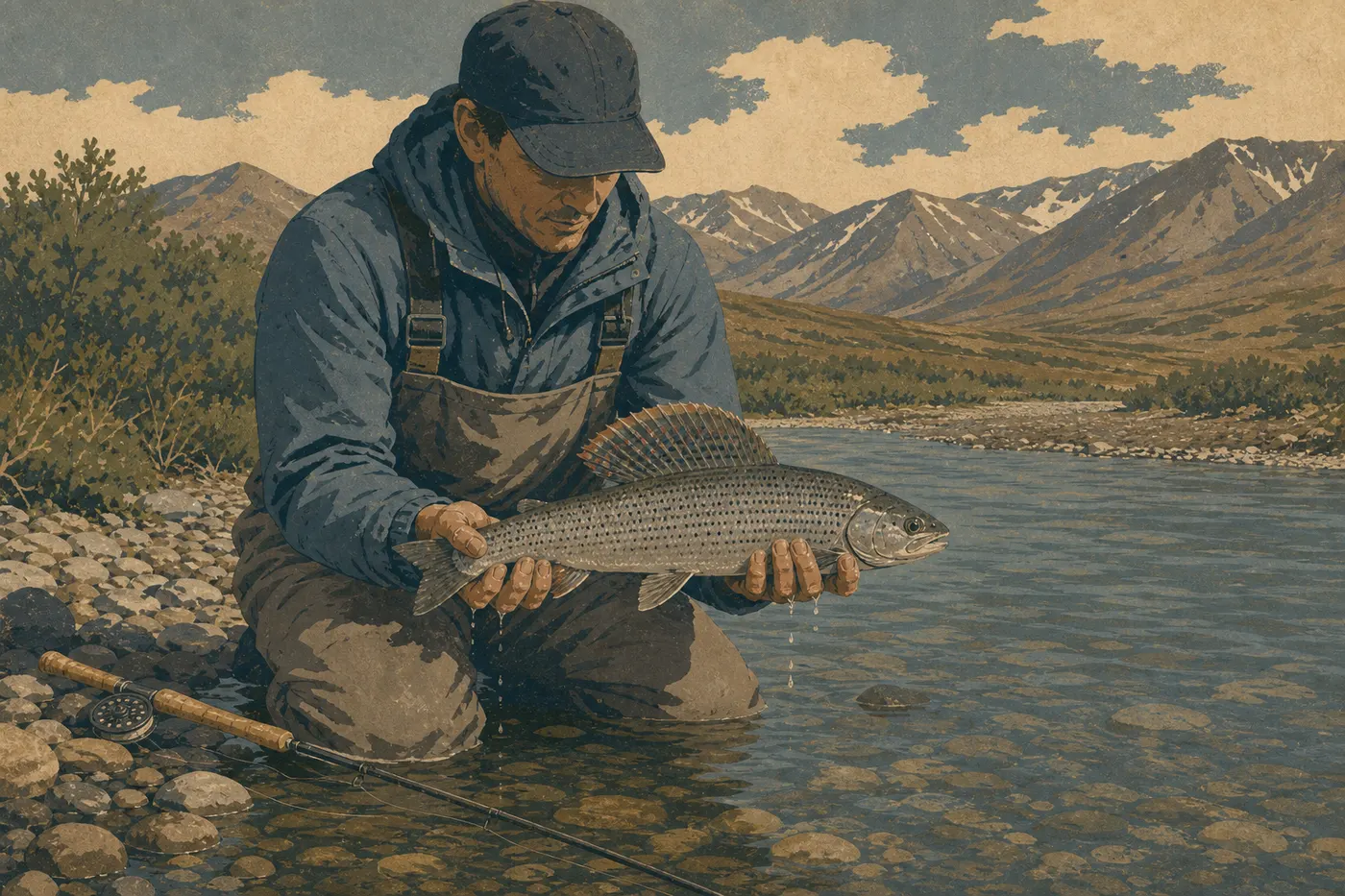
This is Alaska, so fishing is an activity in its own right. The park's rivers and lakes hold Arctic char, northern pike, whitefish, and, depending on the waterway and season, salmon. An Alaska fishing license is required. Local rules vary from one waterway to another, so check current restrictions with the NPS before casting a line.
Northern Lights and Polar Night
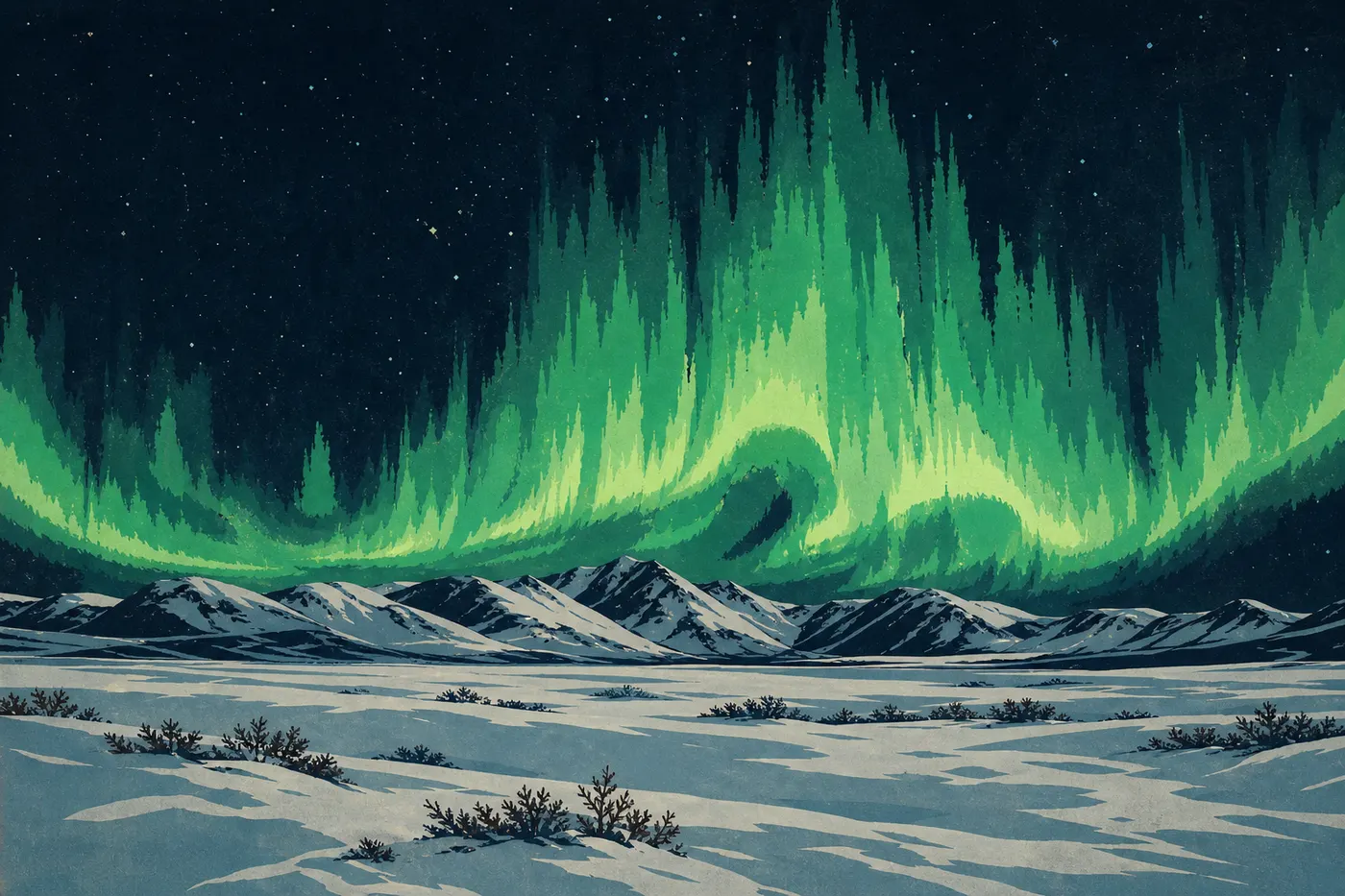
In winter, Gates of the Arctic is one of Alaska's most remote places to see the northern lights, completely shielded from light pollution. Winter access is through Bettles, which has a lodge and a year-round airstrip. Temperatures regularly drop below -22°F. This is a full expedition, requiring cold-weather gear and serious preparation.
Midnight Sun and Photography
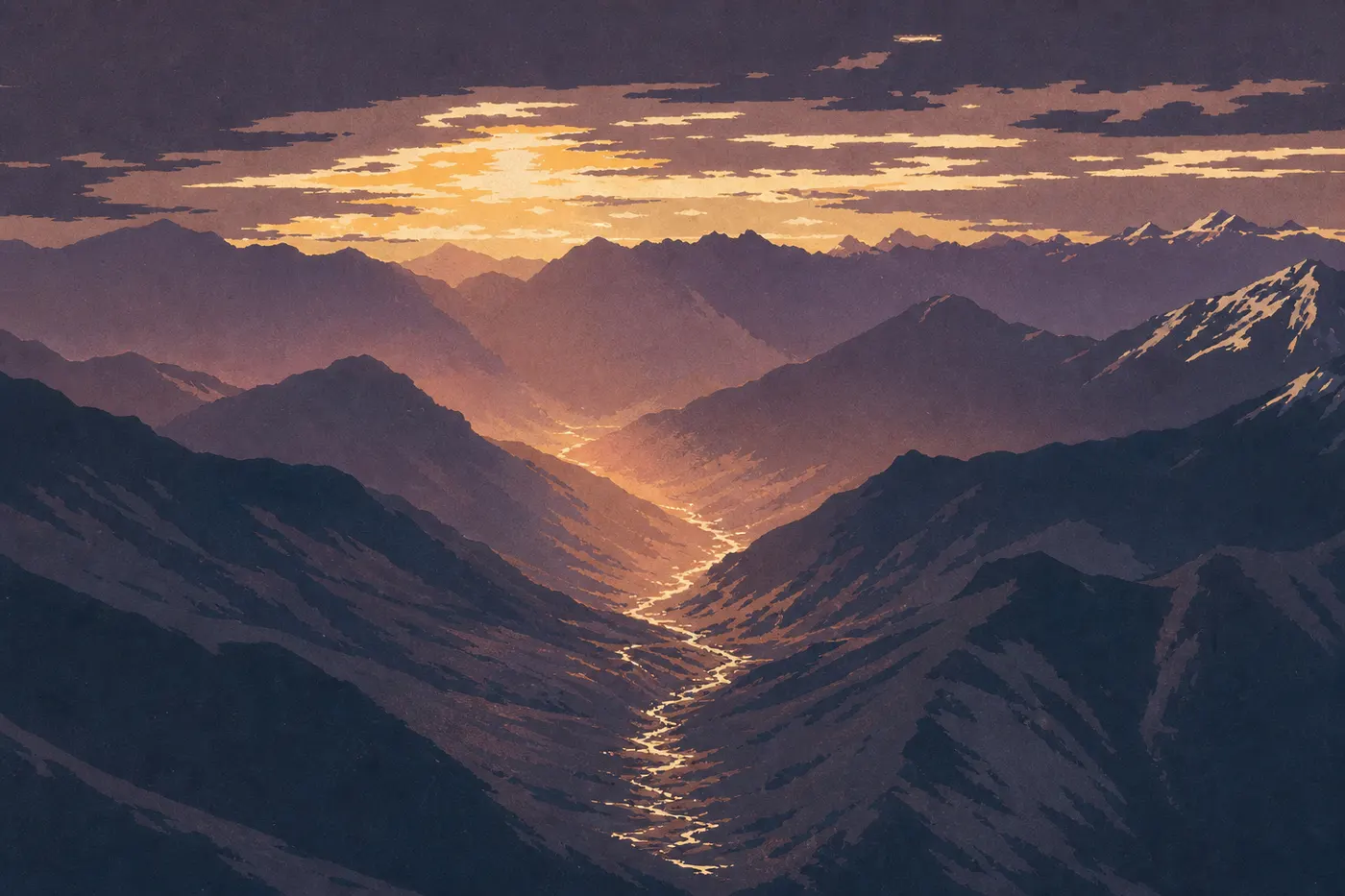
In June, by contrast, the sun stays above the horizon 24 hours a day. You can hike or paddle at midnight beneath a low-angled light that gilds the Arctic ridges. The midnight sun is an experience that few national parks let you have with such intensity. The complete lack of artificial light also makes the park exceptional for astronomy in the shoulder seasons.
Families
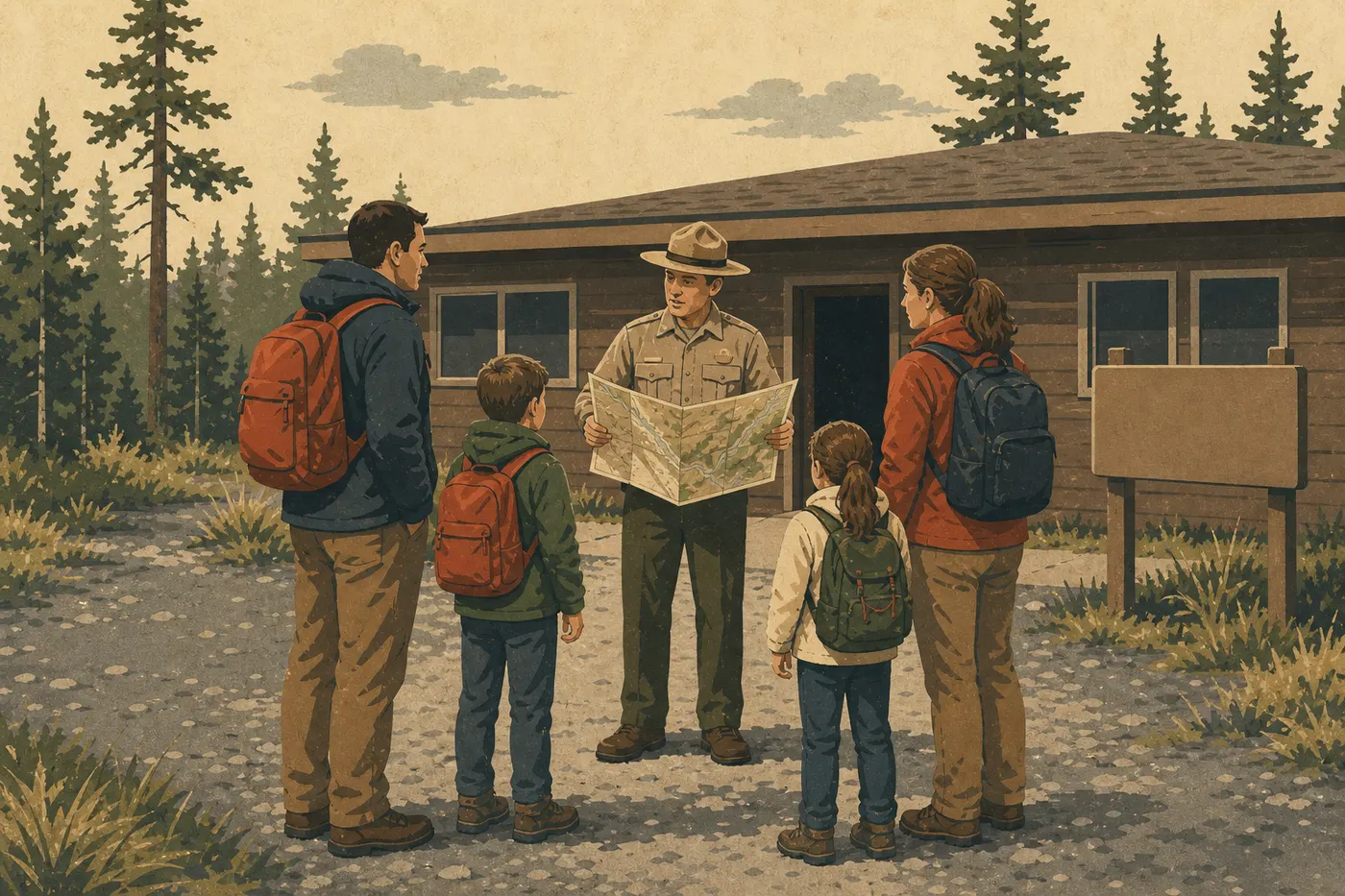
Gates of the Arctic isn't suitable for young children or families without wilderness experience. The lack of infrastructure, unpredictable weather, distance from help, and need for complete self-sufficiency make it an adventure destination for experienced teenagers or adults. If your family is used to multiday wilderness camping and cross-country navigation, the Gates of the Arctic family guide explains what's realistic for children of different ages and experience levels.
Things to Do Around Gates of the Arctic
Fairbanks is the essential gateway. All charter and regional flights to Bettles, Coldfoot, and Anaktuvuk Pass leave from Fairbanks. Plan to spend one night on the way in and another on the way back. This is where you'll finish your gear, restock food, and attend the briefing at the Arctic Interagency Visitor Center, jointly run by the NPS, Bureau of Land Management, and Fish & Wildlife Service. It's the best introduction to the park you'll find.
Coldfoot, on the Dalton Highway, is the southernmost point accessible by car with flights into the park's interior. The Dalton Highway itself, nicknamed the "Haul Road," is worth the detour. This nearly 416-mile gravel road connects Fairbanks with the oil fields at Prudhoe Bay and follows the park's eastern edge for much of its route. The scenery is striking, and the contrast between the supply truck passing you and caribou crossing the road captures Alaska perfectly.
Kobuk Valley National Park borders Gates of the Arctic to the west. On long expeditions, it's possible to travel from one park to the other, from the Noatak River to Kobuk. This is a minimum three-week project for highly self-sufficient travelers.
For regional combinations and Alaska road-trip ideas that include Gates of the Arctic, see our Alaska region guides and road-trip itineraries.
The Essentials: What to See First in Gates of the Arctic
Gates of the Arctic is worth the trip precisely because it doesn't make anything easy for you. Here's what we recommend based on the time you have.
For a first 7-day visit to the park: focus on one corridor, either the North Fork Koyukuk River or the Alatna River, and combine a river trip with off-trail hiking. Plan from Bettles. This is the most common itinerary and the one best documented by local operators.
For a 10- to 14-day visit: add 2 to 3 days in Anaktuvuk Pass for a Nunamiut cultural experience. You'll leave with an understanding of the Arctic landscape that no book can convey.
For a winter visit: Bettles Lodge is your base. Visitor numbers drop to almost zero, the northern lights are out, and the experience of the Arctic night is intense.
Is Gates of the Arctic worth it? Yes, as long as you come prepared with the right gear, self-sufficiency, and an appetite for wide-open spaces. This isn't a park for everyone, and that's precisely what makes it one of the most untouched places in the United States.
Find all our preparation advice in the complete Gates of the Arctic guide.
Frequently Asked Questions
Why is Gates of the Arctic National Park the least visited?
Gates of the Arctic is the least visited U.S. national park because there are no roads into it. The only way in is by charter or regional flight from Fairbanks or nearby communities. There are no marked trails, developed campgrounds, or gear available on site. Charter-flight costs, the logistics of complete self-sufficiency, and the preparation required naturally rule out most travelers.
What is the most beautiful place in Alaska?
The question is too broad for an honest answer. Alaska offers extraordinary scenery in very different settings, from Denali to Kenai Fjords. Within Gates of the Arctic, travelers who return to the park regularly mention the Arrigetch Peaks, with their granite spires in the Alatna area; the ridges around Anaktuvuk Pass; and the North Fork Koyukuk River Valley beneath the two peaks that gave the park its name.
Can you visit Gates of the Arctic in winter?
Yes. The park is open year-round with no seasonal closure. In winter, access is through Bettles, whose airstrip remains operational in all weather. Temperatures regularly fall to -22°F and below. A winter visit requires full Arctic preparation, including cold-weather gear, survival training, and established contacts with local operators. In return, you can see the northern lights for much of the night, and the solitude is complete.
Are there waterfalls in Gates of the Arctic?
The park has no iconic waterfalls like Yosemite Falls or Virginia Falls. Its Arctic rivers do offer rapids and low cascades along some rocky stretches, as well as many glacial meltwater streams that run especially high in June and July. The park's beauty lies in the landscape as a whole, not in one isolated spectacular site.