
Death Valley Wildlife: What You’ll See and Where to Look
It’s easy to picture Death Valley as empty, scorched, and hostile to all life. The reality is very different: Death Valley National Park is home to more than 400 animal species, including several endemic species found nowhere else on Earth. The park’s five signature animals are bighorn sheep, coyotes, desert kangaroo rats, Salt Creek pupfish, and desert tortoises. Each has found its own way to solve the continent’s driest challenge: living without readily available water in heat that can climb above 122°F on the valley floor.
Death Valley’s Signature Animals
Bighorn Sheep
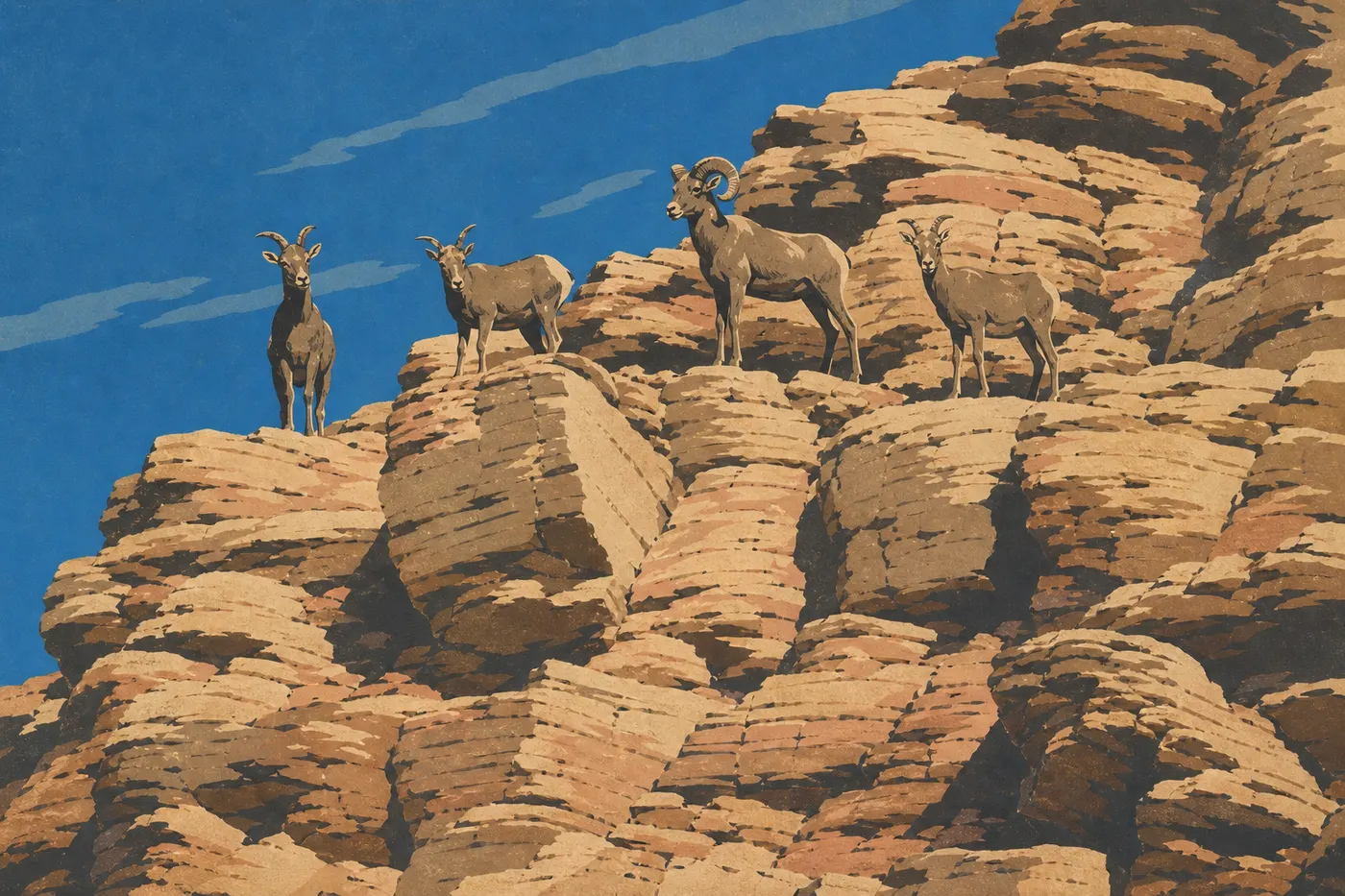
The Nelson’s bighorn sheep (Ovis canadensis nelsoni) is the park’s iconic large mammal. Adult males carry curled horns that can weigh up to 31 pounds on their own, or about 10% of their total body weight. Their hooves, with a soft sole in the center and a hard rim around the edge, let them move across rocky faces that most people wouldn’t attempt without a rope.
In summer, herds climb into the Panamint Mountains to escape the heat on the valley floor. In fall and winter, they move back down to lower slopes. Dawn and dusk are the two most reliable times to see them.
Coyote
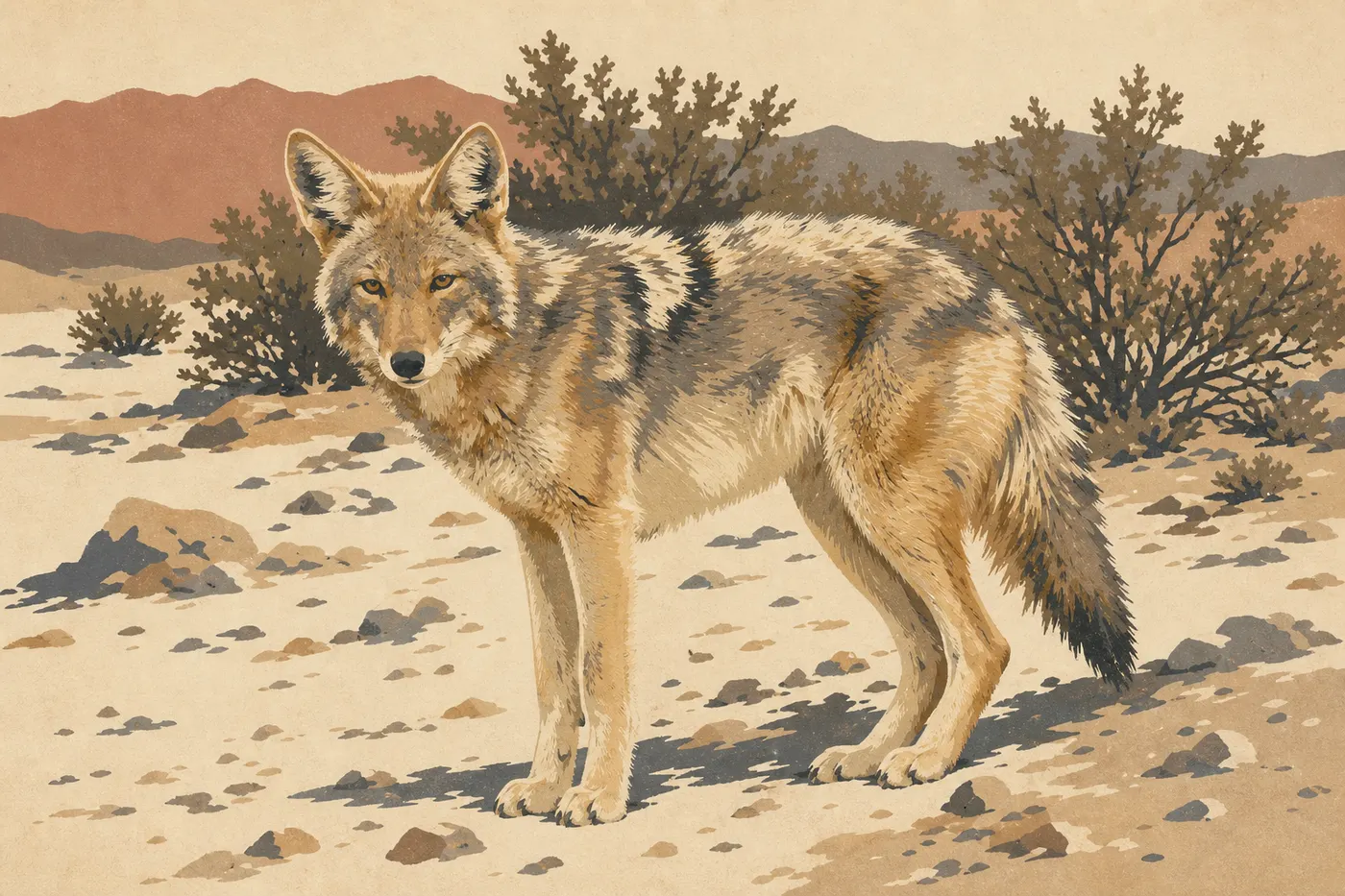
The coyote (Canis latrans) is the animal you’re most likely to see in the park, sometimes in broad daylight around Furnace Creek. An omnivore and opportunist, it has adapted perfectly to human presence and will happily linger around picnic tables. That’s exactly why you should never feed one: a coyote that learns to beg can become aggressive and may have to be euthanized. Its presence is a sign of a healthy ecosystem. Coyotes help regulate rodent and hare populations throughout the park.
Desert Kangaroo Rat
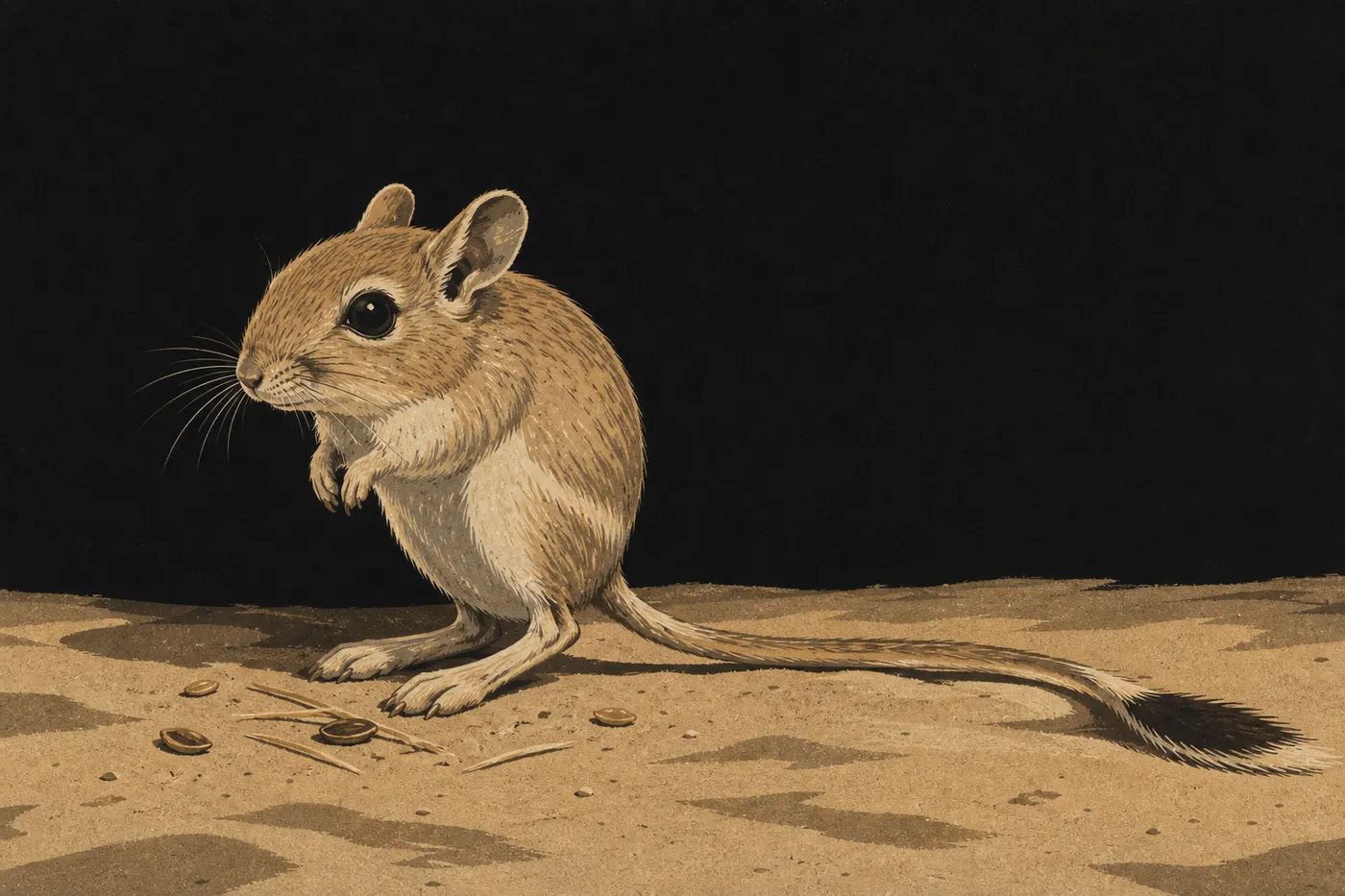
The desert kangaroo rat (Dipodomys deserti) is a lesson in biological engineering. It never drinks free-standing water. All the moisture it needs comes from metabolizing the dry seeds it eats. Its kidneys concentrate urine to a degree ordinary mammals can’t match, while its nasal passages reclaim some of the moisture from its own breath.
It’s strictly nocturnal. During the day, it stays tucked into a burrow dug in the sand. After dark, its long hind legs let it bound erratically to escape rattlesnakes and owls. Look for its dotted tracks in the dune sand after sunset.
Salt Creek Pupfish
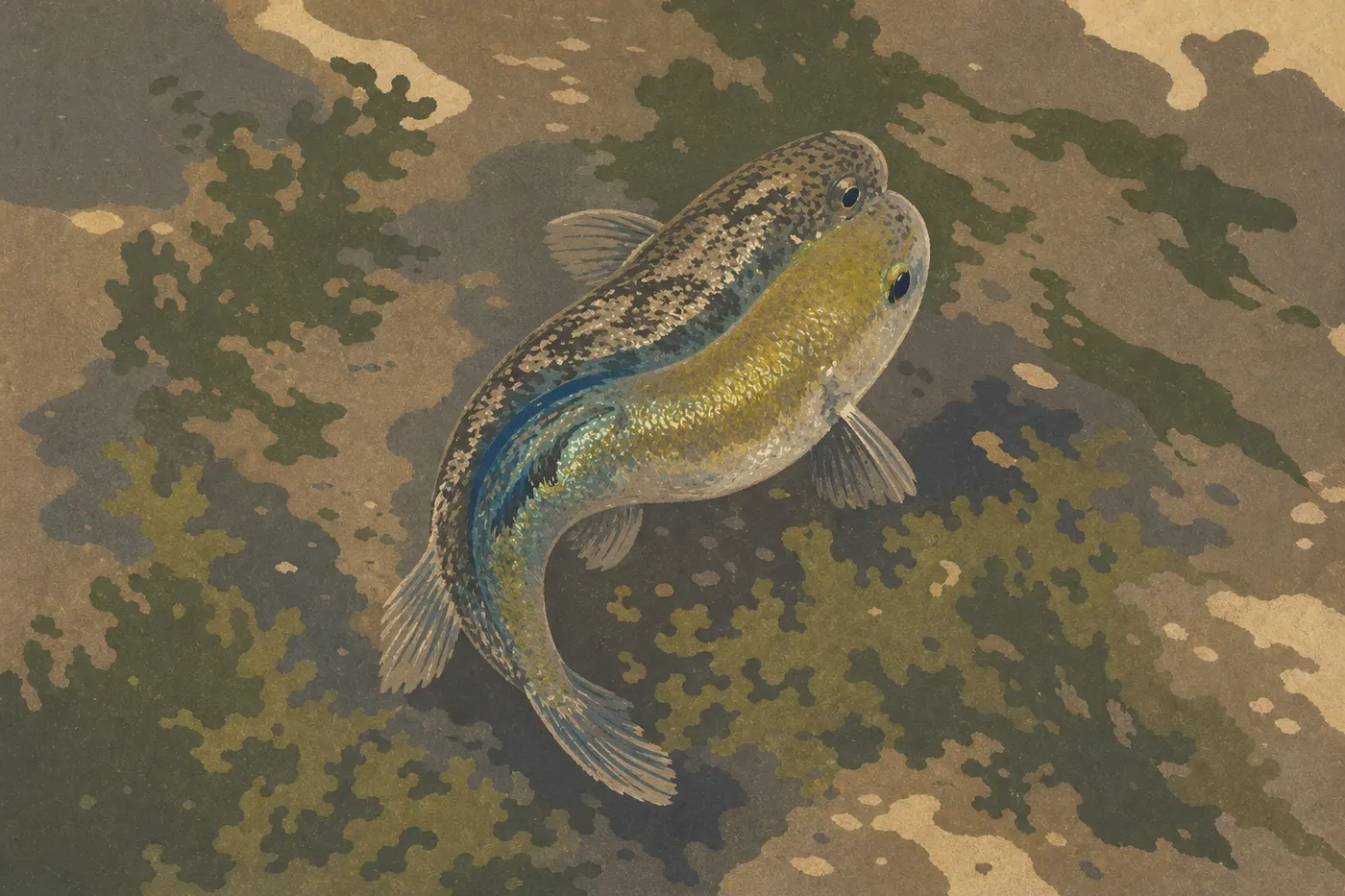
The Salt Creek pupfish (Cyprinodon salinus) may be the park’s most surprising resident. This tiny fish, just 1.2 to 2 inches long, survives in a creek with twice the salinity of seawater and summer temperatures that can rise above 97°F. It descended from a population trapped in the valley roughly 10,000 to 20,000 years ago, as ancient Lake Manly gradually dried up.
The Salt Creek Trail, accessible from Highway 190 on the east side, is open year-round. From February through April, the fish actively spawn and dart near the surface in just a few inches of water. It’s one of the park’s easiest and most remarkable wildlife viewing opportunities.
Salt Creek Pupfish or Devil’s Hole Pupfish: Don’t Confuse the Two
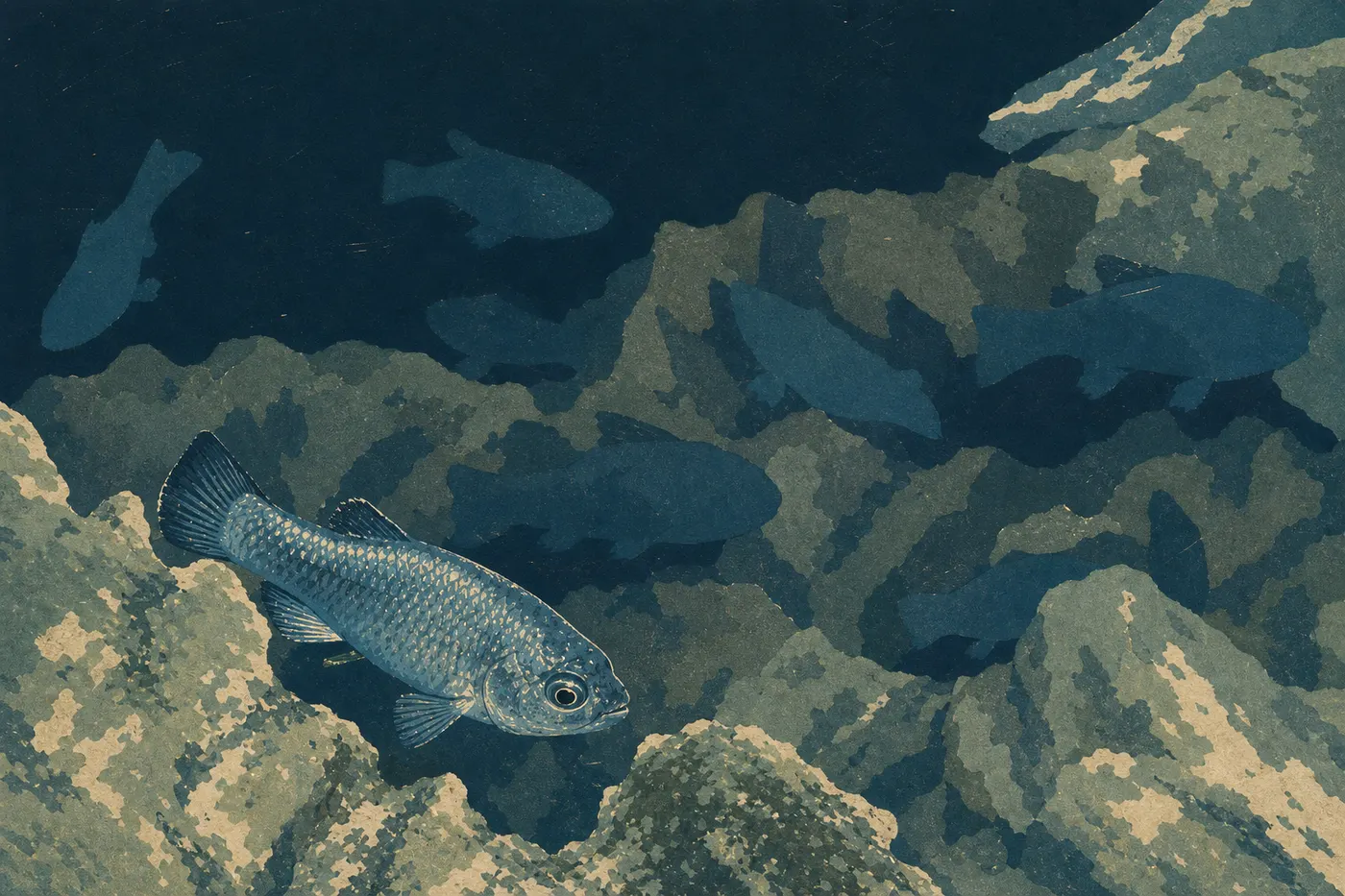
Death Valley is home to a second, even rarer species: the Devil’s Hole pupfish (Cyprinodon diabolis). Its entire population lives in a geothermal cavern only a few yards across, in a Nevada enclave of the park. It’s a separate species, one of the most endangered in the world, and its site isn’t open to the public. The fish you’ll see on the Salt Creek Trail is therefore exclusively the Salt Creek pupfish.
Desert Tortoise
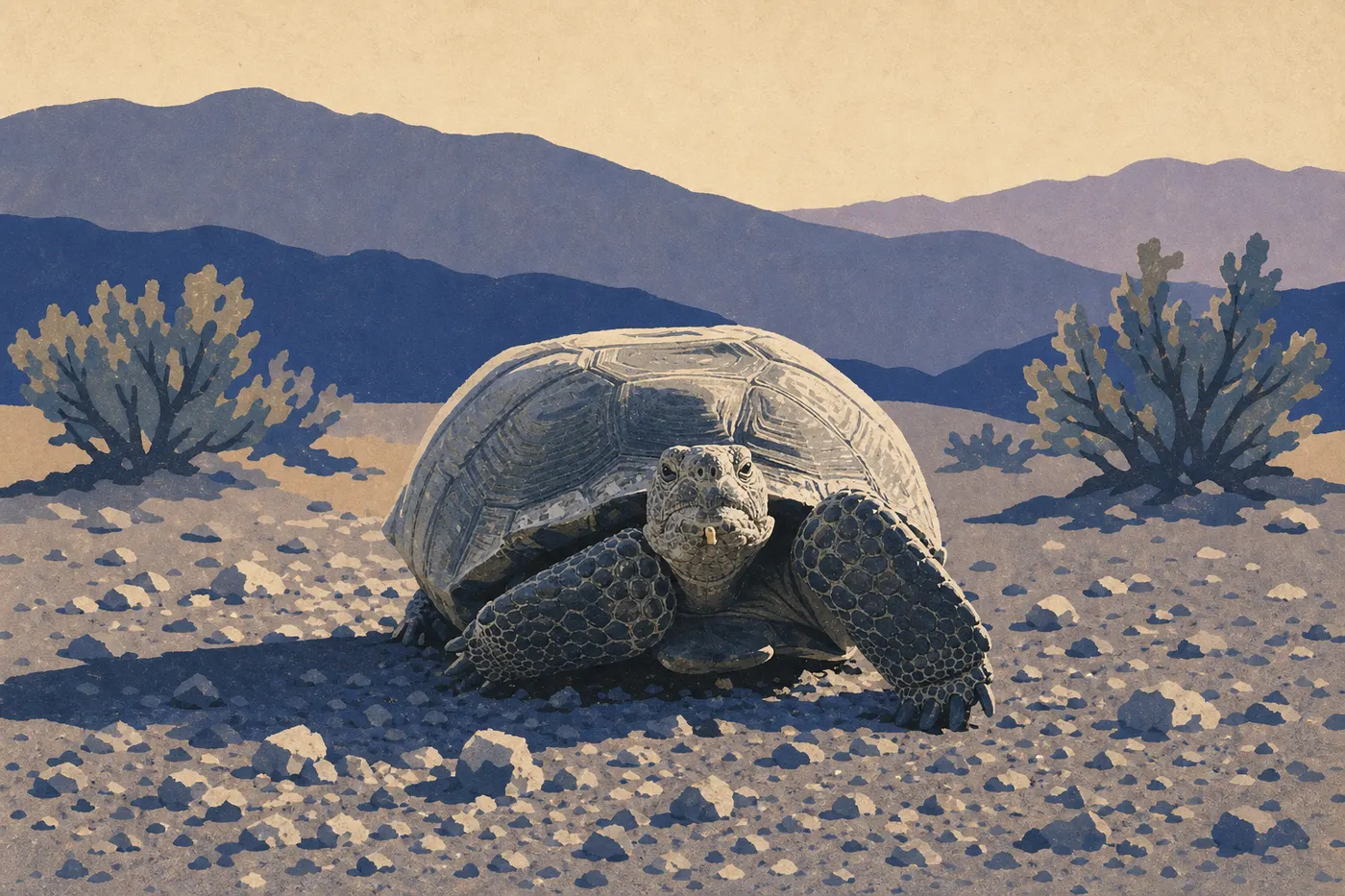
The desert tortoise (Gopherus agassizii) spends most of its life underground. It hibernates from November through March and enters summer dormancy to avoid the worst heat. When active, it can store up to 40% of its body weight in water in its bladder, a reserve that lets it go for several months without finding a water source.
There’s one absolute rule: never touch it. A stressed tortoise can empty its water reserve in seconds. In an environment as dry as Death Valley, that can be fatal.
Common Raven
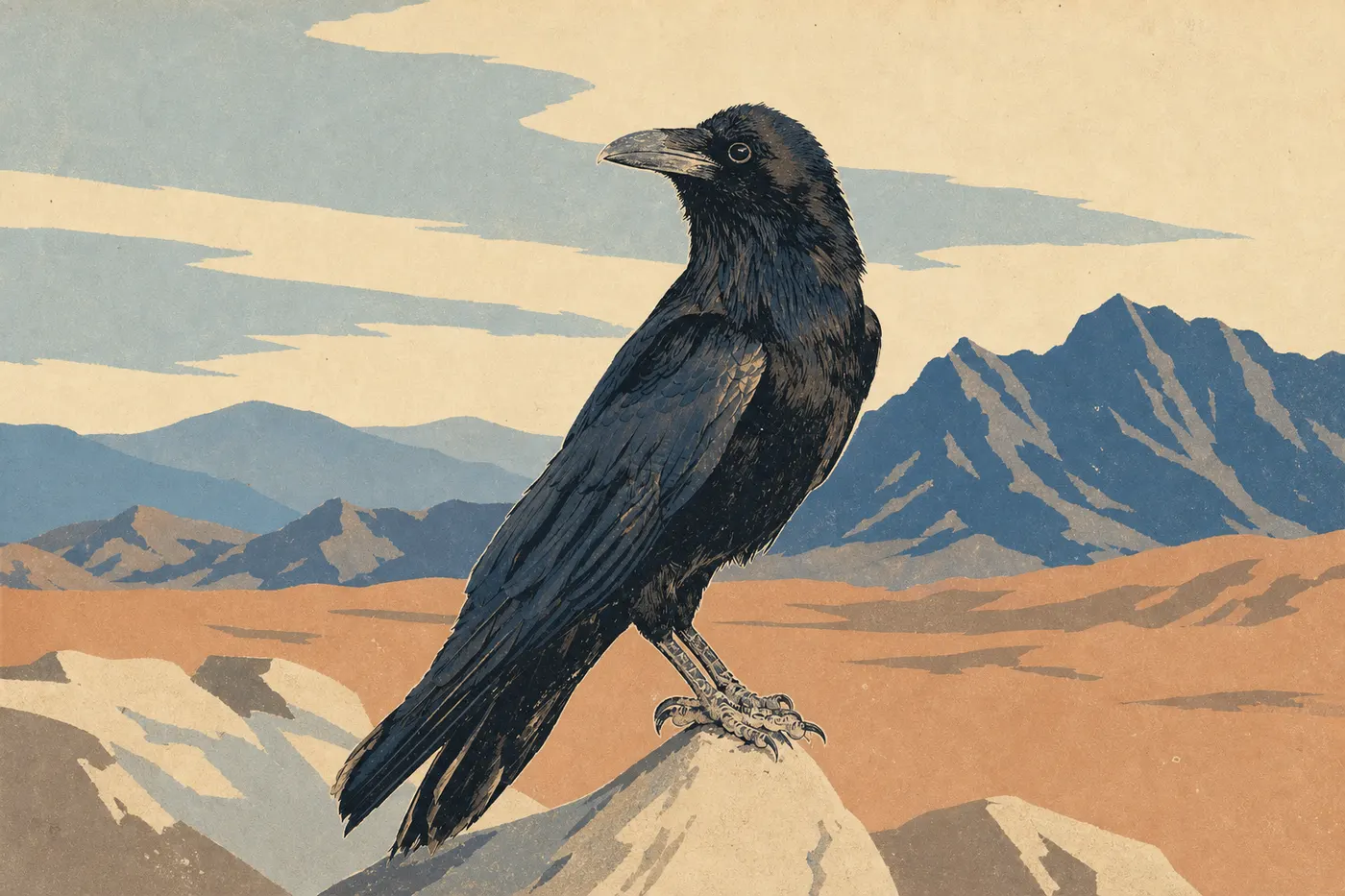
The common raven (Corvus corax) is everywhere in the park and probably the bird you’ll encounter most often. Intelligent and able to recognize individual human faces, it won’t hesitate to rummage through unattended bags. During an early-morning visit to Zabriskie Point, we watched one play for several minutes in the warm updrafts, gliding effortlessly above the golden ridges. It was a free show no one forgets.
Where to See Wildlife in Death Valley
Wildlife in the park follows gradients of elevation, salinity, and moisture.
Salt Creek Trail (east on Highway 190): a must from February through April for pupfish. Arrive early in the morning to also spot shorebirds and migrating songbirds passing through.
Mesquite Flat Sand Dunes: ideal ground for nocturnal wildlife. After dark, tracks in the sand tell you who came out, including kangaroo rats, kit foxes, and rattlesnakes. Use a low-intensity red headlamp and move very slowly.
Furnace Creek and the surrounding area: garden vegetation and palm trees attract a surprising number of birds and small mammals. Coyotes and ravens are almost guaranteed at any time of day.
Wildrose Road and the Panamint Mountains: climbing in elevation changes the species you’ll find dramatically. This is where you have the best chance of seeing bighorn sheep, especially at dawn on rocky slopes. The road climbs to about 7,500 feet, creating a noticeably cooler environment.
Cottonwood Canyon and the low plains: good areas for desert tortoises in spring and for lizards in the morning, including zebra-tailed and leopard lizards, as soon as the rocks start to warm.
For trails leading into these areas, see the Death Valley hiking guide.
When to Watch Wildlife
In summer, from May through September, daytime wildlife almost completely disappears during the hottest hours. The two best windows are dawn, before 8 a.m., and sunset, after 6:30 p.m. Nighttime belongs to nocturnal species: kangaroo rats, scorpions, rattlesnakes, and kit foxes.
Spring, from March through April, is the most favorable season: comfortable daytime temperatures, migrating birds passing through, and pupfish in the middle of their breeding season. Fall, from October through November, offers similar conditions, with days that are still long.
In winter, cold nights slow reptile activity, but mammals remain active, and the low-angle light is especially beautiful for viewing wildlife from a distance. For a month-by-month breakdown of general conditions, see when to visit Death Valley.
Predators and Larger Animals in Death Valley
Mountain lions (Puma concolor) live in the park’s rocky and mountainous areas. Sightings are rare. They hunt at dawn and dusk and actively avoid contact with people. If you encounter one on a remote trail, don’t run. Make yourself look large, speak firmly, and back away slowly without turning your back.
The large predator you’re most likely to see is the coyote. It hunts black-tailed jackrabbits (Lepus californicus), rodents, and occasionally ground-nesting birds.
Raptors are well represented in the park. Peregrine falcons (Falco peregrinus), golden eagles (Aquila chrysaetos), and several hawk species are among the documented sightings. Look for them soaring above the canyons in midmorning, when rising thermals begin to carry them.
Rattlesnakes (genus Crotalus) deserve special mention. Pacific rattlesnakes and Mojave rattlesnakes frequent rocky areas and creosote bush. They’re active at night in summer and seek shade beneath rocks during the day. One rule is enough: never reach under a rock without looking first.
Watch Wildlife Safely
Keep your distance:
- Small mammals and reptiles: at least 33 feet.
- Bighorn sheep and large herbivores: at least 100 feet.
- Mountain lions: if you see one, move away while facing the animal. Don’t run, and make yourself look as large as possible.
Never feed an animal. No exceptions. A fed coyote loses its natural wariness and becomes dangerous to other visitors. A fed raven eventually rummages through backpacks. Even bighorn sheep put themselves in danger when they approach roads.
Watch where you put your hands and feet. Nearly every snakebite happens during an unobserved movement, such as placing a hand on a rock without checking underneath or stepping over a log without looking. Wear high-top shoes on rocky trails.
Shake out your shoes in the morning. Scorpions, especially bark scorpions (Centruroides sculpturatus), are nocturnal and like dark, warm spaces. A quick shake with each shoe turned upside down before you put it on prevents most unpleasant surprises.
Carry enough water. A dehydrated person makes poor decisions, including getting too close to an animal for a photo. To prepare for your trip, see our complete guide to Death Valley.
In Brief: Wildlife You Shouldn’t Miss and Where to Find It
| Species | Best place | Best time |
|---|---|---|
| Bighorn sheep | Wildrose, Panamint Mountains | Dawn, fall and winter |
| Coyote | Furnace Creek | All day |
| Desert kangaroo rat | Mesquite Flat Sand Dunes | Night |
| Salt Creek pupfish | Salt Creek Trail | Feb.–Apr., morning |
| Desert tortoise | Canyons and low plains | Spring, dawn |
| Common raven | Zabriskie Point, Furnace Creek | Morning |
| Mountain lion | Isolated rocky areas | Dawn/dusk (rare) |
Frequently Asked Questions
What animals live in Death Valley?
Death Valley is home to more than 400 animal species: mammals such as coyotes, bighorn sheep, mountain lions, and desert kangaroo rats; reptiles such as rattlesnakes, desert tortoises, and lizards; endemic fish such as Salt Creek pupfish; amphibians; and more than 340 documented bird species.
What animals should I watch out for in Death Valley?
The species that call for the most caution are rattlesnakes, which are active at night in summer and shelter beneath rocks; bark scorpions, which you should check for in your shoes each morning; and coyotes, which you shouldn’t approach or feed. Mountain lions live in the park, but encounters are exceptional.
What can survive in Death Valley?
Species that survive in Death Valley have all developed precise adaptations: strictly nocturnal activity for rodents, extracting water from dry seeds for the kangaroo rat, storing water in the bladder for the desert tortoise, and tolerating extreme salinity and heat for the Salt Creek pupfish. The desert isn’t empty. It’s selective.
Are there snakes in Death Valley?
Yes. Death Valley is home to several snake species, including two venomous ones: the Pacific rattlesnake and the Mojave rattlesnake. Both have triangular heads, heat-sensing pits between the eye and nostril, and a rattle at the tip of the tail. The practical rule remains simple: never reach under a rock without looking, wear high-top shoes on rocky trails, and stay on marked trails.