
Where to Stay in Death Valley: Inside the Park, Gateway Towns & Campgrounds
Death Valley is one of the few American national parks where you need to settle the lodging question before you leave. Lodging inside the park is limited, the distances from nearby towns are long, and the heat can make a 125-mile drive exhausting after a full day of exploring.
The short answer: to immerse yourself in the park, stay at Furnace Creek or Stovepipe Wells. For a mixed itinerary or a tighter budget, Las Vegas (143 miles east) or Beatty, Nevada (50 miles) work very well. Plan on at least two nights; stay three if you want to explore the more remote areas. To build your day-by-day itinerary, see the Death Valley itineraries.
Where to stay: towns, lodges and campgrounds (24)
- Gateway town Beatty entrance Daylight Pass (Hwy 374) · hotels, gas station, restaurants Directions ↗
- Gateway town Death Valley Junction entrance Furnace Creek (Hwy 190 west) · hotels, gas station Directions ↗
- Gateway town Pahrump entrance Death Valley Junction / Furnace Creek (Hwy 160 + Hwy 190) · hotels, supermarket, gas station Directions ↗
- Gateway town Shoshone entrance Jubilee Pass / Salsberry Pass (Hwy 178) · hotels, gas station, restaurants Directions ↗
- Gateway town Baker entrance Shoshone / Jubilee Pass (Hwy 127 north then Hwy 178) · hotels, gas station, restaurants Directions ↗
- Gateway town Ridgecrest entrance Trona-Wildrose Road (southwest of the park) · hotels, supermarket, gas station Directions ↗
- Gateway town Lone Pine entrance Towne Pass (Hwy 136 + Hwy 190 east) · hotels, gas station, restaurants Directions ↗
- Gateway town Stovepipe Wells entrance in the park (Hwy 190) · hotels, gas station, restaurants Directions ↗
- Gateway town Furnace Creek entrance in the park (NPS visitor center) · hotels, gas station, restaurants Directions ↗
- Lodge The Inn at Death Valley Furnace Creek · year-round Directions ↗
- Lodge The Ranch at Death Valley Furnace Creek · year-round Directions ↗
- Lodge Stovepipe Wells Village Hotel Stovepipe Wells · year-round Directions ↗
- Campground Emigrant Campground first come, first served · 10 sites Directions ↗
- Campground Texas Springs Campground first come, first served · 106 sites Directions ↗
- Campground Sunset Campground first come, first served · 230 sites Directions ↗
- Campground Stovepipe Wells Campground first come, first served · 190 sites Directions ↗
- Campground Wildrose Campground first come, first served · 23 sites Directions ↗
- Campground Furnace Creek Campground recreation.gov · 136 sites Directions ↗
- Campground Mesquite Spring Campground first come, first served · 40 sites Directions ↗
- Campground Thorndike Campground (Primitive) first come, first served · 6 sites Directions ↗
- Campground Mahogany Flat Campground (Primitive) first come, first served · 9 sites Directions ↗
- Campground Eureka Dunes Campground (Primitive) first come, first served · 7 sites Directions ↗
- Campground Homestake Campground (Primitive) see NPS · 10 sites Directions ↗
- Campground Saline Valley Campground (Primitive) first come, first served · 15 sites Directions ↗
 Base map © OpenStreetMap · © CARTO
 ⚠ Gateway town & Lodge data is undergoing editorial review.
Stay Inside or Outside the Park?
That's the key question, and the answer comes down to two things: how well you tolerate heat and what kind of trip you're taking.
Stay inside the park if: you're visiting between November and April, when valley nights are bearable; you want to get up before dawn to catch the light at Zabriskie Point or Mesquite Flat Sand Dunes; or you only have one night available. The main attractions are just minutes from the park's lodging.
Stay outside the park if: you're traveling in May or October, when nights are still very hot on the valley floor; you're on a tight budget, since park lodges charge high rates year-round; or Death Valley is one stop on a road trip from Las Vegas. Beatty or Pahrump are both practical, well-located bases.
One habit we recommend in every case is entering the park early in the morning. The light is beautiful, the heat is still manageable, and you'll have sites such as Badwater Basin to yourself before the tour groups arrive.
Staying in Death Valley: Park Lodges and Accommodations
The park has four accommodations operated by private concessioners, all in the central part of the park or at its western end. None is cheap, but you'll sleep just minutes from the main attractions.
The Inn at Death Valley
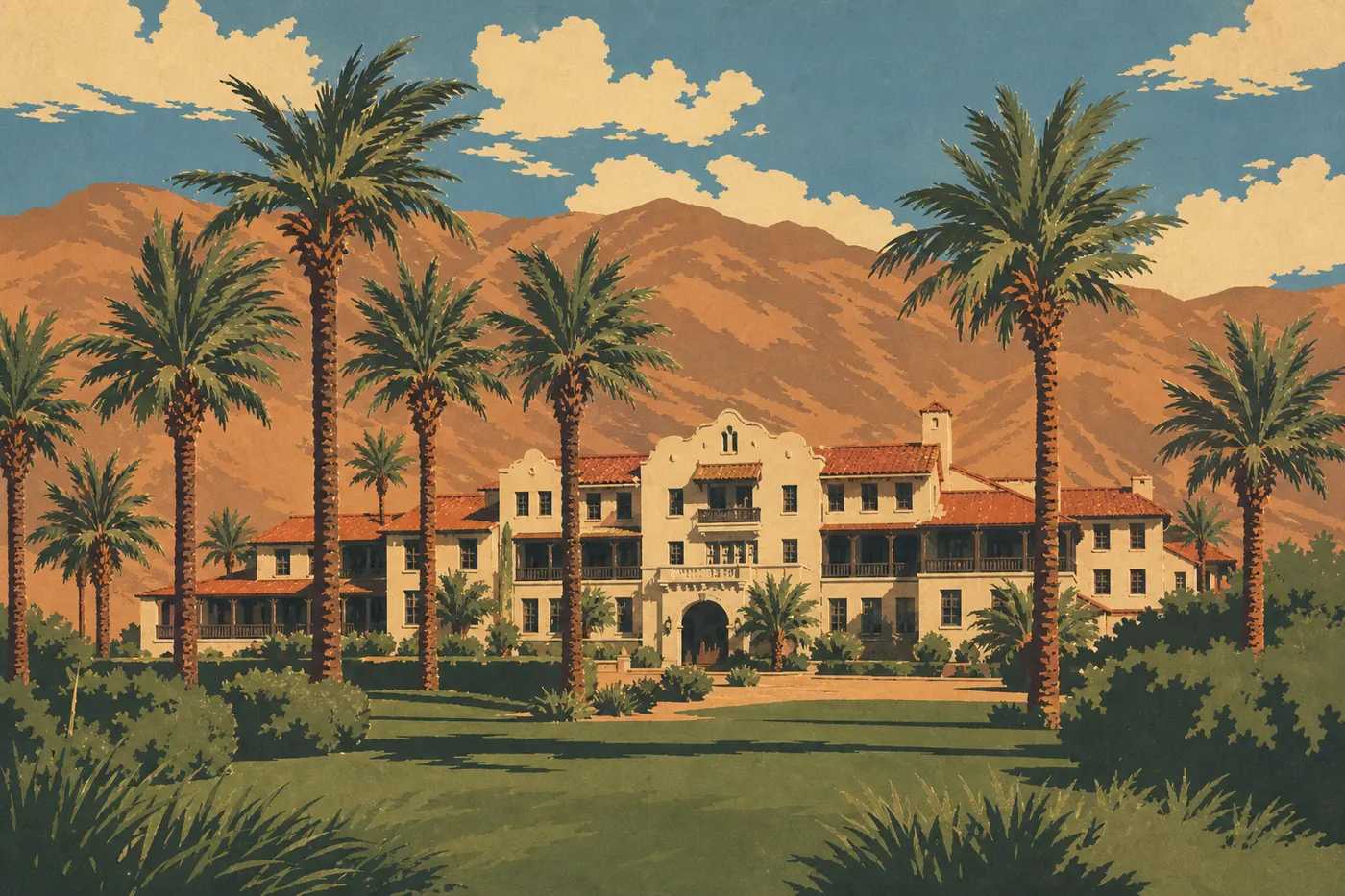
Built in 1927 in the hacienda style, The Inn is the park's historic property. It's in Furnace Creek, 279 feet below sea level. Its natural spring-fed pool, kept at 79°F year-round, is one of the strongest arguments for the expense. The rooms are comfortable, and some overlook the valley. Keep in mind that the hotel closes in summer, usually from mid-May to mid-October.
The Ranch at Death Valley
Right next to The Inn, The Ranch is aimed at families and travelers looking for something less formal. The bungalows and rooms are a step down in finish, but they're also less expensive. The property has a pool, a golf course (you have to see it to believe it, in the hottest valley on the continent), and several restaurants. It's open year-round.
Stovepipe Wells Village Hotel
About 25 miles northwest of Furnace Creek, Stovepipe Wells offers simple, no-frills rooms. It's the closest lodging to Mesquite Flat Sand Dunes, Mosaic Canyon, and the park's northern landscapes. When I stayed there in March, I enjoyed the Old West village atmosphere that settles in once the tour groups leave. There's a bar, a restaurant, a gas station, and an adjoining campground.
Panamint Springs Resort
On the western side of the park, reached via Highway 190 from Lone Pine, Panamint Springs is the most isolated of the four. The resort offers rooms, bungalows, and campsites. It's an ideal base for exploring lesser-known areas such as Eureka Dunes and Saline Valley, which most visitors never see. The facilities are basic, the atmosphere is authentic, and sunsets over the Panamint Mountains more than make up for the remoteness.
Camping in Death Valley: The Park Campgrounds
With nine official campgrounds spread across the park, Death Valley offers one of the most complete camping setups on the American West Coast. Some sit at higher elevations, making them usable even outside the cool season.
Furnace Creek Campground is the most central and the busiest, just steps from the visitor center, restaurants, and The Ranch. Some sites can be reserved through Recreation.gov; the rest are first-come, first-served. Rates apply year-round.
Mesquite Spring Campground, in the northern part of the park, is quieter and often less crowded. Sites are first-come, first-served. Its higher elevation makes it a solid option in spring and fall.
Emigrant Campground is free and limited to tents and small vehicles. There is no potable water on-site, so bring plenty of water before you arrive. That's a rule you should never ignore in this park.
For RVs, the Death Valley RV camping guide covers vehicle-size restrictions and suitable sites. The complete details for every campground, including coordinates and amenities, are in the Death Valley campground guide.
Where to Stay Around Death Valley: Gateway Towns
If you choose to stay outside the park, here are the realistic options for each approach.
Las Vegas, Nevada (143 miles east)
Las Vegas isn't technically a gateway, but it's by far the most popular base for a Death Valley trip. The hotel selection is enormous, nightly rates are often lower than inside the park, and the logistics are easy, with rental cars and direct flights from Europe. Allow two and a half hours via US 95 toward Beatty, then SR 374 to the park's east entrance. This base works especially well for a one-day or one-and-a-half-day visit.
Beatty, Nevada (about 50 miles east)
Beatty is the closest town to the park's east entrance. It has a few no-frills motels, several restaurants, and a gas station. Value is much better than inside the park, and you'll save 30 to 40 minutes of driving compared with Las Vegas. For travelers spending two or three days in Death Valley after coming from Nevada, Beatty is a practical, affordable base. The ghost town of Rhyolite is just a few miles away and worth a stop on the way in.
Pahrump, Nevada (about 75 miles southeast)
Pahrump is larger than Beatty, with more chain hotels. It's well placed if you're combining Death Valley with a return to Las Vegas or a trip to Red Rock Canyon. It isn't the most memorable destination of the trip, but convenience comes first.
Lone Pine, California (about 109 miles west)
Lone Pine is a classic stop on Highway 395 road trips. If you're arriving from Los Angeles or the California coast and linking Sequoia, Kings Canyon, and Death Valley, it's a logical base. The town has character, with a Western film museum and iconic movie locations in the Alabama Hills. Lodging is decent, and the drive to the park through Panamint Valley is one of the most spectacular approaches around.
When to Book Your Death Valley Lodging
Park lodges fill up very early during the high season. For The Inn at Death Valley, book six to nine months ahead if you're aiming for March or April. That's when the desert may bloom and American spring break takes place. The Ranch and Stovepipe Wells also fill quickly in February and March.
For campgrounds that take reservations, especially Furnace Creek, Recreation.gov opens booking windows six months ahead. Make your reservation on the first day the calendar opens.
If you're staying in Las Vegas or Beatty, you'll have much more flexibility. Even so, don't wait until the last minute on weekends when an exceptional bloom is expected. Years with heavy winter rain can draw unusually large crowds over a very short period.
To choose the right travel window, our best times to visit Death Valley guide covers the subject in detail.
Lodging Budget: How Much Does It Cost to Stay in Death Valley?
| Option | Typical nightly range |
|---|---|
| The Inn at Death Valley | $400 to $600 or more in high season |
| The Ranch at Death Valley | $200 to $350 |
| Stovepipe Wells Village Hotel | $130 to $220 |
| Panamint Springs Resort | $100 to $180 |
| Reservable campgrounds (Furnace Creek…) | $22 to $36 per site |
| Free campgrounds (Emigrant…) | $0 |
| Motels in Beatty, Nevada | $60 to $120 |
| Hotels in Las Vegas | $50 to $300, depending on the property |
Park entrance fees are added to these rates: $30 per private vehicle, valid for seven days. For entrance fees and available passes, the National Parks Fees & Passes page provides the essential information.
Our Recommendation for Every Type of Traveler
First visit, comfort first: The Ranch at Death Valley. You're in the heart of the park, 1.2 miles from Badwater Basin, with a pool where you can cool down after the heat. Book at least three months ahead.
Families with children: The Ranch, or Stovepipe Wells if you're entering from the north. Mesquite Flat Sand Dunes are within walking distance of the village, which younger kids enjoy. Avoid summer completely. Valley temperatures regularly climb above 113°F, which is dangerous for everyone, children and adults alike. Our Death Valley with kids guide covers the precautions you need to take.
Tight budget: camp at Furnace Creek or Mesquite Spring. If you want a completely free option, Emigrant Campground is first-come, first-served. Otherwise, staying at a motel in Beatty with a rental car remains the most affordable option for two or three days in the park.
Nature and fewer crowds: Panamint Springs Resort in the west or Mesquite Spring Campground in the north. You'll reach little-used roads and remarkably dark night skies. The park is certified as a dark-sky area. Our Death Valley activities guide lists the least-visited spots.
Road trip from Las Vegas: base yourself in Las Vegas and spend one or two nights in the park midway through your route. You'll keep Las Vegas's convenience and selection without giving up the experience of staying inside the park. The complete Death Valley guide will help you plan your route.
Frequently Asked Questions
Where should I stay to visit Death Valley?
For visiting Death Valley, the main options are lodges and campgrounds inside the park, including Furnace Creek, Stovepipe Wells, and Panamint Springs, along with nearby towns such as Beatty (50 miles east) and Las Vegas (143 miles). Staying inside the park is the best choice if you have two or more nights and are visiting outside summer.
Is it better to stay inside or outside the park?
Staying inside the park is worth the extra cost if you want to be at the sites by dawn or enjoy the park after sunset. Staying outside works well for a multi-stop road trip or a tighter budget. Beatty is less than an hour from the park's east entrance.
What is the closest town to Death Valley?
The closest town to Death Valley is Beatty, Nevada, about 50 miles from the park's east entrance. It has several motels, restaurants, and a gas station.
What is the best town to stay in for visiting Death Valley?
For convenience and hotel selection, Las Vegas remains the standard choice, especially if you're combining Death Valley with other parks in Nevada or Utah. If you're focusing only on Death Valley, Beatty is closer and much cheaper.
How many nights should I plan for Death Valley?
Two nights let you see the iconic sites, including Badwater Basin, Zabriskie Point, and Mesquite Flat Sand Dunes. Three nights open up access to remote areas such as Eureka Dunes and Ubehebe Crater. Our Itinerary & Length page offers detailed plans for different schedules.
When is the best time to visit Death Valley?
Our When to Visit page covers this subject in detail. In short, choose November through April for manageable valley temperatures, and March or April if you want a chance of seeing the desert bloom.