
Wrangell–St. Elias Wildlife: What to See and Where
More than 20,000 square miles of tundra, taiga, and glaciers make Wrangell–St. Elias the largest national park in the United States, covering roughly six times the area of Yellowstone. The wildlife matches the scale of the landscape. Five species account for most memorable encounters: Dall sheep, grizzly bears, moose, caribou, and wolves. These are the animals you'll spend hours looking for, and you'll never see them the same way twice. Our complete Wrangell–St. Elias guide gives you the big picture if you haven't planned your route yet.
Wrangell–St. Elias's Iconic Wildlife
Dall Sheep
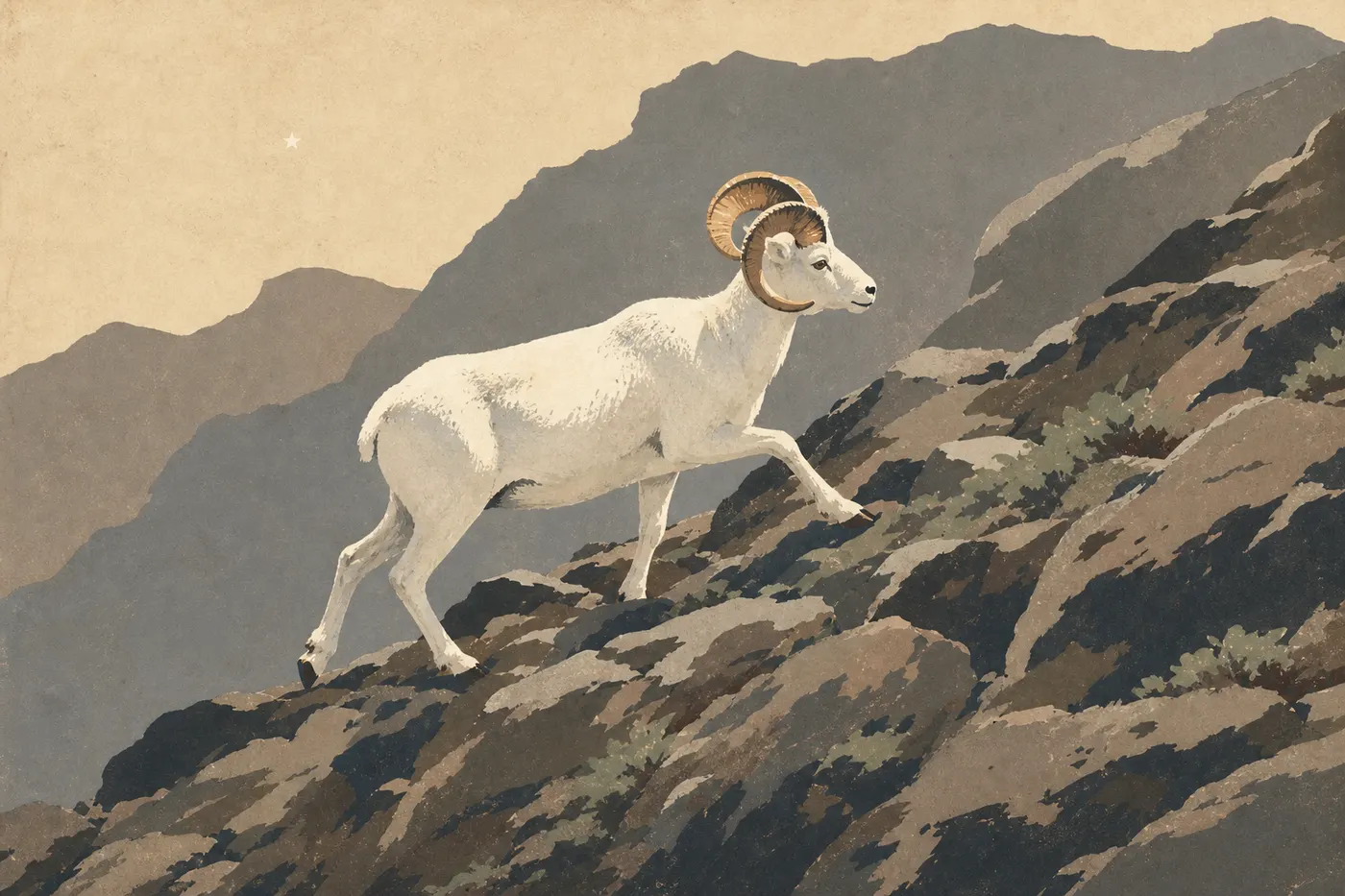
This is the park's easiest animal to spot, and one of the few places in the world where you can watch it without a guide or technical hike. Its spotless white coat stands out against gray rocky ridges. As soon as you gain elevation, scan the steep slopes with binoculars for white patches. Dall sheep are native to Alaska and the Yukon. Rams have curled horns that spiral in on themselves, making them easy to recognize. In summer, ewes with lambs occupy the middle slopes while rams climb higher. The areas around Nabesna Road and the ridges near Kennecott offer the most accessible chances for a decent sighting.
Grizzly Bears
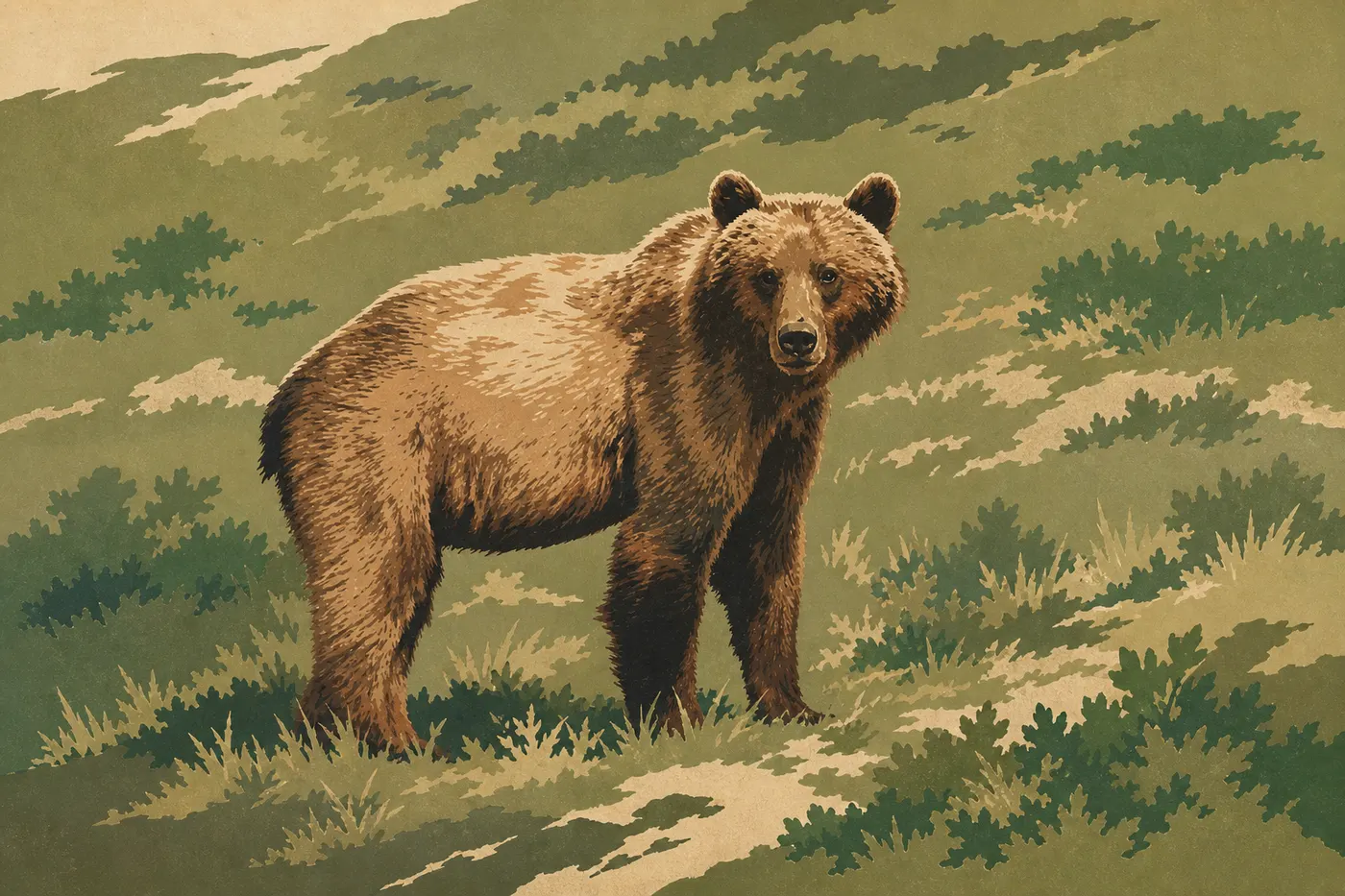
The Alaska grizzly is a subspecies of brown bear and is often larger than its mainland relative. An adult male can easily weigh more than 550 pounds, and some reach 790 pounds after the berry season. Its profile is distinctive: a prominent muscular hump between the shoulders, a concave facial profile, and small, rounded ears. You may find grizzlies on open slopes in early summer, then along the banks of the Copper River once salmon begin running, from July through September. During that period, a patient wait along the banks can pay off with several bears in view at once.
Moose
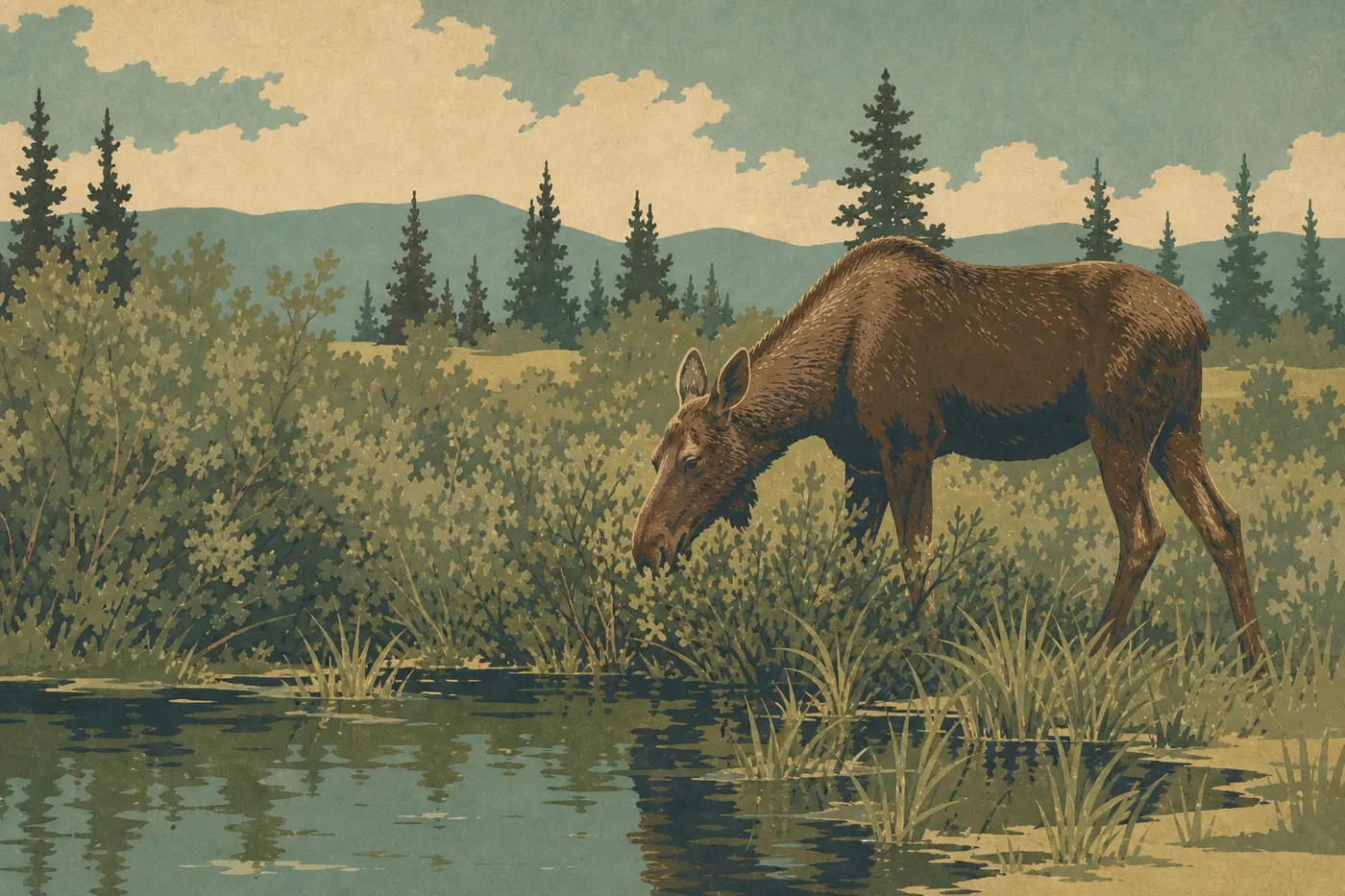
The Alaska moose is the world's largest deer subspecies. An adult male can stand nearly 5 feet 11 inches at the shoulder and weigh more than 1,320 pounds. Its antlers, which grow back every year, can span up to 6.5 feet from tip to tip. Look for moose in wetlands, along lakes and rivers, and on the lower sections of McCarthy Road. In September, a bull's call carries a long way. It's the rut, the most dramatic time for viewing, but also the riskiest time to approach. Cows with calves may charge without warning.
Caribou
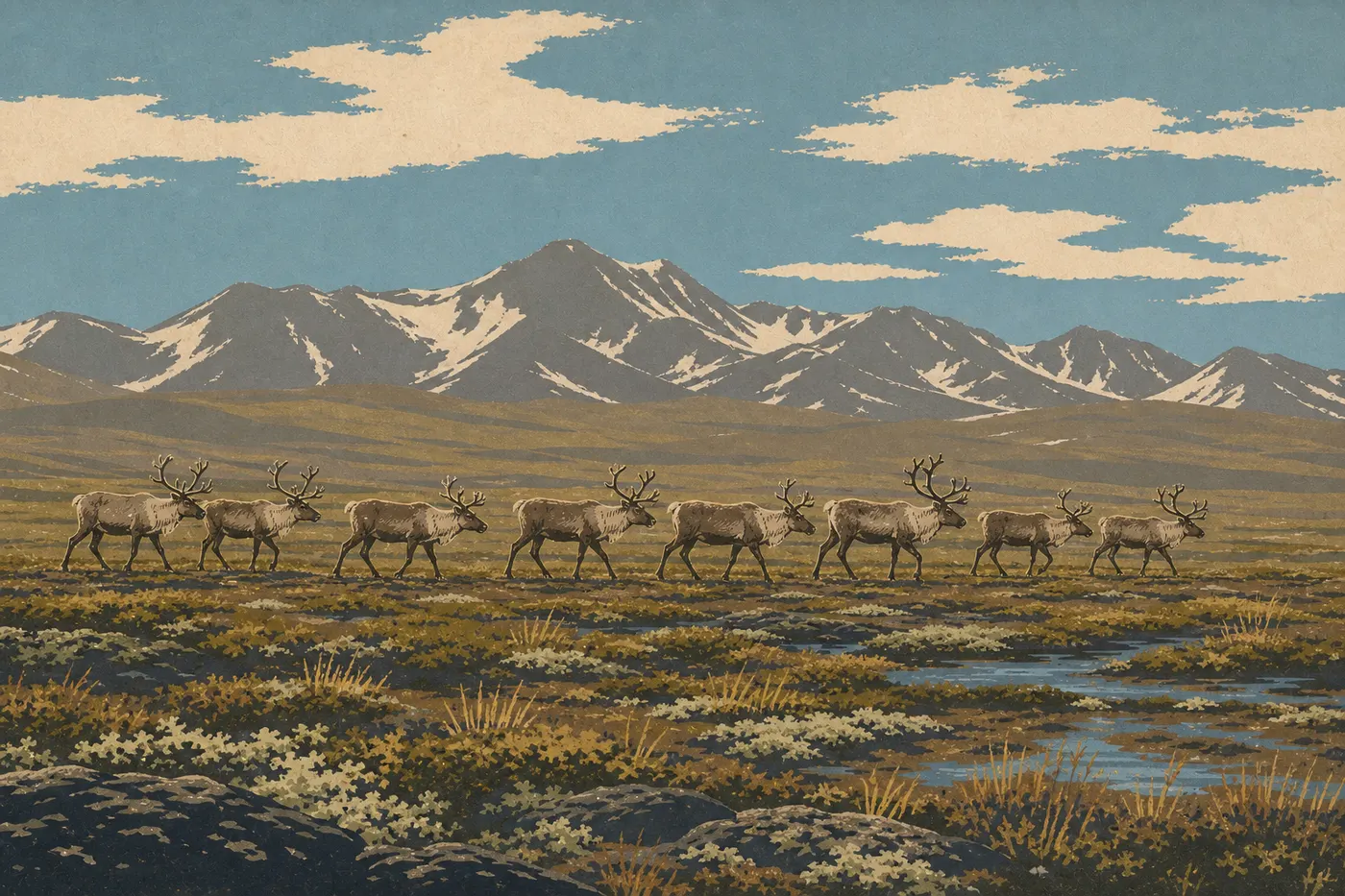
Two major herds use this territory: the Mentasta Herd and the Nelchina Herd, each numbering several thousand animals. Caribou are major migrants, following semiannual routes between high-elevation summer ranges and lower taiga winter habitat. The best viewing comes during the late-summer and fall migrations, especially along Nabesna Road. One notable feature sets caribou apart from other North American deer: both males and females grow antlers.
Wolves
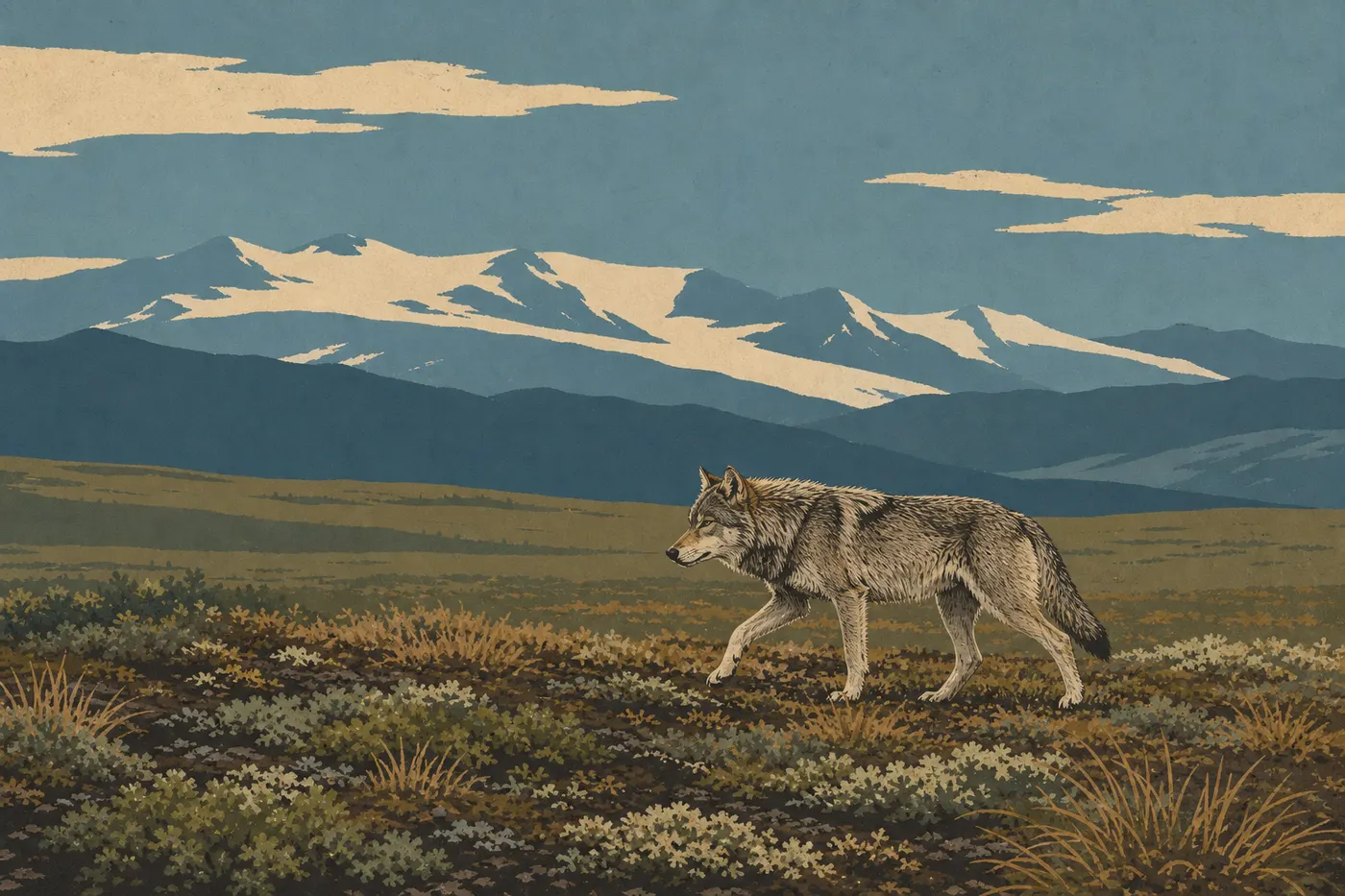
Gray wolves live in packs throughout the park and its surrounding areas. Their range is vast, their movements unpredictable, and their wariness of people deeply ingrained. Sightings are therefore hit or miss. At dawn, on the open stretches of Nabesna Road, you're more likely to catch a glimpse of a wolf crossing the road or following the edge of the forest. Count on patience rather than luck. The wolf's impact can be seen across the entire park. Its packs regulate moose and caribou populations, directly affecting vegetation along riverbanks and in open areas.
Telling Black Bears and Grizzlies Apart
Both species live in Wrangell–St. Elias, and telling them apart isn't always intuitive. A brown bear can be almost black, while a black bear may be brown or cinnamon-colored. Color is therefore a poor guide. Three features are reliable: the hump (a grizzly has a prominent muscular mass between the shoulders, while a black bear doesn't); the muzzle profile (concave and dished in a grizzly, straight in a black bear); and the ears (short and rounded in a grizzly, taller and more pointed in a black bear). If you encounter one, this distinction determines how you should respond, so keep it in mind.
Where to See Wildlife in Wrangell–St. Elias
The park's internal road network comes down to two main rough roads. That's where you'll find nearly all of the land-based wildlife viewing available without an expedition.
Nabesna Road (40 miles): This road enters the northern part of the park through boreal forest, marshes, and open tundra. It's the most productive route for migrating caribou, wolves at dawn, and moose along ponds. Dall sheep appear on the ridges as soon as the terrain rises.
McCarthy Road (62 miles from Chitina to McCarthy): The habitats along the way vary widely. The wetlands in the lower section hold moose almost reliably in spring and fall. Farther up, the open slopes near Kennecott offer views of grizzlies, while the rocky cliffs reveal mountain goats. Mountain goats stand apart from Dall sheep with their short, straight horns and stockier build.
The Copper River and its tributaries: From July through September, spawning salmon, including king, sockeye, and silver salmon, turn the riverbanks into a nonstop hunting ground. Grizzlies, bald eagles, and river otters gather in the same areas. Bald eagles, whose nests occupy the largest trees along the banks, are visible from almost any overlook above the river.
Interior wetlands: Trumpeter swans, diving ducks, and Arctic terns use the tundra lakes in the northern part of the park. North American beavers have shaped much of the network of small ponds in the boreal zone.
When to Watch Wildlife: Seasons and Daily Rhythms
Access to the park is highly seasonal. Visitor centers close in mid-September and don't reopen until May or June. For a complete month-by-month breakdown, see the Wrangell–St. Elias seasonal guide.
In practice, the main wildlife-viewing season runs from June through early September. Two times of day are consistently more productive: dawn (as early as 5 a.m. in midsummer, when the light is beautiful and animals are active before the day's heat) and dusk (after 8 p.m. in July). Midday is much less productive for large animals.
August and early September are prime time for salmon runs and the grizzlies feeding along the banks. Berries ripen at the same time, drawing bears into open areas where they're easier to watch. The moose rut begins in September. Bulls advertise their presence over long distances and are much less discreet than usual. The Dall sheep rut takes place in November, when the park is nearly inaccessible.
Nocturnal animals, especially Canada lynx and wolverines, require a nighttime stakeout or an off-trail outing with a local guide.
Predators and Large Animals of Wrangell–St. Elias
The grizzly and the gray wolf are the park's two main land predators. Three other species complete the picture, less visible but very much present: the wolverine, a solitary and remarkably tough carnivore capable of traveling dozens of miles a day over snow; the Canada lynx, a forest cat specialized in hunting snowshoe hares, whose population fluctuates with the hare's decade-long cycles; and the golden eagle, a cliff-nesting raptor that hunts young Dall sheep and ptarmigan.
The park's largest animal is still a fully mature bull moose. In terms of total biomass, the caribou herds make up the largest share of the park's hoofed wildlife.
The black bear, often overshadowed by its grizzly cousin, is actually more abundant in the lower forested areas and deserves just as much attention on your outings.
Watching Wildlife Safely
A few nonnegotiable rules apply to every species.
Required minimum distances: 330 feet for bears and wolves; 165 feet for moose, caribou, and Dall sheep. These aren't suggestions. Below those distances, an animal may see you as a threat and react accordingly. A bull moose in rut can charge as fast and as violently as a bear.
Never feed wildlife. An animal that gets used to human food becomes unpredictable and often has to be euthanized. Every piece of food waste left outside your pack is a delayed death sentence for the animal that finds it.
Carry bear spray and know how to use it. It's the most effective tool during a close charge. Keep it in a belt holster where you can reach it in two seconds, not buried in your pack. Practice drawing it before you head out on the trails.
Make your presence known in dense vegetation. Talk, tap your trekking poles, and whistle at regular intervals. Surprise encounters at close range are the main cause of bear incidents. Avoid earbuds on the trails. They block the most valuable warning signal you have: the sounds around you.
Store food properly. Use the bear boxes available at campgrounds, or hang your food more than 13 feet above the ground and 5 feet from the trunk. In the backcountry, clean up and pack everything away every evening, no exceptions.
In Brief: Which Species to Look For and Where
| Species | Best area | Best viewing window |
|---|---|---|
| Dall sheep | Nabesna Road ridges, areas near Kennecott | June through September |
| Grizzly bear | Copper River banks (salmon runs) | July through September |
| Moose | Wetlands, lower McCarthy Road | June and September (rut) |
| Caribou | Northern tundra, Nabesna Road | August through October (migration) |
| Wolf | Nabesna Road, open stretches | Dawn, all season |
| Bald eagle | Rivers and streams, Copper River | July through September |
| Mountain goat | Rocky cliffs near Kennecott | Summer |
Frequently Asked Questions
What animals live in Wrangell–St. Elias National Park?
Wrangell–St. Elias is home to around 60 mammal species, including Dall sheep, grizzlies, black bears, moose, caribou, gray wolves, mountain goats, wolverines, Canada lynx, beavers, and river otters. Birdlife includes bald eagles, golden eagles, trumpeter swans, and several species of ptarmigan, all of which are regularly seen.
Are there wolves in Wrangell–St. Elias National Park?
Yes. Several gray wolf packs live in the park and surrounding areas. Sightings are rare. Wolves cover vast territories and generally avoid contact with people. Traveling Nabesna Road at dawn offers the best chance of a chance encounter.
What is Alaska's iconic animal?
Alaska has several official animal symbols. The moose is the state's land mammal, and the bowhead whale is its marine mammal. In Wrangell–St. Elias specifically, Dall sheep are the park's visual emblem, their white silhouettes standing out against the rocky ridges.
What marine animals can you see in Alaska?
Wrangell–St. Elias has no coastline directly accessible from its visitor roads. Coastal Alaska is home to bowhead whales, orcas, harbor seals, Steller sea lions, and sea otters. To see these species, head to parks such as Kenai Fjords or Glacier Bay, which are closer to the Pacific.