
When to Visit Wrangell–St. Elias: Best Seasons, Weather, and Timing
The best time to visit Wrangell–St. Elias is mid-June through early September, when roads are open, daylight lasts up to 20 hours, and wildlife is at its most active. These 10 weeks offer the ideal conditions for exploring America's largest national park. If you're looking for solitude and fall colors, the first half of September is a golden window before the first lasting snows arrive. The rest of the year, the park is technically open as a wilderness area, but visitor centers are closed and secondary roads are often impassable.
Month-by-Month Climate in Wrangell–St. Elias
At 20,463 square miles of tundra, glaciated ranges, and forested valleys, Wrangell–St. Elias doesn't have just one climate. It has about 10. The Copper Center area and McCarthy Road, the main access route, are considerably milder than the high country around Mount Saint Elias. The table below covers the usual access area. For detailed data and real-time forecasts, see the Wrangell–St. Elias weather forecast.
| Month | Low (°F) | High (°F) | Precipitation | Trail and road conditions |
|---|---|---|---|---|
| January | -4 | 18 | Light (snow) | Roads closed, extreme cold |
| February | 0 | 23 | Light (snow) | Long nights, bitter cold |
| March | 10 | 32 | Light (snow) | Days lengthen, access impossible |
| April | 23 | 45 | Moderate | Thaw, muddy roads |
| May | 36 | 55 | Moderate | Gradual opening, uncertain conditions |
| June | 45 | 64 | Moderate to heavy | Prime season begins |
| July | 48 | 68 | Heavy | Peak season, midnight sun |
| August | 46 | 64 | Heavy | High season, wild blueberries |
| September | 36 | 54 | Moderate | Fall colors, active wildlife, few visitors |
| October | 25 | 39 | Moderate (snow possible) | Visitor centers close |
| November | 10 | 27 | Light (snow) | Northern lights, no services |
| December | 1 | 21 | Light (snow) | Nearly continuous darkness |
Approximate figures for the Copper Center area. Glaciated areas are consistently colder.
Wrangell–St. Elias in January
January is the harshest month. The Copper Center area reaches highs around 14°F, with nighttime lows that can drop to -8°F. All secondary access roads are closed, and all four visitor centers are out of service. The northern lights can be spectacular on clear nights, but a January visit requires proven Arctic experience and complete self-sufficiency.
Wrangell–St. Elias in February
February remains bitterly cold, with nighttime temperatures similar to January, around -4°F. Days get slightly longer, but snow still covers the entire region. No visitor services are operating. A few experienced Nordic skiers venture in, completely self-sufficient.
Wrangell–St. Elias in March
By March, the light is noticeably returning. Daytime highs climb toward 32°F, but nights remain severe, around 7°F. Roads are still inaccessible. The northern lights remain visible on clear nights, with somewhat clearer skies than in the depths of winter.
Wrangell–St. Elias in April
April is the trickiest month of the year. The mercury rises to 46°F during the day, but the thaw turns McCarthy Road into a muddy mess that can be impassable. There is no roadside assistance for 93 miles in any direction. Avoid this period unless you're fully self-sufficient and prepared for extreme off-road travel.
Wrangell–St. Elias in May
In May, the park emerges from winter. Temperatures reach 55°F during the day, and visitor centers reopen toward the end of the month. McCarthy Road becomes passable again, with caution. Mosquitoes appear by mid-May, grizzly bears emerge from hibernation, and the first migratory birds arrive. Lodging is available at still-low rates.
Wrangell–St. Elias in June
June marks the start of high season. With more than 20 hours of daylight and highs around 64 to 70°F, the park fully opens up. Roads are open, guides are operating, and visitor centers are staffed. Crowds remain moderate compared with July, making this a good time to enjoy the comforts of high season without as much pressure on reservations.
Wrangell–St. Elias in July
July is the warmest and busiest month, with temperatures reaching 68 to 73°F around Copper Center and a sun that barely sets. All services are available, and glaciers are accessible with certified guides. Book lodging and charter flights several weeks ahead. The few lodges in Kennecott and accommodations in McCarthy fill quickly.
Wrangell–St. Elias in August
August brings much the same conditions as July, with slightly more precipitation. Wild blueberries draw grizzlies onto open slopes, offering excellent viewing from access roads. It's peak season, and lodging is just as booked as it is in July. August works well if you couldn't reserve a July trip.
Wrangell–St. Elias in September
September is our favorite month. The tundra bursts into vivid color within a few days, while highs remain around 54 to 55°F. Crowds thin out and rates drop noticeably. Caribou begin migrating toward the lowlands, and grizzlies bulk up before hibernation. Roads generally stay open until mid-October, depending on snowfall.
Wrangell–St. Elias in October
October marks the gradual end of the accessible season. Temperatures drop quickly, to around 37°F during the day and 18°F at night, and snow can arrive at any time. Visitor centers close one after another. Only experienced, well-equipped travelers still venture into the park.
Wrangell–St. Elias in November
November brings back the deep cold, around 19°F during the day and 0°F at night. All visitor infrastructure is closed. The northern lights put on a striking show against absolutely dark skies, far from light pollution. This is territory only for extremely self-sufficient travelers.
Wrangell–St. Elias in December
December is the darkest month, with only a few hours of daylight each day in this part of Alaska. Temperatures fall to -8°F at night and 10°F during the day. No access, no services. Wrangell–St. Elias becomes a vast, silent wilderness left entirely to the wildlife.
Wrangell–St. Elias Season by Season
Winter (November through March)
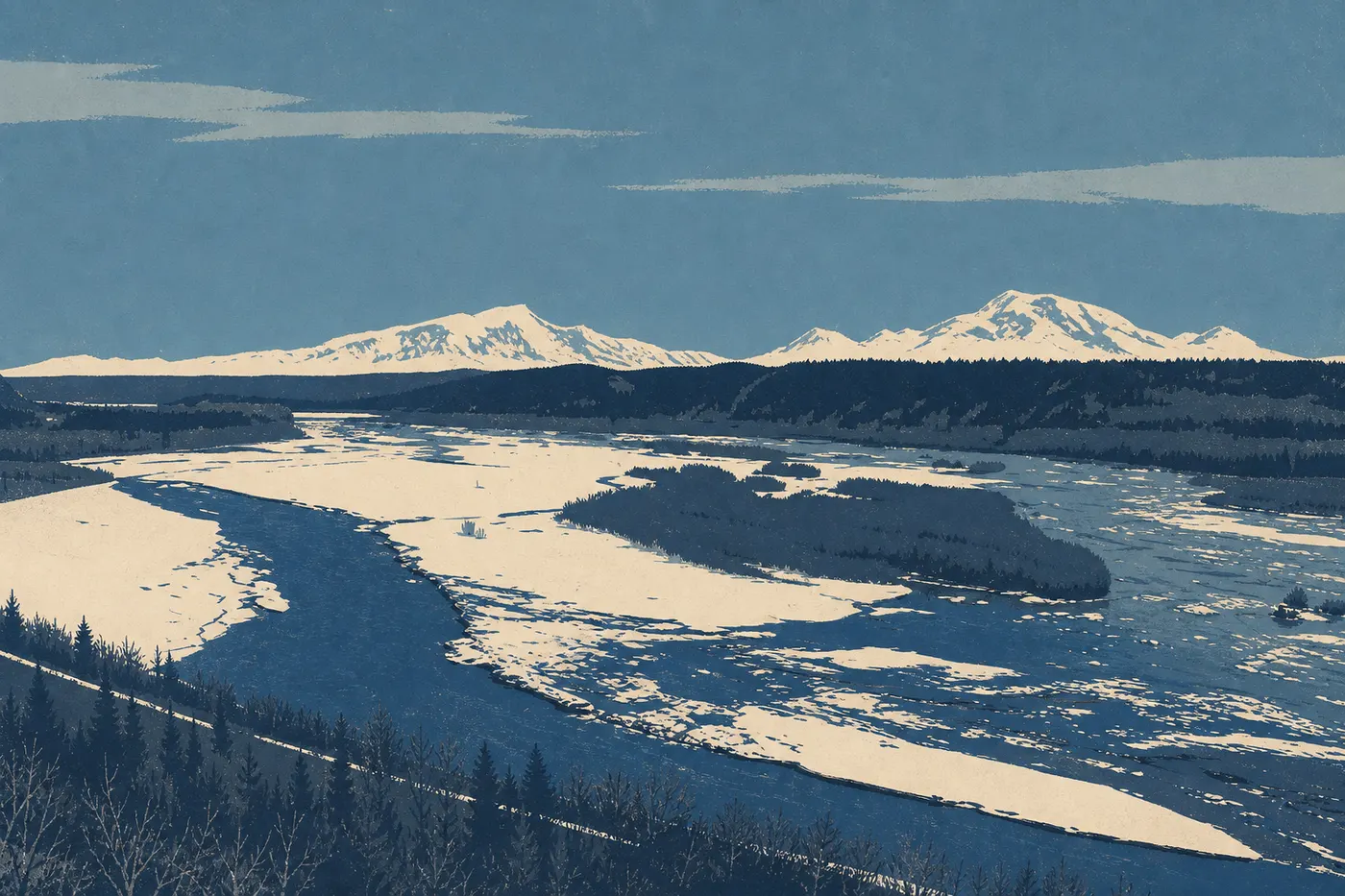
Winter in Wrangell–St. Elias is unforgiving. Temperatures regularly fall below 5°F and can dip below -22°F in sheltered valleys. McCarthy Road, roughly 62 miles of unpaved gravel, and Nabesna Road are closed or inaccessible. All four visitor centers, at Copper Center, Kennecott, Slana, and Chitina, stay closed until spring.
What winter offers in return is spectacular northern lights beneath absolutely dark skies. A few experienced travelers venture in on cross-country skis or snowmobiles, with no visitor infrastructure to support them. We don't recommend this season without proven Arctic experience.
Wildlife: Almost none visible from roads. Caribou and wolves have moved toward the lowlands.
Spring (April through May)
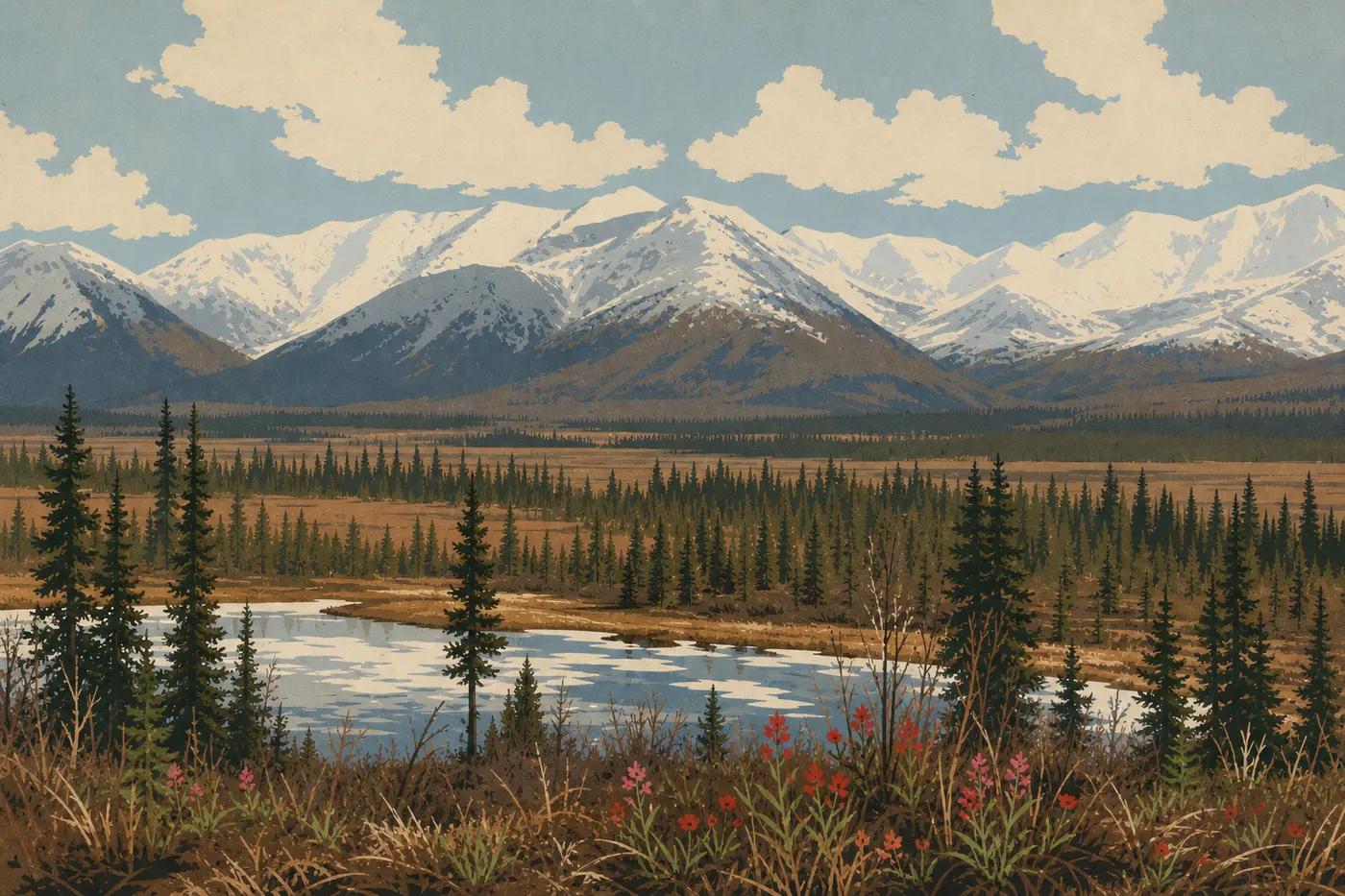
April is the trickiest season. Snow melts and temperatures rise, but roads turn into mud. McCarthy Road can become completely impassable at the height of the thaw, with no roadside assistance for 93 miles in any direction. Conditions gradually improve in May. The first migratory birds arrive, grizzly and black bears emerge from hibernation, and visitor centers reopen toward the end of the month.
This is the quietest time of year for tourism, and lodging rates in McCarthy are at their lowest. You still need to come prepared: weather changes quickly, mosquitoes are already present, and restaurants are closed.
Wildlife: Bears emerging from hibernation, elk, and the first geese and sandhill cranes.
Summer (June through August)
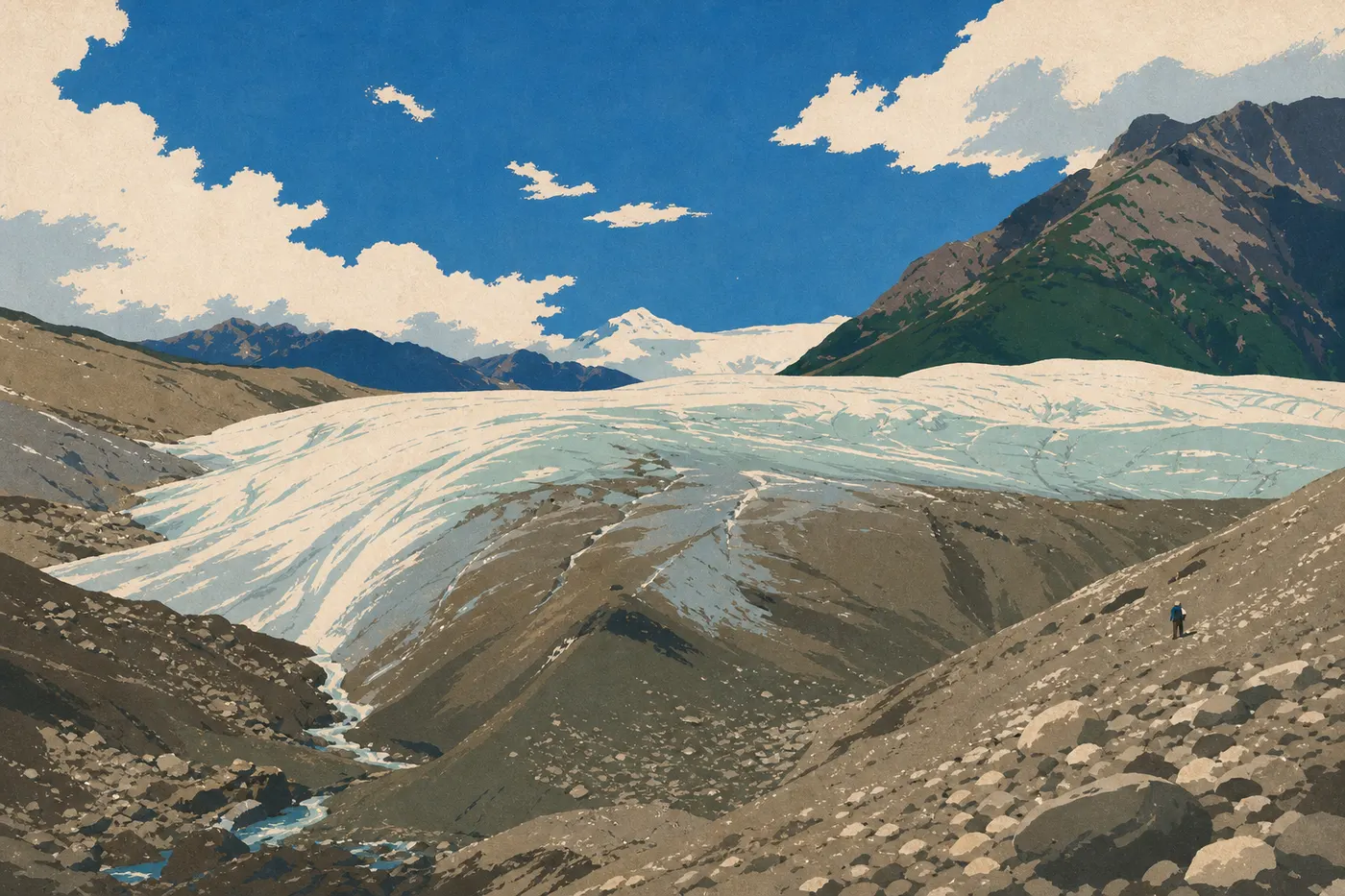
This is the main season. From mid-June through late August, this part of Alaska gets up to 20 hours of daylight. The midnight sun can turn an ordinary hike into an experience unlike any other. Access roads are open, all four visitor centers are operating, and local guides are working at full capacity.
Wildlife is at its most visible: bears on open slopes looking for berries, Dall sheep on rocky ridges above 3,281 feet, caribou crossing the tundra, and golden eagles in flight. The Kennecott and Root glaciers can be visited with certified guides departing from McCarthy. High-elevation hikes open up views of ranges rising above 16,400 feet.
July is the warmest and busiest month. The limited lodging in McCarthy books up several weeks ahead.
Wildlife: Grizzlies, black bears, Dall sheep, caribou, wolves (rare sightings), and golden eagles.
Fall (early September through mid-October)
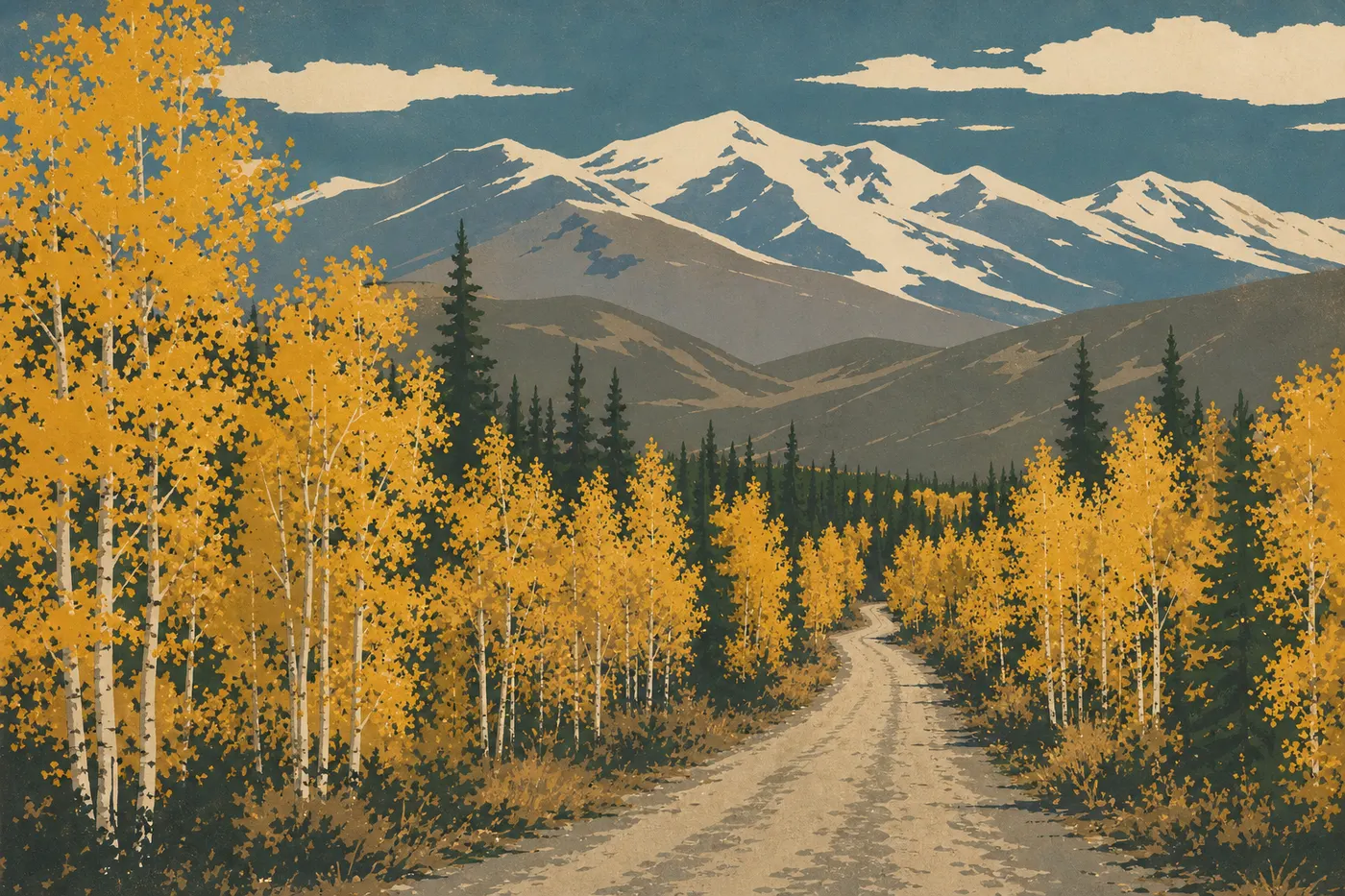
September is our favorite month in Wrangell–St. Elias. The low late-summer light turns birches and willows golden within days, and fall colors explode across the tundra with an intensity few American parks can match. Daytime temperatures remain comfortable, at 46 to 54°F. Caribou begin migrating toward the lowlands, while grizzlies feed heavily before hibernation.
Crowds drop sharply compared with July and August. Roads generally stay open until around mid-October, depending on snowfall. Visitor centers close gradually: Kennecott in early September and Copper Center around mid-September. Check hours before you go.
Wildlife: Migrating caribou, grizzlies in hyperphagia, eagles, and the first snowshoe hares on the ridges.
Crowds: When to Avoid Them
Wrangell–St. Elias is one of the least-visited national parks in the United States, far behind the big-name parks of the Southwest. But “lightly visited” doesn't mean “effortless.” McCarthy has little lodging, charter flights have limited seats, and local mountain guides book up well in advance.
Crowd levels by month:
| Month | Crowds | Advice |
|---|---|---|
| January through April | Nearly none | No visitor services |
| May | Very low | Opening season, uncertain conditions |
| June | Moderate | Good lodging availability |
| July | High | Book 2 to 3 months ahead |
| August | High | Similar to July |
| September | Moderate to low | Best balance of comfort and solitude |
| October | Very low | Closures underway, unpredictable weather |
To avoid the occasional bottlenecks on shuttles to McCarthy or overcrowded airstrips, choose the first half of June or any time in September.
Best Time for Your Budget
Rates in McCarthy and the park's lodges track visitor numbers closely. In July and August, the few available options, including Kennecott lodges and McCarthy accommodations, reach their peak rates. In May and September, prices drop noticeably, sometimes by 30 to 40% for overnight stays.
Charter flights from Anchorage or Glennallen to McCarthy also cost less outside the July peak. From a budget perspective, Wrangell–St. Elias offers a rare advantage for an American national park: there's no entrance fee. The real cost of the trip comes from transportation, either a full day of driving from Anchorage, about 280 miles, or a charter flight, plus lodging once you're there.
Wrangell–St. Elias lodging and the park's lodges and hotels break down the options by season and price range.
Which Season Fits Your Trip?
Wildlife. September for migrating caribou and grizzlies in hyperphagia before hibernation. Choose July and August to see bears active on blueberry-covered slopes and Dall sheep with their young on the ridges.
Hiking. Mid-June through mid-August for snow-free high-elevation trails. July brings the longest days, ideal for 10- to 12-hour outings without a headlamp. Wrangell–St. Elias hikes are organized by difficulty and season.
Photography. September, without question: golden light all day, fall colors, and no heat haze. For the northern lights, aim for September or March, when nights are long enough and roads may still be accessible depending on snowfall.
Families. July is the safest bet, with the most stable weather, every service open, and guided tours of the Kennecott mines that work for kids. Avoid May with young children because of muddy roads and the lack of open restaurants in McCarthy. The Wrangell–St. Elias family guide outlines age-appropriate activities.
Tight budget. September is the first choice, with reduced rates, fewer visitors, and conditions that are still excellent. The second option is the first half of June.
In Summary: The Best Time for Your Trip
| Traveler profile | Best time |
|---|---|
| First trip, general sightseeing | July |
| Wildlife and caribou | September |
| Long-distance hiking | Mid-June through mid-August |
| Photography, light, and fall colors | September |
| Northern lights | September or March (variable conditions) |
| Budget and solitude | September or early June |
For activities, tours, and trip planning, the Wrangell–St. Elias guide brings together all the park's essential information.
The Worst Time to Visit Wrangell–St. Elias
From January through March, Wrangell–St. Elias is at its most hostile: extreme cold, down to -8°F at night around Copper Center, closed roads, closed visitor centers, and no visitor infrastructure. This isn't a season for ordinary visitors, even with good gear. The April thaw is almost as difficult. McCarthy Road can turn into an impassable muddy mess, with no help for 93 miles in any direction.
In peak season, July and August, the challenges take a different form. Wrangell–St. Elias is still one of the least-visited American parks, but its limited lodging in McCarthy and Kennecott fills up. Mosquitoes can be aggressive in June and July, especially deep in the valleys and near wetlands. That's no reason to avoid summer. It is a reason to book early and bring effective insect repellent.
Frequently Asked Questions
What is the best month to visit Wrangell–St. Elias?
July is the best month to visit Wrangell–St. Elias: temperatures are mildest in the usual access area, days are very long, and all visitor centers are open. September is our second choice for fall colors and solitude.
What is the best month to visit Alaska in general?
July is the best month to visit Alaska overall, across all parks, thanks to favorable weather, operating infrastructure, and active wildlife. For the northern lights, September and March offer the best conditions in the southern part of the state.
What is the coldest month in Wrangell–St. Elias?
January is the coldest month in Wrangell–St. Elias. Around Copper Center, temperatures regularly fall below -4°F. In the park's high-elevation areas and sheltered valleys, the cold can be even more severe.
What is the temperature in Wrangell–St. Elias in July?
In July, temperatures around Copper Center and McCarthy range from 48 to 68°F during the day. Nights remain cool, around 48°F. At higher elevations or on glaciers, it feels significantly colder even in summer, so bring layers.
Can you visit Wrangell–St. Elias in winter?
Technically, the park has no entrance gate and stays open year-round. But from November through April, conditions are extreme and services disappear: roads are closed, visitor centers are shut, and McCarthy has no lodging or restaurants. A winter visit is only for travelers with extensive Arctic experience who are fully self-sufficient for shelter, food, and survival gear.
Is Wrangell–St. Elias worth visiting?
Wrangell–St. Elias is well worth the trip if you're looking for raw wilderness far from the crowds. The park is six times larger than Yellowstone, access is demanding, and that's exactly what makes it exceptional. For anyone who loves wide-open spaces, wildlife, and glaciers, it has no equal on the continent.
How much time do you need to visit Wrangell–St. Elias?
Plan on at least three days to see Kennecott and its historic mines and take one or two hikes. To explore the park in depth, including a flightseeing trip, a glacier visit, and backpacking, a week is more realistic. Our Itinerary and trip length page offers sample schedules for different time frames.
How much does a trip to Wrangell–St. Elias cost?
Entrance to the park is free. The main costs are transportation, either the long drive from Anchorage or a charter flight, and lodging, which is limited and expensive during peak season. Our Where to Stay page and Access and transportation guide cover all available options.