
When to Visit Joshua Tree: Best Seasons, Weather, and Timing
The best time to visit Joshua Tree is March and April, when daytime temperatures stay mild (72 to 81°F) and spring wildflowers can transform the park's hillsides, depending on winter rainfall.
The short answer: Visit Joshua Tree National Park in spring (March-April) or fall (October-November). Spring brings the most comfortable temperatures and, if winter was wet, an unforgettable wildflower display. Fall offers the same mild weather in a less crowded park. Summer, with regular highs above 100°F, is only for prepared, disciplined visitors.
Joshua Tree's Climate Month by Month
Joshua Tree straddles two deserts: the Mojave Desert to the north (the Wonderland of Rocks area, around 3,900 feet in elevation) and the Colorado Desert to the south, which is lower and 5 to 9°F warmer. Keep this elevation gradient in mind when planning hikes.
Humidity stays below 25% almost all year. Days are clear and bright even in the middle of winter. Annual precipitation rarely exceeds 10 inches, split between winter rain (January-March) and summer monsoon storms (July-August).
| Month | High | Low | Precipitation | Crowds |
|---|---|---|---|---|
| January | 59°F | 34°F | low | low |
| February | 64°F | 37°F | low | moderate |
| March | 72°F | 45°F | low | high |
| April | 81°F | 52°F | very low | very high |
| May | 90°F | 59°F | almost none | moderate |
| June | 100°F | 68°F | none | low |
| July | 106°F | 73°F | storms | very low |
| August | 104°F | 73°F | storms | very low |
| September | 97°F | 66°F | very low | low |
| October | 82°F | 55°F | very low | high |
| November | 68°F | 41°F | low | moderate |
| December | 59°F | 34°F | low | low |
Indicative figures for the north side of the park (Twentynine Palms). Find real-time forecasts and month-by-month details in the Joshua Tree weather guide.
Joshua Tree in January
January is one of the quietest months of the year. Campgrounds are nearly empty, and parking at iconic sites is easy to find. Days reach about 55°F, which is pleasant for walking, but nighttime temperatures drop to 32°F and sometimes below freezing at higher elevations. Bring a suitable sleeping bag and warm layers for nighttime outings. Night-sky conditions are at their best all year, making January ideal for stargazing.
Joshua Tree in February
February feels much like January, with slightly milder days around 61°F and nights still chilly at about 36°F. Crowds start to pick up slowly. Weekends get busier if the first predicted wildflowers draw photographers. It's still a good window for visiting without much pressure on campgrounds or parking lots.
Joshua Tree in March
March marks the start of peak season. Daytime temperatures reach 70°F, nights stay cool at 41°F, and the park enters its liveliest period. If winter rains have been plentiful, the first poppies and brittlebushes begin coloring the hillsides. Reserve campgrounds on Recreation.gov as soon as the booking window opens, six months before arrival. They go fast. Mid-March Spring Breaks can overwhelm the entrances toward the end of the month.
Joshua Tree in April
April is the busiest month of the year. Temperatures range from 48°F at night to 79°F during the day, and wildflowers peak if the season has been wet. Plan to arrive early, before 8 a.m., to find parking at Skull Rock or Cholla Cactus Garden. Campgrounds fill up weeks in advance, especially around Spring Break. This is the month when visiting on a weekday matters most.
Joshua Tree in May
May is a transition month. The spring crowds thin out, but temperatures quickly climb toward 90°F in the middle of the day. Nights remain manageable at around 57°F. Hit the trails before 8 a.m. and get back to your vehicle by noon. Wildflowers have usually finished blooming. The atmosphere is more peaceful than in April, and campgrounds are easier to book.
Joshua Tree in June
June begins the summer season. Highs approach or exceed 100°F, and nighttime temperatures rarely fall below 66 to 68°F. Crowds drop sharply. If you come anyway, hit the trails before 7 a.m., carry at least 4 liters of water per person, and limit exertion to the first few hours of the day. Higher areas, including Wonderland of Rocks on the Mojave Desert side, offer a few degrees of relief.
Joshua Tree in July
July is the hottest month of the year, averaging 106°F, with monsoon storms that bring occasional humidity and make the heat even harder to handle. Crowds are at their lowest, and trails are nearly empty on weekdays. Stargazing is still possible on clear nights between storms. This month is strictly for visitors with extensive desert experience.
Joshua Tree in August
August is much like July: 104°F during the day, 72°F at night, and frequent monsoon storms. Rain can cause flash floods in washes, so avoid these areas during storms. Nocturnal wildlife is active, especially rattlesnakes. Watch where you put your hands and feet after dark. Warm, clear nights do offer excellent stargazing.
Joshua Tree in September
September marks the beginning of more manageable conditions, but days still reach 93°F. From mid-September onward, the heat gradually fades and monsoon storms become less frequent. Crowds remain light, making this an interesting month for visitors who tolerate heat and prefer solitude. Start early on the trails, just as you would in summer.
Joshua Tree in October
October is our second choice after March-April. Temperatures return to springlike levels (81°F during the day, 52°F at night), the skies are remarkably stable, and crowds have eased since September. Low afternoon light illuminates the pink granite boulders in a way photographers know well. Campgrounds remain available with a standard reservation, except on late-October weekends.
Joshua Tree in November
November is our pick for a first visit outside spring. Daytime temperatures around 66°F and nights at 39°F make for excellent hiking conditions. Crowds gradually decline, campgrounds have room to breathe, and the fall light remains beautiful. It's a good time to combine hiking and stargazing in a park that's quiet again.
Joshua Tree in December
December is one of the quietest months: 55°F during the day, 32°F at night, and light but measurable precipitation (about 0.6 inches). Campgrounds are nearly empty, and lodging rates outside the park are at their lowest. The park is open year-round, 24 hours a day. Bring a four-season sleeping bag for camping and warm layers for nighttime hikes. In return, you'll get exceptional skies and the feeling of a park returning to its wild state.
Joshua Tree Season by Season
Winter (December-February)
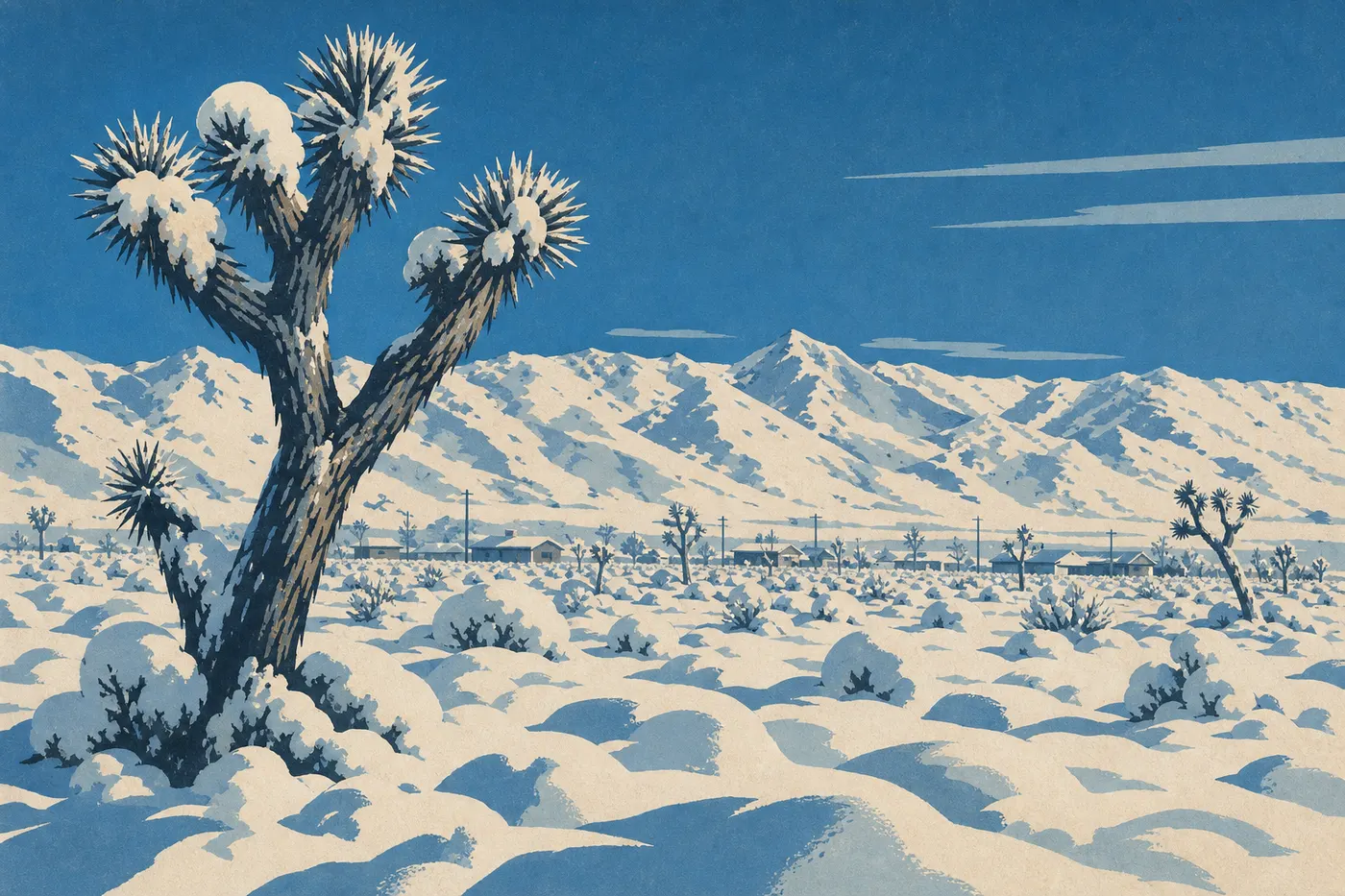
Winter days hover around 59°F. It's pleasant for walking if you dress appropriately. Nights fall below freezing at higher elevations, and snow occasionally reaches the high country. A three-season sleeping bag is the minimum for camping. In return, campgrounds are nearly empty, parking at major sites is easy, and night-sky conditions are at their best all year. During our January visit, the midnight sky at Keys View was clearer than anything we'd seen since the Great Basin.
Spring (March-May)
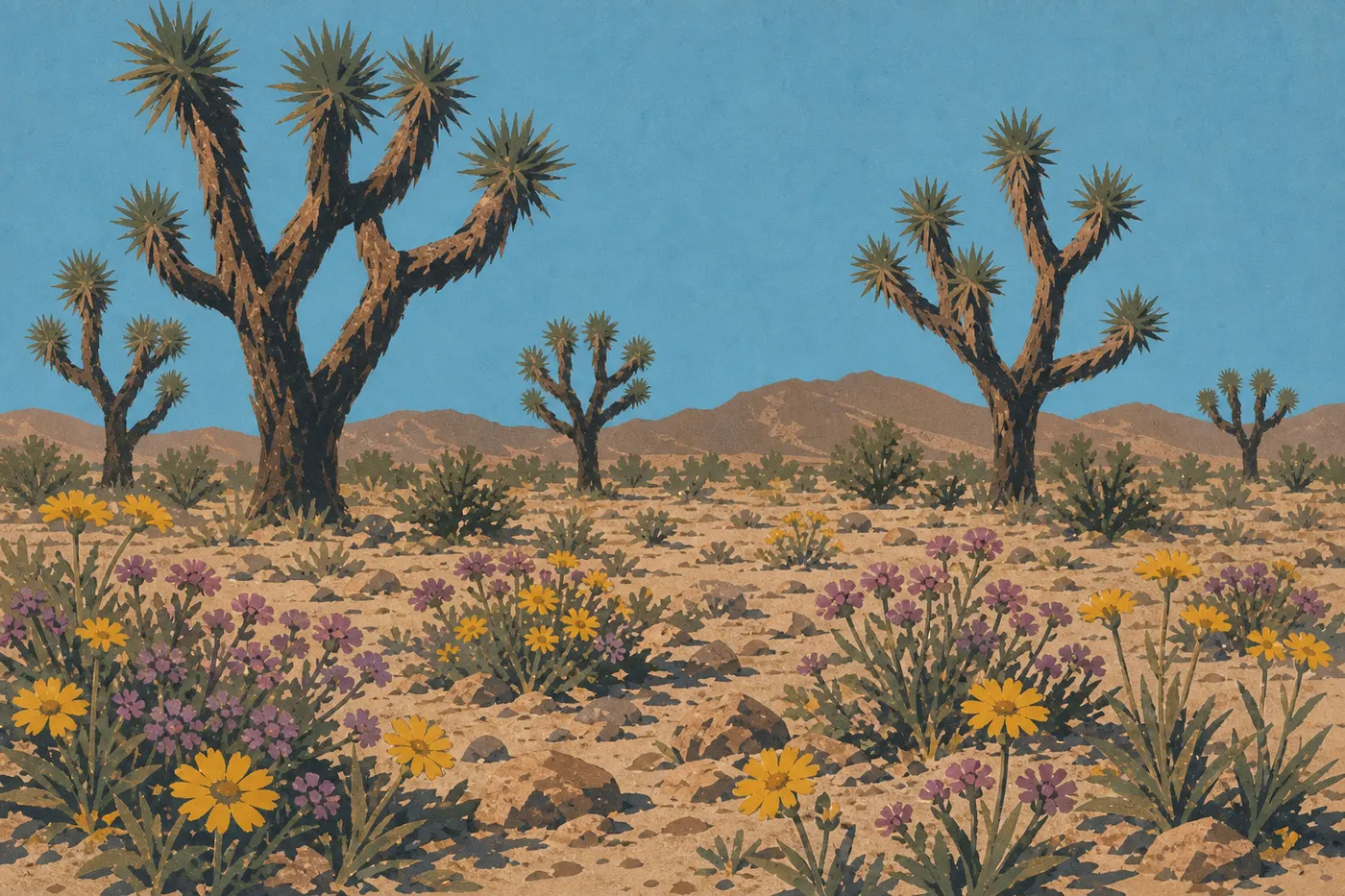
This is the season we recommend first. Daytime temperatures gradually rise from 72°F to 90°F, nights remain cool (45 to 59°F), and the park enters a period of intense activity. If winter rains have been sufficient, the hillsides fill with California poppies, yellow brittlebushes, and blooming cacti. It doesn't happen every year. Check the NPS bloom report starting in February to gauge the potential.
April is the busiest month. Campgrounds fill up weeks in advance, especially around Spring Break (mid-March to mid-April, depending on the state). Reserve through Recreation.gov as soon as the booking window opens, six months before arrival. There is no timed entry reservation. The park is open 24 hours a day, 365 days a year.
May marks a transition. Spring crowds thin out, but temperatures quickly climb toward 90°F in the middle of the day. Start early on the trails and return before noon.
Summer (June-August)
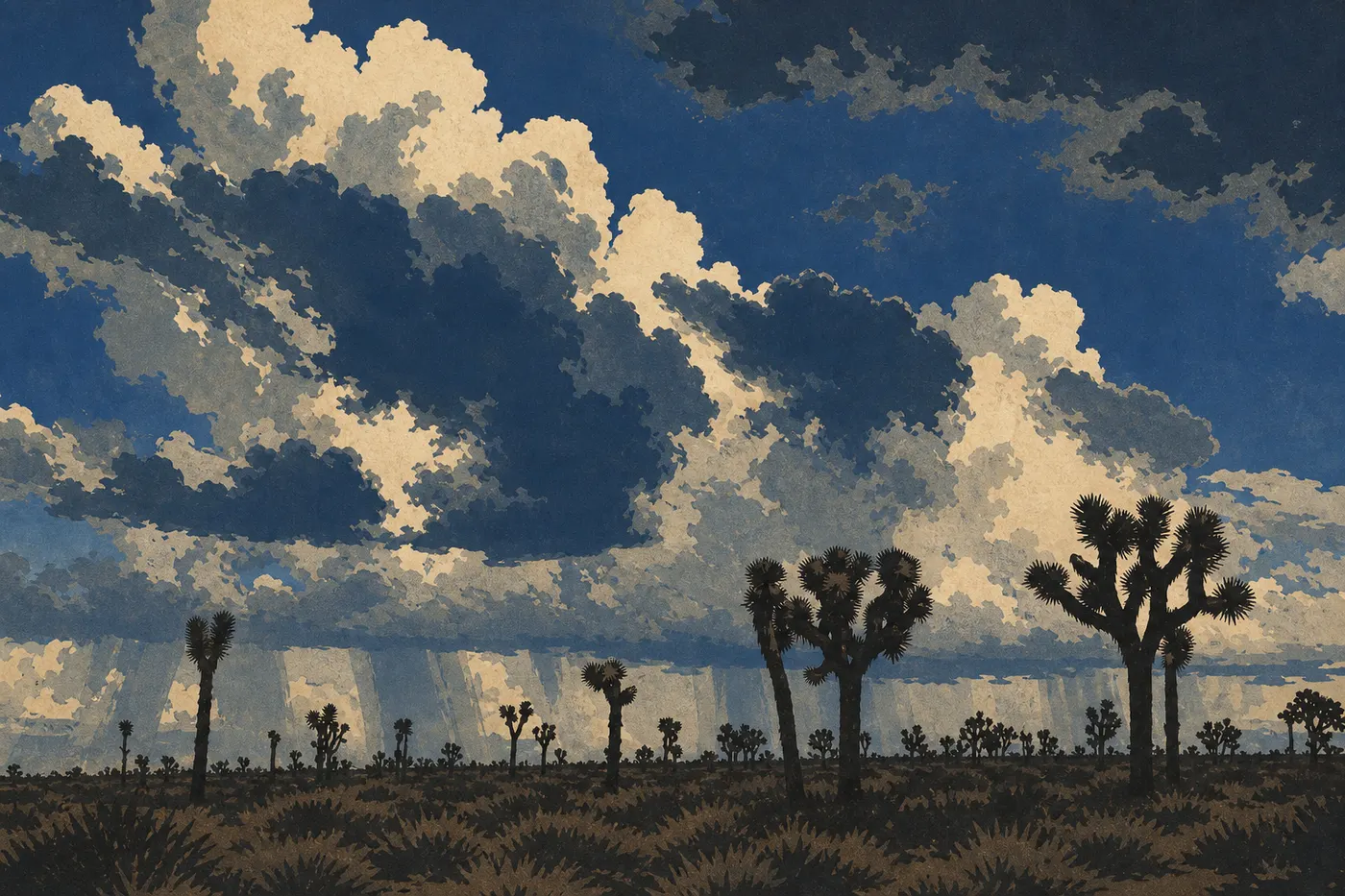
Let's be direct. Summer is the riskiest season. The thermometer regularly tops 104°F during the day and rarely drops below 73°F at night. Monsoon storms in July and August bring occasional humidity, making the heat even harder to tolerate.
If you visit in summer, hit the trails before 8 a.m., carry at least 4 liters of water per person for each hiking day, and return to your vehicle by 11 a.m. Stay at higher elevations on the Mojave Desert side and avoid valley bottoms. Summer does have one advantage: warm, perfectly clear nights are ideal for stargazing. Joshua Tree is a certified Dark Sky park, and you can see the Milky Way with the naked eye. Find the best stargazing spots in our things to do guide.
Fall (September-November)
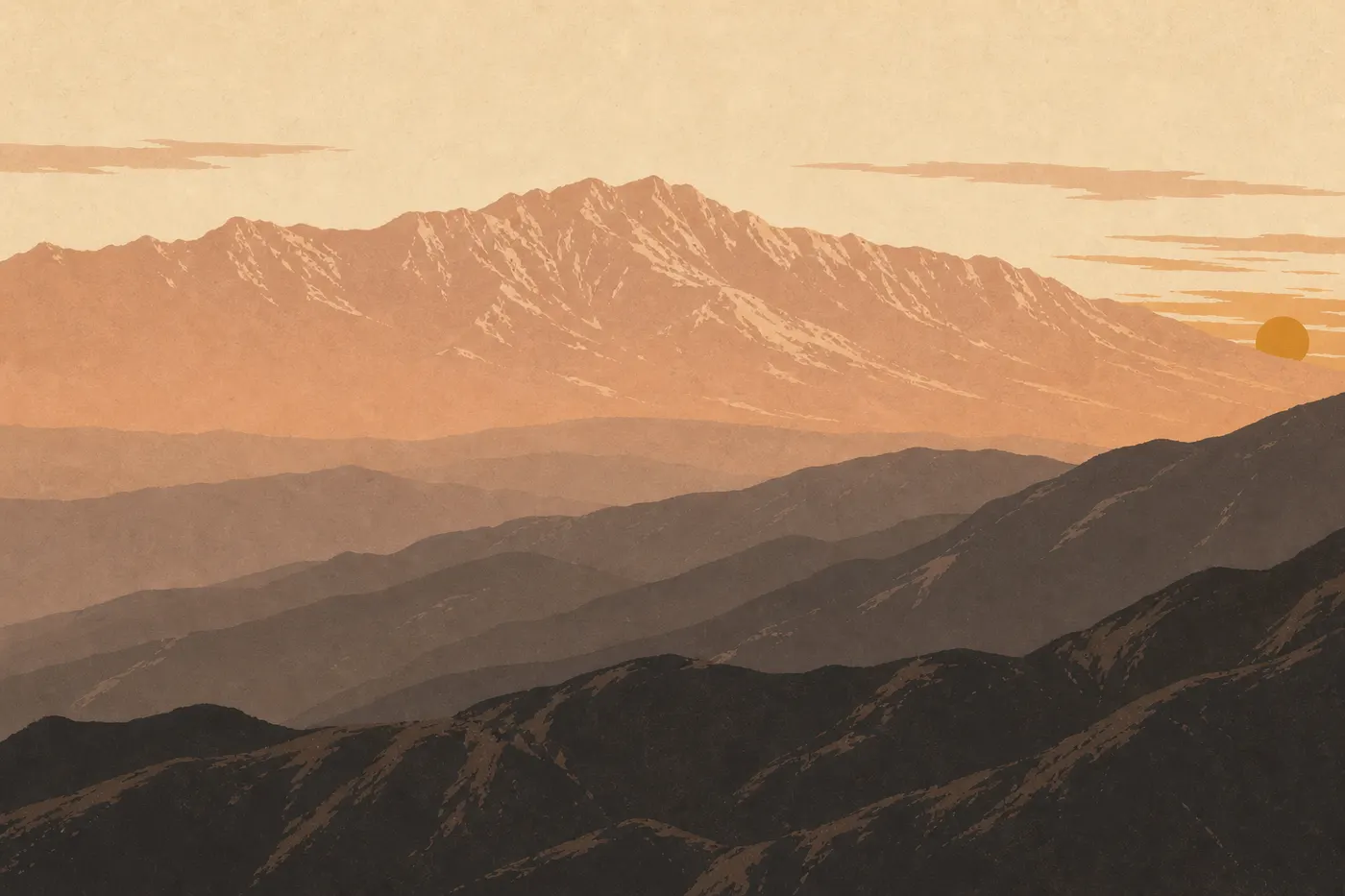
September remains hot at around 97°F, but the heat fades quickly. By mid-October, temperatures return to springlike levels: 82°F during the day and 55°F at night. Skies are even more stable than in spring. Crowds have thinned, campgrounds have room to breathe, and low afternoon light illuminates the pink granite boulders in a way photographers know well.
November marks a gradual return to winter quiet. It's our second choice, especially for a first visit: more comfortable conditions, less pressure on parking, and landscapes just as beautiful as in April.
Crowds: When to Avoid Them
Spring (March-April) sees the heaviest traffic, boosted by the growing reputation of the wildflowers and the park's proximity to Los Angeles, about a three-hour drive away. Easter weekends and Spring Break fill the entrances and parking lots at iconic sites by 9 a.m.
Fall, especially October, brings a second and less intense peak. Crowds remain manageable on weekdays.
Summer acts as a natural filter. Extreme heat keeps most visitors away. Trails are nearly empty on weekdays from June through August, but the tradeoff is a real heat risk.
December and January are the quietest months. Crowds are light, campgrounds are available without advance reservations, and the park feels wild again.
Our practical advice: In spring, target weekdays from Monday through Thursday and arrive early. The same goes for fall. A Wednesday in October is better than a Saturday that same week.
Best Time to Visit on a Budget
Entrance fees are fixed: $30 per vehicle, $25 per motorcycle, and $15 per person entering on foot or by bicycle. The park-specific annual pass costs $55. If you're visiting several national parks, the America the Beautiful pass (an interagency pass costing $80) covers all NPS entrance fees for a year and quickly pays for itself.
Outside lodging varies much more.
Low-rate season (June-August and December-January): Hotels in Yucca Valley, the town of Joshua Tree, and Twentynine Palms offer discounts of 30% to 50% compared with spring. In summer, you trade lower rates for heat. In winter, the tradeoff is freezing nights.
High-rate season (March-April and October weekends): Lodges and vacation rentals go quickly. Booking two to three months ahead is a necessity, not a luxury. Properties in Palm Springs, 28 miles south, and Pioneertown also raise their rates in spring.
Fall weekdays are the sweet spot. Ideal temperatures, available campgrounds, and midrange rates. Our Where to Stay guide compares campgrounds in the park and lodging around Twentynine Palms for every budget.
Which Season Fits Your Trip?
| Your profile | Best time | Good to know |
|---|---|---|
| Wildflowers and spring wildlife | March-April | Blooming depends on the previous winter's rainfall |
| Hiking | October-November or March | Ideal temperatures, uncrowded trails |
| Rock climbing | October-April | Granite heated to 104°F burns your palms |
| Stargazing | Year-round, especially summer-fall | New moon: benchmark nights |
| Landscape photography | April (flowers) or November (low light) | Spectacular golden hour on the rocks |
| Families with children | March (outside Spring Break) or October | Avoid summer with young children |
| Tight budget | December-January | Cold nights, but the lowest rates and crowds |
For details on trails suited to each season, our Hiking guide lists the twelve main trails with difficulty, elevation gain, and seasonal recommendations. For wildlife by month, including desert tortoises, elf owls, and coyotes, see our wildlife guide.
In Summary: The Best Time for Your Trip
Choose March-April for the wildflower show and a park at its liveliest. Expect crowds and reserve early. Choose October-November for similar temperatures in a quieter setting. Pick December-January if budget matters most and freezing nights under dark skies sound appealing rather than off-putting. Avoid summer, or prepare carefully if you go anyway.
Our complete Joshua Tree guide covers the park's big picture and must-see spots. It's the right place to start before settling on your travel dates.
The Worst Time to Visit Joshua Tree
Summer, from June through August, is the season to avoid for most visitors. Temperatures regularly top 104°F during the day and rarely fall below 73°F at night. Monsoon storms in July and August add occasional humidity without providing meaningful relief and can cause flash floods in washes. The risk of heat illness is well documented, and the NPS responds to emergencies involving underprepared hikers every year. The most exposed trails, especially in the Colorado Desert area, become genuinely dangerous between 10 a.m. and 5 p.m.
September also deserves a mention. The first two weeks still reach 93°F, and monsoon storms can continue into mid-September. Outside these summer windows, stay alert for short-lived conditions. A late heat wave in May or a winter storm in December can happen, and some mountain roads temporarily close after heavy snow at higher elevations.
Frequently Asked Questions
Is Joshua Tree worth visiting?
Joshua Tree is worth visiting for a landscape unlike any other: two deserts in one park, piles of pink granite boulders, and Joshua trees, giant yuccas that grow nowhere else in such numbers. Hiking, climbing, and stargazing fit naturally into one trip, and the park is less than three hours from Los Angeles.
What's the best time to visit Joshua Tree?
The best time to visit Joshua Tree is spring (March-April) for mild temperatures and possible wildflowers, or fall (October-November) for similar comfort in a less crowded park. Summer (June-August), with temperatures regularly above 104°F, requires serious preparation.
Can you visit Joshua Tree in winter?
Yes. Winter (December-February) is a perfectly workable time to visit. Days around 55 to 61°F are ideal for hiking, crowds are at their lowest, and night skies are at their best all year. The only catch is that nights fall below freezing at higher elevations, so bring appropriate camping gear and warm layers for nighttime outings.
What is the least crowded month?
December and January are the least crowded months. Campgrounds are available without booking far in advance, parking at iconic sites remains open even midmorning, and trails are nearly empty. July and August also see very light crowds, but for a less pleasant reason: extreme heat.
What's the climate like in Joshua Tree?
Joshua Tree has a semiarid climate, with less than 10 inches of precipitation a year and humidity below 25%. Winters are mild by day, around 59°F, and icy at night. Summers are extremely hot, with daytime temperatures above 100°F. Most rain falls in winter and during July-August monsoon storms.
What's the best time to visit the American West?
The best time to visit the American West depends on which parks you're targeting. For a road trip through the parks of California, Arizona, and Utah, spring (April-May) and fall (September-October) offer comfortable weather windows across most destinations. Our Regions guide compares seasons park by park to help you plan your route.
What's the best time to visit California?
The best time to visit California varies by region. For Joshua Tree, March-April; for the central coast, June-August; and for Yosemite, May-September. California is a vast state with sharply contrasting microclimates.
How long do you need to visit Joshua Tree?
Two full days let you cover the iconic sites and two or three trails. Three days gives you the ideal pace for exploring both deserts and setting aside one night for stargazing. Our Itinerary & Length guide outlines one-, two-, and three-day itineraries, with seasonal priorities.