
Guadalupe Mountains Wildlife: What You'll See and Where to Look
Guadalupe Mountains lies where two worlds meet: the Chihuahuan Desert to the south and the foothills of the Rocky Mountains at higher elevations. This crossroads supports wildlife found nowhere else in Texas, bringing together desert and forest species across a little more than 130 square miles.
The park's five signature animals are the mountain lion, black bear, elk, javelina, and golden eagle. The park is also home to around 60 mammal species, hundreds of bird species, numerous reptiles, and an invertebrate population that surprises visitors. The animal you'll see most often on the trails? The javelina, without a doubt.
Guadalupe Mountains' Signature Animals
The Mountain Lion: Silent Guardian of the High Country
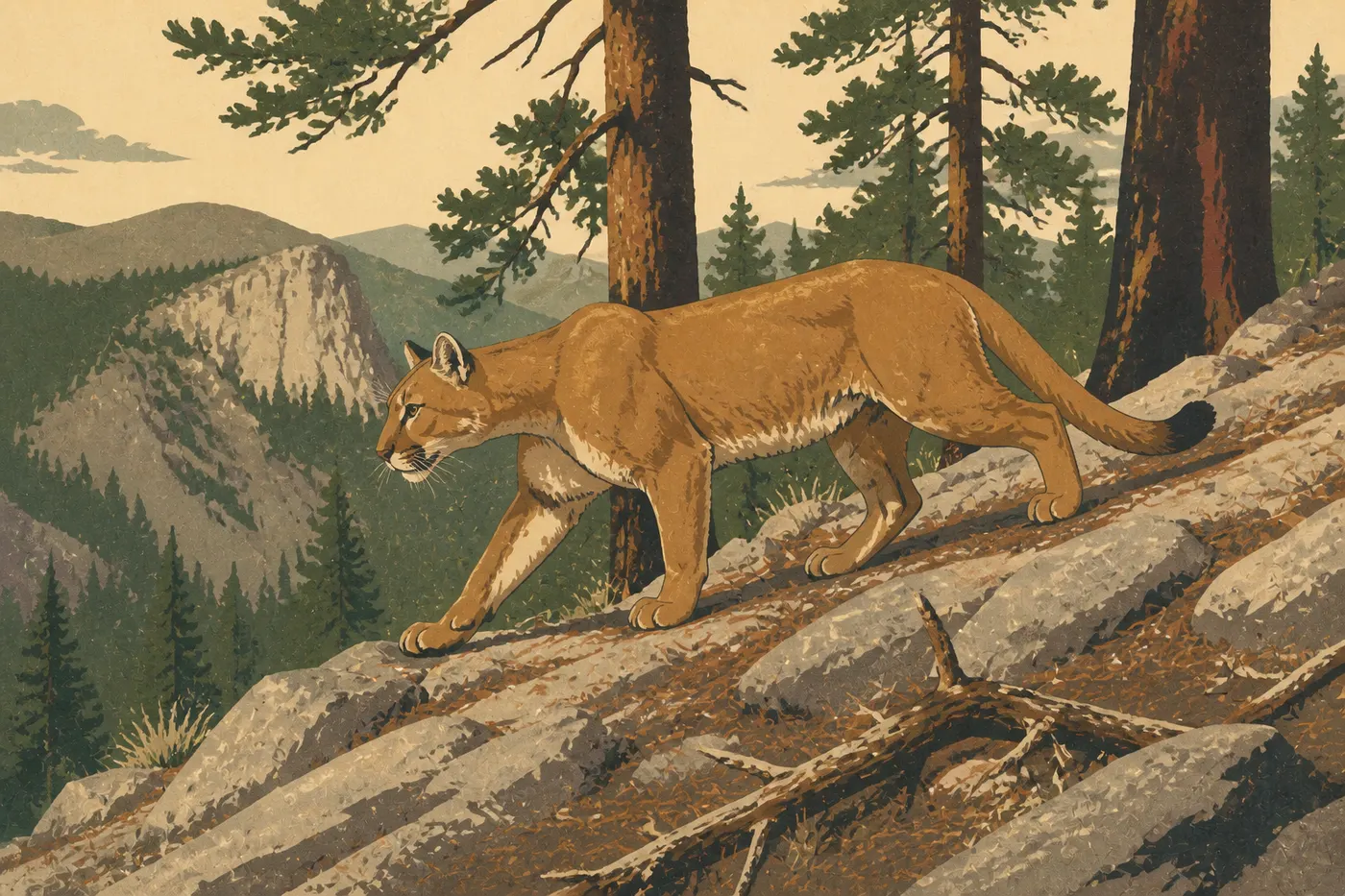
The mountain lion (Puma concolor) is the park's top predator. It ranges across the entire mountain range, from rocky canyons to the conifer forests of the high plateau. It hunts at dawn and dusk, favoring cliff and boulder areas where it can lie in ambush. Spotting one is a lucky fluke. Its tracks turn up regularly on the high-country trails, so there's no doubt it's here, but the animal itself stays remarkably elusive. During our time in the Bush Mountain area, we followed its fresh tracks for 1,000 feet along the trail. The mountain lion remained invisible.
The Black Bear: The Park's Opportunistic Omnivore
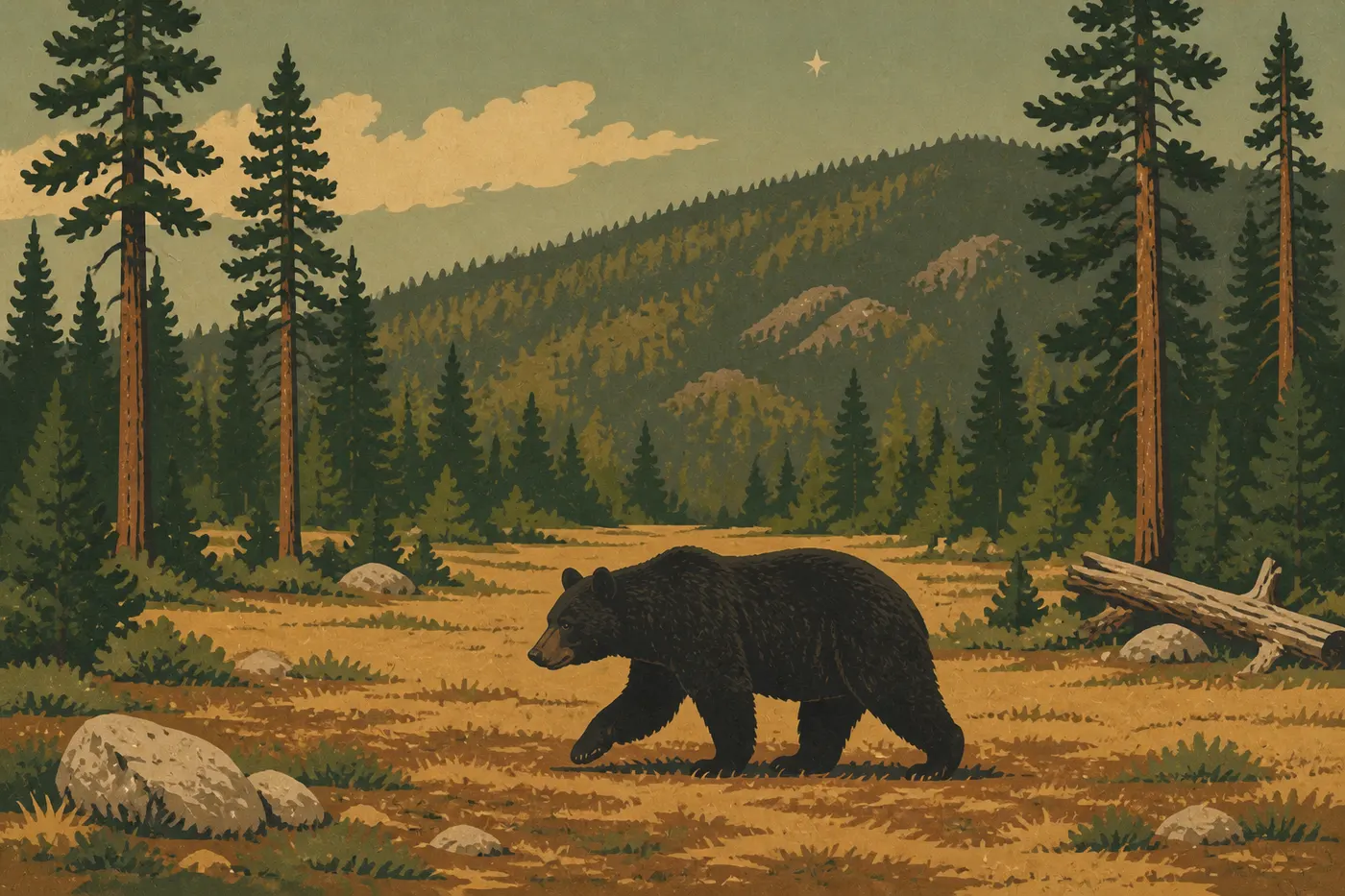
Black bears (Ursus americanus) mainly frequent wooded areas above 6,600 feet, where oaks, pines, and madrone trees grow. They're omnivores. Acorns, berries, insects, carrion, they eat it all. In fall, they feed steadily to build up reserves before winter slows them down. In Texas, they don't enter full hibernation, but their activity drops sharply from December through February. Their all-black coat, sometimes cinnamon-brown, makes them unmistakable. There are no grizzlies in the park. This species disappeared from Texas more than a century ago.
Elk: The Great Silhouette in the Clearings
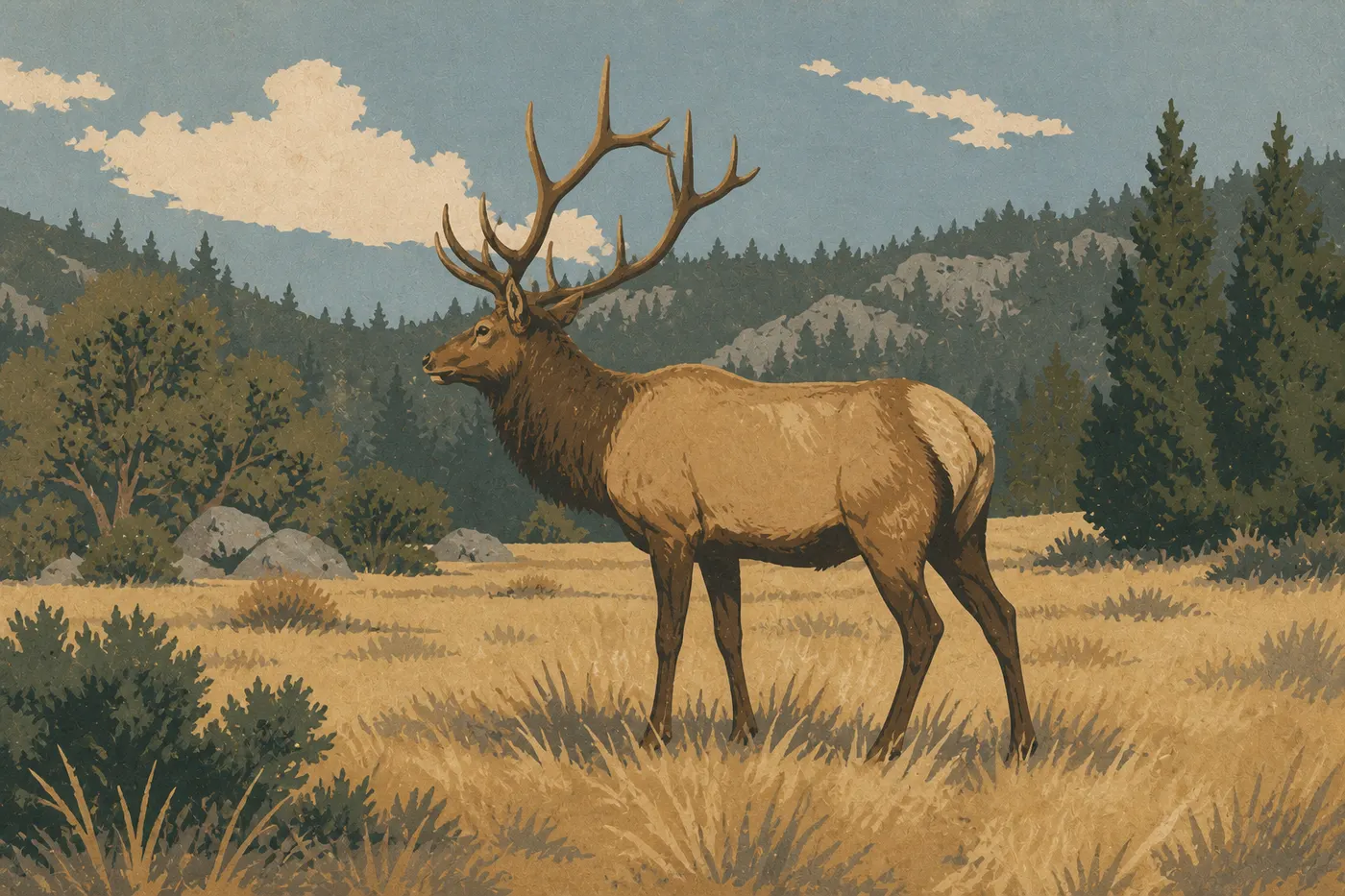
Elk (Cervus canadensis), called wapiti in Europe, are the park's largest mammals. Adult males can weigh more than 660 pounds and grow impressive antlers in fall during the rut, from September through November. Today's population descends from animals reintroduced several decades ago. Hunting had wiped out the species locally in the 19th century. Look for them in open areas and clearings in the conifer forests, especially at daybreak around Dog Canyon.
The Javelina: The Animal You're Most Likely to See
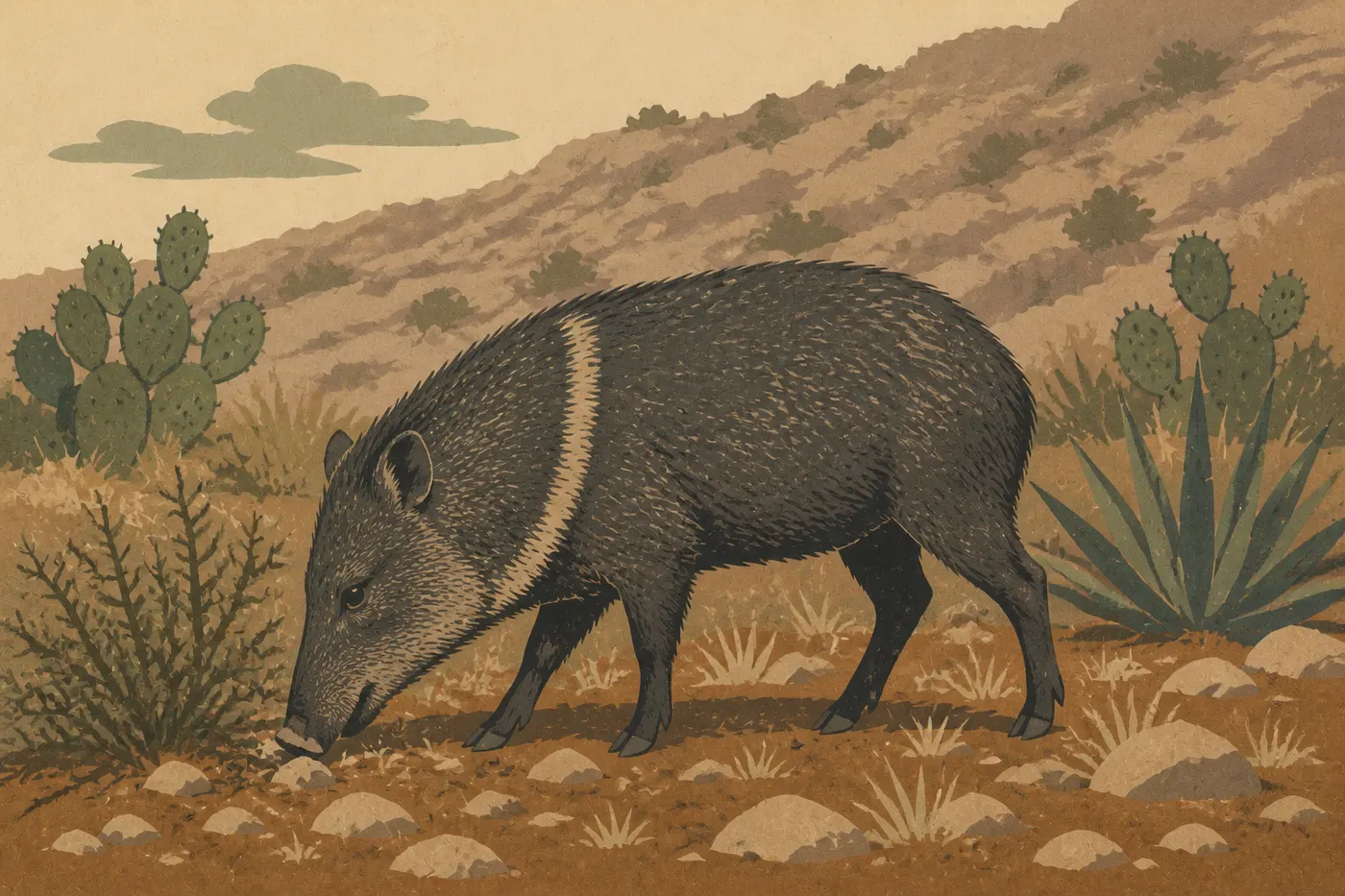
The javelina (Pecari tajacu), or collared peccary, looks like a small gray-brown wild pig with a band of pale hair around its neck. It's actually a distinct species, with no direct relation to the European wild boar. Javelinas live in groups of five to 15 and aren't particularly bothered by people around Pine Springs Visitor Center. They eat cactus, spines and all, along with tubers and fruit. Their sense of smell is formidable. They've spotted you long before you spot them.
The Golden Eagle: Guadalupe's Cliff-Dwelling Raptor
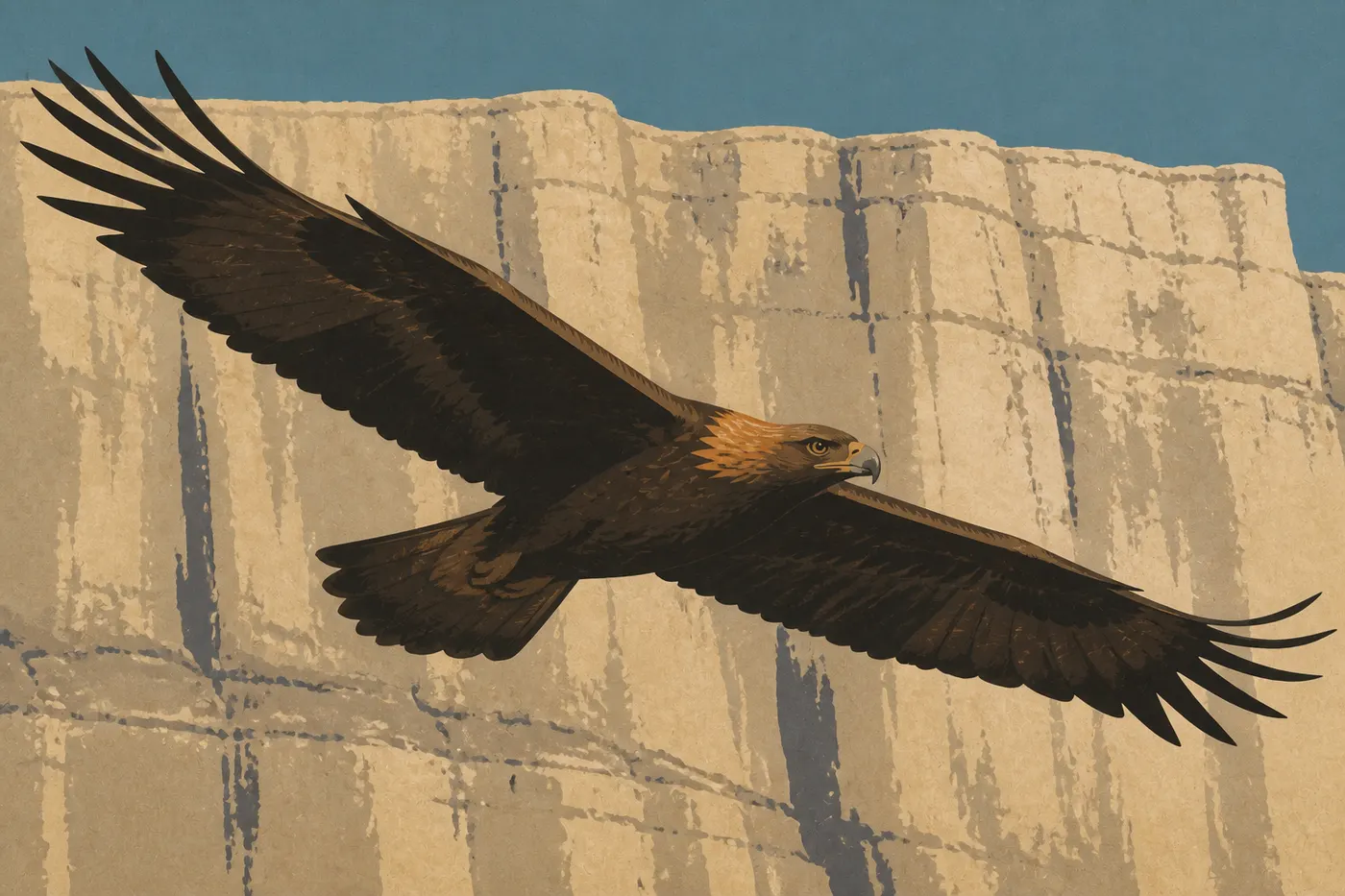
Golden eagles (Aquila chrysaetos) nest on the park's sheer cliffs, especially along the Guadalupe Escarpment, the great limestone cliff that borders the range to the west. You can identify one by its wingspan, which can reach 7.5 feet, its uniformly dark brown color, and the golden sheen on the back of its neck. It hunts during the day, often gliding above the ridgelines. Black-tailed jackrabbits and squirrels make up most of its diet in the park.
How to Tell a Javelina from a Wild Boar
On the trail, you spot a group of small gray animals grunting in the brush. Is it a javelina or a feral hog? Javelinas have a straighter back, a short snout, and a clearly visible pale collar. The European wild boar, introduced in some parts of Texas, has a heavier build, a dorsal mane, and no collar. Feral hogs are absent from the national park, where the NPS actively controls them. If you see a peccary in Guadalupe Mountains, it's a javelina.
Where to See Wildlife in Guadalupe Mountains
The park doesn't have a safari route, but four areas account for most sightings.
McKittrick Canyon is the most productive area for black bears, mule deer, and birds. The canyon floor is wooded and crossed by a seasonal creek, attracting wildlife that can't live in the arid areas. Fall is especially rewarding. The foliage turns, and mammals become more active before winter.
Pine Springs and the immediate surroundings. Javelinas show up almost every morning, especially east of Pine Springs Visitor Center. Mexican jays (Aphelocoma wollweberi), common ravens (Corvus corax), and turkey vultures (Cathartes aura) are almost always around the campground.
Dog Canyon, on the north side of the park, is more isolated and considerably less busy. It's one of the best areas for elk in the clearings, at daybreak and in fall during the rut.
The high country (Guadalupe Peak, Bush Mountain, and trails above 6,900 feet) is prime mountain lion and black bear habitat. You may also see rock squirrels (Otospermophilus variegatus), gray foxes, and, with patience, golden eagles gliding overhead. Guadalupe Mountains hikes are organized by area and difficulty to help you maximize your chances of seeing wildlife.
When to Watch Wildlife in Guadalupe Mountains
The best window is dawn and dusk, year-round. Desert heat forces most mammals to limit their activity to the cooler hours. During the middle of the day from June through August, large mammals generally stay sheltered.
Fall (September through November): This is the richest season. The elk rut brings Dog Canyon's clearings to life. Black bears seek out plenty of calories before winter slows them down. Male tarantulas (Aphonopelma hentzi) travel the trails during the day in search of a mate. It's an unusual and harmless spectacle as long as you let them pass undisturbed.
Winter (December through March): Daytime temperatures on the plateau are milder for hiking, ranging from 50 to 68°F. Wildlife activity is lower, but mountain lions and coyotes are easier to spot on open ground.
Spring (April through May): Migratory birds return. Painted buntings (Passerina ciris), brightly colored songbirds in blue, red, and green, appear in the wooded areas. Strong winds are common this time of year, sometimes topping 59 mph. Check conditions before you set out.
For month-by-month details and weather conditions, see the best times to visit Guadalupe Mountains.
Predators and Large Animals of Guadalupe Mountains
The park's largest animal is the elk. Its top predator is the mountain lion. The black bear falls somewhere in between. It can kill a deer, but in practice it mainly scavenges and eats fruit.
The coyote (Canis latrans) is everywhere and adapts to every habitat. It's often active at night, and it's the animal you hear howling from the campground at dusk or dawn. The gray fox (Urocyon cinereoargenteus) is more secretive and nocturnal, favoring the transition zones between the desert and the forests.
Among reptiles, the western diamondback rattlesnake (Crotalus atrox) is the park's main venomous species. It isn't looking for a fight, but on rocky trails it tends to freeze rather than flee. Watch where you place your hands and feet. Among the invertebrates, striped bark scorpions (Centruroides vittatus) shelter under rocks and in crevices. Their sting is painful and rarely dangerous to a healthy adult, but don't handle one. Here's the direct answer to a question we're often asked: yes, there are scorpions in Guadalupe Mountains National Park.
How to Watch Wildlife Safely
All wildlife in the park is wild. Keeping your distance protects the animal and you.
Minimum distances:
- Mountain lions, black bears, elk: at least 100 yards. If the animal changes its behavior because of your presence, such as stopping, staring at you, or changing direction, you're too close. Back away.
- Other mammals and reptiles: at least 25 yards.
Never feed an animal, not even a squirrel or raven. An animal that learns to associate people with food becomes a problem and often has to be removed from the park.
Rattlesnakes: On rocky trails, look before placing a hand on a rock or stepping beyond a boulder. Wear sturdy, closed-toe shoes. Never try to catch or handle a snake.
Campsite: Store all food in the bear-resistant metal lockers provided, even overnight and even if you're stepping away for just a moment. A bear that gets food in a campsite can become a "problem bear" and be euthanized.
If you encounter a mountain lion: Make yourself look large, speak calmly and firmly, and never run. If the mountain lion approaches, respond assertively with noise and raised objects. The Guadalupe Mountains park safety rules explain the full protocols for each species.
In Short: The Species You Shouldn't Miss and Where to Find Them
| Species | Where to look | Best time |
|---|---|---|
| Mountain lion | High country, rocky areas | Dawn / dusk |
| Black bear | McKittrick Canyon, pine forests | Fall, morning |
| Elk | Dog Canyon, clearings | Dawn, fall (rut) |
| Javelina | Pine Springs, around Pine Springs Visitor Center | Morning, year-round |
| Golden eagle | Guadalupe Escarpment, ridgelines | Daytime, gliding |
| Western diamondback rattlesnake | Rocky trails | Constant caution |
| Male tarantula | Trails and roads | Fall (September-November) |
Our Guadalupe Mountains guide brings together all the practical information you need to plan your trip.
Frequently Asked Questions
What animals live in Guadalupe Mountains National Park?
The park is home to around 60 mammal species, including mountain lions, black bears, elk, mule deer, javelinas, coyotes, gray foxes, and many small mammals. It also has hundreds of bird species, several venomous reptiles, including the western diamondback rattlesnake, and invertebrates such as striped bark scorpions and Texas tarantulas.
What typical Texas animals can you see in Guadalupe Mountains?
Javelinas, coyotes, mule deer, gray foxes, and western diamondback rattlesnakes are characteristic species of the Texas Southwest. Mountain lions and black bears live in the park but are less common across the state as a whole. Elk, reintroduced several decades ago, were historically present in the region before hunting eliminated them.
Are there bears in the Guadalupe Mountains?
Yes. Black bears (Ursus americanus) live in the park, mainly in wooded areas at higher elevations. There are no grizzlies. The species disappeared from Texas more than a century ago and has not been reintroduced.
Are there scorpions in Guadalupe Mountains National Park?
Yes. Several scorpion species live in the park, including the striped bark scorpion (Centruroides vittatus), the most common one. Its sting is painful but rarely serious for a healthy adult. To avoid it, don't turn over rocks with your bare hands, shake out your shoes in the morning before putting them on, and always sleep in a tent or a closed sleeping bag.