
What to Do in the Everglades: Top Sights and Activities
The Everglades defy the usual postcard image. There are no red cliffs, geysers, or panoramas above the clouds. Instead, the park offers a sensory experience: the smell of mud and vegetation, an anhinga drying its wings 6.5 feet from the boardwalk, and the splash of an alligator gliding through black water just a few steps away. You don't simply visit the Everglades. You feel them.
Three highlights frame the quick answer: Anhinga Trail at Royal Palm (the easiest wildlife viewing in the entire park, just a few miles from the main entrance), the Shark Valley bike loop (alligators on the path and a panoramic observation tower halfway around), and the Flamingo area (mangrove kayaking, manatees, and sunsets over Florida Bay). Choose the rest based on your time and interests.
The Everglades at a Glance: Areas, Access, and Getting Around
Everglades National Park stretches across the southern tip of Florida. Unlike most American national parks, it's geographically scattered: four separate entrances, several hours of driving apart, lead to dramatically different landscapes and experiences.
South entrance, Ernest F. Coe Visitor Center (Homestead, State Road 9336): the main route from Miami. From here, Main Park Road heads to Royal Palm, Pa-hay-okee Overlook, and Flamingo, 37 miles into the park. Most visitors come in this way.
Shark Valley (US-41, 34 miles west of Miami): an independent entrance that's ideal for a half-day visit. There's no direct road connection to the south entrance through the park.
Gulf Coast Visitor Center (Everglades City, to the west): the gateway to the Ten Thousand Islands' coastal area. It's about 1 hour 45 minutes from Miami, or 45 minutes south of Naples.
Big Cypress National Preserve: technically a separate entity from the park, but geographically adjacent and a logical part of any complete itinerary.
You'll need a car to travel between areas. Within each area, get around on foot, by bike (at Shark Valley), by kayak, or by boat. Our guide to getting around the Everglades covers transportation options from Miami and vehicle rental locations. For the complete logistics, including entrance GPS coordinates, hours, entrance fees, and the America the Beautiful pass, see our guide to Everglades access.
The park is open 24/7. Entrance stations are staffed from 8 a.m. to 4:30 p.m. Admission is $35 per vehicle, valid for 7 days, or $20 for pedestrians and bicyclists.
How Much Time Do You Need to Visit the Everglades?
One day: doable if you leave Miami early and focus on the south entrance. Visit Royal Palm in the morning, stop along Main Park Road on the way to Flamingo, and return in the late afternoon. It's a full but coherent day.
Two to three days: add Shark Valley (a half-day), a kayaking trip at Flamingo or Everglades City, and more time to slow down. This is the amount of time we recommend for seeing the essentials without rushing.
A week or more: ideal for wildlife enthusiasts, backcountry campers, and anyone planning a multi-day kayaking trip. The park reveals a side that a quick visit can't show you.
Our Everglades itinerary guide offers detailed plans based on your starting point (Miami, Naples, or a Florida road trip) and the time you have.
Top Sights by Area
Royal Palm: Anhinga Trail and Gumbo Limbo Trail
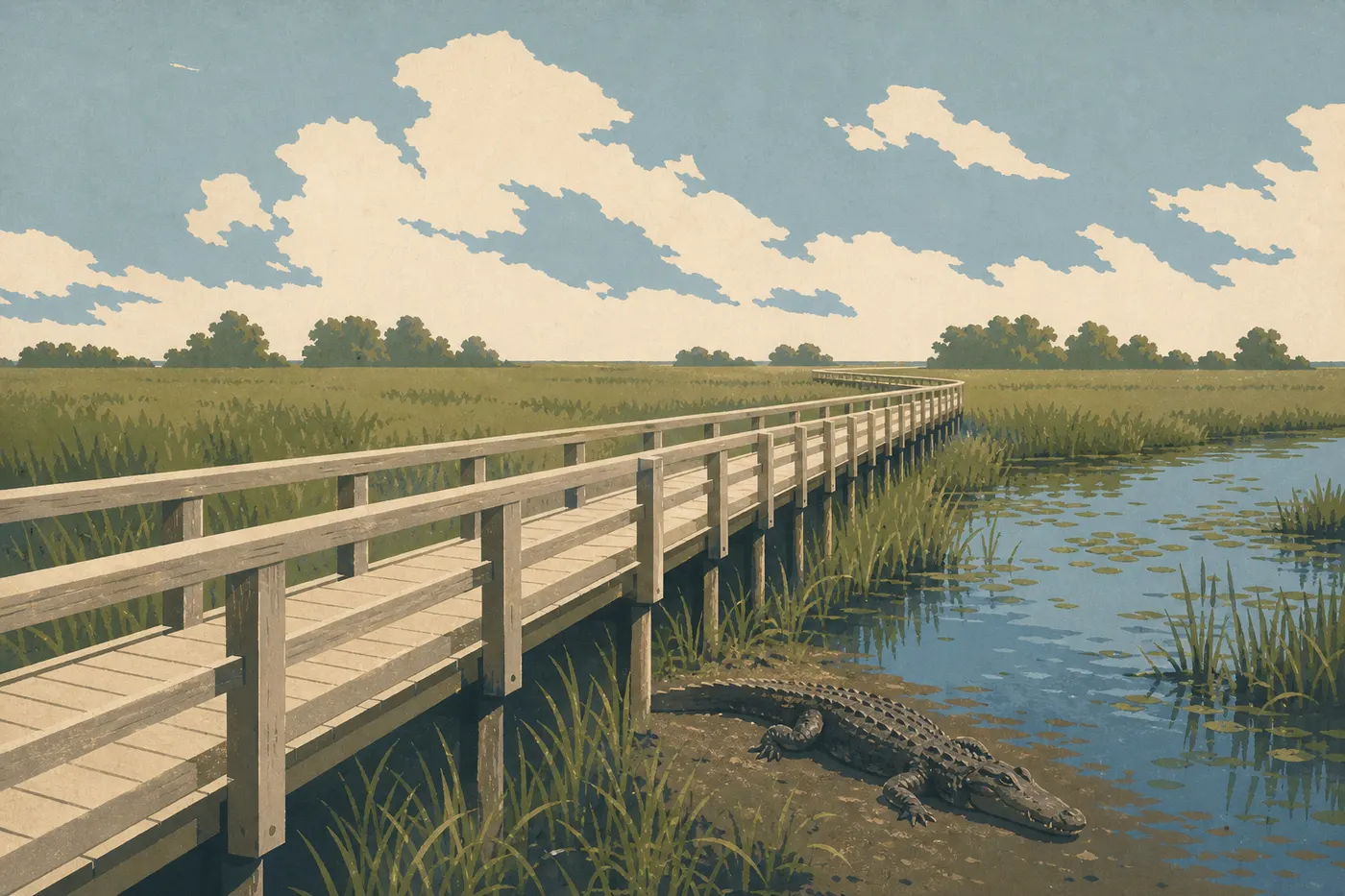
Royal Palm is 1.9 miles from Ernest F. Coe Visitor Center. It's the park's best area for wildlife, and probably Florida's best effort-to-reward ratio.
Anhinga Trail (0.9 miles round-trip on a completely flat boardwalk) follows a freshwater canal where animals show themselves freely. On one visit during the dry season, we counted more than 15 alligators on this one trail in less than an hour. Anhingas dry their wings 6.5 feet from the boardwalk. Great Blue Herons fish calmly at the surface. White ibises, roseate spoonbills, and Tricolored Herons round out the picture year-round.
The one hard rule is simple. Never lean toward an alligator, never block its route to the water, and stay at least 16 feet away. An alligator that's fed, even accidentally, starts associating people with food and becomes dangerous to itself. Rangers then have to kill it. The fine for feeding wildlife is substantial, and that's a terrible way to end your visit.
Go to Anhinga Trail early in the morning or late in the afternoon. Wildlife is more active, the light is better, and the heat is easier to handle.
Gumbo Limbo Trail (0.4-mile loop) winds into a hammock of mahogany and gumbo limbo trees. Gumbo limbo is the red, peeling-bark tree locals call the “tourist tree” (red and peeling, like a sunburned tourist). The trail is shaded, and while the wildlife is less spectacular, the plants are fascinating. Allow 30 minutes.
Allow 1.5 to 2 hours for both trails, depending on your pace.
Flamingo and the Road to the End of the World
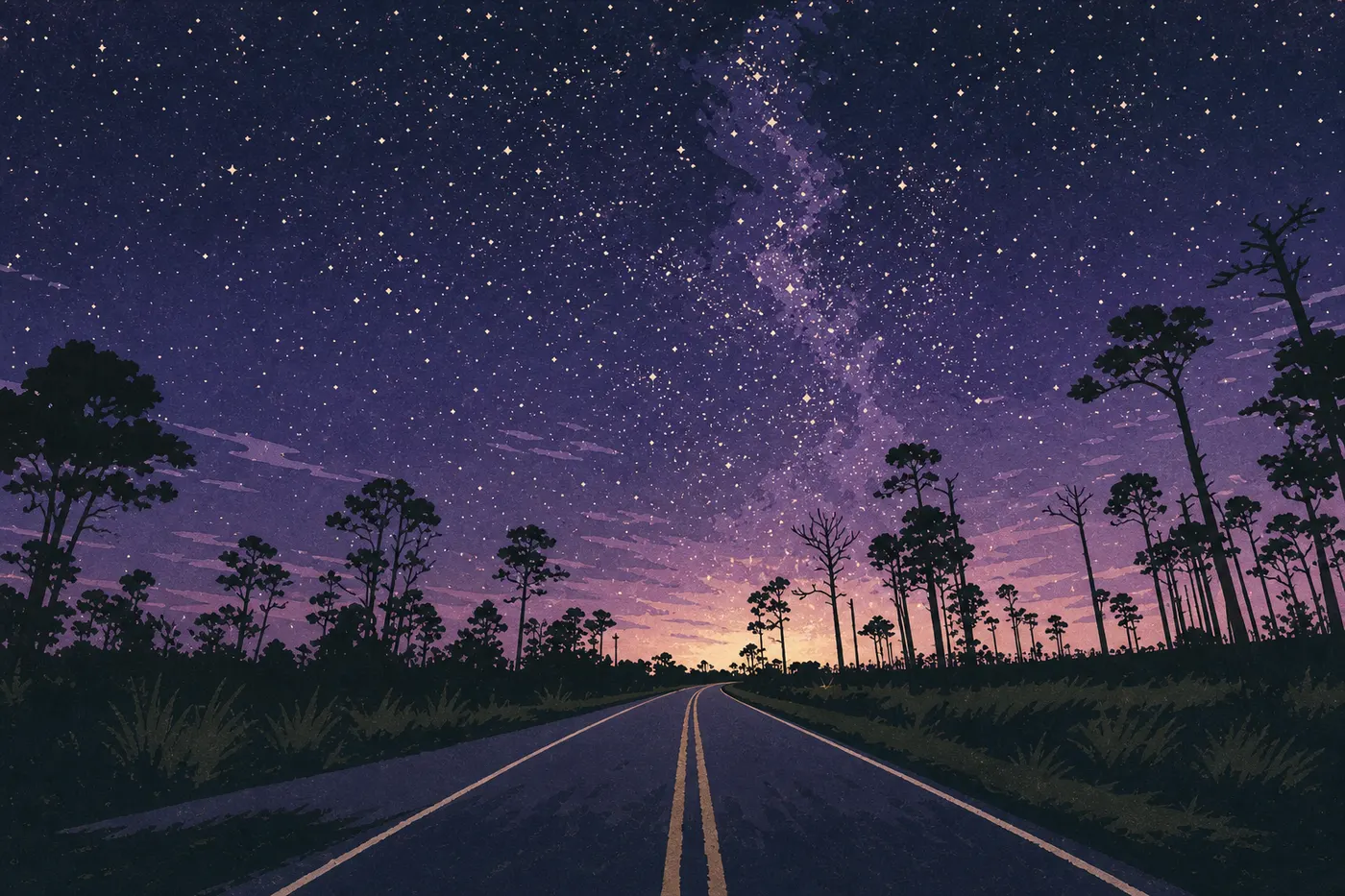
Flamingo is 37 miles from Ernest F. Coe Visitor Center, at the very end of the peninsula. The drive there is an attraction in itself, with several stops worth making along the way.
Pa-hay-okee Overlook (around mile 21): a wooden tower overlooking an endless sawgrass horizon. It offers a 360-degree view across marshes stretching as far as you can see. Allow 20 minutes, though the stop puts the park's distances into perspective.
Mahogany Hammock (around mile 25): one of Florida's oldest mahogany groves, designated a natural landmark. The 1,640-foot boardwalk winds beneath leafy canopies in relative coolness. Allow 30 minutes.
West Lake (around mile 30): saltwater mangroves, with the option of a short kayak trip from shore. American crocodiles live here, a rarer species than the alligator that's limited to brackish water. Keep the same safety distance.
At Flamingo: the road ends at Florida Bay, with views toward the Florida Keys on clear days. The recently renovated marina rents kayaks, canoes, and motorboats. This is the best place in the park to spot manatees, especially from November through March when they move toward warmer water, as well as American crocodiles.
Kayaking through the mangrove channels around Flamingo is one of the park's most memorable experiences. Our Everglades hiking guide lists marked kayak routes with distances and estimated times.
Shark Valley: Biking, Alligators, and the Observation Tower
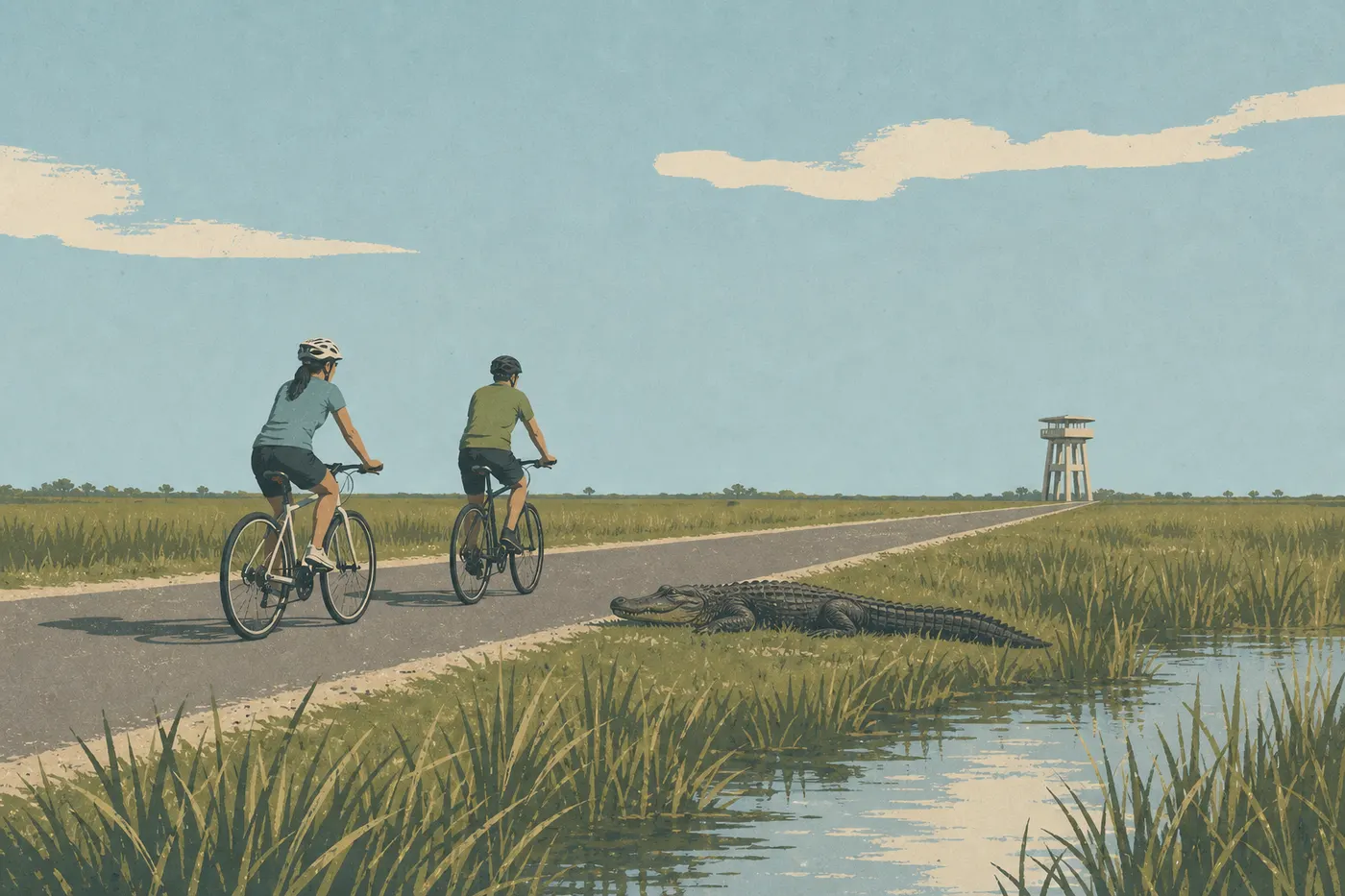
Shark Valley works differently from the rest of the park. A 15-mile closed loop is open only to pedestrians, bicyclists, and guided trams. Cars aren't allowed on the route.
The bike loop: the paved, flat path runs alongside canals where alligators lounge year-round. During the dry season (December through April), water sources shrink and alligators gather in the canals, sometimes by the dozen in one spot. Bikes are available to rent at the entrance, with rates to confirm on site. A relaxed pace takes 2.5 to 3 hours to complete the loop.
The guided tram: trams leave at set times from the visitor center, with commentary in English and a stop at the observation tower. The ride takes about 2 hours. It's a good option with kids or if biking isn't practical.
The observation tower (halfway around, about 50 feet high): open views stretch across the sawgrass marsh to the horizon. The contrast between the low vegetation and the perfectly flat landscape is striking. On a clear day, you can sense the curvature of the earth.
Shark Valley has a separate entrance from Ernest F. Coe Visitor Center. The park's annual pass covers both.
Everglades City and the Ten Thousand Islands
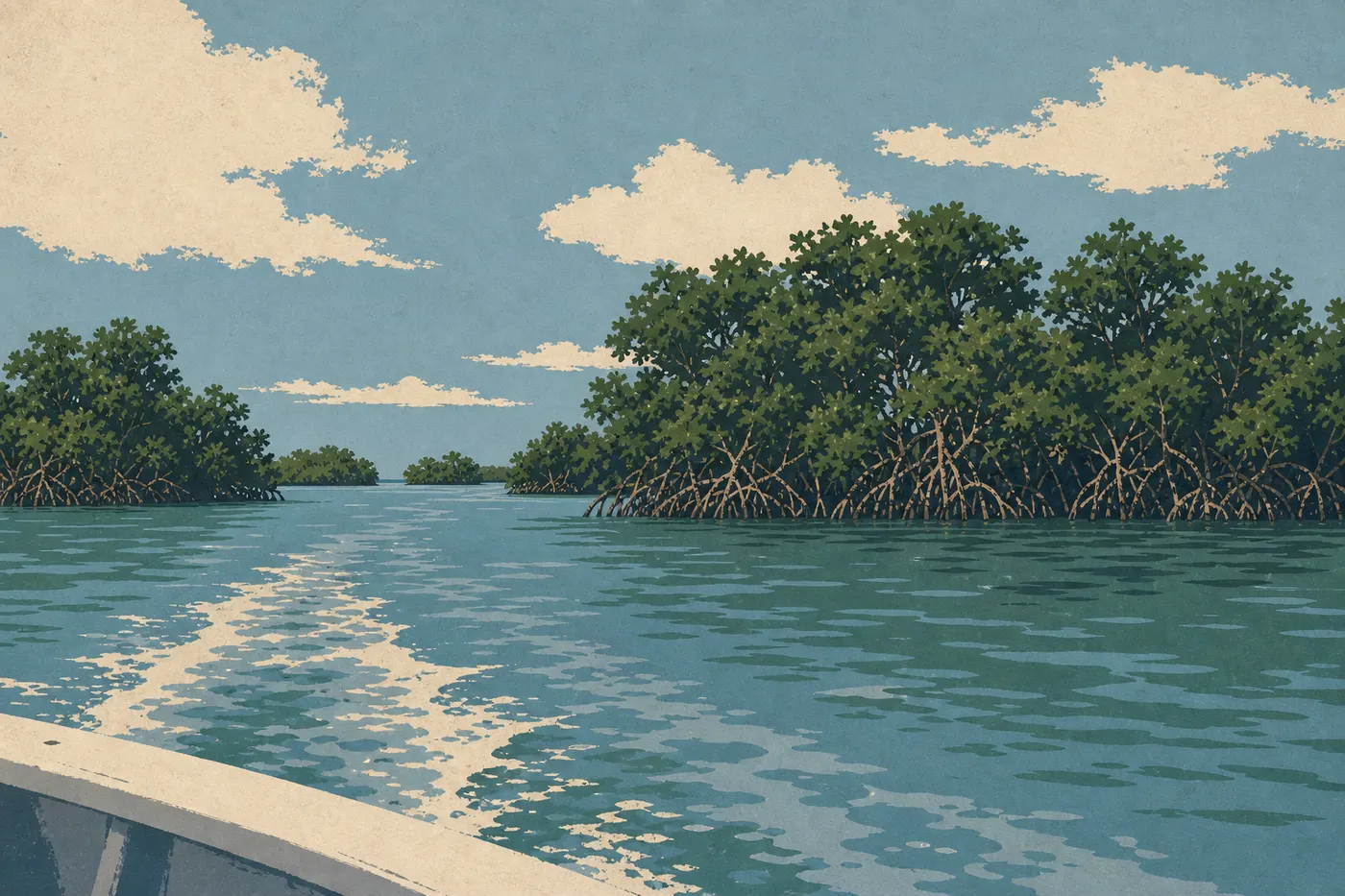
Everglades City sits at the opposite end of the park from Miami. There are fewer crowds, more salt in the air, and an even wilder landscape.
The Gulf Coast Visitor Center runs guided boat tours through a maze of nearly 10,000 islands and channels. Dolphins, brown pelicans, egrets, raccoons on sandbars, and loggerhead sea turtles add marine biodiversity to the inland wildlife. Allow 1.5 to 2 hours.
Airboat tours around Everglades City are operated by private companies outside the park's strict boundaries. Airboats aren't allowed inside the park. The rides are noisy and fast, taking you into marshes that you can't otherwise reach by car.
For experienced kayakers, the Wilderness Waterway is a marked 100-mile route between Everglades City and Flamingo. It takes several days and requires backcountry camping, with a permit reserved through the rangers. A few hours of kayaking from Gulf Coast Visitor Center is accessible to everyone.
Big Cypress and Loop Road
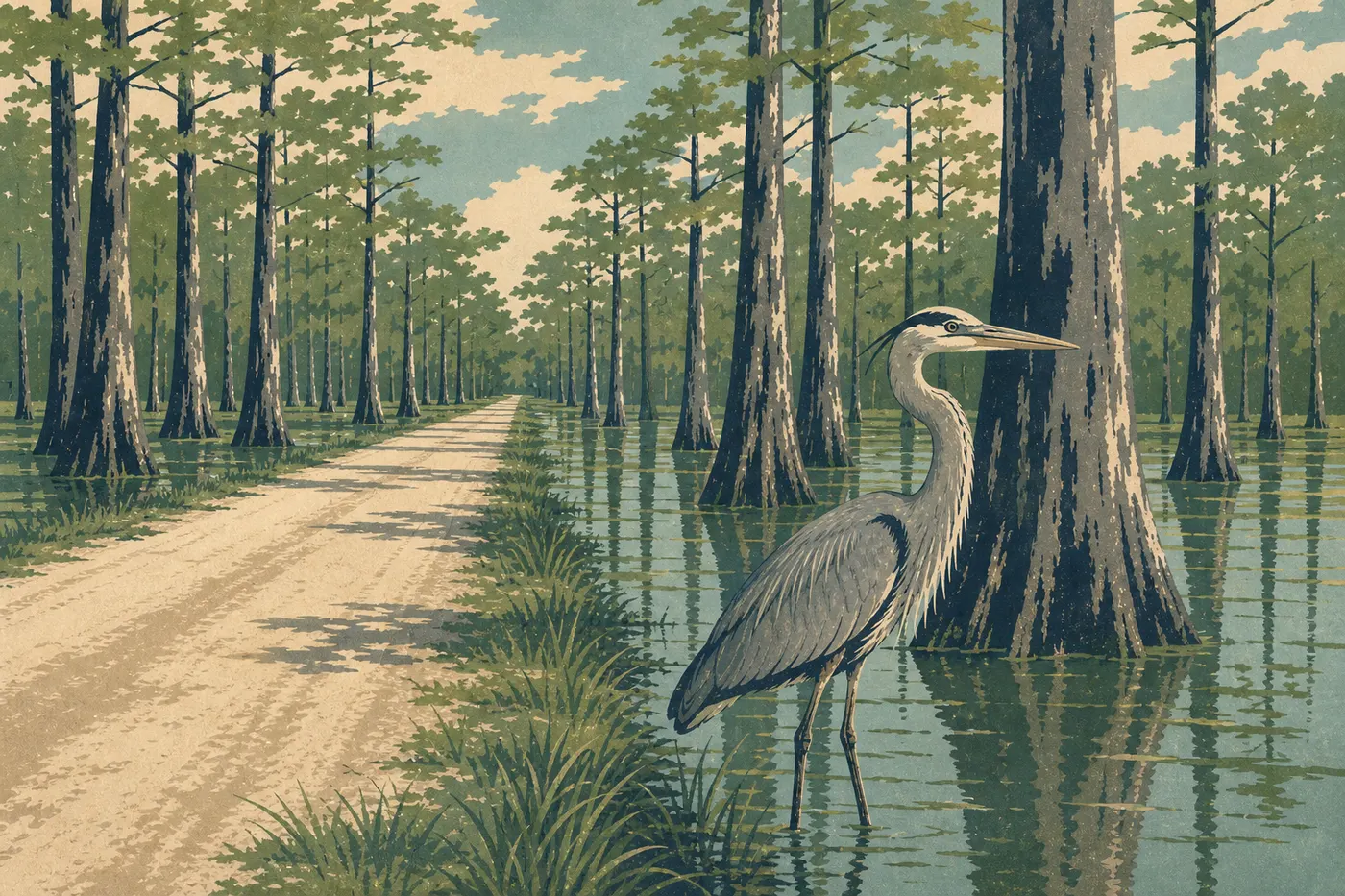
Loop Road, in the adjacent Big Cypress National Preserve, is a 12-mile unpaved road. It passes through bald cypress forests, flooded prairies, and pine areas growing on limestone soil. The atmosphere differs from the main park: fewer people, more varied vegetation, and an “old Florida” feel that the main park no longer quite has.
You'll see alligators in the ditches and turtles along the banks. With a lot of luck, you might spot a Florida panther, a critically endangered species that's present but rarely seen. A vehicle with reasonable ground clearance is recommended, especially during the wet season. There are no services along the road.
Monroe Station, an abandoned former roadside stop visible from US-41 at the Loop Road entrance, is worth a photo stop. The place has a distinctive presence.
Allow 1 to 1.5 hours with stops.
The Best Hikes in the Everglades
The Everglades isn't a long-distance hiking park. Trails are short and flat, and most run along boardwalks. Still, several are worth your time.
Anhinga Trail (0.9 miles): the park's top wildlife trail, described above in the Royal Palm section.
Pineland Trail (1-mile loop): crosses a pine forest on limestone terrain known as pine rockland, one of Florida's rarest and most threatened habitats. Fascinating plant life, with less spectacular wildlife.
Bear Lake Trail (2.9 miles round-trip, in the Flamingo area): a flat path to a quiet lagoon, accessible on foot or by bike. It's a good way to avoid the crowds at Royal Palm while still seeing water birds.
Nine Mile Pond Canoe Trail (5-mile loop): a marked kayak or canoe route through sawgrass marshes and dwarf mangroves. Allow 3 to 4 hours, depending on your pace. Reservations are recommended during the busy season.
Our Hiking page covers every trail, including exact length, trail conditions, the best time to go, wildlife to watch for, and the required skill level.
Other Activities Based on Your Interests
Wildlife Viewing and Safety
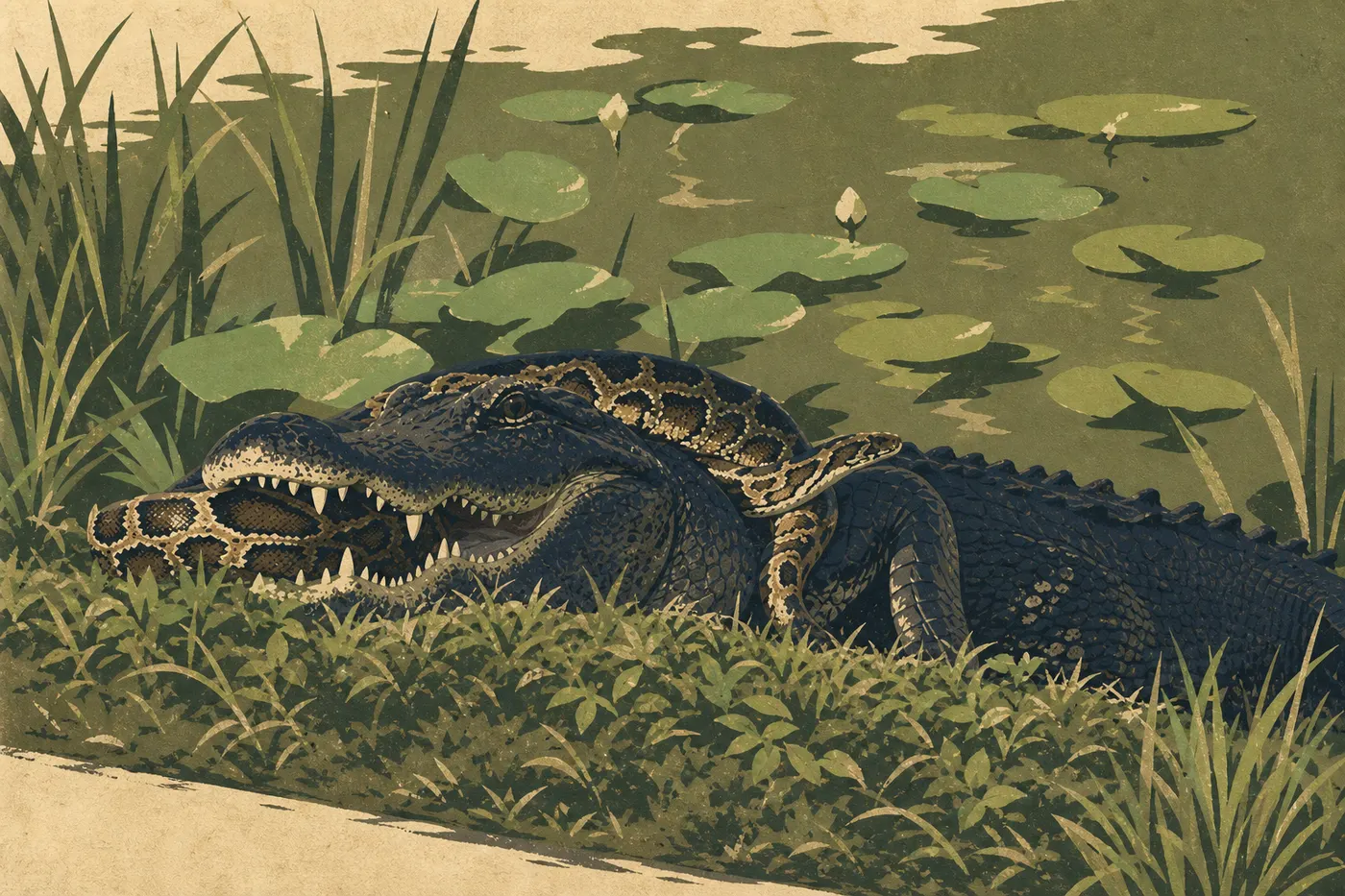
The Everglades are home to one of the most remarkable concentrations of wildlife in the United States. One rare feature is that American alligators and American crocodiles coexist in the same park. Alligators are everywhere in freshwater areas, while crocodiles stick to brackish and saltwater areas such as West Lake and Flamingo. To tell them apart, look for the crocodile's more pointed snout and gray-green color. Alligators are darker and have rounded snouts.
The park is also home to more than 360 bird species, manatees, dolphins along the Gulf Coast, sea turtles, and a Florida panther. Several snake species live here too, including the venomous coral snake with red, yellow, and black bands. The simple rule is to never touch a snake, whatever its size.
Our Everglades wildlife guide lists the species, where to find them, and the best seasons for viewing.
Kayaking and Canoeing
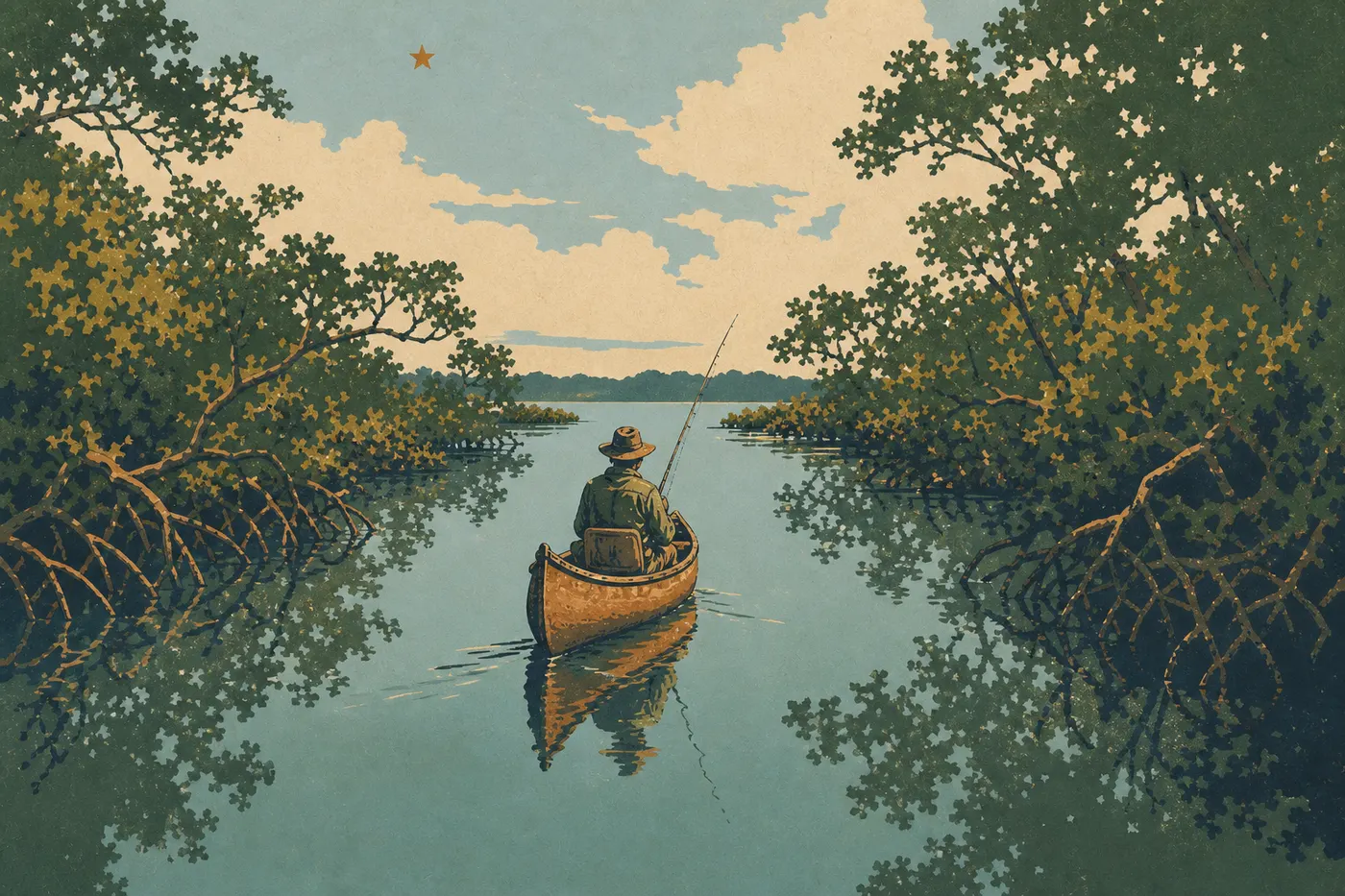
This is the best way to get beyond the marked trails. The main launch points are Flamingo Marina, Nine Mile Pond, and Gulf Coast Visitor Center. Kayaks and canoes are available to rent at Flamingo.
Watch the tides around Flamingo and Everglades City. Mangrove channels can dry out quickly. Check the tide tables before setting out and leave your itinerary with the Visitor Center.
Fishing
Fishing is allowed in the park with a Florida state license, which you should obtain online before you arrive. The Gulf Coast area and backcountry waters are the most popular. Anglers look for redfish, snook, and tarpon.
Photography and Birding
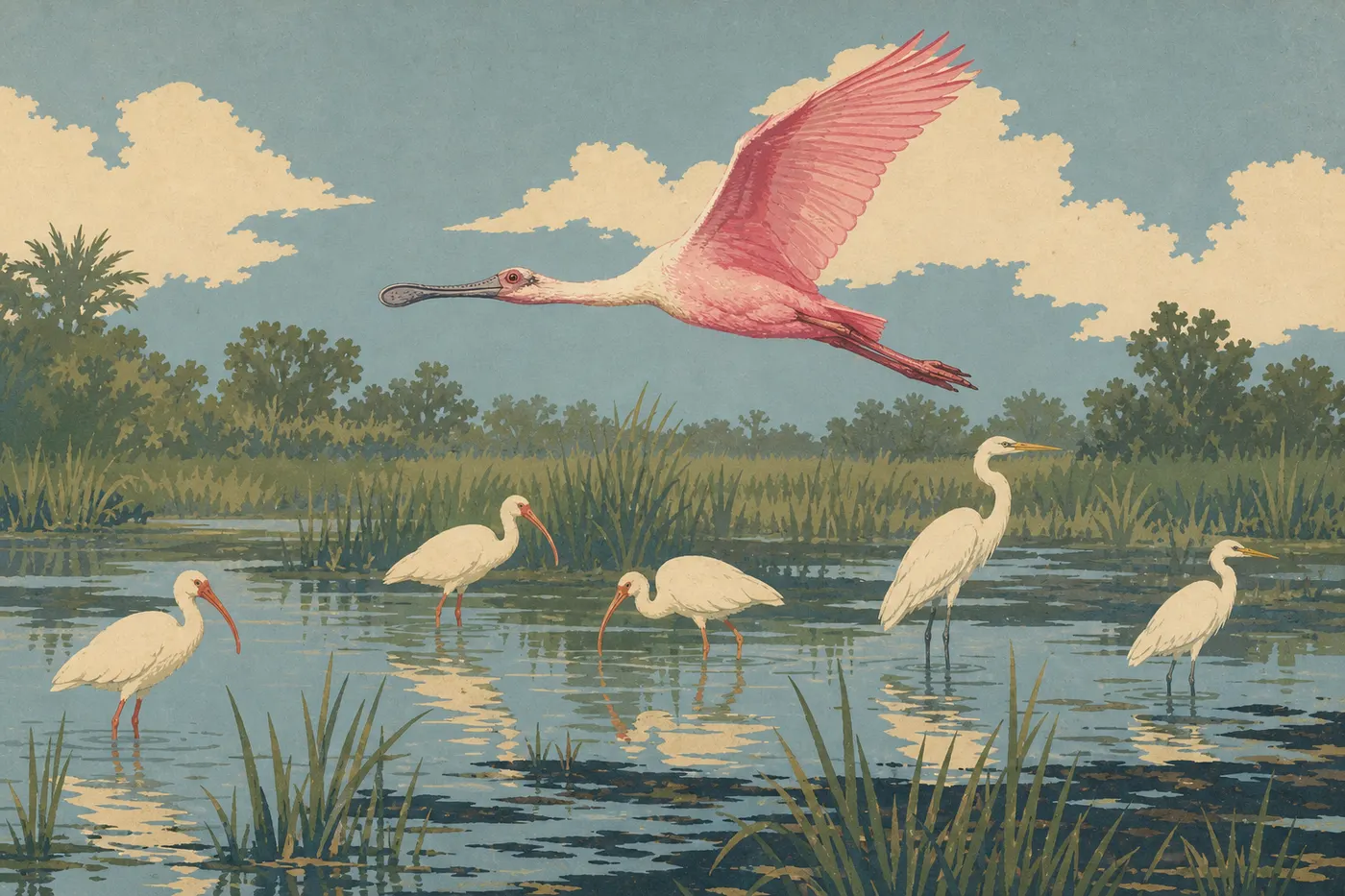
The park is an exceptional place for photography during the dry season, especially at Royal Palm and Flamingo. Golden morning and late-afternoon light over sawgrass marshes or open water creates striking images. Bring binoculars (8x42 minimum). You can spot birds frequently from your car along Main Park Road.
Visiting with Kids
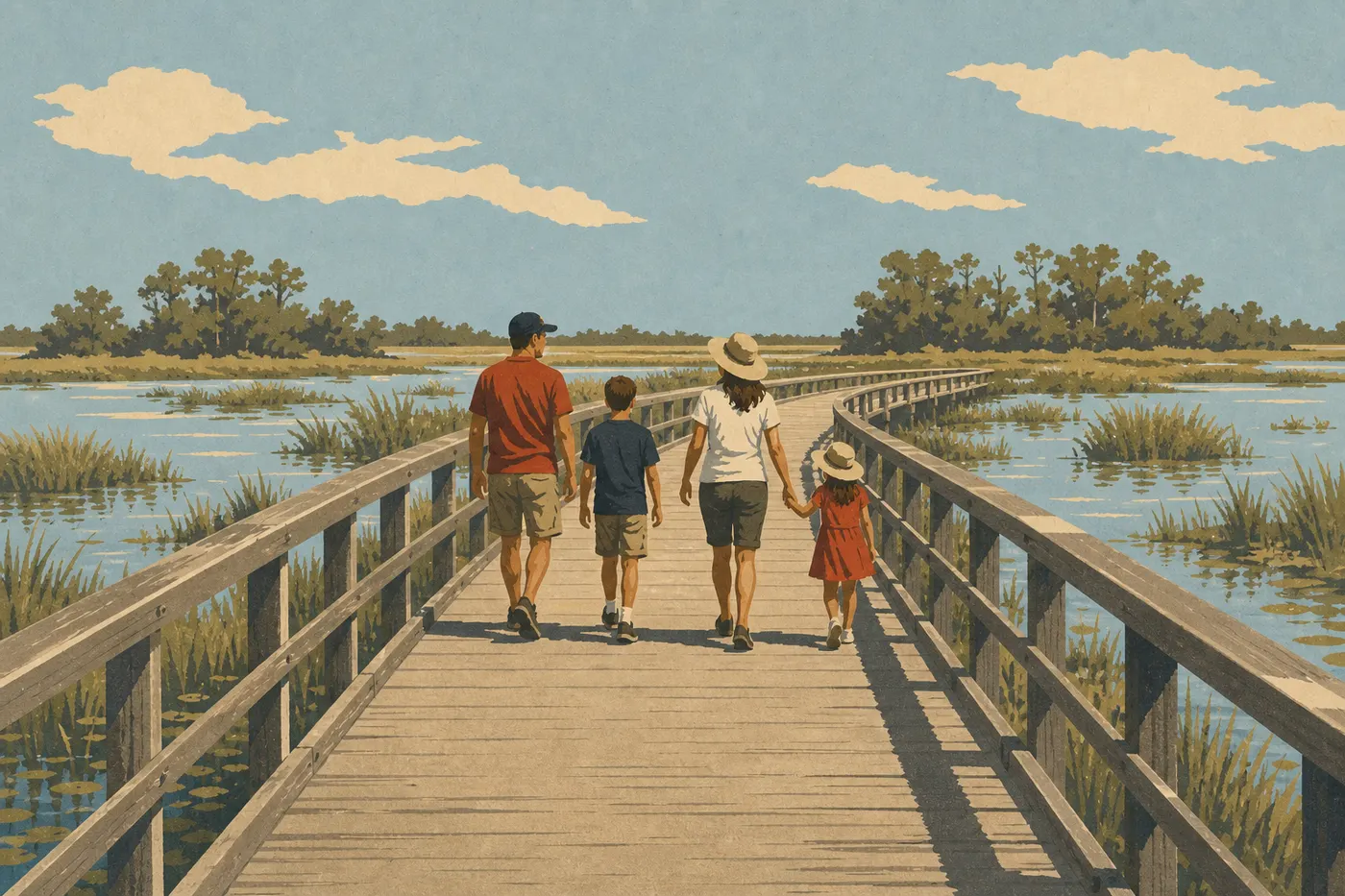
Anhinga Trail works very well with kids, even young ones. It's short and flat, and there are so many animals that you won't have to wait long for something to happen. The Shark Valley tram is ideal for avoiding bike fatigue. On the other hand, avoid long outings from June through September. Temperatures regularly top 91°F, with oppressive humidity. Wet-season mosquitoes require an effective repellent containing DEET or picaridin. It's not optional.
Our guide to visiting the Everglades with kids brings together practical advice by age and activities suited to children.
Things to Do Around the Everglades
Miami (37 miles northeast of Ernest F. Coe Visitor Center) is the most common base. The city offers restaurants, hotels at every price point, and nightlife that sharply contrasts with the marshes.
Biscayne National Park is about 9 miles east of Ernest F. Coe Visitor Center. The park protects part of Florida's coral reef, accessible by boat from Convoy Point. If you enjoy diving or snorkeling, combining the Everglades and Biscayne in two days makes sense and remains relatively unknown.
The Florida Keys (30 minutes south of Homestead) stretch 112 miles to Key West. The contrast with the Everglades is total: turquoise water, beach life, and bars in Key West. Two very different Floridas lie 31 miles apart.
Naples (to the west, about 1 hour 45 minutes from Everglades City) is the Gulf Coast starting point. Fine white-sand beaches and a quiet city make it a good base for combining Everglades City and Big Cypress.
Dry Tortugas National Park, accessible only by ferry or seaplane from Key West, makes a final stop on a South Florida road trip. Fort Jefferson, the reefs, and sea turtles come together to form a world of their own.
For itineraries that combine several parks or continue toward the Florida Keys, our Florida road trip guide offers the main options.
The Essentials: What to See First in the Everglades
If you have only a half-day from Miami, go straight to Royal Palm. Allow 1.5 hours for Anhinga Trail, where wildlife is virtually guaranteed, 37 miles from the city. It's the park's best return on your time.
With a full day, drive to Flamingo, stopping at Pa-hay-okee and Mahogany Hammock, then finish on Florida Bay for sunset.
For two days, add Shark Valley the second morning, choosing the bike loop or tram, then spend the afternoon in Everglades City on a boat tour through the Ten Thousand Islands.
The Everglades are unlike anything else in America's national parks. They're not spectacular in the usual sense. They're alive, in the truest sense.
To plan the rest of your stay, our Everglades guide covers the park as a whole and points you to each topic. Our When to Visit page can help you choose the best season. The dry season, from December through April, is by far the better choice for wildlife viewing and comfort. For lodging, our Where to Stay page covers camping at Flamingo, lodges, and nearby hotels.
Frequently Asked Questions
What can you do in the Everglades?
In the Everglades, you can walk along boardwalks with wildlife all around you, including alligators, birds, and crocodiles; bike the Shark Valley loop; paddle through mangroves and freshwater marshes by kayak or canoe; take a boat tour through the Ten Thousand Islands; fish with a license; and see more than 360 bird species. The park also offers backcountry camping for longer stays.
What are the must-do activities in Everglades National Park?
The essentials are Anhinga Trail at Royal Palm, where alligators and birds are easy to spot; the Shark Valley bike loop or tram, with alligators along the path and panoramic views from the observation tower; and the Flamingo area, with mangrove kayaking, manatees, and sunsets over Florida Bay. For more, add a boat tour through the Ten Thousand Islands from Everglades City and a drive along Loop Road in Big Cypress.
How long do you need to visit the Everglades?
Allow at least one day for the essentials, including Ernest F. Coe Visitor Center, Royal Palm, and Flamingo. Two days let you add Shark Valley and a kayaking trip. Three days are ideal for including Everglades City on the Gulf Coast and Big Cypress. Our Itinerary & Length page offers plans for every trip length.
What should you wear in the Everglades?
In every season, wear lightweight long sleeves for sun and insect protection, a wide-brimmed hat, sunglasses, and closed-toe shoes on every trail. Skip open sandals because the ground can be wet and animals are nearby. During the wet season (mid-May through November), mosquito repellent containing DEET or picaridin is essential. It's not optional. Temperatures regularly top 91°F from June through September, with high humidity, so bring at least 1.5 liters of water per person for every hour of walking. During the dry season (December through April), temperatures range from 68°F to 82°F and conditions are much more comfortable, though the sun remains intense all day.