
When to Visit Everglades: Best Times, Seasons, and Month-by-Month Guide
The best time to visit Everglades is December through March, when the dry season concentrates wildlife along the banks, keeps temperatures between 75 and 82°F, and brings mosquito levels down to something manageable. The ideal window extends into April for hikers and photographers. The wet season, from mid-May through November, is still doable, but temperatures climb above 91°F, humidity nears 90%, and mosquitoes call for serious protection.
Everglades Weather Month by Month
Everglades follows a simple two-season rhythm: the dry season, from December through mid-May, and the wet season, from mid-May through November. The park never closes for snow or freezing temperatures and stays open 24 hours a day year-round. Average annual temperatures in southern Florida hover around 75°F.
The table below summarizes the key climate benchmarks. For a detailed month-by-month forecast, see the Everglades weather guide.
| Month | High (°F) | Precipitation (in.) | Season |
|---|---|---|---|
| January | 75 | ~1.6 | Dry |
| February | 77 | ~1.8 | Dry |
| March | 81 | ~2.0 | Dry |
| April | 84 | ~2.6 | Dry |
| May | 88 | ~5.1 | Wet (beginning) |
| June | 91 | ~8.1 | Wet |
| July | 91 | ~8.3 | Wet |
| August | 93 | ~9.1 | Wet |
| September | 91 | ~8.5 | Wet |
| October | 86 | ~3.9 | Wet (end) |
| November | 81 | ~2.2 | Dry (beginning) |
| December | 75 | ~1.6 | Dry |
Approximate figures (Homestead/Florida City station). For short-term forecasts, check the Everglades weather.
One thing to keep in mind: Florida's hurricane season runs from June through November. The week-to-week risk of a major storm remains low, but it is real. If you're visiting in summer or fall, check NPS alerts and local weather conditions before heading onto backcountry trails.
Everglades in January
January is the best month for wildlife viewing. Daytime temperatures reach 75°F and fall to around 57°F at night, making early-morning outings especially comfortable. Alligators are easy to spot along Anhinga Trail, manatees shelter in the canals near Flamingo, and wading birds gather along the banks in large numbers. Crowds are heavy, so arrive before 8 a.m. to find a parking spot.
Everglades in February
February extends January's ideal conditions, with slightly warmer daytime temperatures around 77°F. It's the busiest month, coinciding with school vacations in Europe and the start of American spring break. Wildlife remains plentiful, and all roads are open. If crowds worry you, aim for the first week of the month.
Everglades in March
Temperatures climb to 81°F during the day and 63°F at night, and a few occasional showers may appear toward the end of the month. Wildlife is still concentrated, and the trails around Royal Palm remain rewarding. American spring break, which peaks in mid-March, brings a surge in visitors on some weekends. This is the last month to see manatees in large numbers before they disperse for summer.
Everglades in April
April marks the end of the dry season. Days reach 84°F, nights stay mild, and mosquitoes begin to return toward the end of the month. Crowds drop noticeably compared with March, making April a good option for hikers and photographers looking for some peace and quiet. All access roads remain open, including Main Park Road to Flamingo.
Everglades in May
May is a transition month. Rain returns, with about 4.7 inches over the month, temperatures rise to 90°F, and humidity follows. Mosquitoes gradually reclaim the park, and wildlife begins dispersing through flooded areas. Lodging rates around Homestead start to fall. The first half of the month is still manageable for well-prepared visitors.
Everglades in June
June opens the wet season. Afternoon showers become almost daily, intense but brief, lasting 30 to 45 minutes, before heavy heat returns at 91°F. Mosquitoes are present on every trail, even the short ones. The park is nearly empty, which appeals to visitors seeking solitude and photographers drawn to storm light. Concentrated insect repellent and a poncho are essential.
Everglades in July
July is one of the wettest and hottest months: 93°F, with about 7.7 inches of rain. Outings lasting more than two hours can be exhausting. The park stays open and roads remain passable, but plan visits for the first two hours after sunrise. Vegetation is lush, and stormy skies create excellent photography opportunities.
Everglades in August
August looks much like July: 93°F, heavy rain of about 8.1 inches, and mosquitoes everywhere. This is the quietest period of the year for visitation. Water levels are high in the canals and prairies, spreading wildlife across the park's vast expanse. Wear lightweight synthetic clothing, use high-DEET insect repellent, and start early.
Everglades in September
September is similar to August for heat, at 91°F, and rainfall, at about 7.9 inches. It is also statistically the most active month of Florida's hurricane season. Check weather reports daily if you're visiting then. Crowds are at their lowest, and access roads stay open unless a hurricane warning is in effect.
Everglades in October
October marks the beginning of the return to more comfortable conditions. Rain becomes less frequent, at about 4.5 inches, temperatures fall to 86°F, and humidity becomes easier to handle. Wildlife begins concentrating around water sources again toward the end of the month. Hurricane risk continues through late November. Lodging rates are still low and crowds nearly nonexistent, making October an option for travelers willing to accept uncertain weather.
Everglades in November
November is the turning point. Mosquitoes recede, temperatures settle around 81°F during the day and 64°F at night, and the first migrants arrive. Wildlife resumes its dry-season patterns, and parking is easy. Late-day light is excellent for photography. Nature lovers looking to avoid crowds should keep this month in mind.
Everglades in December
December opens the high season with near-ideal conditions. Temperatures are mild, around 75°F during the day and 59°F at night. Alligators return to the banks, manatees arrive in the canals near Flamingo, and roseate spoonbills return. The first half of the month is still quiet; the second gets busier with the year-end holidays. December is one of the best months for combining abundant wildlife with moderate crowds.
Everglades Season by Season
Dry Season: December to April (the season to choose)
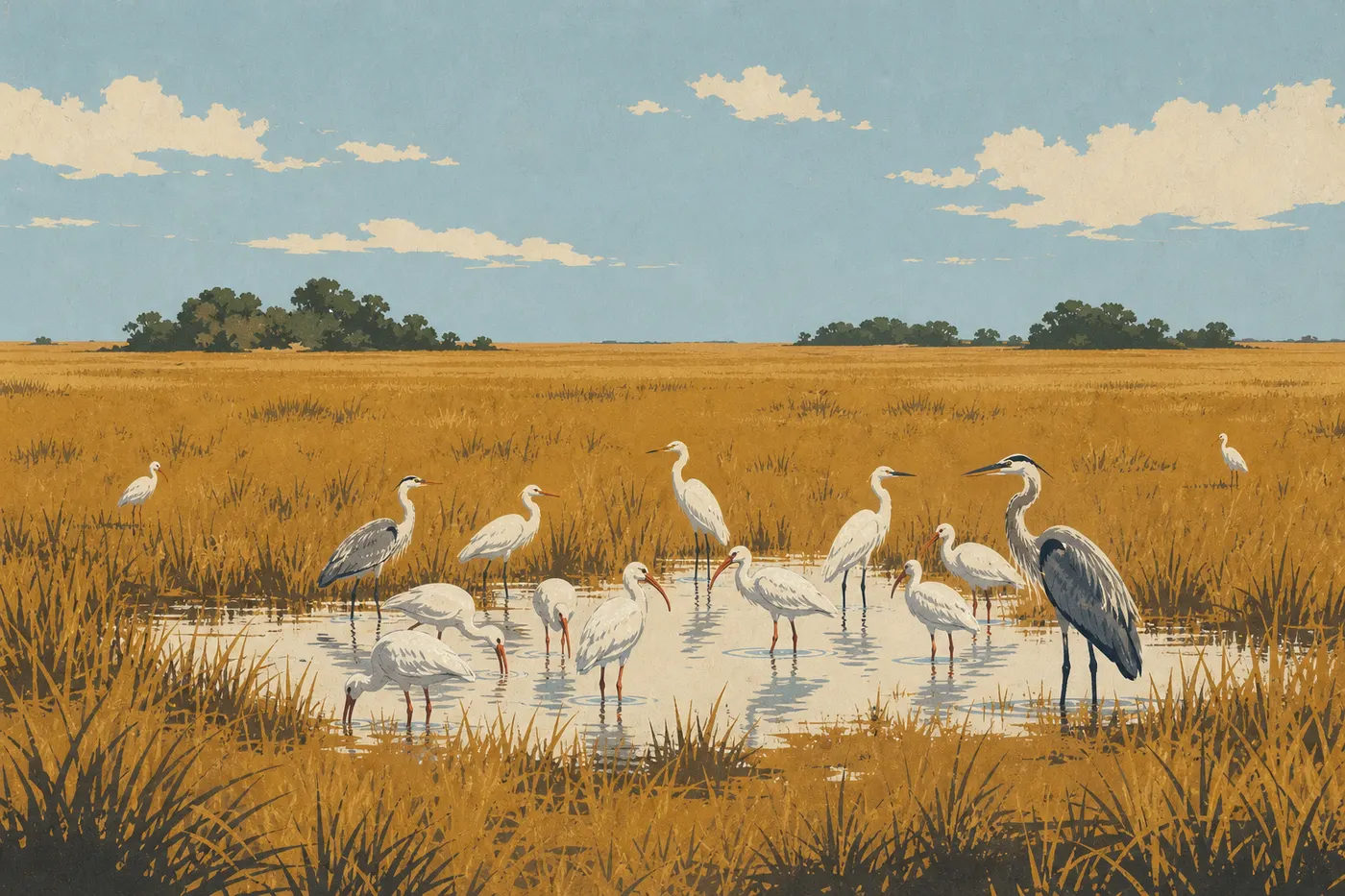
This is the time to go. Rain becomes scarce, skies stay clear, and animals gather around shrinking flooded prairies. Large wading birds, including herons, egrets, and roseate spoonbills, line the banks in impressive numbers. Alligators bask in the sun and are easy to see from Anhinga Trail in the morning.
During a January visit on the Royal Palm trail, we saw more than 20 alligators in less than an hour of walking. At this time of year, few American parks offer such a concentration of wildlife that you can reach on foot.
Daytime temperatures range from 75 to 82°F, with cool nights in December and January, between 57 and 64°F, that are ideal for tent camping. All roads are passable, including Main Park Road to Flamingo, about 37 miles, and the roads to Royal Palm. Manatees take refuge in the park's warmer waters during winter, making December and January the best months to spot them in the canals.
The downside is that crowds peak between January and March. Arrive before 8 a.m. to avoid full parking lots.
Transition: May (still decent conditions, lower rates)

The shift to the wet season begins in May. The first showers appear, water levels rise in the marshes, and wildlife starts to spread out. Heat climbs to 88-91°F, humidity rises with it, and mosquitoes gradually return. Some visitors use this window to find still-manageable conditions at rates well below winter prices.
Wet Season: June to October (plan carefully)
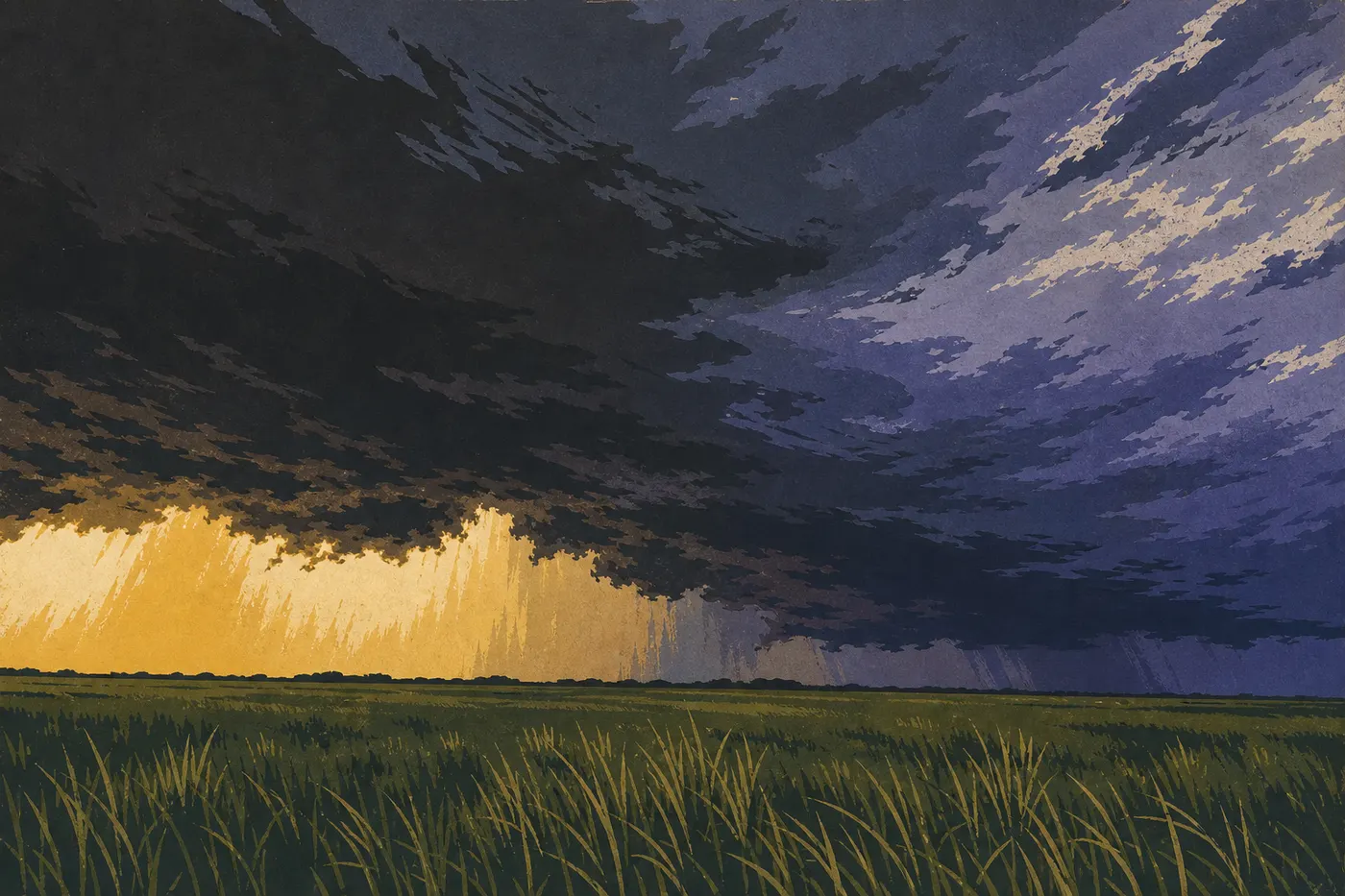
Rain arrives almost every afternoon as violent 30- to 45-minute showers, followed by returning sunshine. Heat regularly exceeds 91-93°F, with oppressive humidity. As for mosquitoes, high-DEET insect repellent is essential on every trail in July and August, even the shortest ones.
The park remains open, and some routes are still genuinely worthwhile, especially for photographers looking for lush vegetation and dramatic light after storms. Wildlife is still present but scattered through flooded areas. Visitors are rare.
If you're visiting in summer, wear lightweight, waterproof synthetic clothing, bring a poncho, and plan to start outings early, before the heat and afternoon storms settle in.
Fall: October-November (an appealing return)
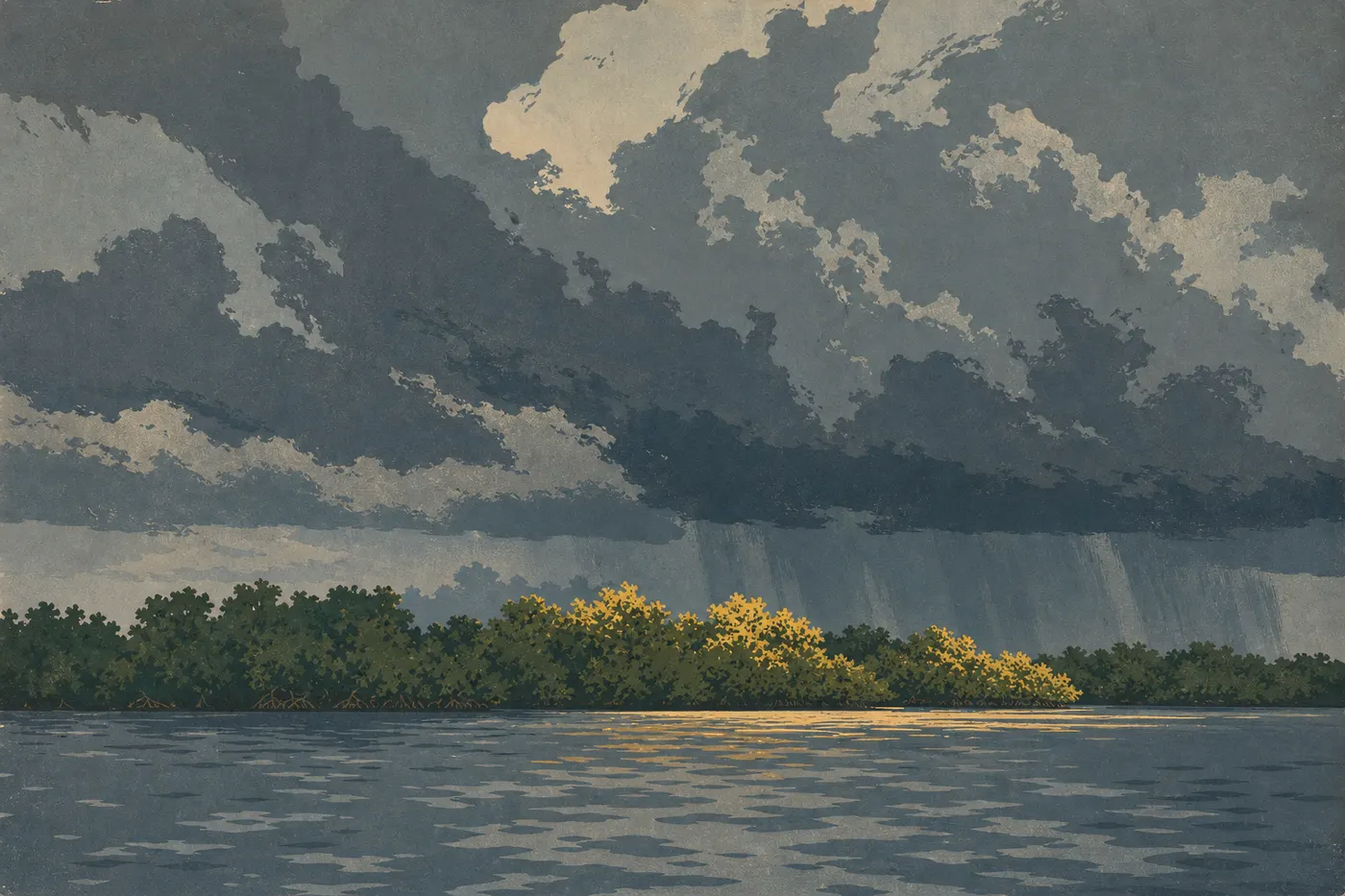
October is still hot and humid, but the rain begins to let up. In November, the shift toward the dry season takes place gradually. Temperatures fall to 77-81°F, and wildlife begins to gather again. This is a window worth knowing about: nature photographers get excellent light, active animals, and nearly empty parking lots. The Everglades hiking guide identifies trails to avoid through mid-November because of lingering mosquitoes.
Crowds: When to Avoid Them
Everglades visitation follows the seasonal curve with very little variation.
| Month | Crowd level |
|---|---|
| December-January | High (snowbirds + school vacations) |
| February-March | Very high (spring break + peak season for European visitors) |
| April | Moderate (end of dry season) |
| May | Low (transition) |
| June-September | Very low (heat + mosquitoes) |
| October | Very low (still hot, hurricane possible) |
| November | Low to moderate (gradual return) |
To combine abundant wildlife with manageable crowds, aim for November or the first half of April. In January and February, the lots at Royal Palm and Flamingo Visitor Center fill quickly. Arriving before 8 a.m. isn't optional; it's essential.
Access and Seasonal Logistics
Everglades doesn't use timed entry reservations. You can enter freely 24 hours a day, with no reservation window to book.
Campgrounds. Campsites at Flamingo and Long Pine Key can be reserved through Recreation.gov. During the high season, from January through March, plan to book four to six months ahead. The Everglades camping guide lists available sites and seasonal schedules.
Roads. Main Park Road to Flamingo is open year-round. During a hurricane warning, from June through November, some backcountry areas may close temporarily. Check the status on the NPS website before setting out. For approach routes and entrance points, see the Everglades access guide.
Best Time to Visit on a Budget
Lodging prices around Homestead and Florida City closely follow the park's seasonal patterns.
High season (December-March): Hotels charge their highest rates, especially in January and during spring break in mid-March. Flights from major U.S. hubs to Miami also cost more around Christmas and in February.
Low season (June-September): Lodging rates can drop 30% to 50% from the winter peak. Airfares to Miami are often lower in summer. If heat and mosquitoes don't bother you, this is the most economical time to visit.
Best value: April or October-November offer decent conditions as prices begin to fall. To choose lodging for your dates and budget, the Everglades lodging guide presents the best seasonal options. For entrance fees and annual passes, see the National Parks Fees & Passes page.
When to Go Based on Your Interests
Wildlife watchers. December through March, without question. Alligators on the banks, roseate spoonbills, white ibises, herons, and anhingas drying their wings: this season's concentration of wildlife within walking distance is unmatched in other American parks. The Everglades wildlife guide lists the best viewing areas for each species.
Hikers. Choose the dry season, from December through April, to enjoy every trail in good conditions. Summer outings are still possible, but stick to the first hours of the morning. The hiking guide explains which routes work best in each season.
Nature photographers. November and April are two gems: low light late in the day, active wildlife, and few people. In January and February, the light is excellent, but other visitors may appear in your frames.
Families. December and January are the best fit, with mild weather, spectacular wildlife, and boat tours accessible to everyone. Bring insect repellent for kids even during the dry season; mosquitoes never disappear completely. The Everglades family activities guide lists outings suited to every age.
Budget travelers. April or October-November offer the best balance of weather and price. For maximum savings, summer remains an option if you're properly equipped. The Everglades guide brings together all the resources you need to plan your trip.
In Summary: The Best Time for Every Traveler
| Traveler profile | Ideal time |
|---|---|
| Wildlife and nature | December to March |
| Hiking | December to April |
| Photography | November or April |
| Families | December to January |
| Tight budget | April or October-November |
| Avoiding crowds | November or the first half of April |
The window that works for the widest range of travelers runs from December through March. If you can choose only one month, January brings together good weather, abundant wildlife, and easy access. Find all the practical resources in the Everglades guide to plan your trip.
The Worst Time to Visit Everglades
The wet season, from June through September, is the time to avoid if you're not prepared. Heat rises above 91-93°F, humidity approaches 90%, and mosquitoes peak in July and August. Even short trails call for strong insect repellent, long clothing, and outings limited to the first two hours of the day. Violent afternoon showers and hurricane risk, from June through November, mean checking the forecast every morning before heading out.
October still calls for caution. Conditions gradually improve, but hurricane risk remains and temperatures are still significant, around 86°F. For families with young children, people sensitive to heat, or visitors without the right gear, June through September is a period to postpone if possible.
Frequently Asked Questions
When should you go to Everglades?
The best time to visit Everglades is during the dry season, from December through April. Temperatures stay mild, between 75 and 84°F, wildlife gathers around water sources, and mosquitoes are far less common than in summer. January and February are the months most popular with European visitors.
What's the best time of year to visit Everglades?
The best time of year to visit Everglades is between December and March. You'll get pleasant weather, abundant wildlife, including alligators, roseate spoonbills, and manatees, and all roads open. Avoid American spring break weekends in mid-March if you want to escape the crowds.
When is alligator season in Everglades?
Alligators are present in Everglades year-round, but December through April is the best time to see them. As water levels drop during the dry season, alligators gather along the banks and trails such as Anhinga Trail, where you can spot them from the boardwalks just a few yards away. During the wet season, they spread through the marshes and become much harder to find.
When should you avoid Florida?
Avoid Florida from July through September if you dislike 91-93°F heat, humidity above 85%, and clouds of mosquitoes. This is also the peak of hurricane season, which runs from June through November. The park remains open, but conditions make extended outdoor outings tiring and potentially risky if a storm is approaching.
Can you visit Everglades in winter?
Yes. Winter is the best season for visiting Everglades. From December through February, temperatures are mild, ranging from 57 to 77°F, wildlife is exceptionally concentrated, and mosquitoes are scarce. It's the ideal period for families, wildlife watchers, and hikers. Plan to reserve your campsites four to six months ahead because demand is high during peak season.
What is the least crowded month?
July, August, and September are the least crowded months because of extreme heat, daily rain, and mosquitoes. If you're looking for solitude without giving up reasonably good conditions, November is the best compromise: few visitors, fewer mosquitoes, and wildlife gradually returning.
Is the park open year-round?
Yes. Everglades National Park is open 24 hours a day year-round, including in December and summer. It never closes for snow or freezing temperatures. During a hurricane warning, from June through November, some backcountry areas may close temporarily for safety. Check the status on the NPS website before setting out.
How many days should you plan for Everglades?
Plan on at least two days to cover the main areas: Royal Palm and Anhinga Trail, Main Park Road to Flamingo, and overlooks across the sawgrass prairies. Three to four days give you time to add a kayaking trip, a boat tour at Flamingo, and an exploration of the backcountry's cypress domes.