
Big Bend Wildlife: What to See and Where to Find It
Big Bend brings together three overlapping habitats: the Chihuahuan Desert, the Chisos Mountains, and the Rio Grande corridor. This mosaic produces remarkable biodiversity for a single American national park: more than 450 recorded bird species, 75 mammal species, 67 reptile species, and around 40 fish species. The five animals you shouldn't miss are the black bear, javelina, roadrunner, ringtail, and mountain lion. Each has its own territory, schedule, and tricks, which we'll detail below.
Big Bend's Iconic Animals
Black Bear (Ursus americanus)
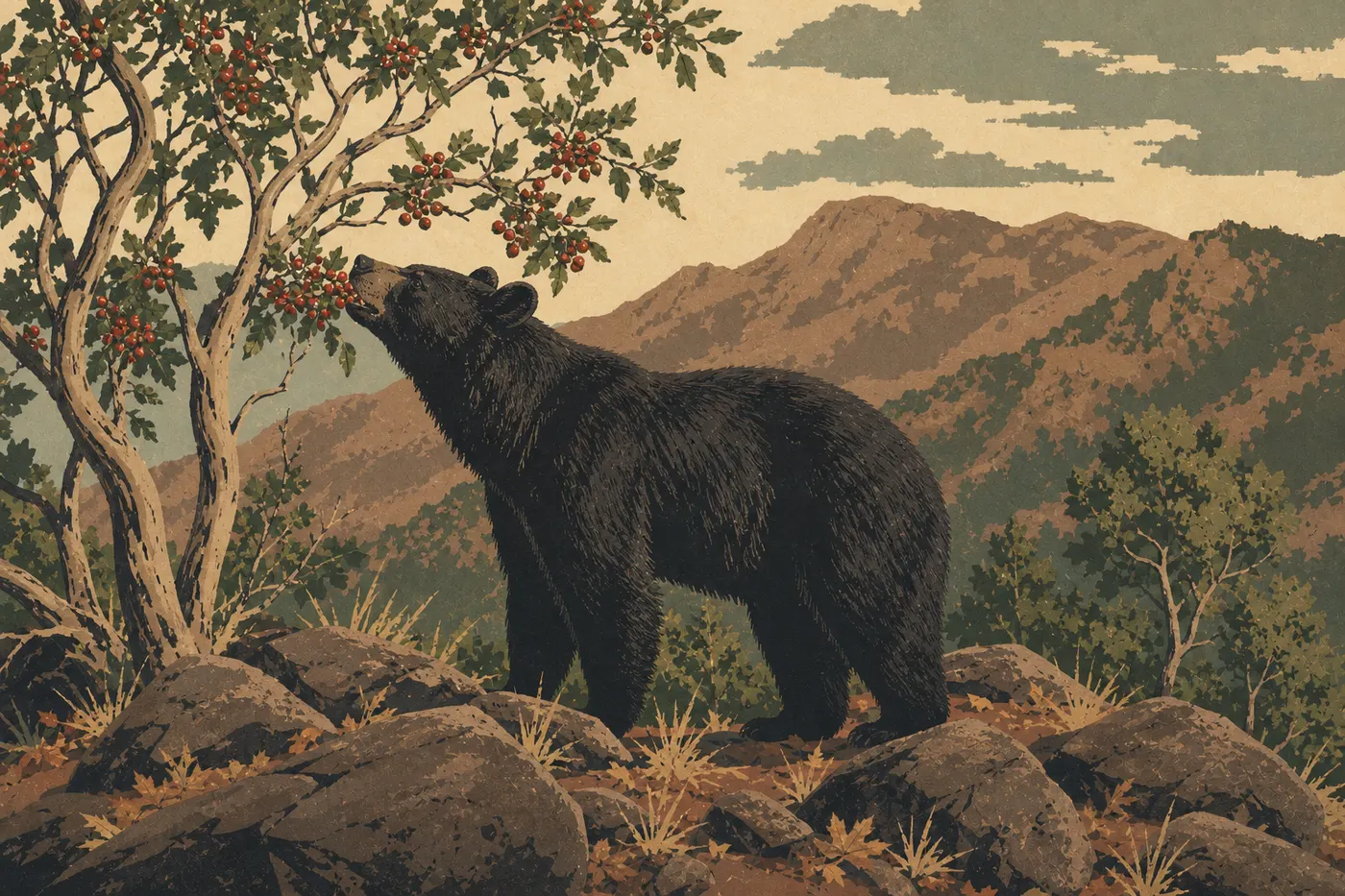
The black bear disappeared from Big Bend in the 1940s as a result of hunting and habitat destruction. It returned on its own from Mexico beginning in the 1980s, with no human reintroduction. Today's population is concentrated in the Chisos Mountains, where pine and oak forests provide cover and plenty of food.
Its coat ranges from light brown to deep black, so color alone isn't enough to identify the species. It is, however, the only bear species found in Big Bend. Grizzlies (brown bears, Ursus arctos) don't live in this park. To confirm the identification, look for a light-colored muzzle, a silhouette without a shoulder hump, and a straight facial profile.
It's an omnivore that eats agaves, berries, insects, and carrion depending on the season. It regularly visits Chisos Basin Campground because it has learned that people carry food. That's why bear boxes are required at every campsite.
Where to see it: Chisos Basin, Window Trail, Lost Mine Trail. Best time: spring and fall, during the cool morning hours.
Javelina (Dicotyles tajacu), also called a collared peccary
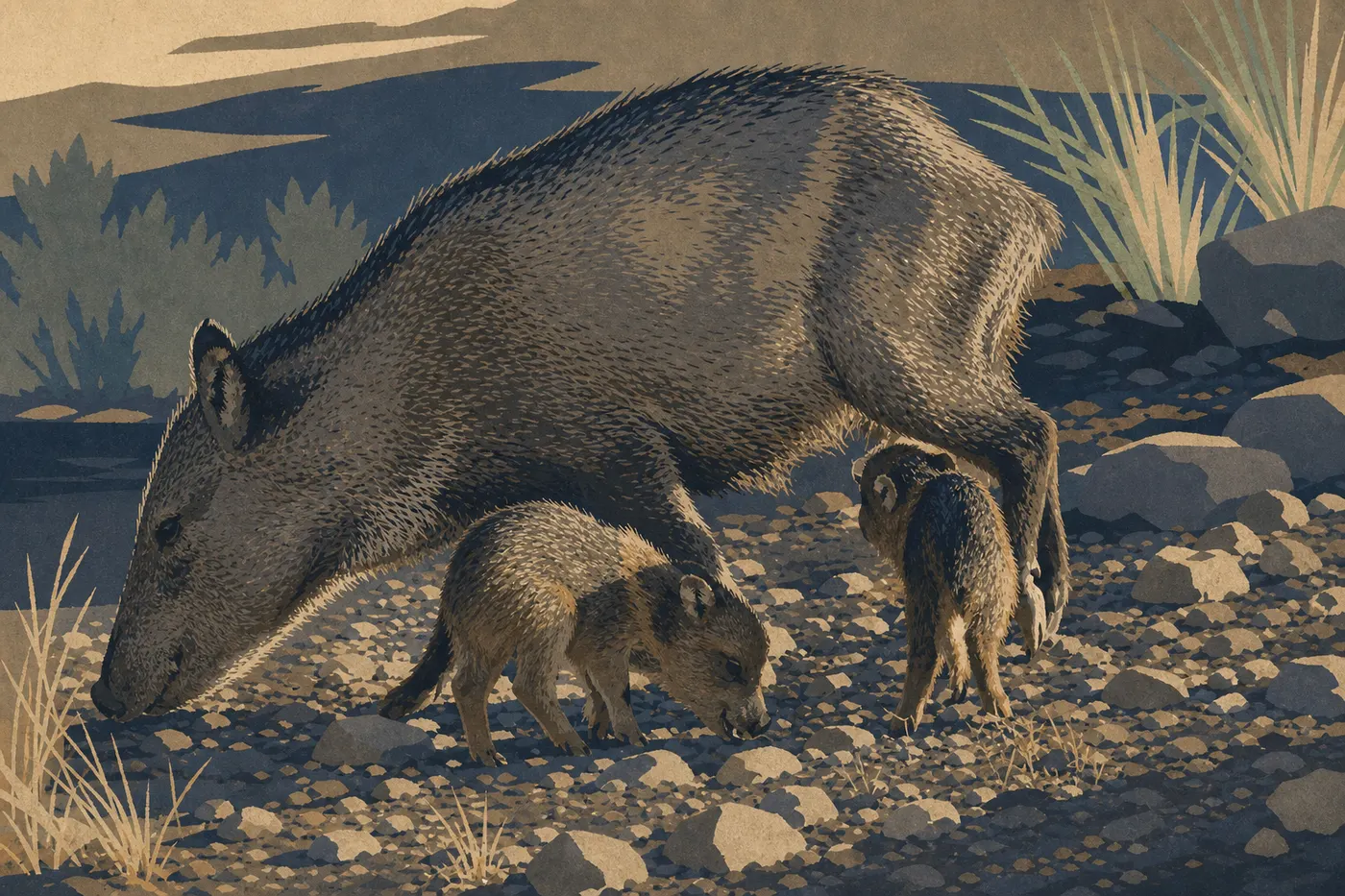
This isn't a wild boar. The javelina belongs to a completely separate family, Tayassuidae, and can't be domesticated. Its band of pale bristles across the shoulders and its straight snout, without an upturned tip, set it apart from the European wild boar at a glance. It weighs between 33 and 66 pounds and always travels in groups of 5 to 15.
A specialized herbivore, it mainly eats prickly pears, agaves, and roots. You'll often see it along roads and around picnic areas. When we passed through Rio Grande Village at dawn, about a dozen were calmly crossing the parking lot, sniffing the sealed trash cans with discouraging, perfectly organized determination.
Where to see it: Rio Grande Village, Panther Junction, Chisos Basin. Best time: year-round, active early in the morning and late afternoon.
Greater Roadrunner (Geococcyx californianus)
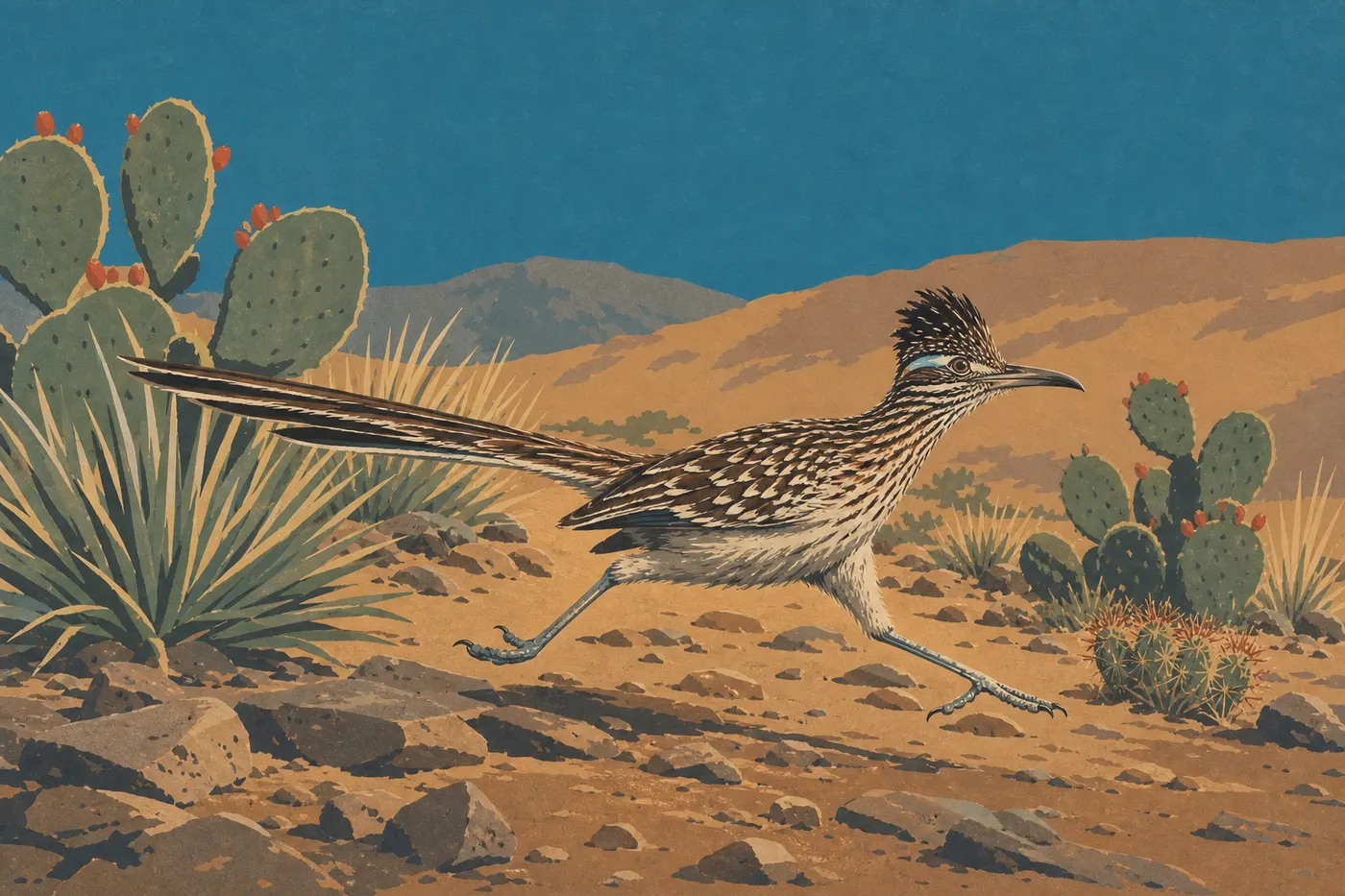
Yes, the real roadrunner. It actually runs, reaching 19 mph on flat ground, and flies very little by choice, not because it can't. It's a formidable predator: snakes, including rattlesnakes, lizards, scorpions, and small rodents. It stuns its prey against the ground before swallowing it headfirst. It's a spectacle that seriously changes the cartoon character's image.
Its dark brown plumage streaked with white, erect crest, and bare red-orange eyebrow distinguish it from every other bird in the park. Territorial and not particularly shy, it frequents roadsides and the areas around buildings. It's one of the easiest Big Bend animals to photograph.
Where to see it: open, brushy areas, roadsides, and Panther Junction. Best time: year-round, active during the day.
Ringtail (Bassariscus astutus)
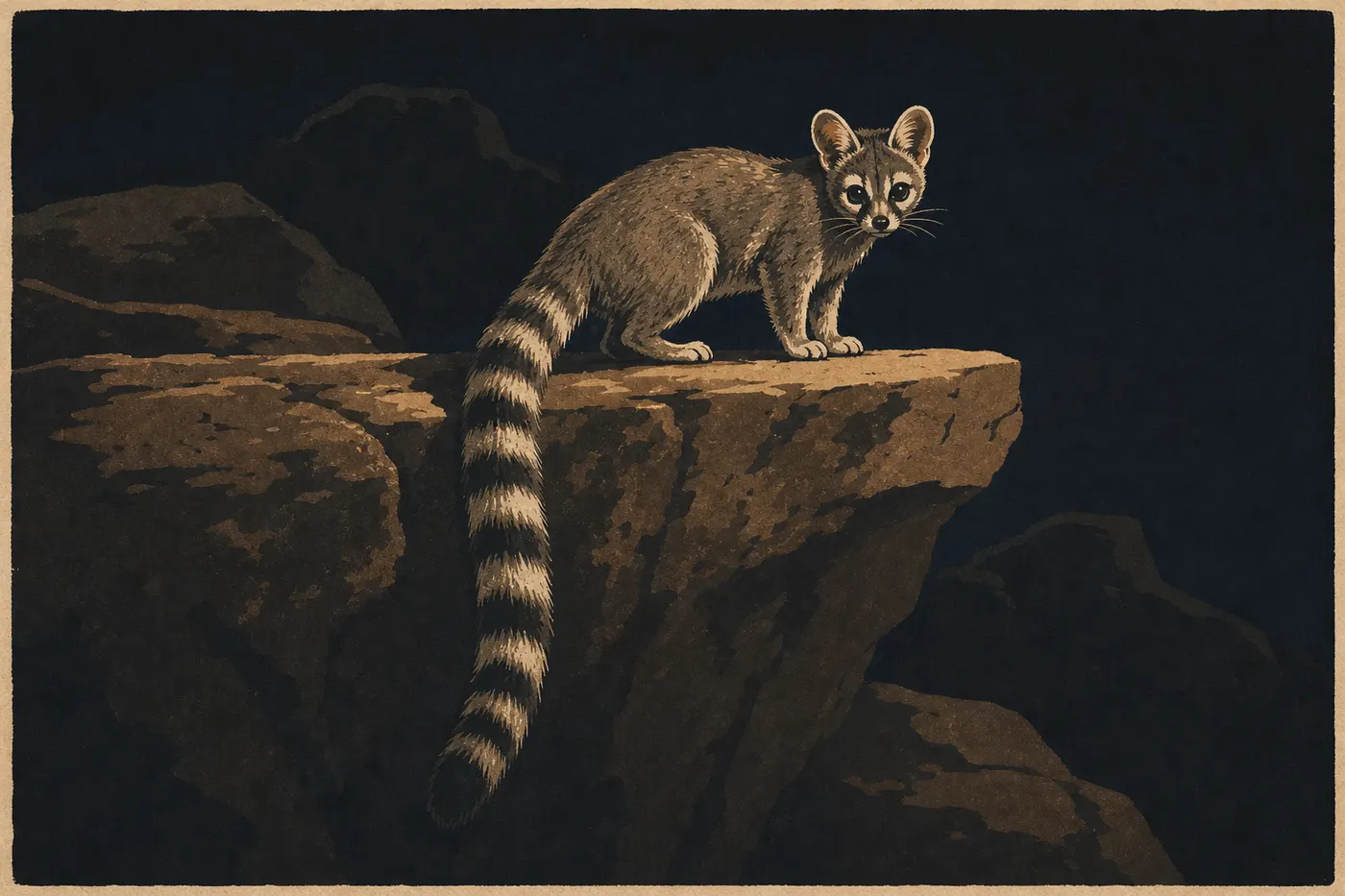
The ringtail is Texas's official state small mammal, not a cat. It belongs to the raccoon family, Procyonidae. Its black-and-white ringed tail, as long as its body, and its enormous eyes adapted to the night make it instantly recognizable.
An expert climber, it makes its home in rock crevices and tree cavities. Campers at Chisos Basin Campground regularly encounter it after 10 p.m., following the sound of its comings and goings around closed storage boxes. The same rule applies as with bears: no accessible food and no wrappers within reach.
Where to see it: Chisos Basin, rocky areas at higher elevations. Best time: at night, year-round.
Mountain Lion (Puma concolor)
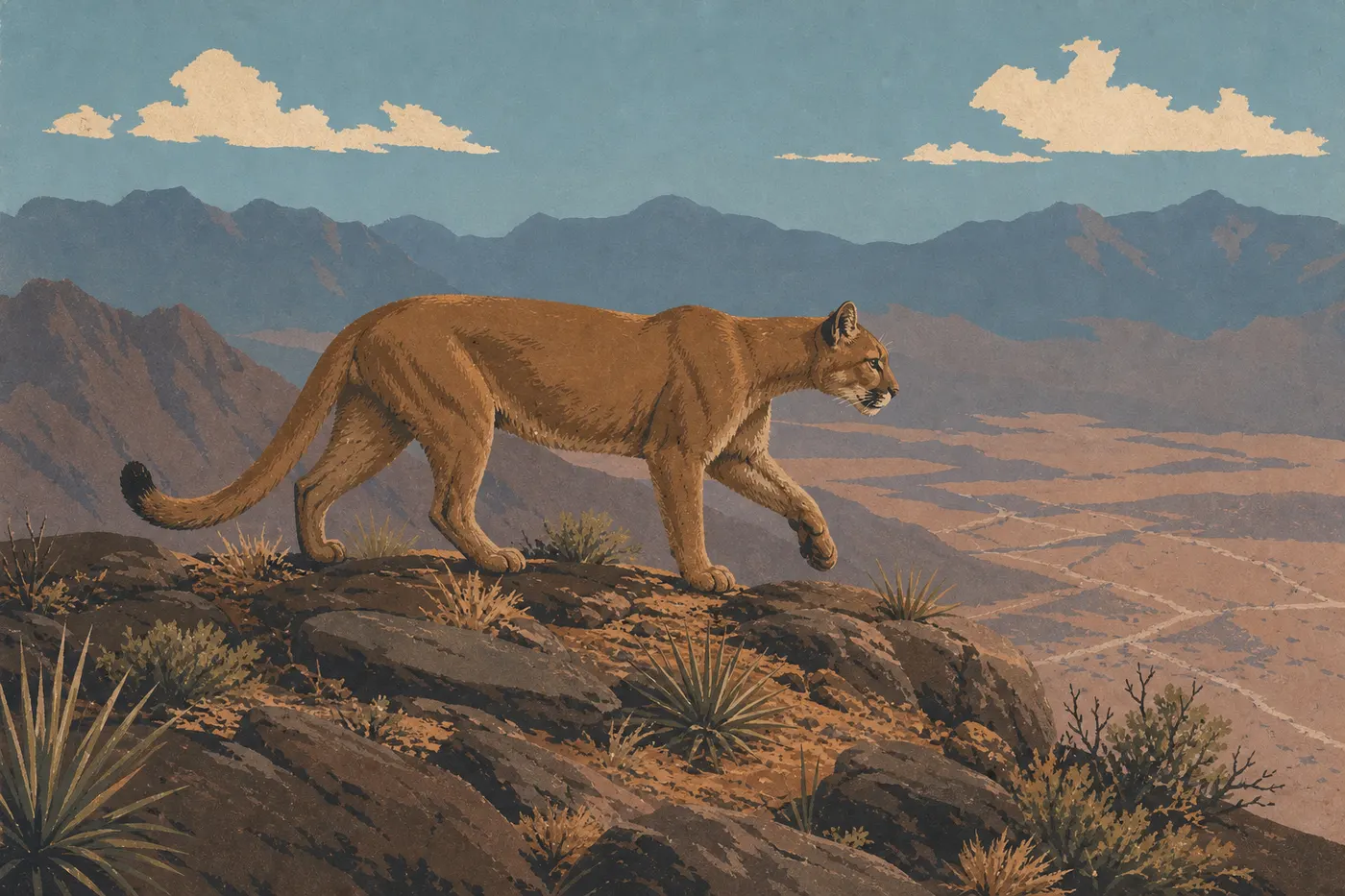
Mountain lions are definitely present in the park. Rangers regularly document tracks, camera-trap images, and prey carcasses. Seeing one is still a rare experience. This solitary big cat hunts at night, avoids people, and moves silently through isolated rocky areas. Mule deer make up its main prey.
If you see one, don't run, don't flee, and don't turn your back. Make yourself look large by raising your arms, back away slowly while facing it, and speak in a firm voice. Attacks on people in Big Bend are extremely rare.
Where to see it: the Chisos Mountains account for most documented sightings. Best time: dusk and nighttime.
Big Bend Birds: A Category of Their Own
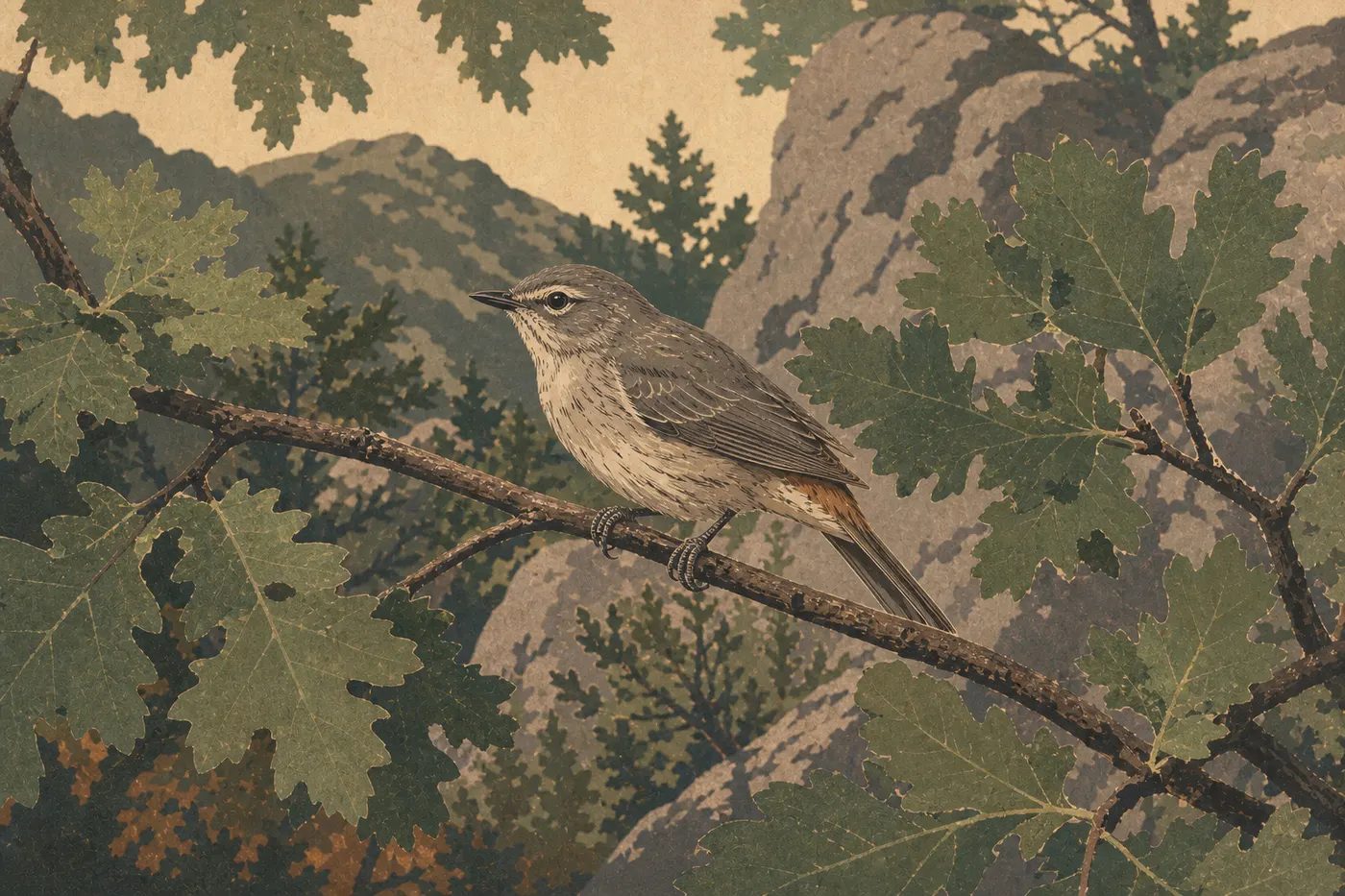
With more than 450 recorded species, Big Bend ranks among the richest American national parks for birdlife. Three species deserve special mention.
The peregrine falcon nests on the rocky cliffs of the Chisos and is present year-round. The Lucifer hummingbird, a hard name to beat for a hummingbird, is a Texas specialty that can be seen in flower-filled canyons in spring. The brilliant-red male Northern cardinal is common around Rio Grande Village and easy to identify without binoculars.
The cottonwood grove along the Rio Grande Village Nature Trail is the park's most renowned birding spot, especially during spring migration (April-May) and fall migration (September-October).
Where to See Wildlife in Big Bend
Chisos Basin is the most productive area for all species combined. The campground regularly hosts black bears, ringtails, and javelinas. Window Trail (4.2 miles round-trip) and Lost Mine Trail (4.5 miles round-trip) pass through a high-elevation forest that is unusual for the Texas desert and especially good for mammals.
Rio Grande Village is a birdwatcher's paradise and the best place to see javelinas. The 1-mile nature trail at sunrise is an absolute classic. The Rio Grande's banks also attract waterfowl, nutria, and, more rarely, beavers.
Ross Maxwell Scenic Drive and the Castolon area offer the desert in its purest form. Roadrunners travel along the shoulders, Texas horned lizards warm themselves on rocks, and snakes cross the roads at dawn. Driving slowly and obeying the speed limits posted in the park greatly increases your chances of seeing wildlife.
The Big Bend guide covers the entire park and directs you to each section based on your itinerary.
When to Watch Wildlife
The golden rule in the Chihuahuan Desert is to go at dawn and dusk. In summer (May-August), temperatures on the lowlands climb above 100°F before 10 a.m. Animals retreat into the shade, and you should do the same, or head back into the Chisos Mountains, where it's 32 to 49°F cooler.
Spring (March-April) is the ideal window: pleasant temperatures, peak spring bird migration, and more visible mammals. Fall (October-November) offers similar conditions with post-breeding migration. Winter (December-February) remains mild in the lowlands, but occasional freezes occur in the Chisos.
Night transforms the park. Big Bend is one of the American destinations best protected from light pollution. After 9 p.m., about 20 bat species, coyotes, ringtails, and nocturnal snakes take over. A headlamp is essential outside the campground's lighted area.
For a detailed month-by-month calendar, see the guide to the best times to visit Big Bend.
Predators and Large Animals of Big Bend
The mountain lion is the park's main land predator. Its favorite prey, the mule deer, is also Big Bend's largest herbivore: an adult male can weigh up to 265 pounds. You'll often see mule deer at dusk along the roads. Slow down when driving at night, since collisions are common throughout the park.
Venomous snakes deserve your attention. Big Bend is home to about 35 snake species, four of them venomous. The western diamondback rattlesnake is the most common. Key features include a triangular head, vertical slit pupils, and a rattle at the end of the tail. The cottonmouth frequents the banks of the Rio Grande. Two other rattlesnake species occupy higher elevations.
The Texas horned lizard, also called a horny toad, is a protected species and must not be picked up. Its crown of bony spines and flattened body set it apart from every other lizard in the park.
Scorpions are found throughout the park. Always shake out shoes, clothing, and sleeping bags left on the ground before using them, especially in the morning.
Watching Wildlife Safely
Keep at least 100 feet away from all wild mammals. That's an NPS rule, not a suggestion. For bears and mountain lions, this distance is an absolute minimum.
Never feed an animal, even accidentally or for a photo. An animal conditioned to human food is an animal the park will be forced to relocate or euthanize. The visitor bears full responsibility.
Manage odors: food, drinks, utensils, toothpaste, sunscreen, and trash must be stored in a bear box or in your vehicle, with the windows closed, as soon as you're done using them. This rule applies both at camp and on the trail.
If you're bitten by a snake: immobilize the bitten limb, stay calm, and call 911. Don't cut the wound, suck out the venom, or apply a tourniquet. Chisos Mountains Lodge has a phone and access to emergency services.
For complete procedures and emergency phone numbers, check directly with rangers or the signs at the Visitor Center. The Big Bend hiking guide identifies the trails where wildlife encounters are most likely.
In Brief: Animals You Shouldn't Miss and Where to Find Them
| Species | Priority area | Best time |
|---|---|---|
| Black bear | Chisos Basin | Morning, spring/fall |
| Javelina | Rio Grande Village | Dawn and dusk |
| Roadrunner | Open desert areas | Daytime |
| Ringtail | Chisos Basin Campground | Night |
| Mountain lion | Chisos Mountains | Dusk (rare) |
| Mule deer | Roads, Chisos Basin | Dawn and dusk |
| Birds (450+ species) | Rio Grande Village Nature Trail | Spring and fall |
| Rattlesnake | Rocky trails | Avoid, dawn |
Frequently Asked Questions
What are the iconic animals of Big Bend National Park?
Big Bend's iconic animals are the black bear, javelina (collared peccary), roadrunner, ringtail, and mountain lion. The park is also known for its more than 450 bird species, including the peregrine falcon and Lucifer hummingbird.
What is the most common animal in Big Bend National Park?
Javelinas are the easiest animals to encounter. They travel in groups during the day around developed areas of the park. Roadrunners and mule deer are also very common and easy to see without any special effort.
What is the largest animal in Big Bend National Park?
Big Bend's largest land animal is the mule deer. An adult male can weigh up to 265 pounds. Mountain lions, which mainly prey on mule deer, weigh between 110 and 175 pounds depending on the individual.
What predators live in Big Bend National Park?
The mountain lion is Big Bend's top predator. Coyotes, bobcats, and gray foxes are medium-sized predators found throughout the park. Venomous snakes, including the western diamondback rattlesnake, round out the list of species that should be given plenty of space.
What animals come out at night in Big Bend National Park?
At night, Big Bend belongs to ringtails, coyotes, raccoons, about 20 bat species, and nocturnal snakes. Mountain lions also hunt at night, but sightings remain rare.
Are there snakes in Big Bend National Park?
Yes, Big Bend is home to about 35 snake species, four of them venomous: the western diamondback rattlesnake, cottonmouth, and two species of mountain rattlesnakes. Always watch where you put your feet and hands on rocky trails, and never try to pick up an unidentified snake.