
When to Visit Big Bend: Best Times, Weather, and Seasons
Big Bend is unlike any other park, with the Chihuahuan Desert, the Chisos Mountains, Rio Grande canyons, and sunshine that never seems to take a day off. Choosing the right time isn't just a matter of preference. It's about staying comfortable and safe. The best time to visit Big Bend is March and April, when the weather is mild, cacti are blooming, and wildlife is bursting into activity. If you prefer peace and quiet, winter, from November through February, offers excellent hiking conditions with barely any crowds. Avoid summer if you don't handle heat well. The desert regularly tops 100°F by late morning.
Big Bend Weather Month by Month
Big Bend gets abundant sunshine year-round. One thing the NPS doesn't always point out is that temperatures can vary by 50 to 59°F depending on elevation. In the low desert around Castolon and Rio Grande Village, the mercury rises quickly and sharply. The Chisos Mountains are consistently cooler, which makes all the difference in summer.
| Month | Low (°F) | High (°F) | Precipitation | Crowds |
|---|---|---|---|---|
| January | 37 | 63 | Low | Low |
| February | 41 | 68 | Very low | Low |
| March | 48 | 77 | Low | High |
| April | 57 | 84 | Low | High |
| May | 64 | 91 | Low | Moderate |
| June | 70 | 100 | Low | Low |
| July | 72 | 100 | Moderate (thunderstorms) | Low |
| August | 70 | 99 | Moderate (thunderstorms) | Low |
| September | 64 | 93 | Moderate | Low |
| October | 52 | 82 | Low | Moderate |
| November | 41 | 70 | Low | Low to moderate |
| December | 37 | 61 | Low | Low |
For detailed forecasts and complete month-by-month weather records, see Big Bend's detailed weather guide.
Big Bend in January
January is one of the quietest months of the year. Days reach 59 to 63°F, which is comfortable for hiking, but nights drop close to 32°F in the desert and sometimes below freezing in the Chisos Mountains. The entire park remains accessible, and essential services are open. You'll often have the trails to yourself, and the long, dry nights offer exceptional stargazing.
Big Bend in February
February is much like January, with slightly milder days reaching 64 to 68°F. Crowds remain light. It's a good window for hikers who enjoy solitude and cool temperatures. The first subtle blooms sometimes appear on yuccas and ocotillos toward the end of the month.
Big Bend in March
March marks the start of peak season. Crowds increase sharply, and campgrounds fill quickly. Daytime temperatures reach 72 to 77°F, cacti begin blooming depending on winter rainfall, and bird migration is in full swing. Book lodging and camping three to four months ahead for this month.
Big Bend in April
April is the busiest month of the year. The weather is ideal, with temperatures from 57 to 84°F, cactus blooms reach their peak, and all 450 bird species recorded in the park are active. Parking lots at popular trailheads such as Santa Elena Canyon and Boquillas Canyon fill up by midday. Arrive early in the morning to avoid pedestrian traffic.
Big Bend in May
The heat gradually settles in, and the low desert regularly tops 91°F. Low-elevation trails become uncomfortable by midmorning. Focus your outings on higher-elevation trails in the Chisos Mountains, where it's 18 to 27°F cooler. Crowds thin out compared with the March-April peak.
Big Bend in June
June is the hottest month on the calendar, with lowland highs of 99 to 100°F and sometimes more. After 9 a.m., the heat makes outings dangerous in the lower areas. Crowds are very light. If you choose this month, plan every outing before 7 a.m. or after 5 p.m., and bring at least 4 liters of water per person.
Big Bend in July
July remains extremely hot, with daytime temperatures around 95 to 100°F, but monsoon season arrives as well. Late-afternoon thunderstorms bring an average of 55 mm of rain during the month. Flash floods in the canyons are a real risk. Always check NPS alerts before heading out on a canyon trail. The Chisos Mountains offer a much more manageable escape from the heat.
Big Bend in August
August is the wettest month of the year, with about 58 mm of rain. Monsoon thunderstorms are intense and unpredictable in the late afternoon, and the risk of flash floods is high in the canyons. The vegetation is surprisingly green compared with the rest of the year. Crowds are almost nonexistent. If you visit in August, the Chisos trails remain your best option.
Big Bend in September
September remains hot, with temperatures reaching 86 to 93°F, and monsoon thunderstorms are still possible early in the month. Conditions improve significantly toward the end of September. Crowds are light, and lodging prices remain reasonable. By late September, conditions are already manageable, and fall is beginning to arrive.
Big Bend in October
October is an excellent window. Temperatures range from 50 to 82°F, late-year light is beautiful for photography, and wildlife becomes active again, including deer, javelinas, and coyotes. Crowds are moderate, below the spring peaks. It's also one of the best months for stargazing, as the nights grow longer.
Big Bend in November
November is our favorite month for anyone seeking quiet. Cool mornings around 39 to 41°F give way to pleasant afternoons reaching 64 to 70°F. Crowds remain light to moderate, and campgrounds are often available without reservations on weekdays. November's long, dry nights are among the best of the year for astronomy.
Big Bend in December
December is the coldest month, with highs around 57 to 61°F and nights dropping close to 32°F or below in the Chisos Mountains. Crowds are generally light, with a slight increase around the holidays. All roads remain accessible. It's an excellent month for hiking if you come prepared for cold weather.
Big Bend Season by Season
Winter (December to February)
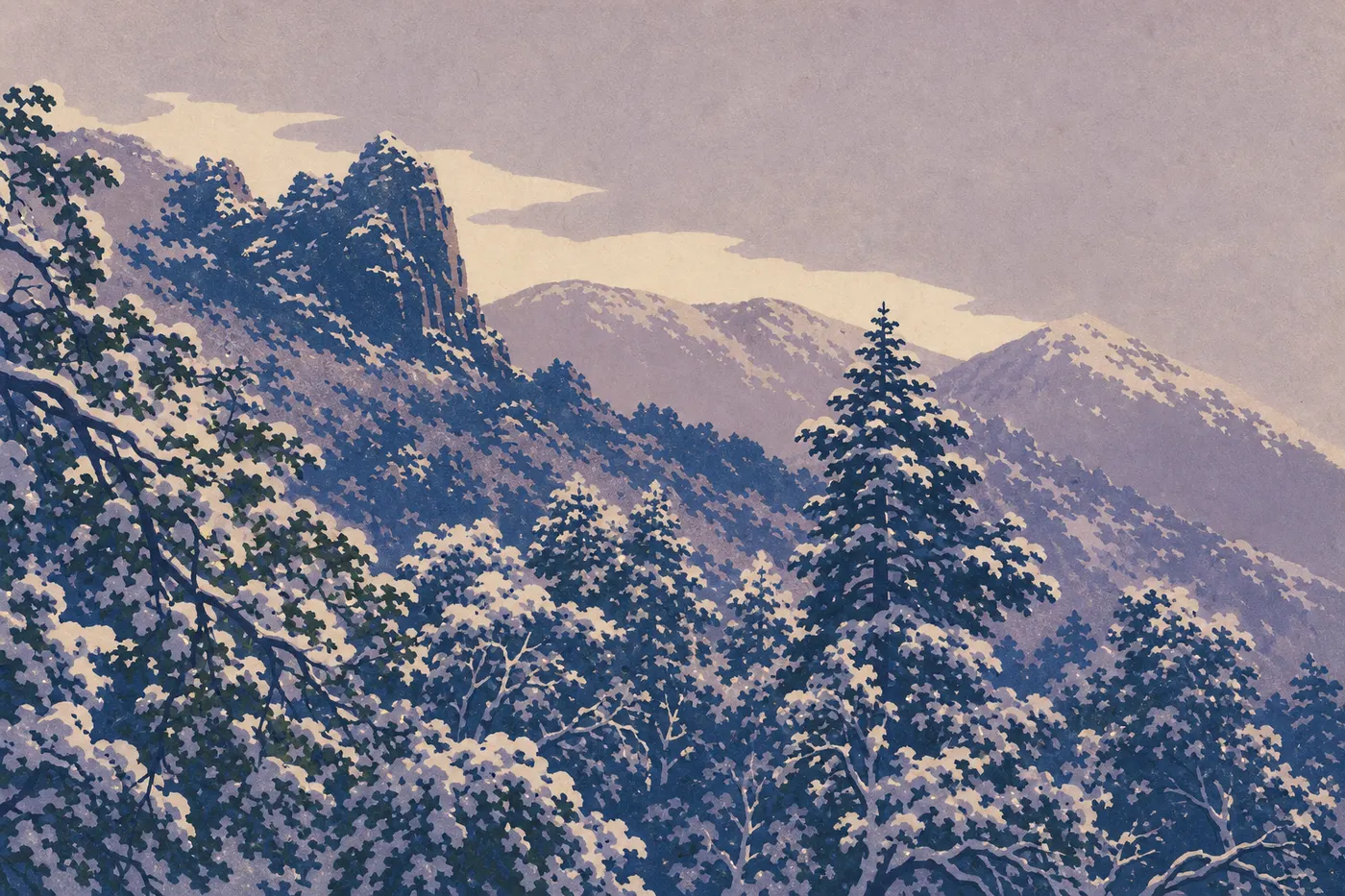
This is the season we recommend first for hikers. Desert temperatures range from 41 to 68°F during the day, which is ideal for stringing together trails without risking heat exhaustion. Nights drop to around 32°F, or slightly below in the Chisos Mountains. Bring extra layers.
Snow is rare and doesn't stick around for long. Roads remain accessible. Wildlife is active, and white-tailed deer and javelinas often appear near water sources in the late afternoon.
There's another strong reason to visit: the sky. Big Bend is an International Dark Sky Park. In winter, the long nights and dry atmosphere create some of the best stargazing conditions you'll find in an American national park.
Spring (March to May)
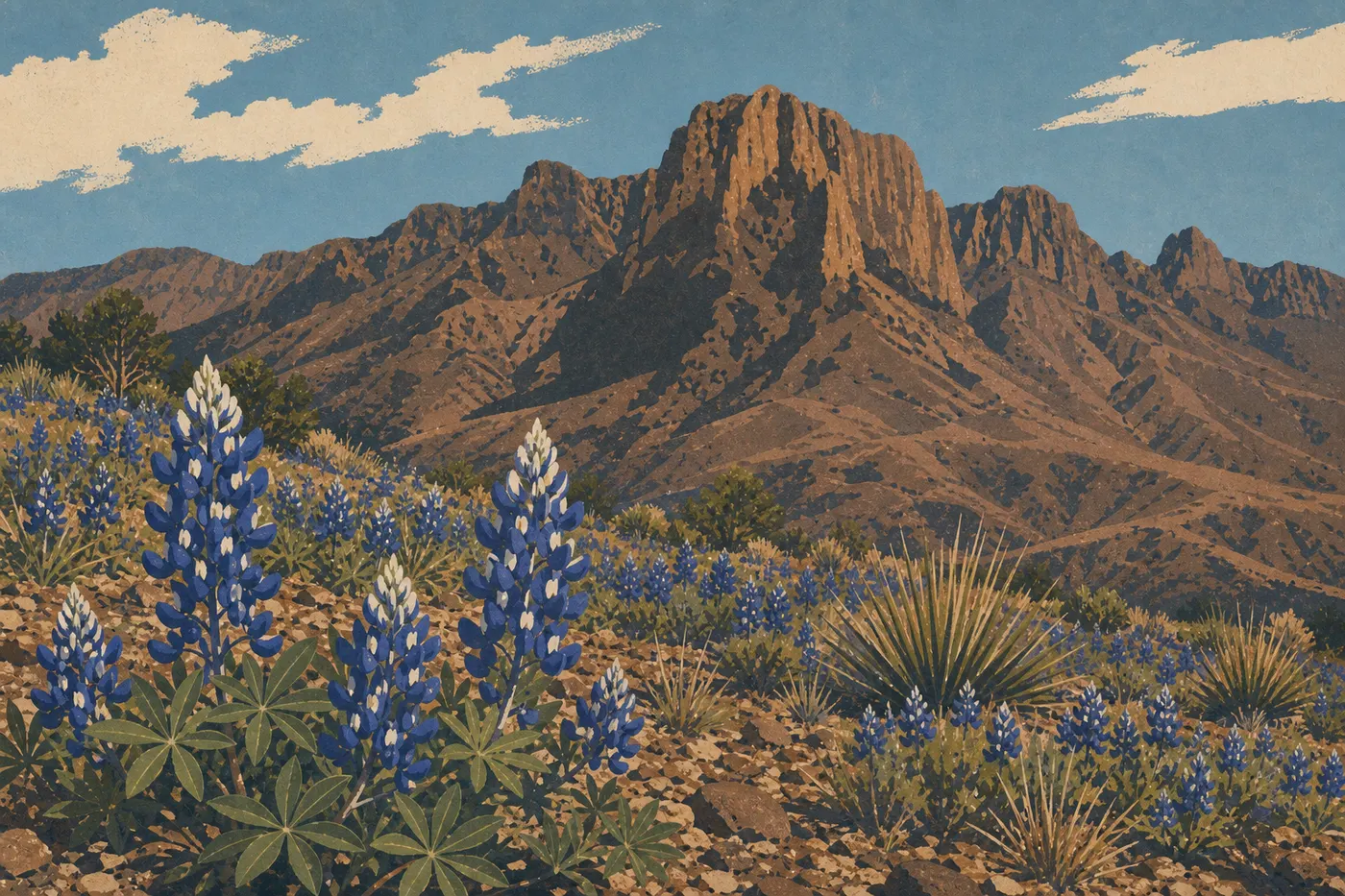
March and April are the official peak season. The NPS confirms that this is the busiest time of year. The weather is warm and pleasant, cacti bloom in March or April depending on winter rainfall, and bird migration is in full swing. With more than 450 recorded species, Big Bend is a must-visit birding destination. The Big Bend wildlife guide covers which species to look for by season.
May gradually shifts toward hotter weather. Low-desert temperatures climb above 91°F, and long hikes in the lowlands quickly become less comfortable. If you visit in May, focus your efforts on higher-elevation trails in the Chisos Mountains.
Summer (June to August)
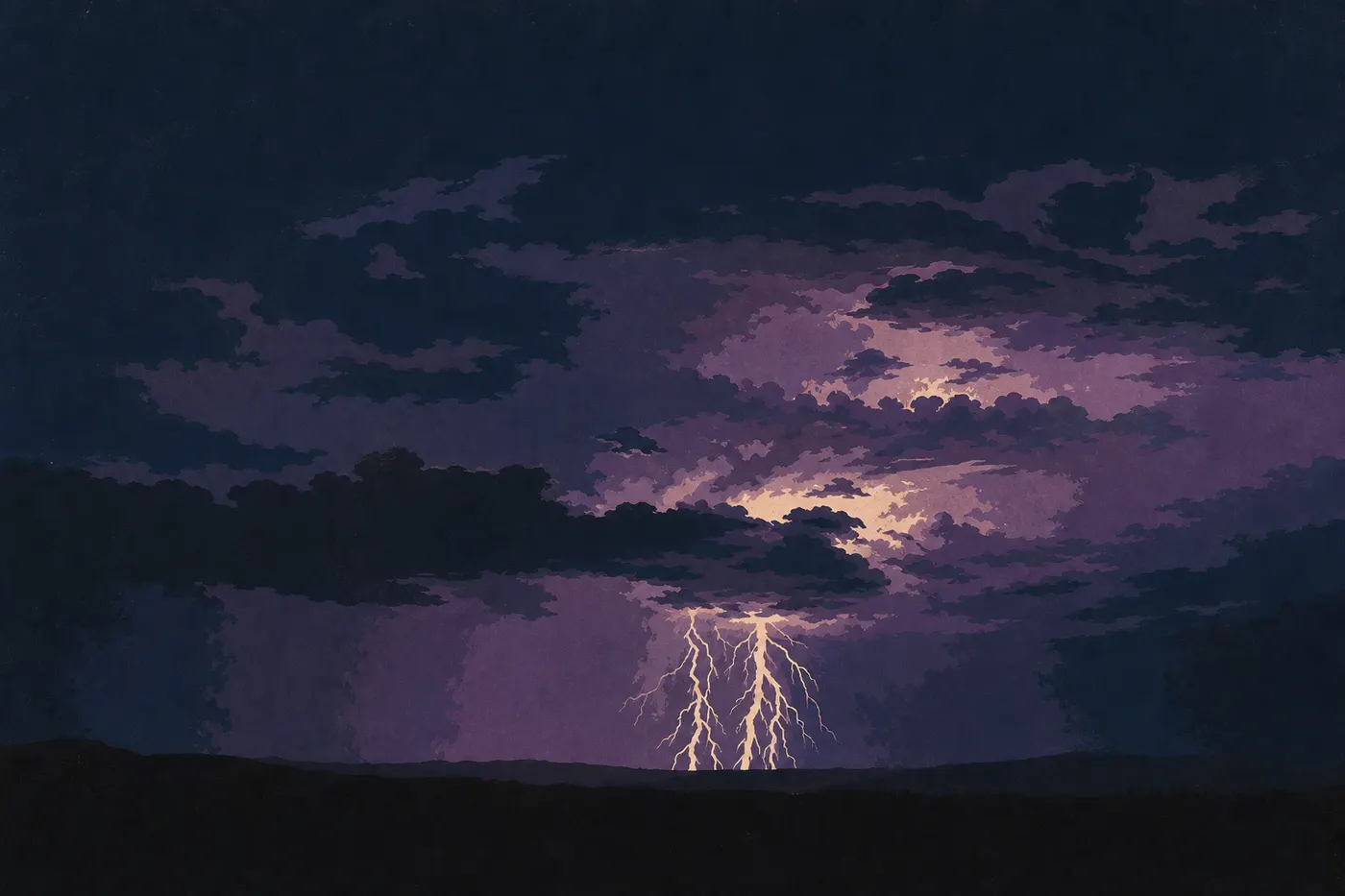
Let's be direct: summer in Big Bend is brutal. In the low desert, temperatures top 100°F by late morning and can reach 104°F in June. The walls of Santa Elena Canyon absorb and reflect the heat, and even crossing a shady-free parking lot can be exhausting.
The Chisos Mountains offer some relief, with daytime temperatures around 77 to 82°F at elevation, but July and August bring intense, unpredictable late-afternoon thunderstorms. Flash floods in the canyons are a real risk, so always check NPS weather alerts before heading into a canyon-bottom trail.
The one advantage of summer is the lack of visitors. If you can handle the heat and plan outings before 7 a.m. and after 5 p.m., you'll have an almost empty park to yourself.
Fall (September to November)
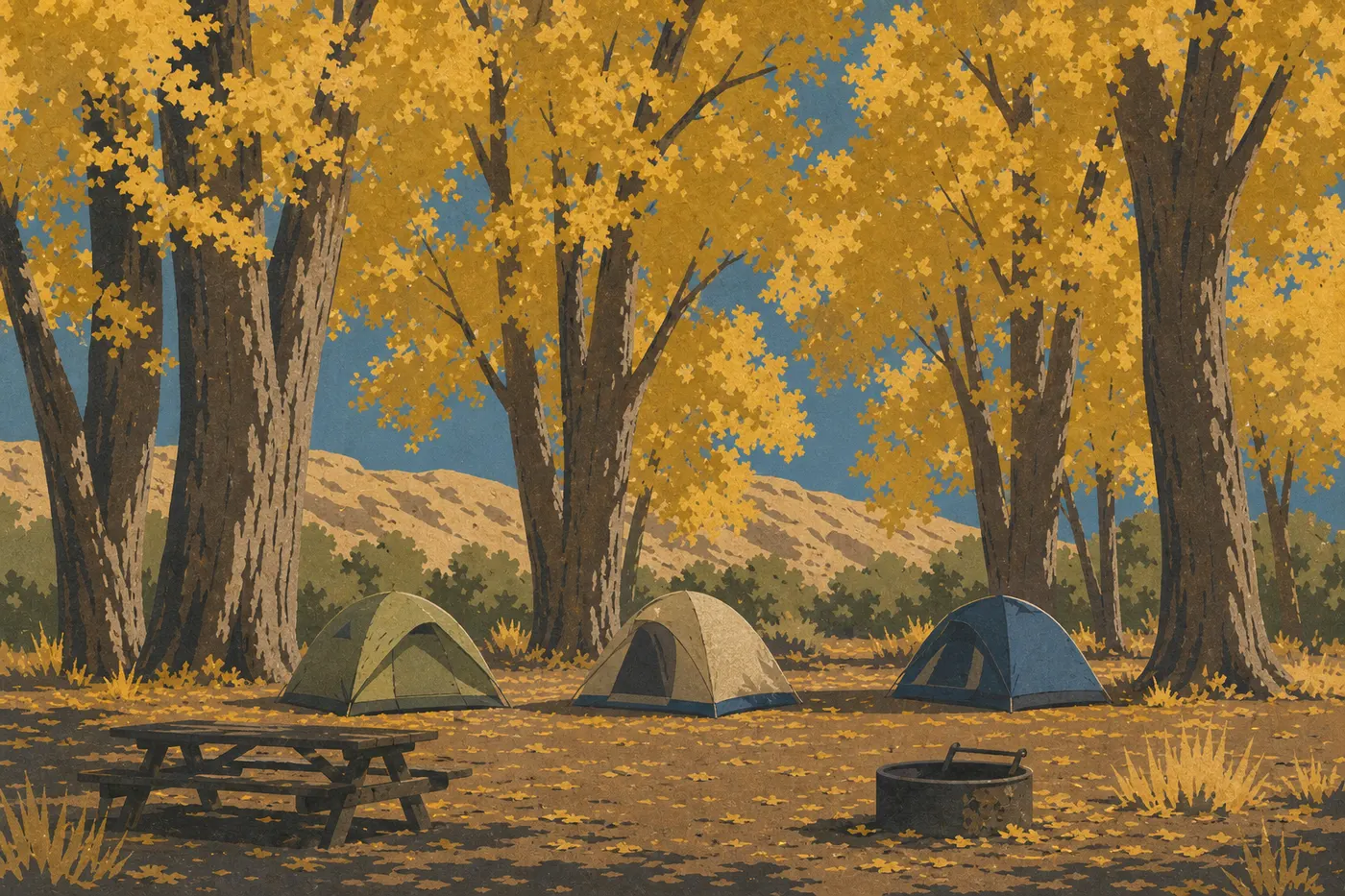
September remains hot, and monsoon thunderstorms are still possible. October is an excellent window. Daytime temperatures fall to 59 to 82°F, late-year light is beautiful for photography, and visitation increases without reaching the spring peaks.
November is our favorite month for anyone seeking quiet. Mornings are cool at 41 to 50°F, afternoons are pleasant, and lines at the entrance are almost nonexistent. On a November visit, I had the entire Lost Mine Trail to myself one weekday morning, something that's unthinkable in March.
Crowds: When to Avoid the Rush
Big Bend is one of the least-visited national parks in the contiguous United States, largely because of its remote location in the far western part of Texas. But less visited doesn't mean empty during peak season.
March and April account for most annual visitors. Campgrounds fill quickly, parking lots at popular trailheads such as Santa Elena Canyon and Boquillas Canyon Overlook are full by midday, and lodging in Terlingua and Marathon sells out several weeks ahead.
November and January-February are the quietest periods with comfortable weather. Summer, from June through August, is also very quiet, but extreme heat explains why.
| Period | Crowd level | Note |
|---|---|---|
| January-February | Low | Cold nights, mild days |
| March-April | High | Absolute peak season |
| May | Moderate | Rising heat |
| June-August | Low | Extreme heat |
| September | Low | End of the thunderstorms |
| October | Moderate | Very good time to visit |
| November | Low to moderate | Recommended for peace and quiet |
| December | Low | Slight increase around the holidays |
Access and Reservations by Season
Big Bend is open 24 hours a day, 7 days a week, year-round. There is no timed entry reservation system to book on Recreation.gov, unlike at Arches or Zion. Show your pass or pay the entrance fee directly at the entrance station, which costs $30 per vehicle or $15 per person on foot or by bicycle. Our Fees & passes page explains entrance fees and passes.
Campgrounds, however, should be reserved in advance for March-April and October weekends. Chisos Basin Campground, in the heart of the mountains, often sells out several weeks ahead. The Big Bend camping guide covers the options and reservation procedures.
For backcountry camping, a backcountry permit is required year-round. Get one in person at a visitor center. Practical access details and driving routes from El Paso or San Antonio are available in our Big Bend access guide.
Best Time to Visit on a Budget
Big Bend sits far from any major airport, so seasonality has a limited effect on airfare. Lodging is where you'll notice the difference.
Winter and summer are the least expensive seasons for lodges and motels in Terlingua and Marathon. In January and February, many properties offer discounted rates. Spring break in late March drives prices up for only two to three weeks.
Practical advice: for a March-April trip, book lodging and camping three to four months ahead. The Big Bend lodging guide lists all the options and their seasonal price ranges, from hotels with pools to a lodge inside the park.
When to Go Based on Your Interests
Hiking and trails: November through April. Low-desert trails such as Ernst Tinaja and Hot Springs Canyon are manageable all day in winter. In summer, limit any lowland outing to before 7 a.m. or after 5 p.m., and bring at least 4 liters of water per person for every outing. The Big Bend hiking guide lists trails by difficulty and best season.
Wildlife viewing: spring, from March through May, for the 450 species of migratory birds. Fall, from October through November, for mammals such as javelinas, deer, coyotes, and occasionally black bears in the Chisos Mountains.
Astronomy and stargazing: October through February. The nights are long, the desert's dry air limits turbulence, and the lack of light pollution lets you see the Milky Way with the naked eye during new moons. This is one of the park's greatest strengths, though travelers still underuse it.
Landscape photography: October-November for low, late-year light without the heat haze that obscures summer horizons. March-April is best for cactus blooms in the foreground.
Families with children: March-April or November. Avoid summer with young children. Extreme heat makes outings dangerous by 9 a.m. Our Family page details age-appropriate activities.
Tight budget: January-February. The park's solitude has its own appeal, lodging costs less, and daytime weather remains pleasant.
In Summary: The Best Time Based on Your Interests
| Interest | Recommended time |
|---|---|
| Hiking | November through April |
| Wildlife and birds | March-May (birds) / October-November (mammals) |
| Astronomy | October through February |
| Photography | October-November or March-April |
| Families | March-April or November |
| Budget | January-February |
| Avoiding crowds | November or January-February |
Big Bend rewards visitors who choose their window carefully. The park is open year-round, but conditions vary widely by season. For a first trip, aim for March if you don't mind crowds, or November if you prefer peace and quiet. In either case, check our complete Big Bend guide to plan your entire Texas trip.
The Worst Time to Visit Big Bend
June brings the year's toughest conditions. Low-desert temperatures regularly climb above 100 to 104°F by 10 a.m., rock walls absorb and reflect the heat, and the risk of sunstroke or heat exhaustion is real even for experienced hikers. July and August don't improve matters. The heat remains intense, and severe monsoon thunderstorms add the threat of flash floods in the canyons.
For families with young children, people sensitive to heat, or travelers unused to desert conditions, these three months, June, July, and August, are strongly discouraged for visiting the park's lowland areas. The Chisos Mountains remain a more manageable summer option, but they don't offer the full Big Bend experience.
Frequently Asked Questions
What are the best months to visit Big Bend National Park?
The best months to visit Big Bend are March and April for ideal weather, blooms, and active wildlife, or November for comfortable conditions without the spring crowds. January and February also work very well for hikers who don't mind cold mornings.
Can you visit Big Bend in winter?
Yes, winter is an excellent season in Big Bend. Days are mild, from 57 to 68°F depending on the month, trails are comfortable without heat risks, and crowds are at their lowest. Nights are cold and often close to 32°F, so bring a suitable sleeping bag and warm layers. December and January are especially good for astronomy, with long nights and dry skies.
When is peak season in Big Bend?
Peak season runs from mid-March through late April. This is the busiest time of year. Campgrounds sell out several weeks ahead, parking lots at the main trailheads fill by midday, and lodging in nearby Terlingua and Marathon needs to be booked several months in advance. Outside these two months, the park is much easier to access.
What is the best time of year for stargazing in Big Bend?
The best time for stargazing in Big Bend runs from October through February. Nights are long, skies are dry and stable, and the lack of light pollution, along with the park's International Dark Sky Park certification, lets you see the Milky Way with the naked eye during new moons. October and November combine comfortable nighttime temperatures with exceptionally clear skies.
What is the best time of year to visit the American West?
The best time to visit the American West depends on which parks you want to see, but fall, from September through October, and spring, from April through May, offer a good balance of weather, crowds, and prices across most states. Our regional guide explains the differences between destinations.
What is the climate like in Big Bend?
Big Bend lies in the Chihuahuan Desert in the heart of Texas. It has a continental desert climate, with abundant sunshine year-round, scorching summers reaching 100 to 104°F in the lowlands, and mild winter days from 59 to 68°F followed by cold nights. The Chisos Mountains, rising above 7,500 feet, have a microclimate that's 50 to 59°F cooler than the low desert.
How long do you need to visit Big Bend?
How much time to spend in Big Bend depends on your pace and interests. Three full days is the minimum for covering the main areas. Our Big Bend itinerary and trip-length page offers 2-, 4-, and 7-day plans depending on how much time you have.
Is Big Bend worth the trip despite its remote location?
Big Bend is well worth the journey despite its remote location in far west Texas. The unique combination of desert landscapes, Rio Grande canyons, mountains, and exceptional dark skies can't be found anywhere else in the United States. Its remoteness also helps preserve the park and makes the experience feel more special.