
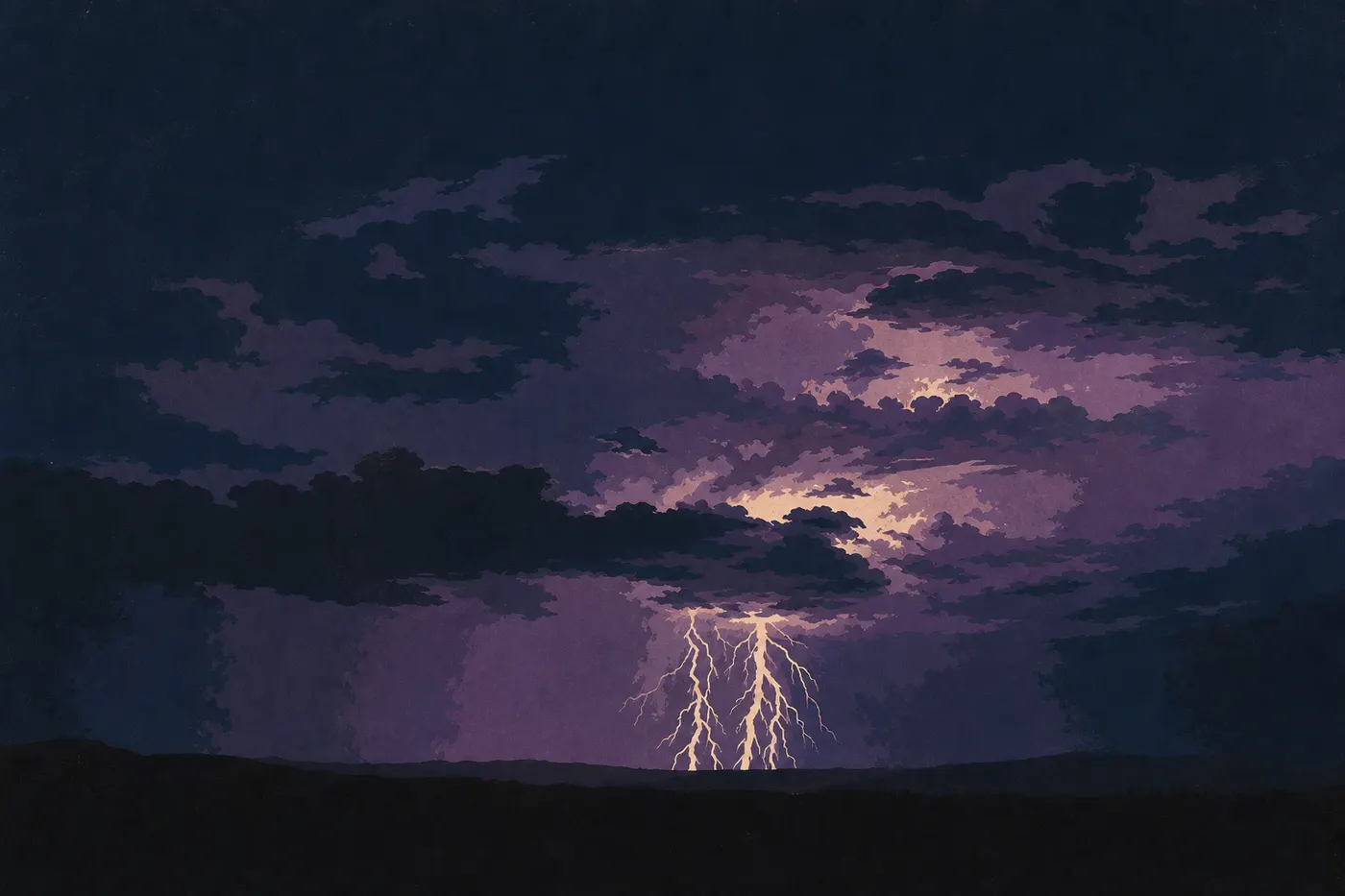
Weather in Big Bend: Forecasts, Climate, and Current Conditions
Big Bend lies within the Chihuahuan Desert, a vast arid region shared by Texas, New Mexico, and northern Mexico. The sun shines here practically year-round. But the park has two very different climates: the desert floor, sweltering in summer with temperatures reaching 109°F, and the high-elevation Chisos Basin (about 5,600 feet), where temperatures are 14 to 18°F cooler. In short, spring (March-April) and fall (October-November) offer the most comfortable weather; summer rewards early risers and punishes the careless; winter brings bright days and surprisingly cold nights.
Current readings are unavailable. See the seasonal averages farther down this page.
Open-Meteo readings · updating… · park time zone
Current Conditions in Big Bend
Conditions vary noticeably across Big Bend: the temperature difference between Rio Grande Village in the low desert and Chisos Basin can exceed 18°F on a single afternoon. Before you head out for a hike, check the conditions for your specific area.
Big Bend Forecast (7 to 14 Days)
From July through September, even a “clear” sky can cloud over in less than an hour late in the afternoon. Always check National Weather Service flood alerts the day before entering a canyon, regardless of the forecast.
Big Bend Climate Month by Month
The averages below apply to the Chisos Basin area (about 5,600 feet). On the desert floor (Castolon, Rio Grande Village, about 2,000 feet), high temperatures from June through August run 14 to 18°F warmer.
| Month | Low (°F) | High (°F) | Precipitation |
|---|---|---|---|
| January | 34 | 57 | 0.55 in |
| February | 37 | 63 | 0.43 in |
| March | 43 | 72 | 0.39 in |
| April | 52 | 81 | 0.35 in |
| May | 61 | 91 | 0.59 in |
| June | 68 | 99 | 0.87 in |
| July | 68 | 95 | 2.17 in |
| August | 66 | 93 | 2.28 in |
| September | 63 | 86 | 1.57 in |
| October | 50 | 77 | 0.98 in |
| November | 39 | 64 | 0.51 in |
| December | 34 | 55 | 0.55 in |
Is Big Bend Cold or Hot? Records and Extremes
Big Bend brings together both extremes of the Texas desert. Heat remains the main threat: temperatures above 109°F have been recorded on the desert floor in June. The NPS is clear about it: plan on at least 1 liter of water per hour of exertion in summer. On the cold side, nighttime freezes occur regularly from November through March at higher elevations, and light snow is possible in the Chisos. There are no severe winter storms, but visitors who arrive without warm clothing are surprised by the cold nights every year.
What to Wear and Pack by Season
Spring and fall: Layering is the key. Mornings can feel chilly (46 to 54°F), while afternoons climb to 77 to 81°F. A windbreaker, trail shoes, a wide-brimmed hat, and SPF 50+ sunscreen are the basics.
Summer: Wear lightweight clothing with UPF 50+ sun protection, a hat that covers the back of your neck, and closed-toe shoes for rocky trails. Bring at least 4 liters of water per person for a half-day hike. Avoid strenuous activity between 10 a.m. and 5 p.m. on the desert floor.
Winter: Technical layers are essential. Wear a thermal base layer, fleece, and a waterproof windbreaker for nights and mornings. A lightweight down jacket is useful at higher elevations. During the day, you can shed a layer or two.
Sunscreen is essential year-round. Sun exposure is intense at this latitude, even in January.
Alerts and Conditions to Watch
Three weather-related risks in Big Bend deserve your attention.
Flash floods. From July through September, storms quickly form over the Chisos and pour into canyons with impermeable walls. Rain falling 9 miles away can fill a canyon while the sky above you is still clear. Before entering Santa Elena Canyon or Boquillas Canyon, check the flood bulletins at weather.gov and the park's conditions report.
Extreme heat. The NPS issues heat advisories in June and July. On those days, rangers strongly advise against hiking on the desert floor between 9 a.m. and 5 p.m.
Damaged roads. Severe storms sometimes damage the dirt roads leading to remote areas, including Glenn Spring Road and River Road. Check the condition of access roads on the park's official website before venturing off the main roads.
Frequently Asked Questions
What is the temperature in Big Bend right now?
Temperatures in Big Bend vary by area: the desert floor is 14 to 18°F warmer than the high-elevation Chisos Basin. The current-conditions widget at the top of this page displays real-time data for the park area.
Does it get cold in Big Bend National Park?
Nights are cold in Big Bend, especially from October through March in Chisos Basin, where temperatures regularly drop below freezing. Winter days remain mild, however (54 to 64°F on the desert floor). Snow is rare and rarely sticks for more than a few hours.
When is the best time to visit Texas and Big Bend?
The best times to visit Big Bend are spring (March-April) and fall (October-November), with moderate temperatures, plenty of sunshine, and little precipitation. To choose the right season for your plans and activities, the When to Visit Big Bend guide answers this question in detail.