
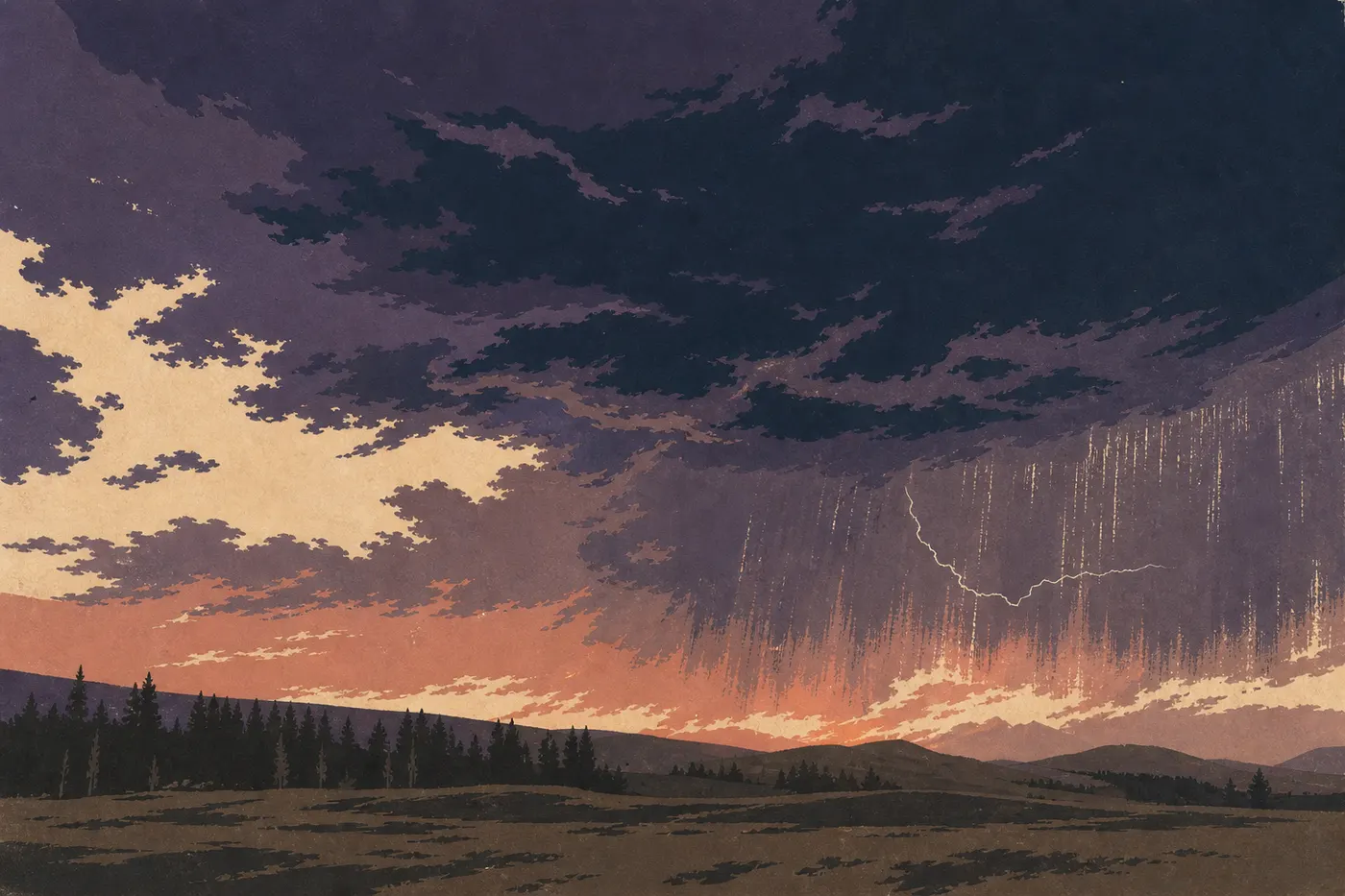
Yellowstone Weather: Forecasts, Climate, and Current Conditions
Yellowstone sits at an average elevation of more than 7,200 feet, so the park has an almost mountain climate, and the weather can change dramatically within a few hours. In short, summers are short and relatively cool (July rarely gets above 73°F), winters are long and intense (overnight temperatures often drop below 0°F), and spring and fall can be unpredictable. It can snow in any month of the year. That's not just a figure of speech. We experienced it in June, standing in fresh snow at Dunraven Pass while the rest of the group had been wearing T-shirts two days earlier.
Current readings are unavailable. See the seasonal averages farther down this page.
Open-Meteo readings · updating… · park time zone
Yellowstone Climate Month by Month
The table below summarizes climate normals for the Old Faithful area (about 7,400 feet), in the heart of the park. Precipitation includes snow converted to its water equivalent.
| Month | Low | High | Precip. |
|---|---|---|---|
| January | 5°F | 25°F | 0.9 in. |
| February | 9°F | 28°F | 0.7 in. |
| March | 14°F | 37°F | 0.9 in. |
| April | 23°F | 48°F | 1.1 in. |
| May | 32°F | 55°F | 1.9 in. |
| June | 39°F | 66°F | 2.0 in. |
| July | 45°F | 73°F | 1.5 in. |
| August | 45°F | 72°F | 1.4 in. |
| September | 36°F | 63°F | 1.3 in. |
| October | 25°F | 48°F | 1.1 in. |
| November | 14°F | 32°F | 0.9 in. |
| December | 7°F | 25°F | 0.9 in. |
Precipitation peaks in May and June, when snowmelt combines with the first convective thunderstorms. July and August are the driest and sunniest months, but afternoon thunderstorms remain almost daily.
Is Yellowstone Cold or Warm? Records and Extremes
Cold, yes, and without compromise. The NPS states it clearly: winter lows regularly fall below 0°F, not just during exceptional cold snaps. Snow has been recorded every month of the year on the plateau. At the other extreme, some summer days have topped 86°F in the lower valleys, exposing visitors to heat-related illness and altitude-accelerated dehydration.
What to Wear by Season
The basic rule from January through December is simple: wear layers.
- Summer (June-August): Technical T-shirt and a lightweight fleece for the morning, a waterproof windbreaker for afternoon storms, and waterproof hiking shoes. SPF 50 sunscreen is essential at this elevation.
- Spring / fall: A warm midlayer, such as fleece or a lightweight down jacket, a waterproof jacket, gloves, and a beanie. April and October mornings regularly reach 32°F or below.
- Winter: An expedition-weight down jacket rated to at least 0°F, a merino wool base layer, insulated pants, ski gloves, and a balaclava. Waterproof winter boots with lugged soles replace standard hiking shoes.
In every season, carry at least 2 liters of water per person for each half-day of hiking, plus one more layer than you think you'll need.
Alerts and Conditions to Watch
Lightning (June-August): A major risk on ridges and near bodies of water. Descend as soon as cumulus clouds appear, and never take shelter under an isolated tree. The National Weather Service (NWS) issues Hazardous Weather alerts specific to the area.
Road closures (spring and fall): The park's five entrances don't open and close at the same time. Before you hit the road, check real-time access conditions on the official NPS website. Opening dates and conditions for each Yellowstone entrance are detailed in the park access guide.
Hydrothermal activity: Steam from geysers and hot springs can reduce visibility locally and create unstable ground. Stay on marked boardwalks. The ground can collapse without warning outside developed areas.
Frequently Asked Questions
What's the weather like in Yellowstone right now?
The weather in Yellowstone varies by elevation and the area you're visiting. Check the "Current Conditions" section at the top of this page for real-time data.
What's the current temperature in Yellowstone?
The current temperature in Yellowstone appears in the conditions section above, which updates automatically.
Is Yellowstone cold?
Yes, seriously cold. Winter nights routinely drop below 0°F, and snow is possible in any month of the year. Even in July, nights stay cool at around 45°F, and thunderstorms can send temperatures down more than 18°F within a few hours.
What kind of climate does Yellowstone have?
Yellowstone has a mountain continental climate: long, harsh winters, short summers with frequent afternoon thunderstorms, and unpredictable spring and fall transitions. The average elevation of more than 7,200 feet keeps temperatures well below those in the surrounding towns.
What should I wear to visit Yellowstone?
For a Yellowstone visit, rely on a layering system: a base layer, a warm midlayer, and a waterproof windbreaker. In summer, add SPF 50 sun protection and rain gear for afternoon storms. In winter, an expedition-weight down jacket and waterproof boots are essential.