
Camping in Yellowstone: Which Campground to Choose, Reservations, and Fees
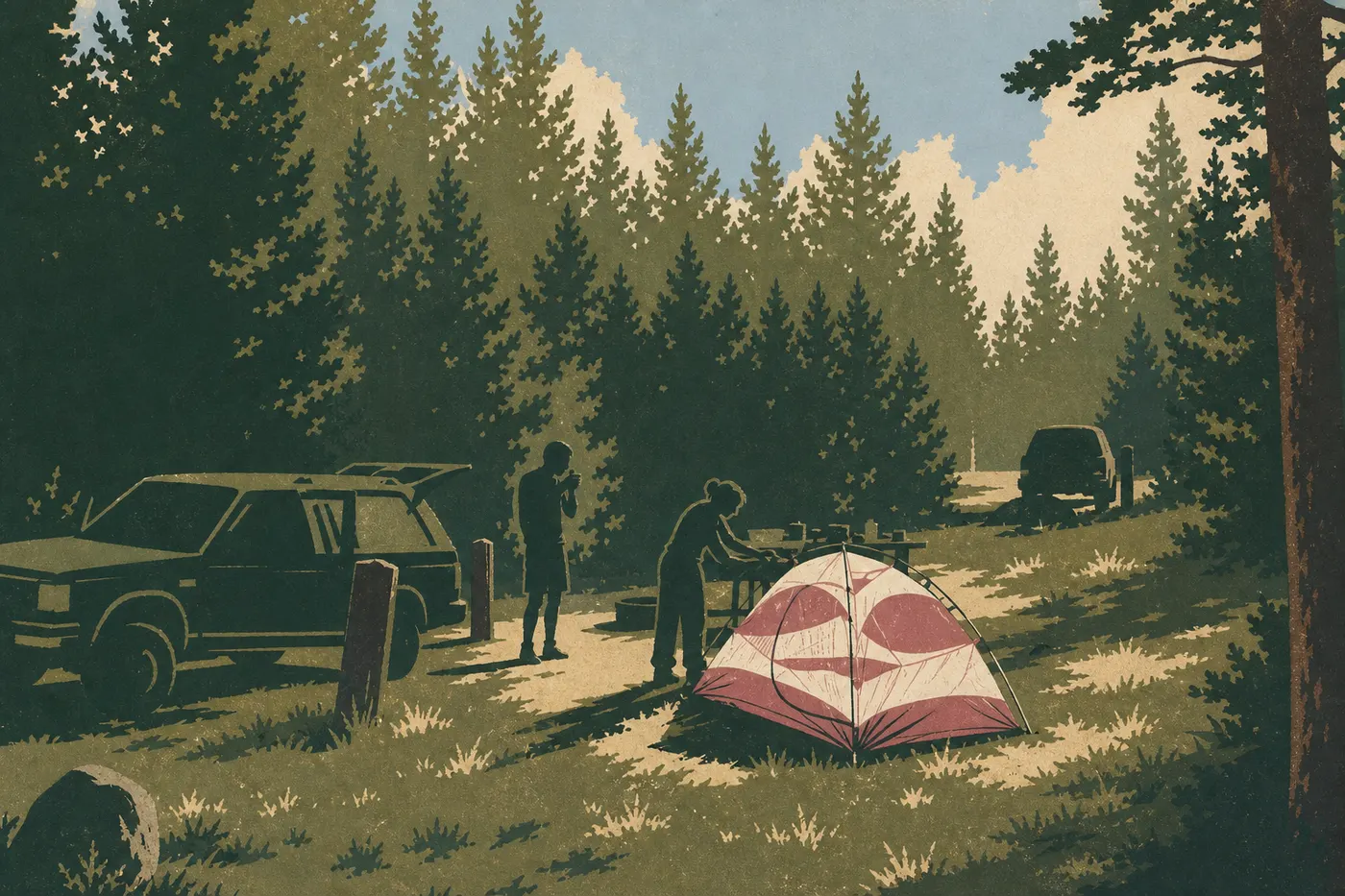
Yellowstone has exactly 12 official campgrounds spread across five areas of the park, for a total of 2,147 sites. Camping inside the park puts you there at sunrise, when bison move through the geyser steam before the day's visitors arrive. Every site requires a reservation: the five largest campgrounds use the Yellowstone National Park Lodges website, while the other seven use Recreation.gov. Two campgrounds are closed indefinitely, Norris and Pebble Creek, and shouldn't be part of your trip plans.
Campgrounds in the park (12)
- Campground Bridge Bay Campground see NPS · 432 sites Directions ↗
- Campground Canyon Campground see NPS · 273 sites Directions ↗
- Campground Fishing Bridge RV Park see NPS · 310 sites Directions ↗
- Campground Grant Village Campground see NPS · 430 sites Directions ↗
- Campground Indian Creek Campground recreation.gov · 70 sites Directions ↗
- Campground Lewis Lake Campground recreation.gov · 85 sites Directions ↗
- Campground Madison Campground see NPS · 276 sites Directions ↗
- Campground Mammoth Campground recreation.gov · 85 sites Directions ↗
- Campground Norris Campground see NPS · 112 sites Directions ↗
- Campground Pebble Creek Campground see NPS · 27 sites Directions ↗
- Campground Slough Creek Campground recreation.gov · 16 sites Directions ↗
- Campground Tower Fall Campground recreation.gov · 31 sites Directions ↗
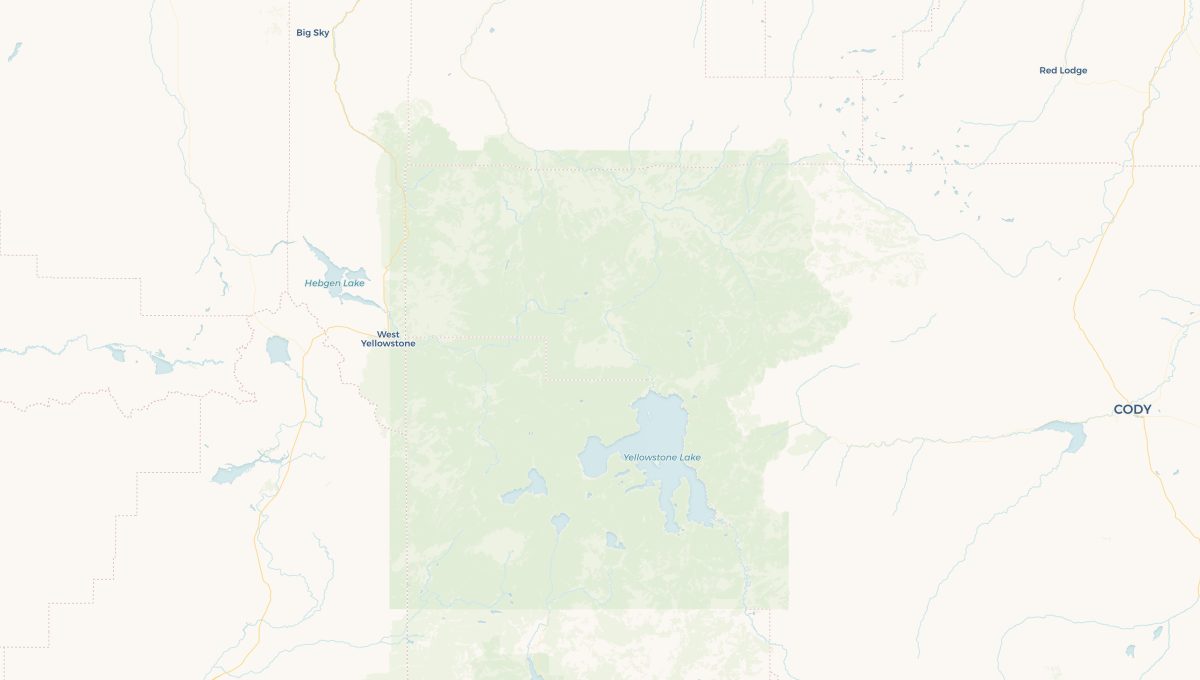 Base map © OpenStreetMap · © CARTO
 Yellowstone campgrounds by the numbers
12 official campgrounds inside the park, 2147 campsites in total, 2147 of them reservable.
| Campground | Sites | Booking | Fee / night | Open | Amenities |
|---|---|---|---|---|---|
| Bridge Bay Campground | 432 (4 group) | Reservation | from $33 | Closed Sep 14 to May 14 | toilets*, potable water*, dump station*, camp store*, firewood*, bear lockers*, cell service* |
| Grant Village Campground | 430 (8 group) | Reservation | from $39 | Closed Sep 27 to Jun 25 | toilets*, showers*, potable water*, dump station*, camp store*, firewood*, bear lockers*, cell service* |
| Fishing Bridge RV Park | 310 (310 RV only, 310 electric hookups) | Reservation | from $89 | Closed Oct 18 to May 7 | toilets*, showers*, potable water*, dump station*, camp store*, cell service* |
| Madison Campground | 276 (117 tent only, 3 group) | Reservation | from $33 | Closed Oct 18 to Apr 30 | toilets*, potable water*, dump station*, firewood*, bear lockers* |
| Canyon Campground | 273 | Reservation | from $39 | Closed Sep 20 to May 28 | toilets*, showers*, potable water*, dump station*, firewood*, bear lockers*, cell service* |
| Norris Campground | 112 | Reservation | from $25 | Seasonal | toilets*, potable water*, firewood*, bear lockers* |
| Lewis Lake Campground | 85 | Reservation | from $20 | Closed Oct 12 to Jun 14 | toilets*, potable water*, bear lockers* |
| Mammoth Campground | 85 | Reservation | from $25 | Year round | toilets, potable water, firewood*, bear lockers, cell service |
| Indian Creek Campground | 70 | Reservation | from $20 | Closed Sep 15 to Jun 11 | toilets*, potable water*, bear lockers* |
| Tower Fall Campground | 31 | Reservation | from $20 | Closed Sep 28 to May 21 | toilets*, potable water*, camp store*, bear lockers* |
| Pebble Creek Campground | 27 | Reservation | from $20 | toilets*, potable water*, bear lockers* | |
| Slough Creek Campground | 16 | Reservation | from $20 | Closed Oct 13 to Jun 14 | toilets*, potable water*, bear lockers* |
Source: National Park Service (NPS API), retrieved October 6, 2026. Fees and dates change: check the campground page before you go.
Can You Camp Inside Yellowstone?
Yes, and it's highly recommended if you want to see wildlife and geysers outside peak hours. Of the 12 official campgrounds, 10 are currently operating, with opening dates that vary. Most open from late spring through fall, while Mammoth Campground is the only one accessible year-round. Norris Campground is closed indefinitely, and Pebble Creek Campground has remained closed since the 2022 floods. Tent camping outside a designated site isn't allowed in the frontcountry. Backcountry camping follows its own rules, detailed below.
Campgrounds Inside the Park
Yellowstone covers nearly 3,500 square miles, so your campground's location determines what you'll be able to see easily. Here's a breakdown by geographic area.
North Area: Mammoth and Nearby Campgrounds
Mammoth Campground is the only one open year-round, with 85 sites at $25 per night. Reservations are required from April 15 through October 15 (Recreation.gov). Outside that window, part of the campground remains available without advance reservations. Near the terraces of Mammoth Hot Springs, it's the go-to base in the off-season. Elk wander through the campground without warning.
Indian Creek Campground (70 sites, $20 per night) is a more rustic campground that accepts reservations through Recreation.gov and generally opens from mid-June to mid-September. Pebble Creek Campground (27 sites) is closed until further notice following the 2022 floods, so don't plan on staying there.
Tower Fall Campground (31 sites, $20 per night) and Slough Creek Campground (16 sites, $20 per night) round out the options in the northeast. Slough Creek is known for fly-fishing and closes in mid-October. Both accept reservations through Recreation.gov.
Central Area: Canyon and Norris
Canyon Campground (273 sites, $39 per night) is just minutes from the Grand Canyon of the Yellowstone. Showers, laundry, and a dump station make it the best-equipped campground in this area, and one of the most versatile in the park. Reservations are required through Yellowstone National Park Lodges. It's open in summer, roughly from late May through late September.
Norris Campground (112 sites, $25 per night) is closed indefinitely, so don't plan on staying there.
West Area: Madison
Madison Campground (276 sites, $33 per night) sits where the Madison and Firehole Rivers meet, near the park's West Entrance. One hundred seventeen sites are reserved for tents only. RVs are allowed up to 30 feet long, with no electrical hookups. Old Faithful is 30 minutes away. Reservations are required through Yellowstone National Park Lodges. The campground is open from late spring through mid-October. Even in the middle of July, evenings are chilly here.
South Area: Grant Village, Bridge Bay, and Lewis Lake
Bridge Bay Campground is the largest in the park, with 432 sites at $33 per night. It sits along Yellowstone Lake and has a store, a dump station, and bear-proof storage lockers. Reservations are required through Yellowstone National Park Lodges. It's open only in summer, closing from mid-September through mid-May. You'll hear gulls at night.
Grant Village Campground (430 sites, $39 per night) has the most complete services of the two, including showers, laundry, and a dump station, all relatively rare in Yellowstone. Reservations are required through Yellowstone National Park Lodges. It's open in summer and closed from late September through late June.
Lewis Lake Campground (85 sites, $20 per night), farther south, is the quietest and most secluded of the three. It's open in summer and fall, through mid-October. Reservations are required through Recreation.gov.
RV vs. Tent: Which Site Should You Choose?
Most campgrounds accommodate both tents and RVs, but none has hookups. If you need full hookups for water, electricity, and sewer, Fishing Bridge RV Park is the only place in the park that offers them, at $89 per night. It's for hard-sided vehicles only, because of bear-related safety rules. Tents and pop-up trailers aren't allowed. Madison Campground limits RVs to 30 feet. For a complete guide to road-trip options, see the Yellowstone RV camping guide for all the rules and facilities.
Camping Nearby: Campgrounds Outside the Park
During the peak season in July and August, Yellowstone's campgrounds fill up weeks in advance. The gateway towns of West Yellowstone, Montana; Gardiner, Montana; and Cody, Wyoming, have private campgrounds with more amenities, including electricity, hot showers, and Wi-Fi. The guide to places to stay around Yellowstone covers the best alternatives, including lodges and unusual accommodations.
Dispersed Camping and Backcountry Camping
Yellowstone allows backcountry camping in designated areas accessible only on foot or horseback. A wilderness permit is required, issued by the park's visitor centers in person or online. Applying a few weeks ahead is recommended during the season. Sites are numbered and assigned, so you can't simply pitch your tent wherever you want. For everything involving trails and planning an overnight in the wilderness, the Yellowstone hiking and backcountry guide covers the logistics of spending a night in the backcountry.
How and When to Reserve a Yellowstone Campsite
Two official booking platforms handle the campgrounds, depending on which one you choose. Bridge Bay, Grant Village, Fishing Bridge RV Park, Madison, and Canyon use the Yellowstone National Park Lodges website. Mammoth, Lewis Lake, Indian Creek, Tower Fall, and Slough Creek use Recreation.gov. Reservations open six months before your arrival date. A site for July 15 becomes available on January 15 at 10 a.m. Mountain Time. For peak season, you won't want to miss that opening time.
Fees: How Much Does a Night of Camping Cost in Yellowstone?
Nightly fees range from $20 at Lewis Lake, Indian Creek, Tower Fall, and Slough Creek to $89 at Fishing Bridge RV Park, the only campground with full electrical hookups. The larger campgrounds around the lake, Bridge Bay and Madison, charge $33 per night. Canyon and Grant Village charge $39 per night. These fees are separate from the park entrance fee of $35 per private vehicle. To compare all the costs of a Yellowstone trip, the national parks fees and passes guide explains entrance fees and passes.
Campground Safety and Best Practices
Yellowstone is home to black bears and grizzlies. Food-storage rules aren't optional. The park requires them, and rangers enforce them.
- Bear box required: Store all food, scented drinks, and toiletries in the site's metal locker or in your vehicle's locked trunk. Never leave them in your tent or on the picnic table overnight.
- Trash: Pack out everything you bring, including food scraps.
- Required distance: Stay at least 300 feet from bears and wolves, and 75 feet from bison and elk. A bison can charge at more than 30 mph without warning.
- Unpredictable weather: Even in July, temperatures can drop more than 18°F during a late-afternoon thunderstorm, and snow can fall in any month of the year. Keep a warm, waterproof jacket in your pack at all times. The Yellowstone weather guide by month gives monthly averages and seasonal risks.
- Campfires: Allowed only in designated fire rings, and prohibited during dry or high-wind conditions when the park imposes a ban.
For the complete rules on wildlife in the park, see the Yellowstone wildlife guide.
Which Campground Is Best for You?
| Profile | Our recommendation |
|---|---|
| First trip, all-around option | Canyon, with showers and laundry on-site |
| Geysers and Old Faithful | Madison, 30 minutes from Old Faithful |
| Wilderness feel, small campground | Slough Creek (16 sites) or Lewis Lake |
| RV with hookups | Fishing Bridge RV Park (hard-sided vehicles only, $89 per night) |
| Off-season or late arrival | Mammoth, the only campground open year-round |
| Families with kids | Grant Village or Bridge Bay, with large sites, showers, and laundry |
For cabins, lodges, hotels, and other hard-sided accommodations, see the guide to Yellowstone hotels and lodges.
Frequently Asked Questions
Can you camp in Yellowstone?
Yes. The park has 12 official campgrounds with a total of 2,147 sites. Most open in spring and close in fall. Mammoth Campground is the only one accessible year-round. Two campgrounds are currently closed indefinitely: Norris and Pebble Creek.
Which campground should you choose in Yellowstone?
It depends on your plans. Canyon Campground is the most versatile choice for a first trip, with 273 sites, showers, and laundry. Madison Campground is ideal if you're focusing on the geyser area, 30 minutes from Old Faithful. Bridge Bay Campground, the largest in the park with 432 sites, is a good fit if you want to camp along Yellowstone Lake.
When should you reserve a Yellowstone campground?
Reservations open six months before your arrival date, through Recreation.gov or the Yellowstone National Park Lodges website, depending on the campground. For peak season in July and August, log on as soon as the booking window opens. That means around January 15 for a mid-July stay. The best sites go within minutes. All park campgrounds operate by reservation during peak season.
How much does a night of camping cost in Yellowstone?
Fees range from $20 per night at Lewis Lake, Indian Creek, Tower Fall, and Slough Creek to $89 at Fishing Bridge RV Park, the only campground with full electrical hookups. Standard sites at the larger campgrounds cost between $33 and $39. These fees are in addition to the $35 entrance fee per vehicle.