
When to Visit Yellowstone: Best Seasons, Weather, and Timing
The best time to visit Yellowstone is late May through June or September, when the roads are open, wildlife is at its most active, and crowds remain well below the summer peak.
Late May through June and September offer the best balance. July and August work well if you book several months ahead and arrive early each morning. Winter is demanding but breathtaking, and it's best suited to well-prepared travelers.
Yellowstone Weather Month by Month
Yellowstone sits more than 7,200 feet above sea level on a volcanic plateau in Wyoming. The result is unpredictable mountain weather, with temperature swings of more than 18°F between morning and afternoon, snow possible in July, and winter nights dropping below 0°F. The table below gives you the broad picture. For current forecasts and detailed monthly climate data, see our Yellowstone Weather page.
| Month | High | Low | Conditions |
|---|---|---|---|
| January | 21°F | 1°F | Snowy, oversnow access only |
| February | 25°F | 5°F | Snowy, excellent for wolves |
| March | 34°F | 16°F | Transition season, roads still closed |
| April | 46°F | 25°F | Roads gradually reopen, muddy |
| May | 57°F | 34°F | Greenery, wildlife births, light crowds |
| June | 66°F | 41°F | Waterfalls at peak flow, hikes open |
| July | 73°F | 48°F | Peak season, afternoon thunderstorms |
| August | 72°F | 45°F | Warm, frequent thunderstorms |
| September | 63°F | 37°F | Elk rut, golden colors, crowds thinning |
| October | 50°F | 27°F | First snow, gradual closures |
| November | 34°F | 12°F | Low season, very limited access |
| December | 23°F | 3°F | Snowy, snowmobiles and snowcoaches |
Yellowstone in January
With lows around 5°F and highs around 25°F, January is the coldest month of the year. The park's interior is accessible only by snowmobile or snowcoach, except for the Gardiner to Cooke City route, which stays open to regular vehicles year-round. Visitor numbers are at their annual low: steaming geysers in icy air, bison standing still in the powder, and cathedral-like silence. Book your snowcoach well ahead because seats are limited.
Yellowstone in February
Slightly less cold than January, February is still brutally wintry, with nighttime temperatures around 9°F. It's one of the best months for wolf watching in Lamar Valley. Packs hunt in the open snow, and guided outings with naturalists are especially productive. Access is oversnow only. The oversnow season usually ends in mid-March.
Yellowstone in March
Temperatures start to rise, reaching about 37°F during the day late in the month, but the interior roads are still closed to wheeled vehicles. The oversnow season usually ends in mid-March, making this either your last taste of winter or a difficult in-between period with few services. The first bears emerge from hibernation late in the month. Few visitors, and few places to go.
Yellowstone in April
The first roads usually reopen in April, generally starting in the third week. The West Entrance is often the first one accessible to wheeled vehicles. The ground stays waterlogged, trails are muddy, and some roads remain closed for weeks beyond the announced date. The payoff is grizzly bears foraging, bison giving birth in the meadows, and a level of solitude you won't find again before November.
Yellowstone in May
May is our top recommendation for an off-season trip. Roads and services gradually reopen, daytime temperatures reach 55°F, and wildlife puts on rare displays: newborn bison in the meadows, grizzlies on the slopes, and bald eagles above swollen rivers. Waterfalls, including Lower Falls and Tower Fall, are at peak flow. Crowds are still moderate, at about one-third of July's visitor numbers. Some high-elevation trails may remain snow-covered.
Yellowstone in June
June marks the start of peak season. All major roads are accessible, temperatures climb to 66°F, and high-elevation hikes become practical. The first half of the month is still comfortable, while crowds rise quickly toward the end. Afternoon thunderstorms start to roll in, so plan your outings before 1 p.m. Morning light, green vegetation, and active wildlife create excellent photography conditions.
Yellowstone in July
July is the busiest month of the year, with daytime temperatures around 73°F. The parking lots at Old Faithful and Grand Prismatic Spring fill up before 8 a.m., and waits at some overlooks exceed 30 minutes. Everything is open, and all hikes are accessible. Afternoon thunderstorms are nearly daily, so bring a rain jacket and a warm layer. Book lodges and campgrounds several months ahead, and start every day before dawn.
Yellowstone in August
August follows July's basic pattern: pleasant warmth around 72°F, heavy crowds, and afternoon thunderstorms. The second half of the month brings a slight lull after American schools go back, making the last few days a little easier. The geothermal basins and geysers are just as spectacular as they are in July. Plan your bookings early and get up before sunrise.
Yellowstone in September
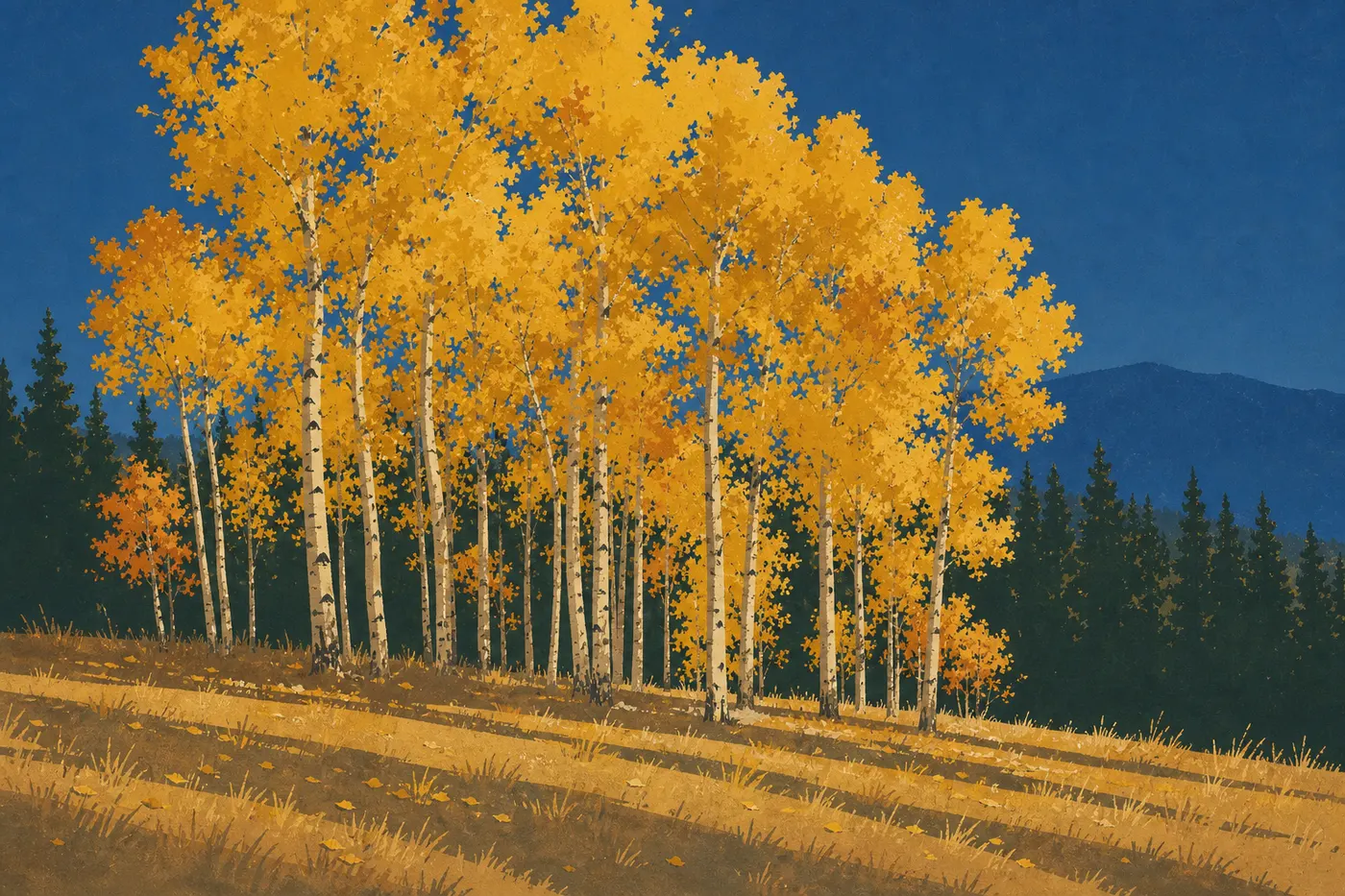
In our view, September offers the best balance of the year. Crowds thin quickly after Labor Day, the first Monday in September, daytime temperatures remain pleasant around 63°F, and the elk rut fills the valleys with a sound you won't forget. Aspens turn gold on the slopes. Nearly all services are still open. It's the natural choice if you want a high-quality visit, fall scenery, and manageable crowds.
Yellowstone in October
Temperatures drop to around 48°F during the day and 25°F at night, the first snow arrives, and some roads begin closing. In-park services shorten their hours or shut down. The upside is striking early-winter scenery and almost no visitors. Check road conditions before you leave and bring gear suited to the cold.
Yellowstone in November
November is the annual low point. Interior roads gradually close to wheeled vehicles, the oversnow season hasn't started yet, and services are minimal. Nights drop below 14°F. Only the Gardiner to Cooke City route remains drivable. Skip it for a classic Yellowstone trip unless total solitude is part of the plan.
Yellowstone in December
December brings back the oversnow season, usually in mid-December. Snowmobiles and snowcoaches restore access to Old Faithful and the park's interior. Temperatures are among the lowest of the year, around 25°F during the day and 7°F at night. Lodging outside the park is in its low-price season. This is the beginning of a full winter experience, radically different from summer.
Yellowstone Season by Season
Winter (December to March)
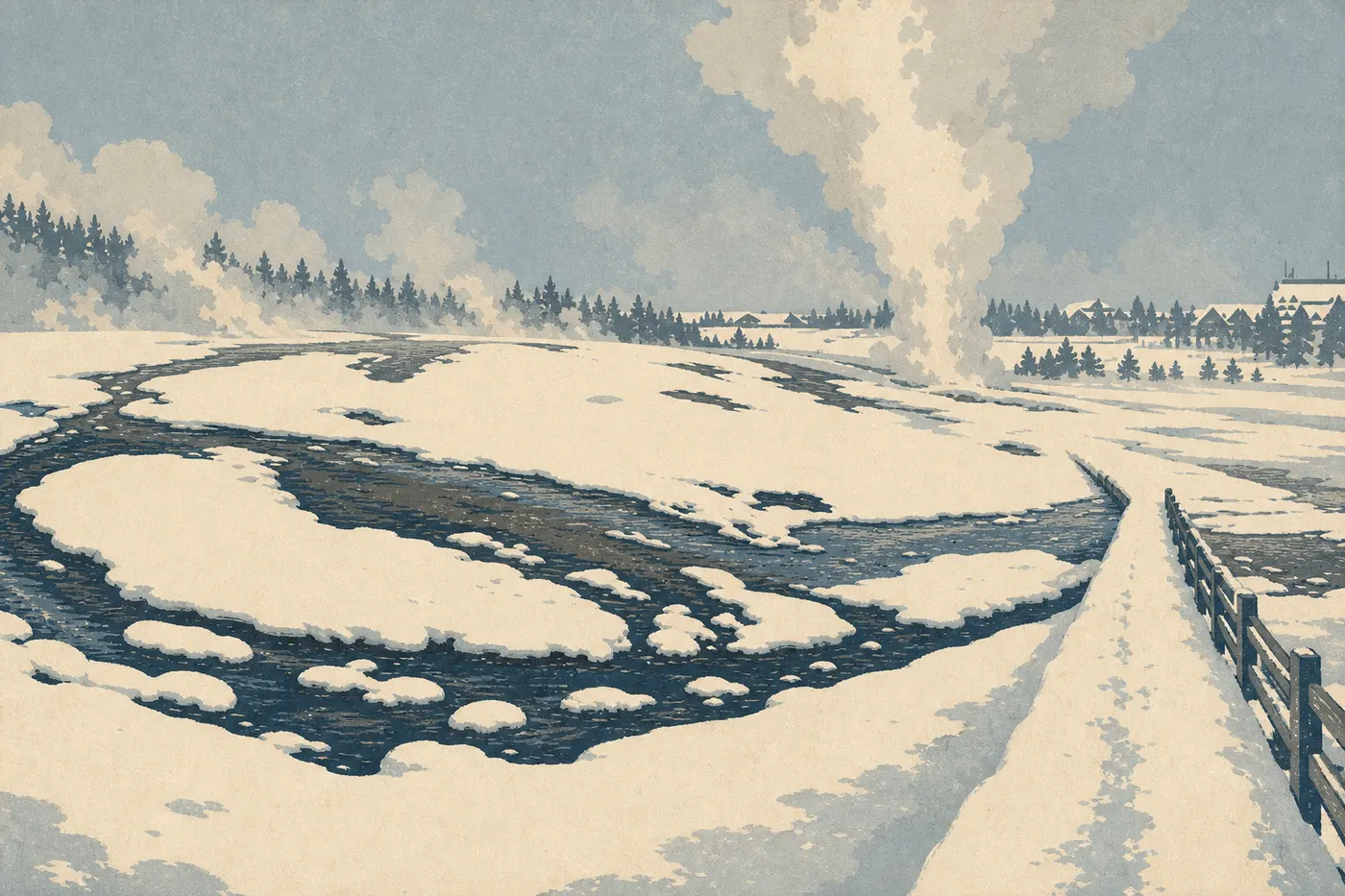
Winter in Yellowstone is a complete experience in its own right. Nearly all interior roads close to regular vehicles starting in November. Only the Gardiner to Cooke City route in the northern part of the park stays open year-round. To explore the rest, you'll need oversnow transportation, either a snowmobile or snowcoach, from about mid-December to mid-March, depending on weather conditions.
What you gain is hard to describe. White geyser steam cuts through the snow in cathedral-like silence. Bison paw through the powder beside the roads. Lamar Valley, inaccessible by car, becomes one of the world's best places to watch wolves. On a February visit, I counted more than a dozen members of one pack in under two hours. You can't replicate that in midsummer.
As for the budget, lodging outside the park is 30 to 40% cheaper than in July. But factor in the added cost of a snowcoach or snowmobile rental, and book ahead even in the low season.
Spring (April and May)
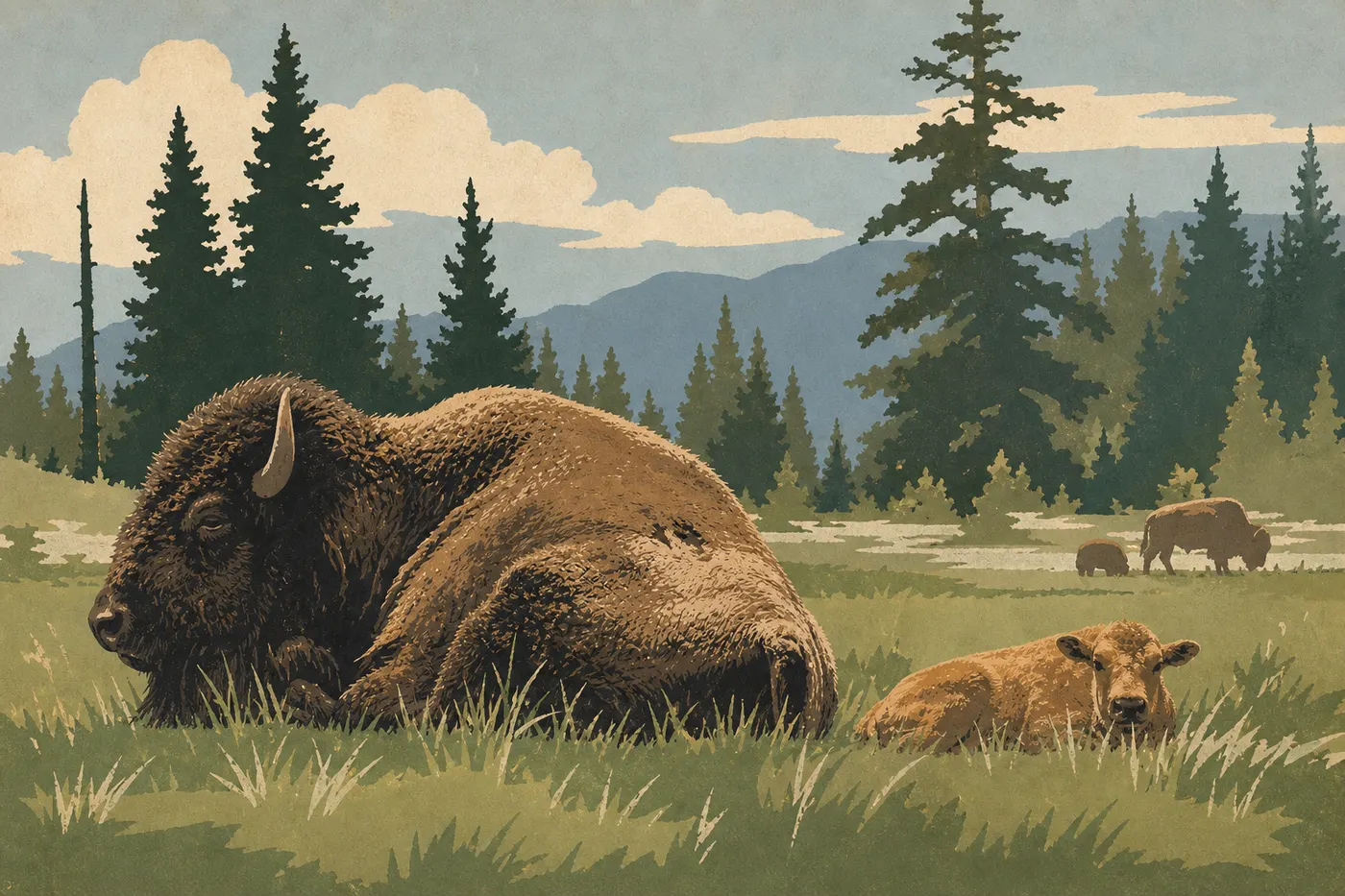
Spring is the season of renewal. Roads gradually reopen starting in the third week of April, with the West Entrance generally the first one open to wheeled vehicles. Vegetation bursts to life, and wildlife puts on rare displays: bison giving birth in the meadows, grizzlies emerging from hibernation, and bald eagles perched above swollen rivers.
April remains changeable and muddy, and some roads stay closed for weeks after the official opening date. May is our preference. Everything starts opening, waterfalls such as Lower Falls and Tower Fall reach peak flow, and you'll see barely one-third as many visitors as in July.
Summer (June to August)
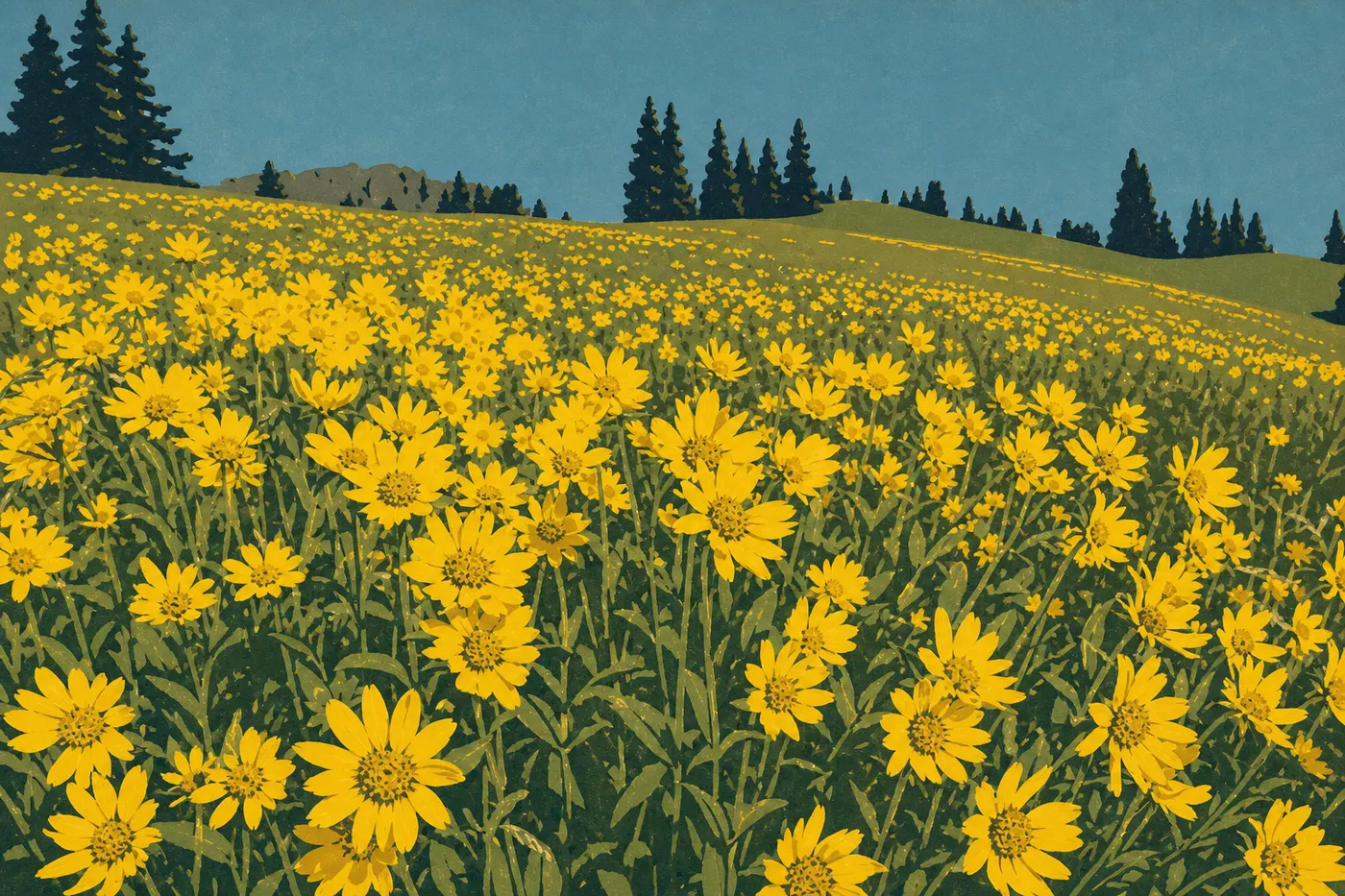
Summer is peak season, with all its contradictions. Every entrance is open, the most remote trails are accessible, the weather is at its mildest, and roughly 4 million annual visitors pack into two and a half months. At Old Faithful, it's not unusual to wait 30 minutes in the crowd for a good spot. Grand Prismatic Spring's parking lots fill up before 8 a.m.
Our advice is simple: get up before dawn. The park at 6 a.m. feels like another planet, with low-angle light, active animals, and easy parking. Afternoon thunderstorms, which are nearly daily in July and August, also make exposed hikes dangerous after 1 p.m. Always carry a warm layer and a rain jacket, even under bright sunshine. A storm can drop temperatures from 68°F to 41°F within minutes.
Lodges and campgrounds book up several months ahead for July and August. Practical details are on our Yellowstone Camping page and our Hotels and Lodges guide.
Fall (September to November)
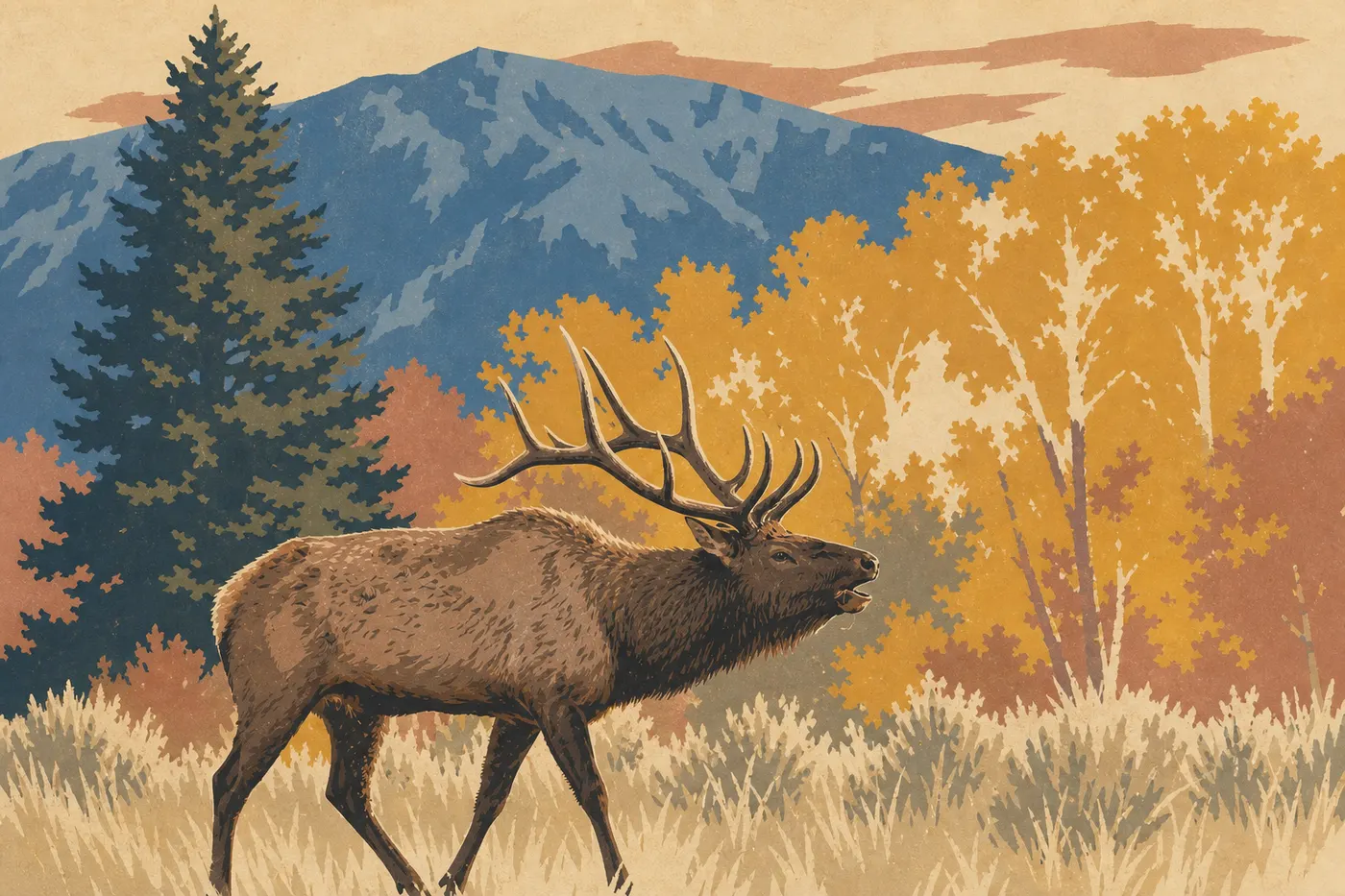
In our view, September offers Yellowstone's best balance. Crowds thin quickly after Labor Day, the first Monday in September, daytime temperatures remain pleasant at 59 to 64°F, and the elk rut fills the valleys with a one-of-a-kind sound. Golden aspens on the slopes make every photo stop memorable.
October is riskier. Early snow arrives, some roads close, and services such as restaurants and gas stations shorten their hours. November is pure adventure and best avoided unless complete solitude is the goal.
Crowds: When to Avoid the Rush in Yellowstone
Yellowstone's monthly visitor pattern is fairly predictable:
- Very crowded: July and August, the absolute peak, with the bulk of annual traffic concentrated in two months
- Crowded: June and early September
- Moderate: May and late September through early October
- Low to none: November through April
In practice, avoid July and August weekends if you have a choice. Weekdays, from Monday through Thursday, are noticeably easier. The busiest sites, Old Faithful, Grand Prismatic Spring, and Mammoth Hot Springs, fill up between 10 a.m. and 4 p.m. Arrive at opening time or late afternoon for a completely different experience.
The park is open year-round, but services vary widely by season. Our Practical Information, Rules, and Safety guide covers hours and access throughout the year.
Best Time for Your Budget
Entrance fees don't change with the season: $35 per vehicle, valid for 7 days, or $20 per person entering on foot or by bicycle. The $70 Yellowstone annual pass pays for itself on your second visit of the year. Our national parks fees and passes guide explains the options.
For lodging and flights, the calendar is more favorable outside the heart of summer:
- July and August: highest rates, with almost no availability if you book less than three months out
- June and September: 15 to 25% cheaper than July, with much easier booking
- May and October: very attractive prices, but some lodges and campgrounds are still closed
- Winter: low lodging rates outside the park, offset by the cost of snowcoaches
The most convenient airports, Jackson Hole in Wyoming, Bozeman in Montana, and Idaho Falls in Idaho, offer their lowest fares in May, early June, and after mid-September. Our Yellowstone lodging and budget page breaks down typical costs by season and lodging type.
The Best Time for Your Trip Style
Wildlife: May for newborns, including bison, elk, and bears; September for the elk rut; and January and February for wolves in Lamar Valley. Our Yellowstone Wildlife page lists species to look for month by month.
Hiking: June through September, with a preference for June if you want to avoid crowds and see waterfalls at peak flow. High-elevation trails may remain snow-covered into July. Our Yellowstone Hiking page ranks trails by difficulty and opening season.
Photography: September for golden light, fall colors, and the elk rut; January and February for the contrast between snow, steam, and geysers. June sunrises, with wet meadows and deer in the background, are among the most beautiful we've ever had the chance to photograph.
Families: July, without question. Junior Ranger programs are running at full capacity, all marked trails are open, and the weather is at its most predictable. Our Yellowstone with Kids guide covers activities by age group.
Tight budget: May or late September. The park is less crowded on paper, but often better in practice: a peaceful atmosphere, animals along the roads early in the morning, and reasonably priced lodging.
Greater Yellowstone road trip: If Yellowstone is part of an itinerary that includes Grand Teton or other regional parks, the June through September window opens all roads and services. Our section on the American West helps you connect the stops based on the length of your trip.
In Summary: The Best Time for Your Trip Style
| Trip style | Ideal time |
|---|---|
| First complete visit | Late May through June or September |
| Wildlife | May, births · September, rut · January and February, wolves |
| Hiking | June through September |
| Photography | September · January and February |
| Families | July and August |
| Keeping costs down | May · Late September |
| Avoiding crowds | Before June 20 or after Labor Day |
You can visit Yellowstone year-round as long as you adjust your expectations to the season. For help organizing your itinerary, access, lodging, and activities, our complete Yellowstone guide is the place to start.
The Worst Time to Visit Yellowstone
July and August account for most of the year's traffic. Old Faithful, Grand Prismatic Spring, and Mammoth Hot Springs fill up by 9 a.m., parking lots are full before lunch, and lines at the most popular sites can exceed 30 minutes. If your trip unavoidably falls during this period, the experience is still possible, but it requires careful logistics: book several months ahead, arrive at sites before 8 a.m., and focus your itinerary on less-visited areas such as Bechler, Shoshone Geyser Basin, and backcountry trails.
November and the first half of April are, in their own way, the least rewarding periods. Interior roads are largely closed to wheeled vehicles, the oversnow season has just ended or hasn't started yet, and services are minimal. You'll pay the full entrance fee, $35 per vehicle, to access only a fraction of the park, without the winter scenery and experience that make the established oversnow season worthwhile.
Frequently Asked Questions
What's the best time to visit Yellowstone?
The best time to visit Yellowstone is late May through June or September: roads are open, wildlife is active, and crowds are far lighter than in midsummer. July and August are still excellent if you book ahead and arrive early at the busiest sites.
Is Yellowstone worth visiting?
Yellowstone is absolutely worth the trip. As the world's first national park, established in 1872, it contains more than half of the planet's geysers, exceptional megafauna including bison, grizzlies, wolves, and elk, and geothermal landscapes you won't find anywhere else. Preparation is the key. In high season, improvising gets expensive.
What's the weather like in Yellowstone?
Yellowstone has a continental mountain climate: very cold winters, with nights frequently below 0°F; mild summers, with highs around 70 to 73°F; and changeable conditions with afternoon thunderstorms nearly every day. Snow is possible in any season. The elevation, above 7,200 feet, creates major temperature swings over the course of a single day.
Can you visit Yellowstone in winter?
Yes, the park remains accessible in winter, but only via oversnow transportation, by snowmobile or snowcoach, generally from mid-December to mid-March. Only the northern route between Gardiner and Cooke City stays open year-round to regular vehicles. Winter is radically different from summer: steaming geysers in the snow, wolves visible in Lamar Valley, and lodging 30 to 40% cheaper. Book snowcoaches ahead and come prepared for temperatures often below 5°F.
What's the least crowded month in Yellowstone?
January and February are the least crowded months. Interior roads are closed to cars, services are limited, and only oversnow travelers can reach the park's interior. Among the months when you can drive through the park, May, before visitor numbers rise in June, and early October offer the lightest crowds while most services are still open.
How long do you need to visit Yellowstone?
Plan on at least three to five days to see Yellowstone's highlights without exhausting yourself. Our Yellowstone Itinerary and Trip-Length page offers plans for different trip lengths.
How much does a trip to Yellowstone cost?
Park admission costs $35 per vehicle, valid for 7 days, or $20 per person entering on foot. Your total budget varies widely by season and lodging type. Full details on fees, passes, and money-saving options are in our fees and passes guide.
What's the best time to visit the American West?
For a road trip through the American West that includes Yellowstone and other major regional parks, June through September opens the most roads and offers the best conditions. Our regional American West guides can help you build a coherent itinerary around the length of your trip.