
What to Do in Yellowstone: Must-See Sights and Activities
Yellowstone is 3,500 square miles of boiling ground, geysers erupting every 90 minutes, bison crossing the road, and ocher canyon walls you won't forget. The short version is this: the three sights that define the park are Old Faithful (geothermal activity in full view), Grand Prismatic Spring (the most unreal colors you'll ever see), and Lamar Valley (the densest wildlife in North America). This guide explains how to organize the rest, area by area.
Yellowstone at a Glance: Areas, Access, and Getting Around
The park covers about 3,500 square miles in northwestern Wyoming, with small portions in Montana and Idaho. Its shape is roughly rectangular, and two nested loops, known as the Grand Loop and stretching about 230 miles, connect the park's seven main areas without leaving the main road. For the five entrances and transportation options, see our guide to accessing Yellowstone and our guide to getting around Yellowstone.
How Long Do You Need to Visit Yellowstone?
Three days let you check off the highlights at a brisk pace. Five to seven days give you time to slow down, wait for golden light on the wildlife, explore less-traveled trails, and enjoy the park without rushing. With less than two days, you'll spend more time in the car than watching the scenery.
Our Yellowstone itinerary guide offers day-by-day plans for 3, 5, or 7 days, with the best order for visiting each area and the nights to plan inside or outside the park.
Must-See Sights by Area
Yellowstone is too large to visit in a random order. The most efficient approach is to drive the Grand Loop in either direction and sleep in the park, or just outside its gates, to avoid backtracking. Here's what each area has to offer.
Old Faithful and the Upper Geyser Basin (Southwest)
This is where you'll find the world's highest concentration of geysers. Old Faithful erupts about every 90 minutes, sending water 105 to 185 feet into the air for 1 to 5 minutes. The next eruption time is posted at the visitor center as soon as the previous one ends, so plan your arrival accordingly.
You can explore the Upper Geyser Basin on foot along a network of boardwalks. Look for Castle Geyser, the basin's oldest geyser, with its silica cone; Grand Geyser, whose eruptions are less frequent but reach up to 200 feet; and Morning Glory Pool, whose turquoise blue has shifted toward yellow-green after years of being pelted with coins by careless visitors.
Time needed: at least 2 to 3 hours, or 4 if you're waiting for a Grand Geyser eruption.
Midway Geyser Basin and Grand Prismatic Spring (Southwest)
Six miles north of Old Faithful, Midway Geyser Basin is home to Grand Prismatic Spring, the largest hot spring in the United States, at about 360 feet across. Its rings of color, cobalt blue at the center, followed by turquoise, green, yellow, orange, and rusty brown around the edges, come from thermophilic bacteria that thrive at specific temperatures in each zone.
From ground level, the spring is impressive but only partly visible. For the aerial angle that shows its full scale, take the Grand Prismatic Overlook Trail, a short 0.6-mile round-trip hike that climbs the hill across the way. Arrive early in the morning, when the steam is thicker and the crowds are thinner.
Time needed: 1 to 2 hours, including the overlook.
Norris Geyser Basin (Central)
Norris is the hottest and most acidic geyser basin in the park, with underground temperatures exceeding 392°F. Steamboat Geyser, located here, is the world's tallest active geyser during its major eruptions. Those eruptions are irregular and unpredictable, but you can't miss Steamboat even when it's quiet. Its constant jets of steam are impressive enough.
There are two walking loops: Porcelain Basin, with open ground, pale colors, and an almost lunar atmosphere, and Back Basin, which is more forested and quieter. Allow 1.5 to 2 hours for both.
Mammoth Hot Springs (North)
In contrast to the geyser geology, Mammoth Hot Springs features travertine terraces that are constantly changing. Hot water loaded with calcium carbonate forms layered, colorful steps that look like waterfalls frozen in time. Palette Spring, Minerva Terrace, and Canary Spring are the most photogenic formations.
Keep in mind that some terraces may be dry when you visit. Flow rates change without warning, and Yellowstone's geology doesn't wait for visitor approval. Upper Terrace Drive lets you see the formations from your car if walking is difficult.
Mammoth is also the park's administrative headquarters, with a historic hotel and the only year-round gas station in the park.
Time needed: 1.5 to 2 hours.
Tower-Roosevelt and Lamar Valley (Northeast)
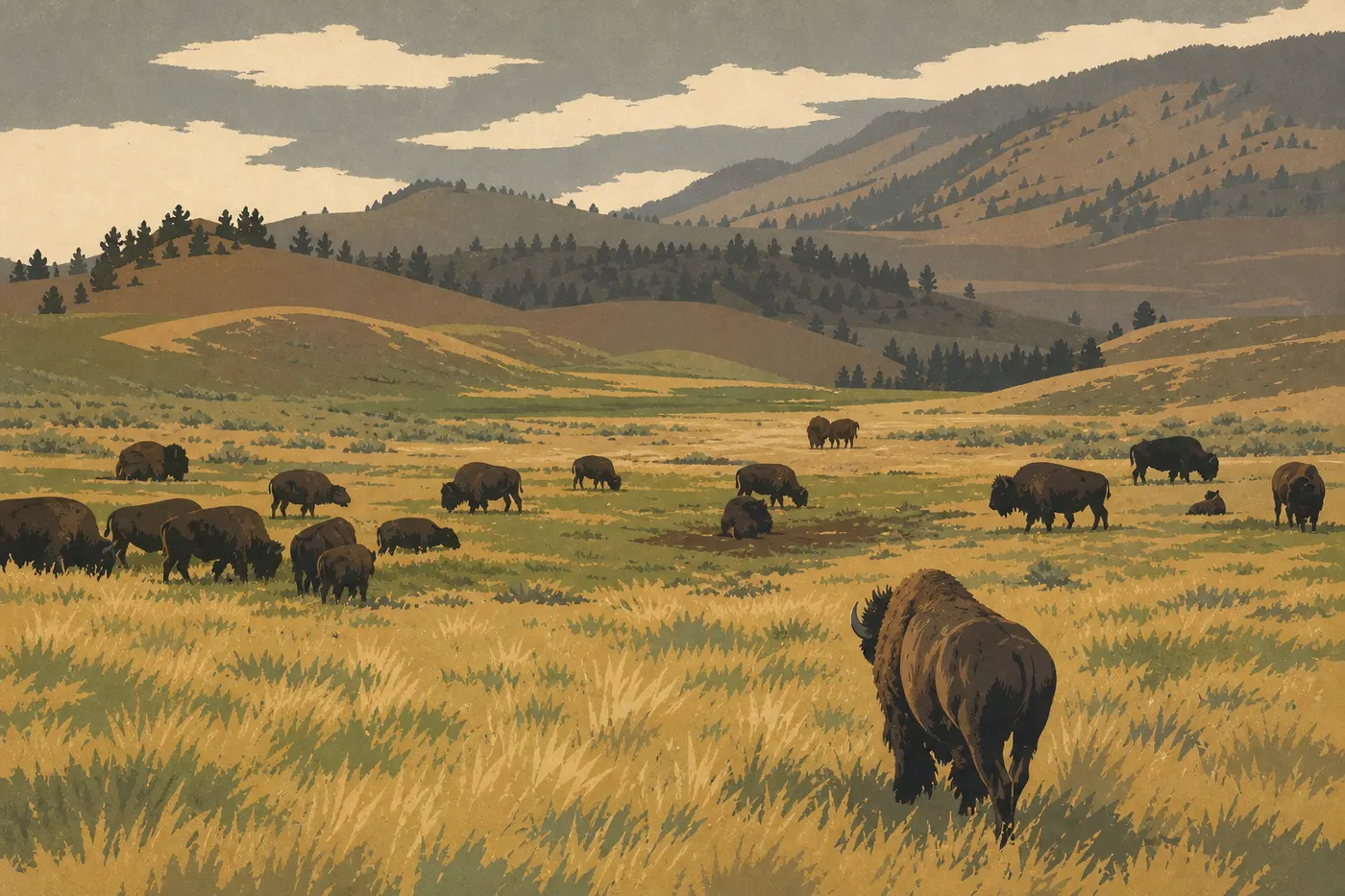
The Tower-Roosevelt area sees fewer visitors than the rest of the Grand Loop, which is exactly why we like it. Tower Fall is a 130-foot waterfall framed by basalt columns. The viewpoint from the rim is more than enough.
But the real reason to come this way is Lamar Valley. This broad grassy valley is Yellowstone's wildlife capital: hundreds of bison, elk, pronghorns, grizzlies, and, above all, the Junction Butte wolf pack, the most thoroughly documented in the world. Arrive at dawn and pull over at the pullouts whenever you see other vehicles stopping. There's almost always a good reason.
Time needed: 2 to 4 hours, or a full half-day if you're hoping to photograph wolves.
the Grand Canyon of the Yellowstone (Central East)
The canyon carved by the Yellowstone River is one of the park's most striking sights. Yellow and orange rock walls, which gave Yellowstone its name, plunge 1,000 to 1,300 feet, while the river drops through two successive waterfalls.
You can see Upper Falls (108 feet) from a nearby viewpoint on the riverbank. Lower Falls (310 feet) is the star. Admire it from Artist Point on the South Rim for the classic composition, from Lookout Point on the North Rim for a different angle, or descend the metal stairs on Uncle Tom's Trail to stand in front of the falls halfway down. It's physically demanding and vertigo-inducing, but entirely memorable.
Time needed: 2 to 3 hours for both rims.
Yellowstone Lake and West Thumb (South)
Yellowstone Lake is the largest high-elevation lake in North America, covering about 135 square miles at an elevation of 7,700 feet. It freezes almost completely in winter, and its waters stay cold even in the middle of August. Swimming isn't recommended because of the low temperatures and active thermal areas beneath the surface.
The West Thumb area is home to West Thumb Geyser Basin, right on the lake shore. The combination of the lake's deep blue water and colorful geothermal springs in the foreground makes for a rare scene. Abyss Pool, one of the deepest springs in the park, is just a few minutes from the boardwalk.
Hayden Valley, between the lake and the canyon, is the park's other major wildlife area: large numbers of bison, frequent grizzlies, coyotes, and white pelicans on the river. Drive through slowly, preferably early in the morning or late in the afternoon.
Time needed: 1 hour for West Thumb, and 1 to 2 hours for Hayden Valley depending on the wildlife.
Yellowstone's Best Hikes
Yellowstone has a network of more than 870 miles of trails, from one-hour loops to multi-day backcountry trips that require a permit. Here are a few classics to remember for a first visit:
- Fairy Falls Trail (5 miles round-trip, easy): a 200-foot waterfall, with a detour to the Grand Prismatic Overlook.
- Mount Washburn (6 miles round-trip, 1,800 feet of elevation gain): 360-degree views of the caldera from the summit.
- Uncle Tom's Trail (short, intense): a descent down metal stairs facing Lower Falls. Don't miss it if you're not afraid of heights.
- Bechler River Trail (multi-day, backcountry): the park's most isolated and wettest corner, with little-known waterfalls.
Our guide to hiking in Yellowstone covers trail details, difficulty levels, bear safety instructions, including a strong recommendation to carry bear spray, and backcountry access conditions.
Other Activities Based on Your Interests
Wildlife Watching
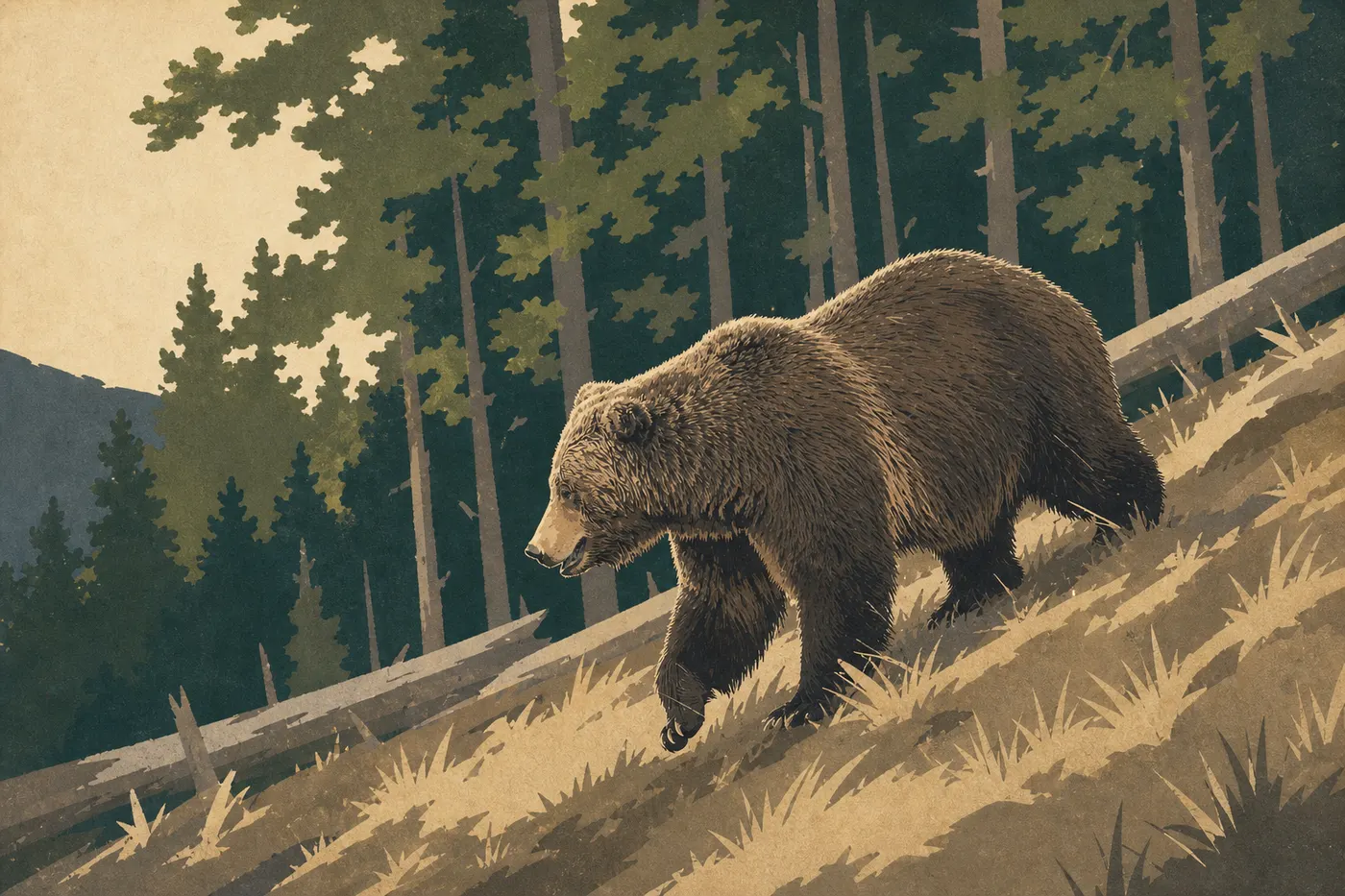
Yellowstone is one of the few places in North America where you have a real chance of seeing wolves, grizzlies, and bison on the same day. Respect the required distances: 25 yards from bison and elk, and 100 yards from bears and wolves. Our Yellowstone wildlife guide covers the best seasons, the best spots for each species, and the two main valleys to target.
Stargazing
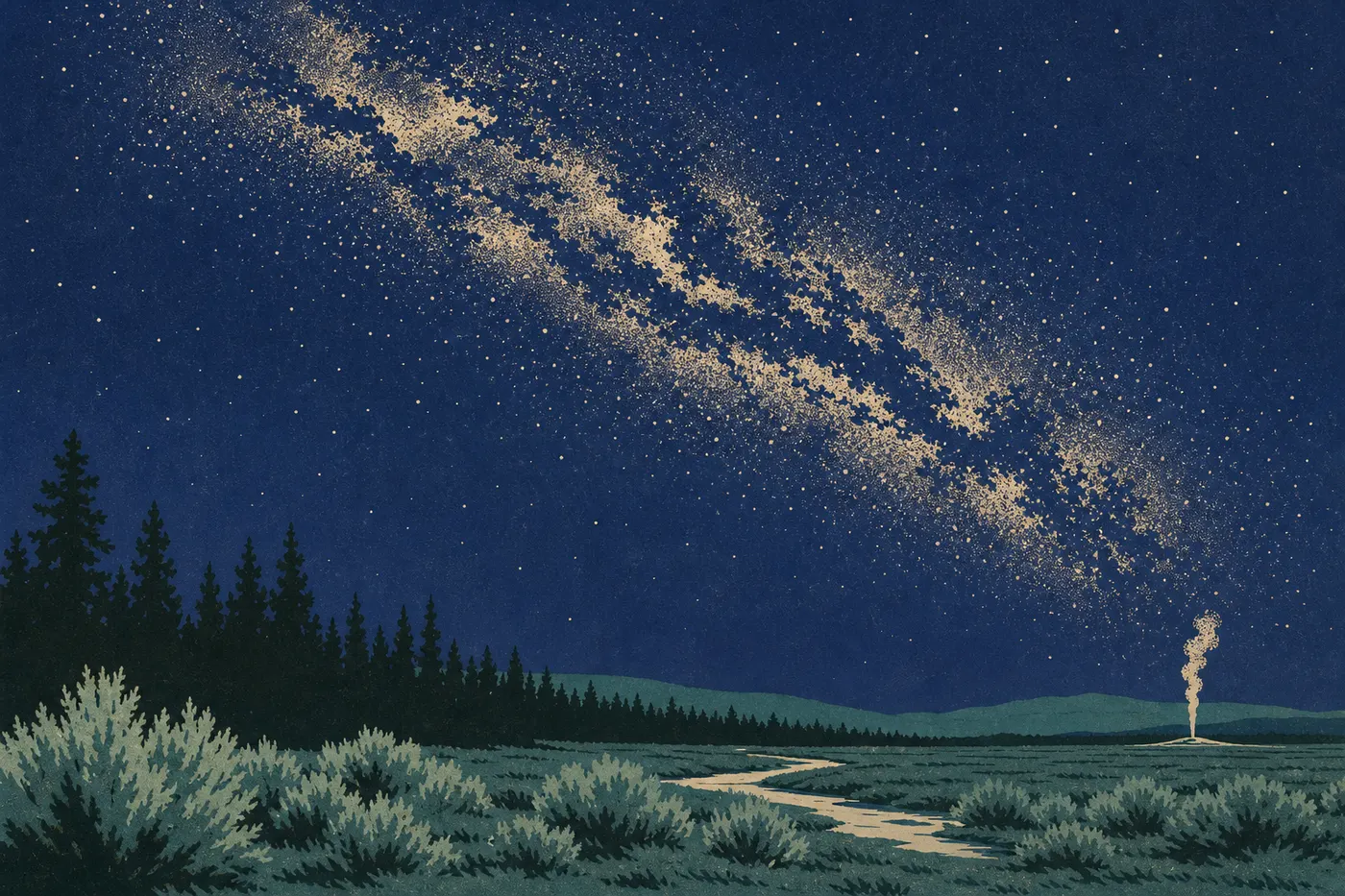
Some areas of Yellowstone have very little light pollution. On clear nights from June through September, Lamar Valley and areas far from the lodges offer skies where you can see the Milky Way with the naked eye. Keep in mind that mountain weather can change quickly. Check the forecast before planning an evening of stargazing. Our Yellowstone weather guide gives conditions hour by hour.
Biking
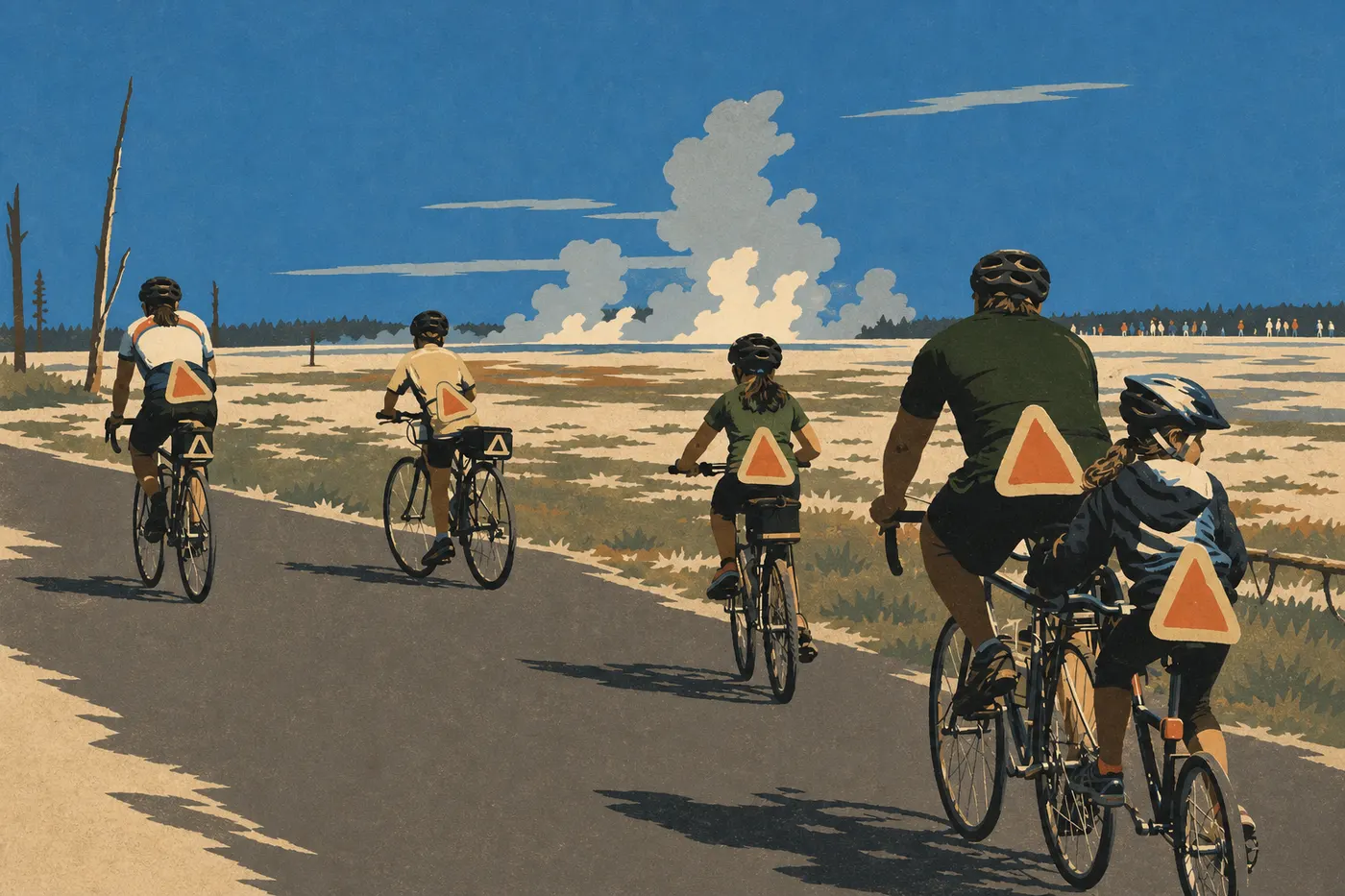
Bikes are allowed on the park roads. In April and May, before the official opening to cars, a two- to three-week window lets you ride roads that are still closed to motorized traffic. Cyclists who want the space to themselves prize the experience. The elevation gain and winds can catch you off guard.
Fly-Fishing
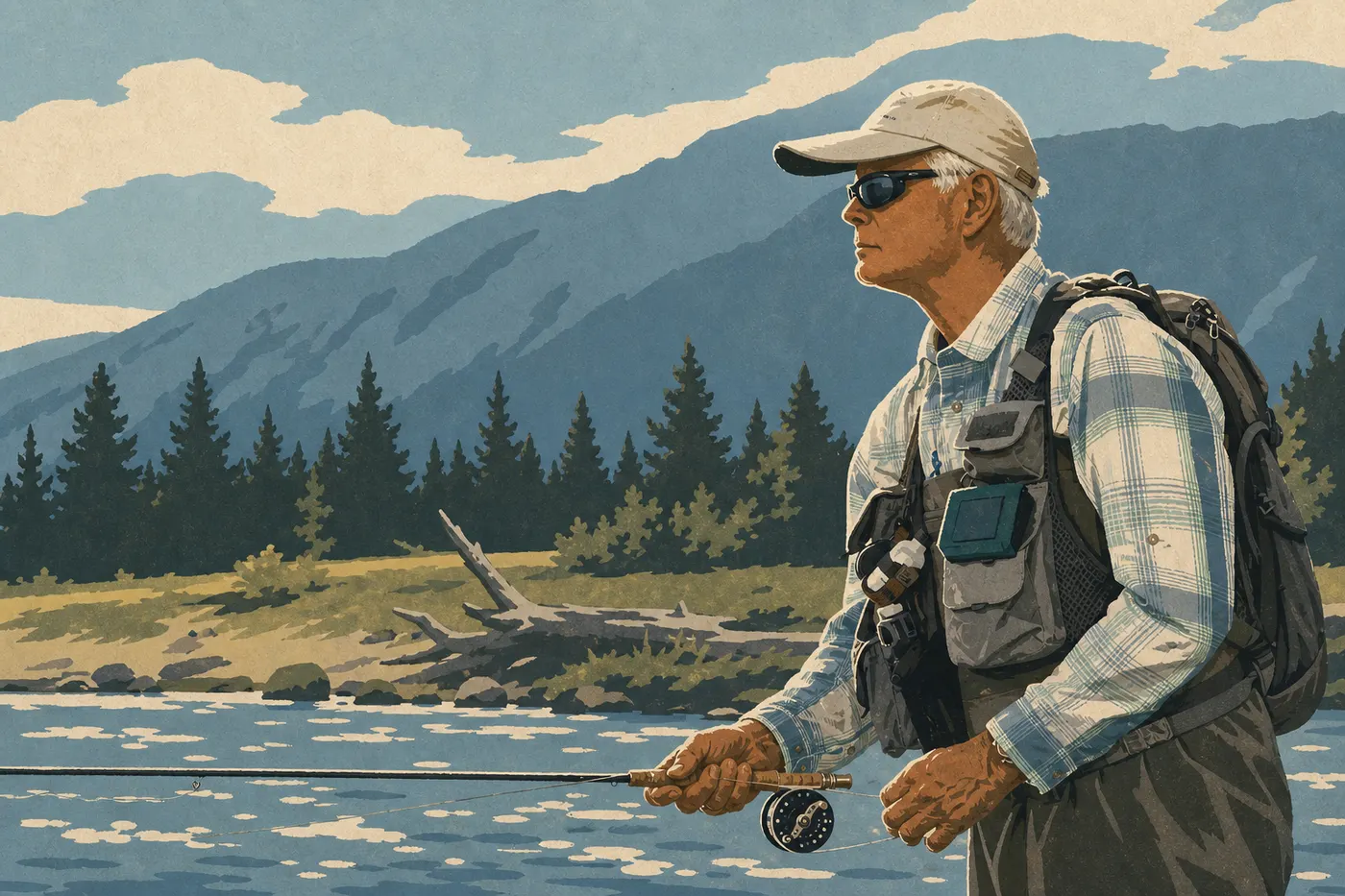
The Yellowstone River and its tributaries rank among the most respected fly-fishing spots in the United States. A specific permit, separate from the park entrance fee, is required and available at visitor centers. The season generally opens in mid-May, depending on the area.
Yellowstone in Winter
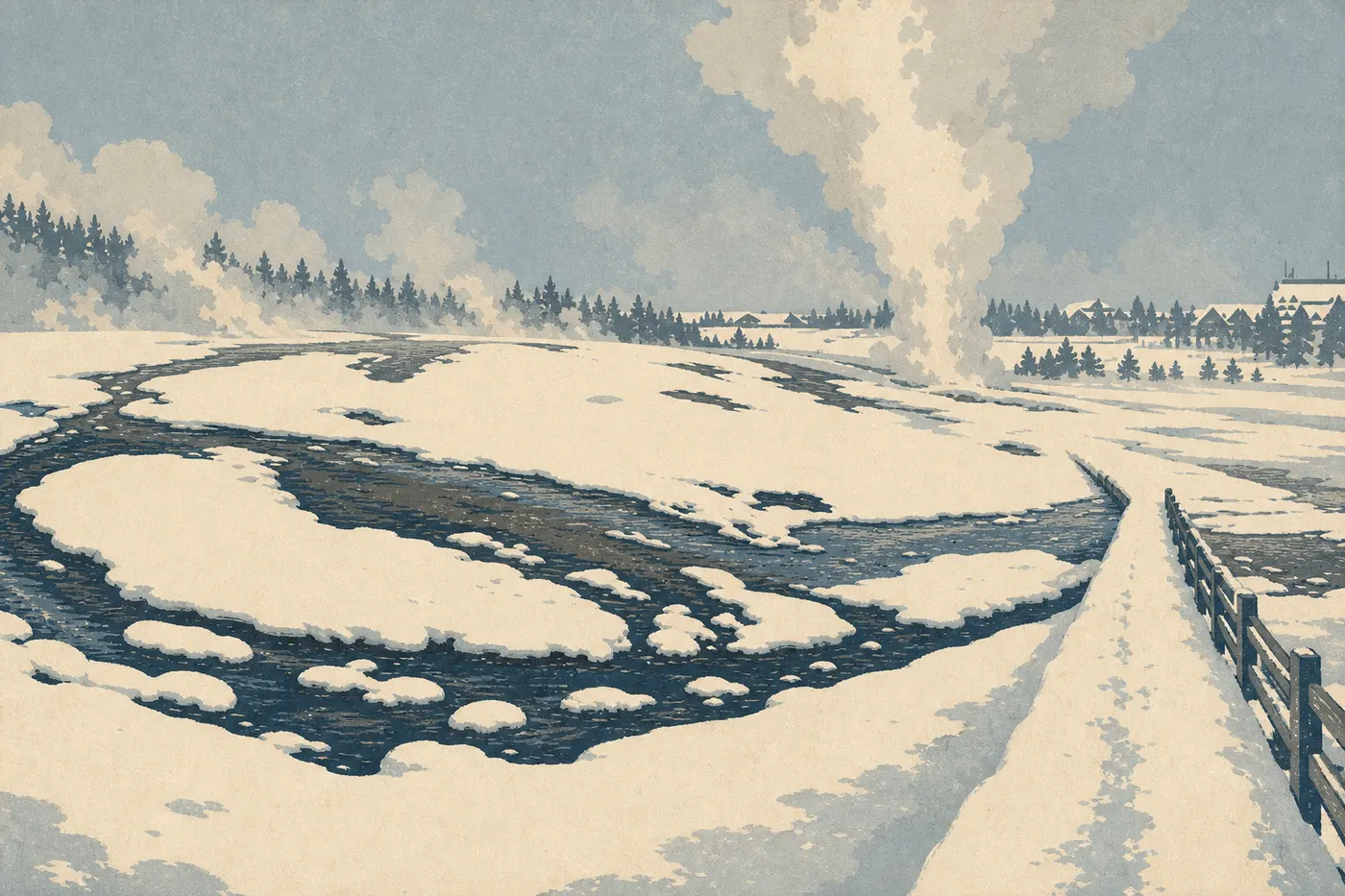
From December through March, the park transforms. Geysers steam more heavily in the freezing air, wildlife gathers in the lower valleys, and the crowds disappear. Motorized access is by snowmobile, with a guide required in some areas, or by snowcoach. Cross-country skiing is possible from Mammoth Hot Springs and West Yellowstone. See our When to Visit page for details on each season and access restrictions.
Visiting with Kids
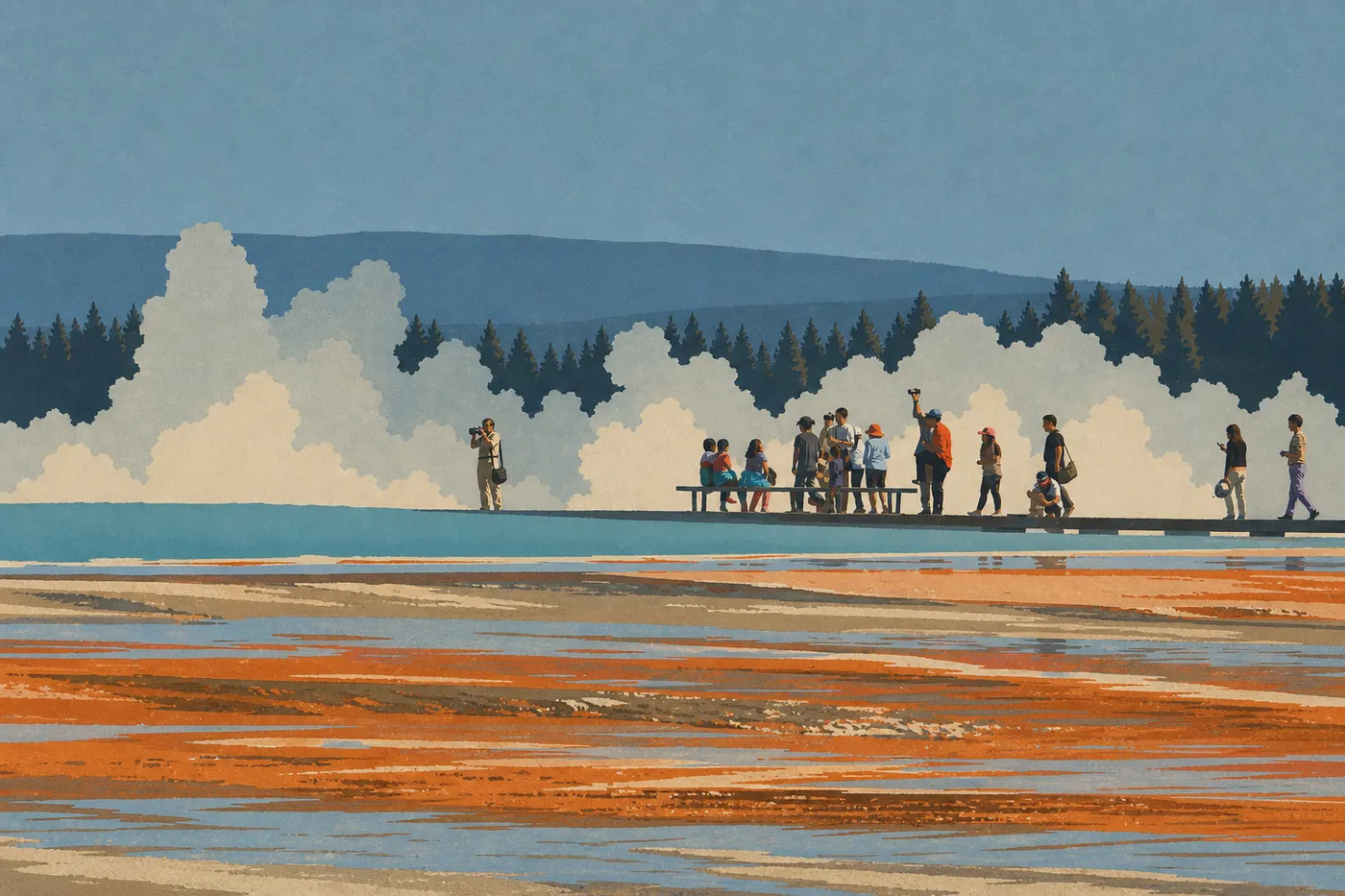
Yellowstone is an exceptional playground for kids, as long as you prepare carefully for the safety rules, including wildlife distances and never leaving the boardwalks. The NPS Junior Ranger program is available at visitor centers. Our Yellowstone family guide lists age-appropriate activities and things to avoid.
What to Do Around Yellowstone
Yellowstone doesn't stand alone easily, and that's one of its strengths. Six miles south of the South Entrance, Grand Teton National Park lines up jagged peaks rising 13,100 feet above a flat plain. The visual contrast with Yellowstone is striking, and combining the two parks in one loop is one of the most popular road trips in the American West. Plan on at least one full day there.
To the east, the East Entrance leads into Shoshone National Forest and the road to Cody, Wyoming, a Western town with the Buffalo Bill Center of the West. This museum devoted to the history of the American frontier is worth half a day if you're interested in the subject.
To the northwest, West Yellowstone, Montana, is the most convenient lodging base for the park. Our Where to Stay guide covers lodges inside the park, campgrounds, and hotels in gateway towns. Book early because everything fills up months in advance during the summer.
Seven- to fourteen-day loops let you combine Yellowstone and Grand Teton in one trip, starting from Salt Lake City or Denver. Our Rocky Mountains section provides the broader geographic context.
The Essentials: What to See First in Yellowstone
If you've only got one day, which we don't recommend but sometimes happens, here's the priority order:
- Old Faithful + Upper Geyser Basin: arrive for an eruption and stay for the basin loop.
- Grand Prismatic Spring in Midway Geyser Basin: 6 miles north of the previous stop, including the overlook.
- the Grand Canyon of the Yellowstone from Artist Point and Lower Falls: on the way north or on the return trip.
- Hayden Valley at dawn or late afternoon for wildlife, without a major detour.
Yellowstone is absolutely worth the trip. It's the world's first national park, established on March 1, 1872, and the only place open to the general public where geysers, grizzlies, wolves, and a canyon coexist within a few hours' drive. Plan on at least three days. You'll come home wishing you'd had seven.
To plan your trip from start to finish, our complete Yellowstone guide brings together lodging, transportation, fees, safety, and a map.
Frequently Asked Questions
What is there to do in Yellowstone?
In Yellowstone, you can see geysers and hot springs across seven major geothermal areas, look for wildlife, including bison, wolves, and grizzlies, in Hayden and Lamar valleys, hike more than 870 miles of trails, and take in the Grand Canyon of the Yellowstone River and its 310-foot falls. It's a multifaceted park that deserves several days.
Is Yellowstone worth visiting?
Yellowstone is absolutely worth visiting. It's the world's first national park, established in 1872, and the only place open to the general public where you can see erupting geysers, bears, wolves, and a canyon with colorful walls on the same day. Few visitors leave disappointed.
How many days do you need to visit Yellowstone?
Three days cover the main areas of the Grand Loop at a brisk pace. For a relaxed visit with hikes, time to watch wildlife, and less hustle, plan on five to seven days. Our Itinerary and Length guide offers plans based on how much time you have.
What are the must-see things to do in Yellowstone?
The Yellowstone essentials are watching Old Faithful erupt, seeing Grand Prismatic Spring from its overlook, exploring Norris Geyser Basin, watching wildlife in Lamar Valley at dawn, discovering the travertine terraces at Mammoth Hot Springs, and taking in Lower Falls from Artist Point.
What hike should you do in Yellowstone?
For a first visit, Fairy Falls Trail is the park's best payoff for the effort. It's an easy 5-mile round-trip hike with a beautiful waterfall and an aerial view of Grand Prismatic Spring. Mount Washburn, a 6-mile hike with moderate elevation gain, offers the most complete panorama of the caldera. Our Hiking page ranks every trail by difficulty and duration.