
Wind Cave Wildlife: What You'll See and Where to Look
Wind Cave National Park is first and foremost a mix of grassland and ponderosa pine forest in the Black Hills of South Dakota, and that's where you'll find most of its wildlife. Five species sum up what you're likely to encounter: American bison, black-tailed prairie dogs, elk, pronghorn, and mule deer. With a well-planned day, you have a good chance of seeing at least three without leaving your car.
Wind Cave's Iconic Wildlife
American Bison
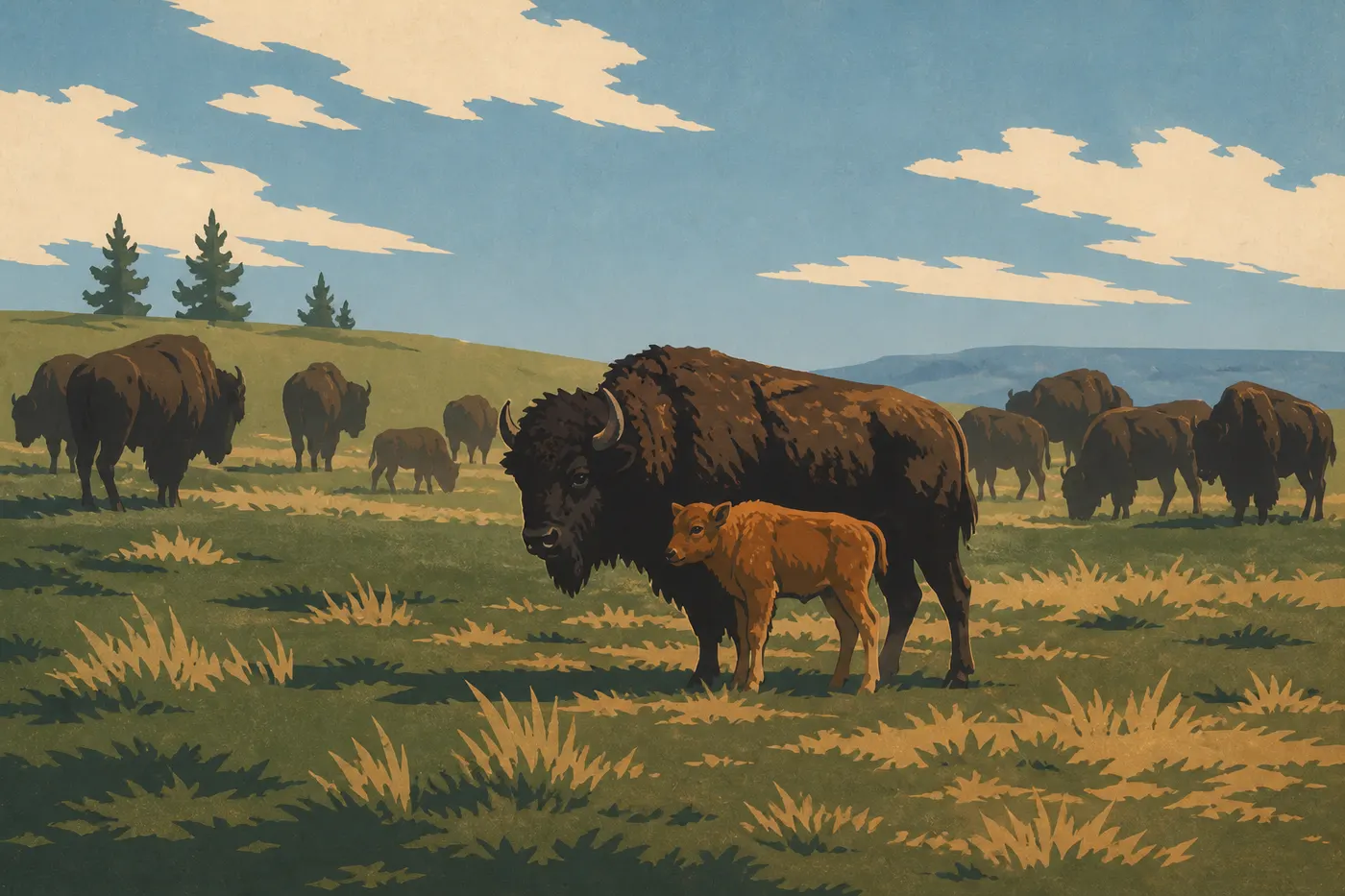
Bison are the stars of Wind Cave. The current herd descends directly from the 14 animals introduced from the New York Zoo in 1913, as part of one of North America's first wildlife conservation programs. The park now manages several hundred animals spread across the grasslands.
An adult bull can weigh more than 2,000 pounds. Bison graze slowly and look unhurried, but they can charge at 31 mph without any warning. In summer, herds graze on the open plateaus all day. In fall, the rut brings deep vocalizations and spectacular confrontations between bulls, complete with head-on clashes and clouds of dust.
Black-Tailed Prairie Dogs
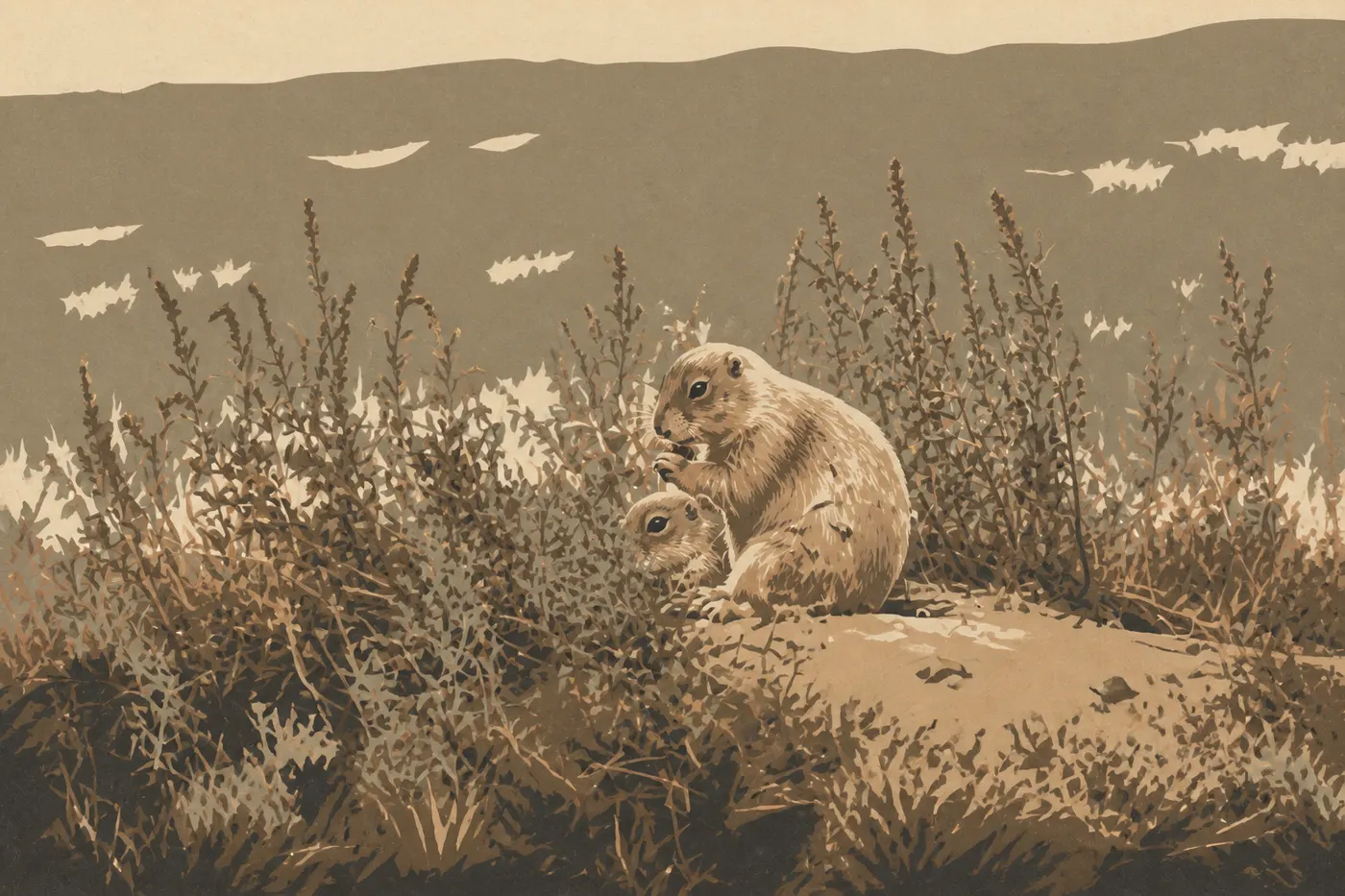
Despite the name, a prairie dog is a rodent and a close relative of the ground squirrel. Wind Cave is home to several active colonies, visible from the road as small, evenly spaced mounds of earth. These social animals communicate with high-pitched calls, which earned them their nickname.
Their ecological role is fundamental. Their burrow networks shelter many other species, including the burrowing owl (Athene cunicularia), which literally nests in abandoned tunnels. Summer mornings, when the whole colony is active aboveground, offer the best show.
Elk
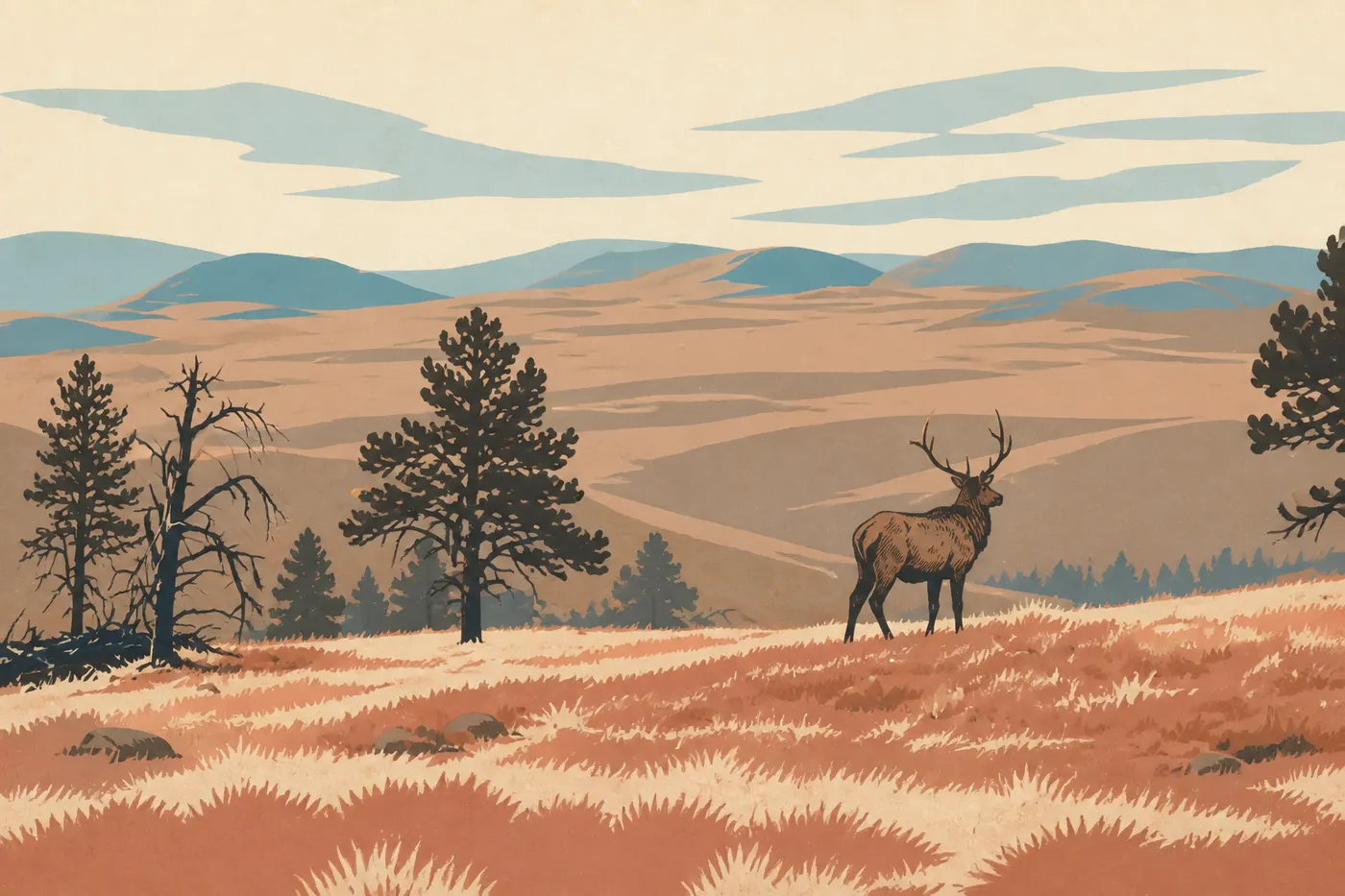
The park's largest deer, elk mainly frequent wooded ponderosa pine edges. Bulls grow impressive antlers that fall off every winter and start growing back in spring. The fall rut, from early September through late October, produces bugling calls that carry for several miles, so it's hard to miss the season.
Morning and dusk are the best times to look. In midsummer, elk retreat into the shade during the hottest hours, safely under the forest canopy.
Pronghorn
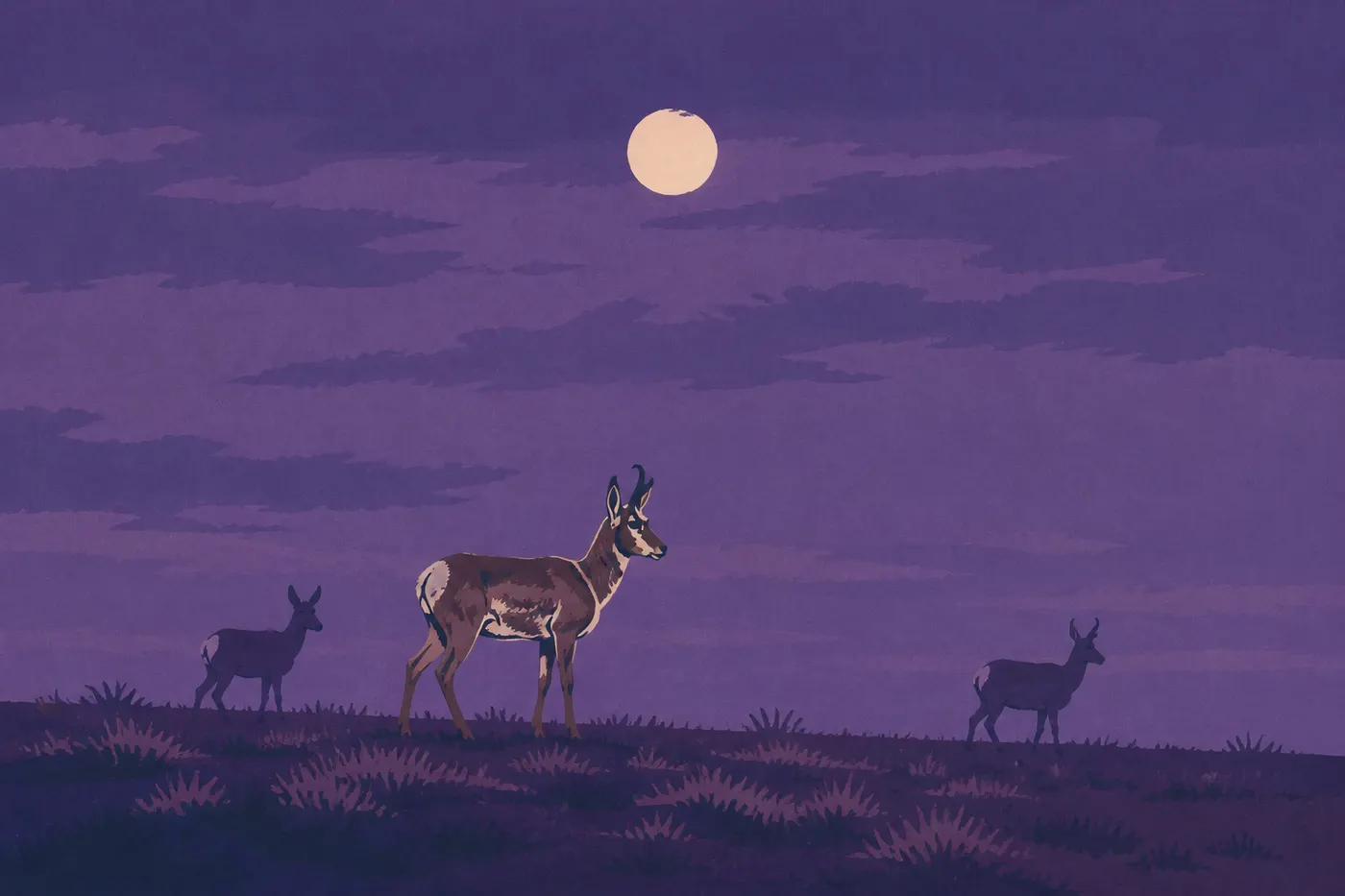
Pronghorn are North America's fastest land animal. They can sustain speeds of 50 mph over long distances, which lets them outrun nearly all of their predators. They look superficially like African gazelles, but they don't belong to any family found elsewhere in the world.
At Wind Cave, pronghorn frequent open grasslands, often in small groups. Their hooked horns, found in both sexes, are distinctive. They're skittish, so stay in your vehicle for a longer look. If you get out, they'll run away on foot.
Mule Deer and White-Tailed Deer
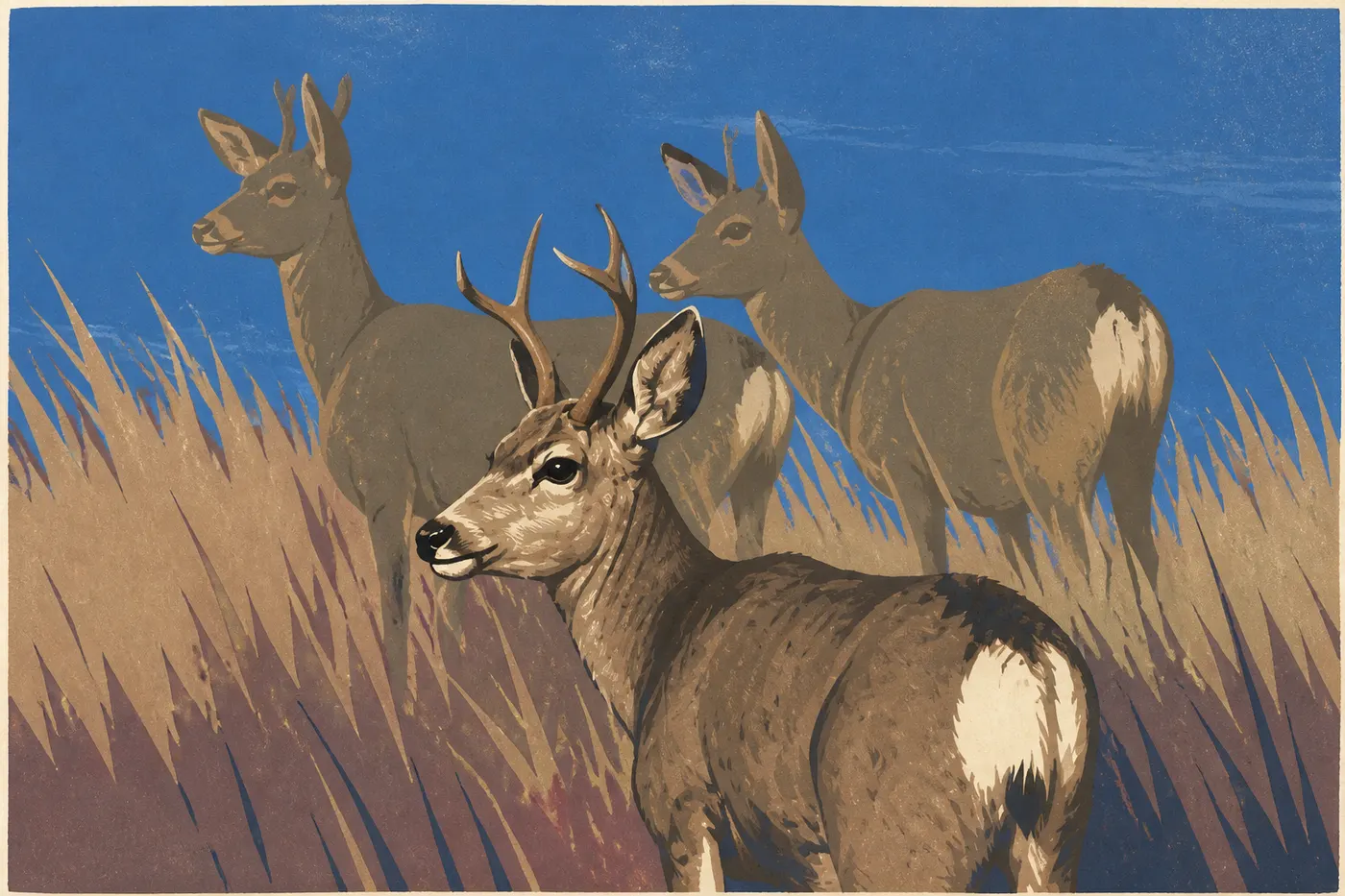
Two deer species coexist at Wind Cave. Mule deer (Odocoileus hemionus) prefer wooded areas and rocky slopes. Their large, fan-shaped ears are their trademark. White-tailed deer (Odocoileus virginianus) are more likely to venture along grassland edges and in valley bottoms.
You'll see both species throughout the park. Fawns are born in spring with spots that help them blend into the vegetation, then lose those spots in fall.
How to Tell Mule Deer and White-Tailed Deer Apart
Two clues are enough to tell them apart with confidence. First, the ears. Mule deer have large ears spread wide like satellite dishes, while white-tailed deer have smaller ears set closer together. Then look at the tail when they run. A mule deer's tail hangs low and is black at the tip. A white-tailed deer raises a broad white tail like a flag, visible from a long way off. The white rump is nearly impossible to miss.
Cave Wildlife
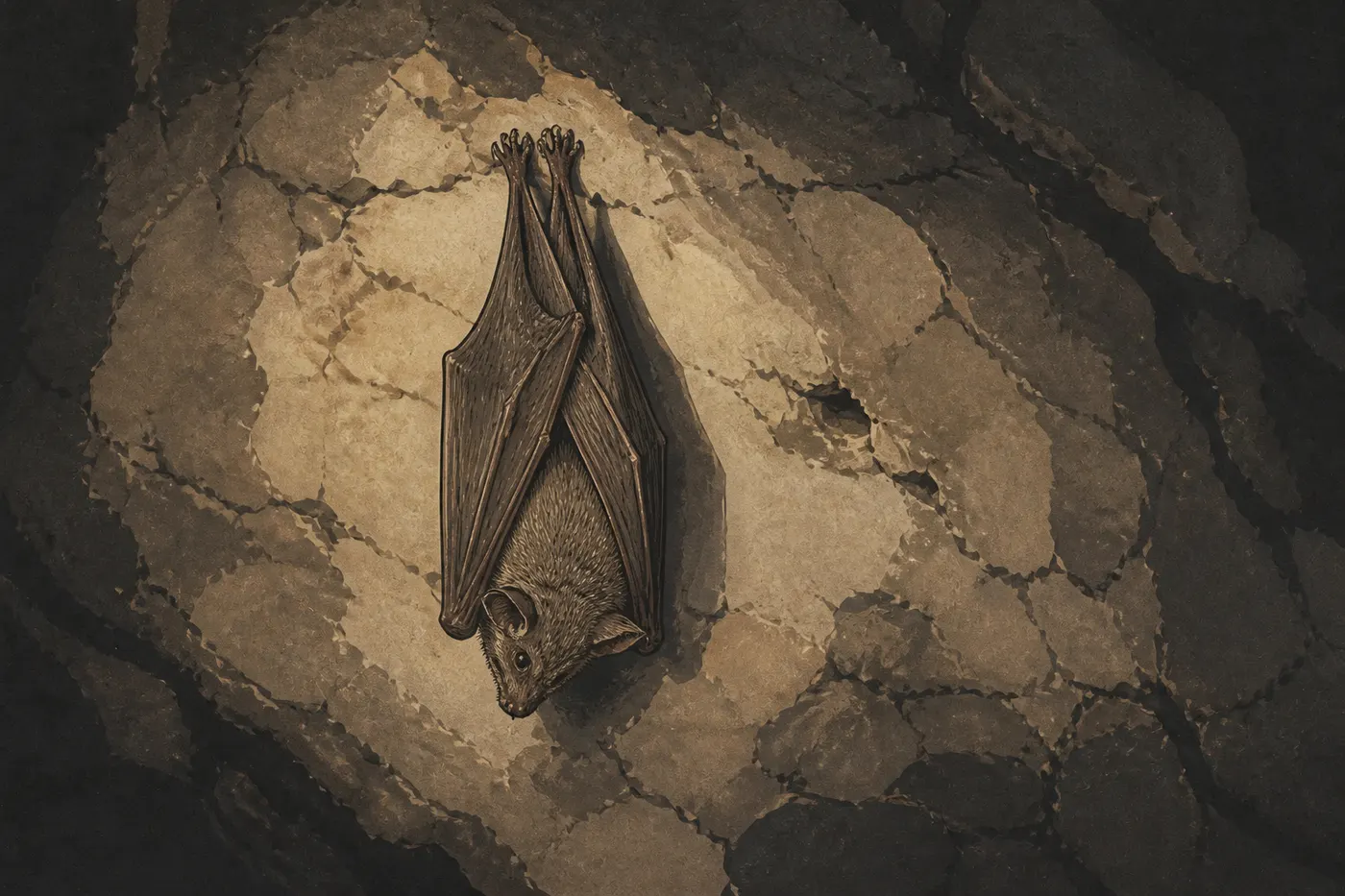
Wind Cave also shelters a small but very real underground community. Cave crickets are the main residents, along with invertebrates perfectly adapted to the network's darkness and constant moisture. They cling to the walls and ceilings. A few bat species occasionally use certain passages. Surface-dwelling mammals don't descend into the cave. The underground and terrestrial wildlife live in two separate worlds, with completely different access routes.
Where to See Wildlife in Wind Cave
The mixed-grass prairie that covers most of the park is the most productive area. These are the sectors to remember.
US Highway 385 at sunrise. The main road crosses the park from north to south. Bison, deer, and pronghorn often travel along the shoulders in the early morning. The park's speed limit is 35 mph. Stay below it and keep your low beams on if the light is still low. If a bison herd is on the road, turn off your engine and wait.
Rankin Ridge. The park's highest accessible point, at about 4,035 feet, offers a panoramic view across the grasslands. The Rankin Ridge Trail is a 1.0-mile round-trip hike that passes near a lookout tower, making it ideal for spotting bison and elk from above.
Prairie dog colonies. You can identify them from the car by their regular mounds. Several colonies are concentrated in the central part of the park, near the Visitor Center. Aboveground activity peaks in the morning.
Wind Cave Canyon Trail. This trail along a wooded canyon bottom passes through habitats that differ from the open grassland, increasing your chances of seeing a variety of wildlife, especially deer and coyotes.
The Wind Cave hiking guide lists the trails, their profiles, and the species regularly seen along them.
When to Watch Wildlife at Wind Cave
Dawn and dusk are the prime windows for mammal watching. Around midday, deer retreat into the shade. Bison, on the other hand, graze all day.
Spring (April–May). Deer fawns, bison calves, and pronghorn fawns are born. Prairie dog colonies are highly active.
Summer (June–August). Bison herds stand out clearly on the grasslands. Temperatures regularly climb above 81°F, so head out before 8 a.m. or after 6 p.m. for both comfort and better wildlife viewing.
Fall (September–October). Elk and bison are in the rut. Golden light is good for photography, days are dry, and nights are chilly, with temperatures dropping below freezing.
Winter (November–March). The park stays open, but roads can close after heavy snowfalls. Annual snowfall averages more than 30 inches. Bison stand out clearly against the white landscape. Bring suitable cold-weather clothing.
The When to Visit Wind Cave guide breaks down conditions and natural events month by month, based on your travel dates.
Predators and Large Animals of Wind Cave
Mountain Lions
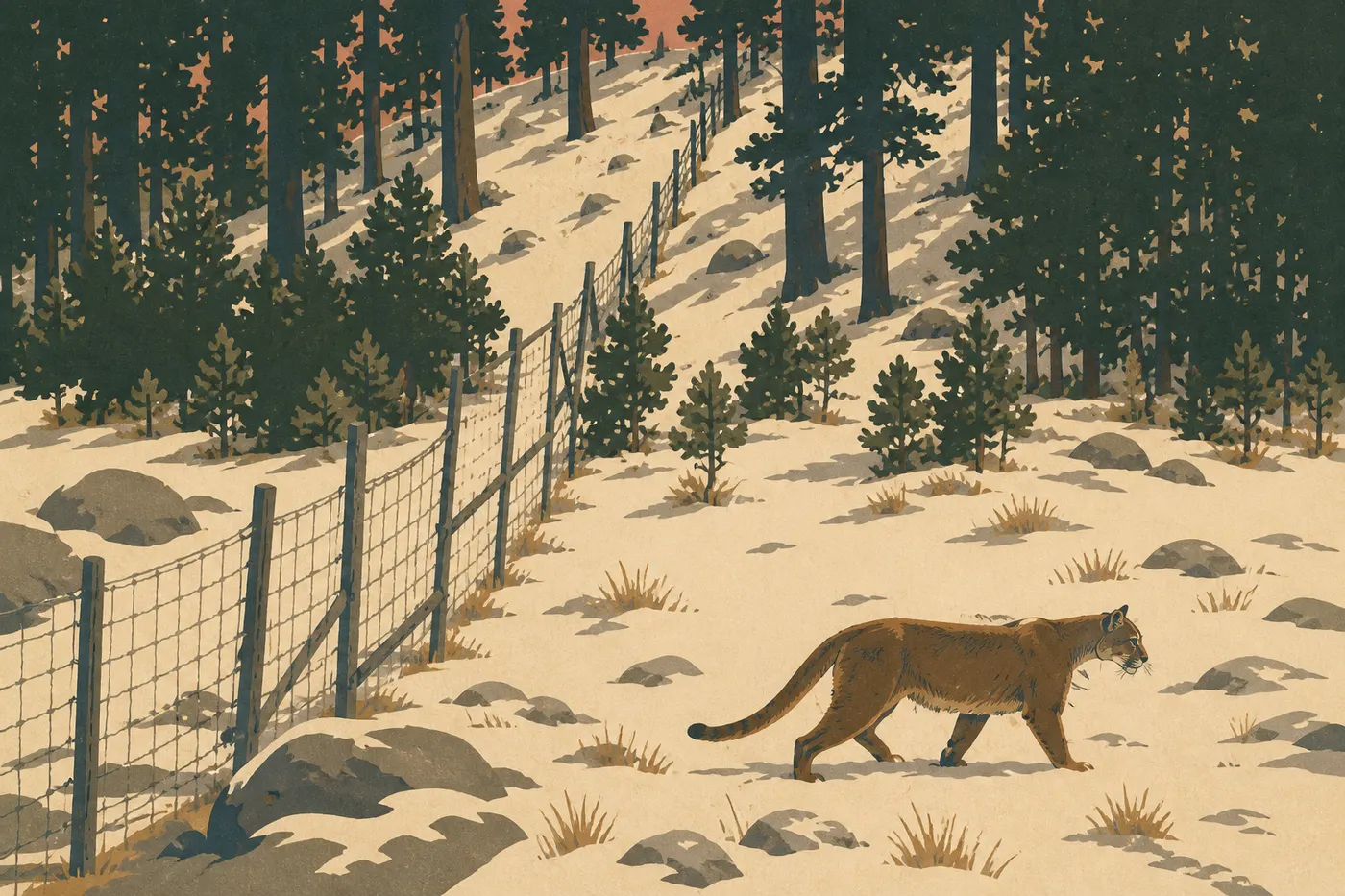
Wind Cave is home to a population of mountain lions, which are rarely seen because they're extremely elusive and mostly active at night. NPS trail cameras confirm their presence. They play an important role by naturally regulating deer and pronghorn populations.
If you do encounter one, which is exceptional, don't run. Face the animal, make yourself look large, and speak firmly.
Coyotes
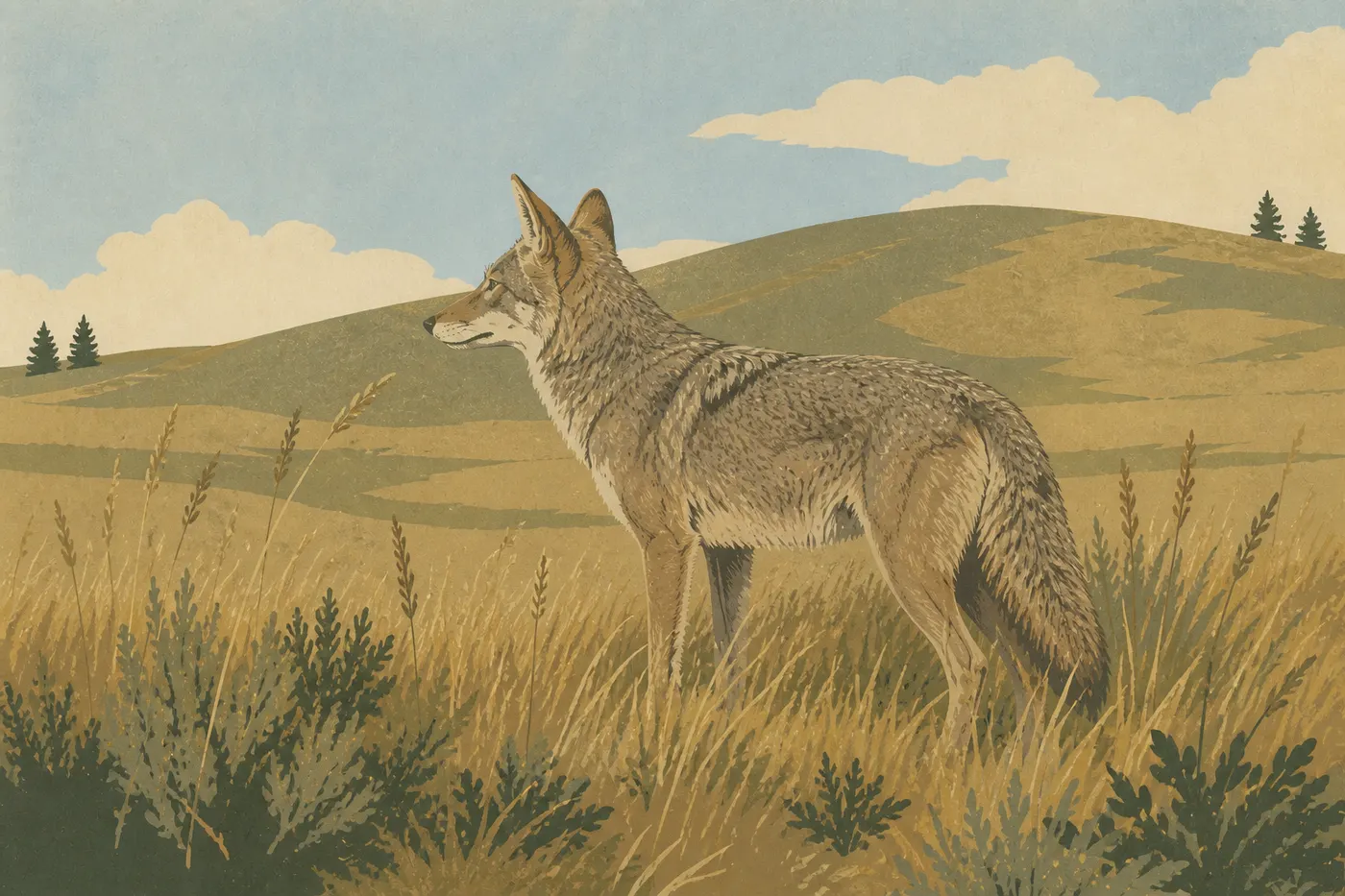
Coyotes are the predators you're most likely to see, in the grasslands at dawn or late afternoon. They hunt prairie dogs and small rodents. Their characteristic call, a series of high-pitched barks and howls, is often heard at sunset.
American Badgers
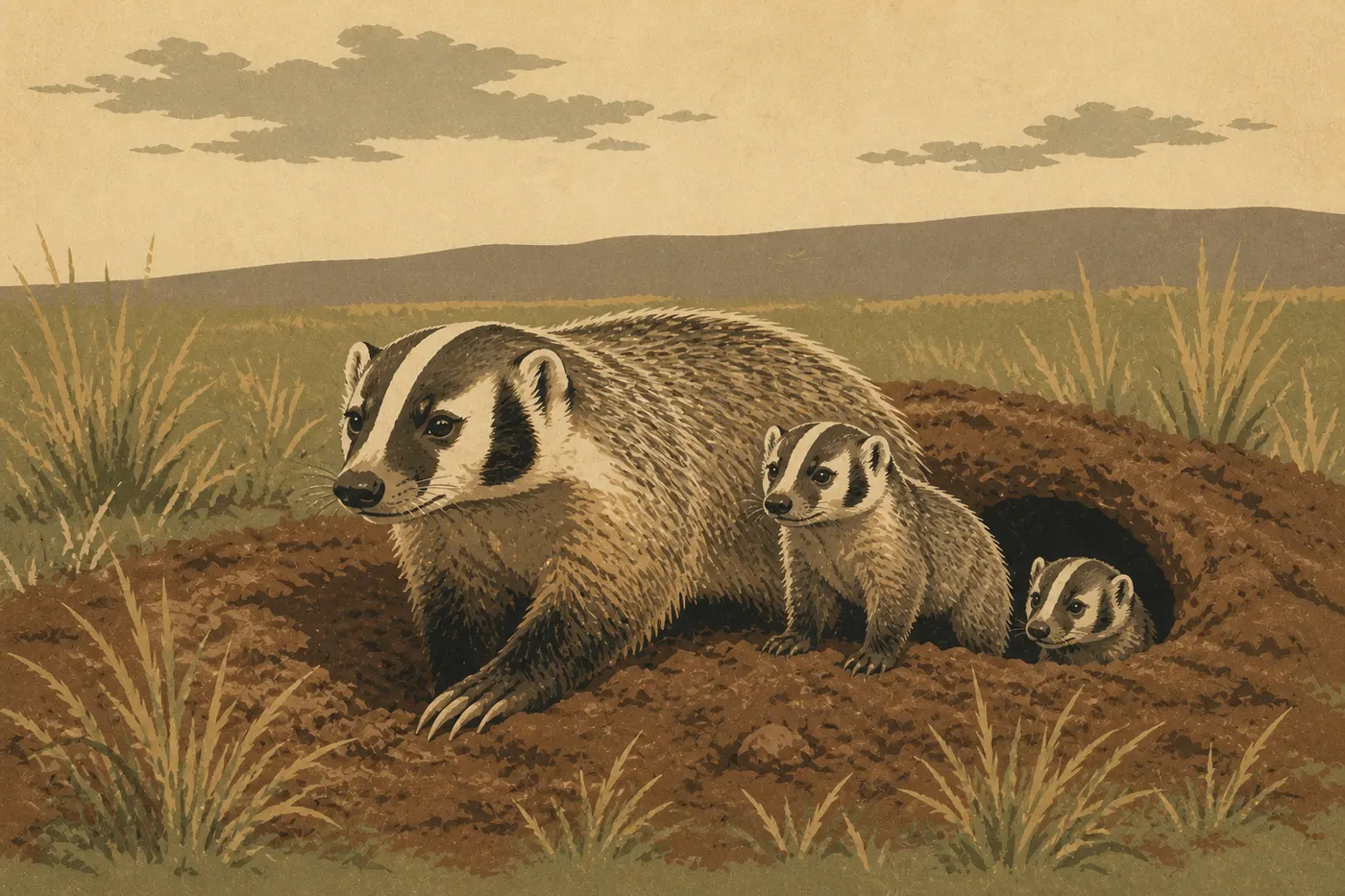
Less familiar to visitors, badgers (Taxidea taxus) frequent the same areas as prairie dogs, which they hunt by digging into their burrows. They're nocturnal in summer, but you may sometimes see them in the late afternoon around prairie dog colonies. Their stocky shape, pale sides, and striped muzzle are distinctive.
Prairie Rattlesnakes
The prairie rattlesnake (Crotalus viridis) is the park's only venomous species. It stays out of sight and usually prefers to flee when a person approaches. When hiking, look before putting your foot down in tall grass, and don't reach into rocky crevices. If you hear the characteristic rattle, calmly back away.
How to Watch Wildlife Safely
Keep the required distance. The NPS requires a minimum distance of 25 yards, or 75 feet, between you and any wild animal. For bison and elk, keep at least 100 yards, or 300 feet, away when they're agitated or with young. These distances aren't suggestions. A charging bison can reach you in two seconds.
Never feed an animal. Not even prairie dogs or squirrels. Human food disrupts their behavior and harms their health. An animal conditioned to approach people often ends up being euthanized by rangers.
Stay on marked trails. Going off trail disturbs resting and birthing areas, and you could damage prairie dog burrows.
Never get between a mother and her young. The rule applies to bison, elk, and even deer. A doe may charge if she feels cornered.
If you meet a herd on the road. Turn off your engine and wait for the bison to cross. Don't honk. Don't get out to take pictures. A bison can hit a car door and cause serious damage.
For broader safety guidance, including thunderstorms, extreme heat, and medical emergencies at Wind Cave, ask a ranger at the park entrance or check the notices at the Visitor Center.
In Short: Wildlife You Shouldn't Miss and Where to Find It
| Species | Where to look | Best window |
|---|---|---|
| American bison | US Highway 385, open plateaus | Year-round, dawn/dusk |
| Prairie dog | Colonies near the Visitor Center | Spring–summer, daytime |
| Elk | Ponderosa pine edges | Dawn, fall rut |
| Pronghorn | Open grasslands, US Highway 385 | Morning, spring–fall |
| Mule deer | Wooded areas, Wind Cave Canyon Trail | Dawn, dusk |
| Coyote | Grasslands, edges of colonies | Dawn, sunset |
| Mountain lion | Anywhere, highly elusive | Rarely seen |
All the resources you need to plan your visit are gathered in our complete Wind Cave guide.
Frequently Asked Questions
What wildlife lives in Wind Cave National Park?
Wind Cave is home to American bison, black-tailed prairie dogs, elk, pronghorn, mule deer, white-tailed deer, coyotes, American badgers, and mountain lions. The park is one of the few protected areas in the Great Plains where all these species share one continuous landscape.
What animals live in Wind Cave's caves?
Wind Cave's caves are home mainly to cave crickets and invertebrates adapted to the darkness and constant moisture of the underground network. A few bat species occasionally stay there. Underground wildlife is very different from surface wildlife and remains hard to see on standard guided tours.
Are there bears in Wind Cave National Park?
Black bears are reported very occasionally in the Black Hills, but they're extremely rare at Wind Cave and would be a surprise rather than an expectation. There are no grizzly bears in this part of South Dakota. The species isn't found in the Black Hills.
What animal will you find in the cave during guided tours?
On NPS guided tours, you may spot cave crickets clinging to the walls. Guides sometimes point them out depending on the season and the area you're visiting. Surface-dwelling mammals don't enter the network. The cave and the grassland are two completely separate habitats.