
What to Do in Wind Cave: The Essential Experiences
Wind Cave National Park is best experienced in two parts, and that's exactly what sets it apart from America's national parks. Below ground, you'll find one of the world's most extensive caves, a network of passages covered in honeycomb-like boxwork formations found nowhere else in such abundance. Above ground, nearly 54 square miles of untouched mixed-grass prairie are home to free-roaming bison, elk, pronghorns, and prairie dogs. The three absolute essentials are booking a cave tour, heading out at dawn to watch wildlife on the prairie, and hiking at least one trail to get away from the roads. Everything else during your stay revolves around these three experiences.
Wind Cave at a glance: Areas, access, and getting around
The park is in South Dakota, 11 miles north of Hot Springs and 22 miles south of Custer, along US Highway 385. The Visitor Center, where all cave tours begin, is less than 0.6 miles west of the main highway.
Geographically, Wind Cave divides into two distinct areas:
- The underground area: the cave, accessible only through guided tours led by NPS rangers. The entrance is just steps from the Visitor Center, with an adjacent parking lot.
- The surface prairie: a broad grassy plateau crossed by several roads suitable for regular vehicles, with parking areas and overlooks spread throughout the network.
The park has no internal shuttle. A car is still the most efficient way to cover the prairie, but some trails also let you reach it on foot from the Visitor Center. In winter, snowfall may temporarily close some secondary roads. For current access conditions and Visitor Center hours, see how to get to Wind Cave.
How much time do you need to visit Wind Cave?
One well-planned day is enough to cover the highlights: a cave tour in the morning (1 to 1.5 hours for the most common options), a midday wildlife drive on the prairie, and a short hike in the late afternoon before the evening light gets low. That's how most visitors experience Wind Cave when they're stopping here during a Black Hills road trip.
With two days, you can fit in two cave tours at different levels, a longer hike, and both of the best wildlife-viewing windows: sunrise and the hour before sunset, when animals are most active.
Our Itinerary & Length page offers detailed plans based on how much time you have, including ways to add Wind Cave to a longer Black Hills stay.
The highlights, area by area
The cave: Boxwork and an underground wonder
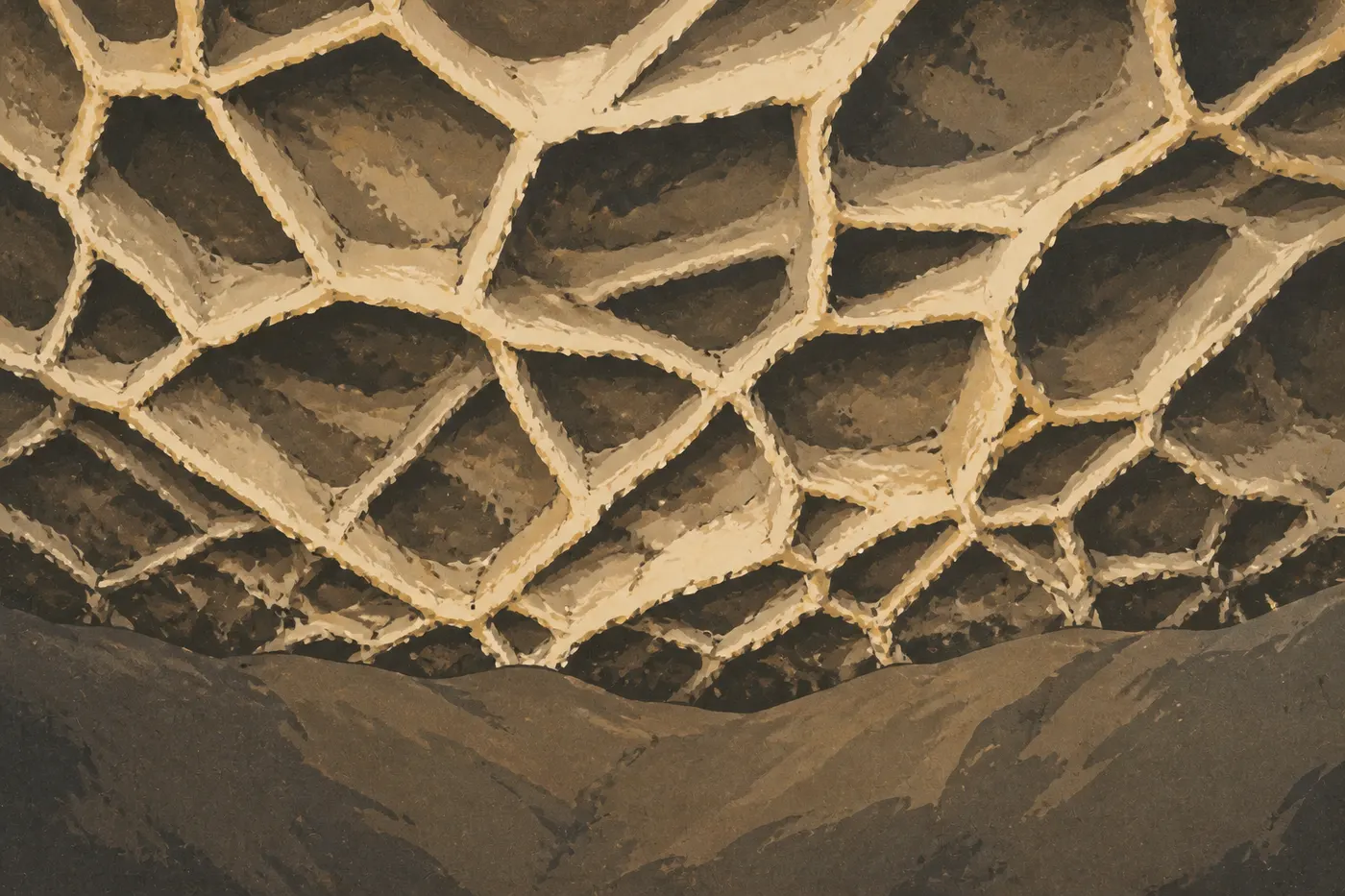
Wind Cave gets its name from the draft you can feel at its natural entrance. When the outside air pressure drops, air rushes out of the cave. When pressure rises, air is pulled inside. Early explorers noticed this phenomenon in 1881, and it helped guide the gradual discovery of the underground network.
Underground, the park's visual signature is boxwork: finely carved calcite partitions that cover ceilings and walls like the cells of a honeycomb. This rare geological formation exists in other caves around the world, but rarely in such abundance or such a well-preserved state. Wind Cave is therefore a global reference point for cave geologists. You'll also see popcorn, small bulbous growths on the walls, and frostwork, needle-like aragonite crystals. Boxwork dominates, though, and leaves a lasting impression.
The cave is accessible only through guided tours. The NPS offers several options for different levels of interest and physical fitness.
Garden of Eden Tour (about 1 hour): the introductory tour. It's a short route accessed by elevator, with no particular physical challenge. It's ideal for visitors with limited mobility or for a first cave experience with young children.
Natural Entrance Tour (about 1 hr 15 min): you enter through the drafty natural opening, walk down several dozen steps, and exit by elevator. This tour showcases the finest boxwork in spacious passages. It's our clear recommendation for a first visit.
Fairgrounds Tour (about 1.5 hours): the full-size tour. It covers more passageways than the two options above and passes through a wider variety of rooms. It's for visitors who want to go farther into the cave without embarking on an adventure.
Candlelight Tour (about 2 hours): an immersion in 19th-century exploration conditions. Electric lanterns are replaced with real candles. The atmosphere changes completely. Shadows cast across the boxwork reveal reliefs that disappear under modern lighting. Spaces are very limited, so book at the Visitor Center first thing in the morning or in advance if this option interests you.
Wild Cave Tour (about 4 hours): the tour for caving enthusiasts. The park provides helmets and coveralls. The group explores passages never developed for tourism, including tight spaces, crawls, and belly-crawling sections. It's physically demanding and reserved for participants in good condition, generally age 16 and up. Check the requirements at the Visitor Center. This is the rawest and most memorable experience, and the one that best conveys the true scale of the network.
Practical tips: the cave temperature stays around 55°F year-round. Bring a warm layer even when it's 86°F outside. Closed-toe shoes with non-slip soles are required for every tour. During the busy season, from June through August, tours often sell out in the morning. Get to the Visitor Center early.
The surface prairie: Bison, pronghorns, and prairie dogs
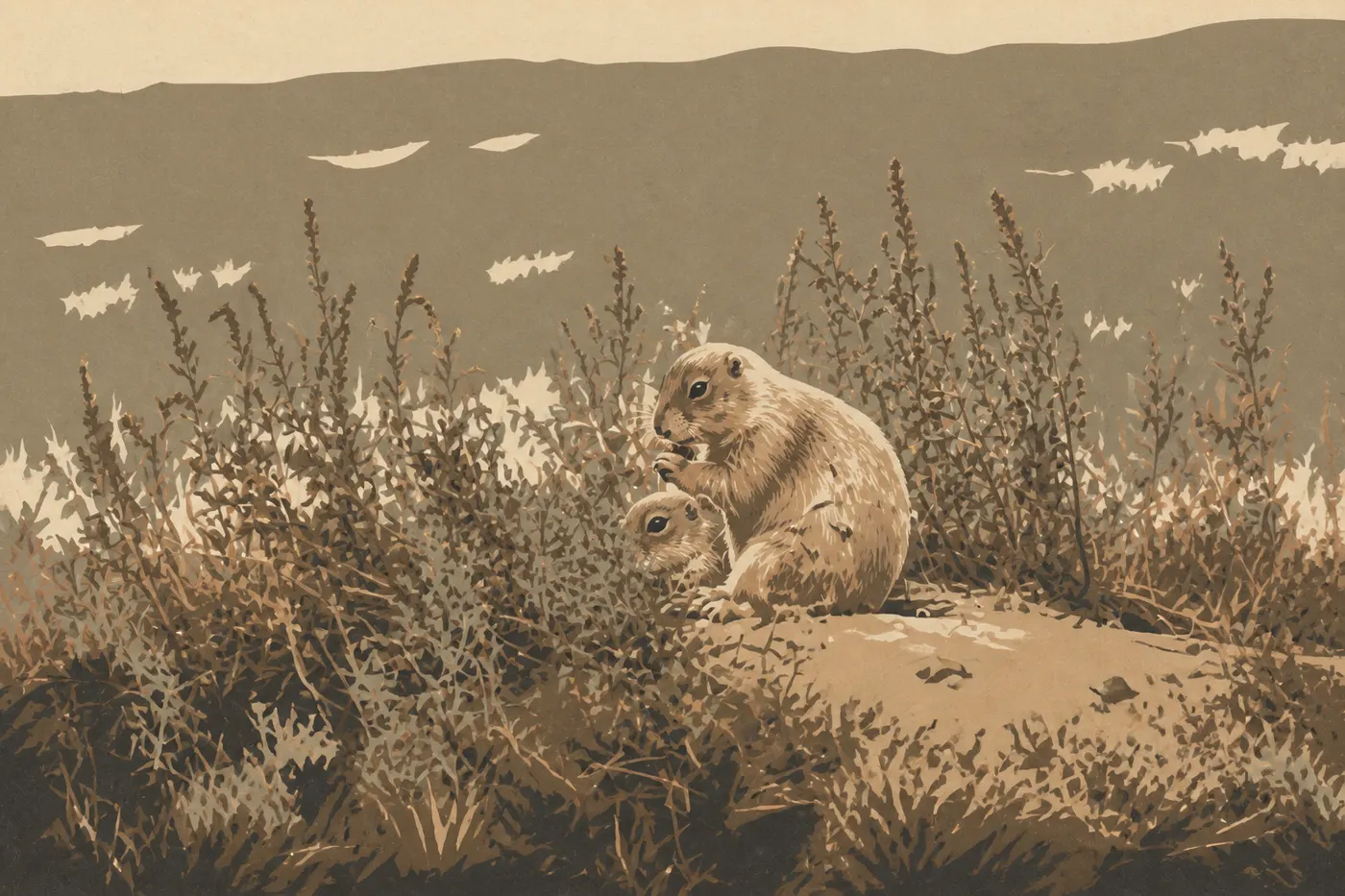
Above the cave, the scenery changes completely. Wind Cave protects one of the best-preserved mixed-grass prairie ecosystems in the northern Great Plains. The park's bison herd moves freely across the entire area, alongside elk, pronghorns, mule deer, coyotes, and colonies of black-tailed prairie dogs.
Watching bison: the herd moves freely and can appear anywhere, including on the roads. Safety rules are strict and nonnegotiable. Stay at least 75 feet from every animal. Never get out of your vehicle if a bison blocks the road; it will move on its own schedule. Don't honk. Bison may look placid, but they can move extremely fast when they choose to, and an adult animal has tremendous strength. Early mornings, during the first two hours after sunrise, and late afternoons account for most wildlife activity. In the middle of a summer afternoon, bison often move into the shade of the few shrubs and are harder to spot.
Prairie dogs: you can spot their colonies from the road by the bare patches of ground riddled with burrows, usually marked on park maps. These social rodents warn one another with high-pitched calls and dive into their tunnels as soon as they sense a presence. Watching a colony from the roadside with the engine off takes a little patience, but it usually pays off within a few minutes.
The road through the western part of the park, beyond the Visitor Center, crosses the areas most frequented by the bison herd. Drive slowly, keep the windows open so you can hear what's around you, and keep your camera within reach. Our Wildlife page covers all the species found at Wind Cave and the rules for watching them without disturbing them.
The best hikes in Wind Cave
Wind Cave's trail network mainly crosses the surface prairie and a few wooded canyons cut into the plateau. There are no summits and little elevation gain, so this isn't the place for an alpine challenge. The trails do offer something a car can't: quiet and a closer connection with the prairie.
Wind Cave Canyon Trail: the park's most popular trail. It descends into a narrow, wooded canyon where the vegetation changes abruptly from the open prairie above. Mule deer and wild turkeys are common in the cool shade. The trail is accessible to everyone and especially pleasant late in the day, when golden light filters into the canyon walls.
Elk Mountain Trail: a loop around Elk Mountain Campground in the northern part of the park. The trail passes through both wooded areas and open prairie, making it a good compromise if you want to combine a hike with late-afternoon wildlife viewing.
Centennial Trail: a long-distance trail through the Black Hills. One section enters Wind Cave and crosses the park's most remote areas, far from the roads. It's for hikers with a half day to spare who want to get away from the busiest areas.
Our Hiking page lists all the trails, with profiles, distances, and difficulty levels.
Other activities based on your interests
With kids
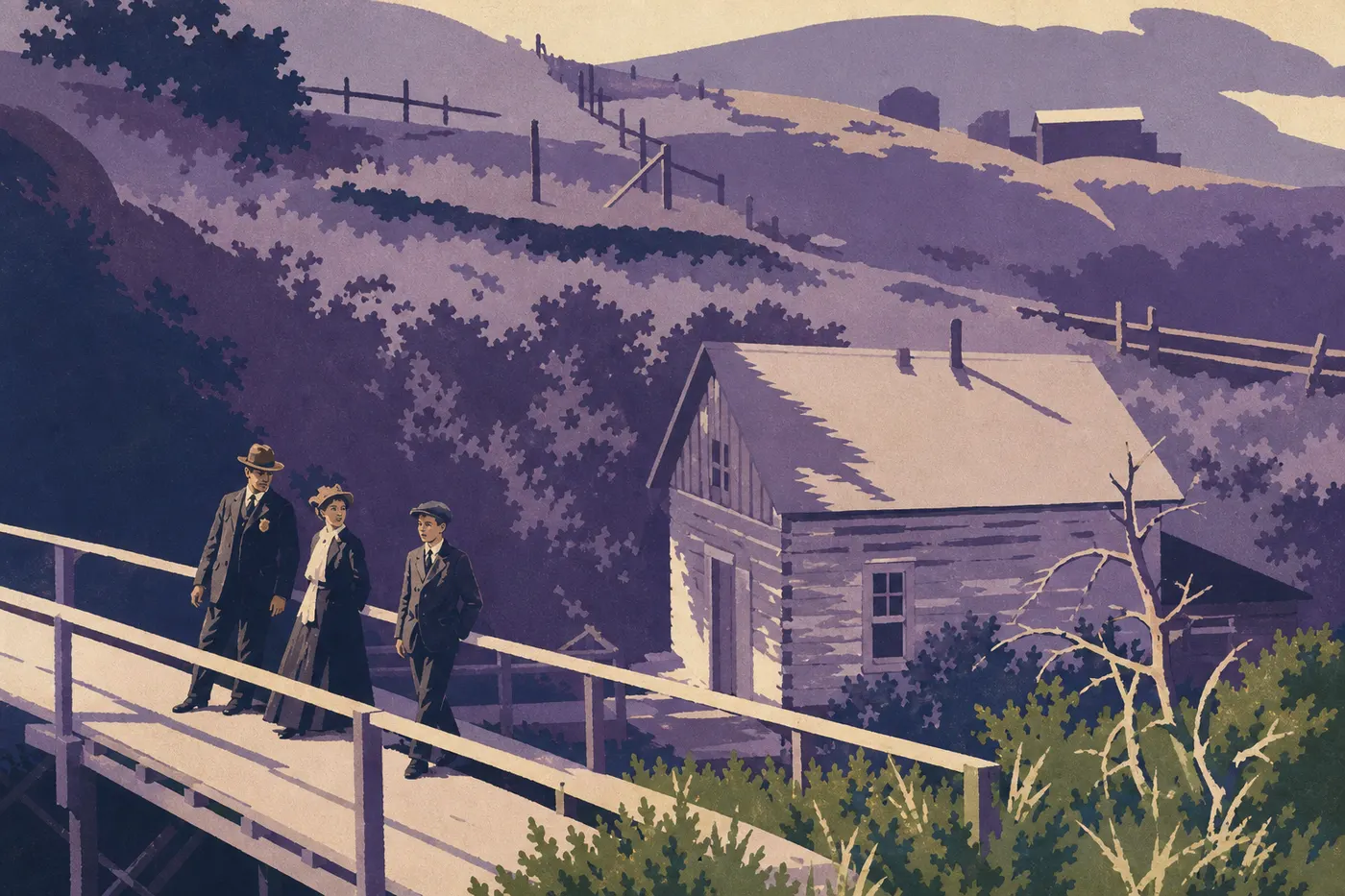
Wind Cave is one of the most family-friendly national parks. The Garden of Eden Tour and Natural Entrance Tour work for kids as young as about 4. Check the specific age restrictions at the Visitor Center before booking. Prairie dog colonies are a hit with young children and require virtually no walking. You can explore the prairie by car, which makes a visit easier with very young kids. Our Family page brings together practical tips for planning your day.
Wildlife photography
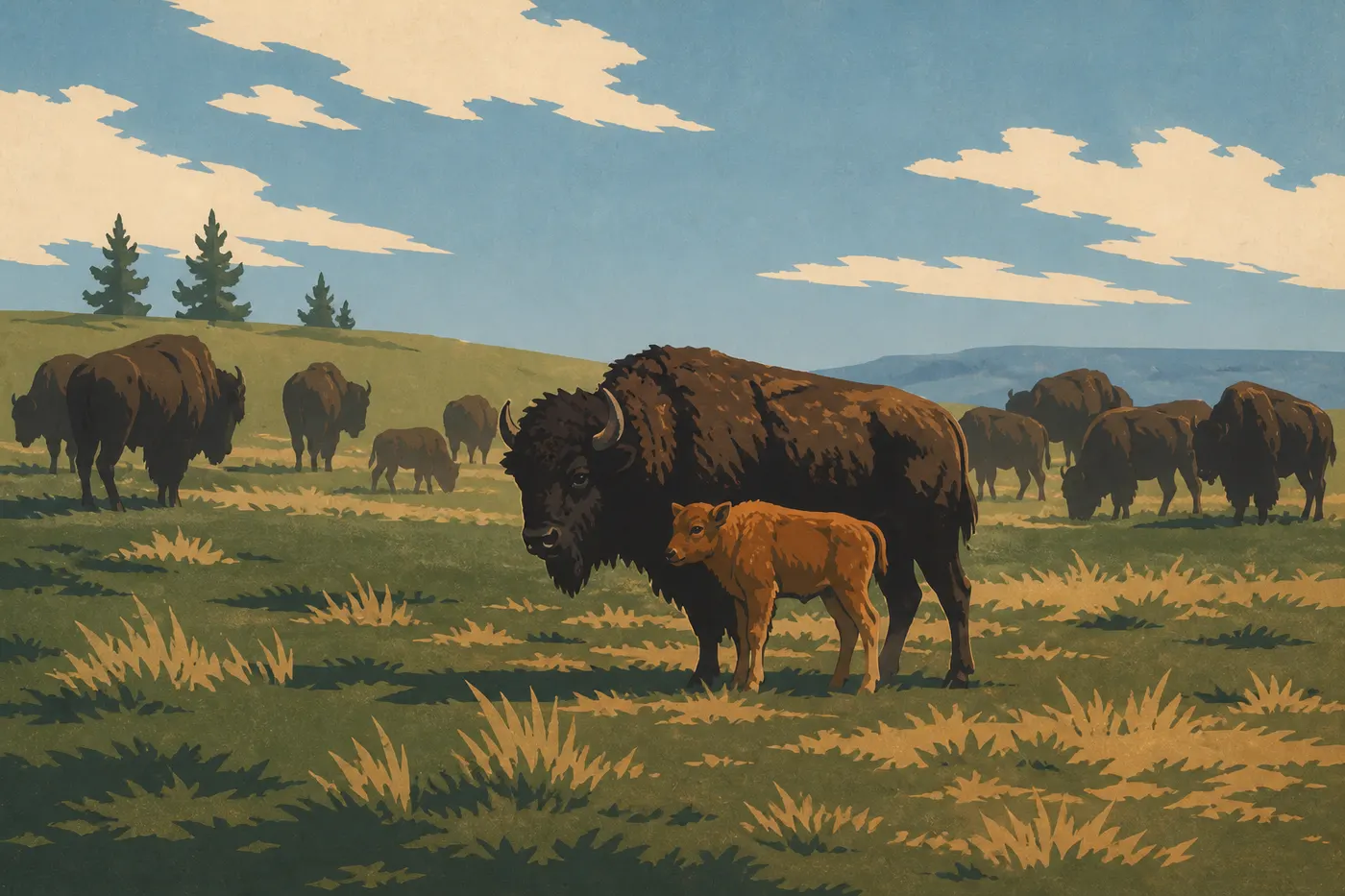
Wind Cave is one of the few parks where bison, pronghorns, and prairie dogs share a contained area that's accessible by vehicle. For wildlife photography, bring a long lens, at least 300 mm from the roadside and 500 mm for tight portraits without leaving the vehicle. Morning light on bison in the grassy prairie is especially generous for photography, particularly in fall when the grasses turn golden.
Stargazing
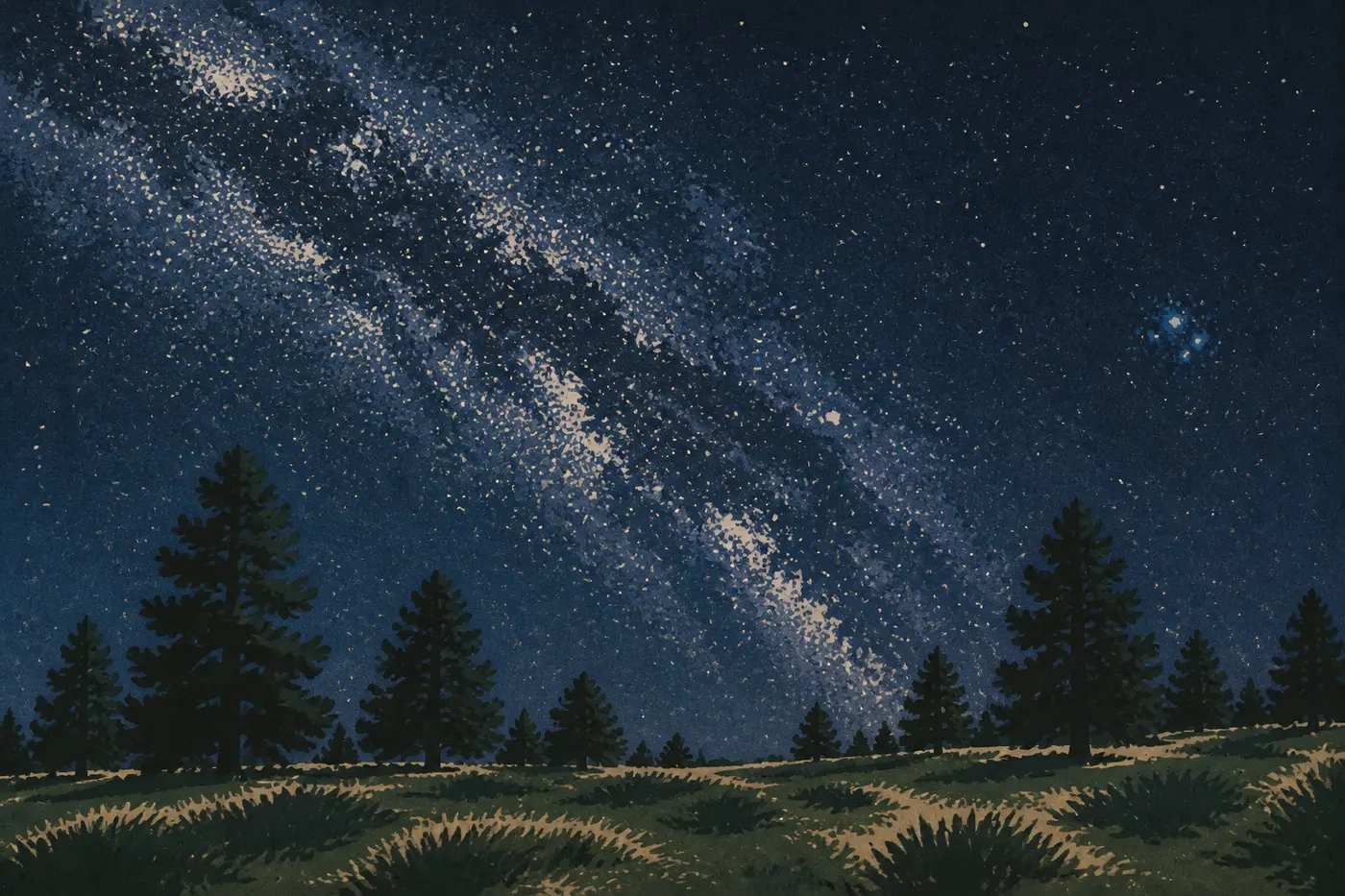
Far from major cities and with no significant nearby light pollution, Wind Cave enjoys remarkably dark nights. Open prairie plateaus away from the roads offer excellent views of the stars during new-moon nights in spring and fall. The park doesn't host an official astronomy event, but nothing prevents you from setting up in an open parking area to watch the sky after the Visitor Center closes.
Wild caving
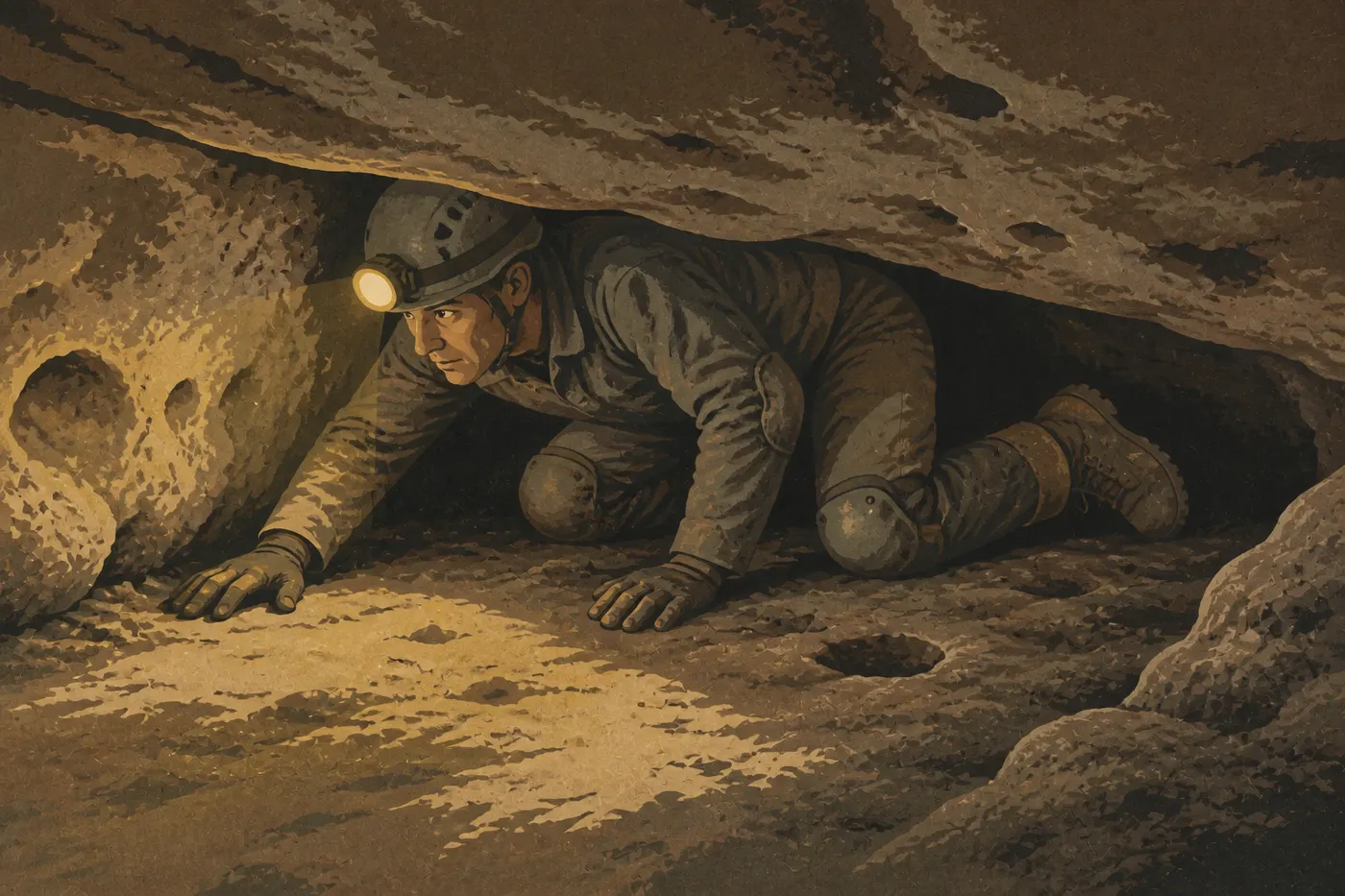
For visitors who want to go well beyond a standard cave tour, the Wild Cave Tour is the only official caving option offered by the NPS at Wind Cave. Four hours underground, away from any developed trail, in passages left in their natural state. It's unlike anything else in the national parks. Wear clothes you won't mind permanently getting dirty.
What to do around Wind Cave?
Wind Cave is rarely a stand-alone stop. Its location in the Black Hills makes it a natural part of a larger road trip through the region.
Custer State Park (about 22 miles north): one of the largest state parks in the United States, with its own free-roaming bison herd, spectacular rock formations such as the Needles and Cathedral Spires, and its Wildlife Loop. It's easy to combine with Wind Cave over two days.
Jewel Cave National Monument (about 28 miles northwest of Custer): the other major cave in the Black Hills. Jewel Cave stands out for its calcite crystals, which gave it its name, and its impressive dimensions. Comparing it with Wind Cave is instructive. Wind Cave's boxwork has no equivalent at Jewel Cave, and Jewel Cave's crystals have no equivalent at Wind Cave. If you're staying several days in the area, both are worth visiting.
Mount Rushmore (about 34 miles north): the four presidential faces carved into the granite of the Black Hills. Allow two to three hours on site, including the museum. It's essential for understanding the region's symbolism.
Crazy Horse Memorial (about 25 miles north of Wind Cave): a monumental sculpture dedicated to the Lakota leader Crazy Horse, under construction since 1948. The scale of the project is bigger than photos suggest, and the adjacent museum puts the history of the Indigenous peoples of the Great Plains into context.
Hot Springs (11 miles south): the small neighboring town, quieter than Custer or Keystone, is home to the Mammoth Site, an archaeological excavation of woolly mammoths in situ, and Evans Plunge's natural hot springs. It's a good base for the night before or after Wind Cave.
Our Wind Cave hub guide and the pages in our regional cluster explore possible multi-day combinations to help you get the most from this part of South Dakota.
The bottom line: What should you see first in Wind Cave?
Wind Cave comes down to two essential experiences: going underground to see the boxwork and watching the Great Plains' large wildlife at dawn. The Natural Entrance Tour covers the cave's highlights in 1 hr 15 min without a physical challenge. The Wild Cave Tour is for those who want to go much farther, literally.
Above ground, don't stay in the car the whole time. Even an hour-long trail in Wind Cave Canyon gives you a connection to the landscape and wildlife that you can't get from the driver's seat. One well-planned day is enough for both experiences. Two days let you take them in without rushing.
Wind Cave isn't about impressing visitors with size or with a spectacular landscape in the usual sense. Its impact comes from depth, both literal and figurative, and from the understated nature of its treasures.
Frequently asked questions
How do I visit Wind Cave National Park?
To visit Wind Cave, start at the Visitor Center on US Highway 385, 11 miles north of Hot Springs. That's where all cave tours are booked and begin. You can then explore the surface prairie by car on park roads or on foot along marked trails. The park is open every day of the year. Visitor Center hours vary by season, so check the official website or call 605-745-4600 for current conditions.
What should I wear at Wind Cave?
For the cave, bring a jacket or sweater even in midsummer. The temperature underground stays around 55°F year-round, no matter how hot it is outside. Closed-toe shoes with non-slip soles are required for every tour. On the surface, protect yourself from the sun with a hat, sunscreen, and sunglasses, and bring plenty of water. Summer temperatures in the open prairie regularly rise above 81°F, with little shade. Our Weather page details conditions by season.
Jewel Cave or Wind Cave: Which one should I choose?
Jewel Cave and Wind Cave are complementary experiences rather than rivals. Wind Cave is essential for its boxwork, found nowhere else in such abundance, and for its surface prairie and large wildlife. Jewel Cave stands out for its calcite crystals and its scale. If you can visit only one during a quick road trip, Wind Cave offers the more unusual combination because of its two levels, cave and prairie. If you have two days in the Black Hills, visit both.
How far is Wind Cave from Custer?
Wind Cave's Visitor Center is about 22 miles south of Custer on US Highway 385, roughly a 30-minute drive straight through. If you go through Custer State Park for the Wildlife Loop or Needles Highway, allow more time. These detours are well worth it and fit naturally into the day.