
When to Visit Wind Cave: Best Seasons and Month-by-Month Guide
You can visit Wind Cave year-round, and the cave stays at 54 °F all year. The best times to visit Wind Cave are early May to mid-June and September, when you can combine the cave, wildlife, and lush prairies without the pressure of peak summer. Spring turns the Black Hills green, bison calves arrive, and the summer crowds haven't shown up yet. Fall brings mild days, low-angle light, and elk rutting season. Summer works too, but you'll need to get there early to secure a cave tour time; winter rewards the hardy with complete solitude.
Wind Cave Weather Month by Month
Wind Cave lies in the Black Hills of South Dakota, between prairie plateaus and ponderosa pine forests. The climate is semi-arid continental, with hot summers, cold snowy winters, and wet springs. Our Wind Cave Weather page provides 15-day forecasts and detailed hour-by-hour readings. Here's the monthly overview to help you plan.
| Month | High | Low | Precipitation | In brief |
|---|---|---|---|---|
| January | 37 °F | 9 °F | light (snow) | Bitterly cold, roads sometimes closed |
| February | 41 °F | 10 °F | light (snow) | Quiet winter, bison in the snow |
| March | 48 °F | 19 °F | moderate | First thaw, changeable weather |
| April | 57 °F | 28 °F | moderate | First flowers, bison calves |
| May | 68 °F | 39 °F | heavy | Green prairies, highly active wildlife |
| June | 79 °F | 48 °F | moderate to heavy | Mild to warm, thunderstorms possible |
| July | 86 °F | 57 °F | moderate | Peak heat, frequent thunderstorms |
| August | 84 °F | 55 °F | moderate | Hot, peak season |
| September | 75 °F | 45 °F | light | Ideal: mild, dry, fewer visitors |
| October | 61 °F | 34 °F | light | Beautiful, cool nights, elk rut |
| November | 45 °F | 19 °F | light to moderate | Transition month, quiet returns |
| December | 36 °F | 9 °F | light (snow) | Winter sets in, reduced hours |
Wind Cave in January
January is the coldest month of the year. Daytime highs barely reach 36 °F, while nighttime lows fall to around 10 °F. The Visitor Center operates on reduced hours, and some cave tours may be canceled in extreme conditions. Visitor numbers are close to zero, and you're more likely to pass bison than visitors on the park roads. This is the month for complete solitude, ideal for winter photographers and anyone who wants the cave galleries to themselves.
Wind Cave in February
February is as cold as January, with highs around 39 °F and nights near 14 °F. Bison herds remain visible on the prairie, often gathering near the roads, which makes it easier to watch them from your vehicle. The Wild Cave Tour may be suspended depending on staffing. The park is open, but check conditions at 605.745.4600 before you leave. Roads may close after a snowfall.
Wind Cave in March
March marks the start of the thaw, but the weather remains unpredictable. A late blizzard can close park roads from one day to the next. Highs climb to around 48 °F, and precipitation increases, with a frequent mix of rain and snow. Cave tour hours begin to expand toward the end of the month. Visitor numbers remain very low. The first prairie dogs cautiously emerge from their burrows, a sign that spring is on its way.
Wind Cave in April
April is bison calving season. Reddish calves appear on the prairie, romping beside their mothers, making this one of the year's most anticipated sights. Temperatures reach 57 °F during the day, but nights remain cool, around 32 °F, and showers are frequent. Muddy ground can make some trails difficult. Cave tour hours gradually move toward the summer schedule.
Wind Cave in May
May is our favorite month. The prairie is green, bison calves are still romping around, prairie dogs are highly active, and temperatures reach 66 °F without July's suffocating heat. Cave tours run at full capacity. Crowds are moderate, so you can often get tickets at the counter in the morning without a long wait. Late-afternoon thunderstorms start to build, so plan to finish your hikes before 2 p.m.
Wind Cave in June
June still offers good weather, with daytime temperatures around 77 °F, while visitor numbers gradually rise. The first busy weekends arrive toward the end of the month. The Wild Cave Tour starts to fill its most popular time slots, so book ahead on Recreation.gov. Afternoon thunderstorms are common and may include hail. Early June remains excellent; late June already feels like peak season.
Wind Cave in July
July is the busiest month of the year. Daytime temperatures reach 82 °F, thunderstorms break out almost every afternoon, and the Visitor Center sees its highest visitor numbers. Morning cave tour times fill quickly. The strategy is to arrive before 9 a.m. for your ticket, hike in the morning, and avoid exposed ridges in the early afternoon. The cave's 54 °F offers a striking contrast to the heat outside, so bring a windbreaker even in July.
Wind Cave in August
August is much like July: hot, with highs around 81 °F, afternoon thunderstorms, and heavy crowds. Families with school-age children start leaving after the third week, which slightly eases pressure at the Visitor Center. The Wild Cave Tour remains in high demand. Bison sometimes gather in large herds on the prairie, and post-storm light can be exceptional for photography.
Wind Cave in September
September is our top recommendation for most travelers. The weather settles down, rain decreases, and temperatures stay comfortable, with highs around 70 °F and nighttime temperatures near 43 °F. Crowds drop sharply after Labor Day, the first Monday in September. Cave tours are available without a long wait on weekdays, and the Wild Cave Tour is generally available with short notice. At dawn, elk start to make their presence known in the Black Hills.
Wind Cave in October
October is elk rutting season. At dawn, bugling echoes across the hills in a striking atmosphere. Days are mild, around 59 °F, while nights are cool, near 34 °F. The prairies turn golden, and bison remain easy to spot. Crowds are low, and cave tours are available without a wait. It's an excellent month for photographers and wildlife enthusiasts.
Wind Cave in November
November brings the return of quiet. Temperatures fall to 45 °F during the day and 21 °F at night, with cold nights settling in from the start of the month. Cave tour hours begin to shrink. The park is nearly empty on weekdays. The prairie takes on a tawny color, bison remain active, but the weather becomes less predictable, with the first snow possible toward the end of the month.
Wind Cave in December
December brings winter. Highs top out around 37 °F, nights fall to about 12 °F, and snow may temporarily close some roads. The Visitor Center operates on reduced hours, and fewer cave tours are offered. In return, there's no wait, and the cave's steady 54 °F offers a welcome refuge from the cold outside. The park is open year-round, but check conditions before you leave.
Wind Cave Season by Season
Winter (December to February)
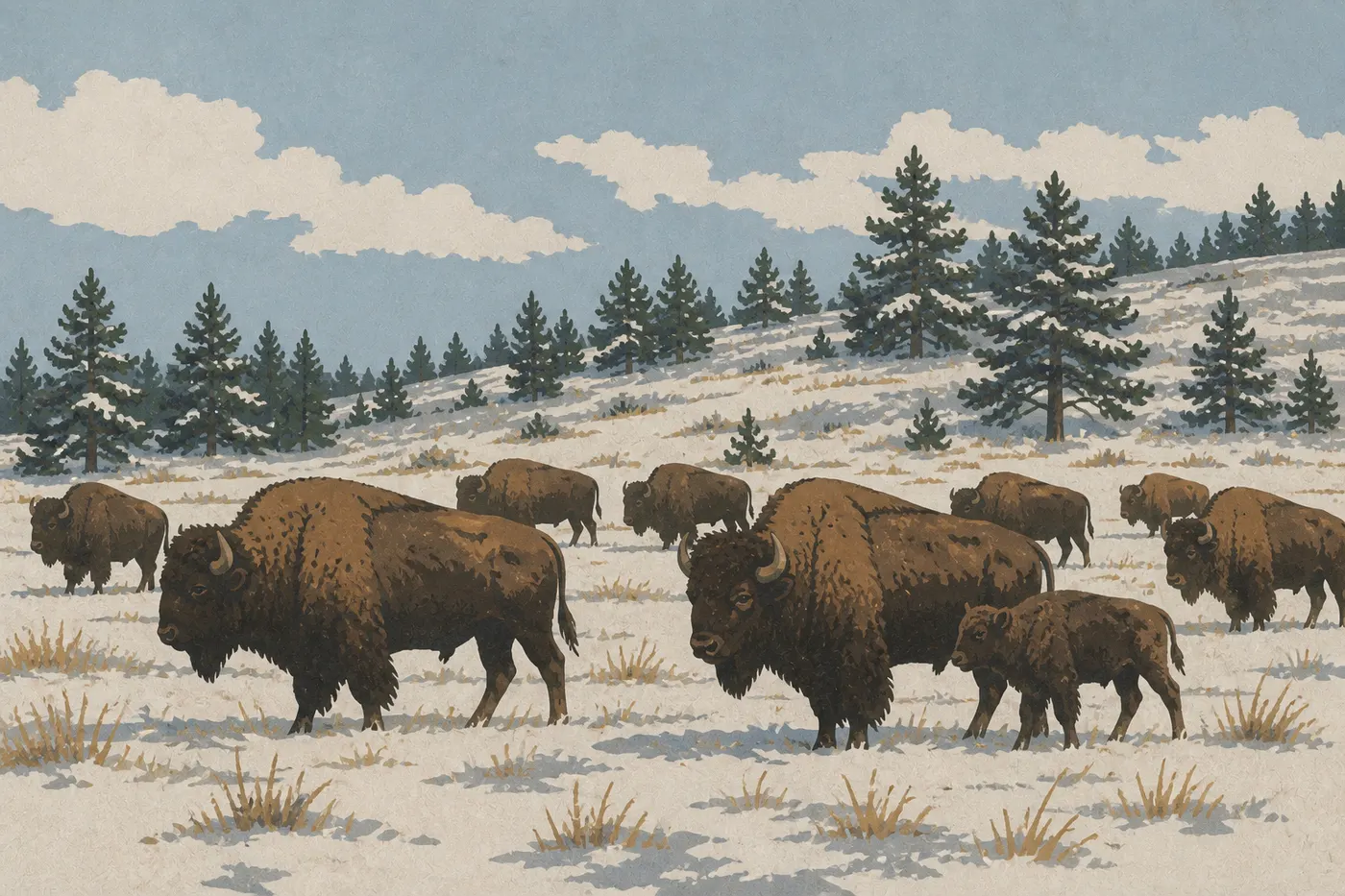
This is the season for complete solitude. Daytime highs top out around 37 to 41 °F, nighttime lows drop to around 10 to 9 °F, and snow, averaging about 30 inches per year, can close park roads without warning. The Visitor Center operates on reduced hours, and some cave tours may be canceled on certain days.
The upside? No wait at the Visitor Center, bison crossing the road at their own pace, and low light over snow-covered prairies that experienced photographers know well. Before you leave, check real-time conditions at 605.745.4600 or on the NPS website.
Spring (March to May)
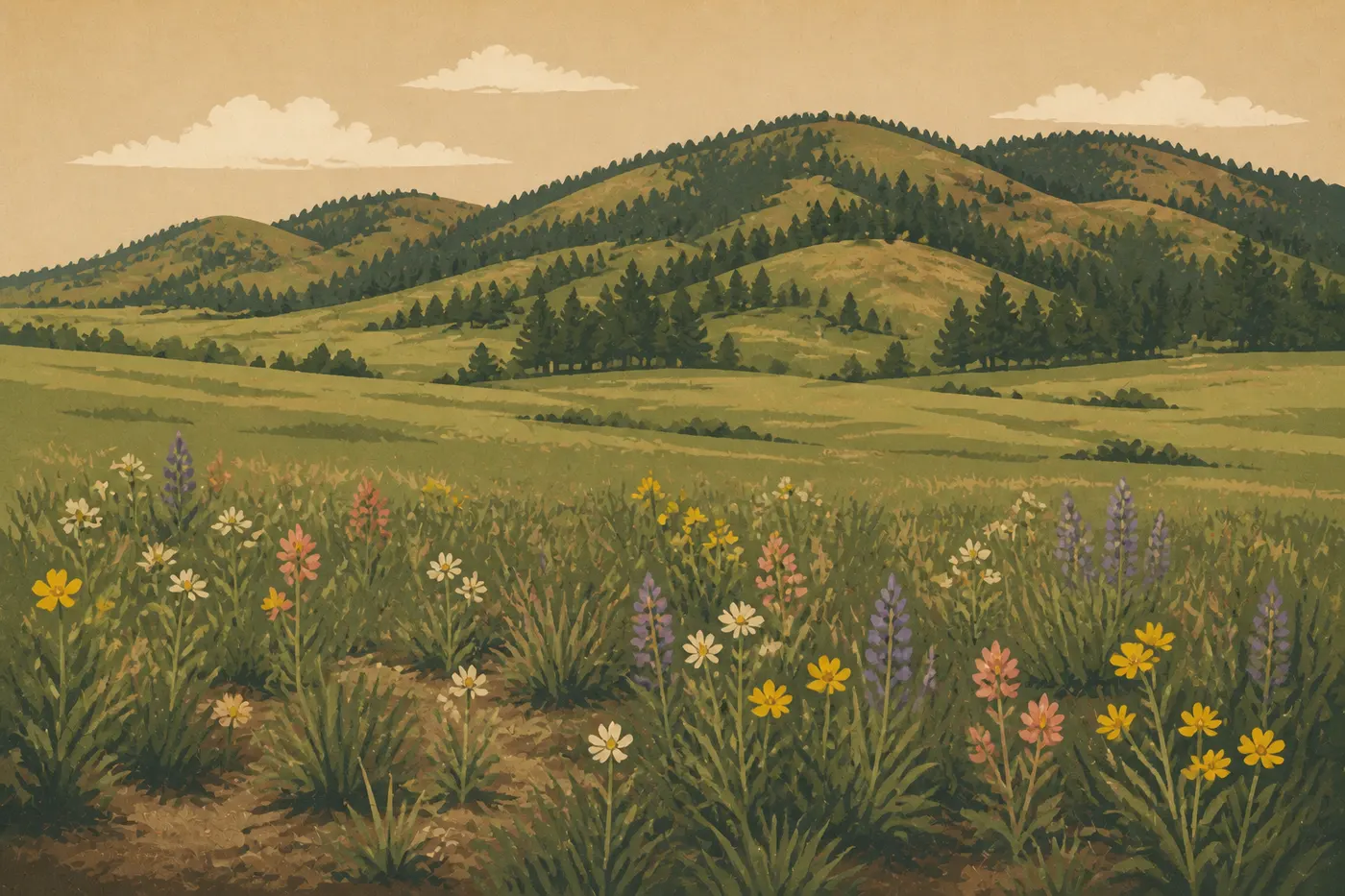
Spring is Wind Cave's wettest season, but it's also one of the most beautiful. The prairies green up quickly after the snow melts, prairie dogs emerge from their burrows, and bison calve in April and May. This is the window for reddish calves, young bison with tawny coats romping beside their mothers.
Temperatures rise from 48 °F in March to 68 °F in May, but conditions remain highly variable. A late blizzard isn't unusual in March, and thunderstorms can be severe in late May, with hail and lightning. When hiking, avoid ridges as soon as a thunderhead starts building in the afternoon.
May is our favorite time to visit. The park is green, wildlife is active, cave tour hours are back at full capacity, and the summer crowds haven't arrived yet.
Summer (June to August)
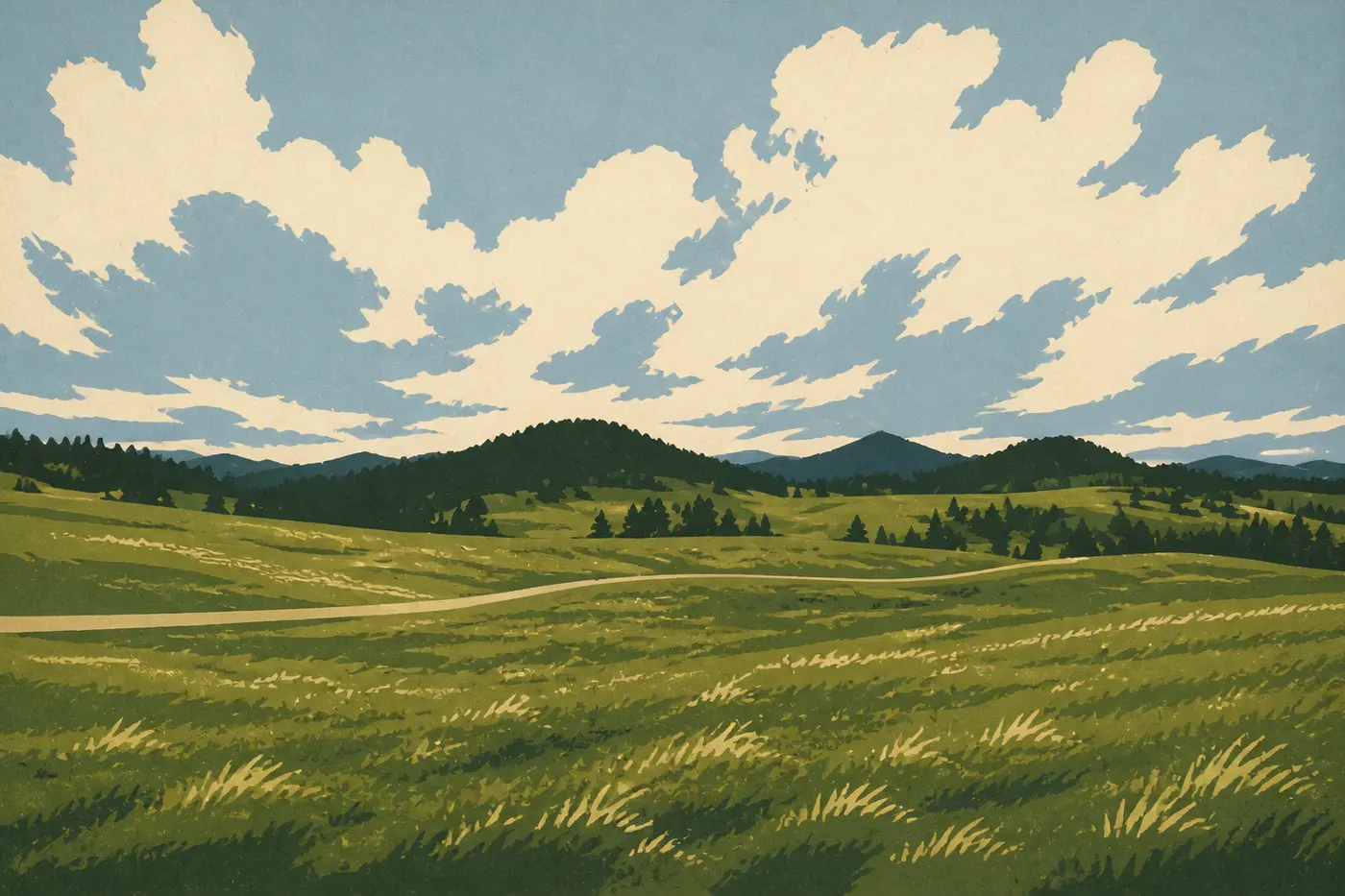
Summer is peak season at Wind Cave. Temperatures regularly exceed 81 to 86 °F, and thunderstorms often break out in the late afternoon, sometimes with hail. The Visitor Center is running at full capacity, cave tours depart several times a day, and the Wild Cave Tour, a small-group caving experience in coveralls, may sell out several weeks ahead on Recreation.gov.
The summer strategy is simple: arrive before 9 a.m. to secure a morning cave tour, then hike on the surface before 2 p.m. to avoid thunderstorms. The heat outside contrasts sharply with the cave's constant 54 °F, so pack a windbreaker even in July.
There's no entrance fee, and crowds are much easier to manage than at Arches or Zion, as long as you don't show up at the Visitor Center at 11 a.m. on a Saturday in August.
Fall (September to November)
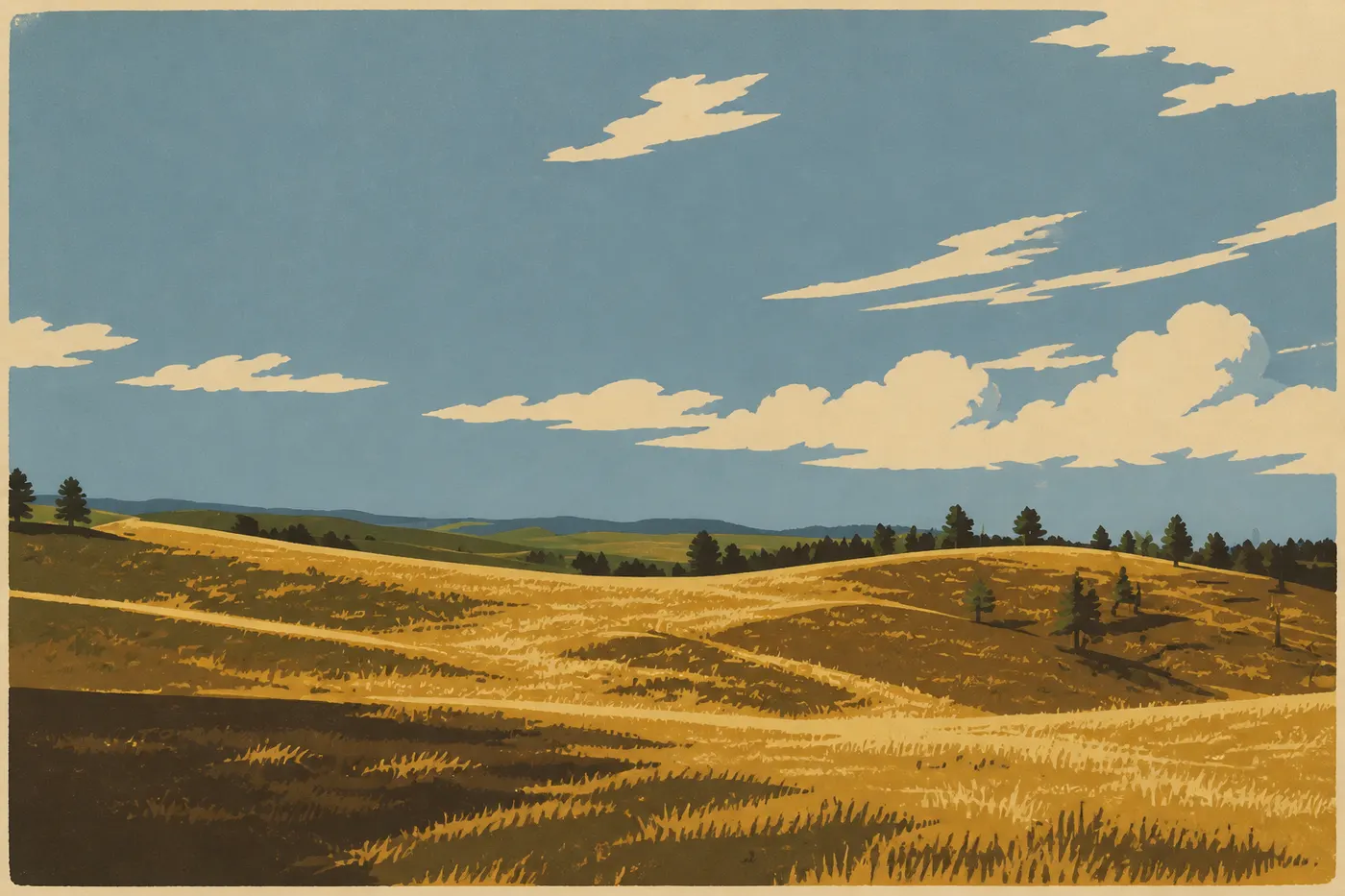
September is our top recommendation for most travelers. The weather settles down, rain tapers off, daytime temperatures are comfortable, around 75 °F in September and 61 °F in October, and nights are cool. Crowds drop sharply after Labor Day, the first Monday in September.
October brings elk rutting season to the Black Hills. At dawn, bugling echoes across the hills in a striking atmosphere. Nights fall to around 32 °F by the end of October, and freezing temperatures set in during November. The prairies turn golden, making the bison even more photogenic.
Crowds: When to Avoid the Rush
Wind Cave isn't Arches or Zion. There are no timed-entry reservations and no traffic jams at the park entrance. The pressure is concentrated in one place: the Visitor Center, the only departure point for all cave tours.
July and August are the busiest months. Arriving after 10 a.m. may mean a wait for tickets or only evening tour times. For the Wild Cave Tour, book on Recreation.gov several weeks ahead.
May, June, and September offer the best balance of weather and crowds. October is still pleasant and quiet. From November through March, the park is nearly deserted, but you'll need to plan for winter conditions.
For standard tours such as the Garden of Eden Tour and Natural Entrance Tour, online reservations are recommended in summer. Outside July and August, you can often buy tickets at the counter that morning.
Best Time to Visit on a Budget
Wind Cave National Park has no entrance fee. Access is free at any hour, year-round. Cave tours do cost extra, but their prices don't change with the season.
What fluctuates is the cost of lodging and flights to Rapid City. During the Black Hills' peak season, July and August, motels in Hot Springs or Custer and lodges near Custer State Park can cost 30 to 50 percent more than in May or September.
To travel without overpaying, aim for May or September. You'll get the same quality experience, fewer people, and noticeably lower lodging rates. Our Where to Stay Near Wind Cave guide covers the options for different budgets and comfort levels.
Winter is the least expensive, but reduced hours, occasional road closures, and intense cold are real constraints to weigh before booking.
The Best Time for Your Travel Style
Cave first: year-round, the cave stays at 54 °F. In winter, time slots are limited, but you'll have the galleries almost to yourself. In summer, book ahead through Recreation.gov.
Wildlife: May for bison calves, reddish young bison in April and May, and prairie dog colonies in full swing; September and October for elk rutting season and moving herds. Our Wind Cave Wildlife page covers the species and best viewing spots.
Hiking: May to mid-June, before the hottest weather, or September. Trails are accessible starting in April, but muddy ground after rain can make some trails difficult. Our Wind Cave Hiking page lists routes by difficulty.
Families with kids: June or September, with long days, manageable temperatures, and full access to the park. The cave delights kids as young as 4 or 5, so bring them a light jacket. Our Wind Cave Family Travel page answers practical questions.
Tight budget: May or October, with free entry and off-season lodging.
Photography: May for light on flower-filled prairies and bison calves, October for fall's golden tones, and January and February for bison in the snow.
Regional road trip: if you're combining Wind Cave with Mount Rushmore, Crazy Horse, or the Badlands, our Black Hills Region and Black Hills road trip pages offer well-matched itineraries.
In Summary: The Best Time for Your Travel Style
| Travel style | Recommended time |
|---|---|
| First all-around trip | May or September |
| Wildlife (bison calving) | April to mid-May |
| Wildlife (elk rut) | Late September to mid-October |
| Hiking | May and June, September |
| Tight budget | May or October |
| Families with kids | June or September |
| Photography | May, October, January and February |
| Complete solitude | January and February |
If you remember just one window, make it early May to mid-June. Green prairies, bison with their calves, comfortable temperatures, and moderate crowds. Your second choice should be September, for mild weather, late-summer light, and returning quiet.
The Worst Time to Visit Wind Cave
For most visitors, July and August are the least favorable months. Temperatures regularly exceed 81 to 86 °F, severe afternoon thunderstorms with hail and lightning shorten time on the surface, and all the pressure falls on the Visitor Center. Getting a cave tour without booking ahead becomes a gamble, and the Wild Cave Tour may sell out several weeks ahead. It's manageable if you plan early, but this is when the park demands the most advance planning.
Winter, from December through March, is the worst time for anyone who wants the full park experience. Visitor Center hours are reduced, some tours may be canceled, roads close without warning after snowfall, and cold temperatures, down to 10 °F at night, require serious preparation. If you want to combine the cave, hiking, and surface wildlife in the best conditions, winter isn't ideal.
Frequently Asked Questions
What's the best time to visit Wind Cave?
The best time to visit Wind Cave National Park is from early May to mid-June, followed by September. These months offer comfortable daytime temperatures, around 59 to 77 °F, active wildlife, and far fewer visitors than July and August.
Can you visit Wind Cave in winter?
Yes. The park is open year-round, and the cave stays at 54 °F in every season. In winter, Visitor Center hours are reduced and some tours may be canceled depending on conditions. Roads may temporarily close after snowfall, so check conditions at 605.745.4600 before you leave. The tradeoff is that you'll have the park almost to yourself.
What's the least busy month?
January and February are the quietest months of the year. Visitor numbers are close to zero, there's no wait, and bison are everywhere on the snow-covered prairie. If you're looking for peace without the restrictions of deep winter, November and the first few weeks of March are also very quiet.
Is the park open year-round?
Yes. Wind Cave National Park is open year-round, 24 hours a day. The Visitor Center is open every day, but on reduced winter hours, generally from November through March. Cave tours are offered year-round, with fewer departures in the off-season. Check current hours on the NPS website before your visit.
When is peak season at Wind Cave?
Peak season runs through July and August, with the biggest crowds on weekends during those two months. Visitor numbers start rising in June and drop sharply after Labor Day, the first Monday in September. Outside that period, the park is much quieter.
What's the best time to visit Wind Cave?
Wind Cave is open in every season, and its temperature stays at a constant 54 °F year-round. To avoid lines, visit on a weekday outside July and August, or book ahead on Recreation.gov.
What's the average temperature inside the cave?
The temperature inside Wind Cave is about 54 °F year-round, regardless of the season. Even when it's 86 °F on the surface, you'll want a windbreaker or light jacket inside.
How many days do you need to visit Wind Cave?
One full day is enough for a cave tour and one or two surface hikes. Two days let you combine several cave tours and explore the prairies at dawn to watch bison. Our Wind Cave Itinerary and Trip Length page offers ready-made one- and two-day itineraries.