
Virgin Islands Wildlife: Animals to See and Where to Find Them
Virgin Islands National Park, on the island of St. John, has two distinct sides: dense tropical forest on land and spectacular coral reefs underwater. These are the five animals you're most likely to see: green sea turtles in snorkeling bays, green iguanas along the trails, brown pelicans gliding over the bays, bananaquits (the park's most common bird), and nurse sharks resting harmlessly on the bottom of the lagoons. This guide shows you where to find them, how to identify them, and how to watch without disturbing them.
Virgin Islands' Iconic Animals
Green Sea Turtle (Chelonia mydas)
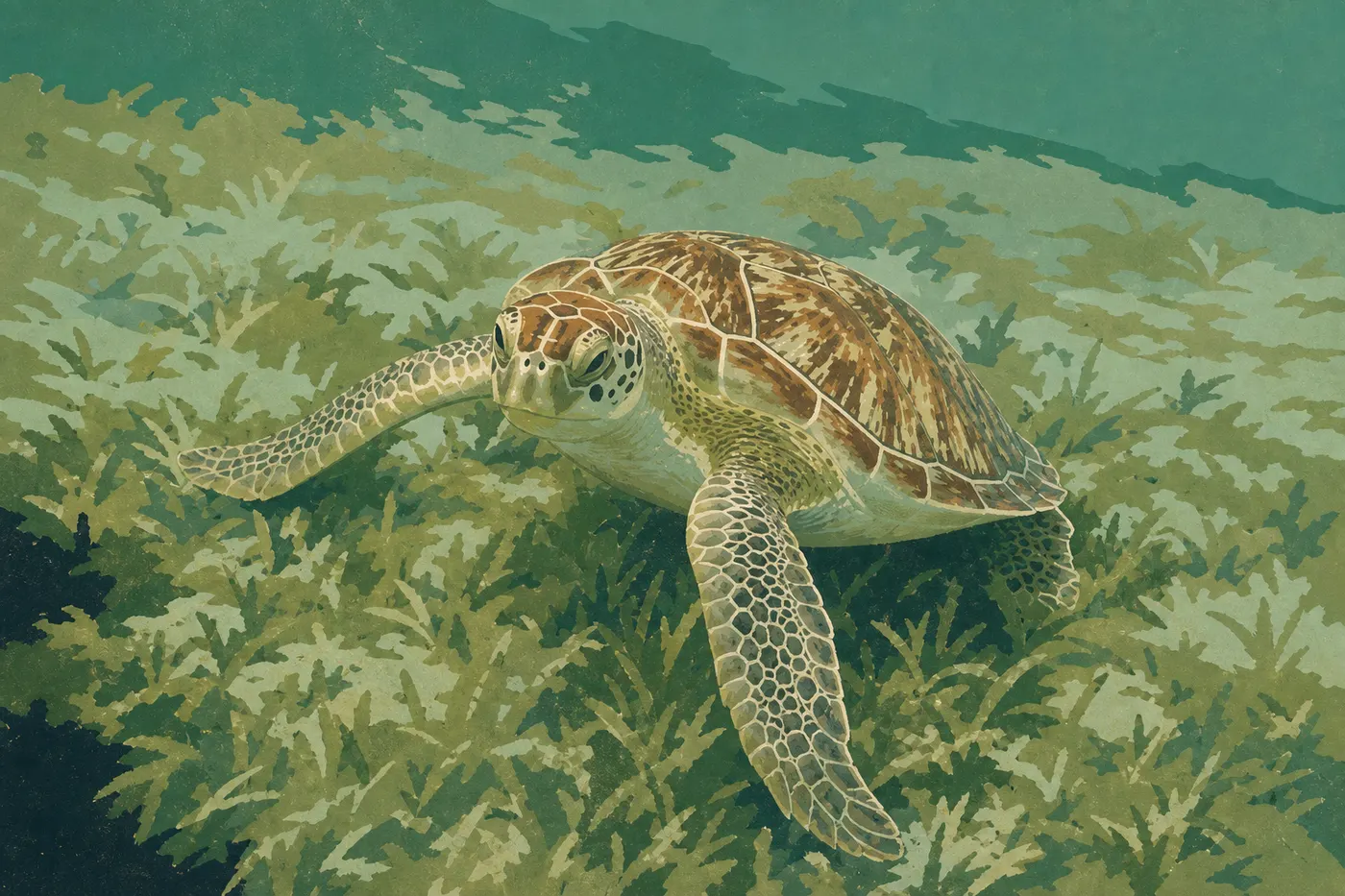
The green turtle is the park's aquatic icon. Adults can reach 5 feet in length and weigh up to 440 pounds. Their rounded, greenish-brown shell and small, rounded head make them easy to identify. They spend most of their lives grazing on seagrass and algae. From May through October, females come ashore on sandy beaches to lay their eggs, usually at night.
Trunk Bay, Hawksnest Bay, and Leinster Bay are favorite feeding areas. If you come across a turtle grazing while snorkeling, it'll ignore you as long as you stay at least 33 feet away and avoid sudden movements.
Telling Green Turtles from Hawksbill Turtles
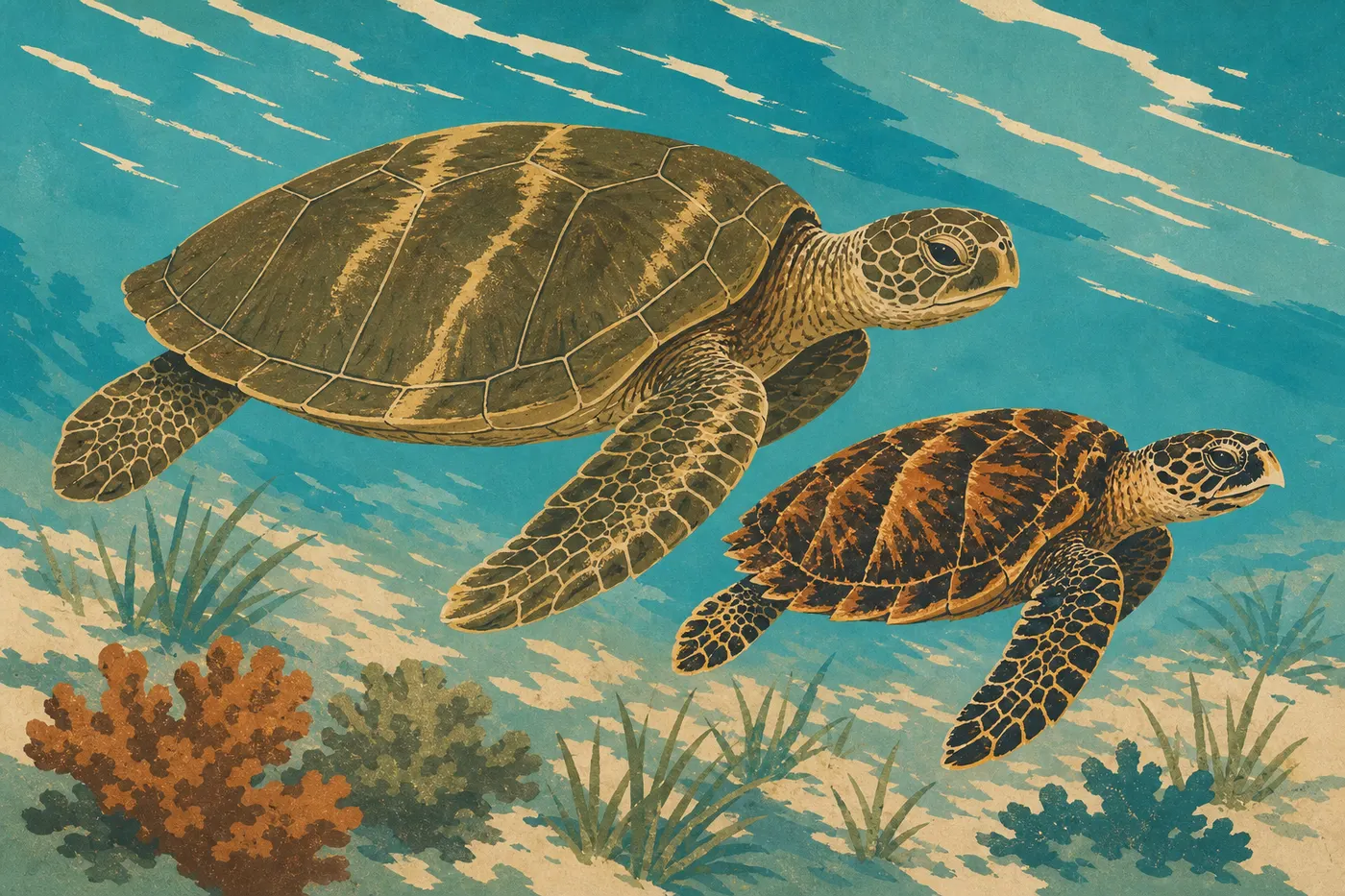
You may also see hawksbill turtles (Eretmochelys imbricata), which are smaller and less common. The key feature is their narrow, hooked beak, much like a bird of prey's. Their overlapping shell plates resemble roof tiles, while a green turtle's shell is smooth and regular. Both species are protected, so keep the same distance when watching them.
Green Iguana (Iguana iguana)
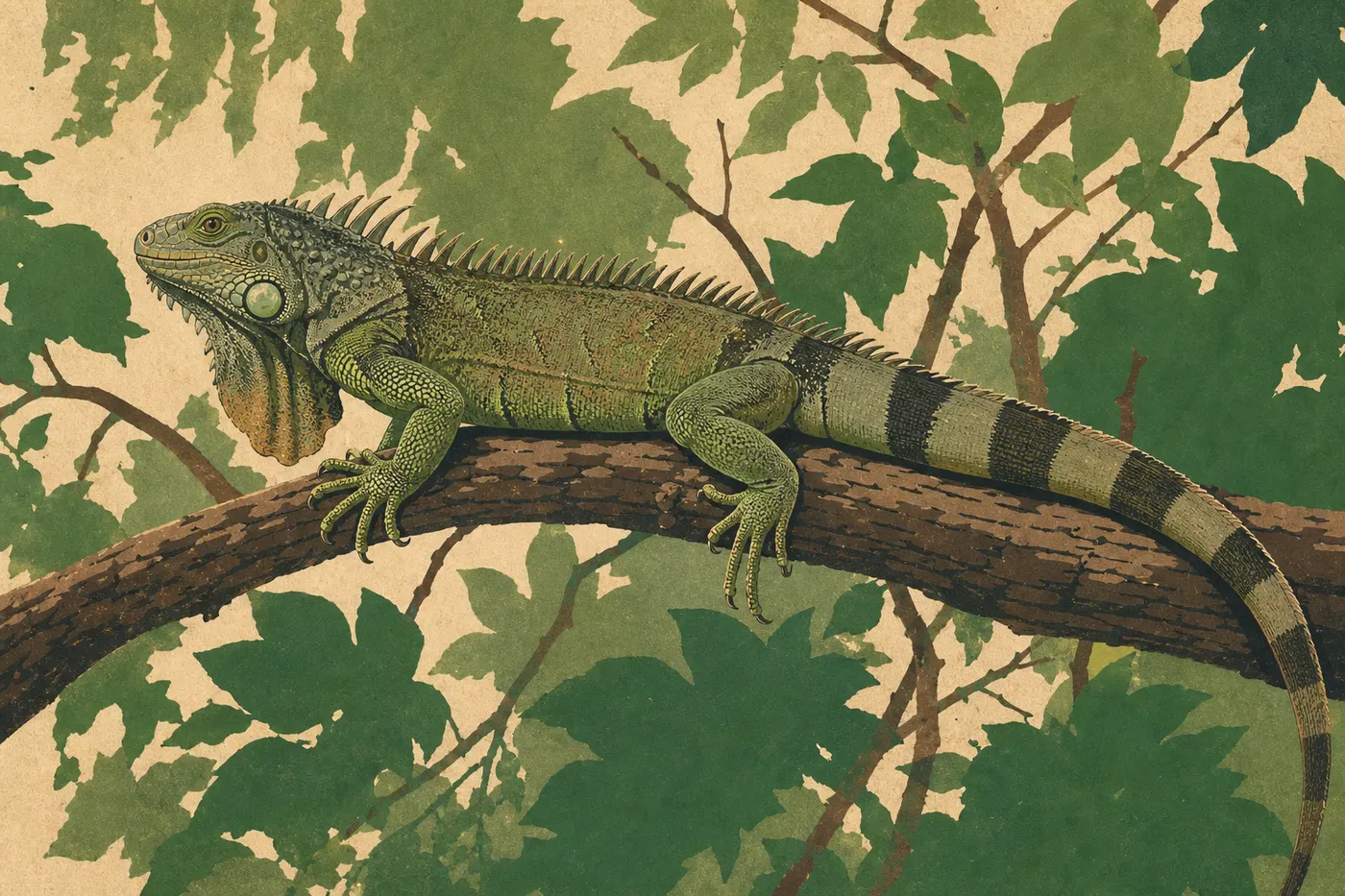
Green iguanas dominate the park's terrestrial landscape. An adult can grow to more than 6 feet from snout to tail and weigh over 9 pounds. Herbivorous and generally unafraid of people, it spends its days warming itself in the sun on rocks, low branches, and trail edges. You'll see them everywhere: along forest edges, near beaches, and on dry-stone walls.
Their color changes with age. Young iguanas are bright green, adults turn grayish brown, and males in breeding season develop orange coloring on their throats and flanks. The species was introduced several centuries ago and is now fully integrated into the island ecosystem.
Brown Pelican (Pelecanus occidentalis)
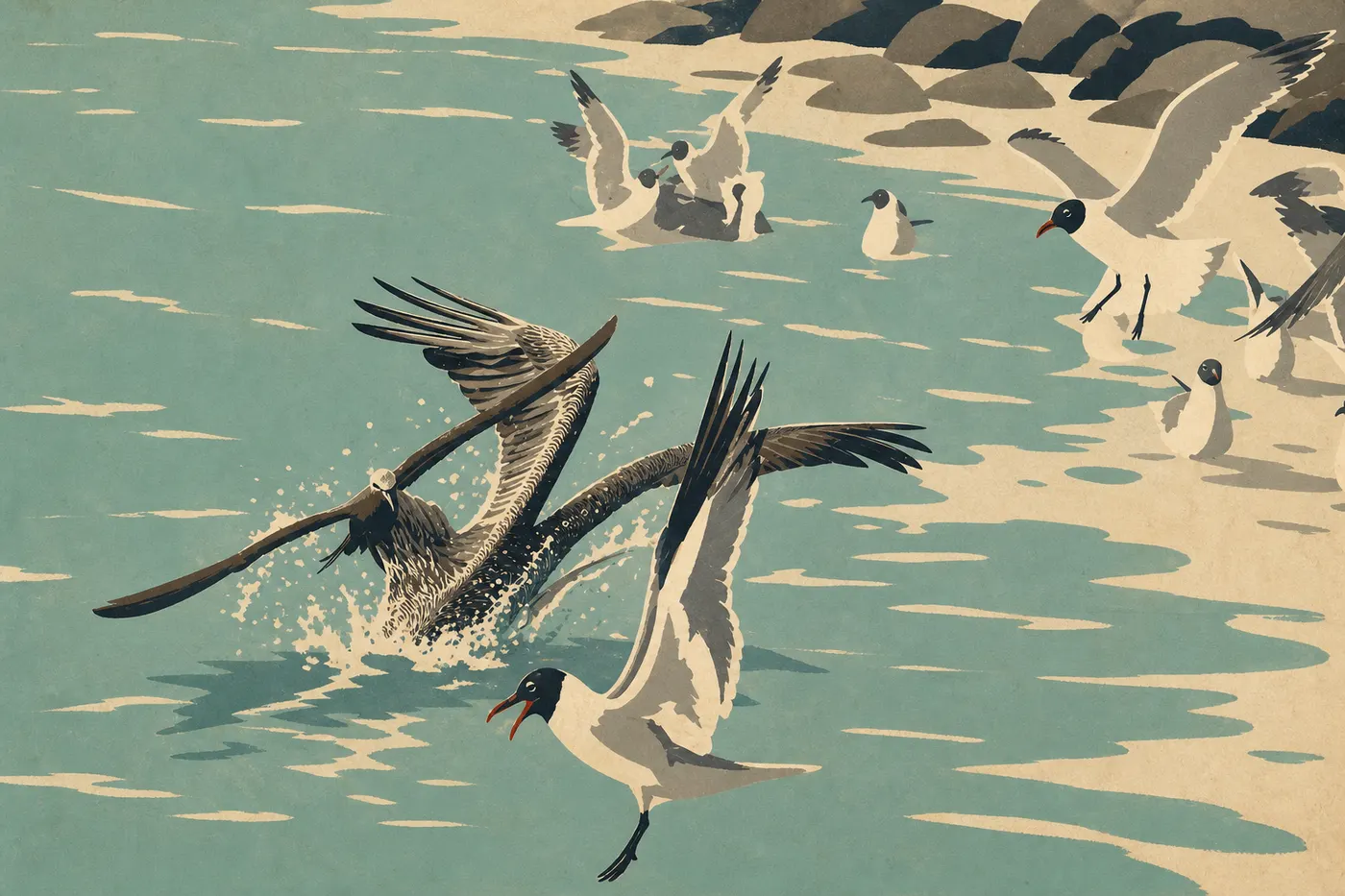
With a 6- to 7.5-foot wingspan and a long yellow throat pouch, the brown pelican is impossible to miss. It hunts by diving onto schools of fish from several feet above the water, a spectacle you won't get tired of watching. When it's perched on buoys, rocks, or docks, it digests its catch between dives.
Sheltered bays such as Coral Bay and Hurricane Hole, along with mangrove areas, are its usual hunting grounds. You may also see magnificent frigatebirds (Fregata magnificens), recognizable by their long V-shaped tails and their habit of harassing other birds to steal their catch.
Bananaquit (Coereba flaveola)
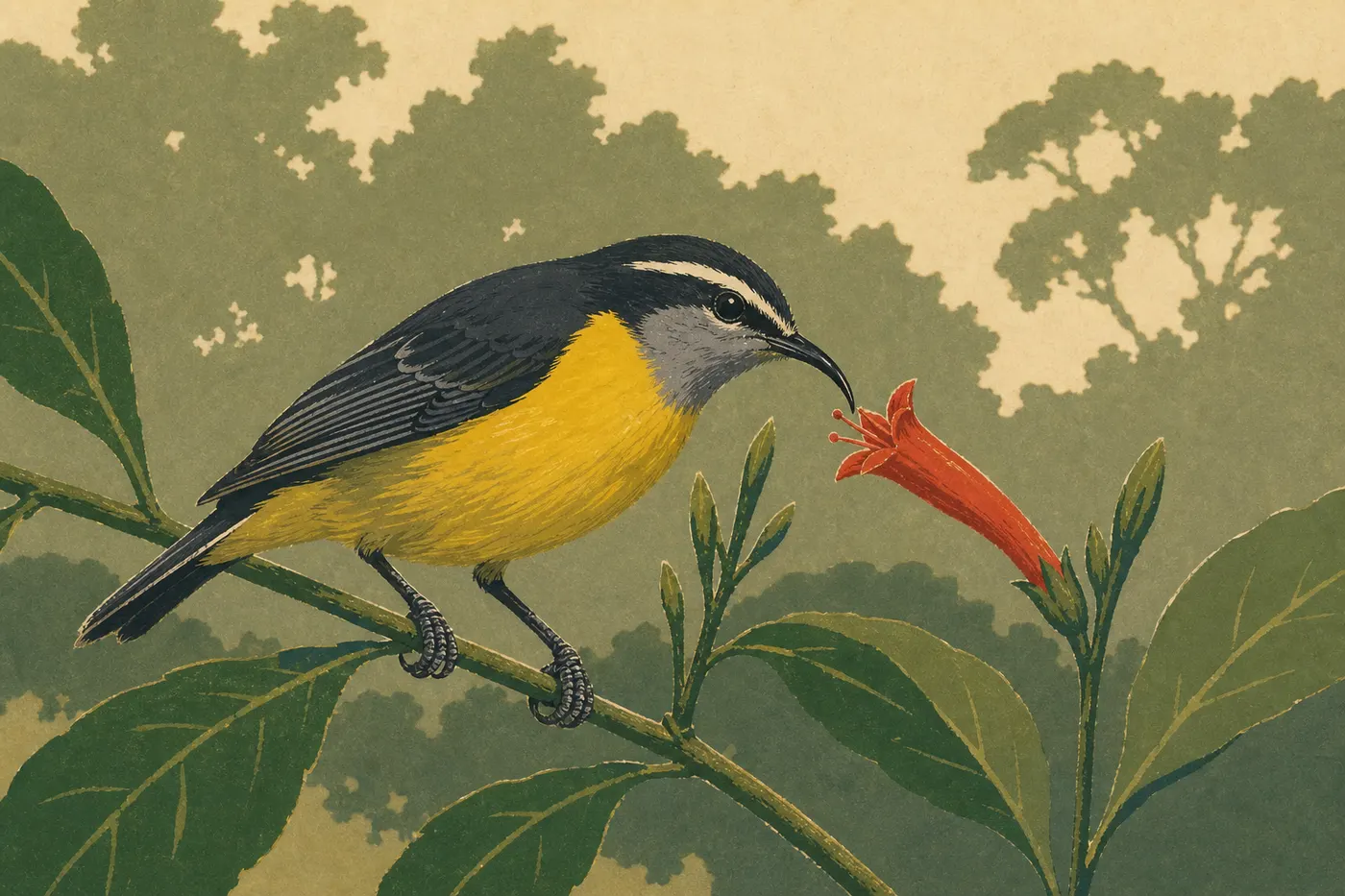
At 5 inches long, with a bright yellow belly and a prominent white eyebrow, the bananaquit is St. John's most common bird. You'll hear it singing at dawn throughout the park, from dry forests to restaurant patios. It feeds on nectar, fruit pulp, and sugar. On breakfast tables, it'll help itself without hesitation. Its presence guarantees that you won't leave St. John without seeing one of the park's birds.
Nurse Shark (Ginglymostoma cirratum)
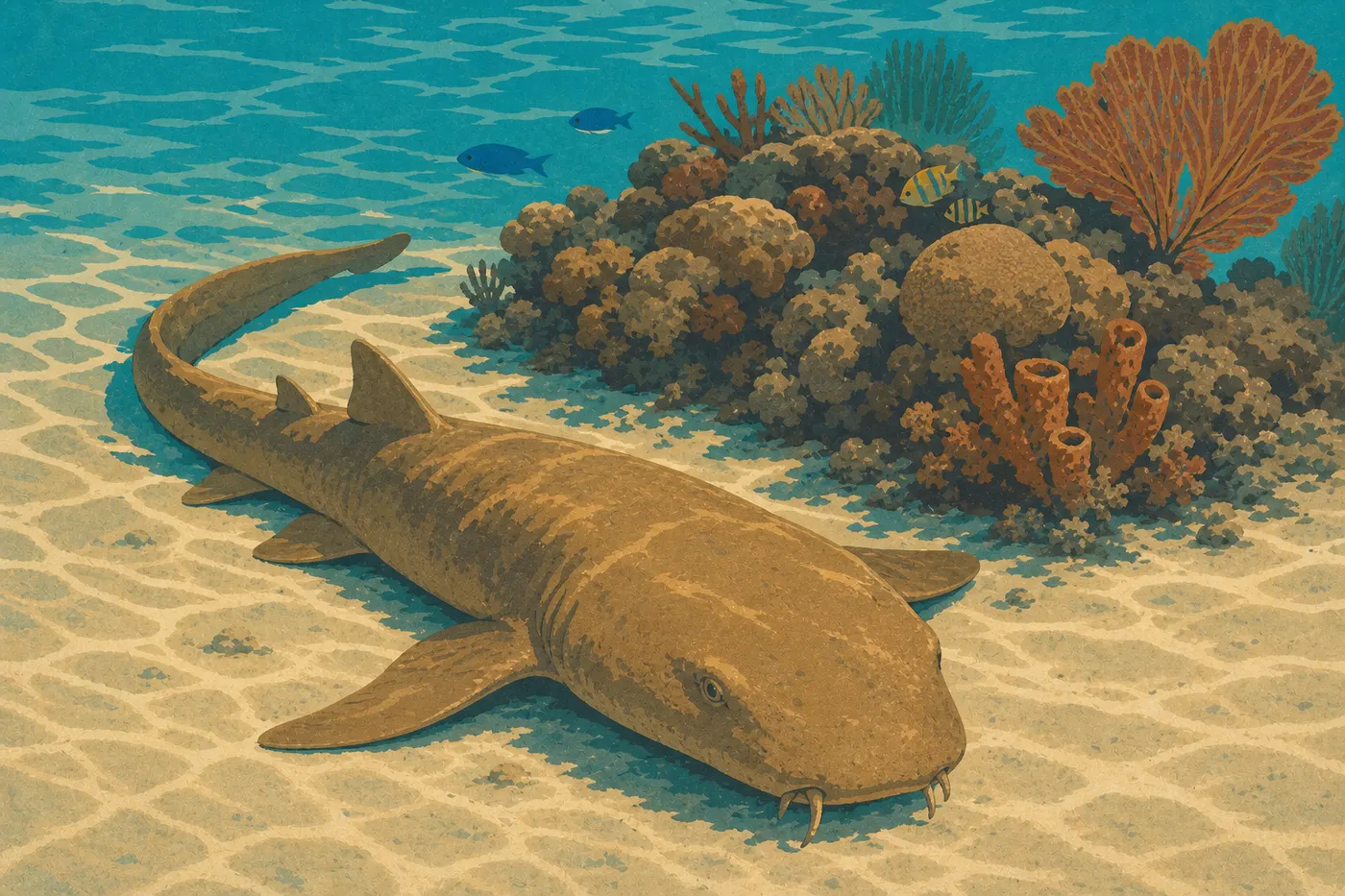
The nurse shark is the shark you're most likely to encounter while snorkeling or diving. Nocturnal, it stays motionless on sandy bottoms or beneath coral overhangs during the day. It can reach 10 feet, but its diet consists of octopuses, crustaceans, and small bottom-dwelling fish, so it has no interest in you. Don't touch it. It may bite if disturbed, so give it plenty of space. Leinster Bay and Waterlemon Cay are good places to watch one without actively looking for it.
Where to See Wildlife in Virgin Islands
Sea turtles: Leinster Bay and Waterlemon Cay are the park's most reliable turtle-spotting area. Reach the cay on foot via the Waterlemon Cay Trail, about 0.9 miles from the main road, then swim the rest of the way. Hawksnest Bay and Trunk Bay's marked underwater trail are ideal for beginners.
Reef fish: Trunk Bay's 750-foot underwater trail has identification signs and works well for families. Salt Pond Bay offers greater coral diversity in a wilder setting.
Iguanas and land wildlife: The Reef Bay Trail runs about 2.8 miles from Centerline Road and passes through wet and dry forest. Iguanas and birds are common along the route. The Cinnamon Bay Trail is easier and just as productive early in the morning.
Pelicans and frigatebirds: High overlooks along North Shore Road offer views across several bays at once. From a kayak or boat near Coral Bay, you'll see the birds in action at water level.
Bats: Look for them at dusk on forest trails or near caves along the island's eastern coast. They're the island's only native land mammals. St. John is home to several fruit-eating and insect-eating species.
When to Watch Wildlife
The dry season, from December through April, is ideal for snorkeling. Underwater visibility is excellent, trade winds keep surface temperatures around 77 to 81°F, and the sea is calmer. It's the best time to see turtles, nurse sharks, and reef fish.
The wet season, from May through November, brings short but intense showers and rougher seas beginning in August. It also overlaps with sea turtle nesting season. Females lay eggs at night on beaches from May through October, with the peak in June and July. If you want to watch nesting, do so through a park-approved protection program and use a red light only.
Land wildlife is active year-round. Iguanas are easier to spot in sunny weather because they need the warmth to regulate their body temperature. Songbirds are most vocal at dawn and dusk. If you're choosing your travel dates based on other factors such as weather, crowds, or hurricanes, the guide to the best times to visit Virgin Islands breaks down the calendar month by month.
Predators and Large Animals in Virgin Islands
There are no bears, mountain lions, or native venomous snakes on St. John. That's one of the island's defining features. Most snakes disappeared in the 19th century after mongooses were introduced to sugar plantations to control them. The mongoose (Herpestes auropunctatus) is now one of the park's most visible animals. About the size of a squirrel, it's quick and often darts across trails in the early morning. It's harmless to hikers but an efficient predator of ground-nesting birds and turtles.
The park's largest land animal is the white-tailed deer (Odocoileus virginianus), introduced by Danish settlers in the 17th century. With no natural predators, the population has flourished. You'll see them at dawn and dusk on forest trails, and they're generally unafraid of people.
Feral donkeys and goats roam some areas, especially on the eastern end of the island. They're a legacy of colonial farms. They're curious and may approach picnics.
Watching Wildlife Safely
Minimum distances: Stay 33 feet from any sea turtle at the surface or on the beach and 6 feet from iguanas. An adult iguana can deliver a powerful bite if it feels cornered. Never block a turtle's path as it returns to the sea after nesting.
Don't feed any animals. Feeding iguanas, deer, donkeys, or goats is prohibited in the park. It makes them aggressive, dependent, and dangerous to other visitors.
While snorkeling or diving: Don't touch corals or animals. Don't dive with food within reach. If you encounter a nurse shark, stay calm and keep your distance. Avoid sudden movements and don't try to touch it.
Watching turtles at night: If you're on a beach and a female comes ashore to lay eggs, stay quiet. Don't shine a white light on her, or she'll return to the water, and don't get between her and the sea. Flash photography is prohibited.
Mongooses and goats: Don't leave food where they can reach it in picnic areas. They'll grab it quickly. For general park safety rules covering trails, ocean currents, and hydration, the complete Virgin Islands guide brings together the park's practical information.
In Brief: Wildlife You Shouldn't Miss and Where to Find It
Five priorities for your wildlife checklist:
- Green sea turtle: Snorkel at Leinster Bay, Hawksnest Bay, or Trunk Bay.
- Green iguana: Everywhere along the trails once the sun is up, especially on the Reef Bay Trail.
- Brown pelican: Sheltered bays, coastal rocks, and mangrove edges around Coral Bay.
- Bananaquit: Everywhere from dawn, from the forests to restaurant patios.
- Nurse shark: Sandy bottoms around Waterlemon Cay and Leinster Bay, seen while snorkeling.
Round out your list with reef fish such as parrotfish, sergeant majors, trumpetfish, and striped bass for a complete wildlife picture. The Virgin Islands hiking guide highlights the trails best suited to combining hiking with wildlife watching.
Frequently Asked Questions
What wildlife can you find in the U.S. Virgin Islands?
Wildlife in the U.S. Virgin Islands includes sea turtles (green, hawksbill, and leatherback), green iguanas, brown pelicans, a wide range of tropical reef fish, nurse sharks, bananaquits and other birds, introduced mammals such as deer, mongooses, donkeys, and goats, and several species of bats, the island's only native land mammals.
Are there bears in the Virgin Islands?
No, there are no bears in the U.S. Virgin Islands. Virgin Islands National Park has no large land predators: no bears, mountain lions, or native venomous snakes. Its land wildlife is far less imposing than what you'll find in mainland American parks.
Where is Virgin Islands National Park located?
Virgin Islands National Park is on the island of St. John in the U.S. Virgin Islands, a U.S. territory in the Caribbean Sea. You can get there via Cyril E. King Airport on St. Thomas (STT), then take a ferry or water taxi to St. John. St. John has no airport.
How did deer get to the Virgin Islands?
White-tailed deer (Odocoileus virginianus) were introduced to St. John by Danish settlers in the 17th century as part of the island's agricultural development. With no natural predators to control the population, they became well established and are now a familiar sight along the park's forest trails.