
What to Do in Virgin Islands National Park: Top Things to See
Virgin Islands National Park is one of the most distinctive parks in the national system. There's no road access from the mainland, tropical forest tumbles down to the sea, and the water is so clear you'll want to jump off the ferry before it even docks. The park covers about 60% of St. John in the U.S. Virgin Islands and includes a major protected marine area.
The three highlights to remember right away are Trunk Bay for its one-of-a-kind underwater snorkeling trail, Annaberg for the island's colonial sugar-making history, and the Reef Bay Trail for its descent through tropical forest to Taíno petroglyphs carved into the rock centuries ago. The rest of this guide lays out the full picture, area by area.
Virgin Islands at a Glance: Areas, Access, and Getting Around
St. John is accessible only by ferry from Red Hook (St. Thomas, airport code STT), with a crossing of about 20 minutes to Cruz Bay, the park's logistical hub. Once you're on the island, traffic drives on the left. Roads are narrow, bends are frequent, the general speed limit is 35 mph, and you should slow to 15 mph on curves. For ferry fares, entrance details, and parking, see our guide to getting to Virgin Islands National Park.
How Long Do You Need to Visit Virgin Islands National Park?
Two days is the reasonable minimum: one day on the North Shore for beaches and snorkeling, and one day for the Reef Bay Trail and Annaberg. Three to four days allow for a more relaxed pace, with time for Coral Bay, Lameshur Bay, and an outing to nearby islands. More than a week is for dedicated divers, kayakers, and slow travelers in the Caribbean.
The day-by-day itinerary, including travel time between areas, a sensible order based on your lodging, and weather-related alternatives, is in our Virgin Islands itinerary guide.
The Highlights, Area by Area
Cruz Bay: Your Starting Point, Not Just a Stopover
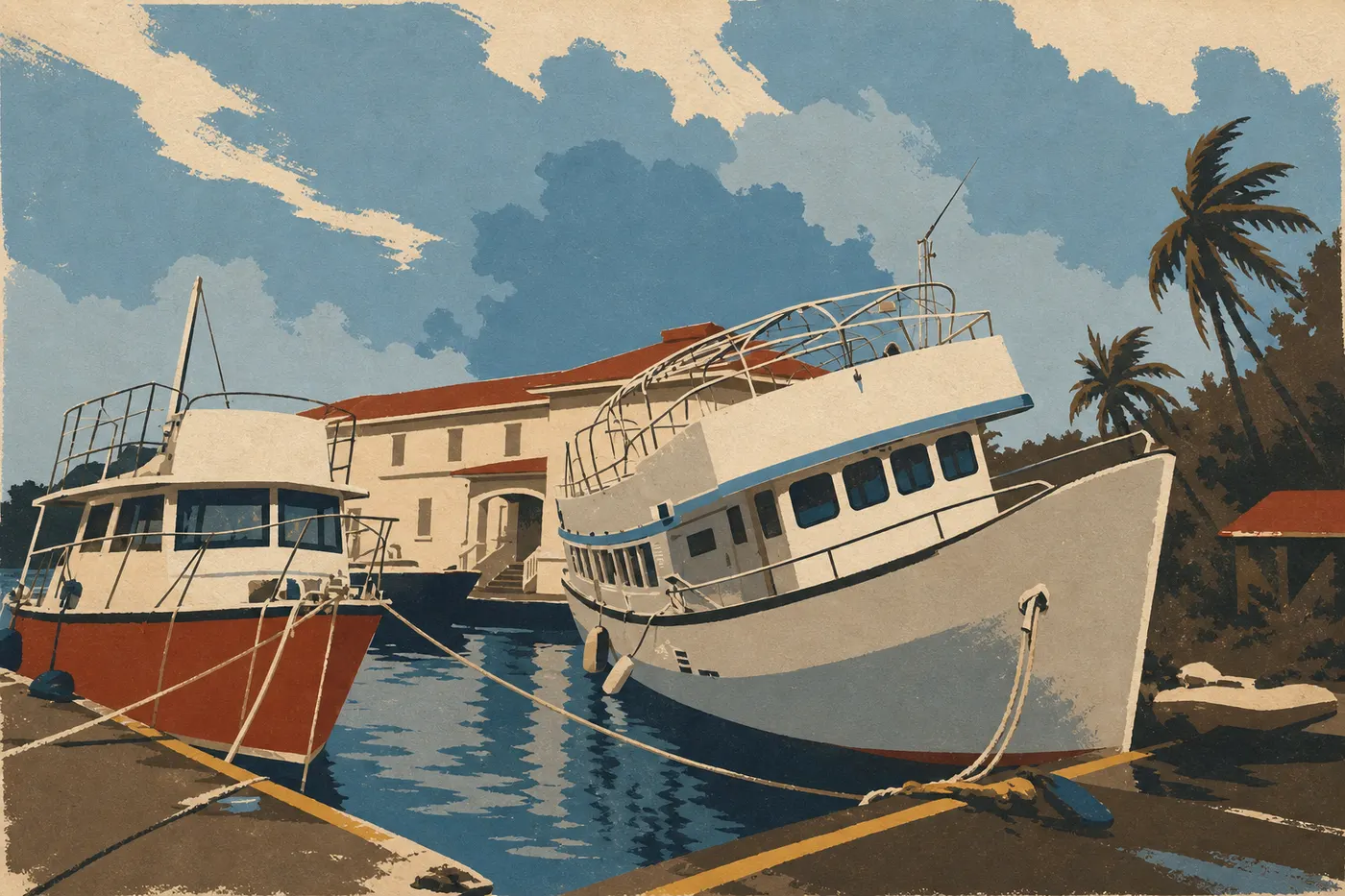
Cruz Bay consists of a few hundred yards of streets. It's small, lively, and useful. The Cruz Bay Visitor Center (open Monday through Thursday from 8:15 a.m. to 4 p.m. and Friday until 1:30 p.m.; closed on weekends, July 4, Thanksgiving, and Christmas) should be your first stop. You'll find free paper maps, rangers ready to answer questions, and the current schedule of ranger-led hikes. The park store sells snorkeling gear at fair prices if you forgot yours.
Cruz Bay's beach is a working harbor, not a place to relax. Don't waste time swimming here. Save your energy for the North Shore, less than a 10-minute drive away.
The North Shore: Five Bays, Five Reasons to Stay Awhile

This is the heart of the park and, rightly so, the route everyone takes. North Shore Road strings together the coves for just under 9.3 miles. Visit them in order, or choose two or three depending on how much time you have.
Hawksnest Bay is the first stop after leaving Cruz Bay. It's quiet in the morning and sheltered by flowering frangipani trees. Snorkel along the rocks on the right, where the coral is in good shape.
Trunk Bay is the park's best-known cove. Its 740-foot underwater snorkeling trail is a rare feature. Submerged signs identify the corals, sponges, and species passing in front of you, including parrotfish, blue tangs, and stingrays if you're lucky. There's a separate $5 beach entrance fee for adults. Catamaran excursion crowds start arriving around 10 a.m., so get there before 9 a.m. to enjoy the site in peace.
Cinnamon Bay combines a long white-sand beach, the park's only campground, with campsites beneath the coconut palms, and a Taíno archaeological site a few yards from the shoreline. You can rent kayaks and paddleboards right on the beach. It's also a good snorkeling spot near the rocks at either end of the bay.
Maho Bay is quieter and less exposed to swells, with a flat, sandy bottom. This is where sea turtles regularly surface to breathe. If you have time to lie on your towel, there's a good chance you'll spot one without even putting on your mask.
Francis Bay rounds out the North Shore. There isn't much traffic, but there are plenty of birds. The Francis Bay Trail starts at the parking lot and crosses a wetland where herons, gallinules, and terns nest. Wear closed-toe shoes instead of flip-flops for this 20-minute trail.
Annaberg Ruins: The Island's Sugar-Making History
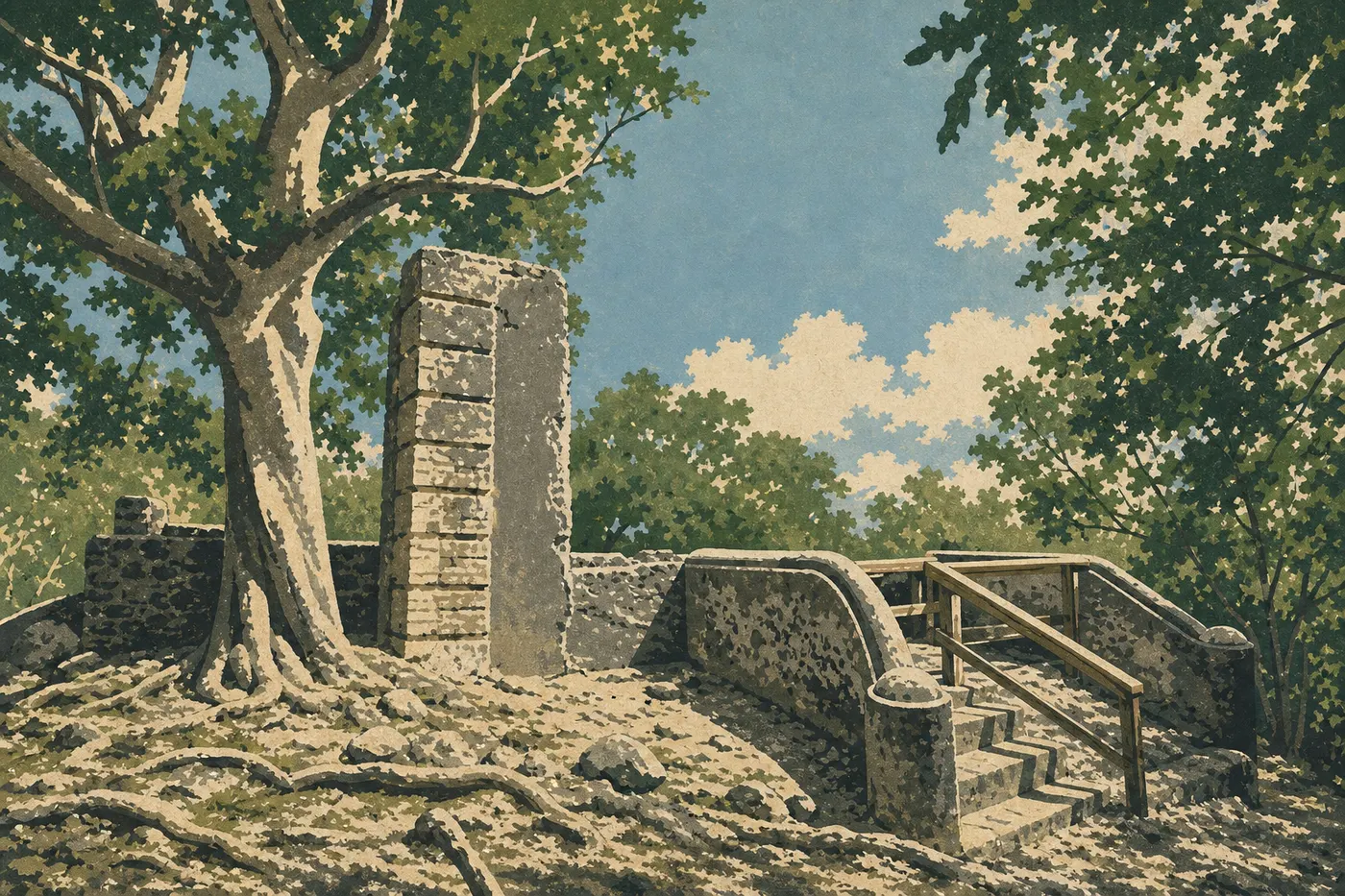
At the park's northeastern tip, Annaberg Sugar Mill is one of the few tangible reminders of the island's Danish colonial economy. In the 18th century, this sugar mill used enslaved Africans to process cane into sugar and rum destined for Europe. The windmill, bagasse furnace, and enslaved workers' quarters are open to visitors at no charge, with understated, carefully researched interpretive signs.
The visit takes 30 to 45 minutes. Rangers offer guided tours in English at the times posted at the Cruz Bay Visitor Center. It's a site that stays with you, especially if you're visiting with children and want to give them some context about Caribbean history.
Coral Bay and the East End: The Island Away from the Crowds

It's a 20-minute drive from Cruz Bay, on the other side of the island. Coral Bay is a village of a few bars facing the water, a few sailboats at anchor, and an atmosphere completely different from the North Shore. People here have lived aboard for years, cats sleep in restaurants, and nobody is in a hurry. That's intentional.
The national park reaches the East End, but the roads quickly become passable only with a high-clearance 4WD vehicle. A few trails lead to overlooks of nearby islands, including St. Thomas to the west and the British Virgin Islands to the east. Bring at least 2 liters of water per person. There are no places to resupply along these roads.
Lameshur Bay and the South Side: Secluded Snorkeling
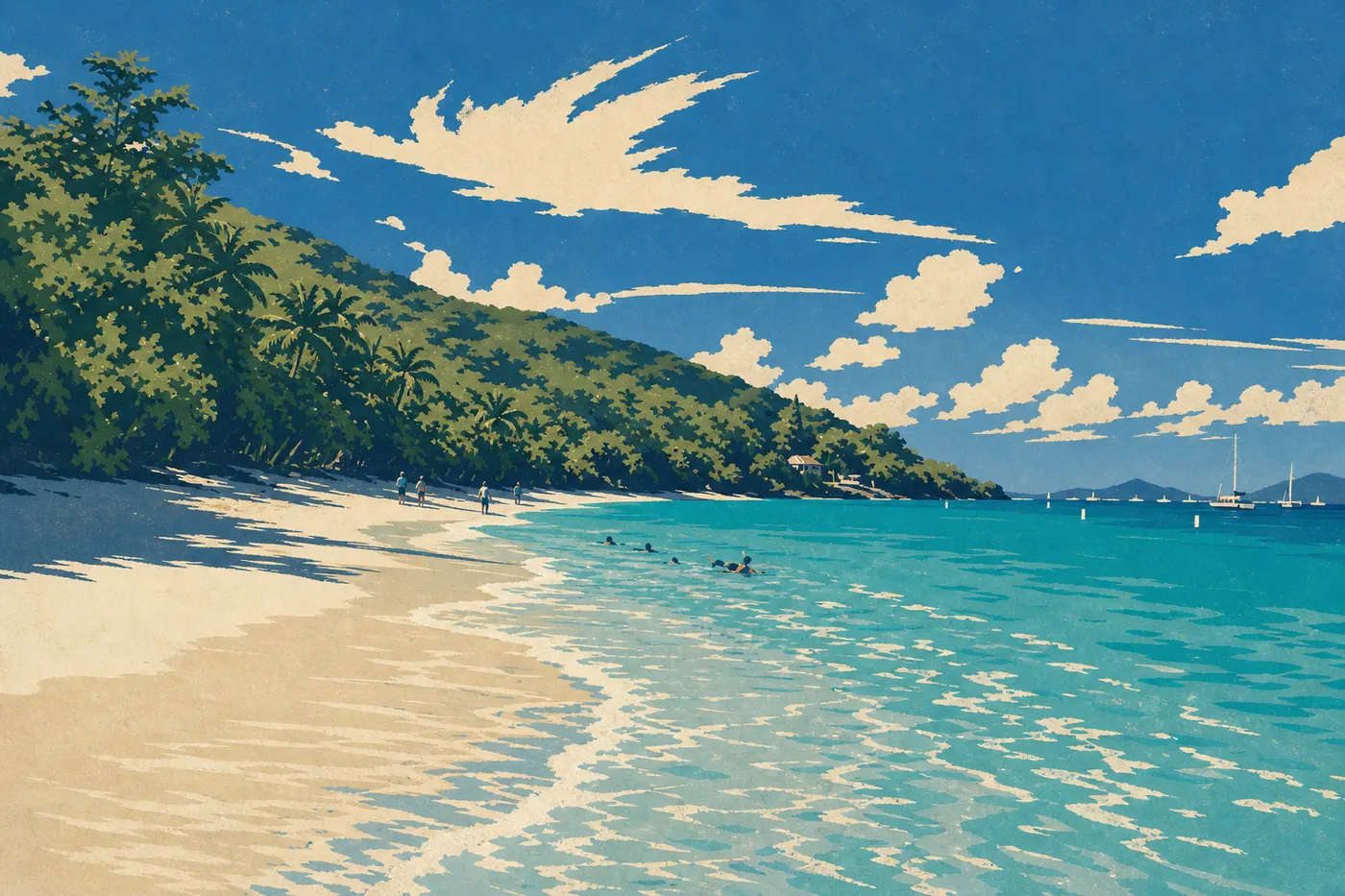
You reach the south side of St. John on a rough track from Coral Bay. Greater Lameshur Bay and Lesser Lameshur Bay form a nearly deserted double cove on weekdays. The water is remarkably clear, snorkeling around the rocks is excellent, and you won't run into the catamaran excursion groups that fill Trunk Bay in the middle of the morning. You'll need a 4WD vehicle to reach the site without scraping the undercarriage.
The Best Hikes in Virgin Islands National Park
The park offers more than 20 marked trails on St. John for every level of hiker. The Reef Bay Trail is the most iconic. The roughly 4-mile round-trip hike descends from Route 10 through dry and moist tropical forest, passes old ruined mills, and ends at a natural pool beside Taíno petroglyphs carved into the rock centuries ago. The descent is easy. The climb back, with about 920 feet of elevation gain, takes more effort in the tropical heat.
The Ram Head Trail (about 1.6 miles round-trip) is the choice for panoramic views. It leads to a rocky promontory above the sea, with a view toward the nearby British islands and St. John's south coast.
For complete details on every trail, including distance, difficulty, elevation gain, and seasonal trail conditions, see the Virgin Islands hiking guide.
Other Activities for Different Travelers
Scuba Diving and Advanced Snorkeling
The park has included a protected marine area since 1956. Beneath the surface, you'll find pillar corals, trunkfish, spotted morays, barracuda, and, depending on the season, hawksbill turtles. Several PADI-certified operators run boat trips from Cruz Bay to sites that are harder to reach from shore. For kids and non-divers, a mask and snorkel are more than enough at Trunk Bay, Hawksnest Bay, and Cinnamon Bay.
The Virgin Islands wildlife guide covers the marine species you can see by season.
Sea Kayaking
Cinnamon Bay rents kayaks. You can follow the North Shore and reach the beaches between the main bays from the water. It's a different way to explore the coves without dealing with parking lots that fill up in high season. Swells can build quickly late in the morning, so head out early and stay close to shore.
Families with Kids
Virgin Islands National Park is one of the most kid-friendly parks in the national system. Water temperatures stay warm year-round, from 79 to 84°F depending on the season, the hazards are limited if you follow the rules, and the Trunk Bay snorkeling trail works for kids as young as 6 or 7 with the right gear. Watch for black sea urchins on the rocky bottom near the coral. Snorkeling shoes are strongly recommended.
Our Virgin Islands family guide covers the Junior Ranger program and practical advice for younger children.
Bird-Watching
Francis Bay and the North Shore wetlands are active migration corridors. You may see tricolored herons, purple gallinules, royal terns, and, with a little patience among the flamboyant trees, green-headed hummingbirds. The best time is 6:30 a.m., before the heat drives the birds into the shade.
Stargazing
St. John is one of the Caribbean islands with the least light pollution. On moonless nights above Ram Head or Lameshur Bay, you can see the Milky Way with the naked eye. During our last visit in February, the galactic band was clearly visible from the Lameshur parking lot as early as 9 p.m. The park wasn't offering an official astronomy program at that time, but a few Coral Bay lodges host informal stargazing evenings.
Weather and Seasons
Trade winds blow from east to west almost all year and temper the tropical heat. The dry season runs from December through April, with stronger winds and few showers. The wet season from May through November brings brief showers that rarely last long. Hurricane season runs from June through November. Check NOAA forecasts before heading out on the water if you're visiting during this period. The St. John weather forecast and our When to Go page outline the best windows for each season.
What to Do Around Virgin Islands National Park
St. John is surrounded by islands you can reach by ferry or rental sailboat.
St. Thomas (about 30 to 45 minutes from Cruz Bay) is the main island of the USVI. It offers Charlotte Amalie and its duty-free shops, 17th-century Fort Christian, and beaches with more amenities than those in the national park.
On the British Virgin Islands side, Virgin Gorda is a must for The Baths, a jumble of giant granite boulders forming caves and natural pools along the shore, with no real equivalent in the Caribbean. Jost Van Dyke is the island of legendary beach bars, including Soggy Dollar Bar, accessible only from the water. Tortola is the largest of the BVI, with wild beaches on the north coast and a lively marina in Road Town.
To plan a multi-island trip in the eastern Caribbean, our Road Trips and Caribbean Regions guides bring together itineraries and practical ways to combine the USVI and BVI.
The Essentials: What to See First in Virgin Islands?
If you're short on time, here's how to prioritize. Start at Trunk Bay early in the morning for snorkeling, arriving before 9 a.m. to avoid the crowds. Spend an hour at the Annaberg ruins in midmorning, when the shade from the walls feels welcome. Finish at Maho Bay in the late afternoon, after the groups have left and the turtles are surfacing. For active travelers, the Reef Bay Trail is the hike you'll regret missing.
The rest of the itinerary depends on your pace. Virgin Islands National Park works just as well for two packed days as it does for a week of unhurried downtime, depending on what you're looking for.
Our complete Virgin Islands guide brings together every section you need to plan your trip from start to finish.
Frequently Asked Questions
What is there to do in the Virgin Islands?
At Virgin Islands National Park on St. John, the main activities are snorkeling along Trunk Bay's underwater trail, visiting the Annaberg sugar mill ruins, hiking through tropical forest on the Reef Bay Trail and Ram Head Trail, sea kayaking from Cinnamon Bay, watching for sea turtles at Maho Bay, and taking trips to nearby islands such as St. Thomas, Virgin Gorda, and Jost Van Dyke.
How many days do you need to visit the Virgin Islands?
Two days cover the essentials of the national park on St. John: spend the first day on the North Shore and at Annaberg, then hike the Reef Bay Trail and visit Coral Bay on the second. Three to four days are recommended if you want to explore the island without rushing and add an excursion to St. Thomas or the British Virgin Islands. Our Itinerary & Length page lays out plans for different trip lengths.
Is it safe to visit the Virgin Islands right now?
Virgin Islands National Park is a safe environment for visitors who follow basic precautions. Never snorkel alone, follow the speed limits (35 mph maximum, often lower on winding roads), use high-SPF sunscreen, bring plenty of water, and wear footwear suited to the terrain. During hurricane season, from June through November, always check NOAA forecasts before any activity on the water.
What do people do in the Virgin Islands?
Park visitors spend most of their time on the North Shore beaches, including Trunk Bay, Cinnamon Bay, and Maho Bay, hiking through tropical forest, snorkeling, and diving in the park's protected waters. Many add a ferry trip from Cruz Bay to nearby islands. The overall feel is that of a Caribbean national park: protected nature, turquoise water, and a slower pace.