
Mammoth Cave Wildlife: Which Animals to See and Where to Find Them
Mammoth Cave National Park is home to two wildlife worlds that coexist without ever truly meeting: Kentucky's wooded surface, populated by deer, raccoons, and wild turkeys, and the underground world, where a few rare species have pushed adaptation to the extreme. The park's five signature animals are the gray bat (Myotis grisescens), the cave shrimp (Orconectes pellucidus), the cave salamander (Eurycea lucifuga), the white-tailed deer, and the wild turkey. If you only remember one wildlife encounter, make it the mass emergence of bats at dusk from the Historic Entrance. It's one of the park's most striking sights.
Mammoth Cave's Signature Animals
The Gray Bat (Myotis grisescens)
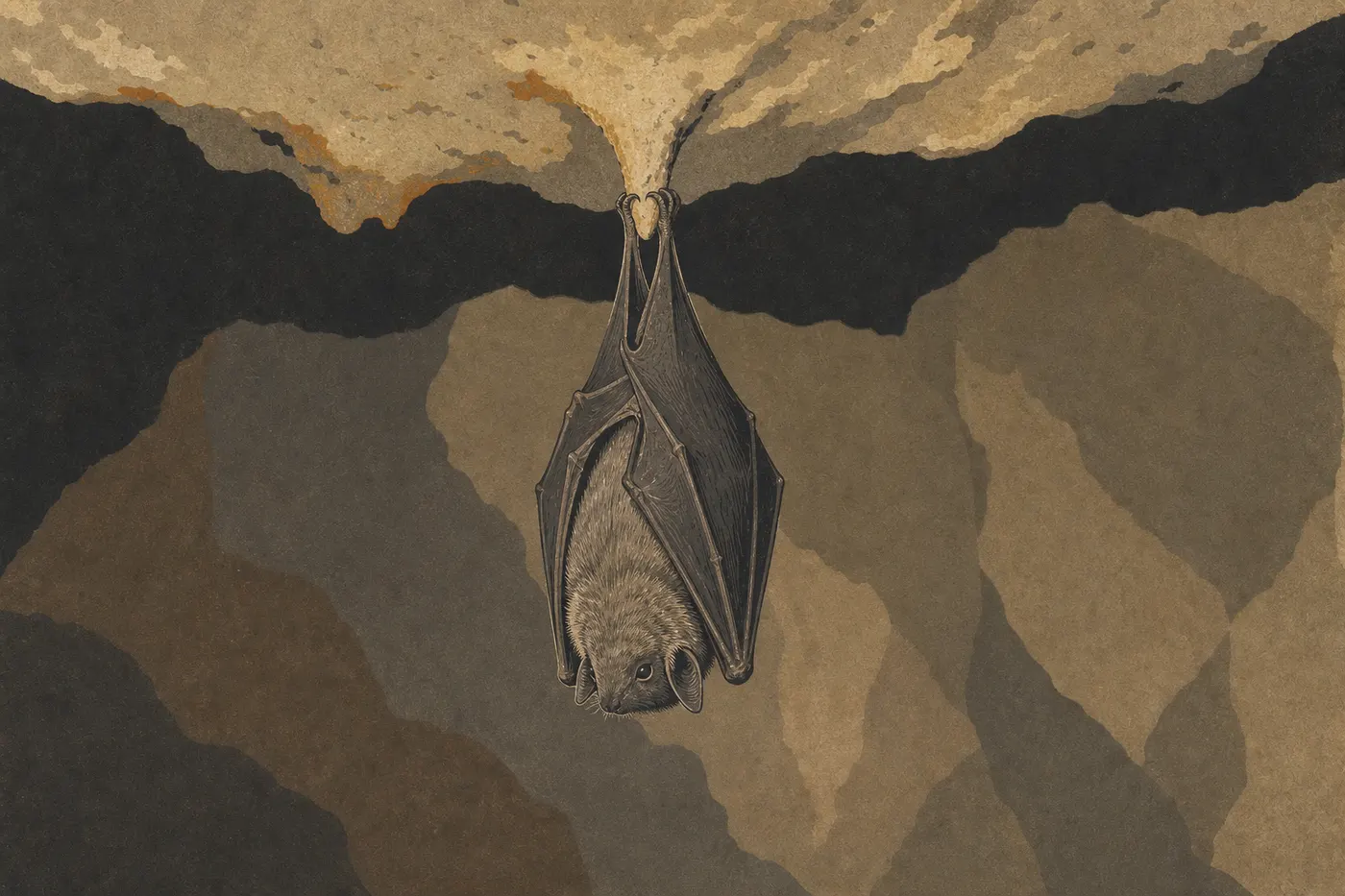
The gray bat is Mammoth Cave's signature animal, and for good reason. The Mammoth Cave cave system is one of the largest hibernation sites for the species in North America. The bat has a wingspan of about 5.5 to 6.3 inches and uniformly gray-brown fur. It hunts insects on the surface at dusk, then returns to the passages to rest or hibernate. The species has been listed under the Endangered Species Act since 1976. The park limits access to some passages to reduce disturbance to winter colonies. Several other bat species use the park as well, including the big brown bat (Eptesicus fuscus) and the little brown bat (Myotis lucifugus).
Behavior: It hibernates from October through April in the coolest parts of the cave system. Females give birth to a single pup each year in June.
Where and when: The best wildlife show in the park is the emergence from the Historic Entrance at sunset from May through September.
The Cave Shrimp (Orconectes pellucidus)
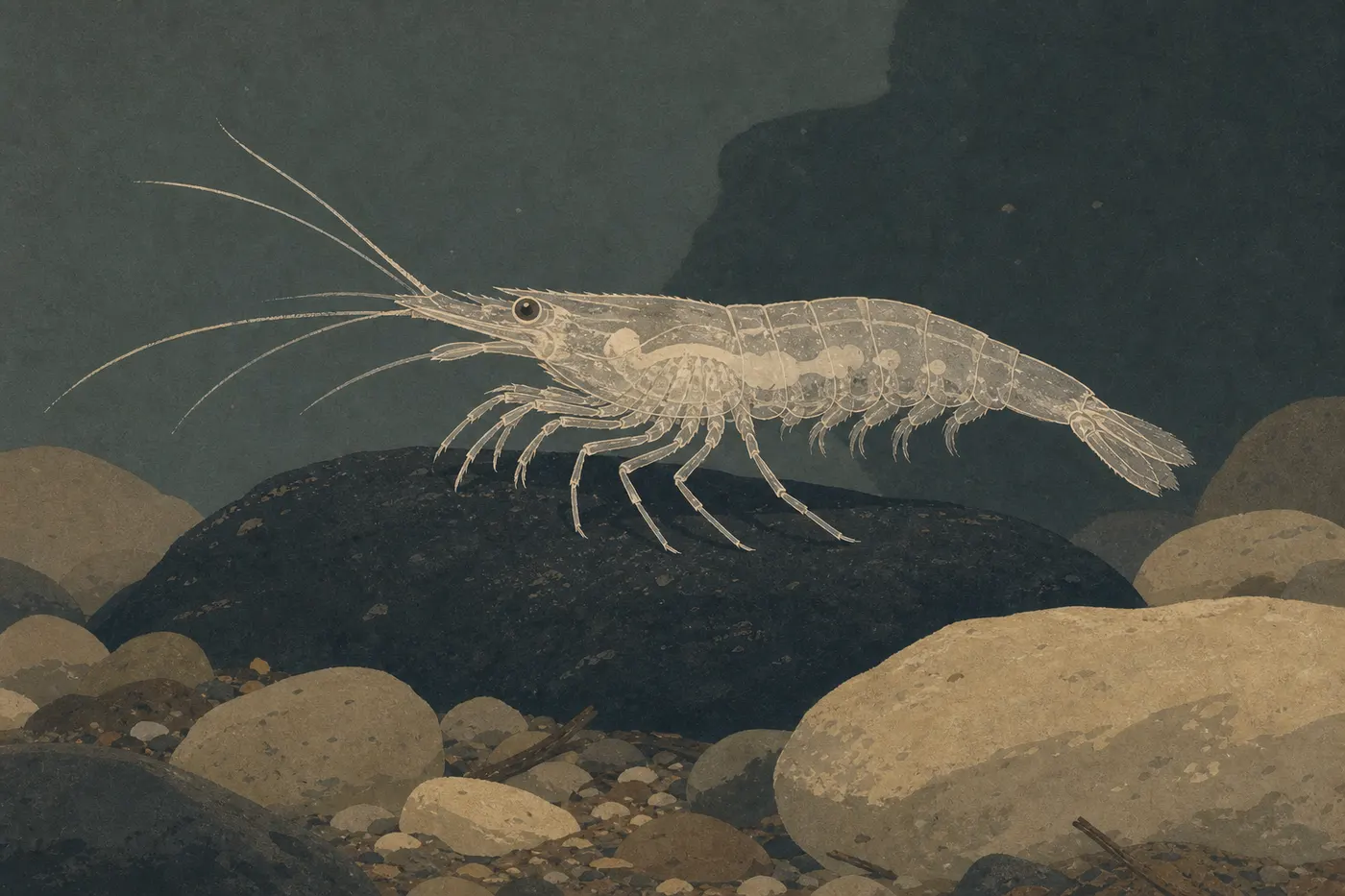
This blind, unpigmented crayfish lives nowhere else in the world. It grows to 1.2 to 2 inches long, is translucent, and lost its eyes over millennia of evolution in total darkness. It feeds on organic matter carried by underground water and plays an essential role in the cave ecosystem. You may spot it in underground streams during guided tours of the River Styx or Echo River, if the guide shines a light across the water.
Where and when: River Styx and Echo River guided tours have limited availability, so check dates at nps.gov/maca. The shrimp is present year-round, but water levels vary with spring rainfall.
The Cave Salamander (Eurycea lucifuga)
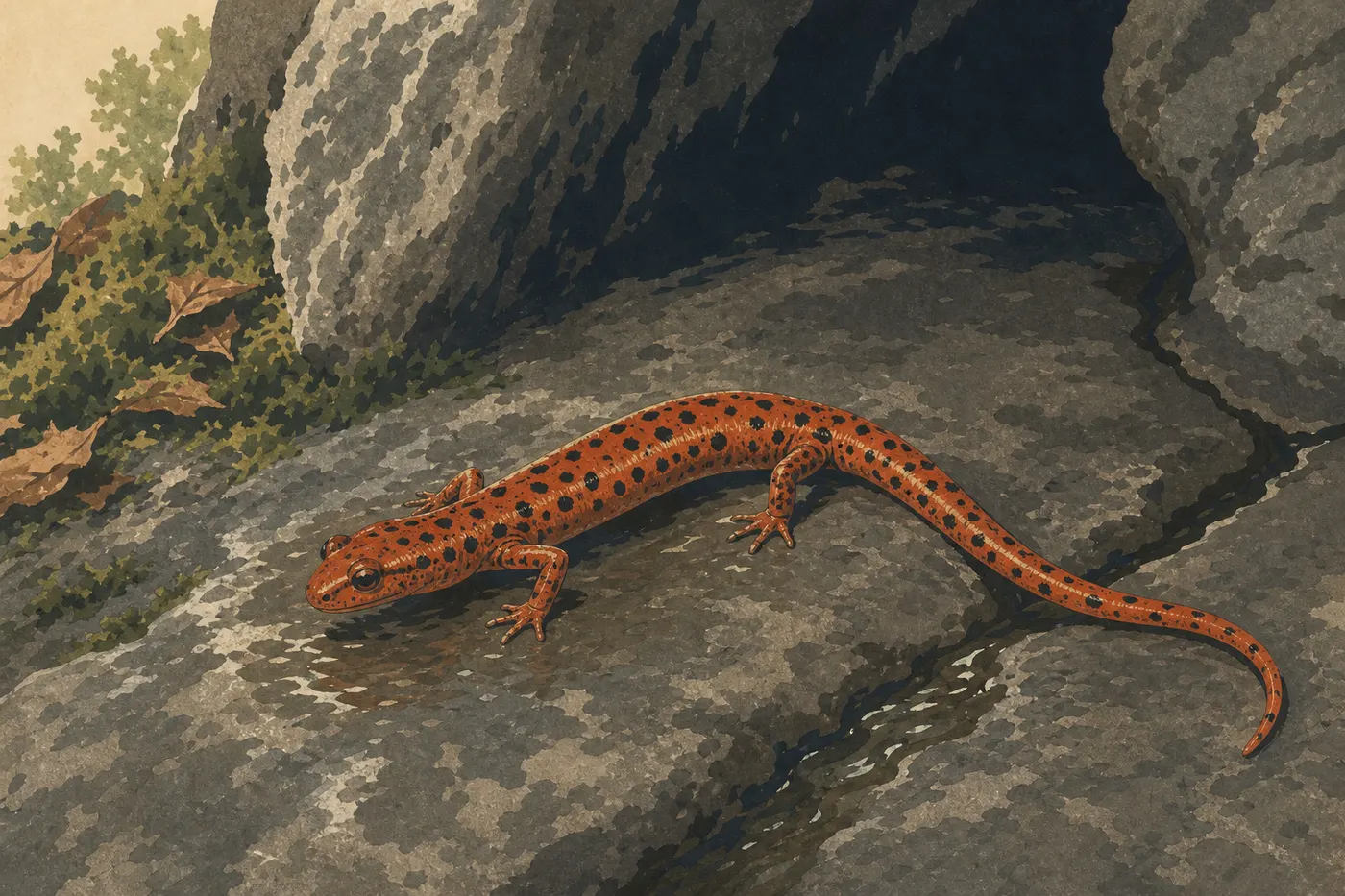
Also called the Mammoth Cave cave salamander, it lives at the boundary between the underground world and the surface. Unlike the cave shrimp, it isn't blind. It favors cave entrances where a little natural light filters in. Its orange body, speckled with black, makes it easy to recognize. It hunts small, damp-loving invertebrates and favors wet limestone walls near cave entrances.
Where and when: At natural entrances, including the Historic Entrance and Natural Entrance, especially after spring rains when humidity rises.
The White-Tailed Deer (Odocoileus virginianus)
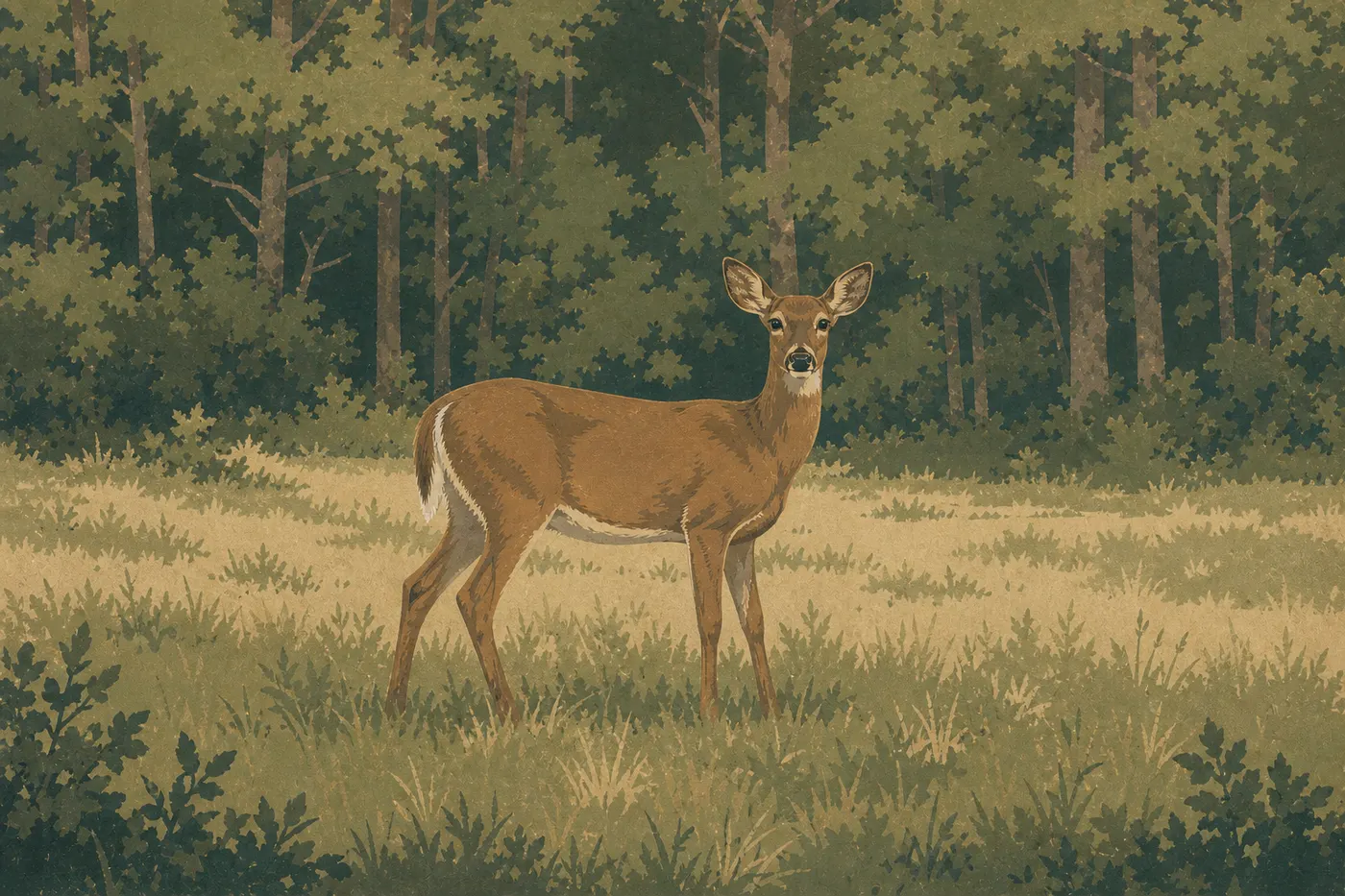
On the surface, the white-tailed deer is the animal you're most likely to see. The park protects thousands of acres of mixed forest and open grassland, ideal habitat for the species. Bucks grow branched antlers from July through January, while white-spotted fawns are born in May and June. Deer are most active at dawn and dusk.
Where and when: In the meadows around the Visitor Center and along Mammoth Cave Parkway, starting in the first hour after sunrise.
The Wild Turkey (Meleagris gallopavo)
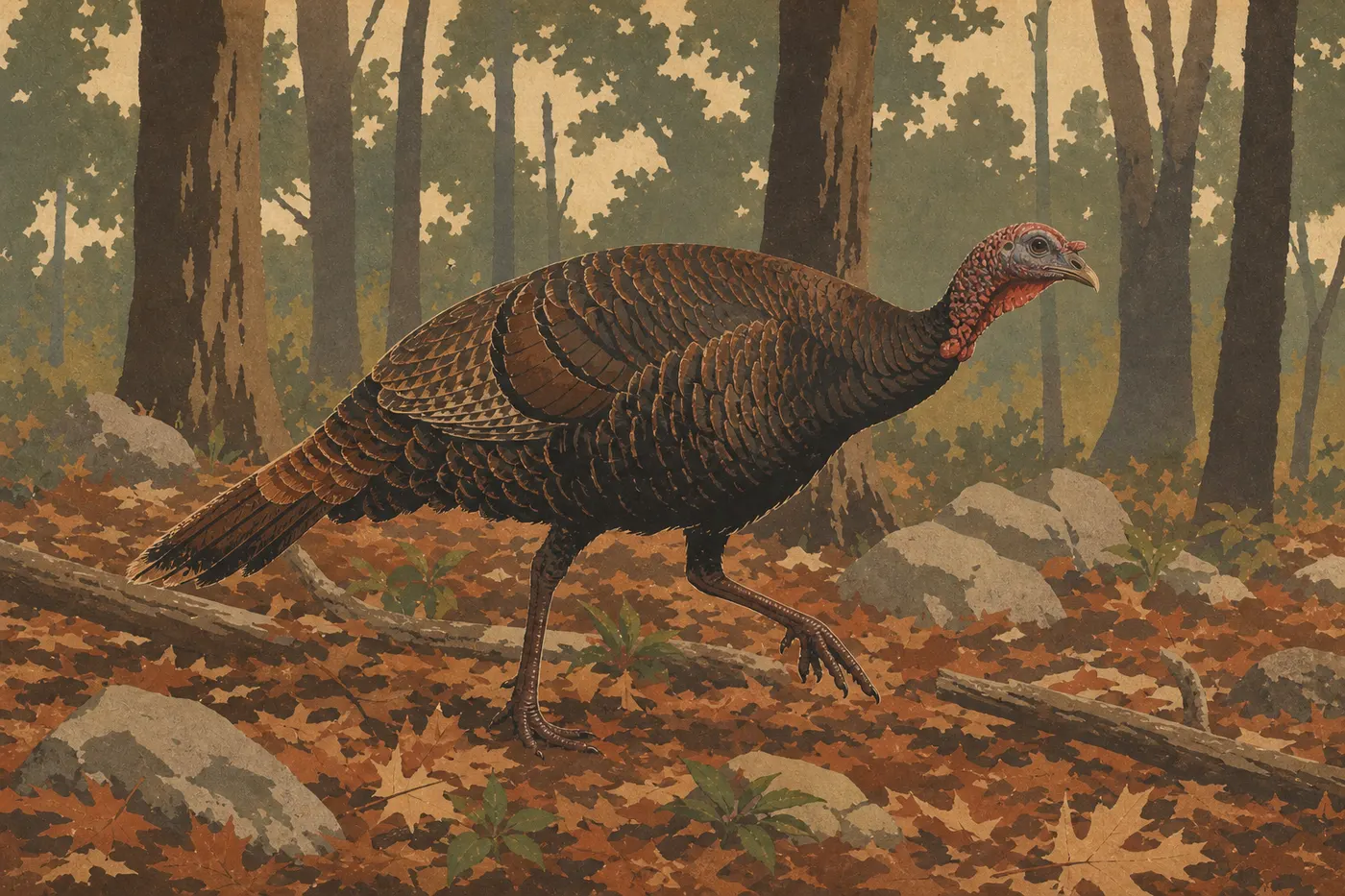
The wild turkey is common but easy to miss. A male in breeding plumage is spectacular, with bright red wattles, a fanned tail, and iridescent bronze-green feathers. You'll hear it before you see it, thanks to its famous gobble, which carries several hundred yards through the woods. It feeds on acorns, berries, and insects on the ground.
Where and when: Along forest edges and quiet roads in spring, during breeding season from March through May, and in fall.
Where to See Wildlife in the Park
The park offers two very different settings for wildlife watching.
On the surface, the best viewing areas are the meadows and forest edges around the Visitor Center, along Mammoth Cave Parkway, and on surface trails such as the Green River Bluffs Trail. The banks of the Green River, which runs through the park, attract great blue herons, ospreys, and river otters (Lutra canadensis) in spring. The wooded sections of the Good Spring Loop and Turnhole Bend Trail feel wilder, with raccoons, Virginia opossums, the only native marsupial in North America, and coyotes after dark.
Underground, wildlife is accessible only through NPS-guided tours. Each tour follows its own route, so each one provides access to different passages. Read our Mammoth Cave Things to Do guide to choose a tour that fits your experience and interests.
When to Watch Wildlife: Seasons and Daily Rhythms
Wildlife activity follows two parallel rhythms depending on whether you're on the surface or underground.
On the surface, spring, from March through May, is the busiest season. Migratory birds stop in the park, with more than 200 species recorded, deer are in their spring activity cycle, and turkeys display. Summer is hot and humid, with daytime temperatures often above 86°F, and the forests are dense. Wildlife concentrates early in the morning and at dusk. Fall offers ideal conditions for watching deer and raccoons before winter. Winter remains mild for Kentucky, with daytime temperatures between 39°F and 46°F, and leafless woods make deer sightings more frequent.
At night, Mammoth Cave is a haven for anyone interested in nocturnal animals. Raccoons, opossums, coyotes, and barred owls (Strix varia) become active as darkness falls. Bats emerge 20 to 30 minutes after sunset. The park doesn't regularly offer guided night outings, but campers in the surface campground can naturally enjoy this activity by staying near their campsite.
For a complete seasonal calendar and the best months to visit, see our Mammoth Cave Seasons guide.
Predators and Large Animals of Mammoth Cave
Black bears (Ursus americanus) live in the park, although sightings remain uncommon. Kentucky's oak and hickory forests provide abundant food in fall, including acorns, nuts, and berries. Coyotes (Canis latrans) are much more common. You'll hear them howling at night from the campgrounds. Raccoons are everywhere and fearless, especially around camping areas.
The white-tailed deer is the park's largest animal. There are no wolves or mountain lions in this part of Kentucky today, which puts the coyote at the top of the terrestrial food chain.
The waters of the Green River and Green River Lake support spiny softshell turtles (Apalone spinifera), painted turtles, and several rare fish species, some of them endemic to the park's karst basin.
How to Watch Wildlife Safely
NPS and Leave No Trace safety rules apply without exception at Mammoth Cave.
Minimum distances to maintain:
- Black bears: 300 feet, about the length of an American football field. If a bear approaches, speak loudly and wave your arms to make it clear you're human.
- Deer: 100 feet, especially during the rut from October through November, when bucks may charge.
- All other wildlife: at least 50 feet.
Never feed wildlife, including raccoons and squirrels. A fed animal loses its fear of people and becomes dangerous, both to itself and to you. The NPS may fine violators.
In the cave, stay strictly on the routes marked by your guides. Touching walls or formations can spread white-nose syndrome (Pseudogymnoascus destructans), a fungus that is decimating bat colonies across North America. Some passages are closed specifically to protect hibernating colonies.
Ticks and snakes: Kentucky is home to two venomous species, the copperhead (Agkistrodon contortrix) and the cottonmouth (Agkistrodon piscivorus), found in wet areas and rocky slopes. Wear high-top shoes on surface trails and check your clothing after every hike.
For complete backcountry safety advice, rangers at the Visitor Center can answer all your questions before you enter the park.
In Brief: Wildlife You Shouldn't Miss and Where to Find It
| Species | Best place | Best time |
|---|---|---|
| Gray bat | Historic Entrance | Dusk, May through September |
| Cave shrimp | River Styx / Echo River tours | Year-round, with limited spaces |
| Cave salamander | Natural cave entrances | After spring rains |
| White-tailed deer | Visitor Center meadows and Parkway | Dawn and dusk |
| Wild turkey | Forest edges | Spring, during breeding season |
| Black bear | Interior forests | Fall, when acorns are available |
| Great blue heron | Green River banks | Spring and summer |
| Coyote | Throughout the park | Night, near campgrounds |
Our complete Mammoth Cave guide brings together all the resources you need to plan your visit.
Frequently Asked Questions
What animals live in Mammoth Cave?
Animals that live in Mammoth Cave include the cave shrimp, a blind and unpigmented crayfish, cave salamanders, several bat species, and various cave-dwelling insects and arachnids adapted to total darkness.
Are there bears at Mammoth Cave?
Yes. Black bears (Ursus americanus) live in the park, although sightings remain uncommon. They favor dense wooded areas, especially in fall during the period of hyperphagia.
What is the most common animal in the park?
The most common animal at Mammoth Cave is the white-tailed deer (Odocoileus virginianus), which you're almost sure to see in the morning and evening around the Visitor Center and along Mammoth Cave Parkway.
What is the largest animal at Mammoth Cave?
The park's largest animal is the white-tailed deer. Adult bucks weigh 220 to 285 pounds and can grow antlers more than 24 inches tall.
What are the predators at Mammoth Cave?
The park's main predators are coyotes (Canis latrans) and black bears. The copperhead and cottonmouth are the only two venomous species you need to know about.
What animals are out at night at Mammoth Cave?
Animals active at night at Mammoth Cave include bats, starting at sunset, raccoons, Virginia opossums, coyotes, and barred owls. Campers regularly hear them from their sites in the main campground.