
When to Visit Mammoth Cave: Best Times, Weather, and Seasons
The best times to visit Mammoth Cave are April and May in spring, and September and October in fall. You'll get mild weather above ground, forests at their best, and cave tours you can still book without weeks of advance planning.
The best times to visit Mammoth Cave are spring (April-May) and fall (September-October). Temperatures above ground are comfortable, the forest scenery is at its best, and cave tours are still available without booking weeks ahead. But this park has one feature that changes the whole calculation: the cave stays at a constant 54°F year-round. Underground, there's no off-season.
Mammoth Cave sits in south-central Kentucky. The park contains the world's longest mapped underground cave system, with more than 420 miles of surveyed passageways. Above ground, the weather follows Kentucky's humid subtropical climate: hot, muggy summers, mild to cold winters, and a rainy spring. For short-term forecasts before your trip, check the Mammoth Cave weather conditions.
Mammoth Cave Climate Month by Month
Kentucky gets an average of 50 inches of rain each year. The southern part of the state, where the park is located, is the wettest, with a pronounced spring peak. Above-ground temperatures range from 39°F in winter to 88-90°F in summer. Underground, it stays at 54°F year-round.
| Month | Approx. low | Approx. high | Precipitation |
|---|---|---|---|
| January | 34°F | 46°F | Moderate |
| February | 36°F | 50°F | Moderate |
| March | 43°F | 59°F | High |
| April | 52°F | 70°F | High |
| May | 61°F | 79°F | High |
| June | 68°F | 88°F | Moderate |
| July | 73°F | 90°F | Moderate |
| August | 72°F | 88°F | Moderate |
| September | 64°F | 81°F | Low |
| October | 54°F | 70°F | Low |
| November | 43°F | 57°F | Moderate |
| December | 36°F | 48°F | Moderate |
You'll find the full month-by-month sunshine data on our Weather page.
Mammoth Cave in January
In January, above-ground temperatures hover around 34-46°F, with a risk of ice. Some trails close temporarily after an ice storm, so check park alerts before you go. The cave remains at a steady 54°F, and tours run with very small groups, making this the ideal month for exploring the passageways in near solitude.
Mammoth Cave in February
February stays cold, from 32-48°F, and may bring snow or ice, but visitation is at its lowest of the year. If the cave is your priority and you're willing to put up with unpredictable weather above ground, this is a very good month to visit.
Mammoth Cave in March
In March, temperatures climb toward 41-59°F, but it's also the wettest month. Storms can be severe, and some low-lying areas of the park are prone to flooding. Check trail conditions with the Visitor Center before heading out. Visitation picks up, but it remains reasonable on weekdays.
Mammoth Cave in April
April brings temperatures of 50-68°F, woodland floors in full bloom with anemones and wild phlox, and moderate crowds. Rainfall remains substantial, but the clear stretches between showers are worth the trip. Watch out for the busy Easter weekend and book your cave tours ahead of time on Recreation.gov.
Mammoth Cave in May
May is often considered the best month overall. Temperatures from 57-77°F are ideal for hiking, all Visitor Center services are open, and the park's vegetation is at its peak. Crowds increase but remain manageable on weekdays. Book your cave tours one to two weeks ahead to secure your preferred times.
Mammoth Cave in June
June ushers in summer. Highs reach 86°F, and Kentucky's humidity settles in, making midday hikes strenuous. The 54°F cave becomes a welcome refuge. Book your tours several days ahead as visitation rises sharply.
Mammoth Cave in July
July is the busiest and one of the hottest months, with highs regularly around 90°F. Humidity makes outdoor activities uncomfortable before 9 a.m. Popular tours often sell out several days ahead, so book as soon as your dates are set and plan above-ground activities for the early morning.
Mammoth Cave in August
August remains hot, from 68-88°F, and crowds are still heavy early in the month before easing around mid-August as the school year resumes. This is a month for early risers. Morning trails are more comfortable, and tours are available if you've booked ahead.
Mammoth Cave in September
September is one of the two best months of the year. Temperatures drop to 59-81°F, rainfall reaches its annual low, and crowds fall sharply after Labor Day, the first Monday of the month. Cave tours become available without weeks of advance planning, and the first fall colors appear late in the month.
Mammoth Cave in October
October has several advantages: cool temperatures from 48-70°F, little rain, and the fall foliage of the oak and maple forests around the park. Crowds are low and tours are easy to book. Photographers favor this month because the autumn light on Kentucky's hills is remarkable.
Mammoth Cave in November
Leaves begin to fall in mid-November, and visitation drops very low, with daytime temperatures from 37-55°F. Cave tours still operate, but check the NPS website for schedules before your visit because some services may have shorter hours during the off-season.
Mammoth Cave in December
December is the coldest month above ground, from 32-46°F, with a risk of snow or ice. The park remains accessible without interruption and cave tours operate. Visitation is at its lowest except for a few days around Christmas, making this a good time for a quieter experience.
Mammoth Cave Season by Season
Spring (March to May): The Benchmark Season
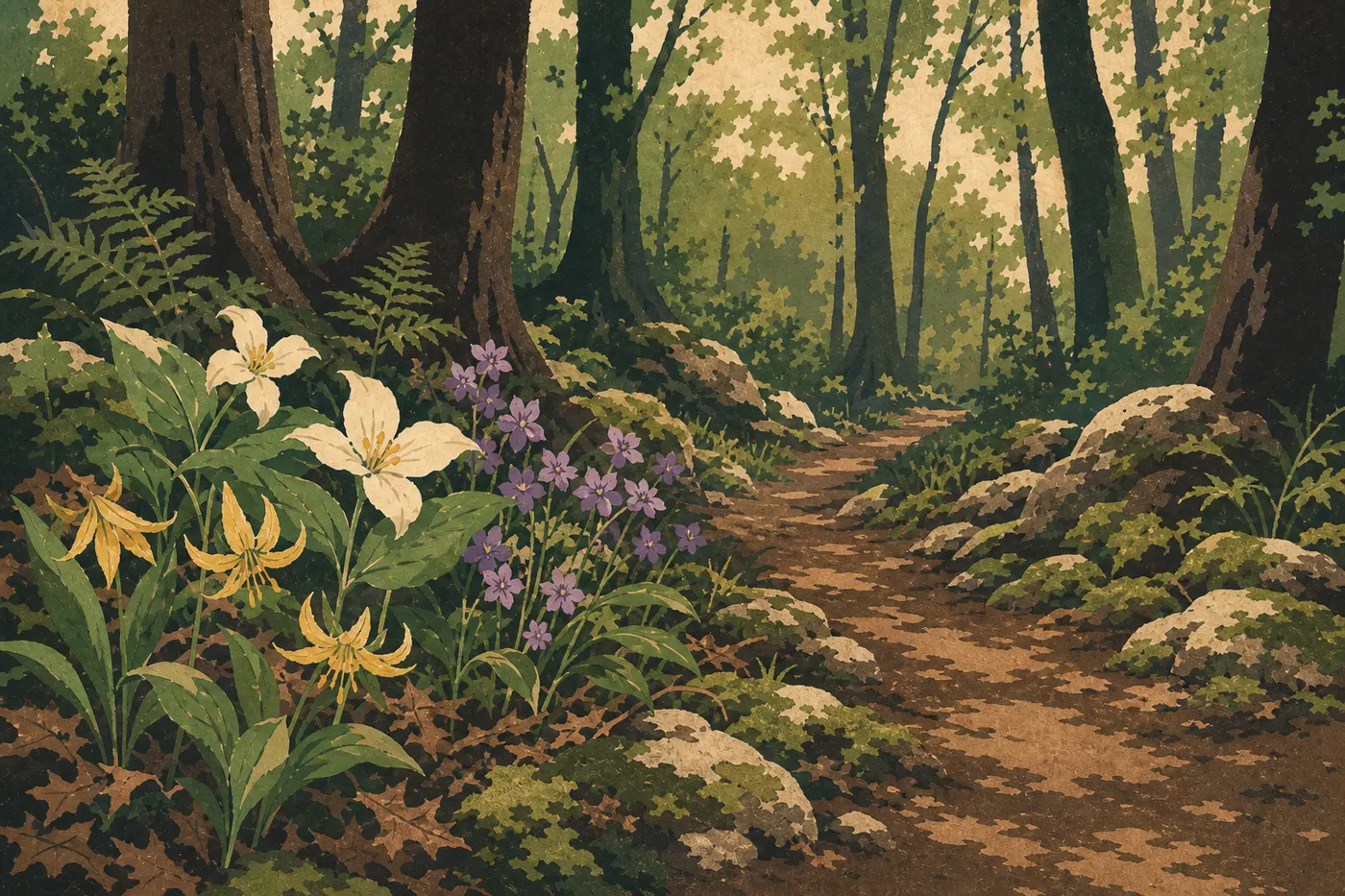
Spring combines the most reasons to visit. Temperatures rise gradually from 59-79°F, wooded trails fill with anemones and wild phlox, and migratory birds return to the oak and beech forests around the cave entrances.
March and April are the wettest months of the year. Storms can be severe, and flooding sometimes affects low-lying areas of the park. Before setting out, check trail conditions with the Visitor Center. The risk of tornadoes in Kentucky is real in spring, even if they remain uncommon, so check local weather alerts whenever the sky starts to darken.
Spring is ideal for cave tours. Midday tours fill quickly starting in April. Book your tickets ahead on Recreation.gov, especially for specialized tours. Practical details are covered in the guide to getting to Mammoth Cave.
Summer (June to August): Hot Outside, Cool Inside
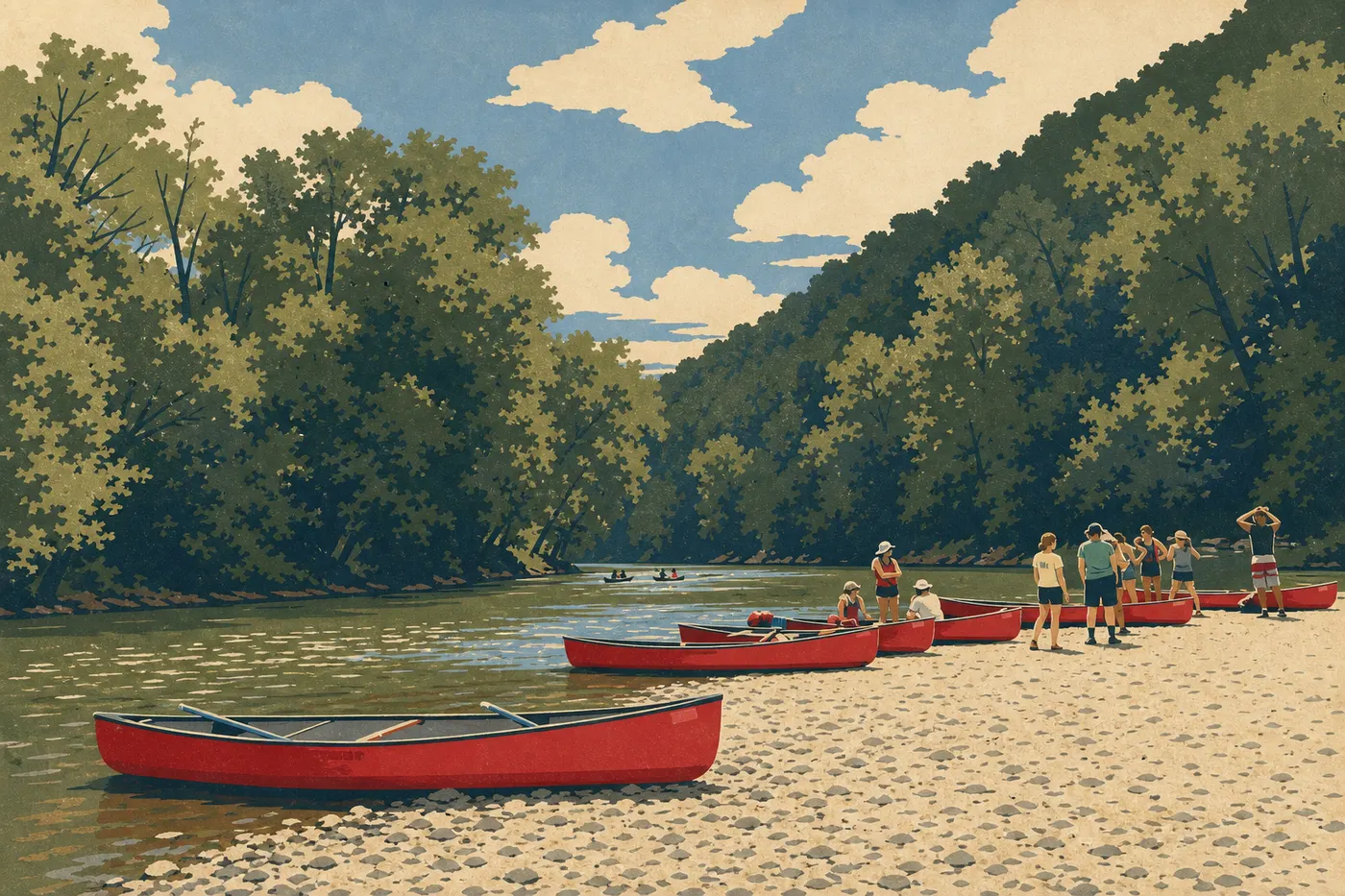
Summer is peak season. Temperatures regularly climb above 86°F, and humidity makes midday hikes above ground strenuous. Head out early in the morning or late in the afternoon if you want to hike comfortably.
The cave stays at 54°F. Take that contrast seriously. After spending 1.5 hours in cool passageways, stepping back into 90°F air feels abrupt. Always bring an extra layer for the cave, no matter how hot it is outside.
This is the busiest time of year. Popular tours such as the Historic Tour and Domes and Dripstones often sell out several days ahead. If you're visiting in July or August, book as soon as your dates are set.
Fall (September to November): Our Favorite Season
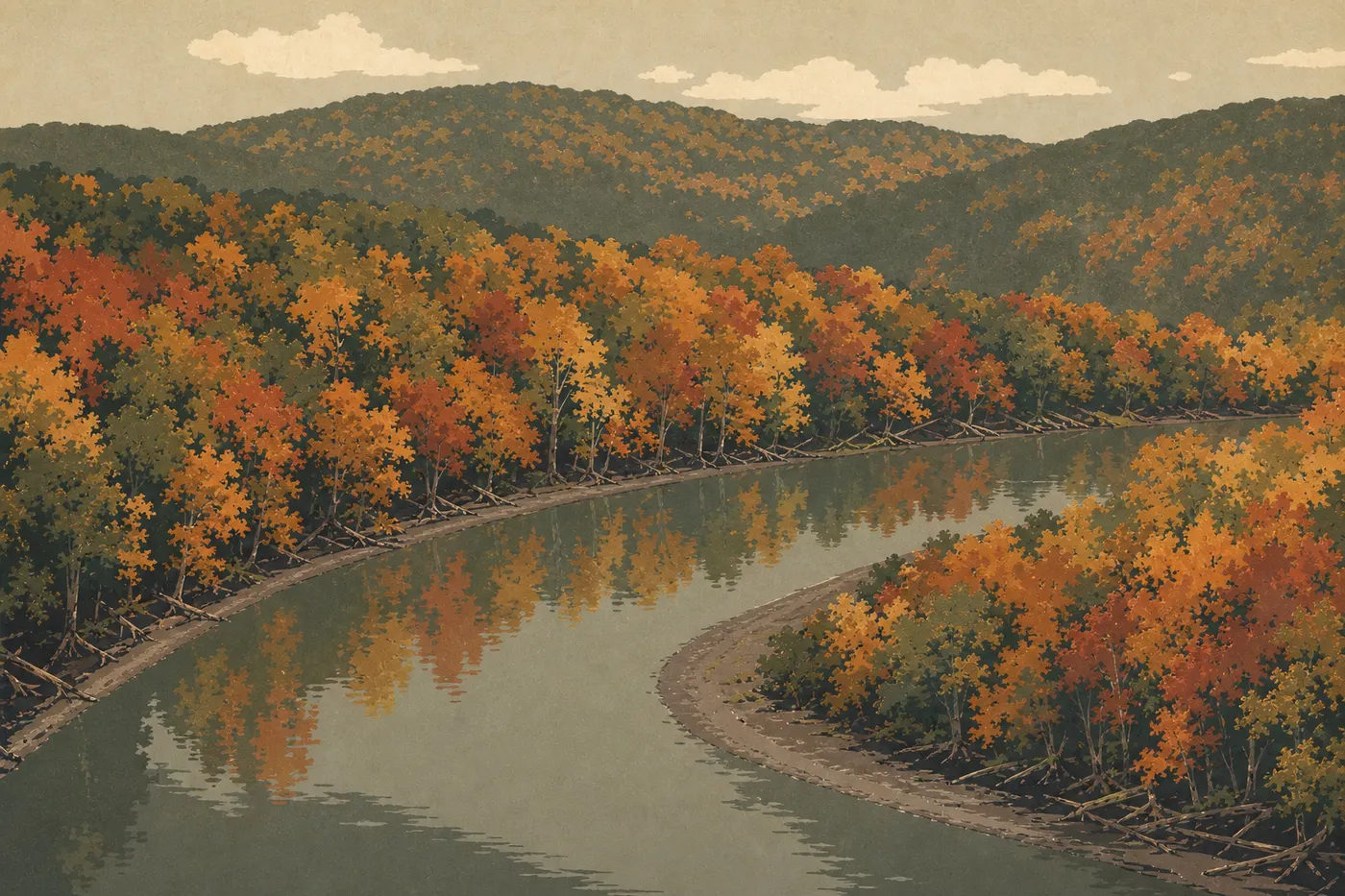
September and October are our preferred window. The heat fades, rainfall reaches its annual low, and the park's forests turn shades of russet, orange, and gold. Above-ground trails become enjoyable again, especially the Cedar Sink loop and trails along the Green River.
Crowds drop sharply after the American Labor Day weekend, the first weekend in September. It's easier to find a tour time without scrambling for a last-minute reservation. This is also the ideal season for photographers. Autumn light on Kentucky's wooded hills is remarkable.
November cools down quickly. Leaves fall in mid-November, and daytime temperatures drop to 43-50°F. The park stays open and quiet for anyone who enjoys a bare forest.
Winter (December to February): The Cave to Yourself
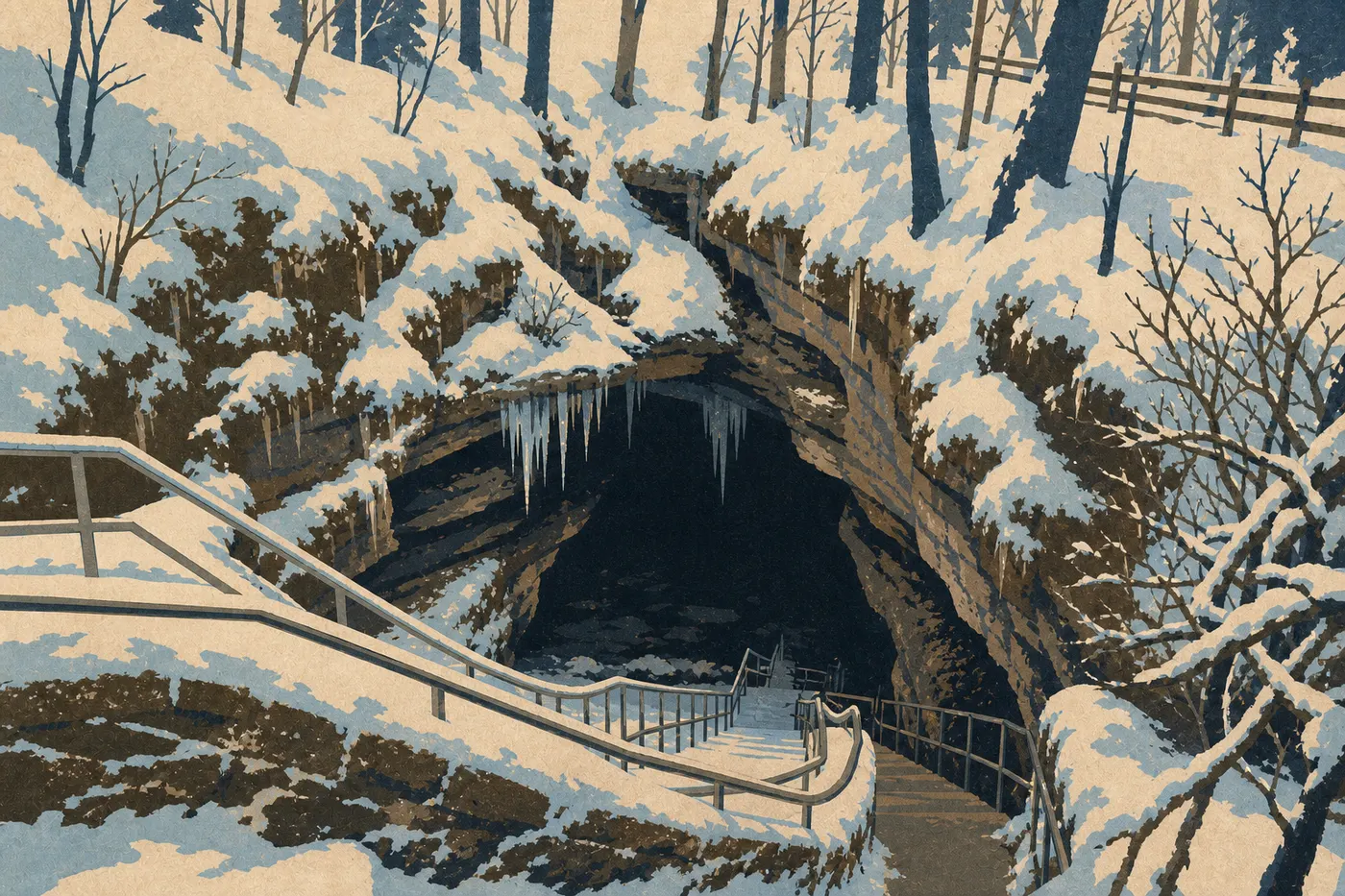
Winter is Mammoth Cave's biggest surprise. Above ground, cold weather settles in, and snow and ice can occur in January and February. Some trails may close temporarily after an ice storm. The park itself has no entrance gate and remains accessible 24/7 year-round.
Underground, nothing changes. During a January visit, I found myself among eight visitors on a tour designed for thirty people. Guides have time to go deeper into the history and geology, the passageways feel more atmospheric, and you can hear hibernating bats in the most remote recesses. For cave enthusiasts, it's the hidden gem of the cold season.
When to Avoid Crowds at Mammoth Cave
July and August draw the majority of visitors, especially American families on school vacation. Lines at the Visitor Center start getting longer by 9 a.m.
The Memorial Day weekend in late May and Labor Day weekend in early September are also very busy. Regional visitors from Louisville, Nashville, and Cincinnati arrive for the three-day weekend.
For more manageable crowds, aim for:
- April and May: pleasant weather and moderate crowds, except Easter weekend
- September and October: the best overall window
- Weekdays rather than weekends, whatever the season
From December through mid-March, visitation is at its lowest. This is ideal if caves are your main goal and you don't need sunshine to enjoy yourself.
Best Time for a Budget-Friendly Trip
Accommodation prices around Mammoth Cave follow visitation. Summer is the most expensive season, especially July and August weekends, when motels in Cave City and Horse Cave charge their highest rates.
The best deals are available from November through March. The park's campgrounds are inexpensive, and nearby lodging prices drop noticeably. A room that costs $120 in August may cost $65 in January, with the same quality.
Spring and fall offer a good balance of reasonable prices, pleasant weather, and solid availability. Our Where to Stay guide covers every option by category and season, from camping to lodging.
Admission to the park is free year-round. Cave tours are priced by the NPS at a fixed rate regardless of the season.
When to Visit Based on Your Travel Style
You're Coming for the Caves
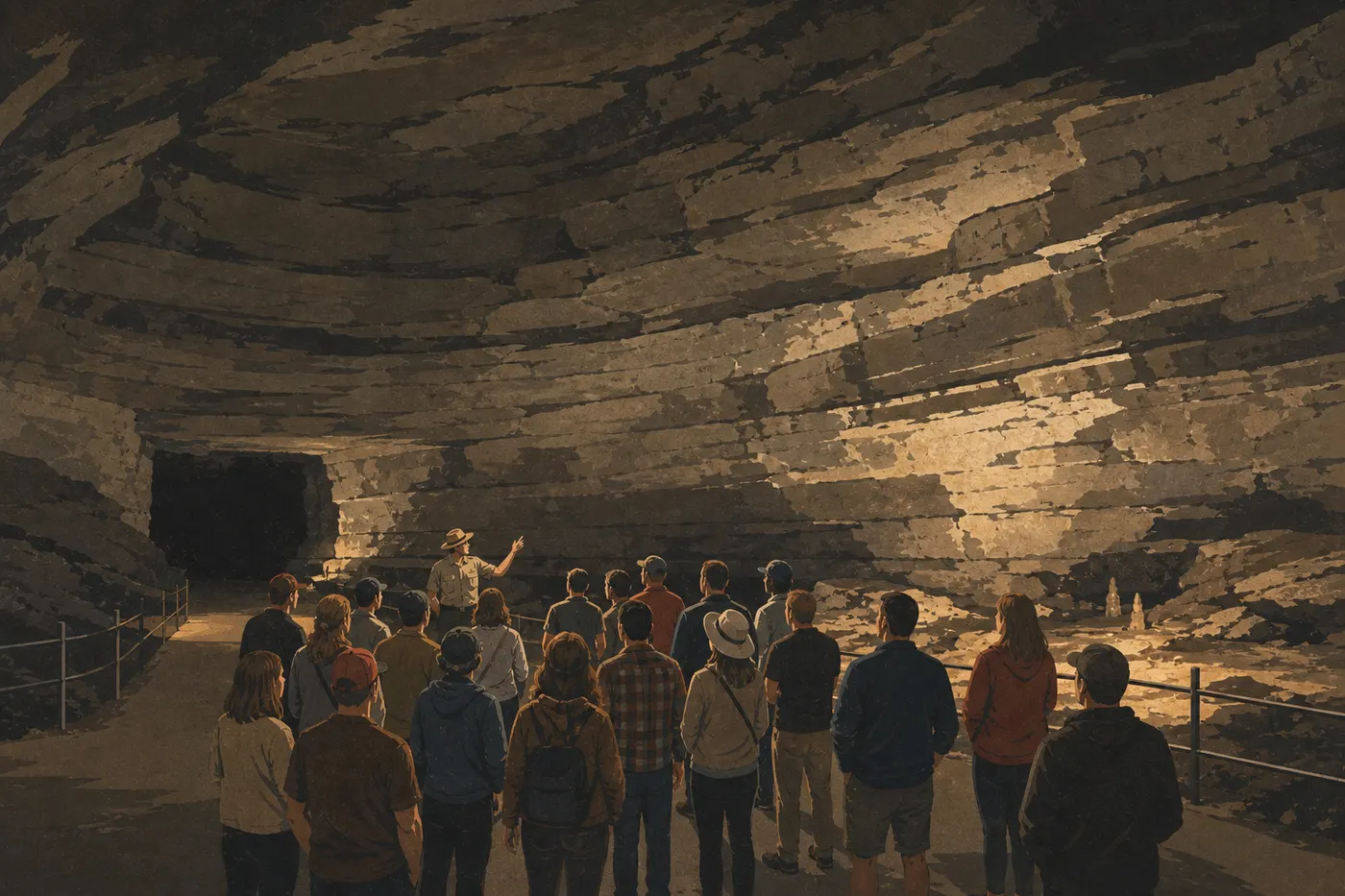
The cave is open year-round at 54°F. If underground passages are your main goal, winter is unbeatable for peace and atmosphere. Spring offers the best of both worlds if you also want to explore the surface trails.
You're Coming to Hike
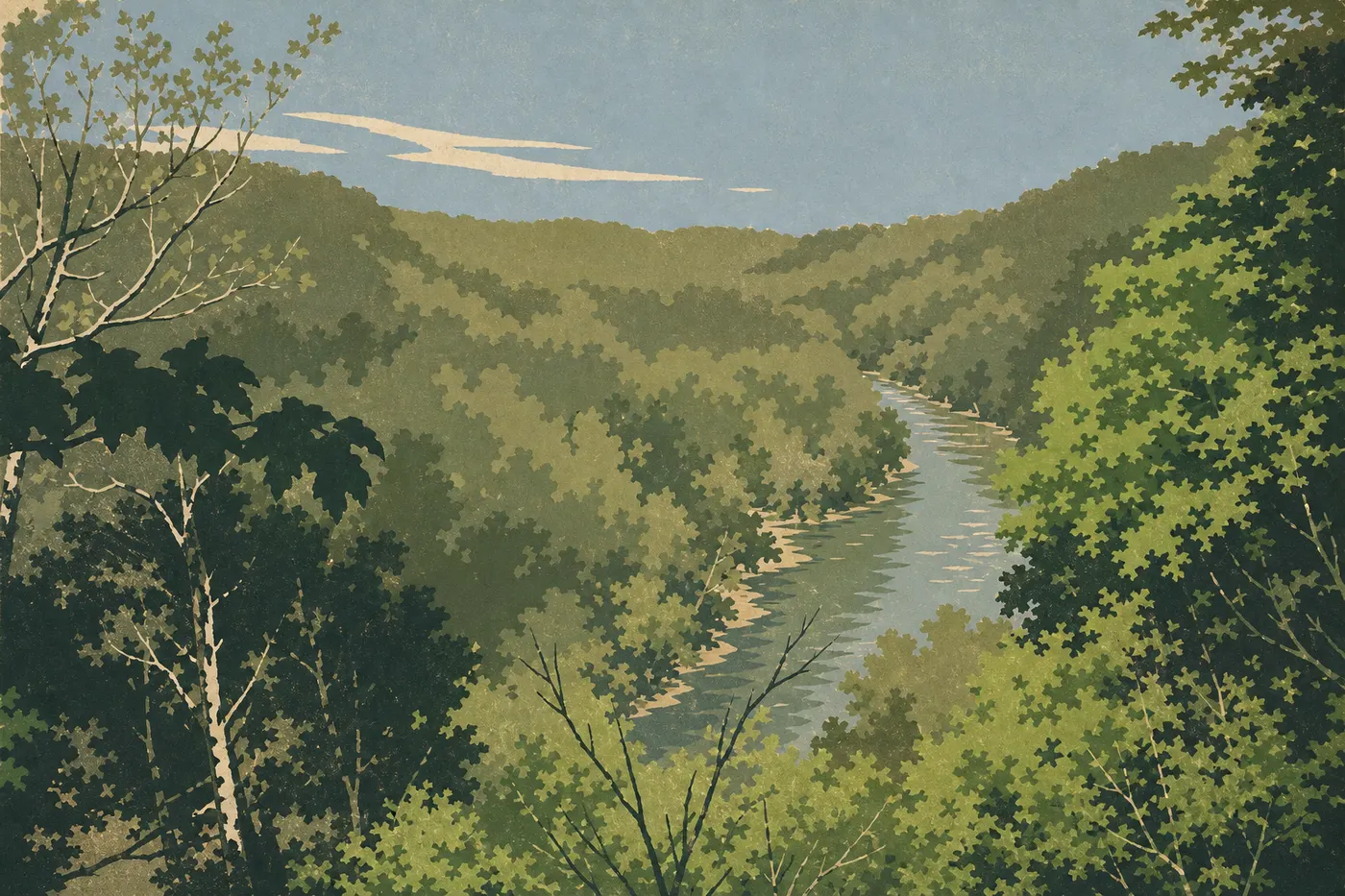
Aim for April-May or September-October. Weather is mild, trails are clear, and the park's vegetation is at its best. Avoid the intense heat of July and August for longer hikes. Our Hiking page covers the trails accessible from the Visitor Center, with elevation gains and durations.
You're Coming to Take Photos
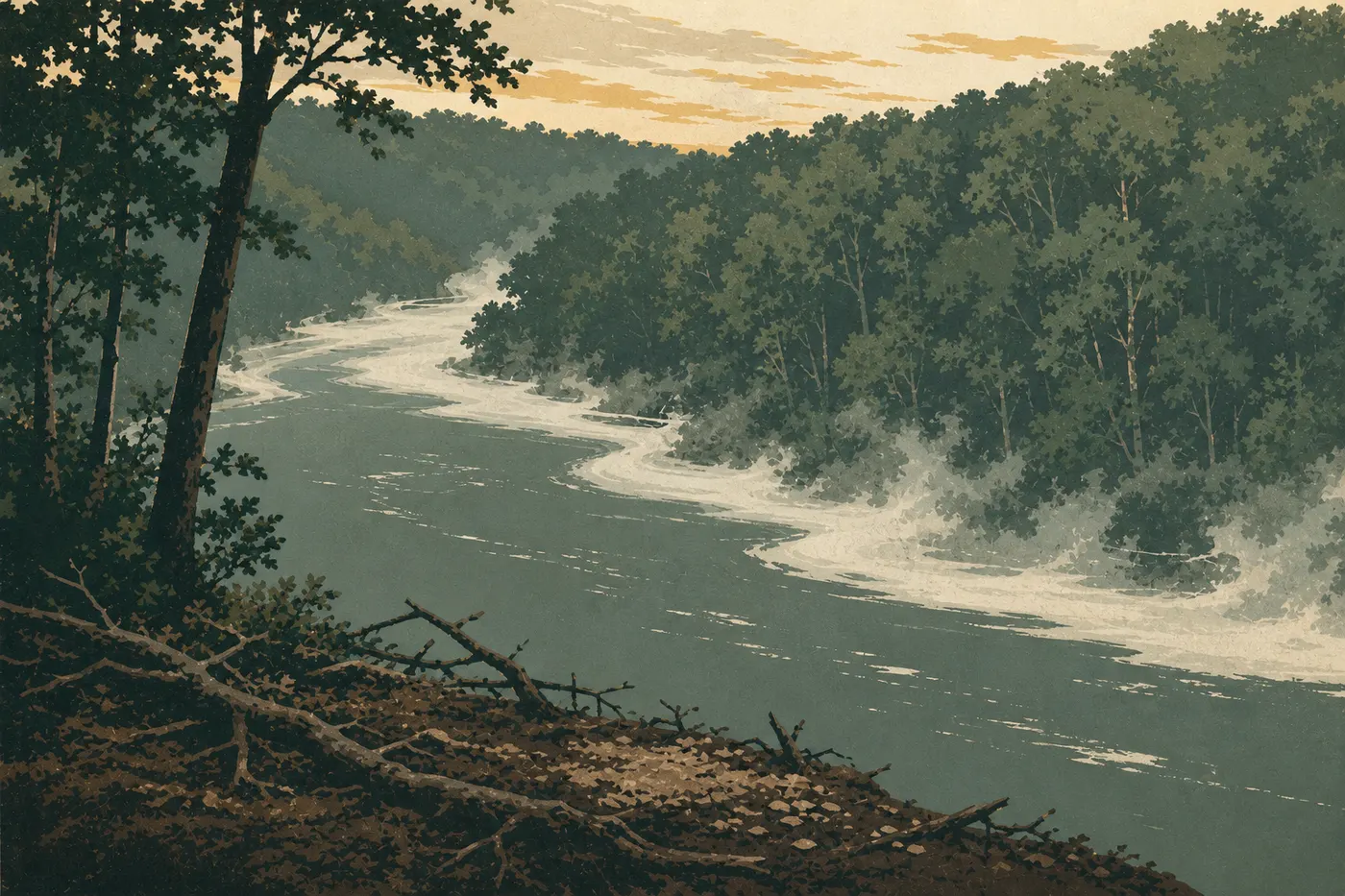
October is the short answer. Kentucky's fall foliage transforms the park's oak and maple forests into an exceptional backdrop. For cave photography, tour lighting is consistent year-round, so there's no bad season underground.
You're Coming with Kids
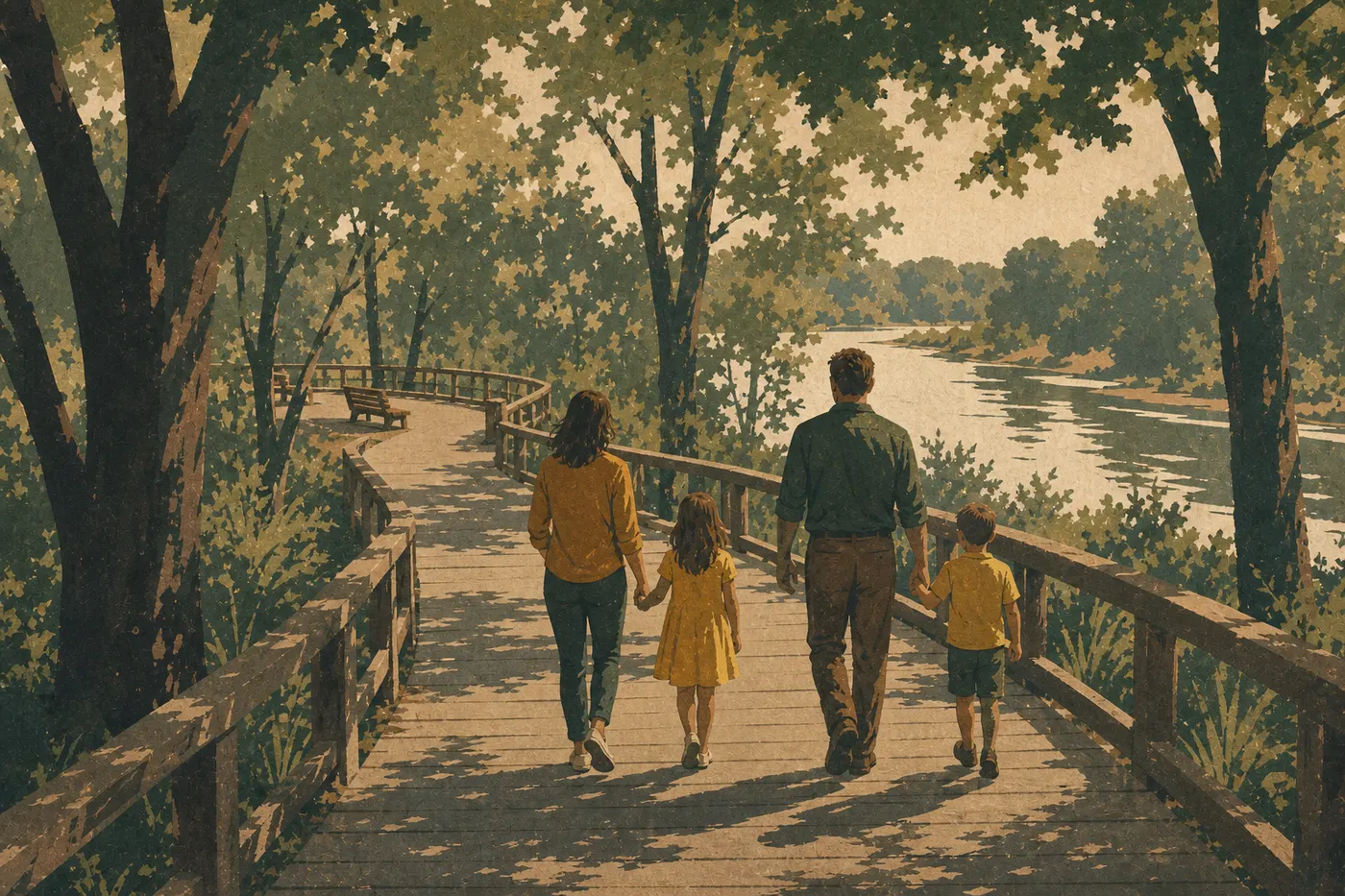
Late April through early June or September are the go-to family windows. Kids handle 68-77°F better than August heat, and shorter tours such as the Frozen Niagara Tour, which lasts about an hour and works well for children, are easier to book outside peak season. Our Family guide lists activities suited to younger children.
You're Traveling on a Tight Budget
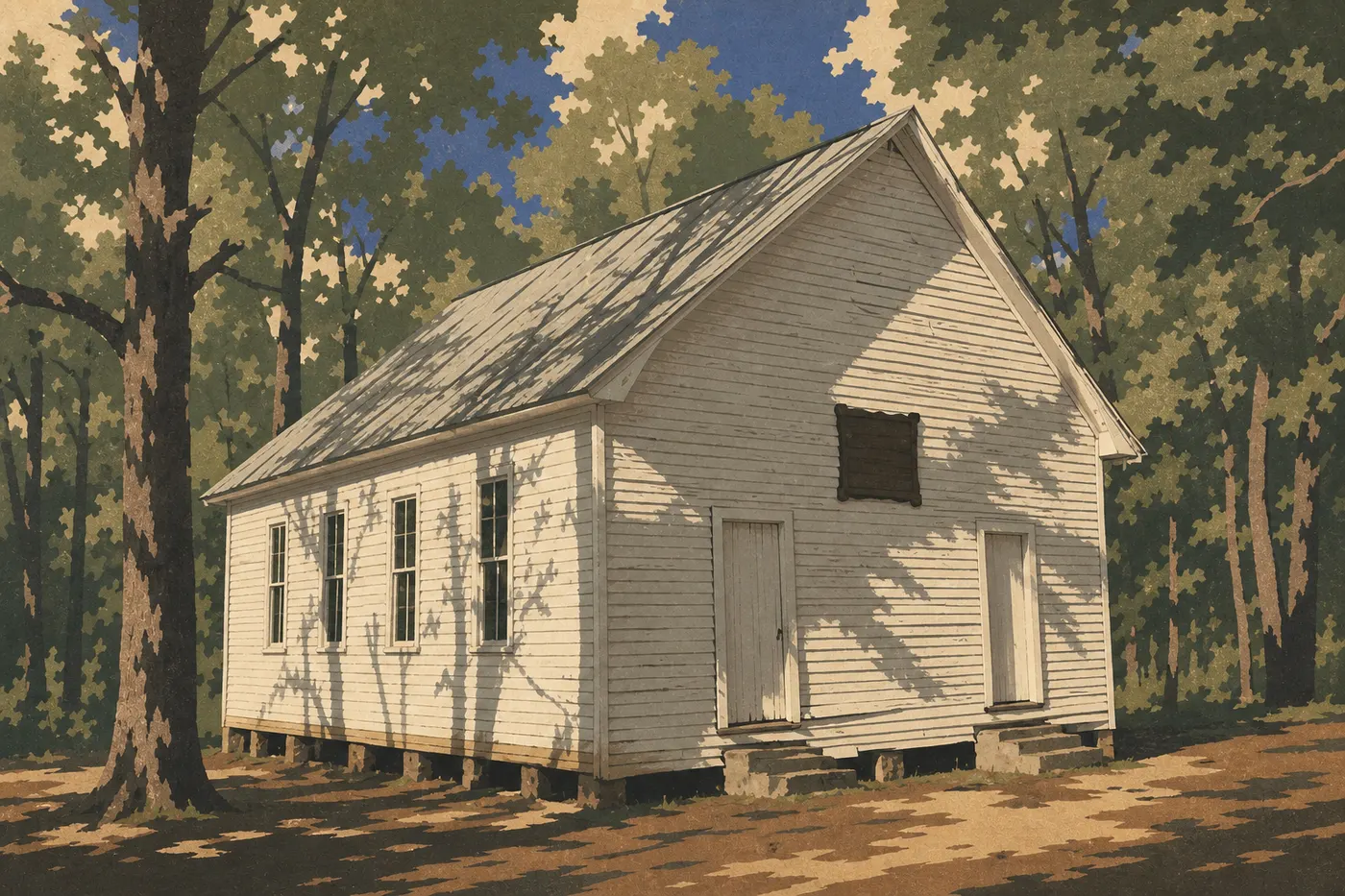
November through March, except around Christmas, offers the lowest prices on lodging and campgrounds. Since park admission is free year-round, lodging around the park is the only variable expense.
In Summary: The Best Time for Your Travel Style
| Travel style | Ideal time |
|---|---|
| Caves first | November to March (low visitation) |
| Hiking and nature | April-May or September-October |
| Landscape photography | October (fall foliage) |
| Family trip | Late April to early June, or September |
| Tight budget | November to March |
| First visit | April-May or September-October |
Our complete Mammoth Cave guide gives you an overview of the park, available activities, and must-see highlights, whatever season you visit.
The Worst Time to Visit Mammoth Cave
July and August combine every drawback. Temperatures regularly rise above 86°F, and heavy humidity turns above-ground hikes into a physical ordeal. The Visitor Center gets busy by 9 a.m. with lines for walk-up tickets, and popular tours sell out several days ahead. Showing up without a reservation in midsummer risks missing the cave entirely.
Holiday weekends make things even busier. Memorial Day in late May, July 4, and Labor Day in early September bring waves of regional visitors from Louisville, Nashville, and Cincinnati for a three-day trip. If your dates fall on one of these weekends, book tours several weeks ahead or shift your visit by a day or two to a weekday. March also deserves a warning. It's the wettest month of the year, with storms that can block access to surface trails and a tornado risk in Kentucky to consider when planning.
Frequently Asked Questions
What time should I arrive for Mammoth Cave tours?
For morning tours, plan to be at the Visitor Center at least 30 minutes before departure. During peak season in July and August, walk-up tickets may sell out as soon as the center opens. Arrive at 8 a.m. and preferably book several days ahead on Recreation.gov to secure your tour time.
What's the best time to visit Mammoth Cave?
The best times to visit Mammoth Cave are spring (April-May) and fall (September-October). Above-ground weather is pleasant, crowds are manageable, and cave tours are easier to book. The cave itself can be visited year-round at a constant 54°F.
What's the climate like at Mammoth Cave?
Mammoth Cave has a humid subtropical climate. Summer highs reach 88-90°F with high humidity; winters are mild to cold, with average temperatures around 39-46°F. The park gets about 50 inches of rain each year, with a spring peak. Snow and ice are possible in January and February.
How long does it take to visit Mammoth Cave?
Plan on a full day to take one or two cave tours and explore a few surface trails. Two days let you combine several tours, both short and long, and enjoy the natural setting without rushing. Our Itinerary & Timing guide offers plans for different visit lengths.
How much does a trip to Mammoth Cave cost?
Park admission is free. Cave tours cost money and are priced by the NPS at a fixed rate regardless of the season. Lodging is the main variable expense, and it's much cheaper from November through March. Our Where to Stay guide gives price ranges by category, from camping to motels.
Can you visit Mammoth Cave in winter?
Yes, and it's a very good option if the cave is your priority. The cave stays at 54°F in every season, tours operate, and groups are much smaller, so the experience is often more immersive than in summer. Above ground, bring warm clothing and check trail conditions after an ice event.
What is the least crowded month at Mammoth Cave?
January and February are the least crowded months of the year. Visitation is at its lowest, and cave tours sometimes depart with only a handful of visitors. This is the ideal window for an intimate tour of the passageways without booking far in advance.
What's the best time to visit Kentucky?
For Kentucky overall, spring (April-May) and fall (September-October) are the most popular seasons, with mild temperatures and colorful scenery. For a broader trip through the American Southeast, our Regions guides offer ideas for destinations to combine around the park.